
Palm and Tree Library
Know what you are looking at, and what to do next.
Every palm disease, palm pest, nutrient problem and tree problem we see across Southwest Florida, ranked from the killers to the mostly cosmetic. Our own field photos, the signs to look for, and the written protocol we follow for each one.
- Killer
- Kills the palm or tree. No cure once it takes hold.
- Serious
- Can kill or badly disfigure if left alone. Needs action.
- Manageable
- Kept in check when it is caught early and treated.
- Mostly cosmetic
- Looks bad, rarely harms. At scale we do not typically treat it.
Every page is ranked on this scale. Anything Manageable or Mostly cosmetic can become Serious, but caught early, it stays manageable. Mostly cosmetic problems are ones we do not typically treat on palms and trees at scale. On a home, or a palm or tree that matters most to the property, treating one can be a level of care you choose.
Start here
Pick what you are seeing.
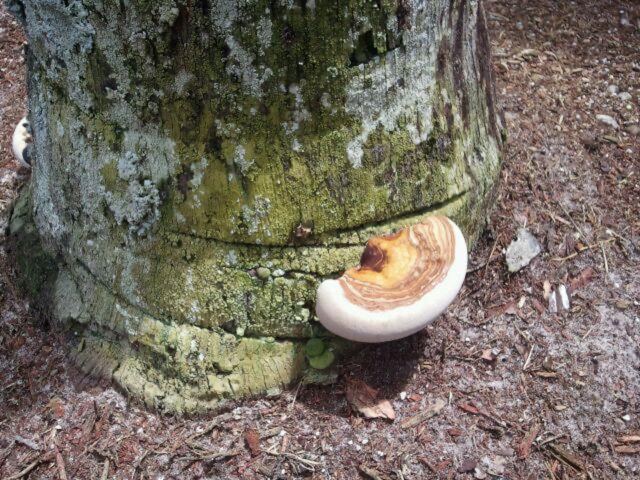
Lethal bronzing, Fusarium, Ganoderma, bud rot and the leaf spots that only look bad.
Open palm diseases →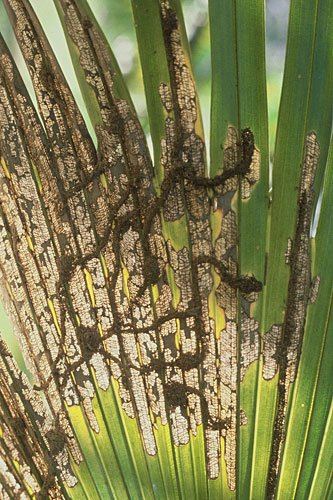
The palmetto weevil that kills, and the sap-feeders and chewers that mostly do not.
Open palm pests →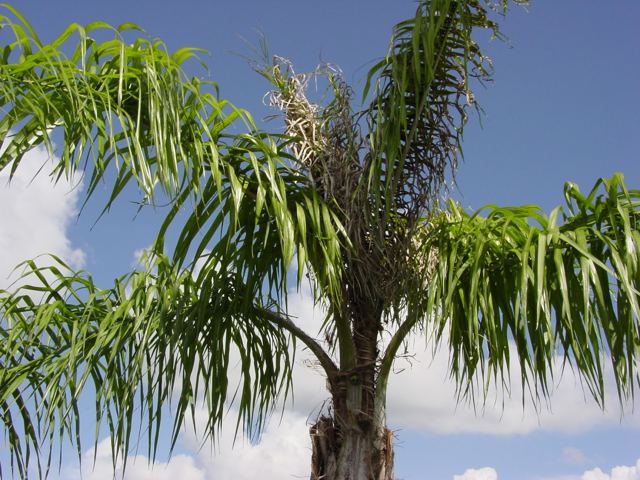
Potassium, magnesium, manganese, boron, iron, nitrogen, and what a freeze does.
Open nutrition and cold →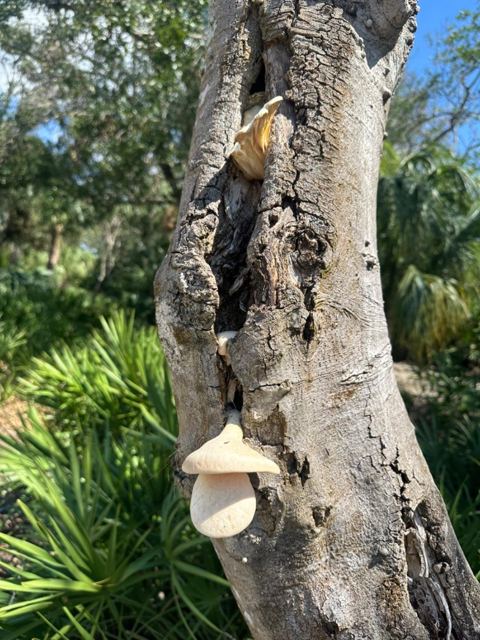
Oaks, pines and shade trees: cankers, bark beetles, decay, scorch and herbicide injury.
Open tree problems →Everything in one place
Search the whole library.
Start with what you see on the property. All 35 pages, the 8 killers first.
Killer8 pages
 Killer
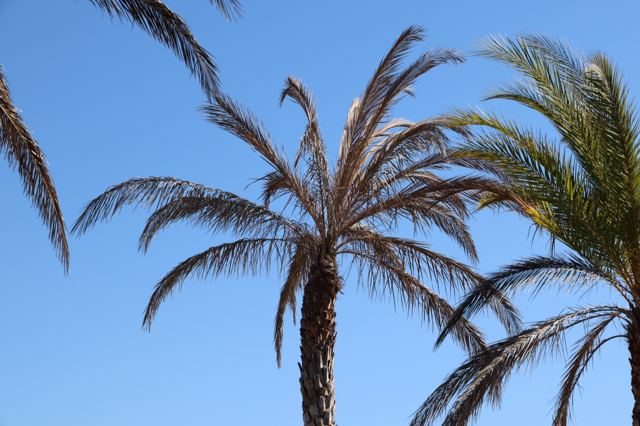
A bacterial disease spread by a planthopper that kills palms within months of the first symptoms. The active palm killer across Southwest Florida.
Signs and what we do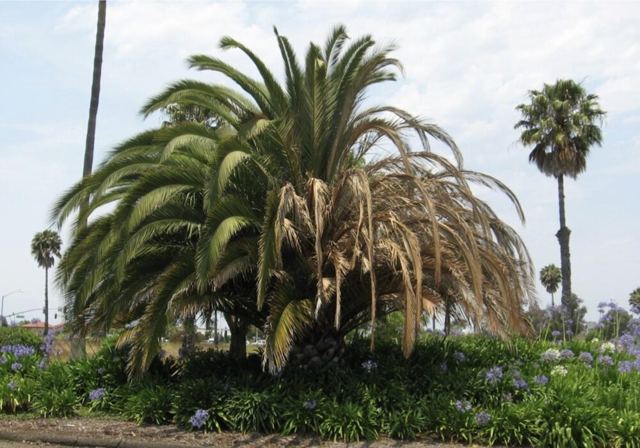 Killer
A fatal fungal wilt that plugs a palm's water-conducting tissue.
Signs and what we do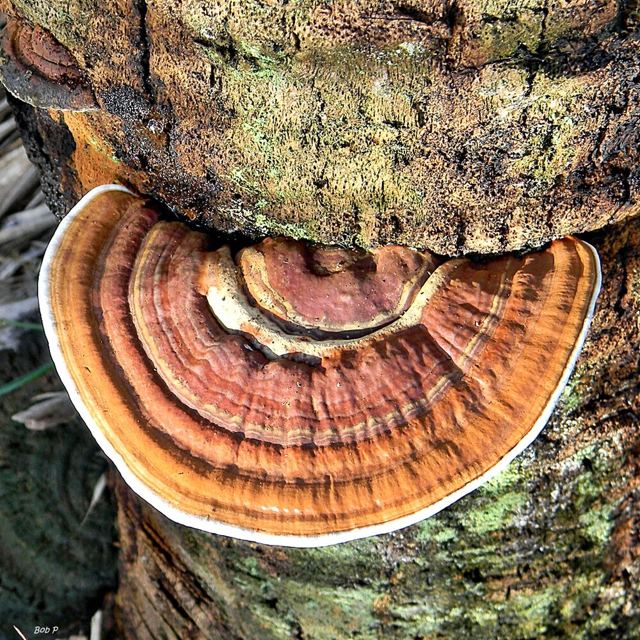 Killer
A wood-decay fungus that rots the base of the trunk and the roots.
Signs and what we do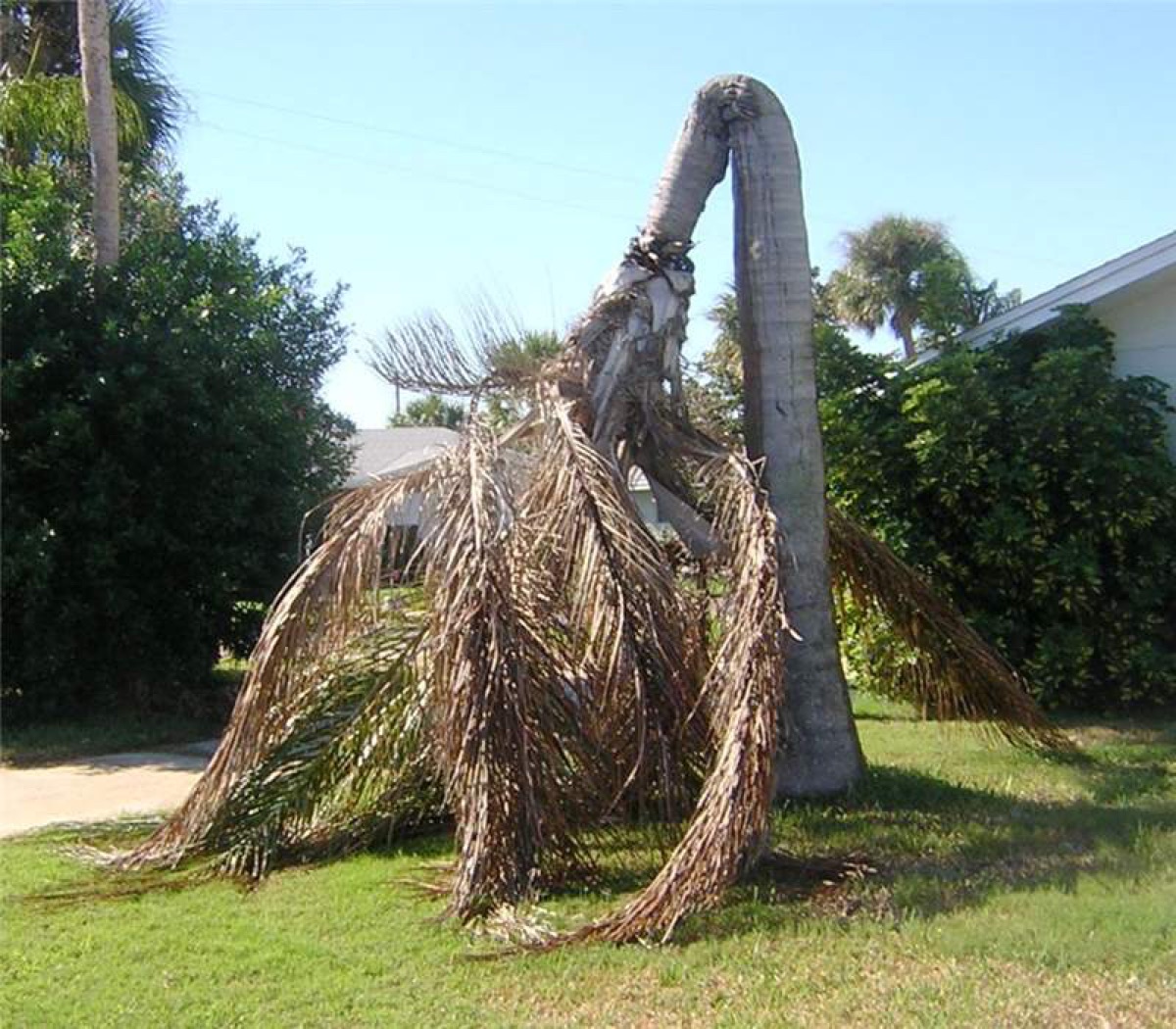 Killer
A fungus that enters through fresh trunk wounds and rots the trunk from one side inward.
Signs and what we doSerious10 pages
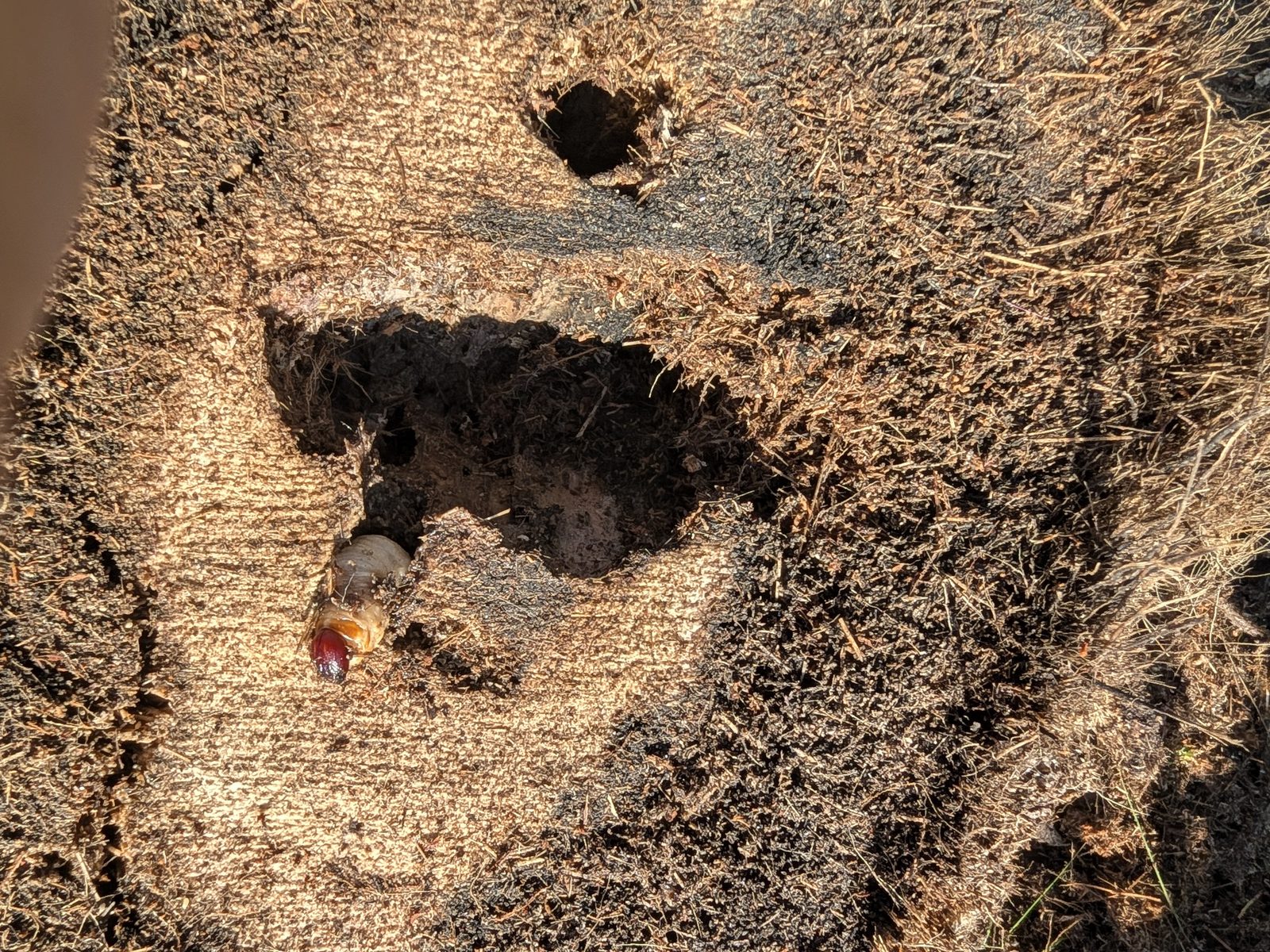 Serious
North America's largest weevil and the most lethal insect pest of palms in Florida.
Signs and what we doSeriousNew fronds come out yellow, streaked and frizzled, curled tight around the stem.
Signs and what we do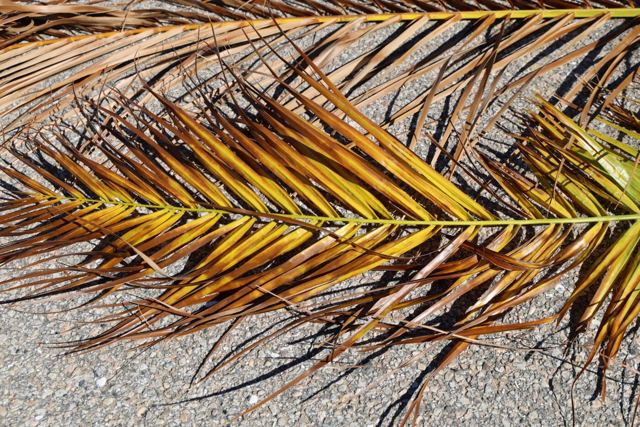 Serious
Chilling, frost and hard freezes burn fronds and can kill the bud.
Signs and what we do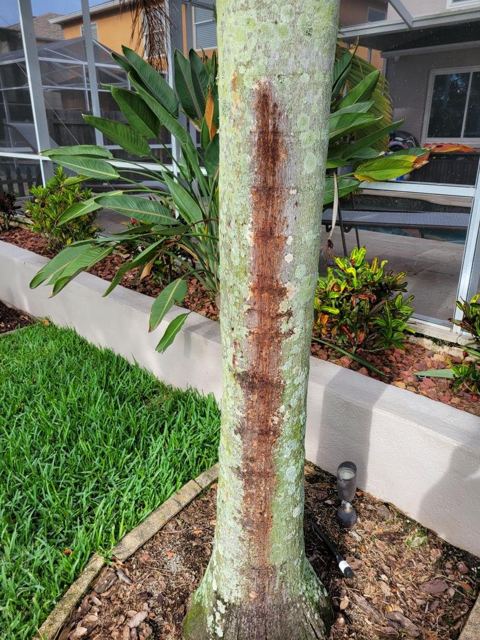 Serious
Tiny wood-boring beetles that attack palms and trees already under stress.
Signs and what we doManageable11 pages
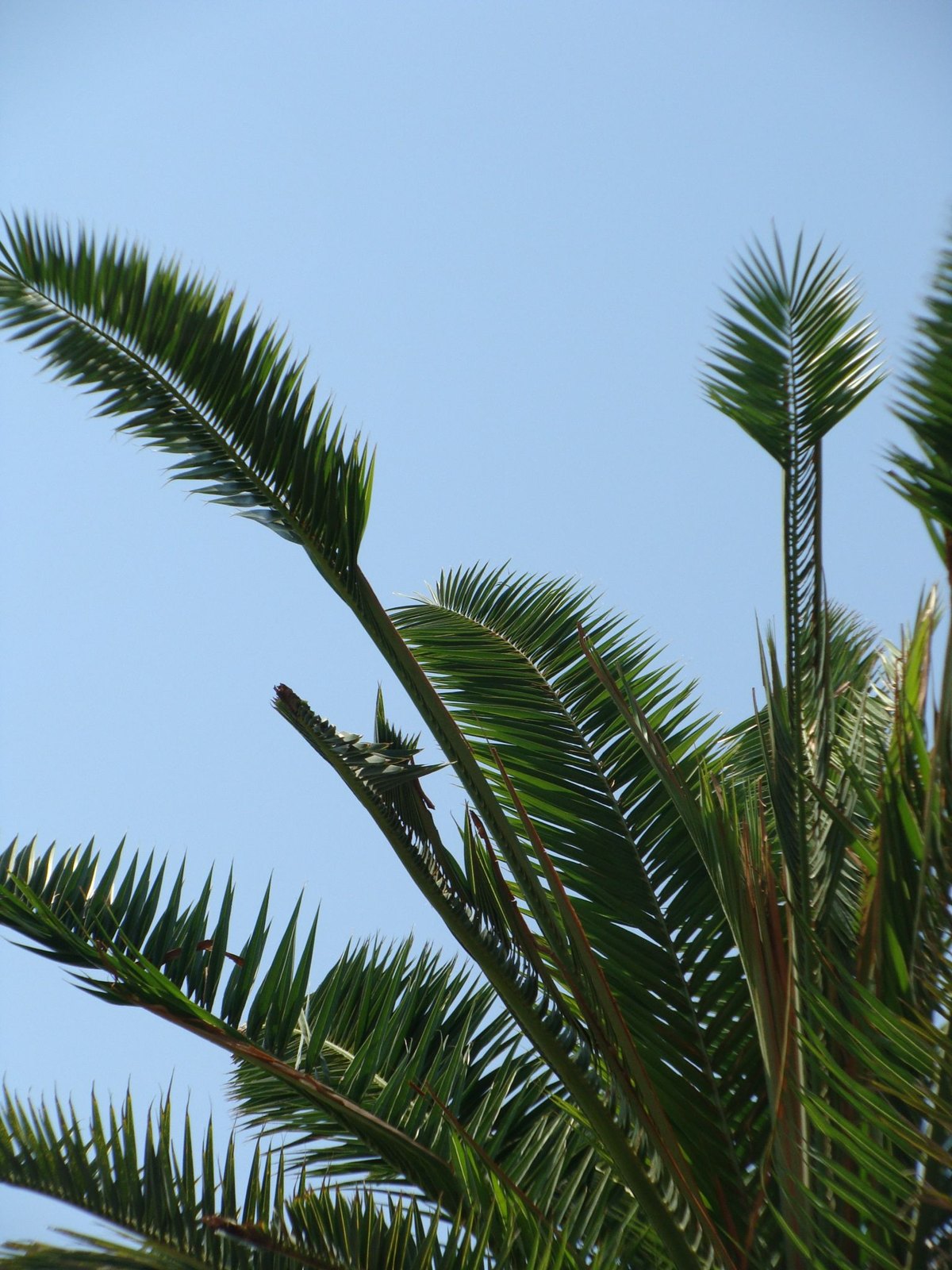 Manageable
Deformed new growth: bent leaflet tips, spears that will not open, crumpled accordion leaves, crowns that bend to one side.
Signs and what we do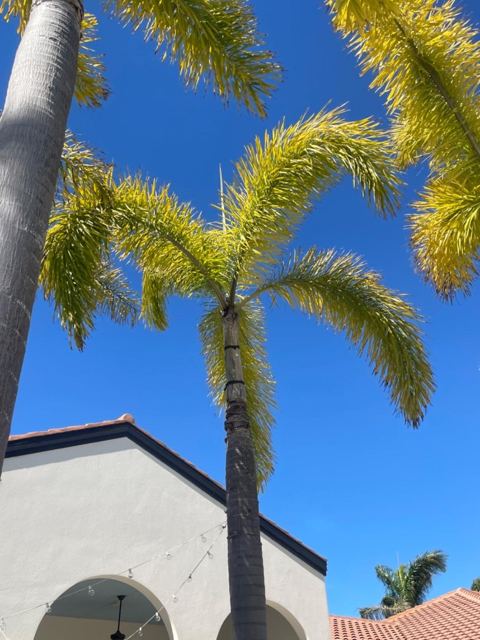 Manageable
Yellow new fronds over green old ones.
Signs and what we do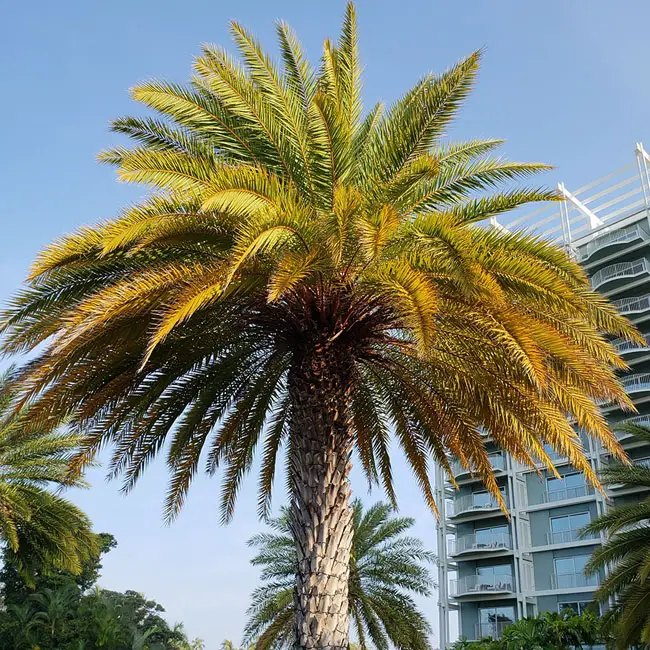 Manageable
Broad yellow bands on the oldest fronds, with a green stripe left down the center.
Signs and what we do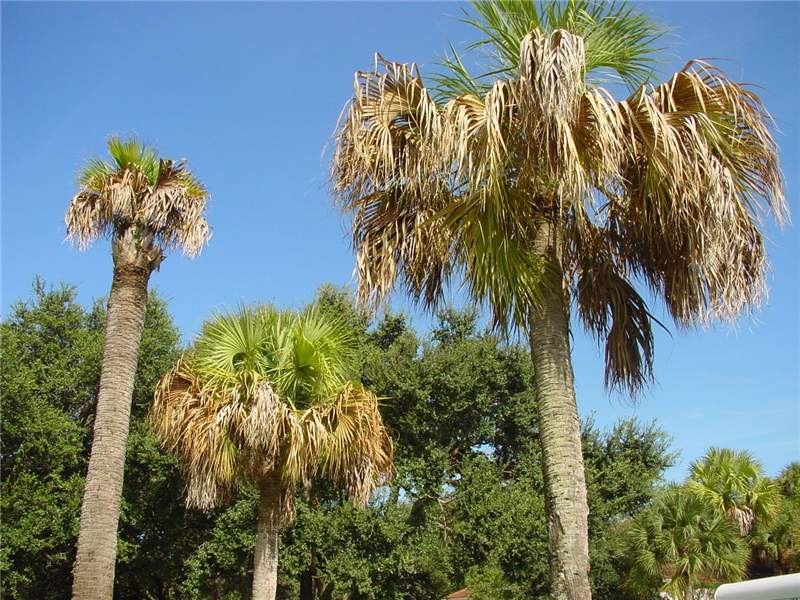 Manageable
The most common nutrient problem in Southwest Florida palms, and the one with the highest stakes.
Signs and what we doMostly cosmetic6 pages
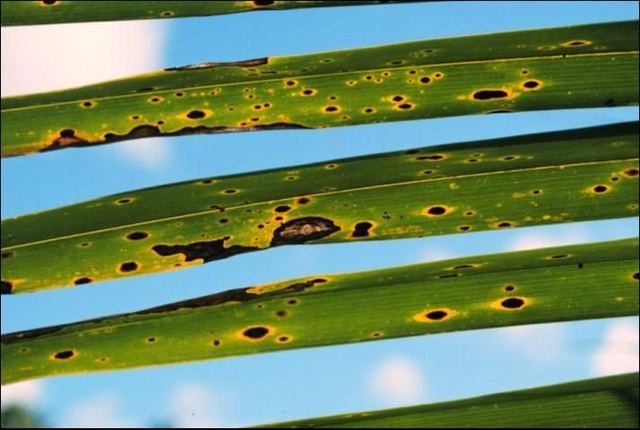 Mostly cosmetic
A group of fungal diseases that spot and blight palm fronds.
Signs and what we doMostly cosmeticA small caterpillar that feeds under a mat of silk and droppings on the underside of fronds.
Signs and what we do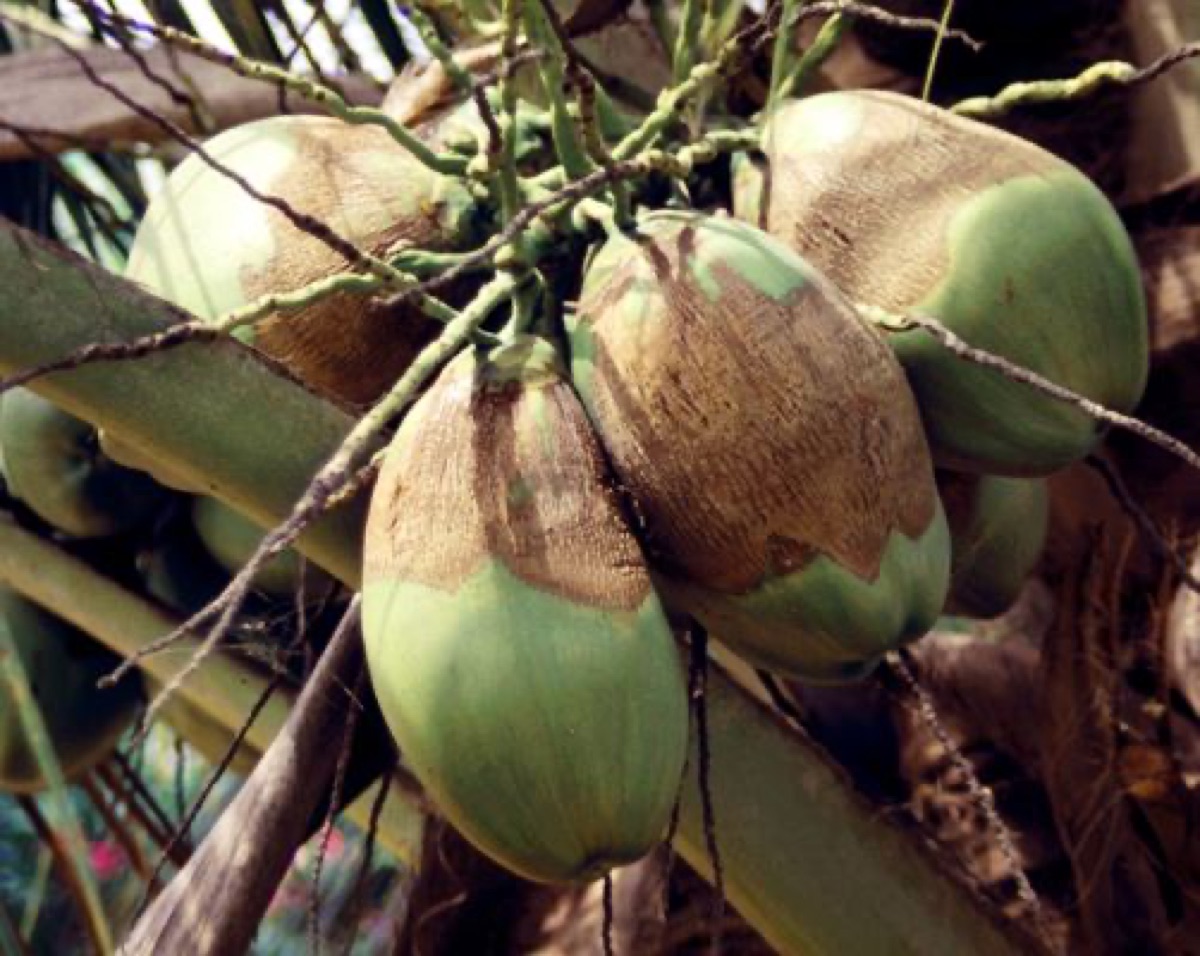 Mostly cosmetic
Three kinds of mites feed on palms in Southwest Florida: spider mites, red palm mite and coconut mite.
Signs and what we do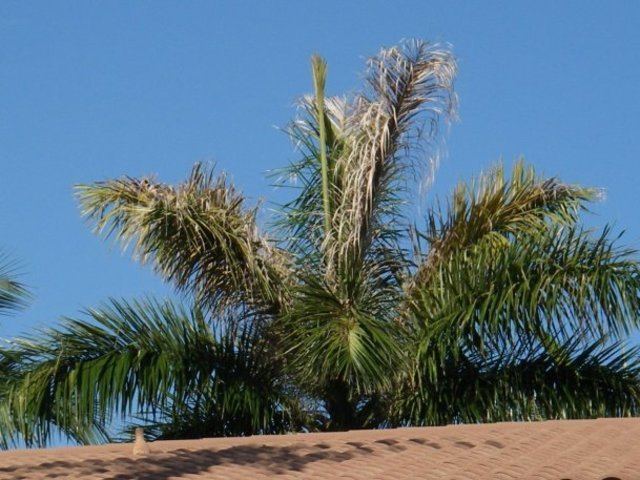 Mostly cosmetic
A tiny bug that feeds only on royal palms.
Signs and what we doProtocols
A written protocol for every threat.
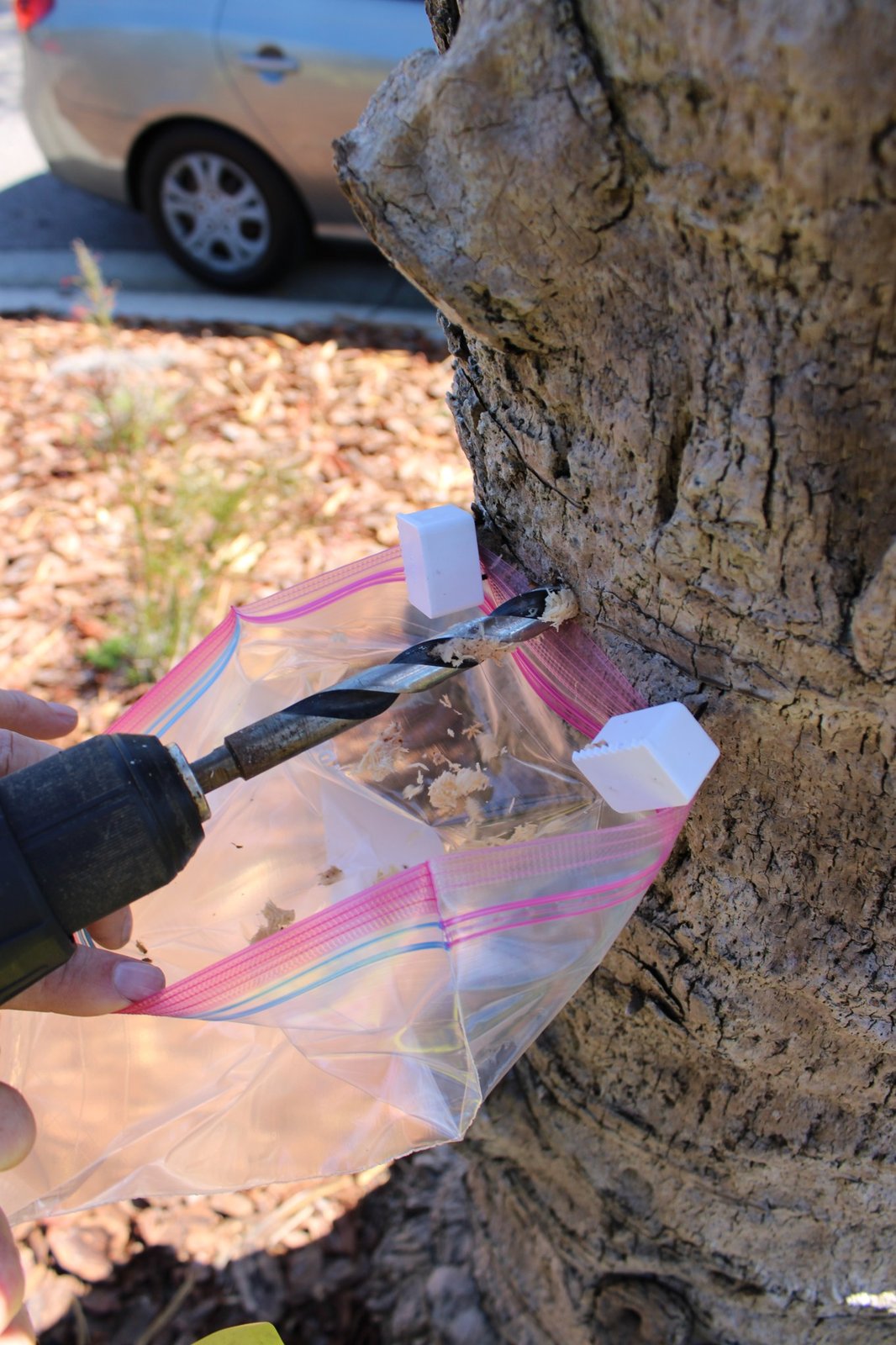
Lethal bronzing, Fusarium wilt, Ganoderma, palmetto weevil, pine bark beetles, storms and new trees and palms. Each one is written before it is needed: what triggers it, the steps in order, who signs, and what the client gets in hand.
Guides
The long reads.
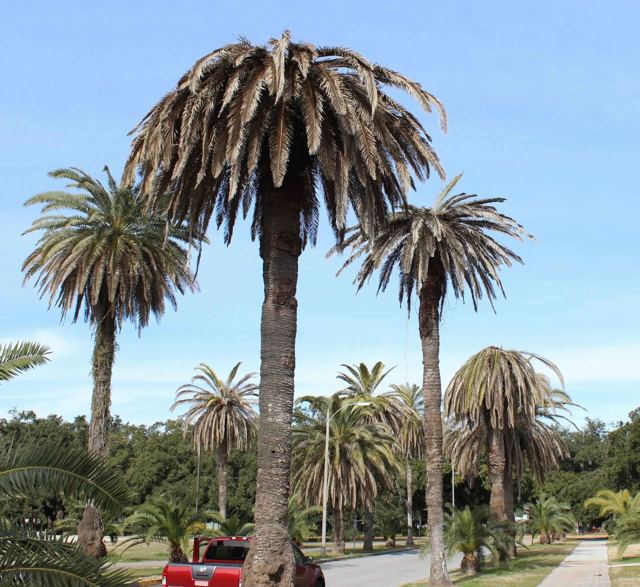
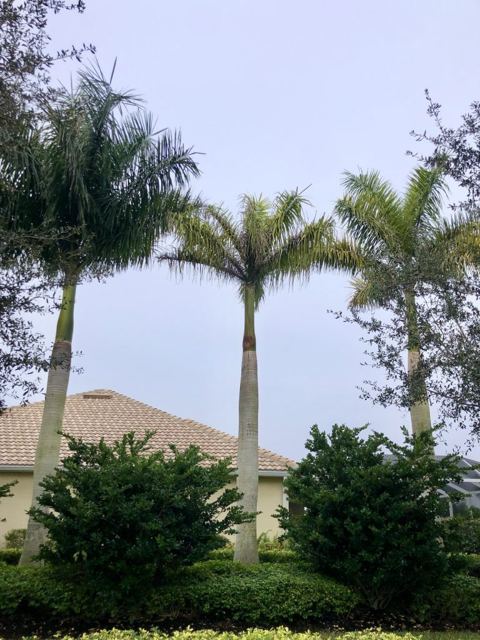
Field Notes
Latest from the blog.
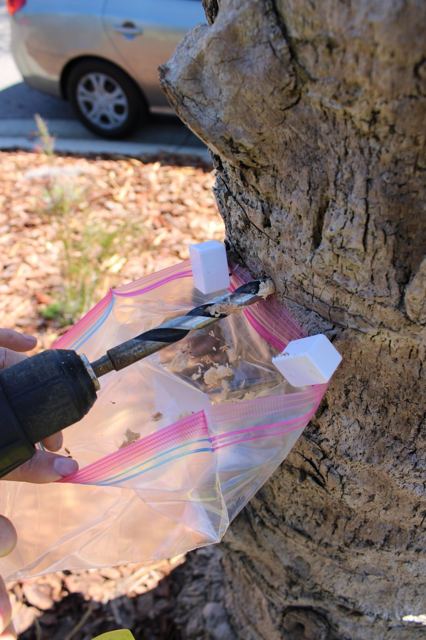 ThreatsIn TCI Magazine: Lethal Bronzing in Palms, Test Before You Treat
Tree Care Industry Magazine published Jeff Kaulbars' article on lethal bronzing. The short version, for the people who answer for the palms.
Read the post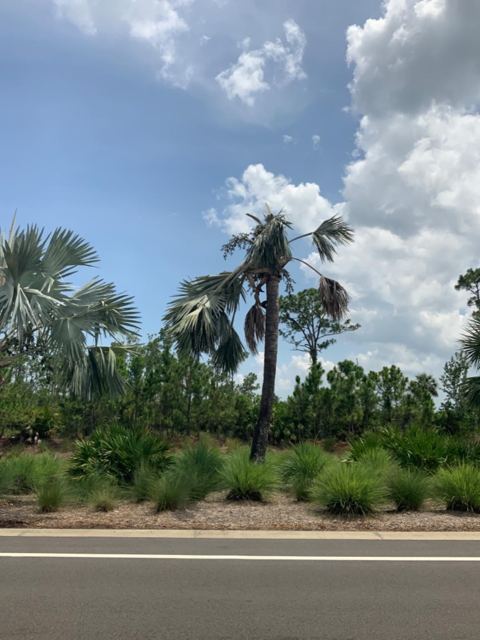 ThreatsPalm Pests in Southwest Florida: Which Ones Actually Matter
The pest that blackens a frond rarely kills the palm, and the one that kills it is usually hidden until it is too late.
Read the post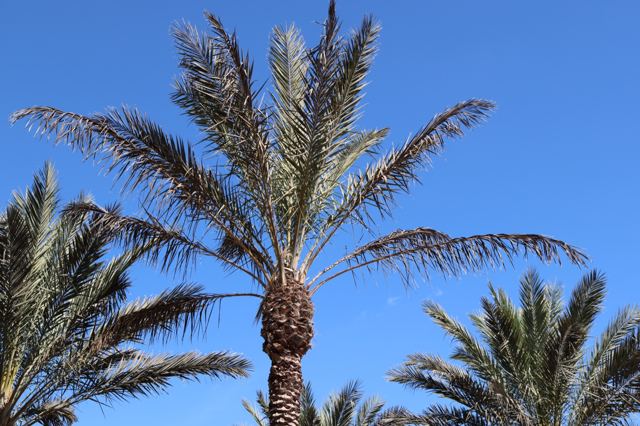 ThreatsLethal Bronzing: What Boards Should Know Before Acting
Lethal bronzing is fatal, rides one insect, and cannot be called by eye, so we test a palm before anyone treats or removes it.
Read the postField photo library
What it looks like on a real property.
55 field photos, each linked to the page that explains it. A photo is a reason to call us, not a diagnosis: the serious calls are confirmed in a lab.
Palmetto Weevil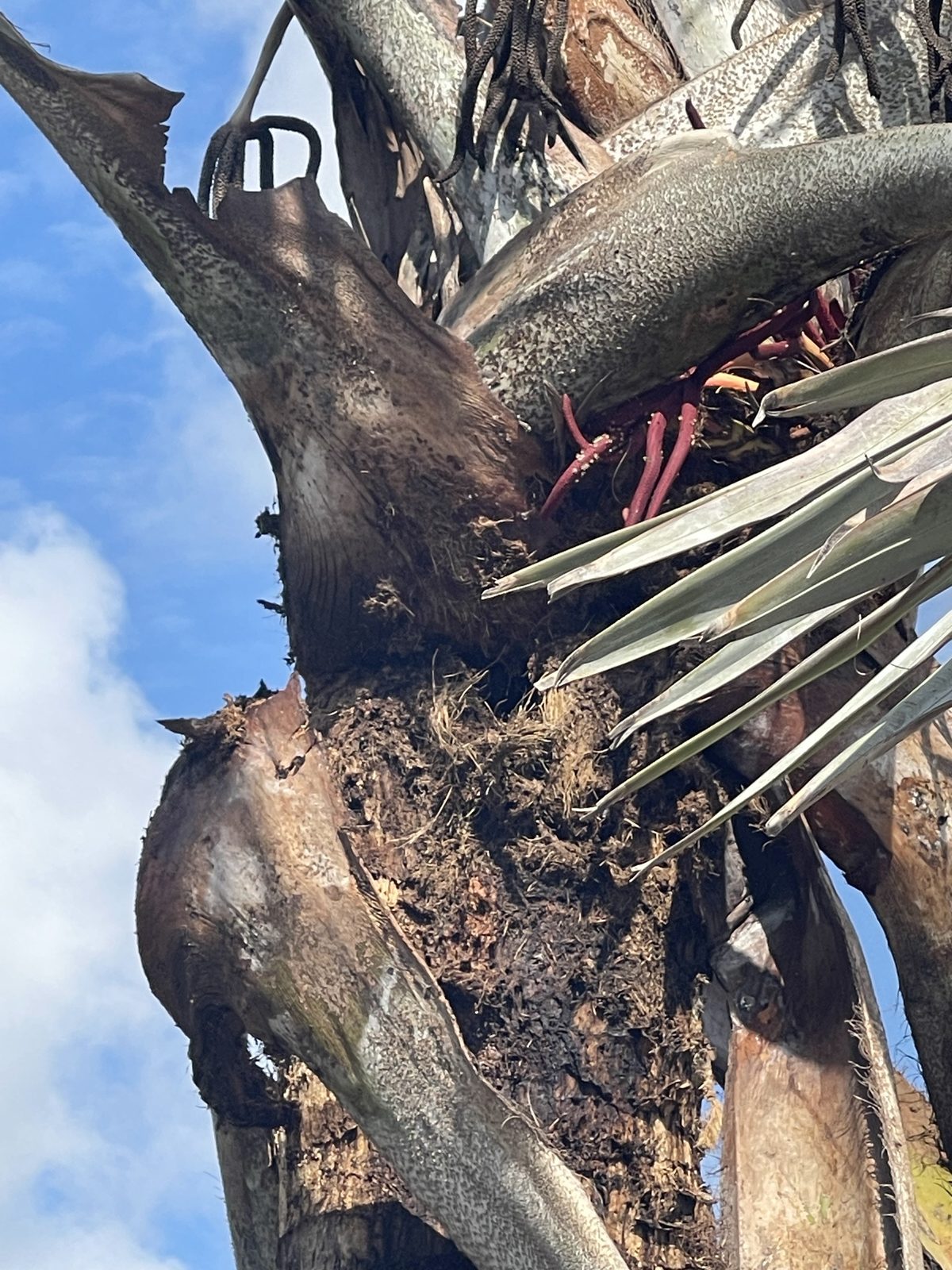 Palmetto Weevil
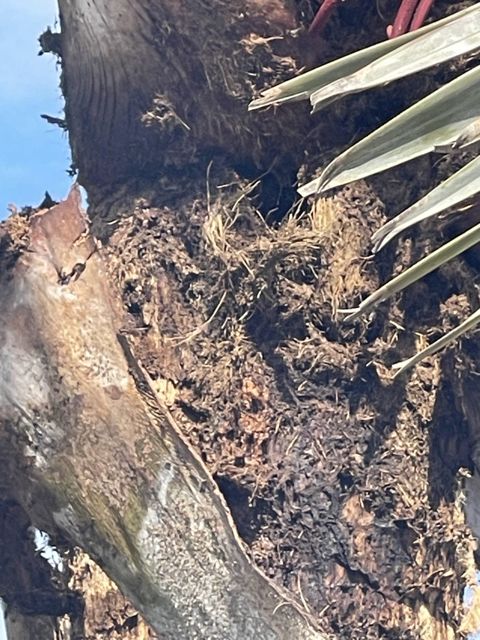 Palmetto Weevil
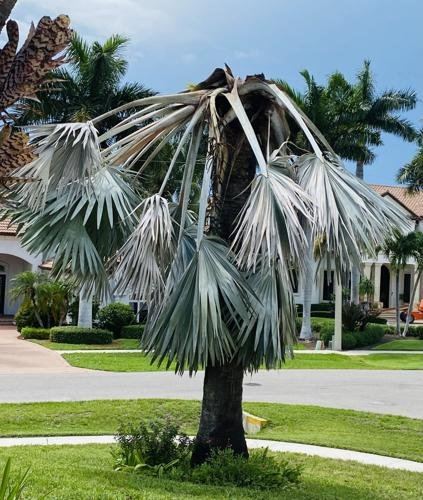 Palmetto WeevilPalmetto Weevil
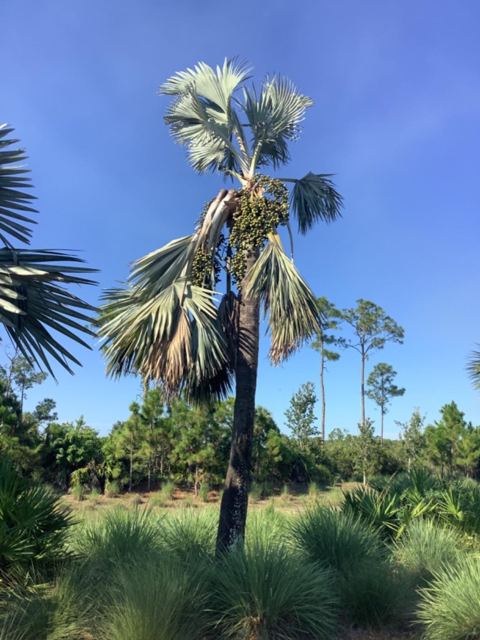 Recovering from palmetto weevil
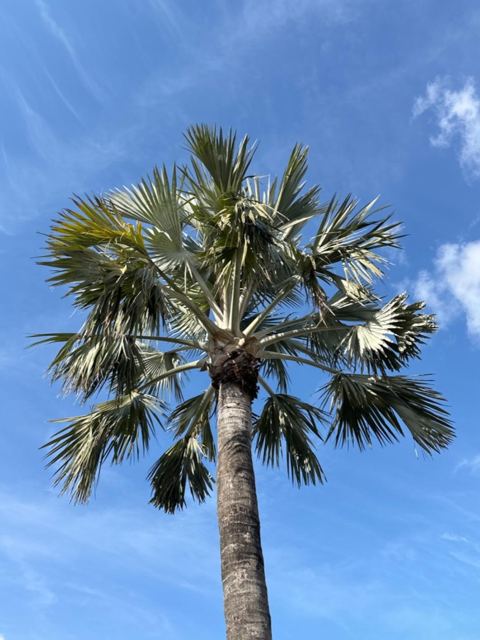 Recovered from palmetto weevil
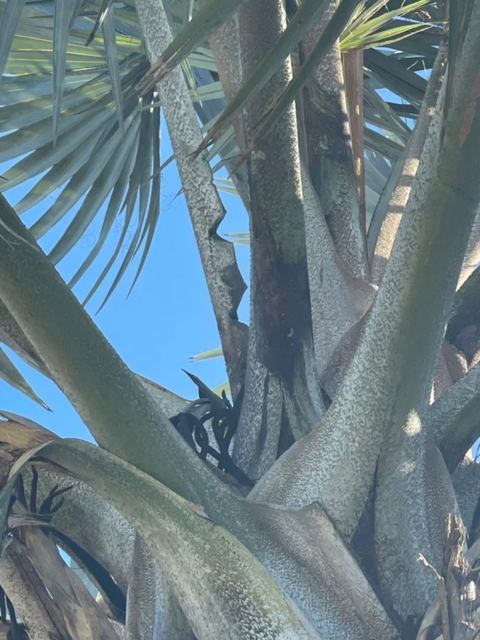 Sign of palmetto weevilAmbrosia Beetles
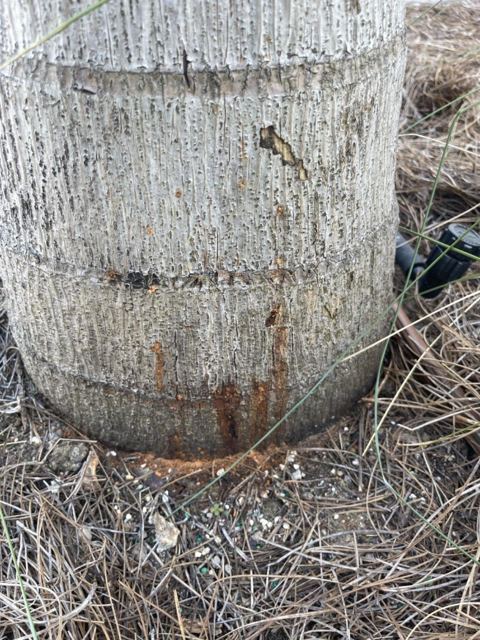 Ambrosia Beetles
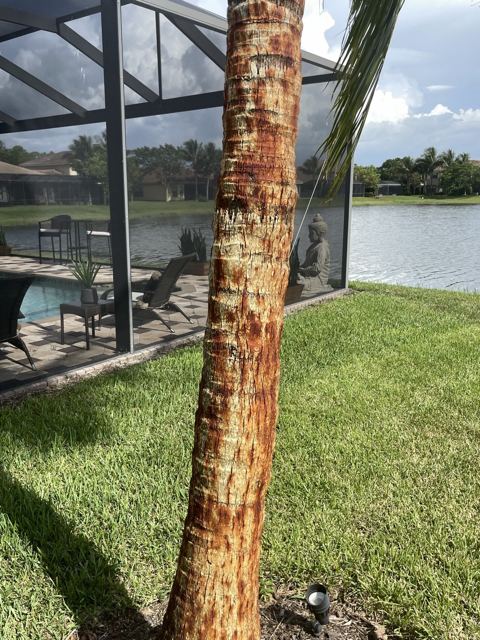 Ambrosia Beetles
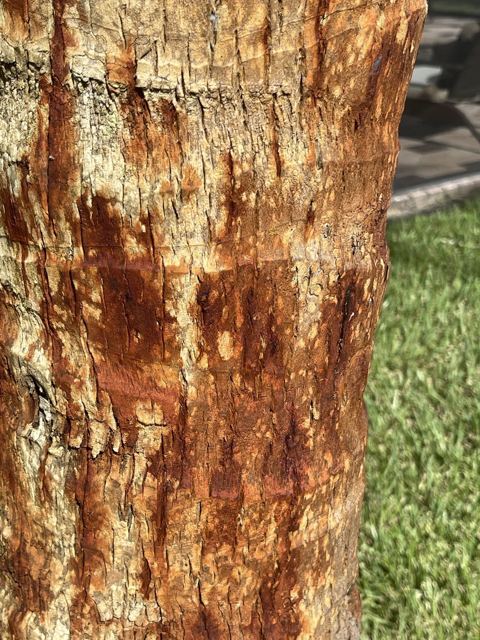 Ambrosia BeetlesRoyal Palm BugPalm Leaf Skeletonizer
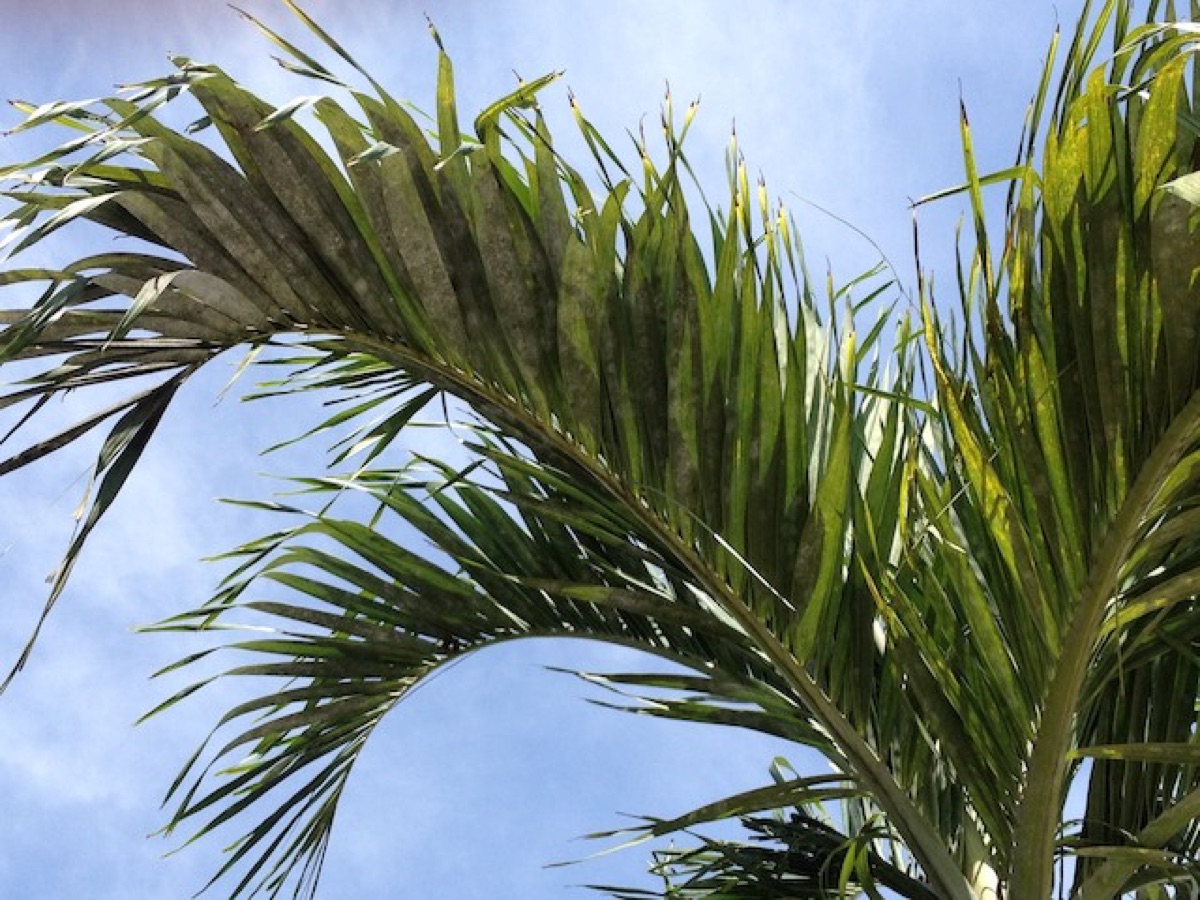 Whitefly
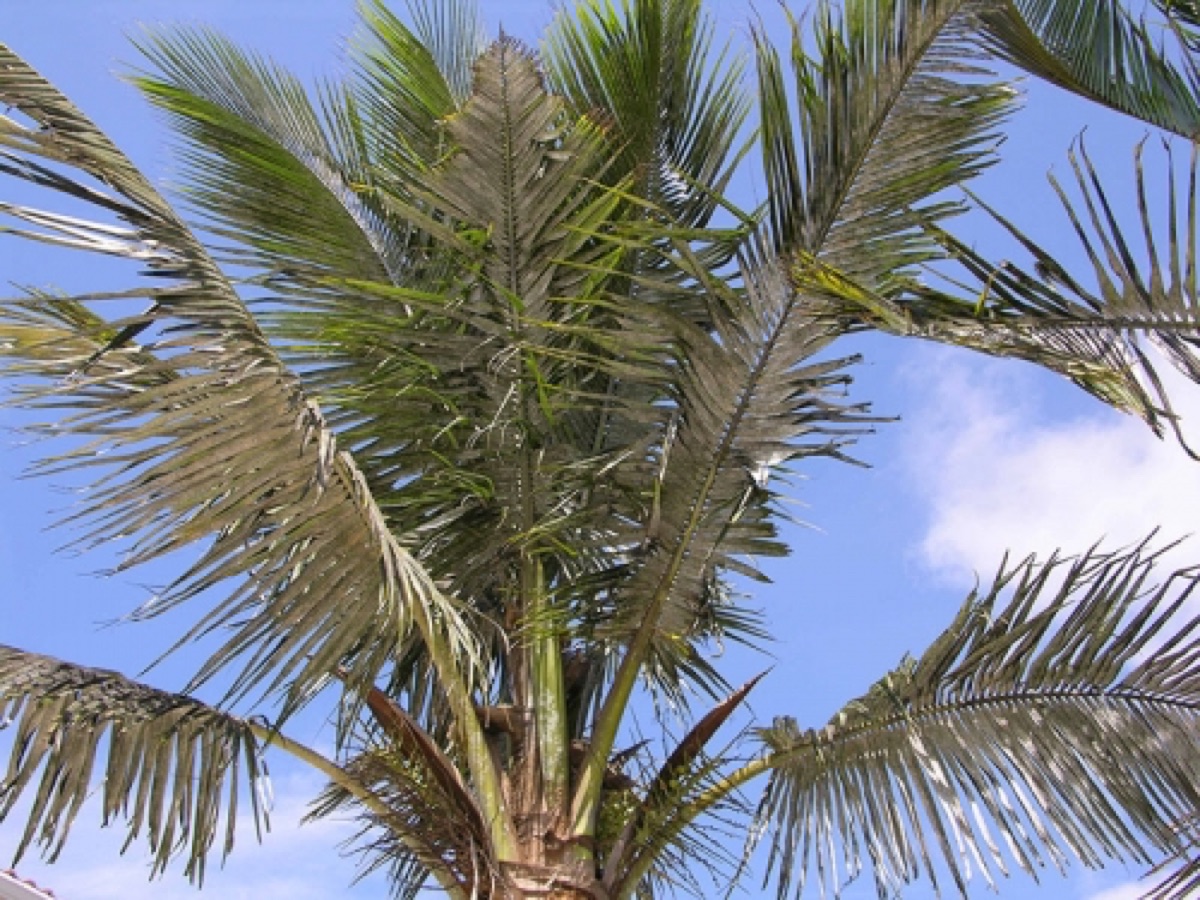 WhiteflyPalm Mites
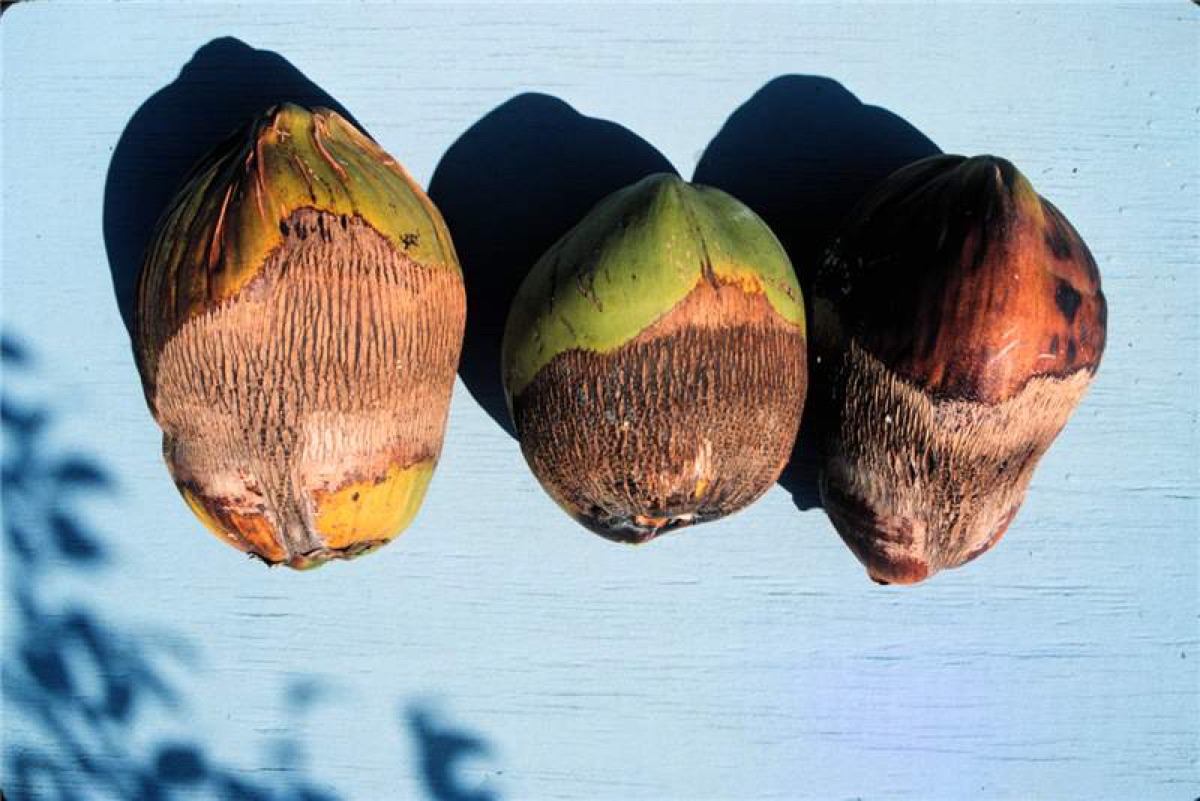 Palm MitesFusarium Wilt
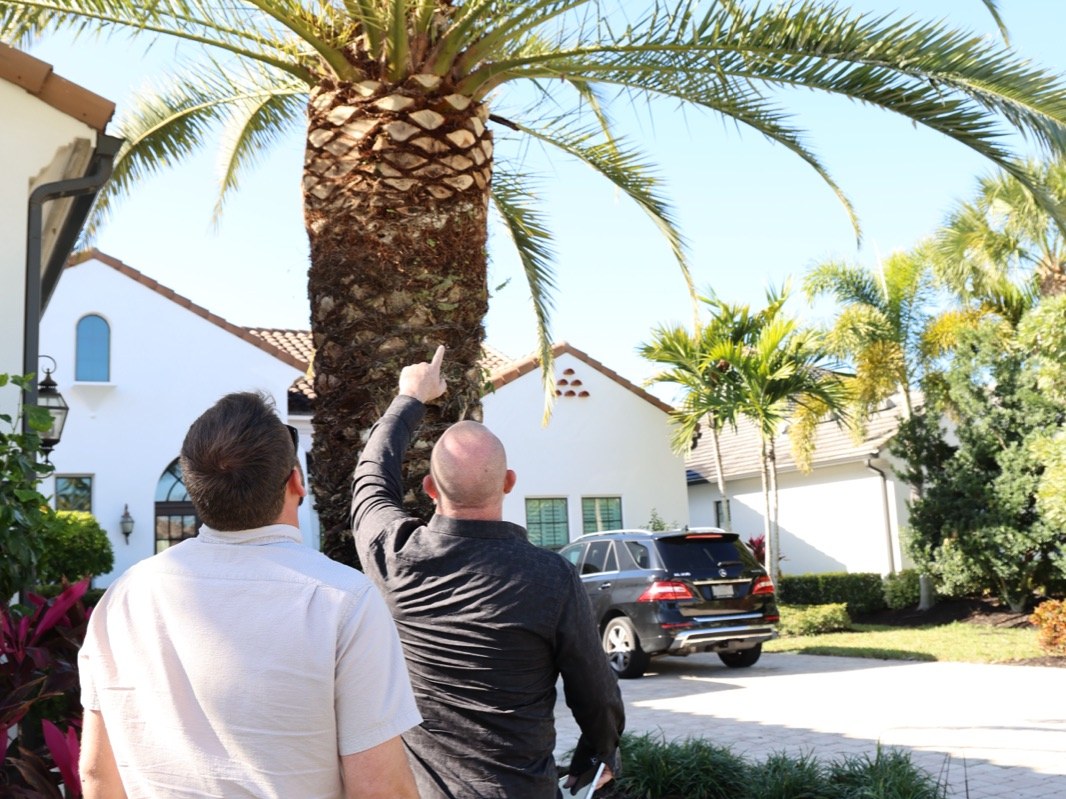 Fusarium WiltGanoderma Butt RotGanoderma Butt Rot
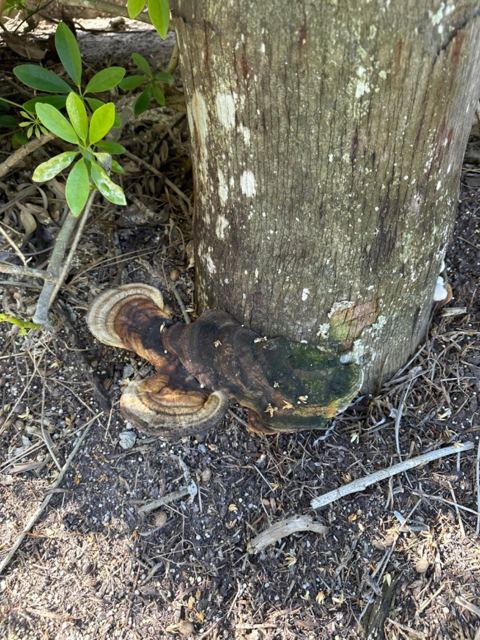 Ganoderma Butt RotThielaviopsis Trunk Rot
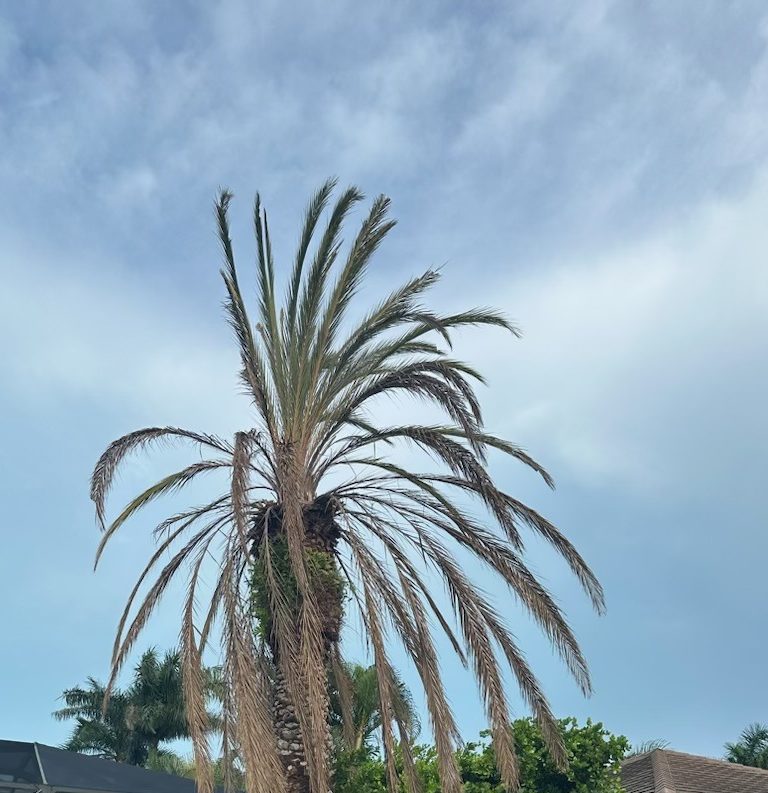 Pink RotLeaf Spots and Blights
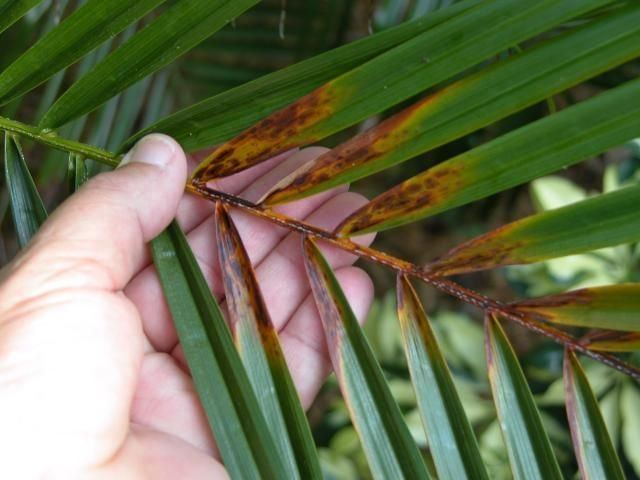 Leaf Spots and Blights
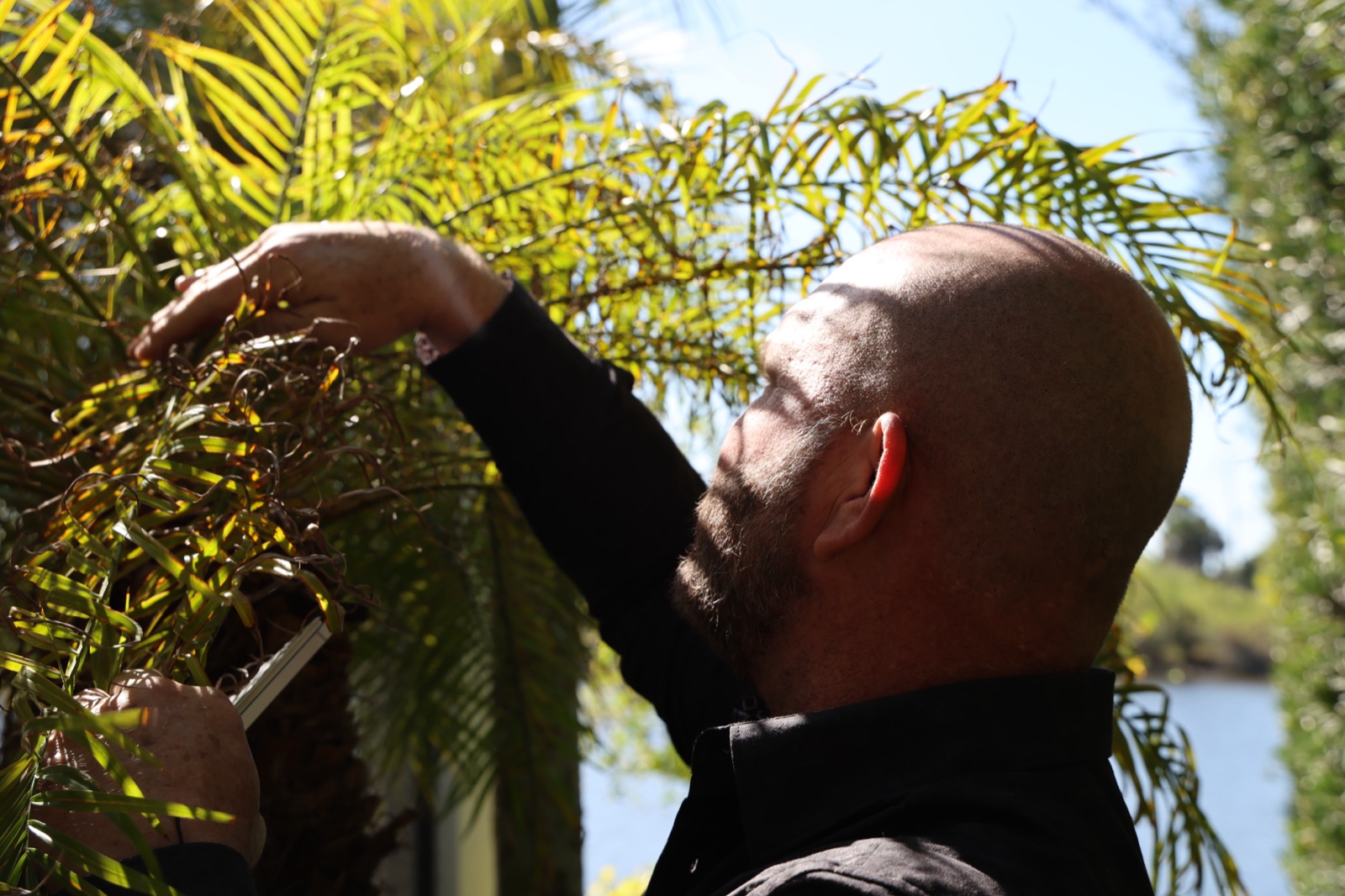 Leaf Spots and Blights
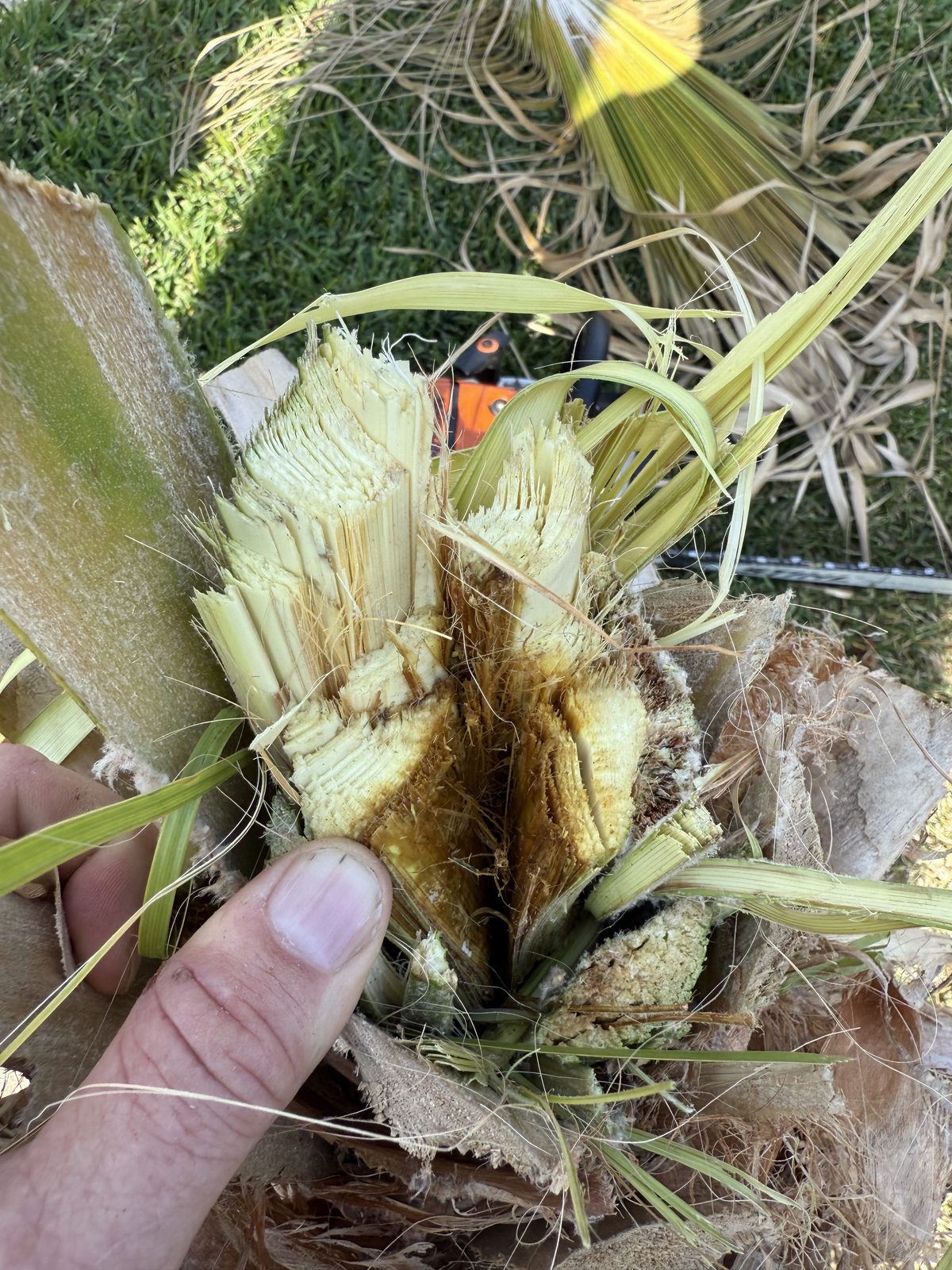 Pestalotia rachis blight
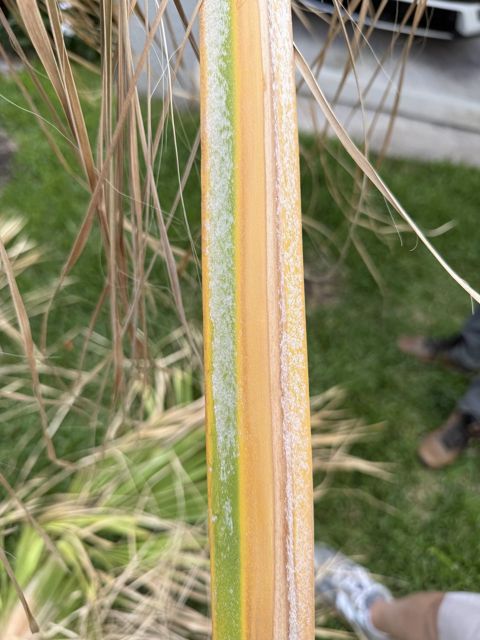 Pestalotia rachis blight
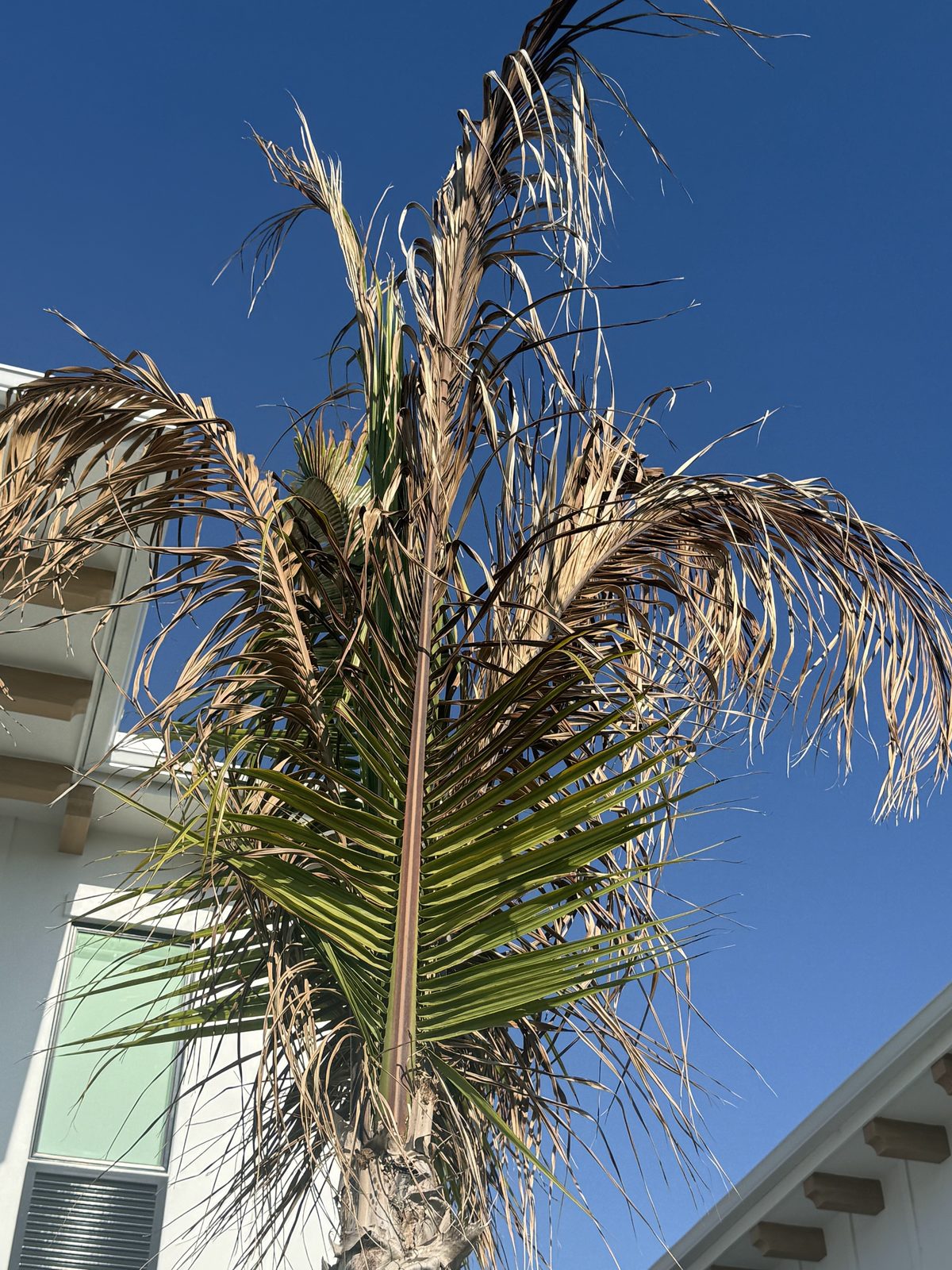 Diplodia rachis rot
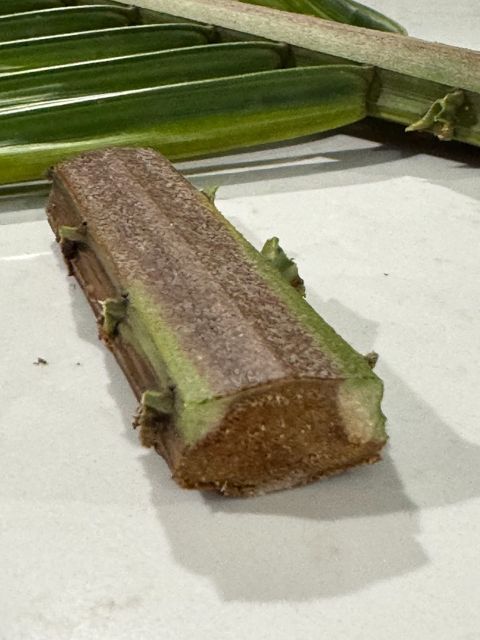 Rachis blight
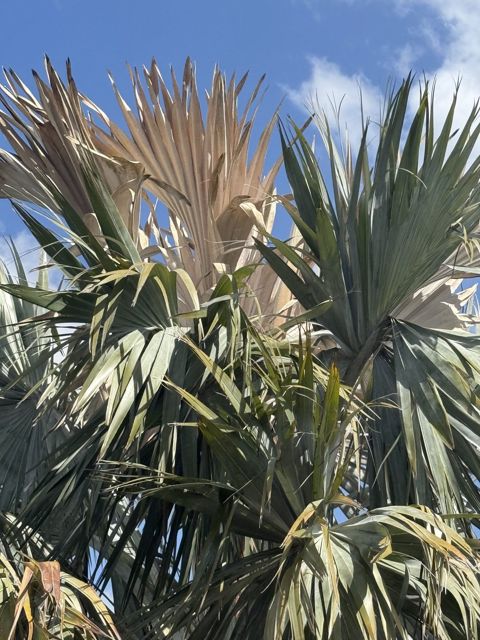 Leaf-stem fungus
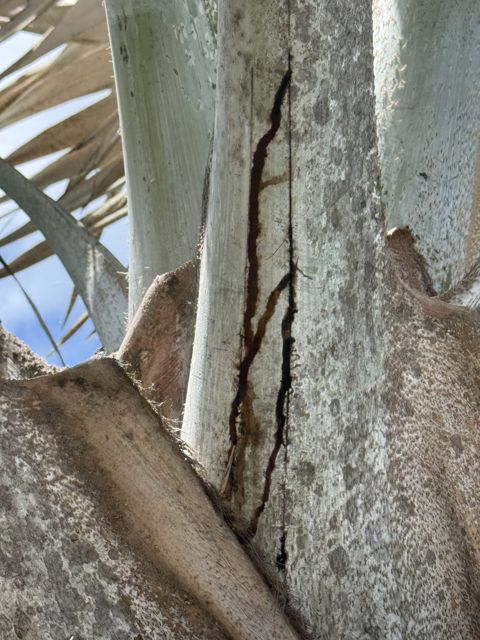 Leaf-stem fungus
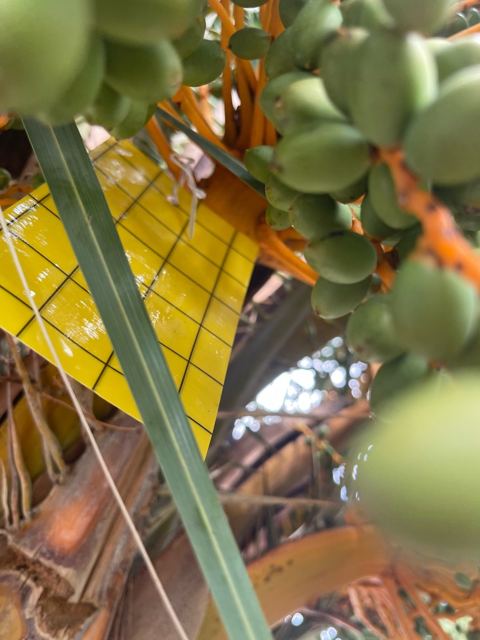
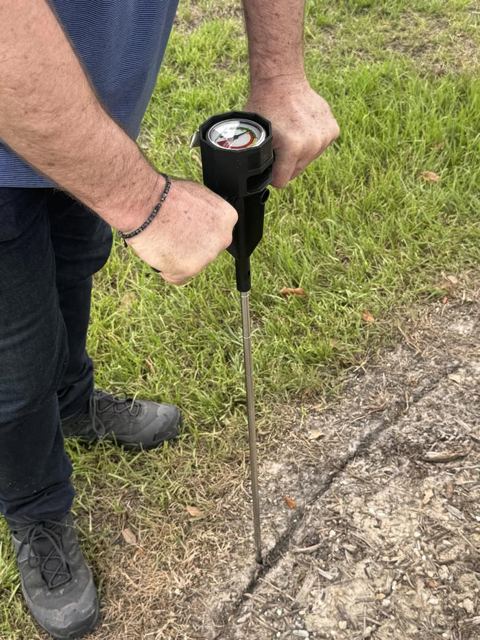
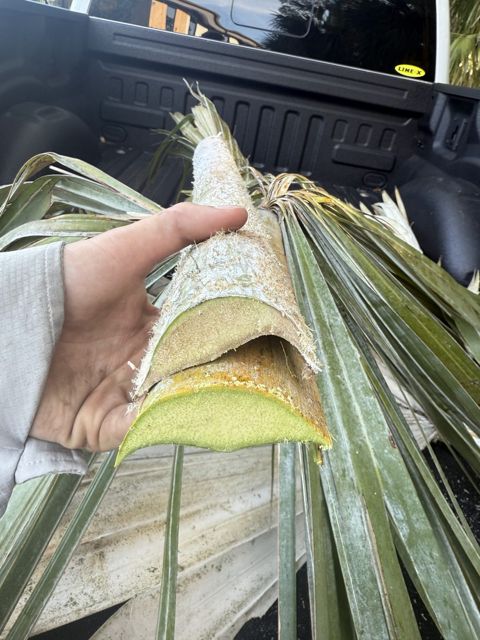 Leaf-stem fungusSticky trapTissue samplingCold Damage
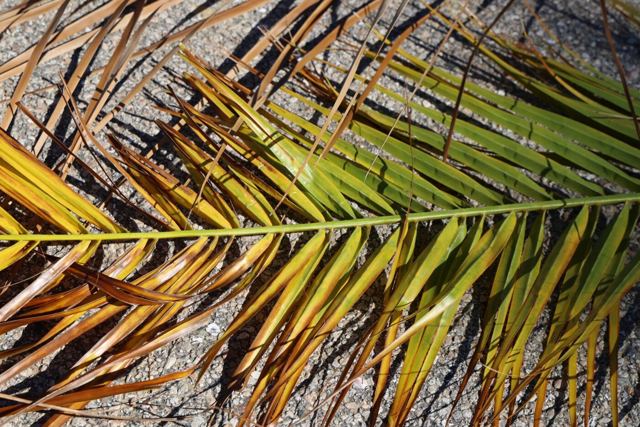 Cold Damage
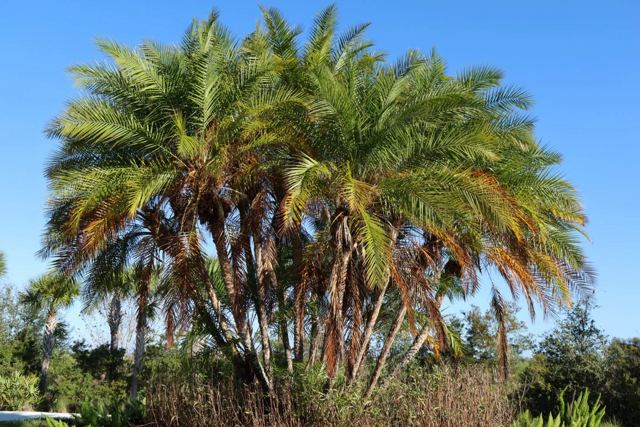 Cold Damage
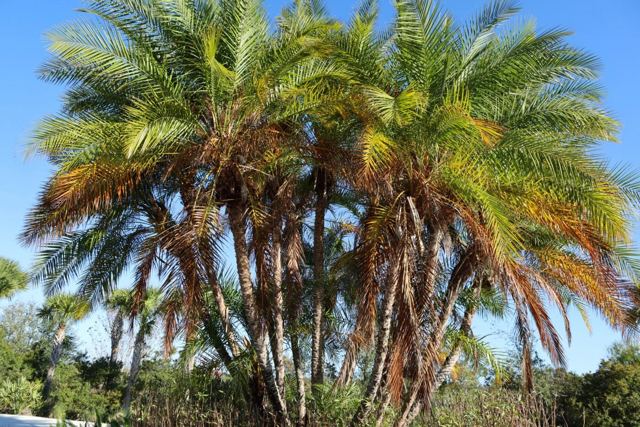 Cold Damage
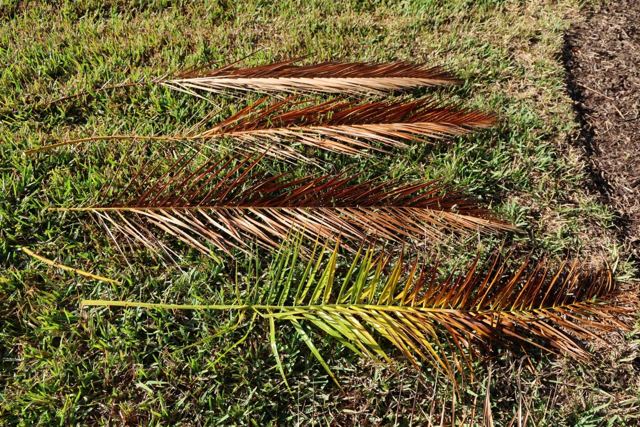 Cold Damage
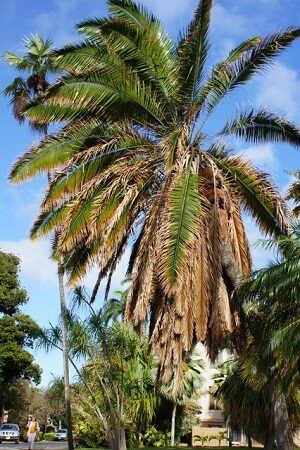 Potassium Deficiency
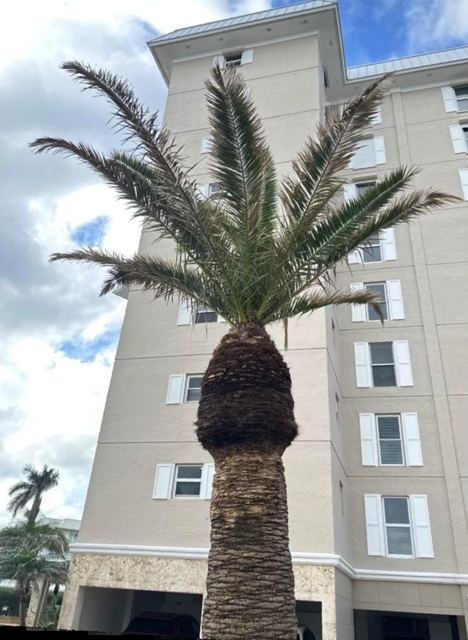 Over-pruned, near CriticalManganese Deficiency (Frizzle Top)Manganese Deficiency (Frizzle Top)Iron Deficiency
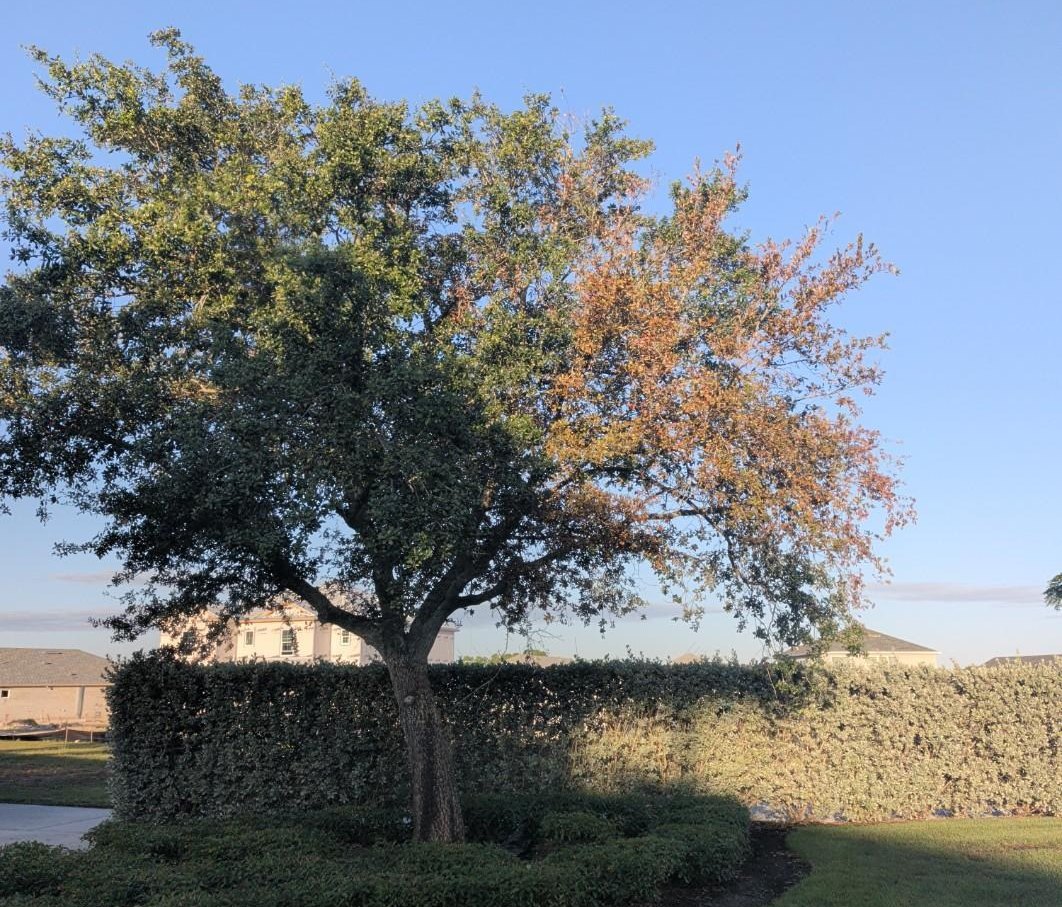 Bot Canker and Diplodia Dieback
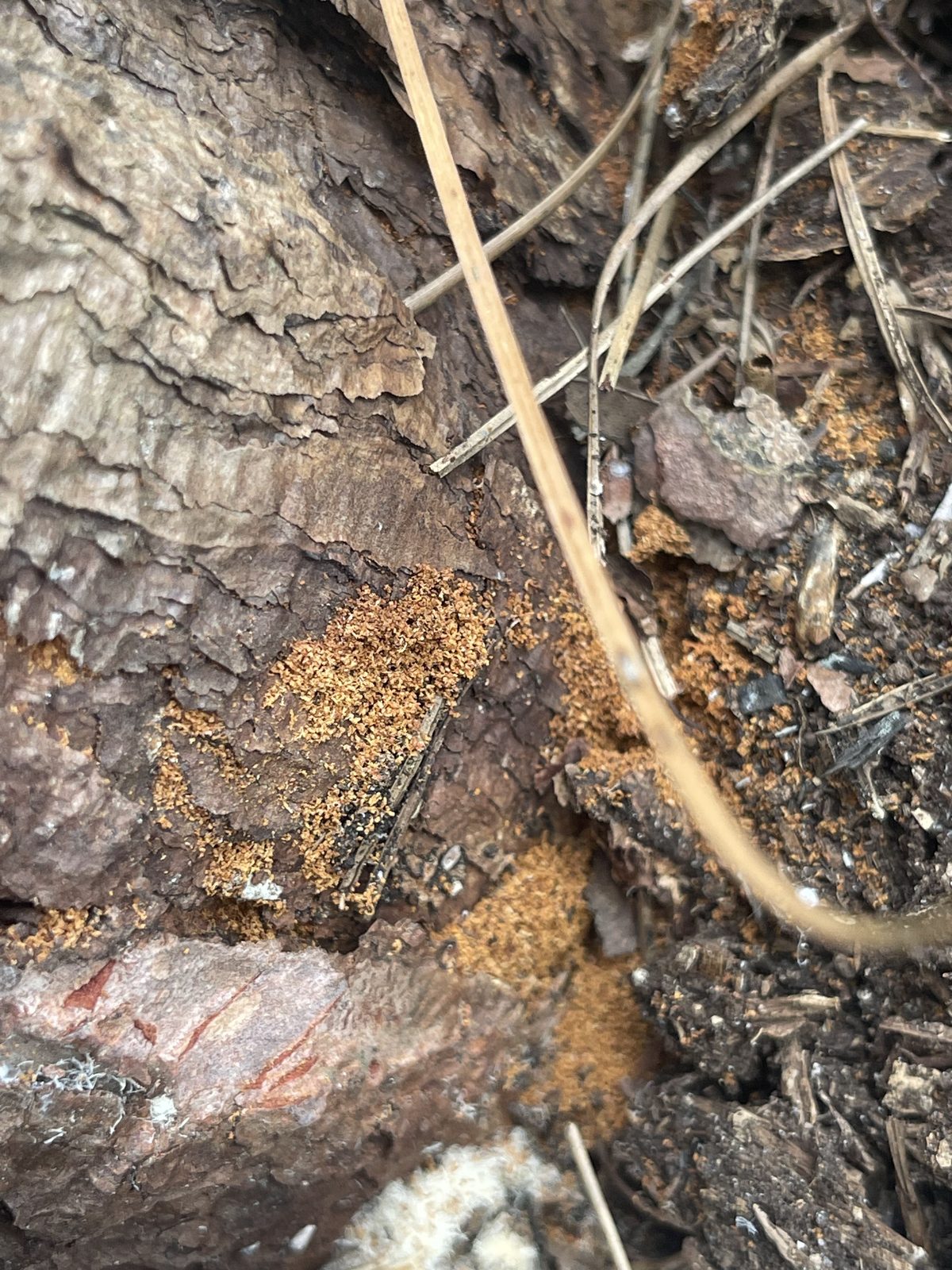 Ips Engraver Beetles
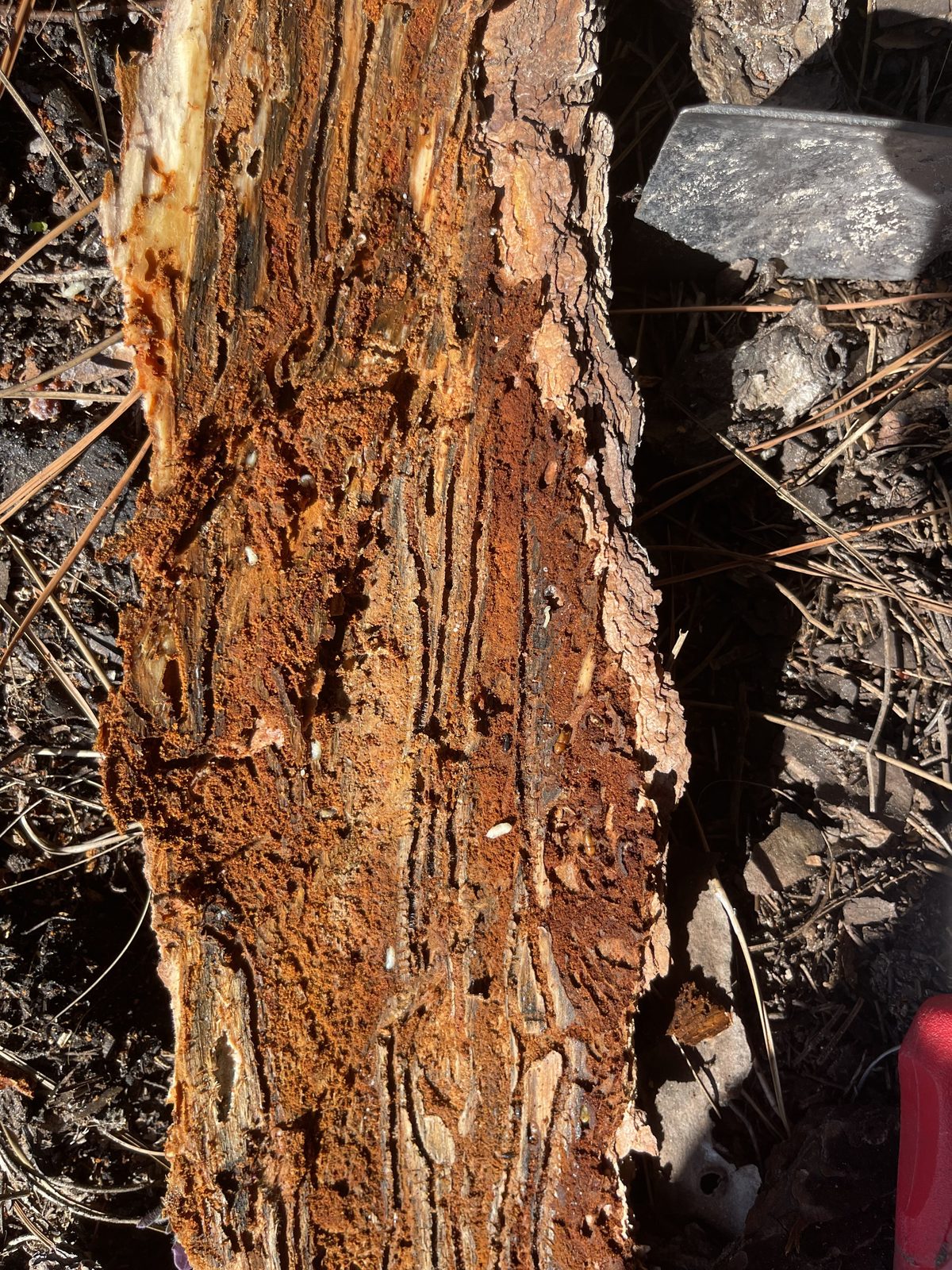 Ips Engraver Beetles
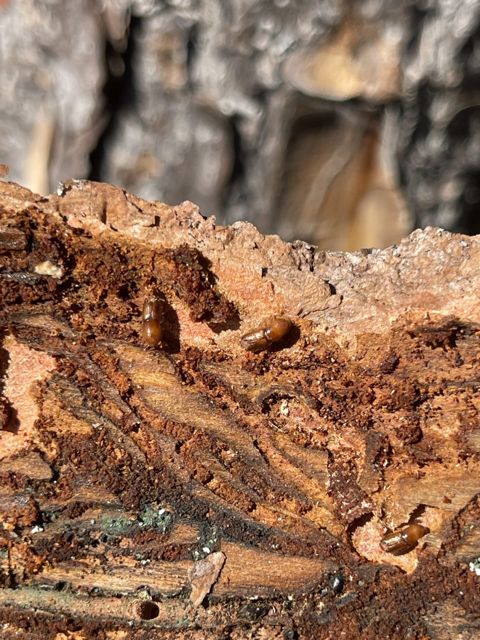 Ips Engraver Beetles
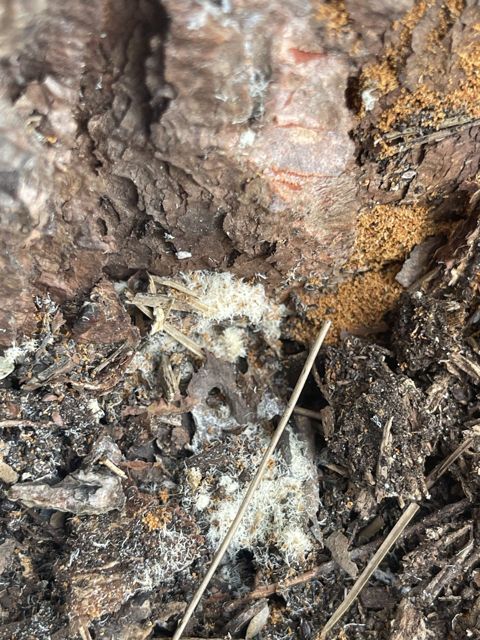 Ips Engraver Beetles
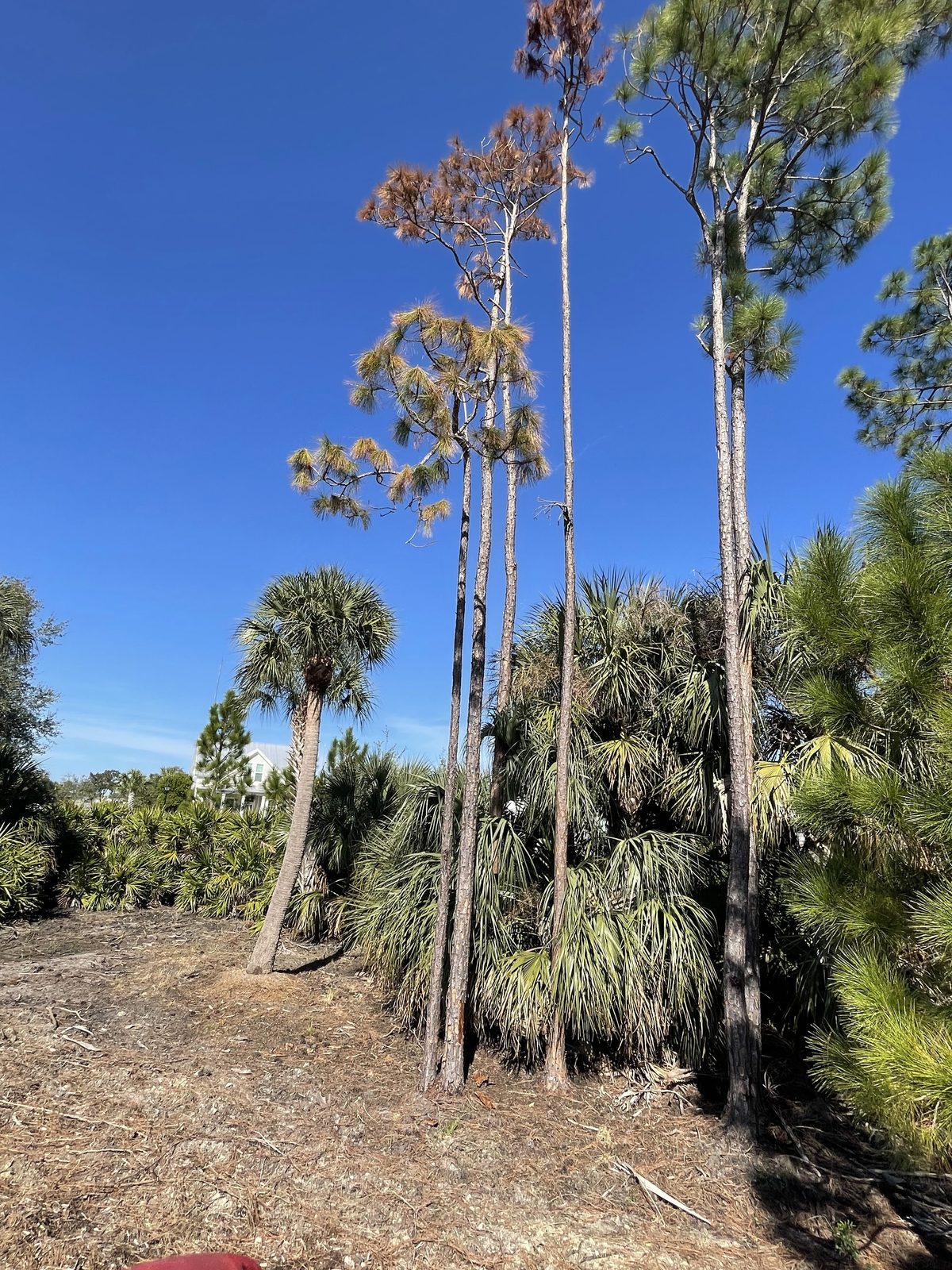 Ips Engraver BeetlesWood Decay and Conks
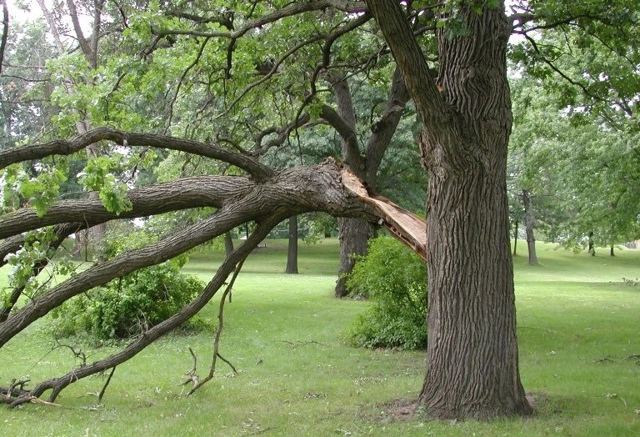 Trunk inclusion
Seeing old injection holes? Why we inject last
Next step