
For golf courses: superintendents and green committees
Palms and trees that play to the course.
We plan the palms and trees around play, your turf program and your budget, with the reasons in writing.



What courses deal with
Shade, appearance and a number you were handed.
Shade and roots.
Trees shading greens and tees, roots in bunkers and cart paths.
Appearance in play.
Banded royal palm trunks and debris on the fairway. Members notice first.
Defending the program.
Committees ask why you prune that way, or when. You need it on paper.
The Palm and Tree Master Plan
One written plan, 10 years.
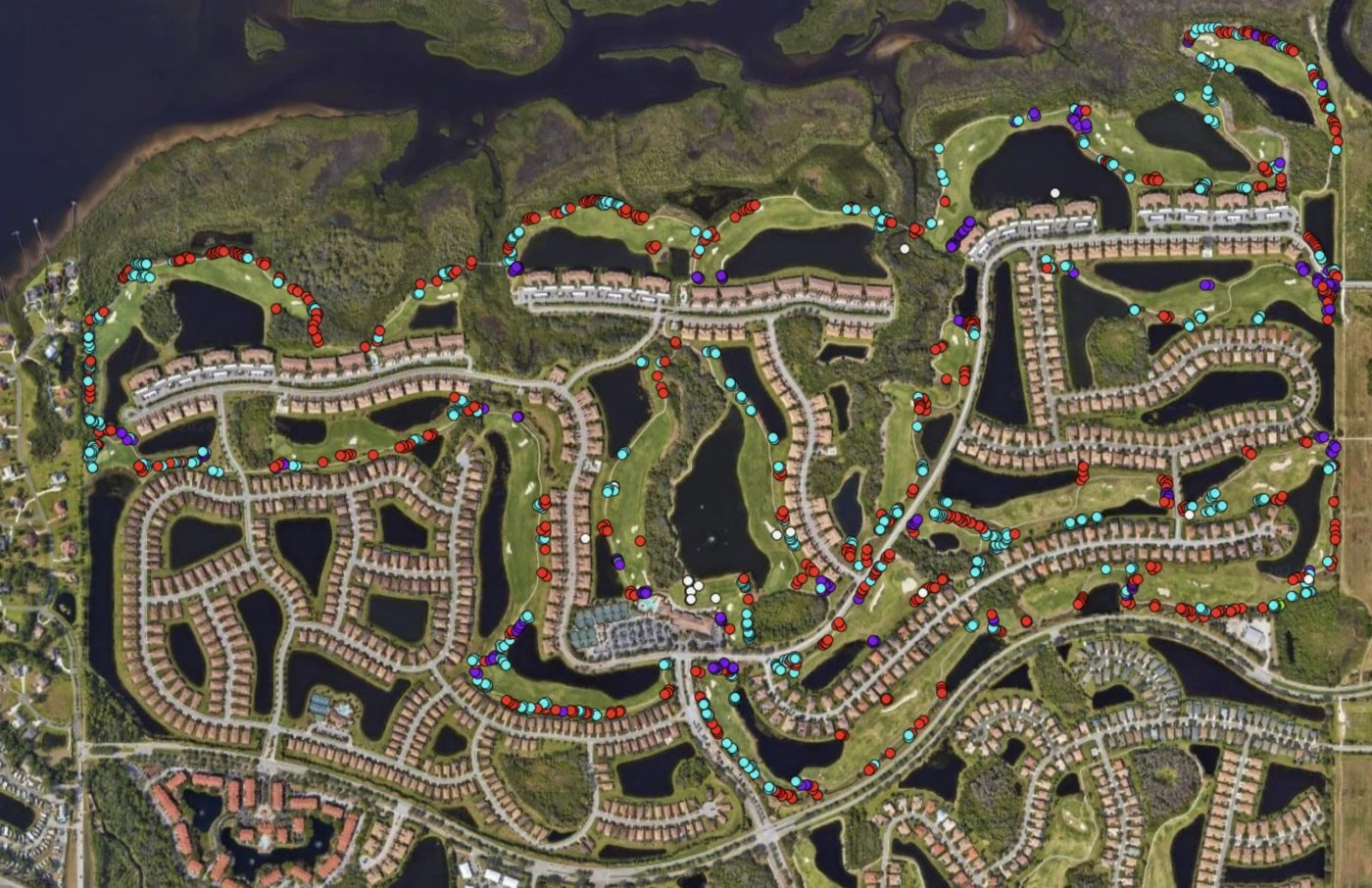
Every palm and tree is mapped and counted. Each kind of work has a written standard. You pick a level for each program. The budget is built from the counts, an estimate for each year, and safety comes first.
It starts with a two-year Palm and Tree Care Program: health care, pruning, the storm plan and new tree establishment, from one team.
The floor
Where most start- Safety, clearance, inspection, and the work that prevents losses.
- Every palm on Monitor, with a canopy look 4 visits a year. A look at every tree.
- Every palm pruned once a year, November to March.
- Anything seen is escalated. A lab test before any disease call.
Protect what matters
What we recommend for most- Everything in the floor.
- Preventive care on the high-value and high-visibility palms and trees.
- 4 visits a year, with a target of 80% Normal.
- Each palm pruned in its best months.
- Every new tree gets 2 years on the establishment schedule.
Full program
Protect what matters, backed by PPQ- Everything in Protect what matters.
- 6 visits a year, with a target of 90% Normal.
- The arborist writes every tree’s prescription and checks the work.
- Sterilized handsaws on every palm.
Each level keeps everything below it. Normal targets are management targets, not a guarantee. The budget is an estimate for each year, built from the counts.
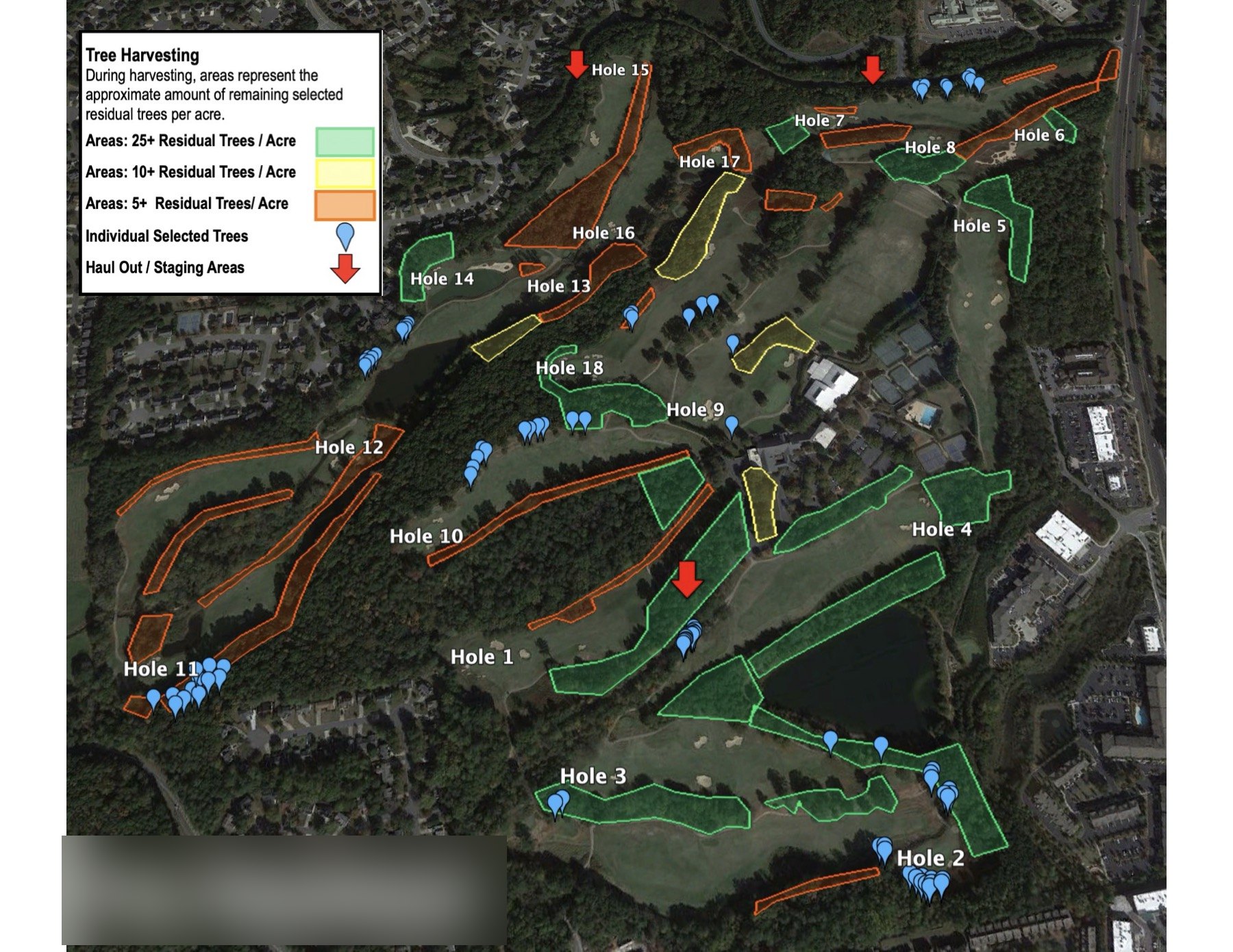
Built for the course
Turf, shade, storms and a map of every tree.
Each one ends in a written plan your committee can read.
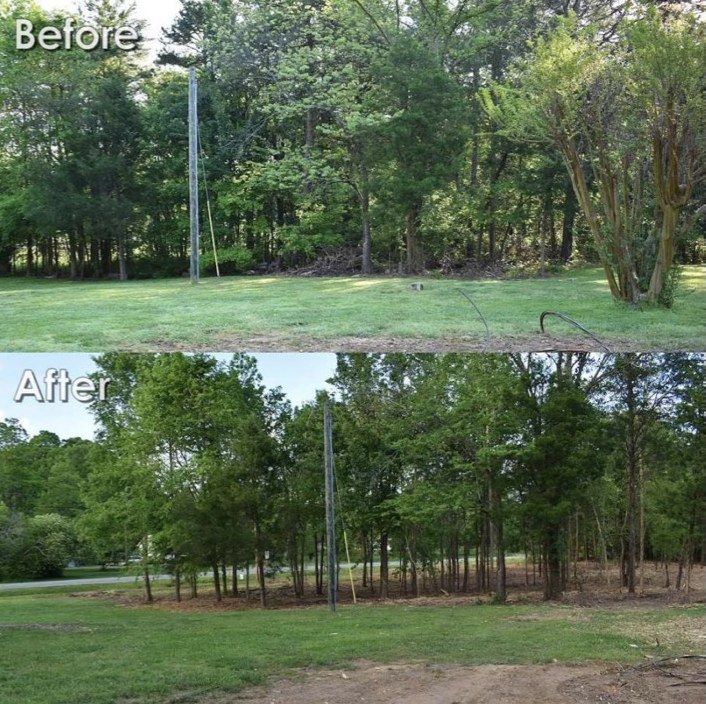
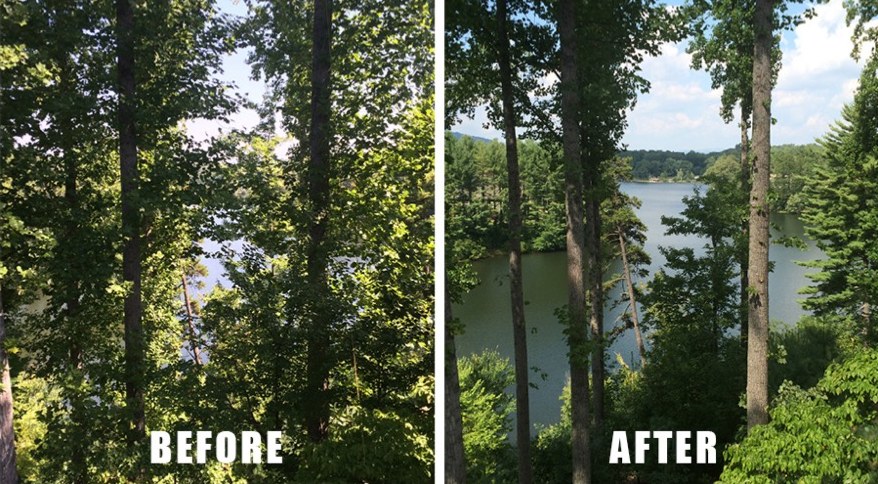
Forestry mulching opens the stand without tearing up the ground.
Shade studies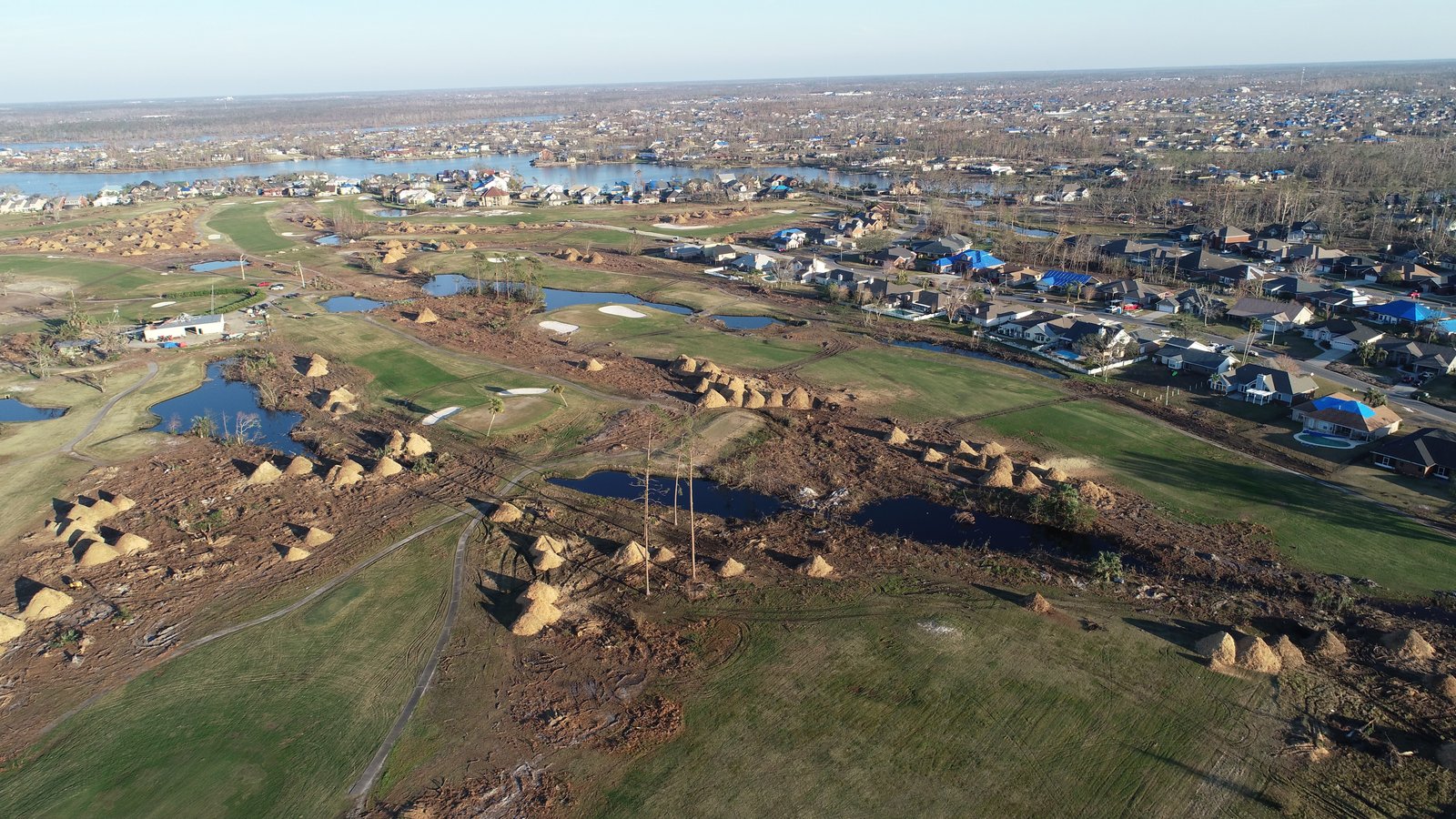
Every storm-damaged tree counted, mapped and valued.
Tree loss reports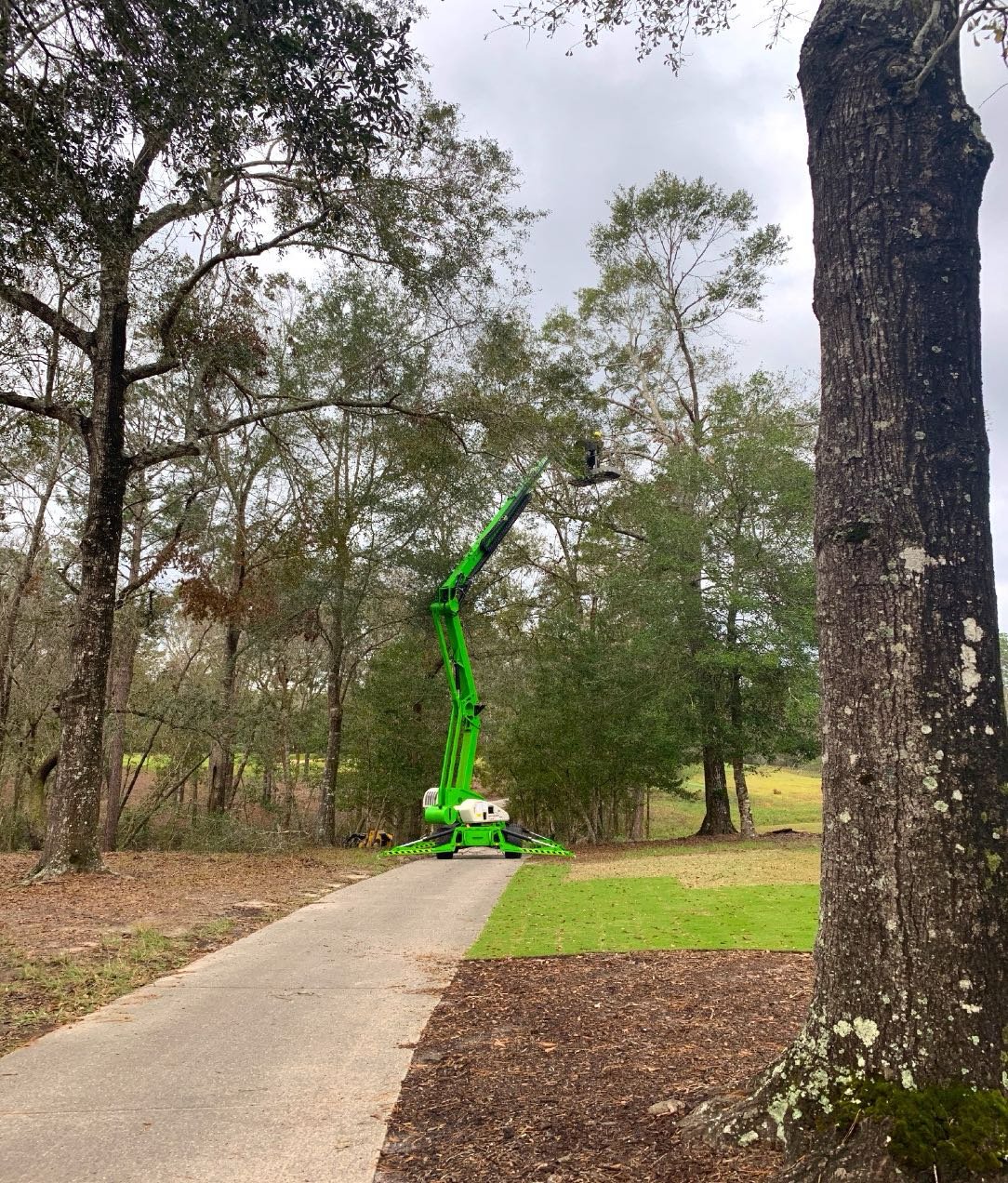
Every palm and tree mapped, and a replanting plan the club can fund.
The Master PlanIn your words
What people in your seat write to us, and what we do about it.
“I did review the program and it looks put together well. I am in the budgeting process at the moment. I am waiting for some direction on where they want me bottom line, and will let you know when this process is complete.”
What we do about itEvery palm starts at the floor, on Monitor. We recommend where to add care. You decide.
“Do you have a count of trees being trimmed and or treated. The club has had a few years of removing trees for whatever reason and we want to begin the process of adding trees back over the next few years.”
What we do about itCounts and a replanting plan on a schedule the club can fund.
From emails our clients and prospects have sent us, word for word. Names, companies and places are removed.
What the plan covers
Health care, pruning and removals, planned around play.
Health care
Monitor, Manage, Protect- Every palm and tree mapped in our GIS inventory. Size, condition grades and photos are added by service.
- Scheduled inspections: 4 a year for communities and commercial sites, 6 for homes.
Pruning
Palms and trees, to a written standard- Palm pruning to the 9-and-3 standard, timed by species.
- Seed pods and fruit taken before they drop, on a named schedule.
Removals
Planned, documented, permitted- No removal without a certified arborist’s written determination.
- Removals planned by size class, so they sit in the budget, not in an emergency.
See all 15 items in the plan
Health care
- Every palm and tree mapped in our GIS inventory. Size, condition grades and photos are added by service.
- Scheduled inspections: 4 a year for communities and commercial sites, 6 for homes.
- Nutrition and protection by tier (Monitor, Standard, Advanced), palm by palm.
- Watching for more than twenty pests, diseases and disorders at every visit.
- A lab test before any disease call. Lab fees pass through at cost.
Pruning
- Palm pruning to the 9-and-3 standard, timed by species.
- Seed pods and fruit taken before they drop, on a named schedule.
- Sterilized handsaws where Fusarium wilt is a risk.
- Tree pruning by written prescription to ANSI A300. No canopy lifted where nothing needs clearance.
- Structural training on young trees, so storms do less damage later.
Removals
- No removal without a certified arborist’s written determination.
- Removals planned by size class, so they sit in the budget, not in an emergency.
- Stump grinding, with a Sunshine 811 ticket placed before any digging.
- A tree risk assessment (TRAQ) behind any risk call, ready for a county permit.
- Storm response with every tree assessed by number.
“These kinds of visits are not free, but they’re included in your management plan.” Jeff Kaulbars, ISA Certified Arborist
A member asks about a conk at the base of a palm by the 7th tee. Without a plan, that is a billed field visit: the trip, the look and the write-up.
On a plan, the palm is already in the record, with its grade from the last visit. Your answer to the member starts from the record, not from a new site visit, and if a visit is needed, it is already covered.
How it fits your budget
A golf budget of its own.
The course is planned and priced apart from the community’s common areas.
- Separate agreements for the course and the commons, with the line drawn on the map.
- Every palm starts at the floor, on Monitor. We recommend where to add care: the clubhouse, the entrance, the signature holes.
- Pruning timed by species. Seed pods on date palms come off in spring, before they drop onto play.
- Counts and a multi-year replanting plan.
Questions
Questions courses ask
Can you work around our tee sheet?
Yes. We plan work days around tournaments and member events, use small vehicles, and haul debris away.
Will your palm program conflict with our turf fertility program?
We plan around it. Palm feeding is spaced from any other palm fertilization, so two programs never stack.
Can you put your reasons in writing for the committee?
Yes. Pruning standards, timing and fertilization history, in a written report, and we walk the committee through it.
Which palms are ours and which belong to the HOA?
The inventory maps every palm and tree, so the boundary is drawn on the map and written into each agreement.
What is a shade study?
We find the trees shading greens and tees through the year and write one plan: what to prune, thin or remove, in order.
Before the club sets your bottom line