
For master-planned communities
One standard for every phase, planted and still to come.
A Master Plan puts every phase on one written standard and one budget.
We prefer master-planned communities. It is what we are good at.
“It would be great if we could come up with a plan, from the start, on the cost for Palm Health in each community.”


What master-planned communities deal with
Planting faster than anyone can watch.
The count changes every month.
New phases every year, most of it young, and nobody has walked all of it.
Installs nobody inspected.
A palm planted too deep looks fine at handover and fails later.
The cabbage palm bill that is coming.
After about three years in the ground, every cabbage palm needs a full trim each year. Plant thousands at once and the bill arrives at once.
The Palm and Tree Master Plan
One written plan, 10 years.
We plan your palms and trees the way a well-run city plans its urban forest. Every palm and tree is mapped and counted. Each kind of work has a written standard. The budget is built from the counts, year by year, and safety comes first. Cities fund tree care to a floor and add where it matters most. Your plan does the same, at three levels.
Then we fit it to your community. A city manages street trees. Your residents live with these palms and trees every day: at the entrance, around the clubhouse and pool, along the lakes, behind every home. So the plan adds what a community needs. Palm care built for Southwest Florida, from Sabals to Phoenix palms to lethal bronzing. A level your board picks for each program. A budget it can take to a vote. And one point of contact who knows your property tree by tree.
The floor
Where most start- Safety, clearance, inspection, and the work that prevents losses.
- Every palm on Monitor, with a canopy look 4 visits a year. A look at every tree.
- Every palm pruned once a year, November to March.
- Anything seen is escalated. A lab test before any disease call.
Protect what matters
What we recommend for most- Everything in the floor.
- Preventive care on the high-value and high-visibility palms and trees.
- 4 visits a year, with a target of 80% Normal.
- Each palm pruned in its best months.
- Every new tree gets 2 years on the establishment schedule.
Full program
Protect what matters, backed by PPQ- Everything in Protect what matters.
- 6 visits a year, with a target of 90% Normal.
- The arborist writes every tree’s prescription and checks the work.
- Sterilized handsaws on every palm.
Each level keeps everything below it. Normal targets are management targets, not a guarantee. The budget is an estimate for each year, built from the counts.
Where the payoff is
Each phase’s age decides where the money does the most good.
Adaption
0 to 10 years- New plantings in built soil. Highest risk. Water, nutrition and acceptance matter most.
Strengthening
10 to 20 years- Roots are deeper. Grade every palm, replace the strugglers, shift to monitoring.
Maturity
20 years and up- Consistency, planned replacements and pruning to standard.
From planting to established
Record every new palm and tree from its first assessment.
A palm planted too deep looks fine at handover and fails later.
- An initial assessment of every new install, findings reported to the community.
- The date each install was first assessed and the date it was found dead, so you can take it up with your installer.
- Every new tree gets 2 years on the establishment schedule. On trees 8 in and up, the water is read at the bubbler every visit, and our water trailer flushes or rescues when the readings call for it.
- Root zones protected near construction.
In your words
What people in your seat write to us, and what we do about it.
“It would be great if we could come up with a plan, from the start, on the cost for Palm Health in each community.”
“[The landscaper] has been removing sabals on a monthly basis and I’m sure they have not been notifying you.”
What we do about itThe inventory counted every year, and the budget rebuilt from it.
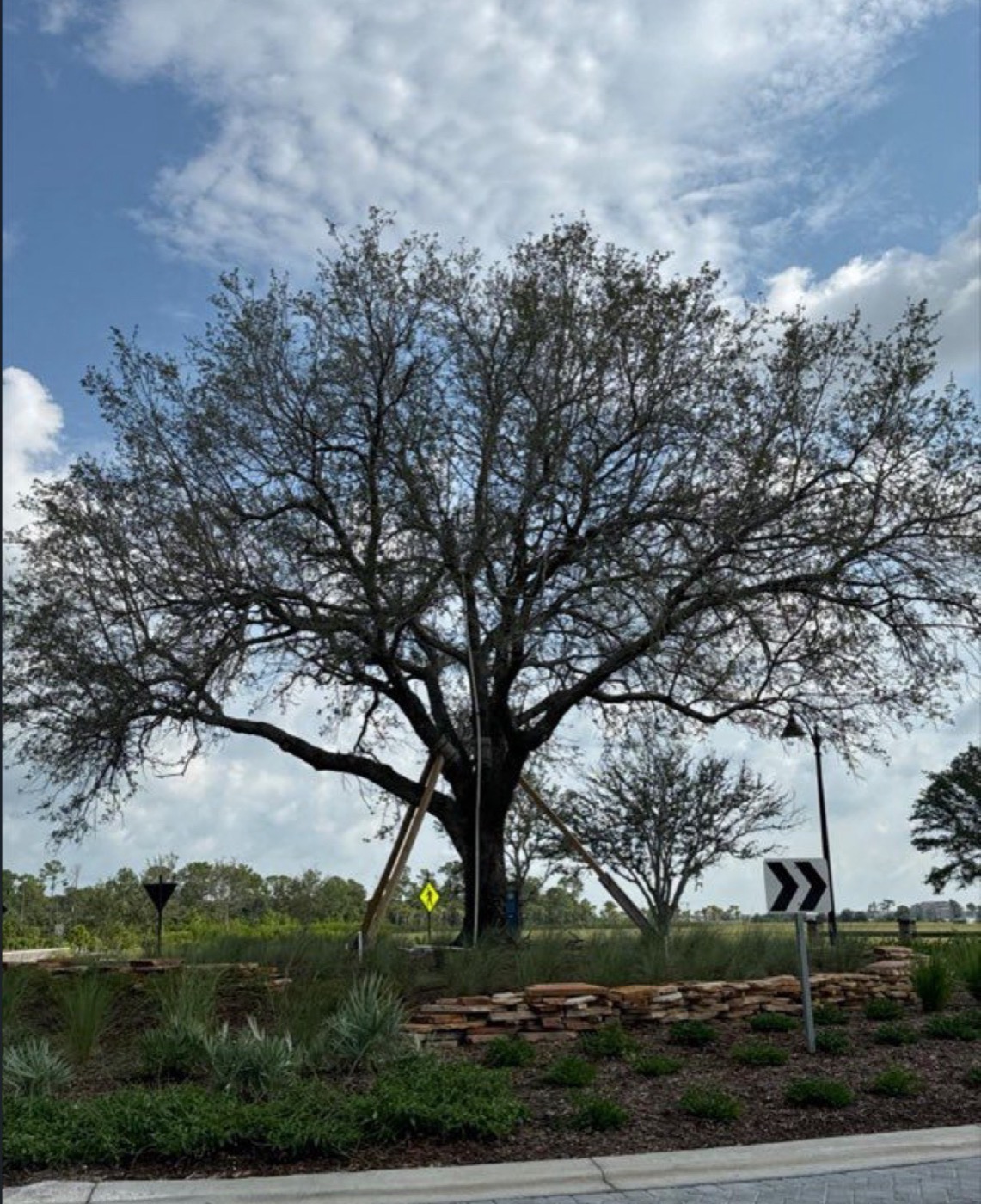
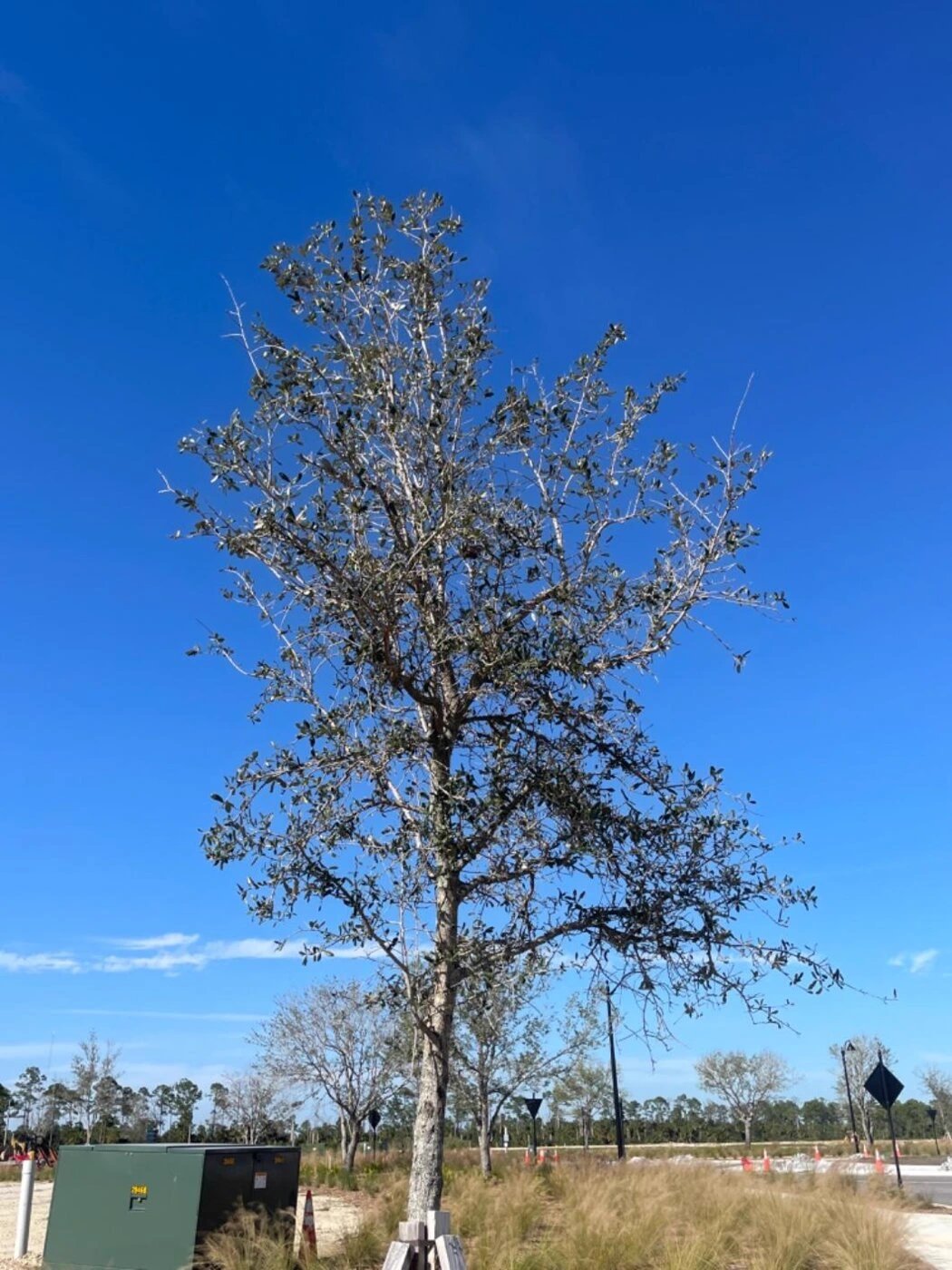
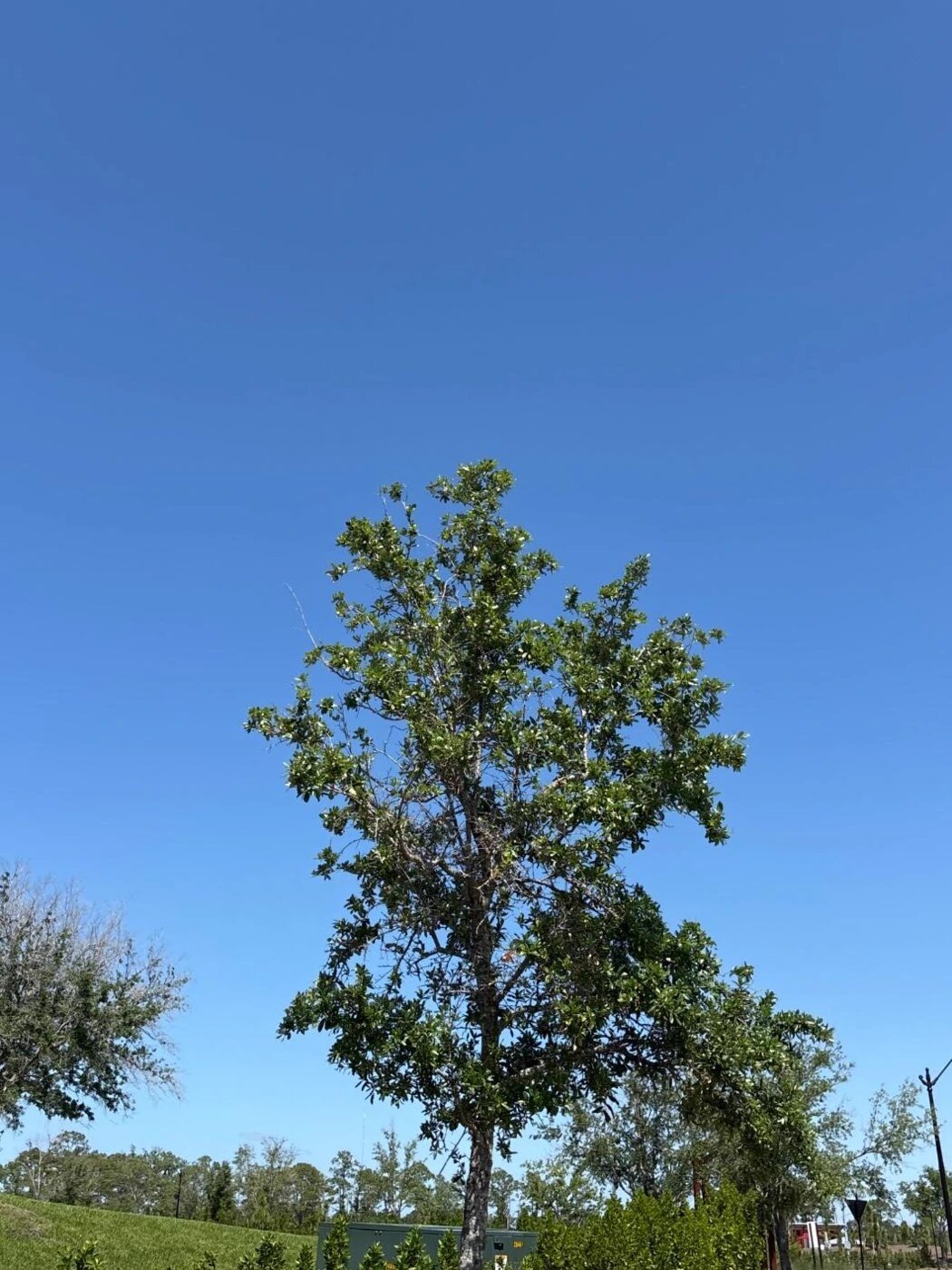
“We all share the same goal of preserving these Heritage oaks for generations to come.”
What we do about itRoot zones protected wherever construction comes near an existing tree.
From emails our clients and prospects have sent us, word for word. Names, companies and places are removed.
What the plan covers
Health care, pruning and removals. One plan, one team.
For a community still being built, the plan also covers new planting assessment, dead and declining tracking and tree protection during construction.
Health care
Monitor, Manage, Protect- Every palm and tree mapped in our GIS inventory. Size, condition grades and photos are added by service.
- Scheduled inspections: 4 a year for communities and commercial sites, 6 for homes.
Pruning
Palms and trees, to a written standard- Palm pruning to the 9-and-3 standard, timed by species.
- Seed pods and fruit taken before they drop, on a named schedule.
Removals
Planned, documented, permitted- No removal without a certified arborist’s written determination.
- Removals planned by size class, so they sit in the budget, not in an emergency.
See all 15 items in the plan
Health care
- Every palm and tree mapped in our GIS inventory. Size, condition grades and photos are added by service.
- Scheduled inspections: 4 a year for communities and commercial sites, 6 for homes.
- Nutrition and protection by tier (Monitor, Standard, Advanced), palm by palm.
- Watching for more than twenty pests, diseases and disorders at every visit.
- A lab test before any disease call. Lab fees pass through at cost.
Pruning
- Palm pruning to the 9-and-3 standard, timed by species.
- Seed pods and fruit taken before they drop, on a named schedule.
- Sterilized handsaws where Fusarium wilt is a risk.
- Tree pruning by written prescription to ANSI A300. No canopy lifted where nothing needs clearance.
- Structural training on young trees, so storms do less damage later.
Removals
- No removal without a certified arborist’s written determination.
- Removals planned by size class, so they sit in the budget, not in an emergency.
- Stump grinding, with a Sunshine 811 ticket placed before any digging.
- A tree risk assessment (TRAQ) behind any risk call, ready for a county permit.
- Storm response with every tree assessed by number.
“These kinds of visits are not free, but they’re included in your management plan.” Jeff Kaulbars, ISA Certified Arborist
The new board asks about a conk at the base of a palm in a finished phase. Without a plan, that is a billed field visit: the trip, the look and the write-up.
On a plan, the palm has been in the record since it was accepted and graded. The answer starts from the record, not from a new site visit, and if a visit is needed, it is already covered.
How it fits your budget
A budget that grows with the inventory.
An estimated budget for each of 10 years, built from the counts, as palms and trees are added.
- Structural work on young trees spread across the first three years.
- Cabbage palm trimming planned before it arrives, split by planting age.
- New phases join the plan by written change order, not as a variance.
- A cost per home or per palm from the start, for builders and management directors.
Questions
Questions developers and boards ask
When should a new community start a plan?
From the start, so every new palm and tree is recorded from its first assessment.
What is new planting assessment?
An initial assessment of every new install, before or after the community accepts it, with the findings reported. We recommend refusing culls. Acceptance is between the community and the installer.
Do you water the new trees?
The irrigation stays the irrigation contractor’s job. On the establishment schedule, we read the water each new tree gets every visit and flag a shortfall. When the readings call for it, our 800-gallon water trailer flushes or rescues the root ball. The meters and measuring tools we install stay ours.
What happens at turnover to the resident board?
The record goes with the community, so the new board starts with the same facts the developer had.
Can the plan be split by phase or section?
Yes. A district, a master association and sub-associations can each see their own lines.
Before budget season