Skip to content
ComingThe Ptolemy client portal: your map, reports, schedule and spending in one place.Portal coming:See what’s insideClient sign-in
Ptolemy(239) 467-0142Request the free master planFree master plan
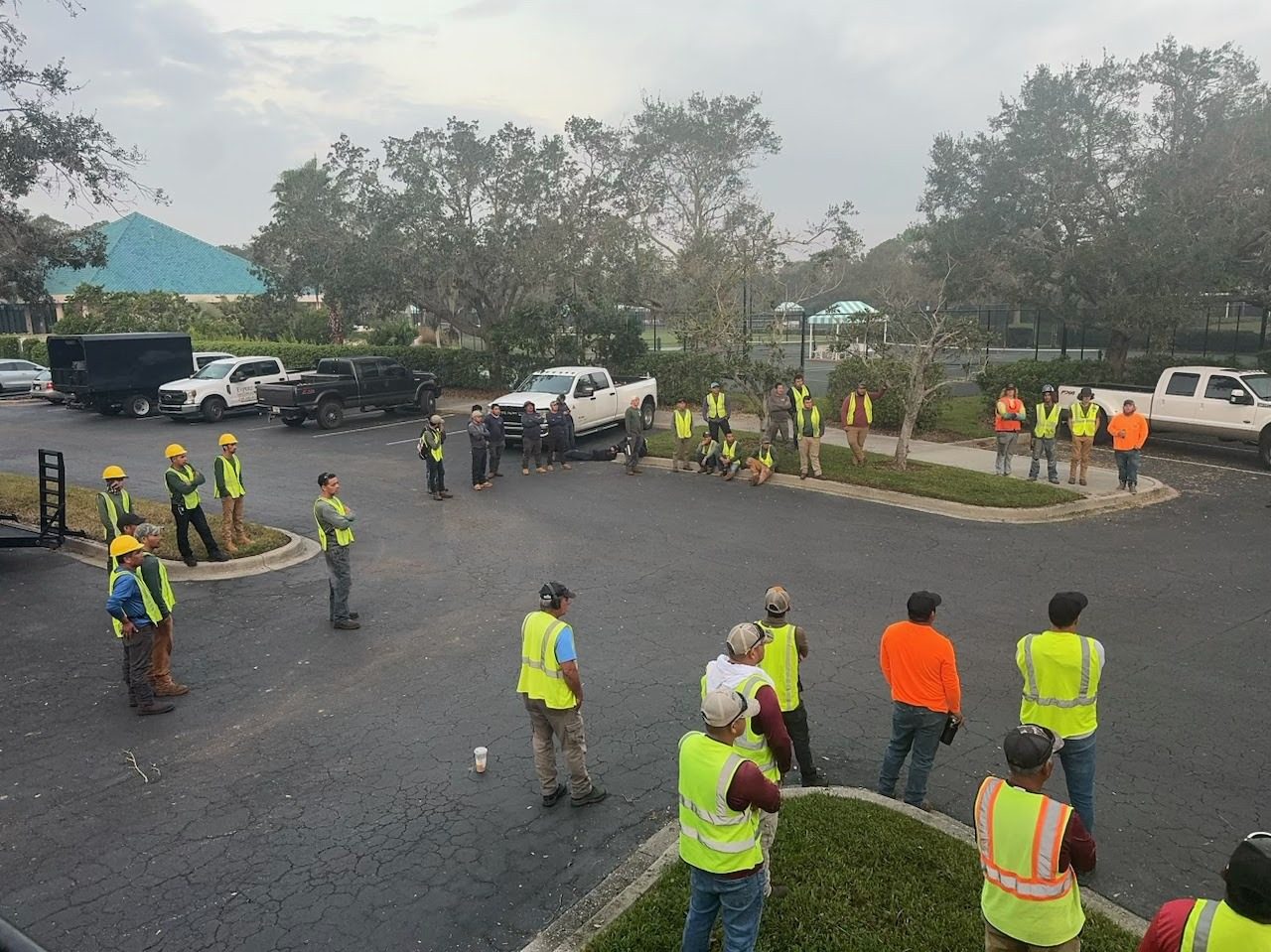
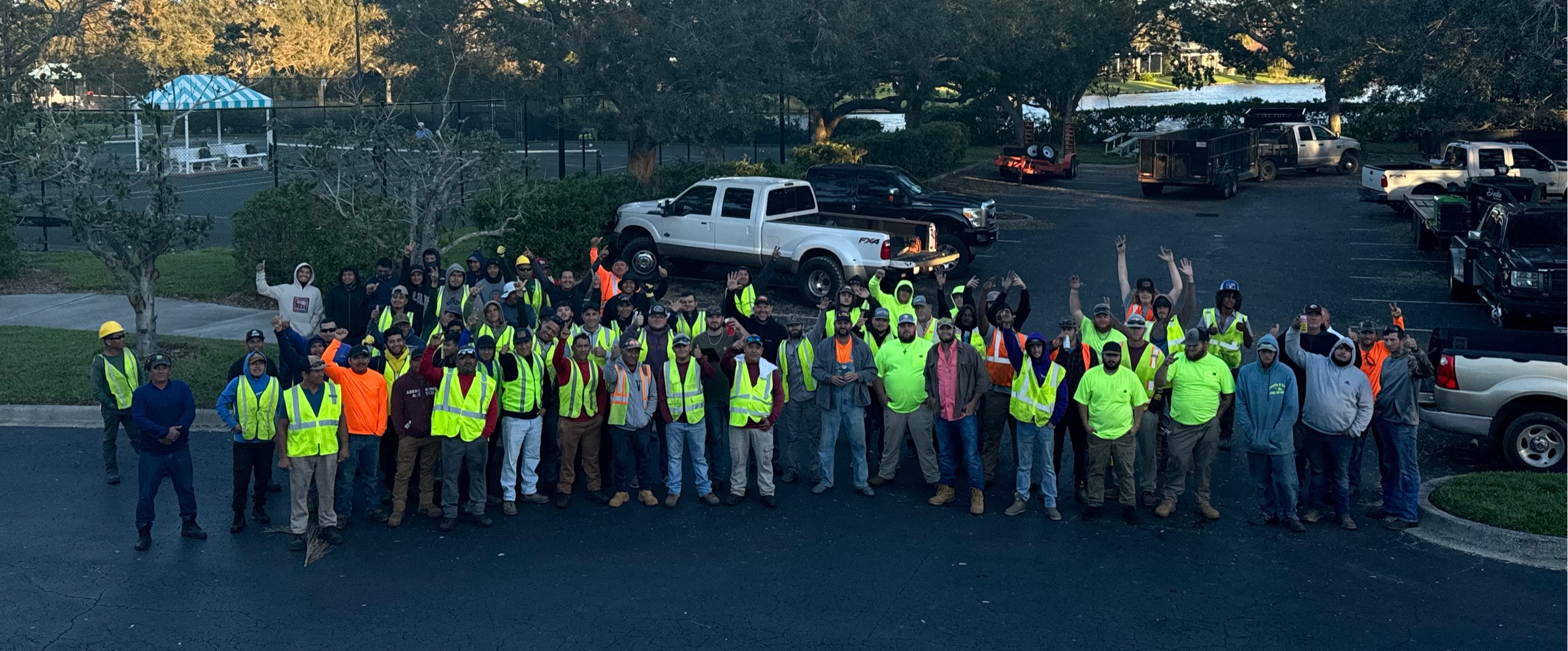
Our storm response crew assembled before a day of hurricane cleanup

Hurricane and storm responseProtect

A plan before the storm. Crews after it.

Roads cleared first, every palm and tree assessed by number, and nothing removed without an ISA Certified Arborist’s written determination.

The plan
Signed before June 1
After the storm
Six phases, in order
Intact palms
Wait 6 months
Removals
Written determination first

Before June 1

The plan is signed before the season.

From June 1 through November 30, and for any declared event outside it. You name a contact and a backup. We name a response manager and an ISA Certified Arborist. On a 10-year Palm and Tree Master Plan, the Storm Plan is one of the programs on the calendar.

  • A priority map agreed with you: entrances, main roads, emergency routes, public access, then neighborhoods.
  • Staging area, disposal site, contacts, and crew and equipment lists on file.
  • A pre-season walk of mature oaks, recent transplants and known defects, with hangers over targets removed.
  • Failed or girdling stakes corrected before the season starts.
  • No "hurricane cut" on palms. Green fronds protect the bud.
  • A signed plan with the storm pricing agreed in it, so nobody negotiates rates after the storm.
  • Authority for emergency clearance if we lose contact with you, written into the plan.

After the storm

Six phases, in order.

Every phase has a clock. The board knows what happens next, and when, before hurricane season starts.

  1. As soon as it is safe01Clearance

    Fallen palms and trees pushed off roads, entrances, walks and building access, following the priority map.

  2. Within 72 hours02Assessment

    An arborist-led walk within 72 hours of clearance. Every damaged palm and tree gets a work order by inventory number, flag tape and a photo.

  3. Within 48 hours03Restanding

    Savable palms and trees restood and staked before exposed roots dry, small trees first. Started within 48 hours of the assessment.

  4. Hazards first04Storm pruning

    Tree cuts to a branch collar or lateral, never stubs. On palms, broken fronds only.

  5. 2 business days05Removals

    Hazards made safe first, with a written arborist determination within 2 business days. Structurally intact palms get 6 months to push new growth.

  6. 30, 90, 180 days06Recovery

    Checks at 30, 90 and 180 days for stakes, salt and flood stress, decline, and the beetles and weevils that follow storms.
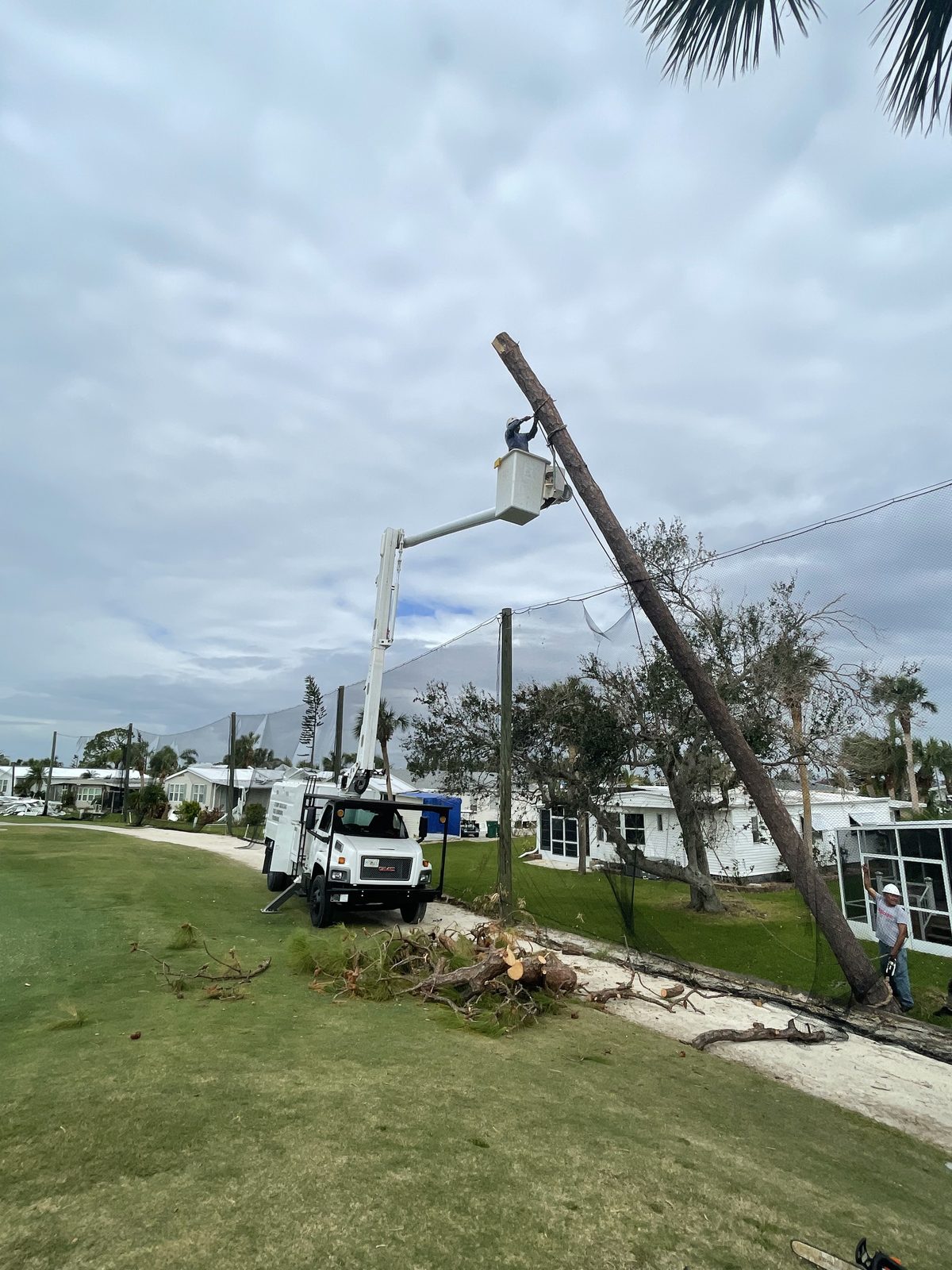
Hazards first: a storm-leaning pine over a net, worked down from a bucket truck.
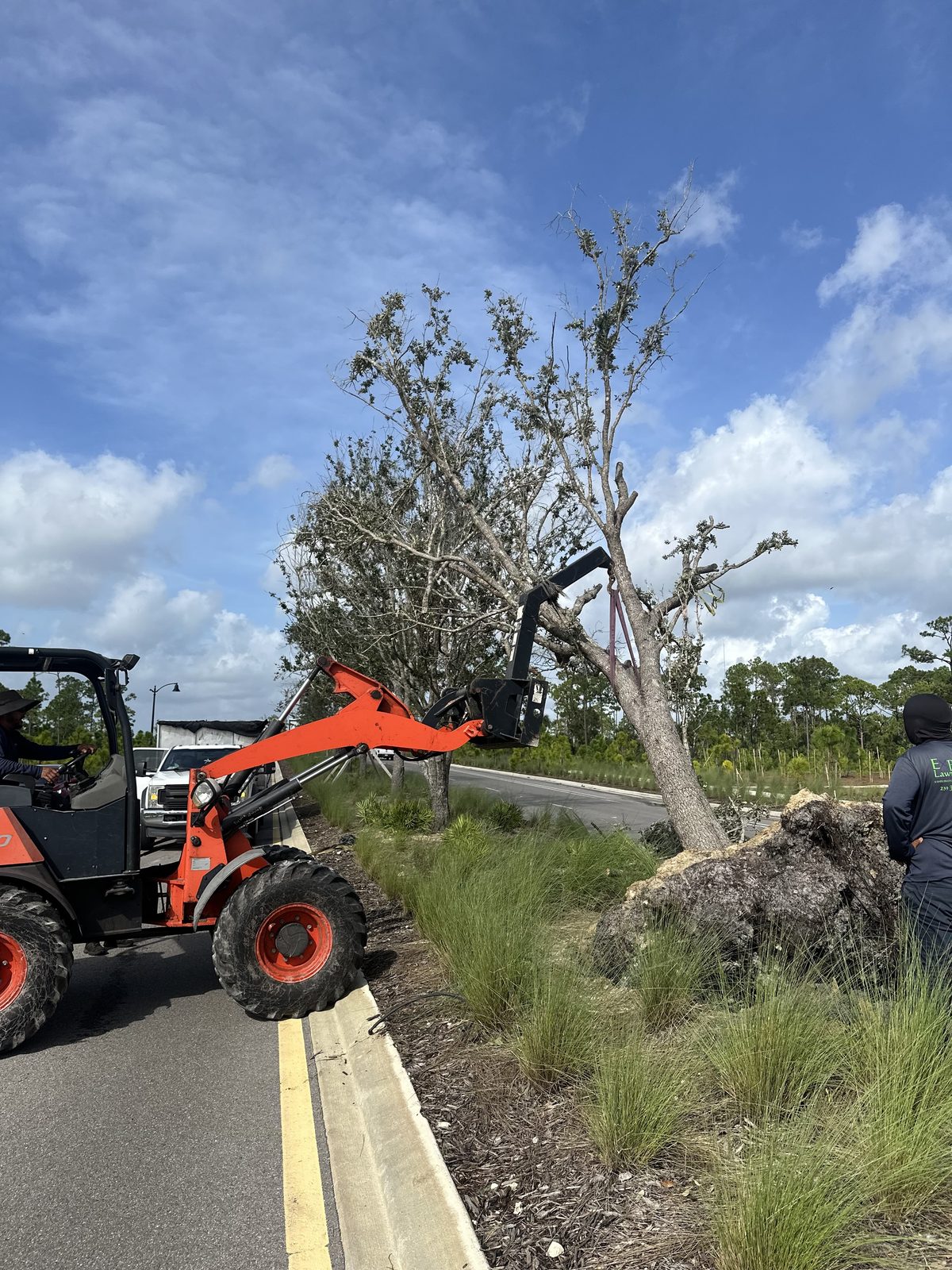
Restanding: an oak blown over in the hurricane, stood back up with a wheel loader and staked.
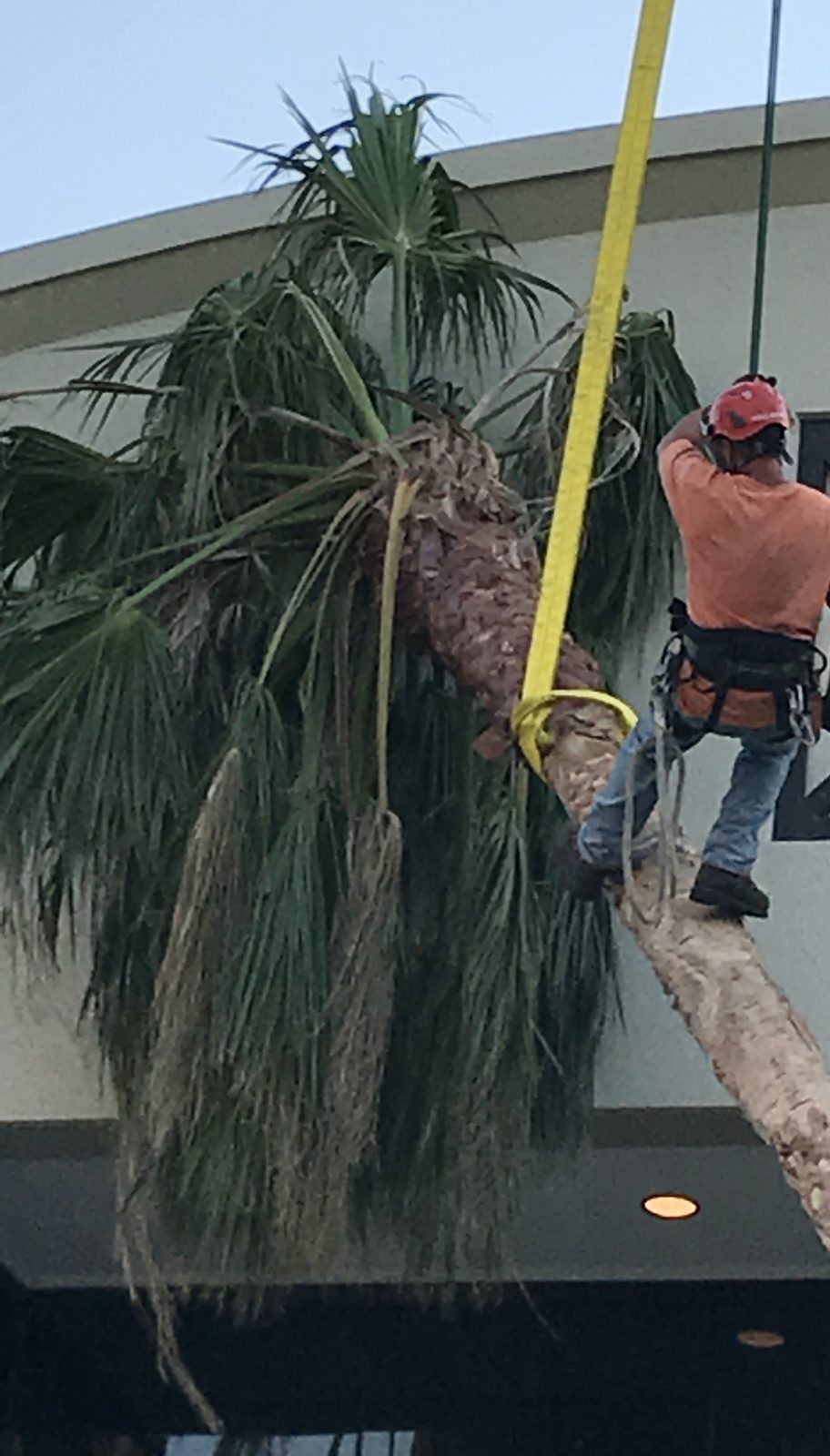
Removals: a climber rigs a storm-damaged palm so a crane can lift it out.

In the field

Hurricanes in Florida and the Bahamas. Ice in Tennessee.

Jeff Kaulbars has led hurricane recovery across Florida, the Southeast and the Bahamas, and the ice storm in Nashville. The same order of work applies wherever the storm hits.

Florida hurricanes

Roads and entrances first, then every palm and tree by number.
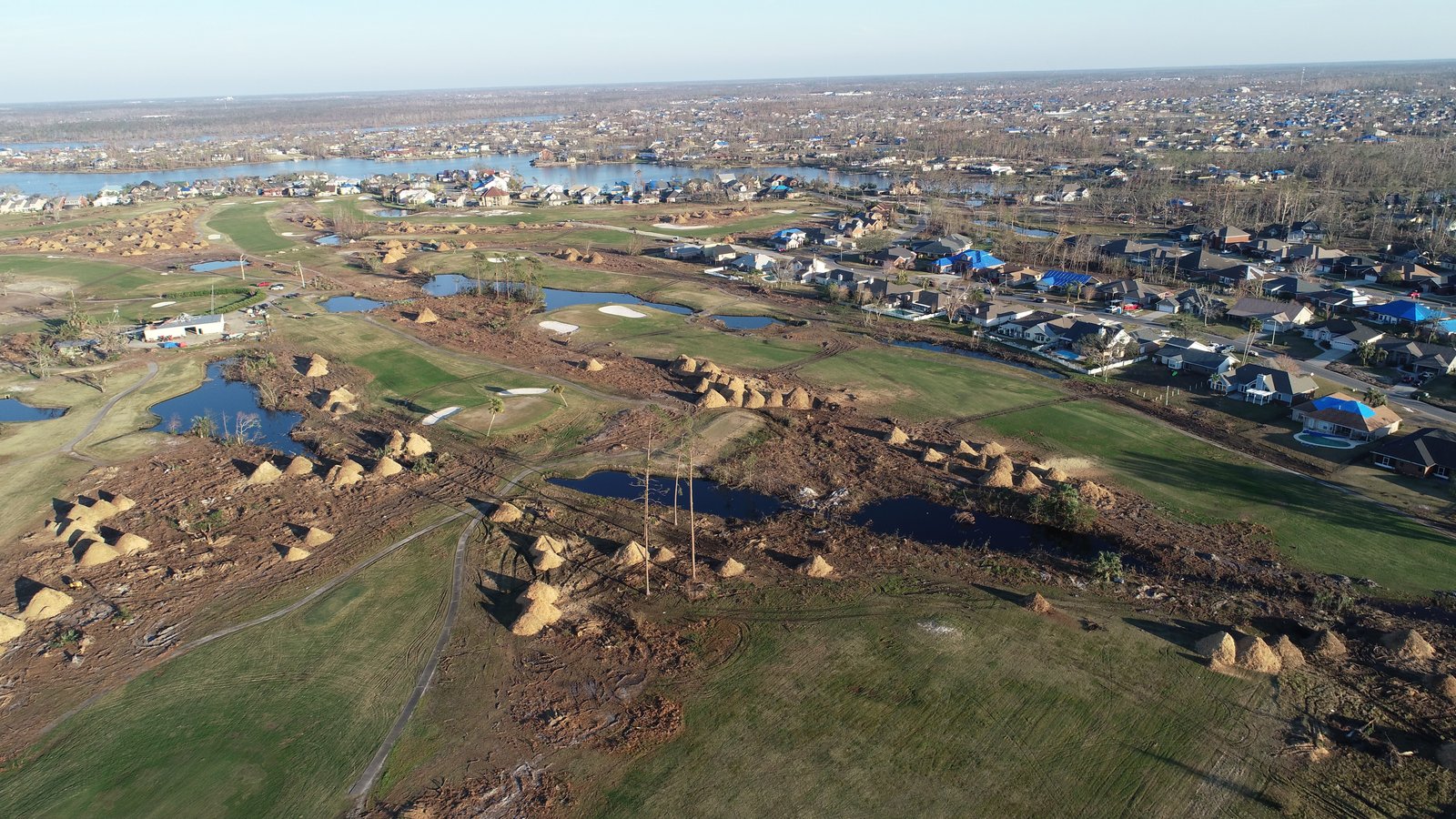
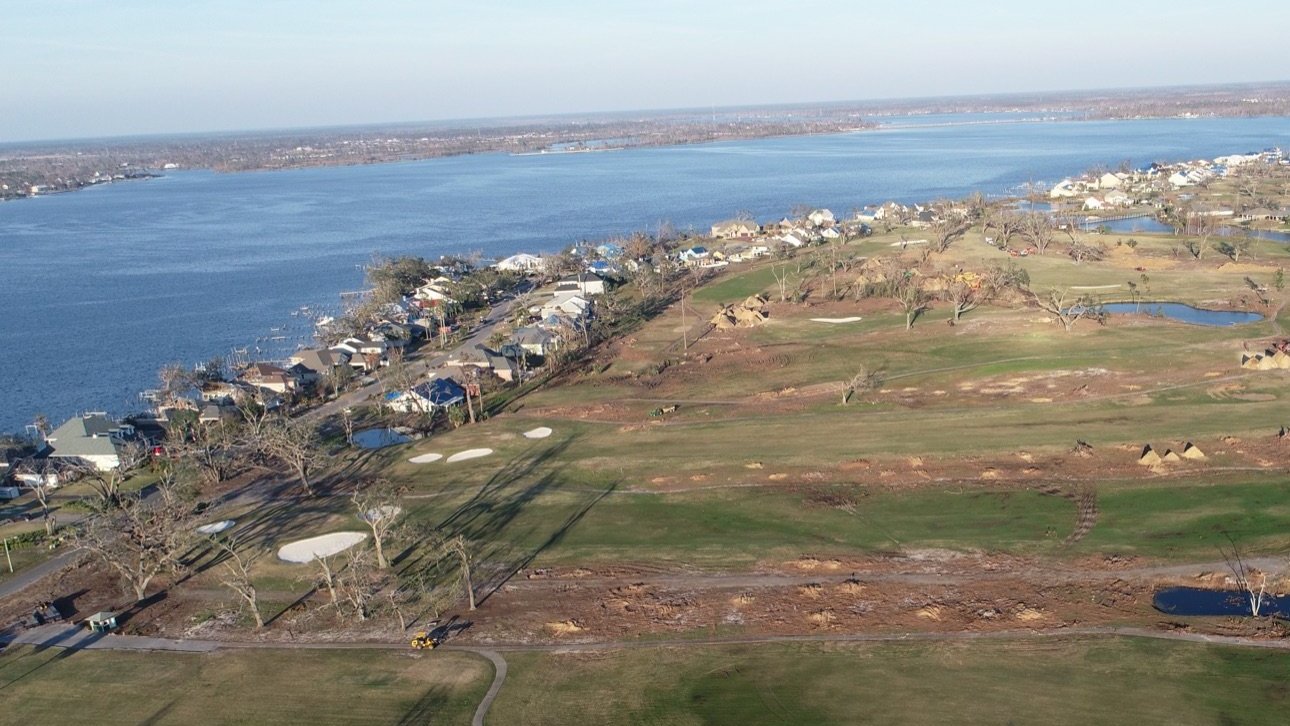
Debris piles across a golf course after Hurricane Michael, a Category 5. Only a few trees still stand, and damaged pines often draw pine beetles later.
The storm crew gathers for the morning safety meeting before work starts.
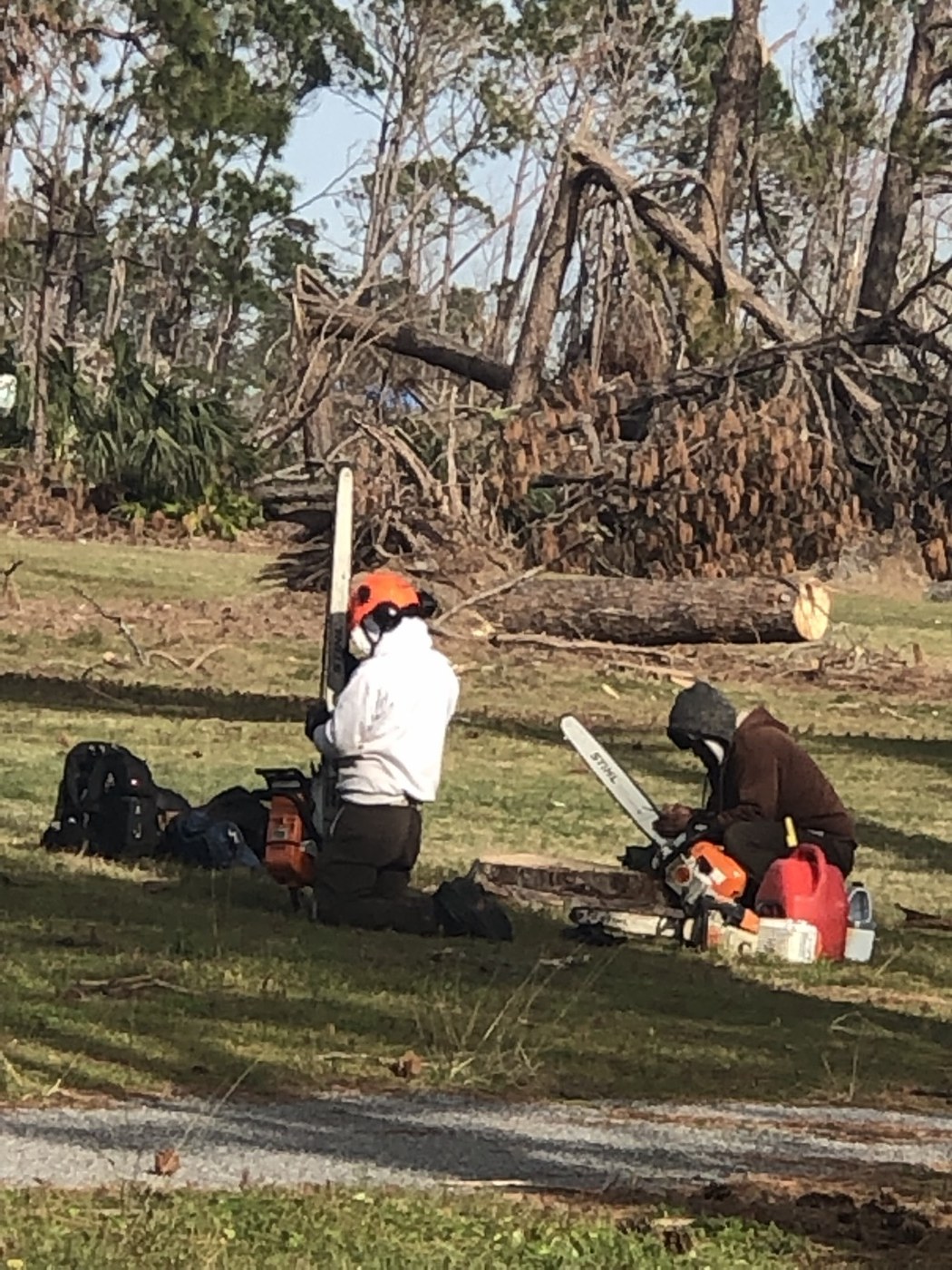
Crews readying saws for a day of downed-tree cleanup.
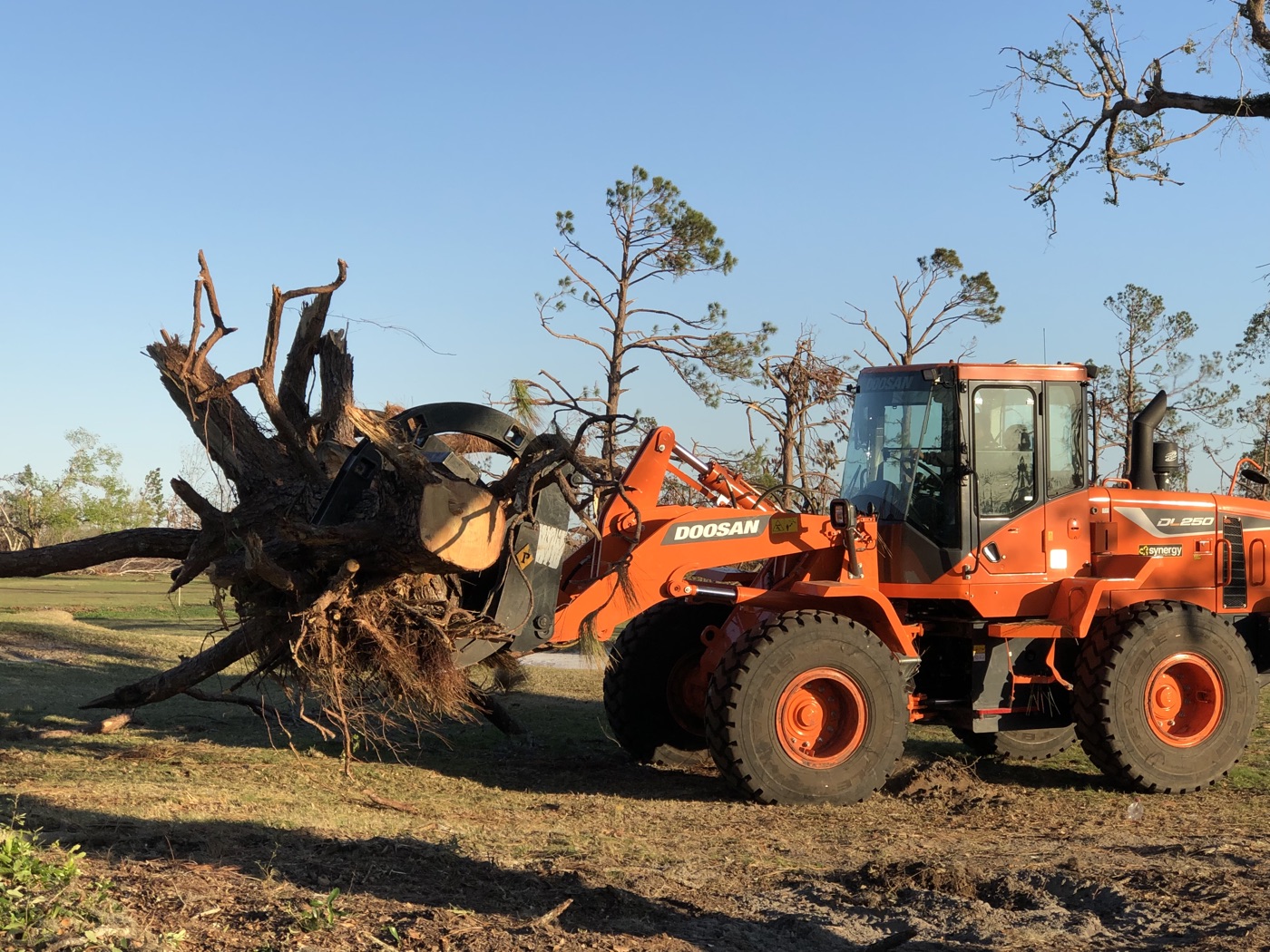
A loader carries an uprooted pine and its root plate off the course.

The Bahamas

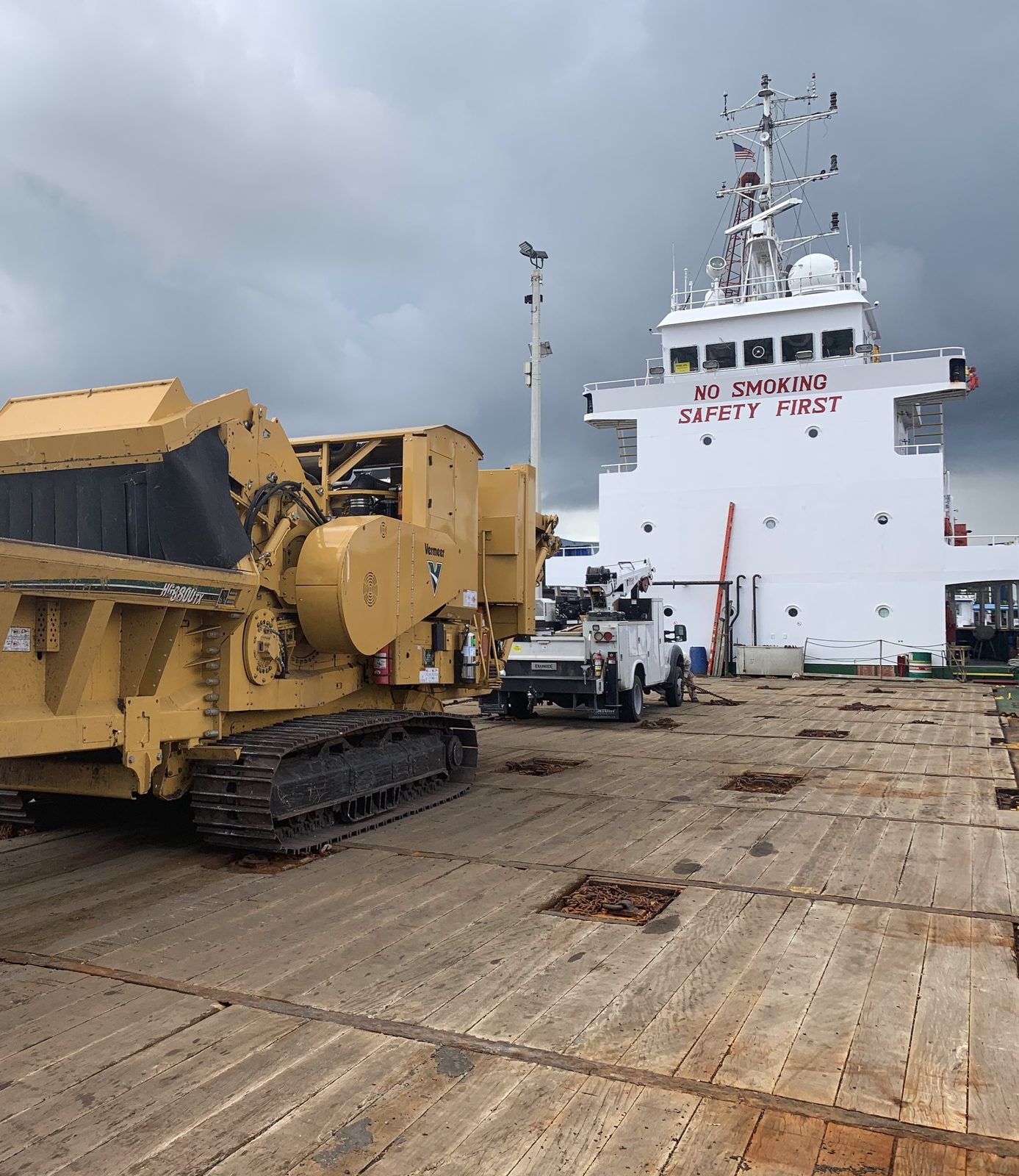
Equipment shipped by barge, and crews fed on site, for hurricane recovery in the Bahamas.
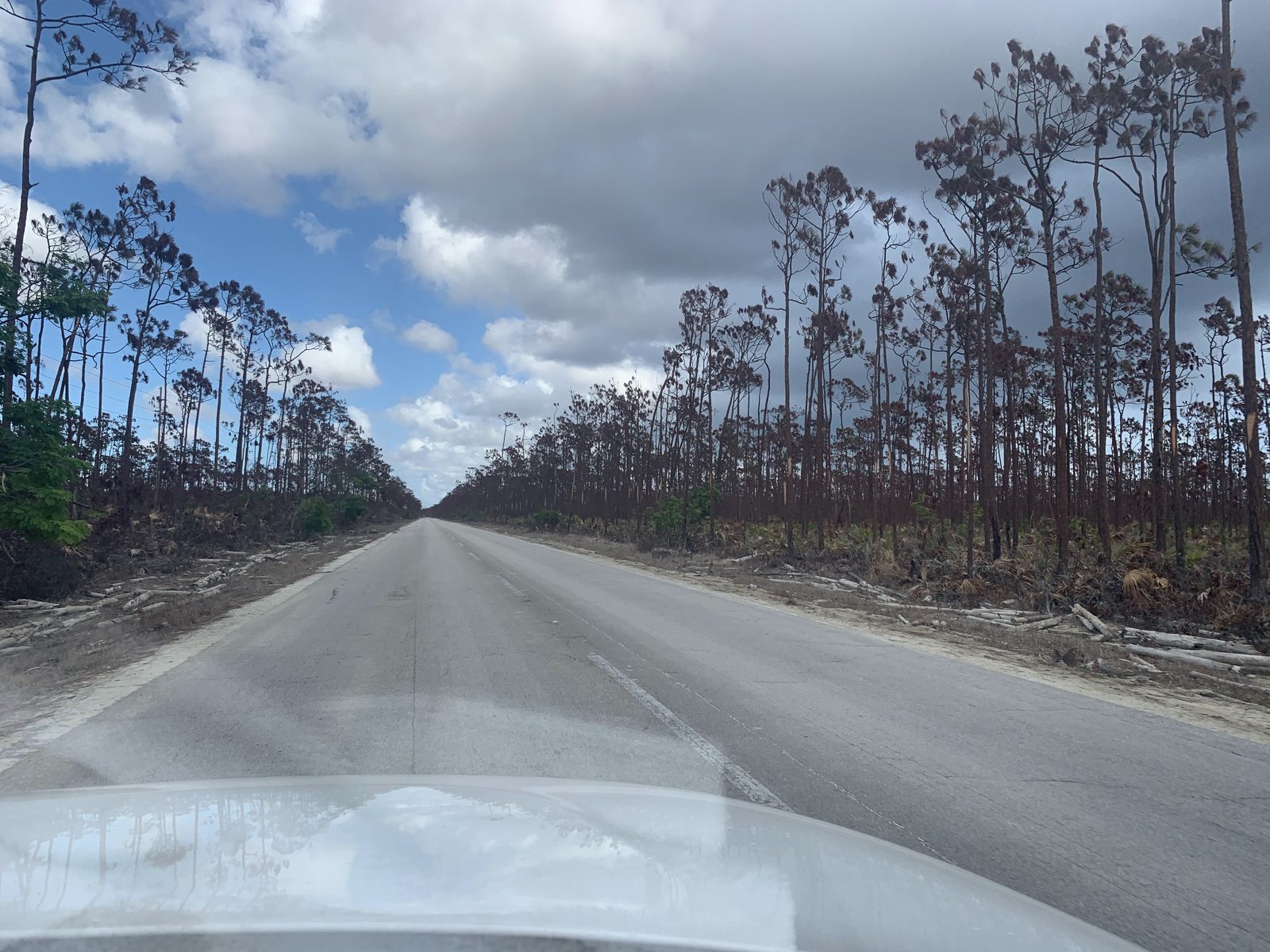
Hurricane damage across a whole area. The pines along this road are dying.
A horizontal grinder loaded on a barge, bound for the recovery work.
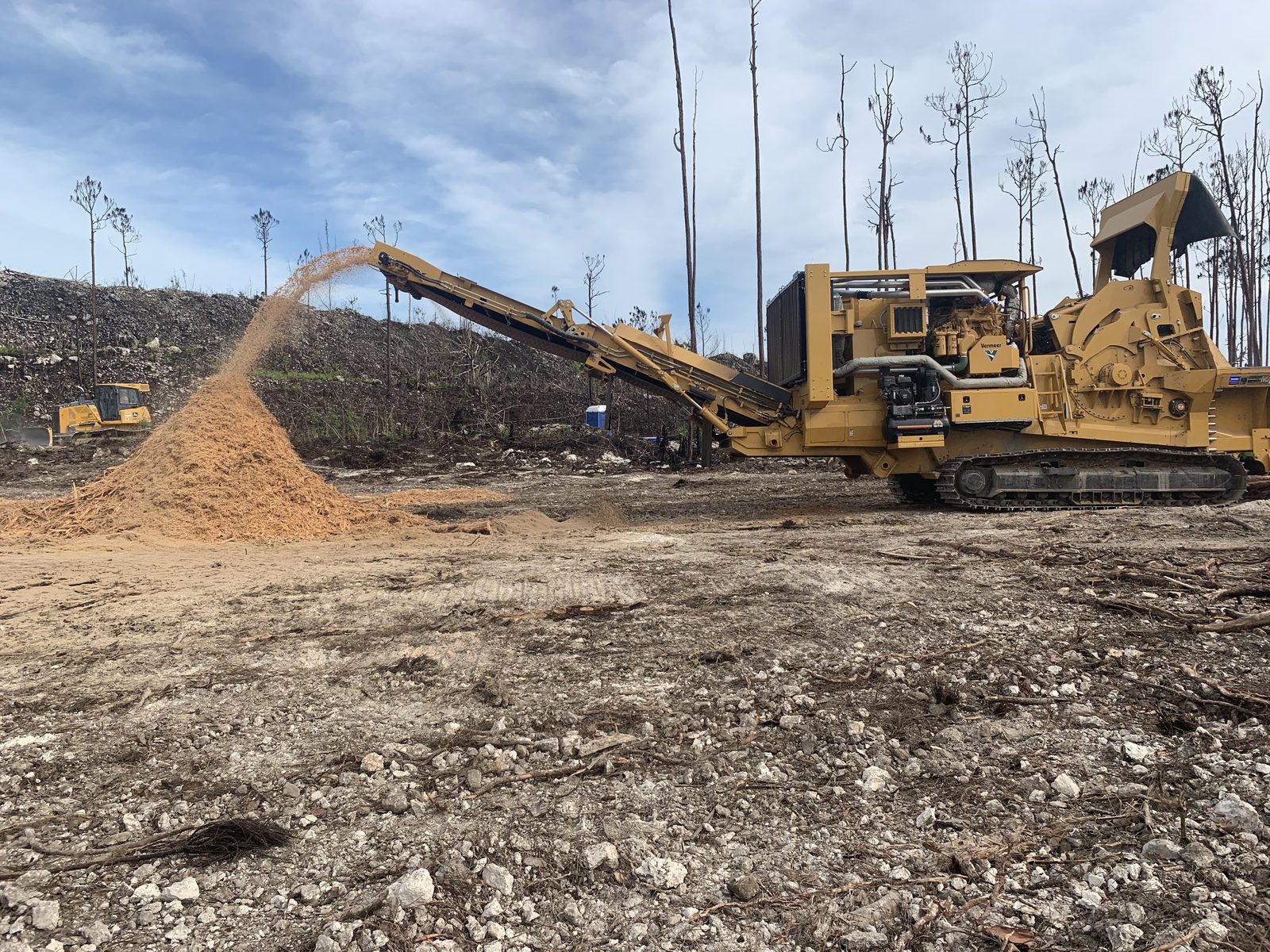
A horizontal grinder turning storm debris into mulch on the recovery.
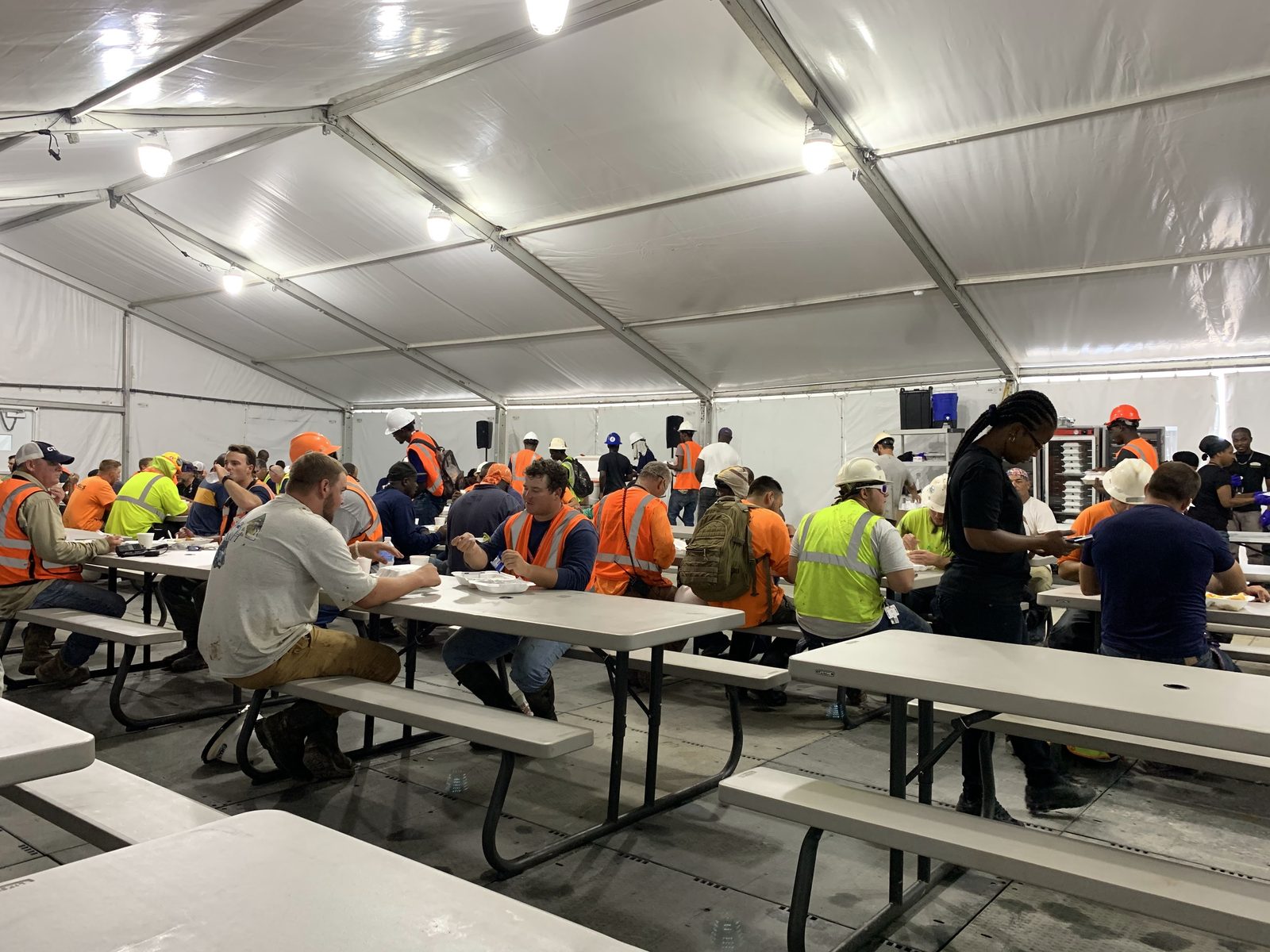
A temporary tent kitchen set up to feed the storm crews.

The Nashville ice storm

Ice loads break leaders and drop whole trees. The order of work stays the same.
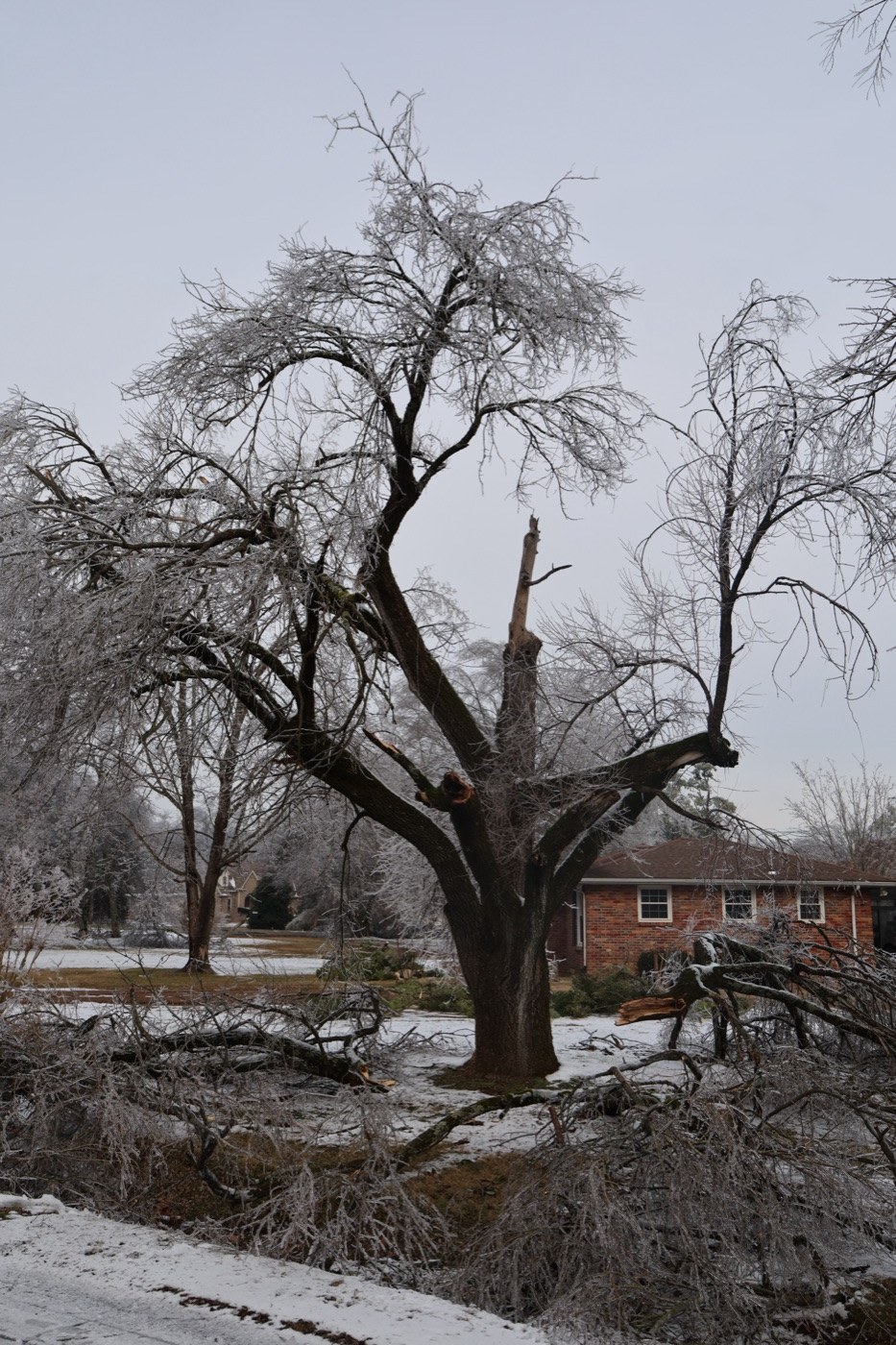
A broken leader under the weight of ice.
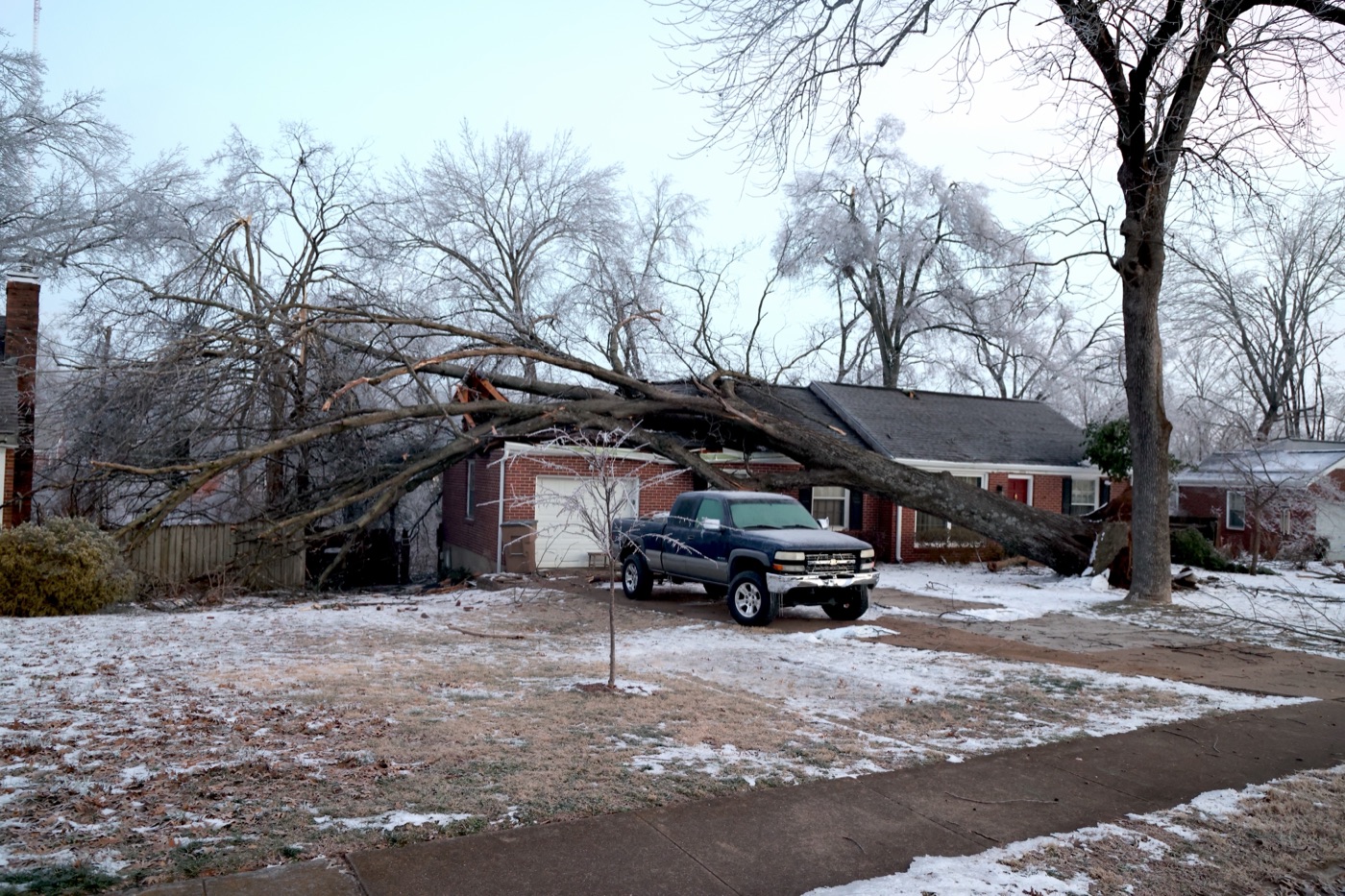
An ice-loaded tree down across a home and driveway.
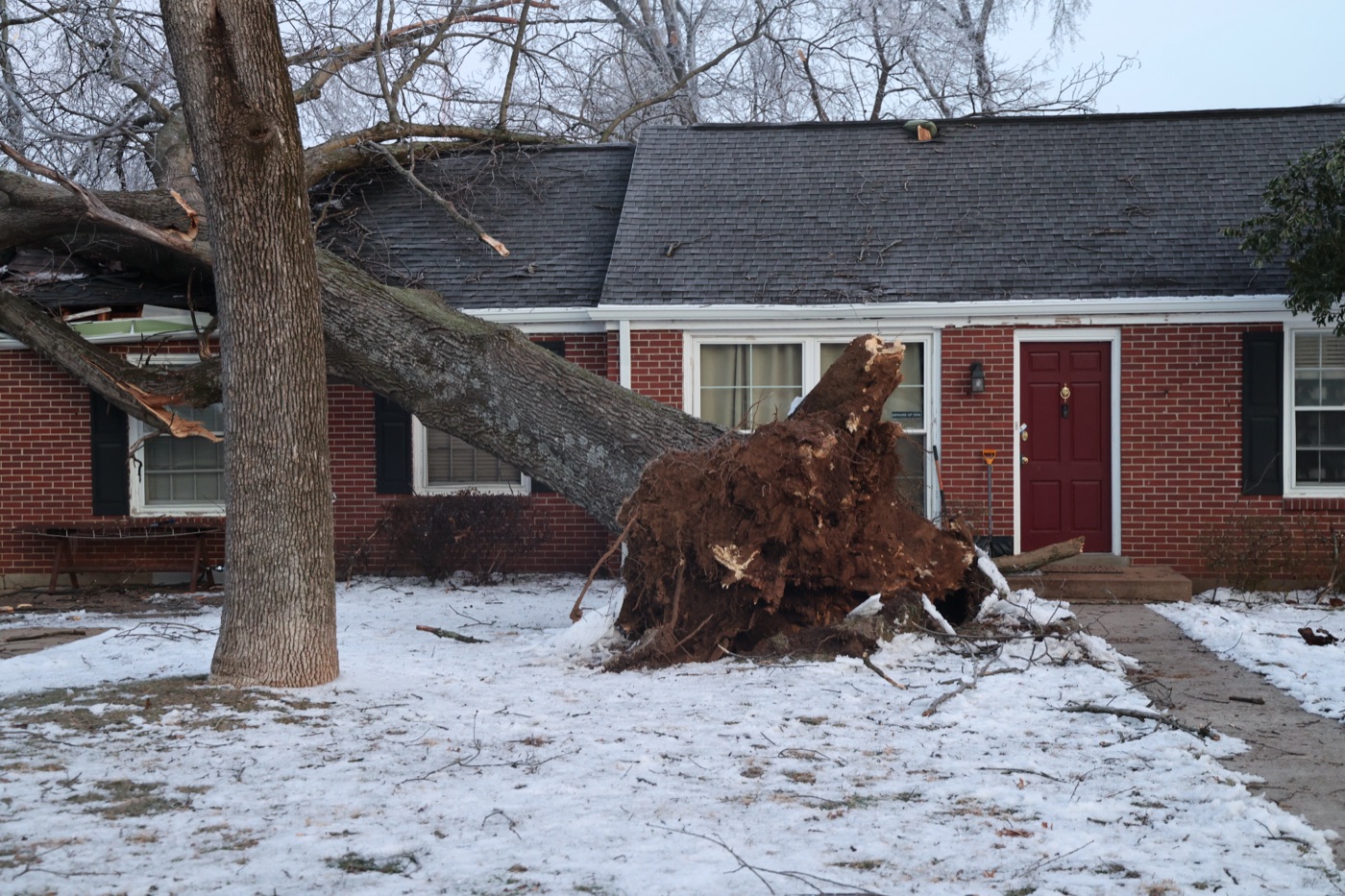
A tree uprooted against a home by an ice storm.
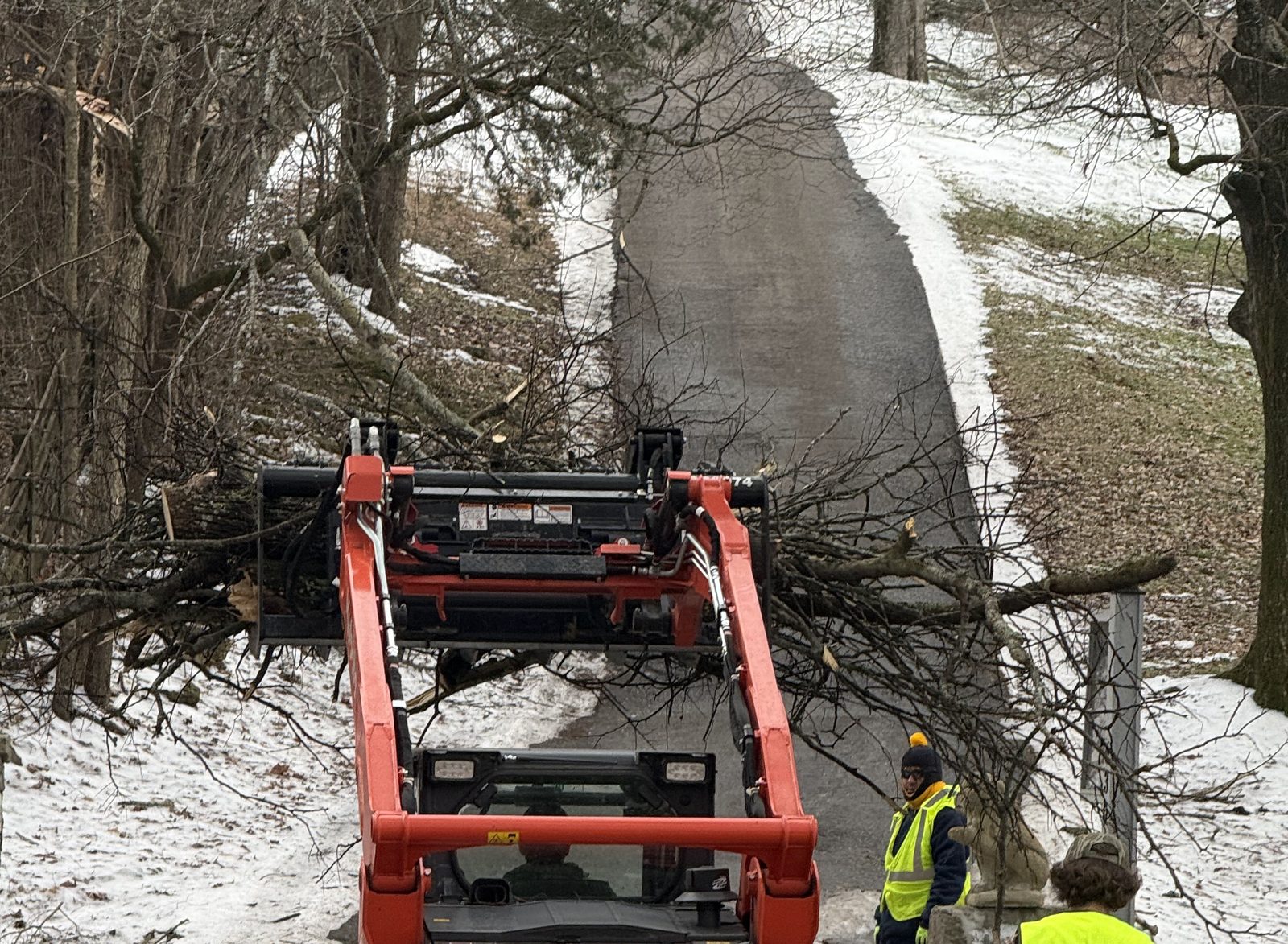
A track loader hauls ice storm debris to the roadside.
Aerial view of a golf community after Hurricane Michael, a Category 5, with downed trees across the course

The record

Every tree on one tracker.

After a storm, a board needs to know what was done, where, and what it cost. Our records answer that tree by tree.

  • A daily report: crews, equipment, hours, and the inventory numbers staked, pruned or removed.
  • Every palm and tree closed out in our GIS inventory with before and after photos.
  • One tracker for the whole site, so nothing is done or billed twice.
  • Weekly work maps, and debris tracked by load ticket.
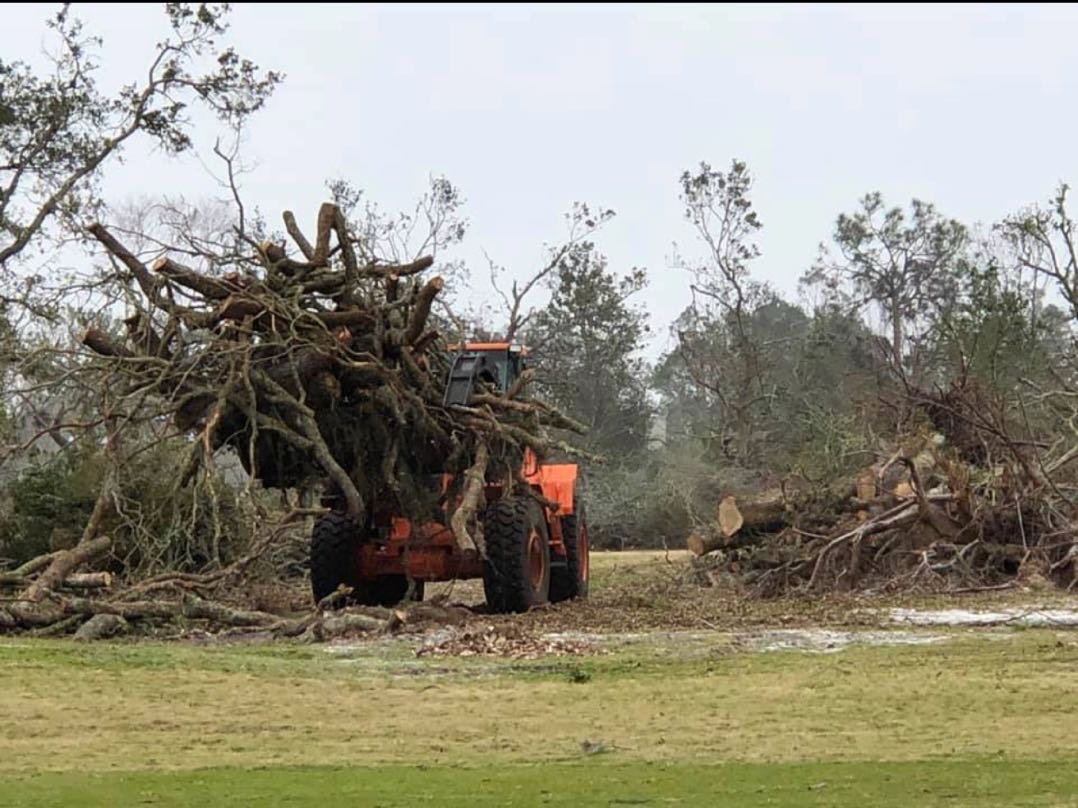
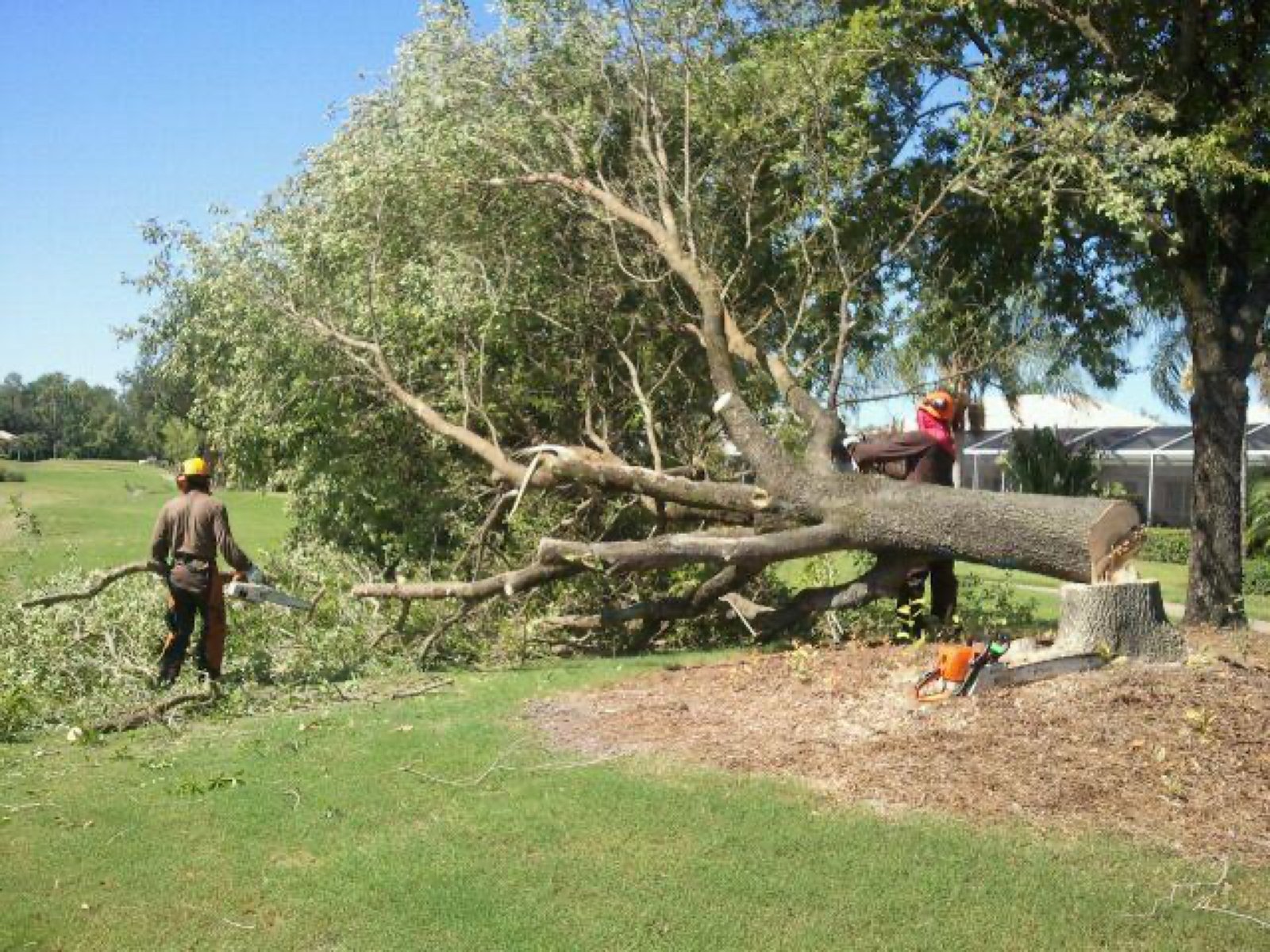
Crews cutting downed trees into sections after a hurricane.
A loader moving storm debris off a course.
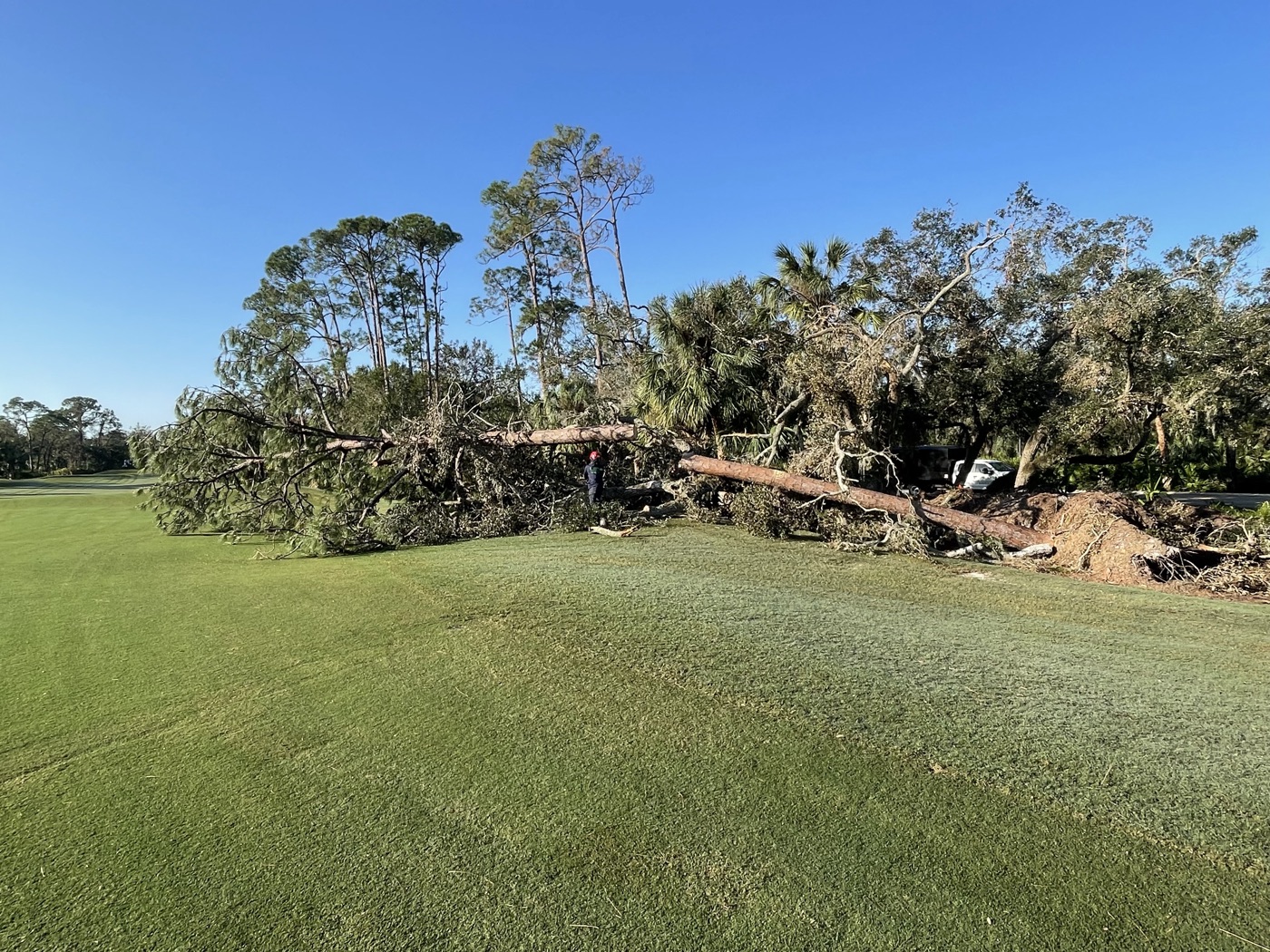
Cutting up an oak blown down onto a fairway.

Debris

The right machine for each job.

Every storm job calls for its own equipment. Debris is staged, hauled out and tracked by load ticket.
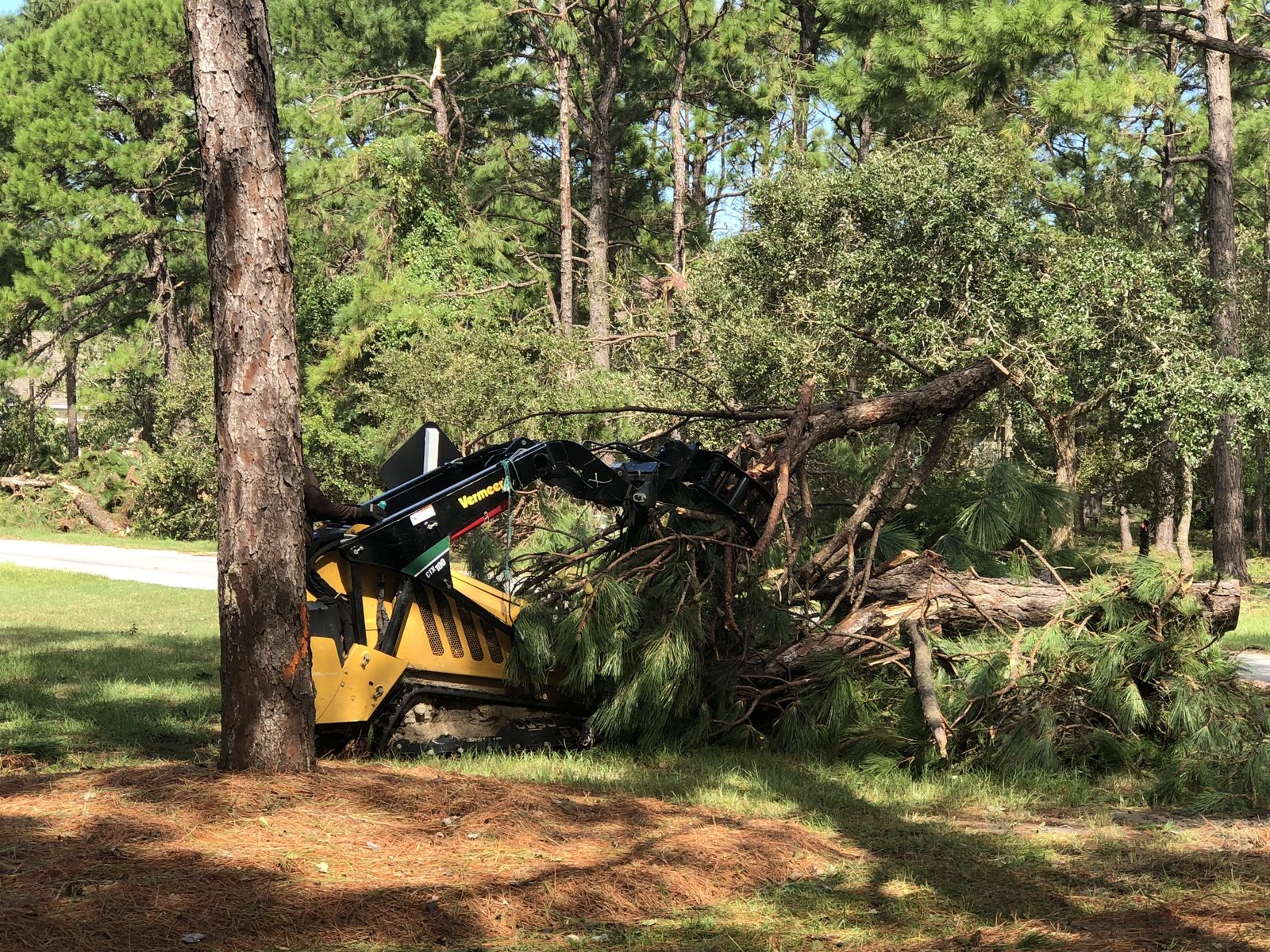
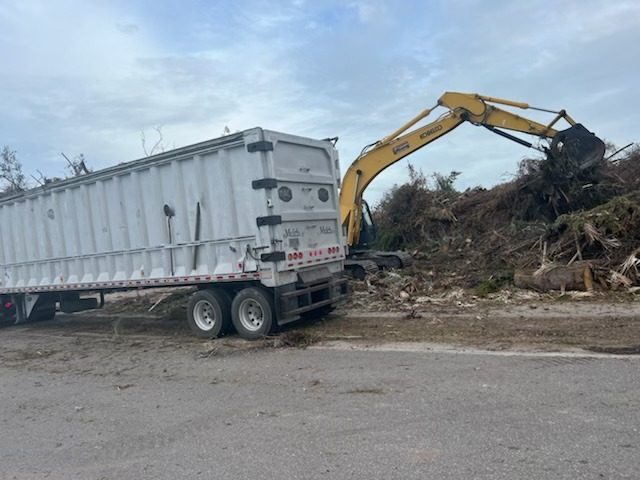
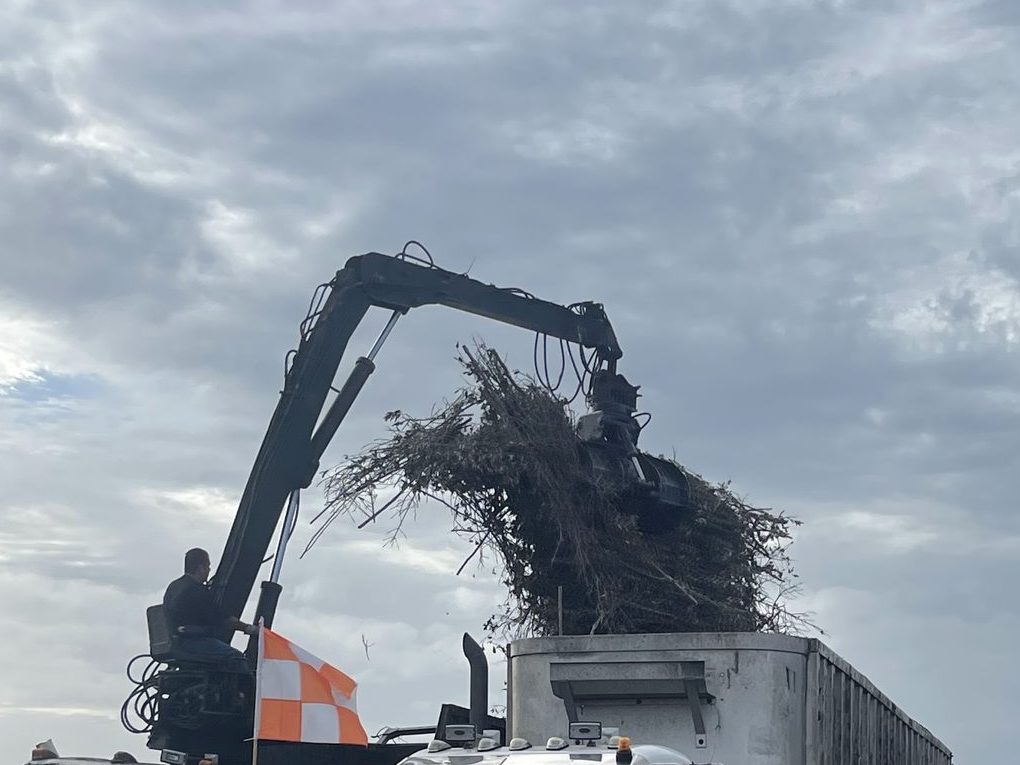
A mini skid steer with a grapple hauls downed pine. Small machines like this do a large share of storm debris work.
Debris staged in a community, loaded into a walking-floor trailer to haul away.
A grapple truck loads the same staged debris into the trailer.

What we will not do

Storm damage is not a removal order.

No removal without a written determination

Every removal is determined in writing, with the tree number, the reason and the date.

No palm written off inside 6 months

A structurally intact palm gets 6 months to push new growth before anyone calls it lost. A defoliated tree is usually not dead.

No hurricane cuts

Stripping a palm to a few fronds before a storm removes the fronds that protect the bud.

Recovery treatments only on recommendation

High-value palms with crown damage or standing water may get a protective bud drench, on the arborist’s call.
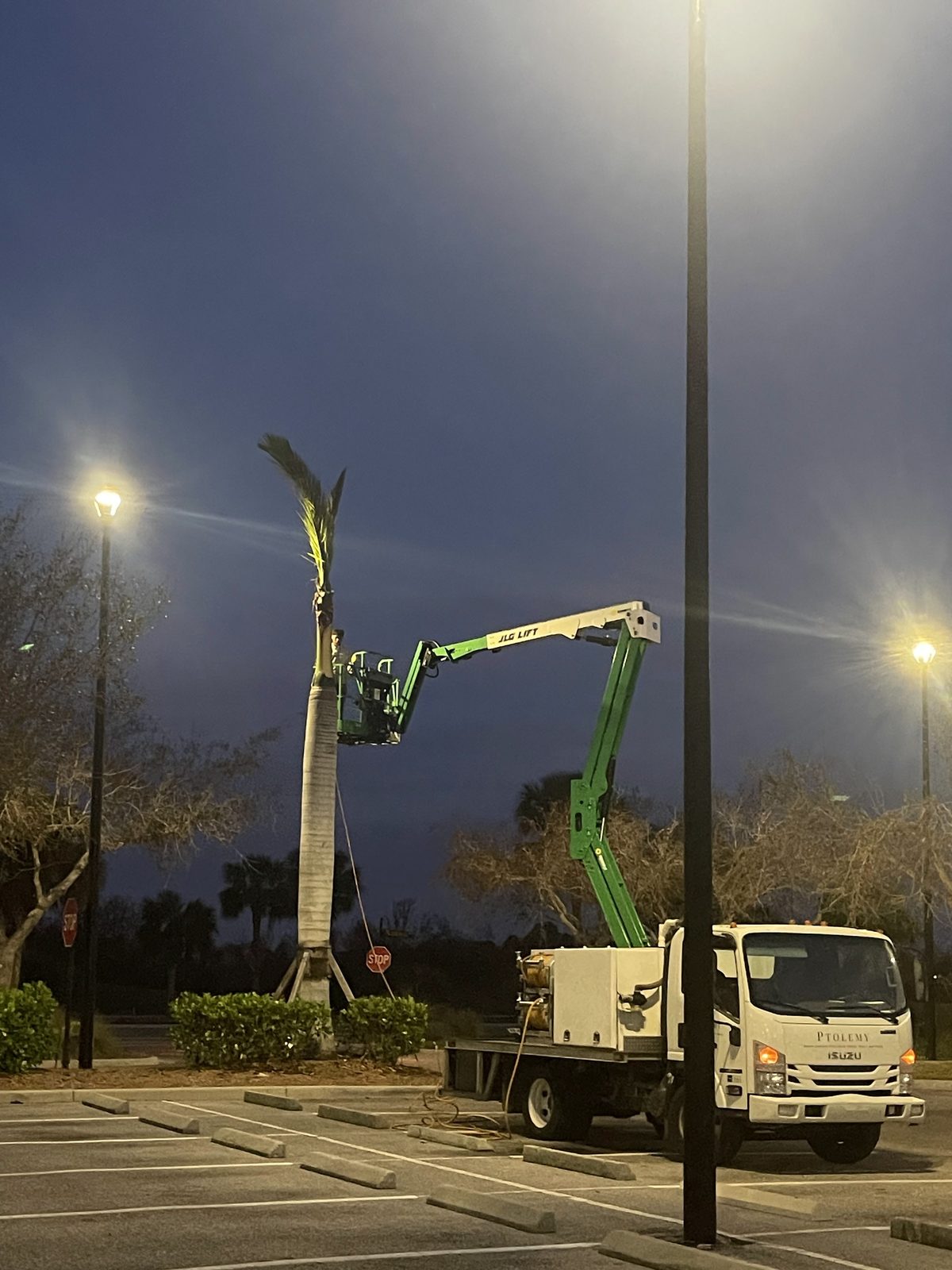
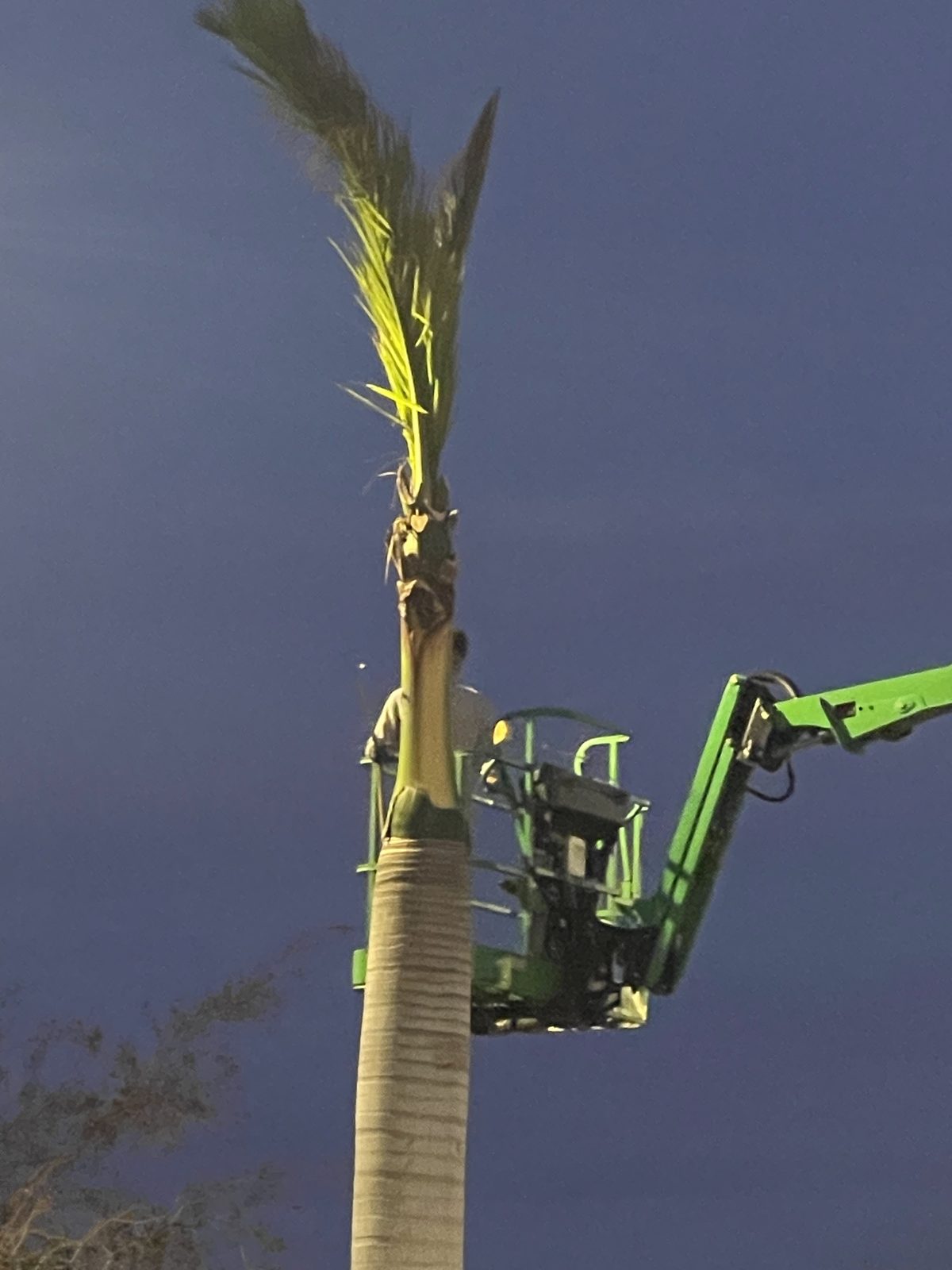
After a storm: a lift and our truck set up at night to treat a palm that lost most of its fronds.
Canopy spray and a bud drench on a storm-damaged palm.
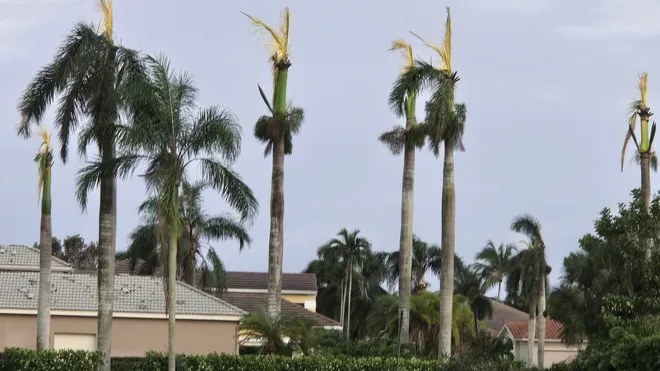
Royal palms after a hurricane, stripped to the spear. A palm with its bud intact can grow a new canopy.

From the field

One royal palm, from no canopy to a full one.

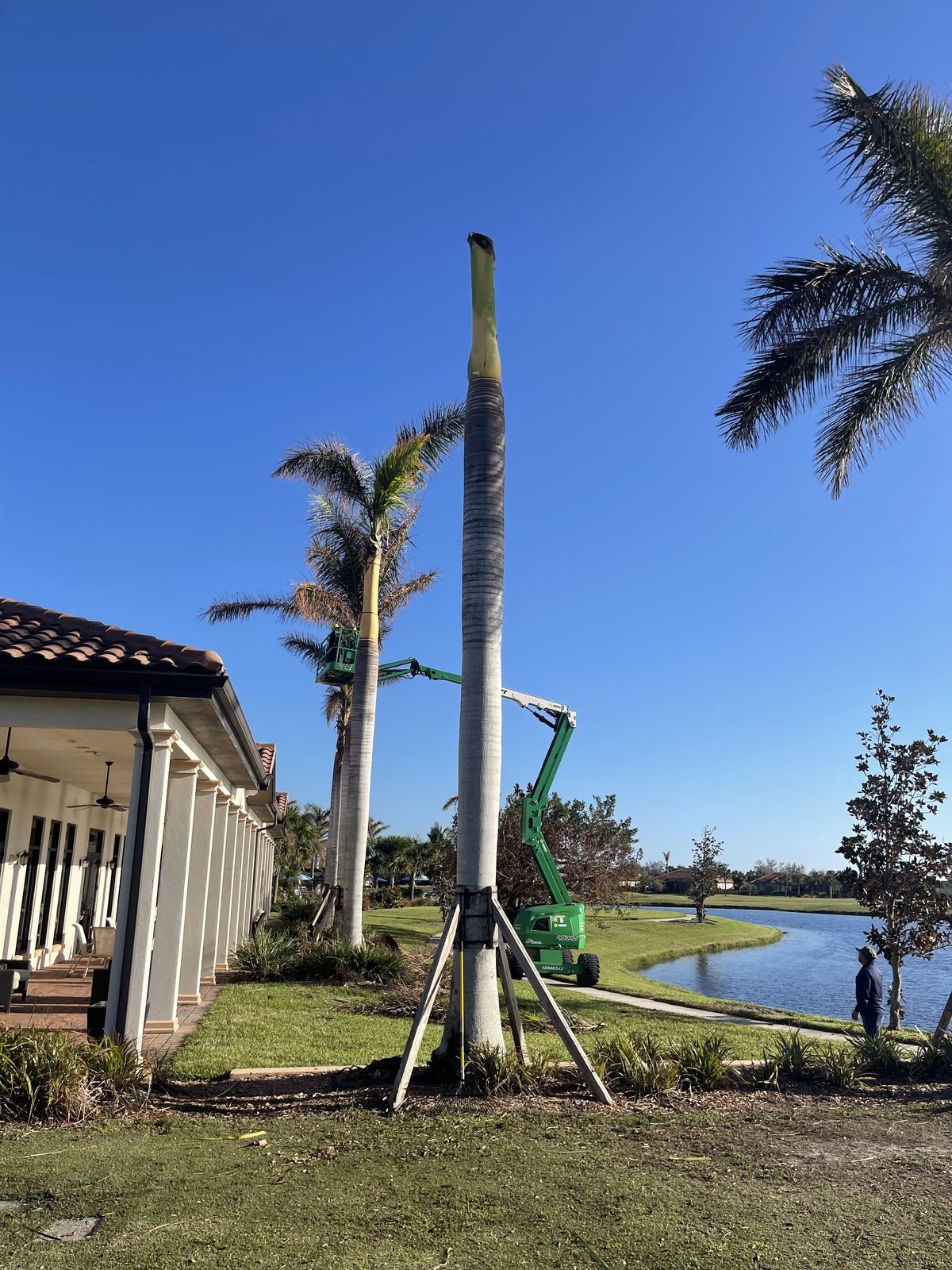
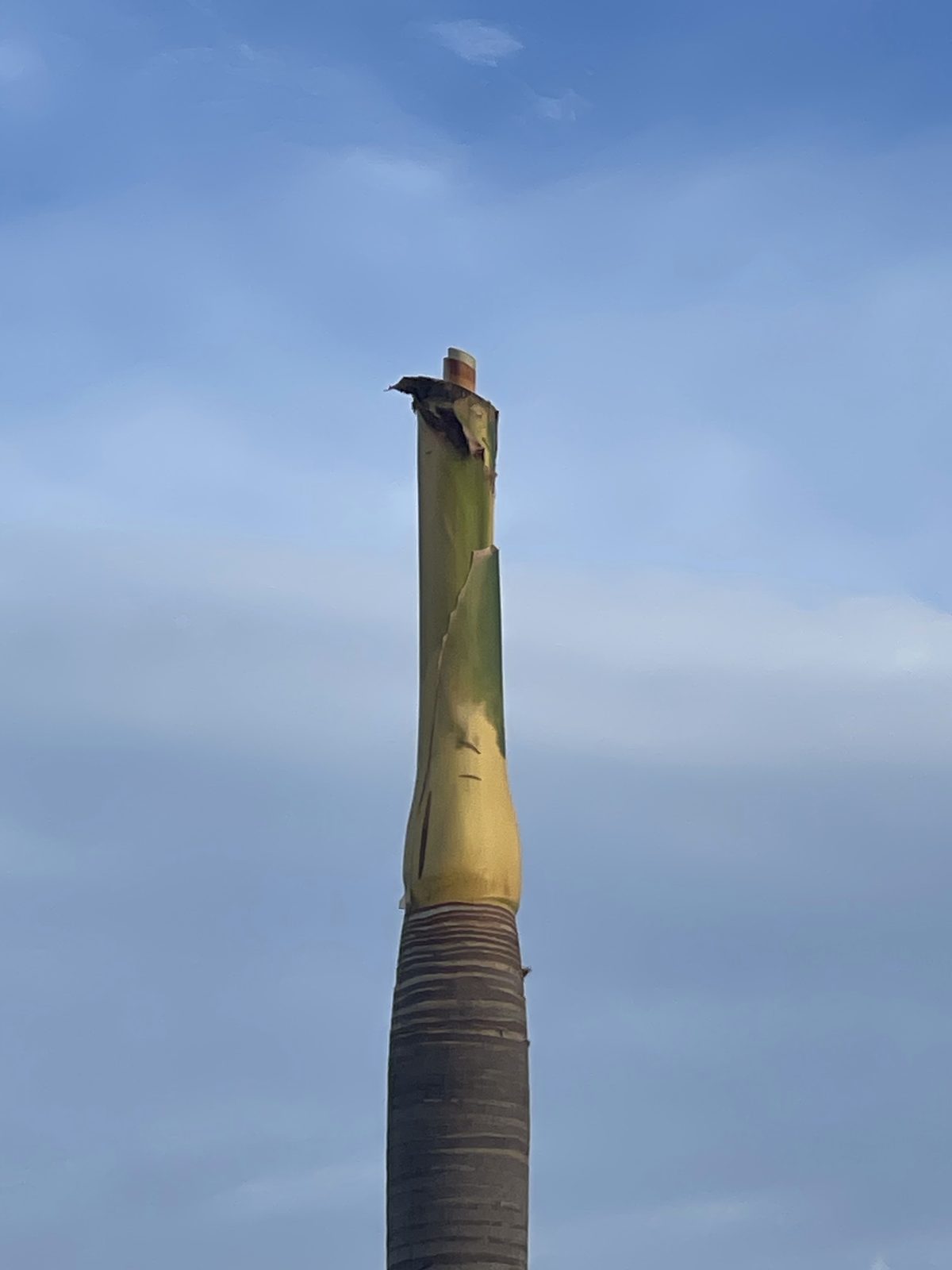
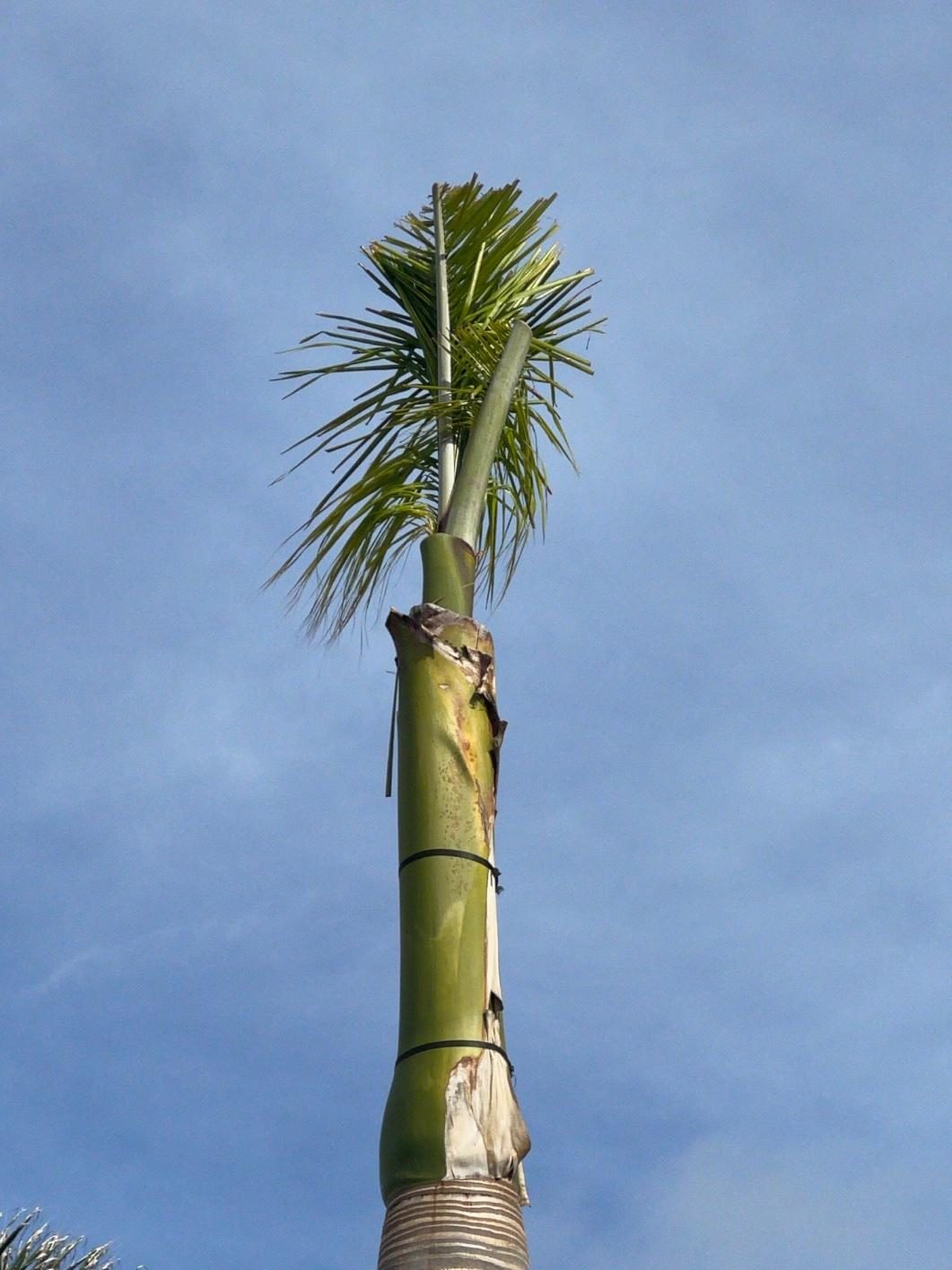
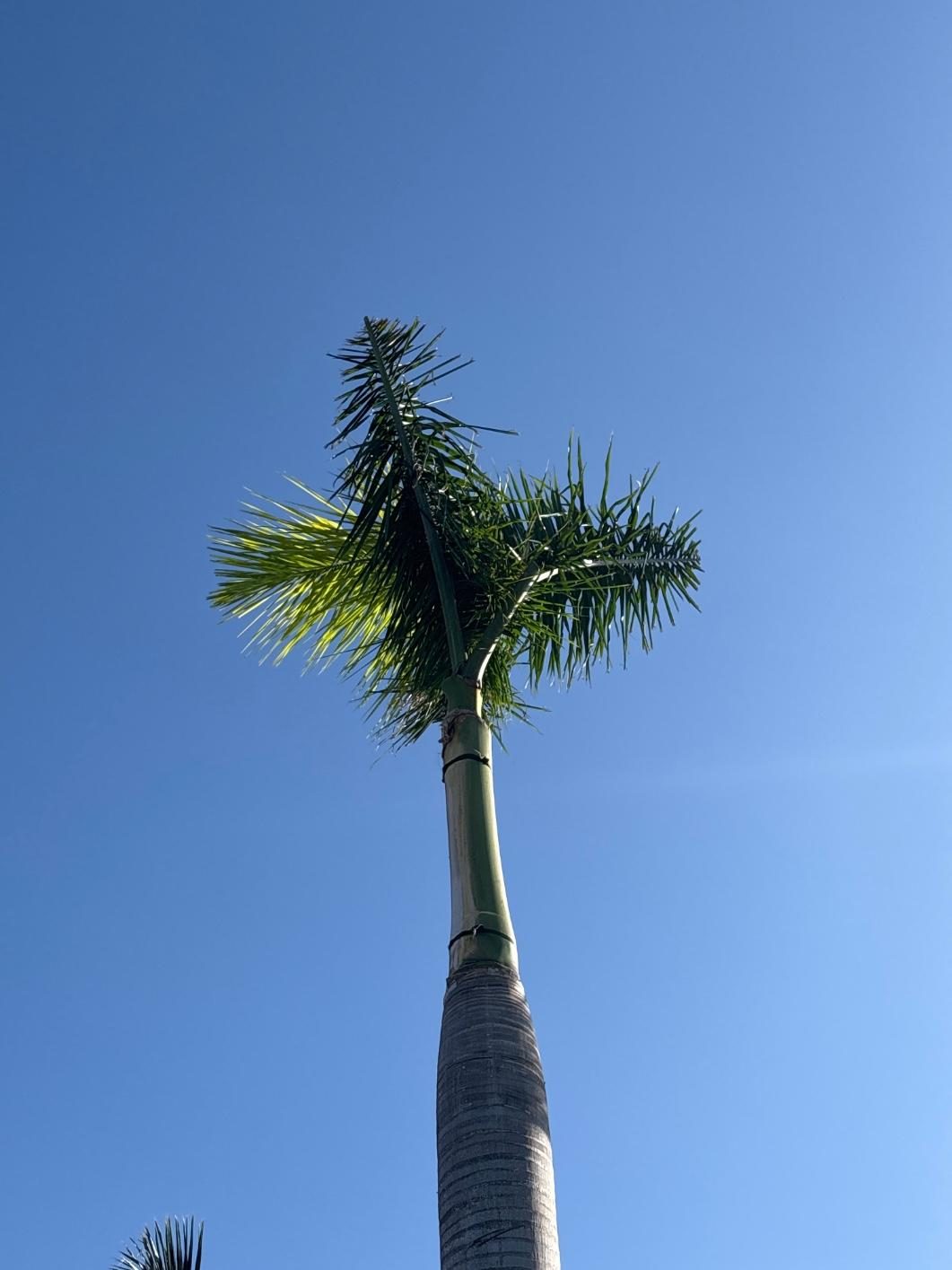
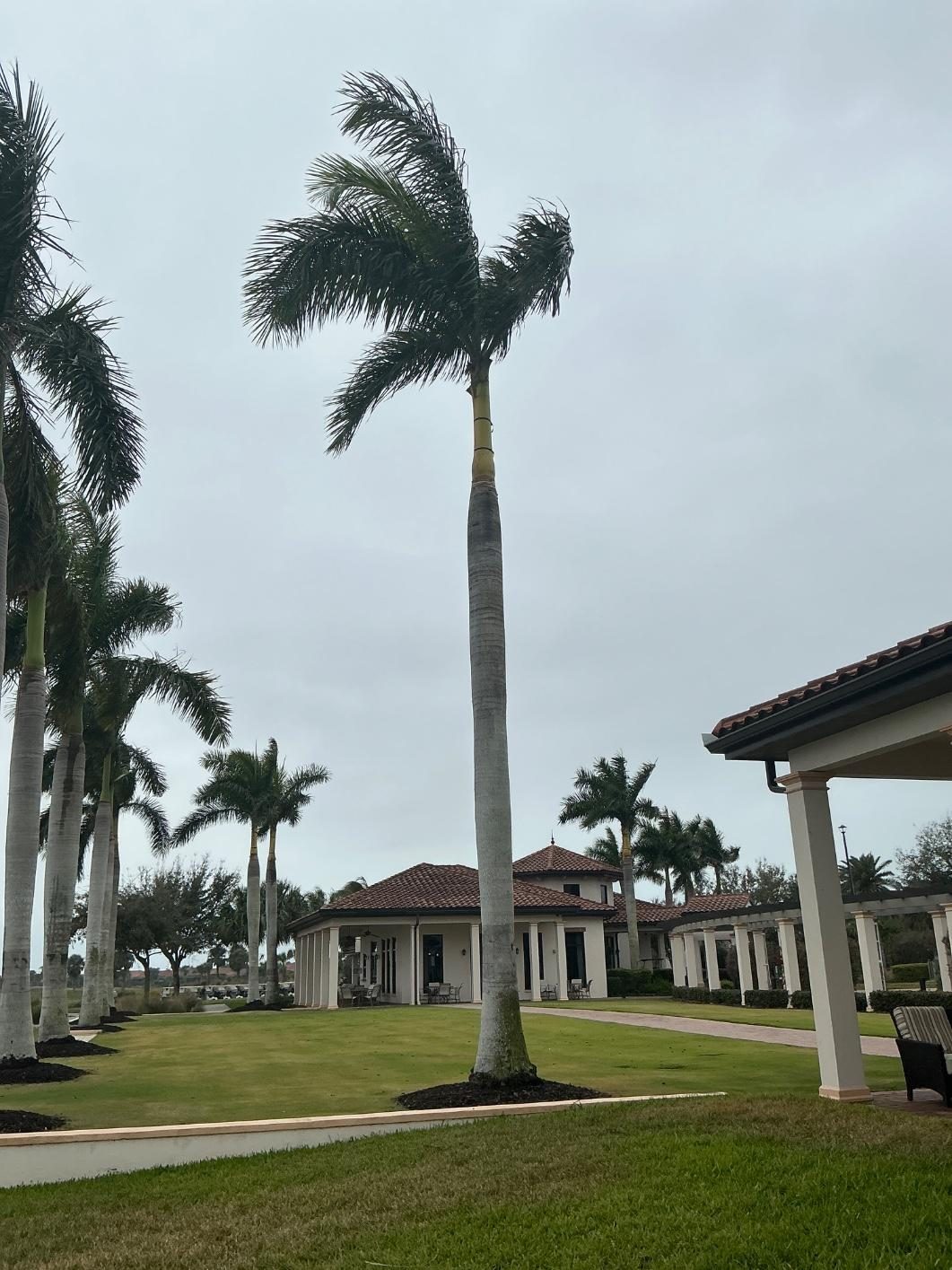
The hurricane took this palm’s canopy, tore the top of the stem, and left it leaning. It was restaked, cut back, and inspected as it came back. This is why a structurally intact palm gets 6 months before anyone calls it lost.
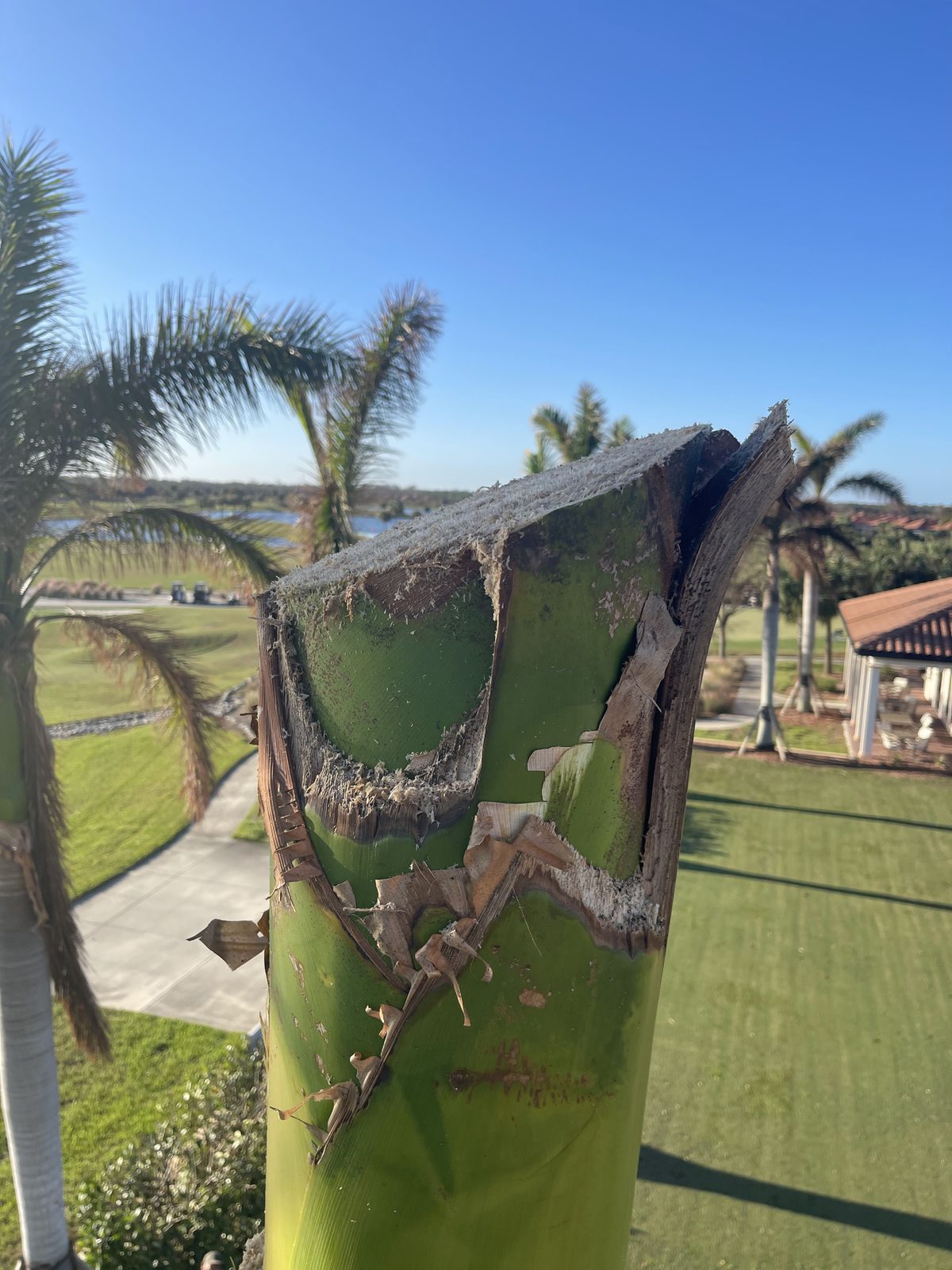
After the hurricane: the canopy is gone and the top of the stem is torn. The fix was one cut below the damage. Make that cut at an angle.Damage
After the hurricane: the canopy is gone and the top of the stem is torn. The fix was one cut below the damage. Make that cut at an angle.
The same palm was also leaning hard. It was stood up and restaked.Restaked
The same palm was also leaning hard. It was stood up and restaked.
Cut back, with no canopy. New growth is starting at the top.Cut back
Cut back, with no canopy. New growth is starting at the top.
January 2025. A new spear and the first fronds push out of the torn crownshaft. The straps are still on.New spear
January 2025. A new spear and the first fronds push out of the torn crownshaft. The straps are still on.
May 2025. A small new crown is forming.New crown
May 2025. A small new crown is forming.
February 2026. A full canopy again, and the palm stands on its own.Canopy back
February 2026. A full canopy again, and the palm stands on its own.