
For CDD and ISD boards and district managers
A public budget needs a written plan.
Palm and tree plans that read well in a meeting packet and hold up five years later.
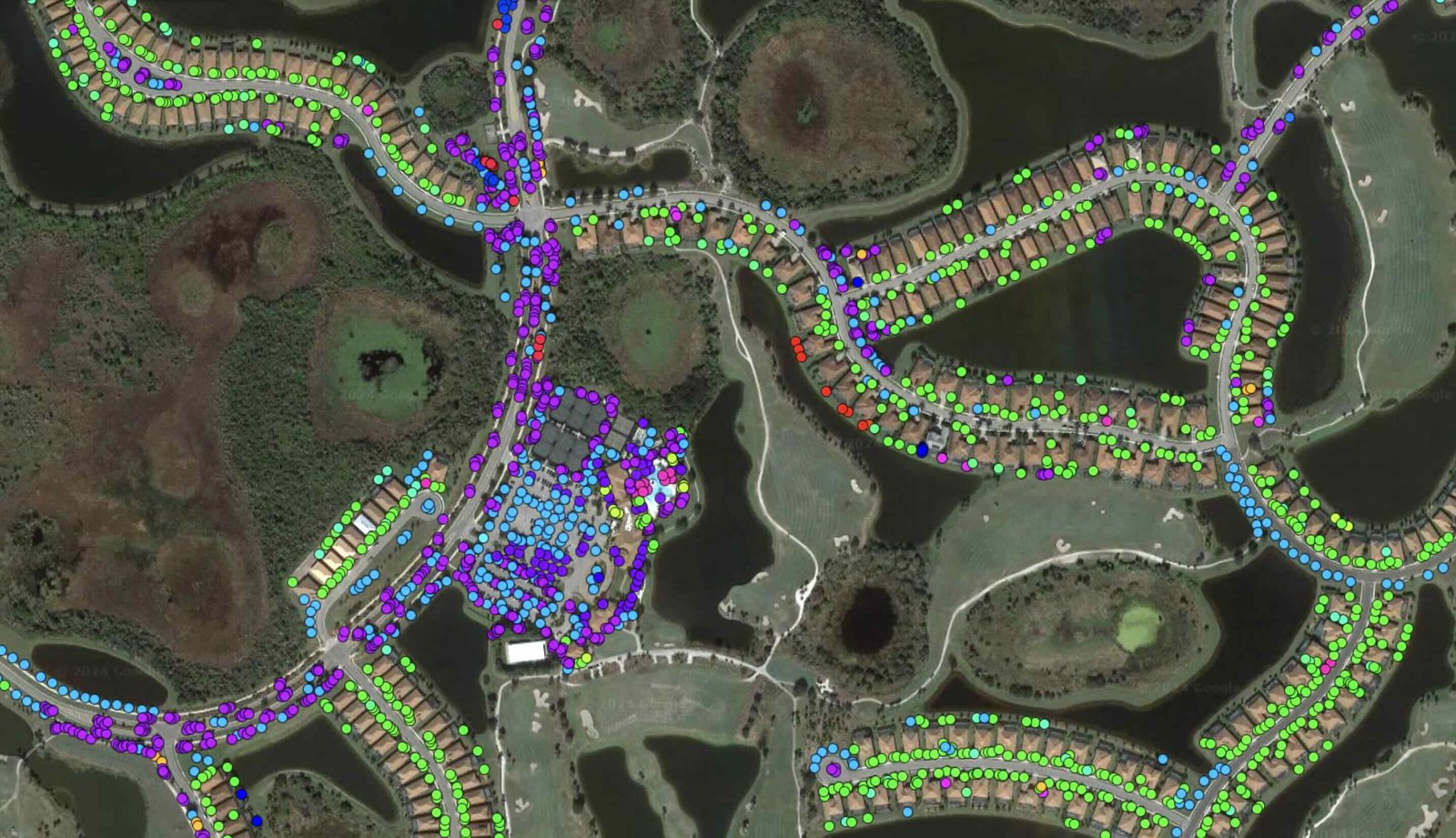
Every dot is one palm or tree, with its own record. This is how a district’s count stays verifiable.


What districts deal with
Public money, public meetings, and a count that keeps growing.
A fiscal year that starts October 1.
Next year’s number has to be ready in spring, before most vendors think about it.
Variances the board has to explain.
Scope that grew or a disease nobody planned shows up at a public meeting.
A count nobody trusts.
New phases are planted every month. A count nobody can verify is hard to defend.
The Palm and Tree Master Plan
One written plan, 10 years.
We plan your palms and trees the way a well-run city plans its urban forest. Every palm and tree is mapped and counted. Each kind of work has a written standard. The budget is built from the counts, year by year, and safety comes first. Cities fund tree care to a floor and add where it matters most. Your plan does the same, at three levels.
Then we fit it to your community. A city manages street trees. Your residents live with these palms and trees every day: at the entrance, around the clubhouse and pool, along the lakes, behind every home. So the plan adds what a community needs. Palm care built for Southwest Florida, from Sabals to Phoenix palms to lethal bronzing. A level your board picks for each program. A budget it can take to a vote. And one point of contact who knows your property tree by tree.
The floor
Where most start- Safety, clearance, inspection, and the work that prevents losses.
- Every palm on Monitor, with a canopy look 4 visits a year. A look at every tree.
- Every palm pruned once a year, November to March.
- Anything seen is escalated. A lab test before any disease call.
Protect what matters
What we recommend for most- Everything in the floor.
- Preventive care on the high-value and high-visibility palms and trees.
- 4 visits a year, with a target of 80% Normal.
- Each palm pruned in its best months.
- Every new tree gets 2 years on the establishment schedule.
Full program
Protect what matters, backed by PPQ- Everything in Protect what matters.
- 6 visits a year, with a target of 90% Normal.
- The arborist writes every tree’s prescription and checks the work.
- Sterilized handsaws on every palm.
Each level keeps everything below it. Normal targets are management targets, not a guarantee. The budget is an estimate for each year, built from the counts.
Your budget year
The plan lands before the budget is drafted.
In the district manager’s hands before the proposed budget is drafted.
Priority areas, staging sites and high-risk trees.
For a CDD, by June 15 (s. 190.008, F.S.).
The work starts on the budget the board adopted.
In the quarterly report, not found at year end.
One district, three years
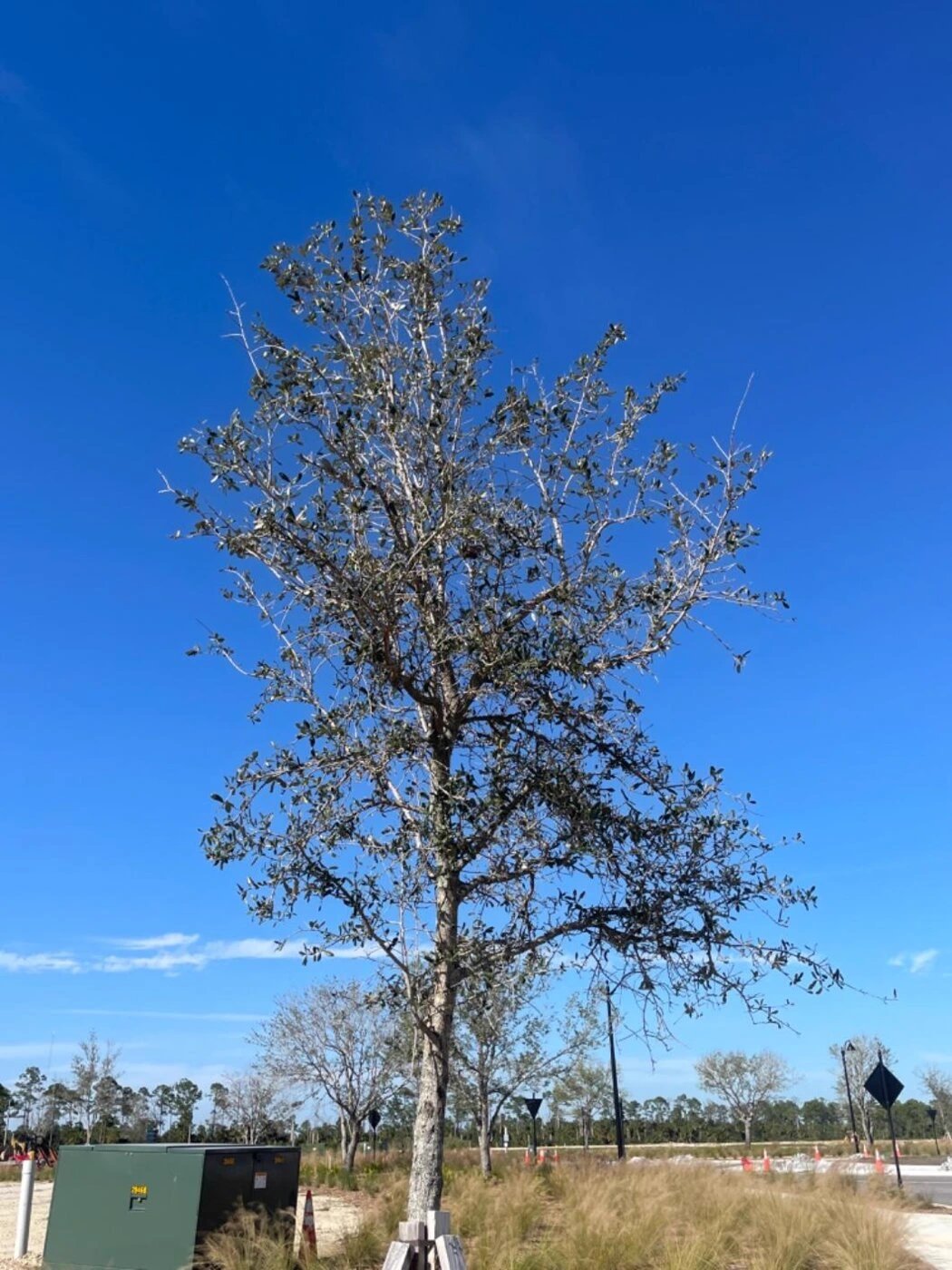
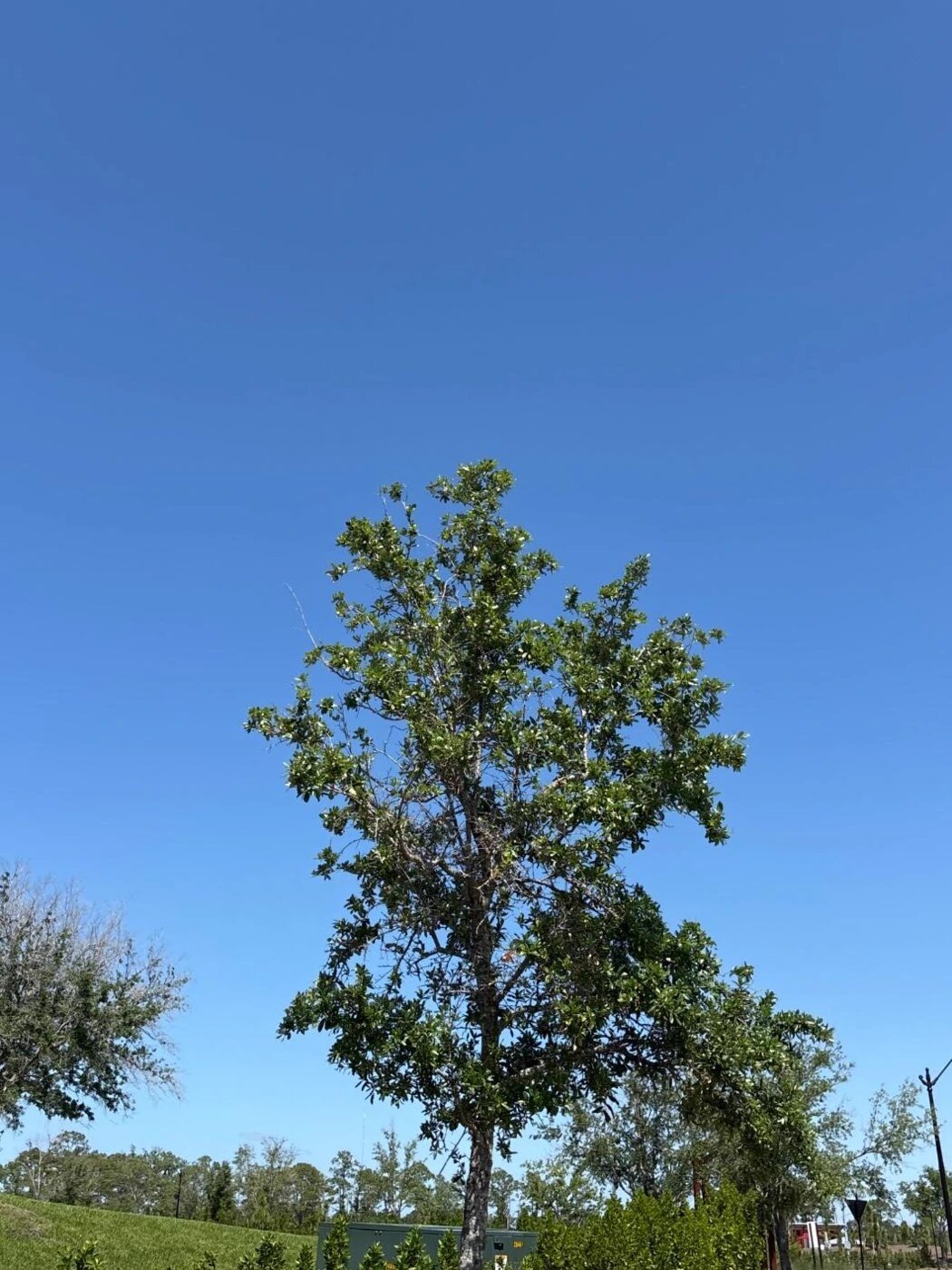
A new town’s landscape, on one written plan.
A large Independent Special District, still building. Here is what the record shows.
In your words
What people in your seat write to us, and what we do about it.
“I’m preparing some items for the upcoming 2027 budget which starts October 1. I know we spent a considerable amount on tree trimming and completed a great deal. Can you provide an estimate on what you expect this year and your plan moving forward.”
What we do about itA 10-year master plan, with the budget built year by year from the counts.
“If you’re able to forecast variances and include them in your reports, it will help offset the impact.”
What we do about itVariances forecast in the quarterly report, not found at year end.
From emails our clients and prospects have sent us, word for word. Names, companies and places are removed.
What the plan covers
Health care, pruning and removals. One plan, one team.
One written standard, so any crew works to the same spec and every invoice can be checked.
Health care
Monitor, Manage, Protect- Every palm and tree mapped in our GIS inventory. Size, condition grades and photos are added by service.
- Scheduled inspections: 4 a year for communities and commercial sites, 6 for homes.
Pruning
Palms and trees, to a written standard- Palm pruning to the 9-and-3 standard, timed by species.
- Seed pods and fruit taken before they drop, on a named schedule.
Removals
Planned, documented, permitted- No removal without a certified arborist’s written determination.
- Removals planned by size class, so they sit in the budget, not in an emergency.
See all 15 items in the plan
Health care
- Every palm and tree mapped in our GIS inventory. Size, condition grades and photos are added by service.
- Scheduled inspections: 4 a year for communities and commercial sites, 6 for homes.
- Nutrition and protection by tier (Monitor, Standard, Advanced), palm by palm.
- Watching for more than twenty pests, diseases and disorders at every visit.
- A lab test before any disease call. Lab fees pass through at cost.
Pruning
- Palm pruning to the 9-and-3 standard, timed by species.
- Seed pods and fruit taken before they drop, on a named schedule.
- Sterilized handsaws where Fusarium wilt is a risk.
- Tree pruning by written prescription to ANSI A300. No canopy lifted where nothing needs clearance.
- Structural training on young trees, so storms do less damage later.
Removals
- No removal without a certified arborist’s written determination.
- Removals planned by size class, so they sit in the budget, not in an emergency.
- Stump grinding, with a Sunshine 811 ticket placed before any digging.
- A tree risk assessment (TRAQ) behind any risk call, ready for a county permit.
- Storm response with every tree assessed by number.
“These kinds of visits are not free, but they’re included in your management plan.” Jeff Kaulbars, ISA Certified Arborist
A resident writes to the district about a conk at the base of a palm along a parkway. Without a plan, that is a billed field visit: the trip, the look and the write-up.
On a plan, the palm already has a number and a grade in the record. The district manager’s answer starts from the record, not from a new site visit, and if a visit is needed, it is already covered.
How it fits your budget
Built for the June to September budget cycle.
A plan delivered in spring lands in the budget the board adopts that summer.
- A 10-year master plan, built year by year from the counts.
- Written specifications any vendor can bid.
- Variances forecast in the quarterly report.
- Plain language, written to be read aloud in a meeting packet.
Questions
Questions district boards ask
When do you need to be involved for next year’s budget?
By spring, so the plan and the number reach the district manager before the proposed budget is drafted.
Can our plan be presented at a public meeting?
Yes. That is how we write them: what we observed first, then the recommendation. We present to the board on request.
Are your reports public records?
We write them as if they are. Every report is written expecting a resident may read it.
How do you keep the count accurate when we plant every month?
Every visit updates the inventory, and the count is re-verified every year. A new phase comes as a written change order.
What do you do after a hurricane?
The order of work is written before June 1. After the storm, roads are cleared first and every tree is assessed by number.
Before budget season