Skip to content
ComingThe Ptolemy client portal: your map, reports, schedule and spending in one place.Portal coming:See what’s insideClient sign-in
Ptolemy(239) 467-0142Request the free master planFree master plan

Guide

Lethal bronzing in palms

The short answer

Lethal bronzing is a fatal disease of palms caused by a phytoplasma, a wall-less bacterium that starves the palm from the inside. It spreads palm to palm through one insect, a planthopper. There is no cure. Catching the early signs and testing quickly is the only way to protect the palms around it.

Reviewed by an ISA-certified arborist, Jeff Kaulbars, FL-10118A, Ptolemy Inc.

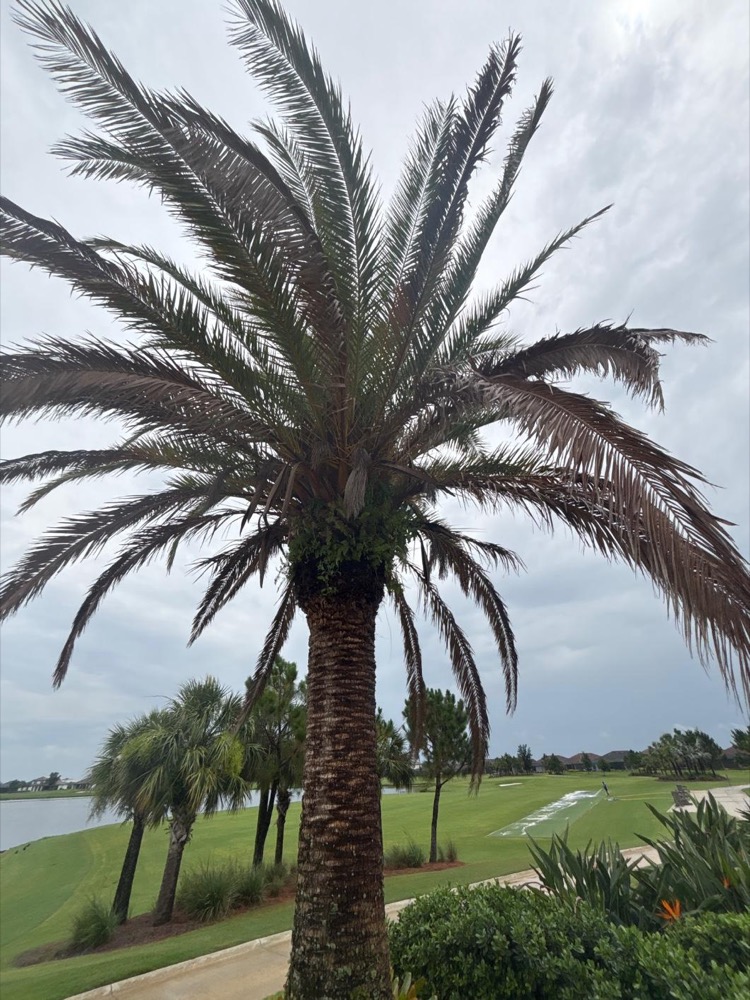
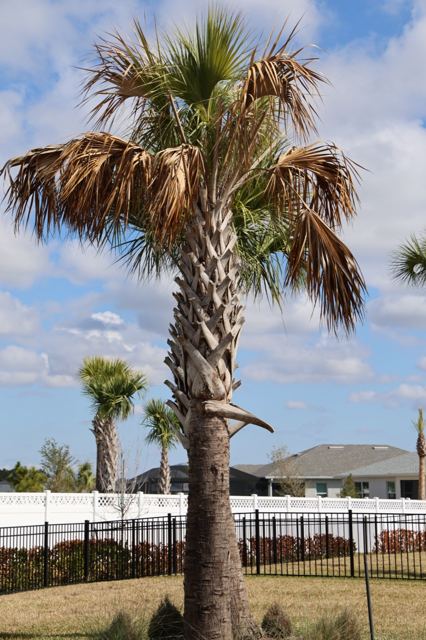
A cabbage palm that looked like lethal bronzing. The lab said Not Detected.
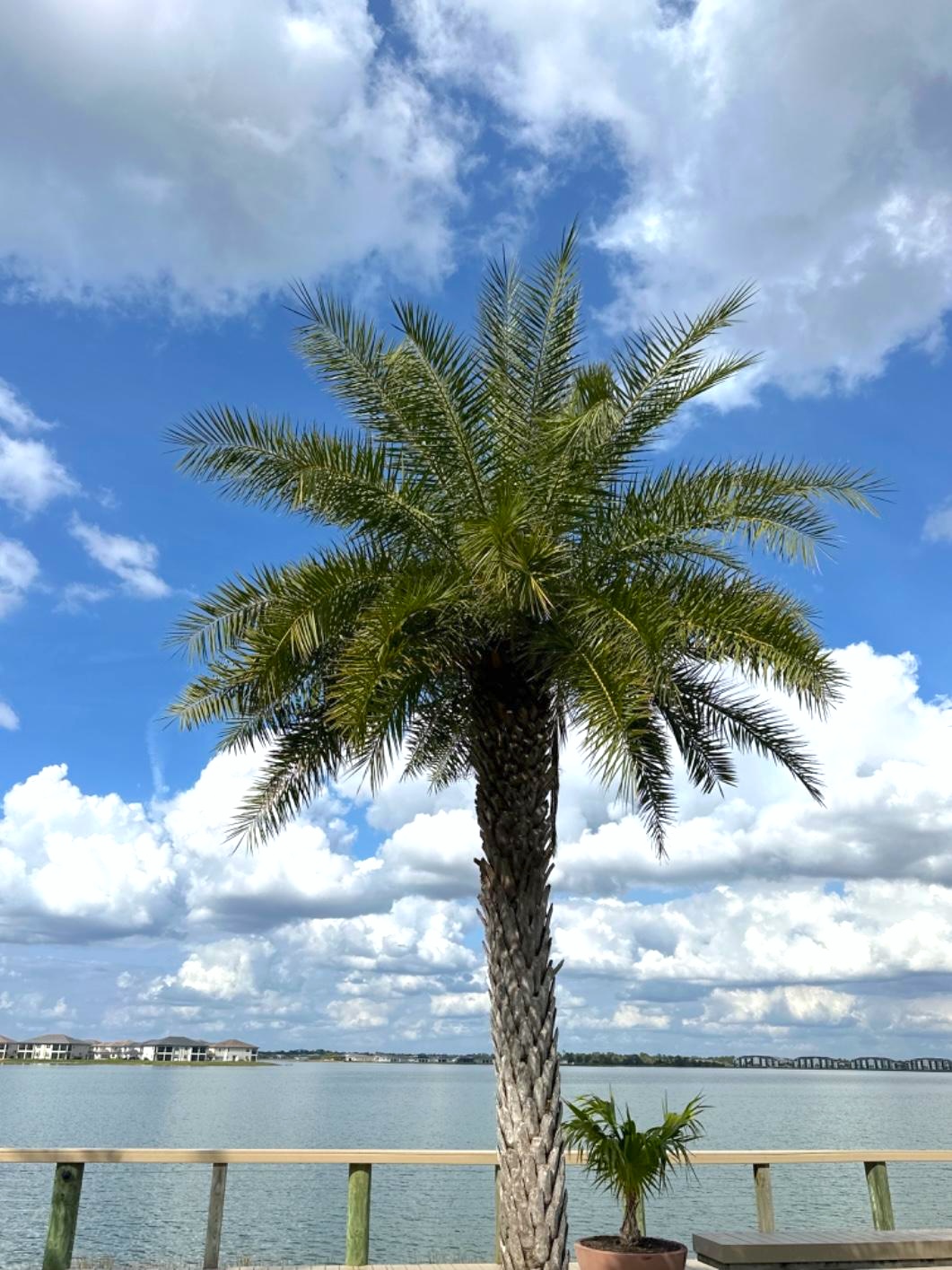
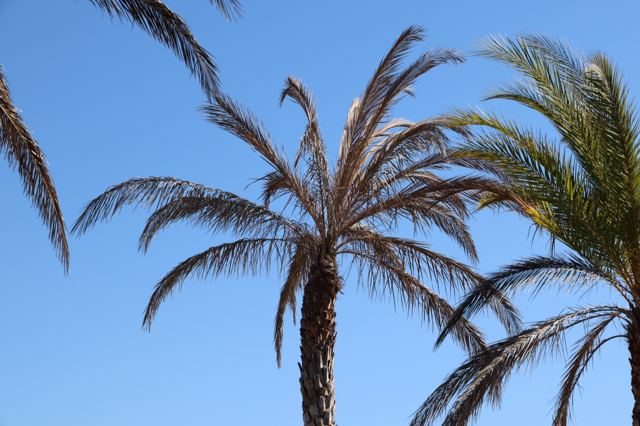
A Sylvester palm with lab-confirmed lethal bronzing at the late stage: the spear has collapsed.
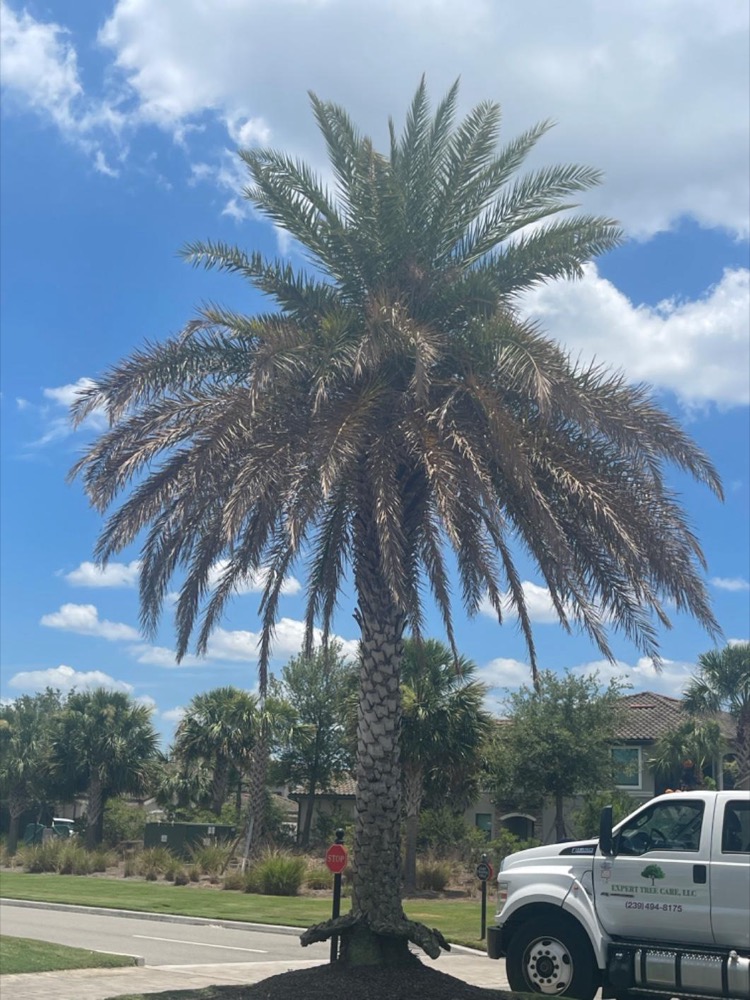
A Medjool, one of several tested on one property. Lethal bronzing can be hard to spot by eye in a Medjool; this one was lab-confirmed positive.
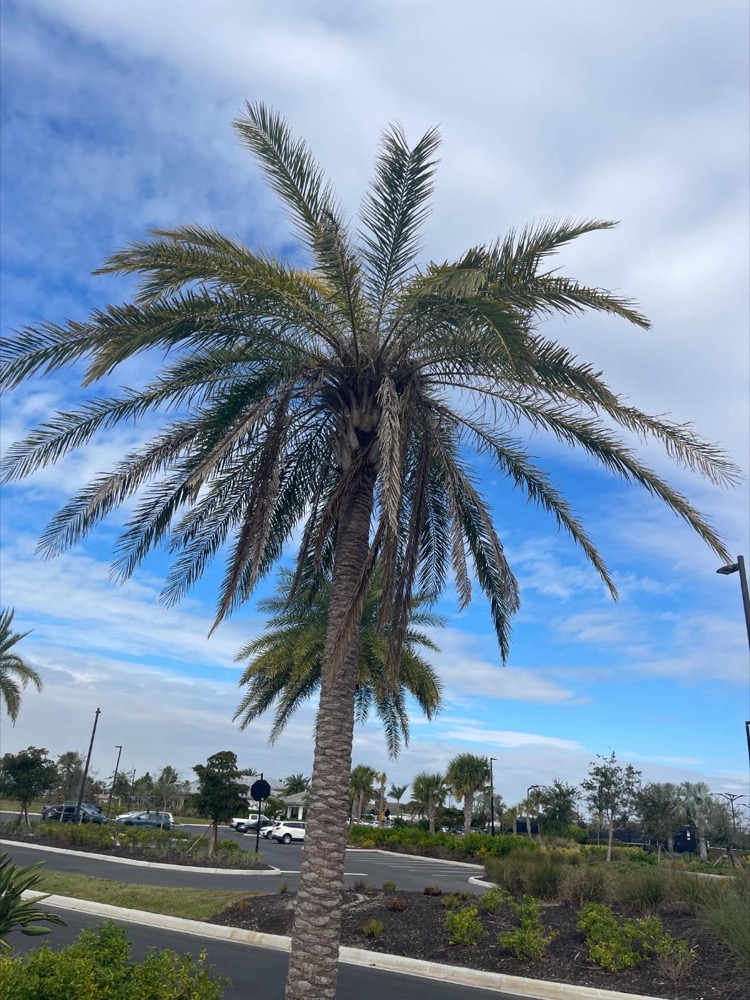
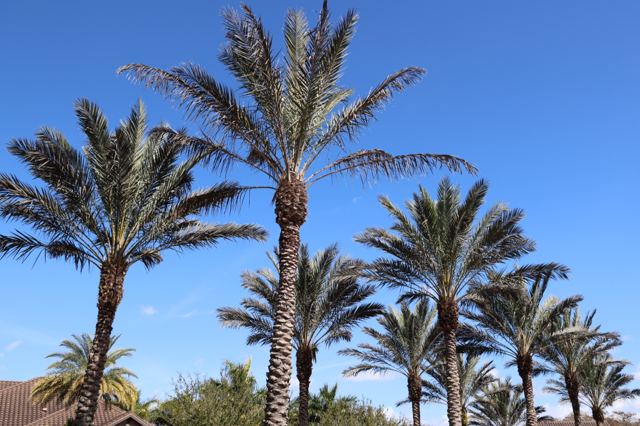
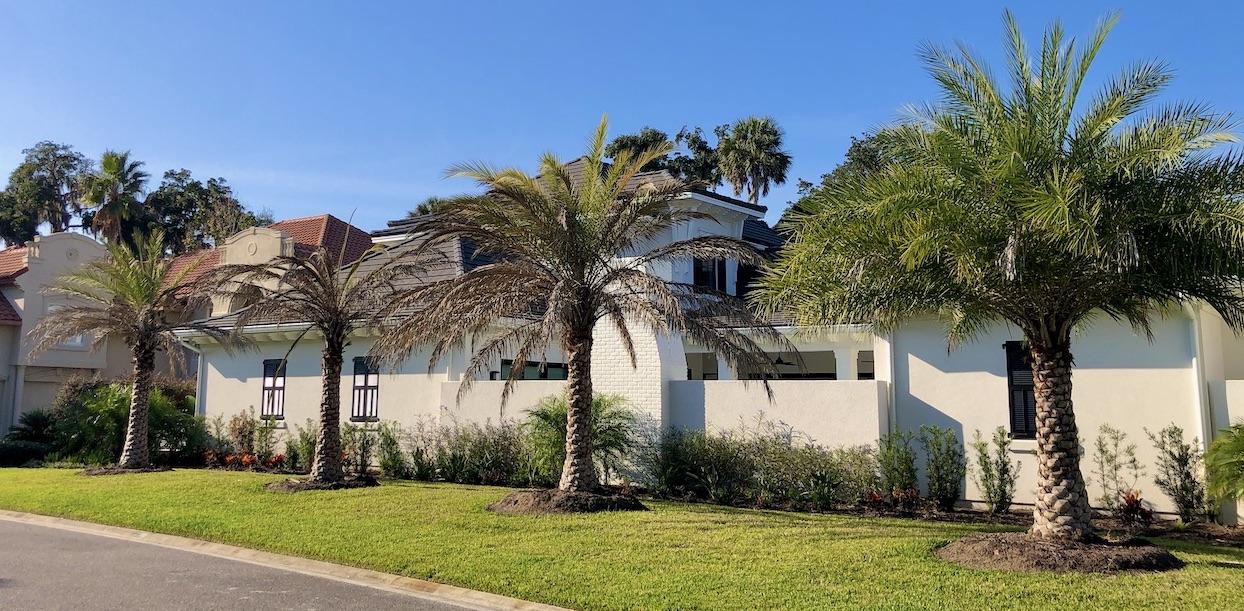
Four Sylvester date palms along a street, showing lethal bronzing symptoms at different stages. A look is a reason to test; the lab confirms.
Published in Tree Care Industry MagazineLethal Bronzing in Palms: Test Before You TreatBy Jeff Kaulbars. TCI Magazine, Tree Care Industry Association, November 4, 2026. Read the article →

What is lethal bronzing?

Lethal bronzing (LB) is a fatal palm disease caused by a phytoplasma that lives in the palm's phloem, the tissue that moves sap. It was first found in Florida near Tampa in 2006 and has reached more than 30 of the state's 67 counties. It is confirmed in 21 palm species, and no species has been confirmed resistant. Once a palm is infected, it dies.

2006
First found in Florida, near Tampa
30+
Of the state's 67 counties reached
21
Palm species confirmed as hosts
0
Species confirmed resistant

How does it spread?

Lethal bronzing moves one way: a planthopper called the American palm cixiid (Haplaxius crudus). The insect feeds high in the canopy, picks up the phytoplasma from an infected palm, and carries it to the next one. It does not move through soil, pruning tools, or wind. A palm can be infected and show nothing for three to five months, and UF/IFAS research has documented palms testing positive nine to twelve months later. For that whole time the palm feeds the insect and spreads the disease.
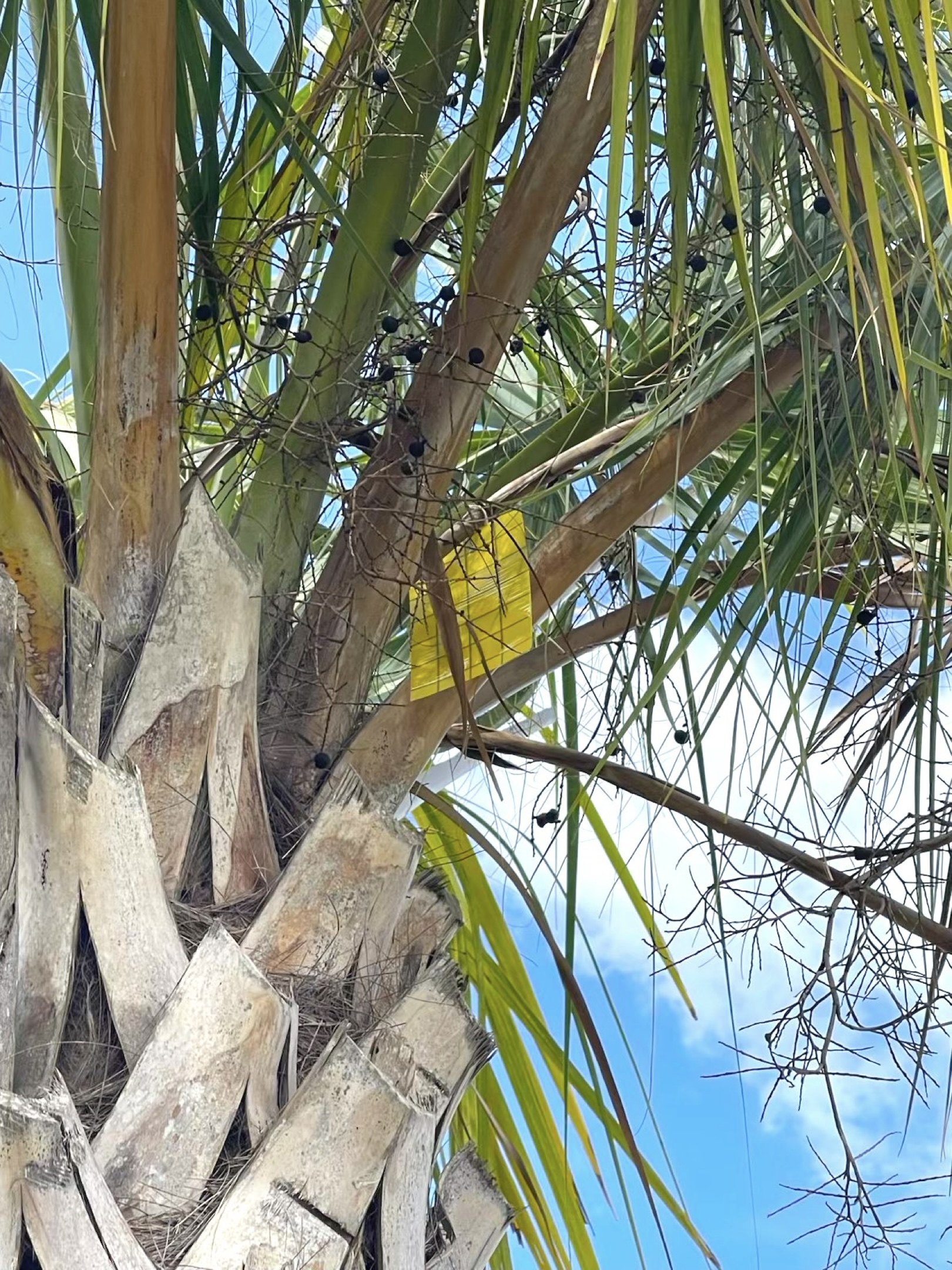
A yellow sticky trap set in a palm canopy to watch for the planthopper that spreads lethal bronzing
A sticky trap in the canopy. It is how we watch for the American palm cixiid, the only known vector of lethal bronzing.

How do I spot it? The symptom sequence

Symptoms show up in order, from the bottom of the canopy up. First, premature fruit and flower drop, with flower stalks blackening. Next, the oldest lower fronds turn a reddish bronze (not yellow, not gray) and droop. The bronzing then climbs the canopy and the crown thins. Last, the spear leaf, the newest unopened center frond, collapses. When the spear goes, the heart of the palm is dead and there is no recovery.

1First sign. Premature fruit and flower drop, flower stalks blackening.
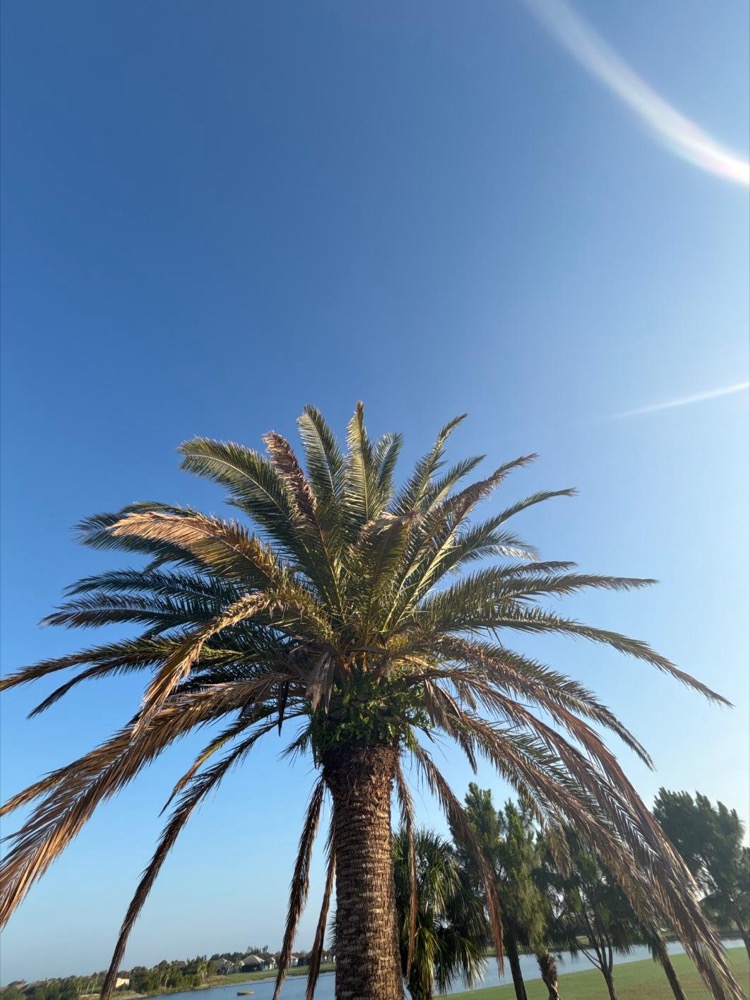
  1. A Canary Island date palm, lab confirmed for lethal bronzing, with its oldest lower fronds turned reddish bronze
    The same lab-confirmed Canary Island date palm, bronzed lower frondsA Sylvester date palm with bronzed lower fronds, sampled for lethal bronzing

    2Oldest fronds bronze. The lower fronds turn reddish bronze (not yellow, not gray) and droop.
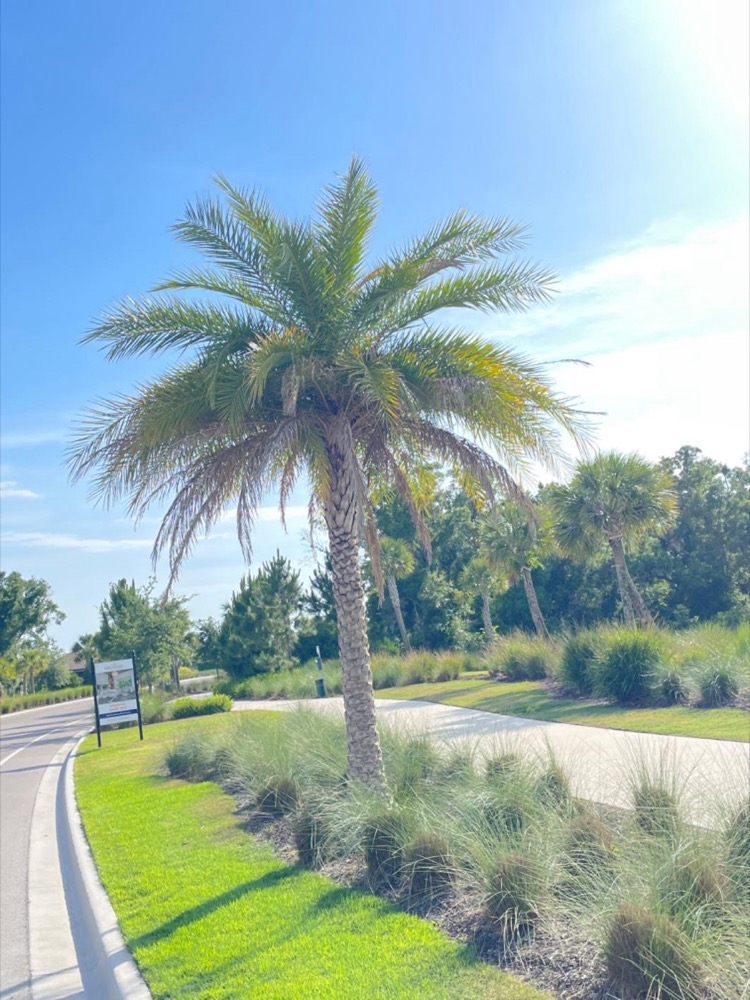
  2. A Sylvester date palm with bronzing climbing the canopy and a thinning crown, sampled for lethal bronzing
    Another Sylvester date palm with a thinning, bronzed crown, sampled for lethal bronzing

    3The crown thins. Bronzing climbs the canopy and the crown thins.
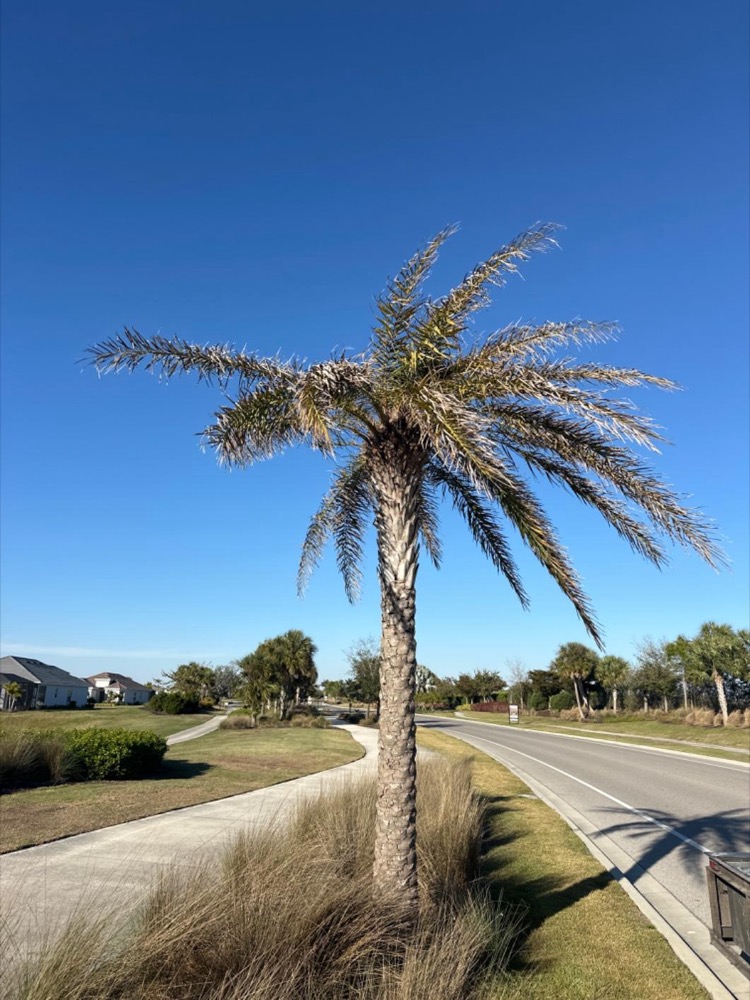
  3. A Sylvester date palm whose spear leaf has collapsed, sampled for lethal bronzing

    4The spear collapses. The heart is dead, and there is no recovery.

Our field photos. The first palm in step 2 was confirmed by the lab. The others were sampled for lethal bronzing on these symptoms. A look is a reason to test, never a diagnosis: only the lab confirms lethal bronzing.
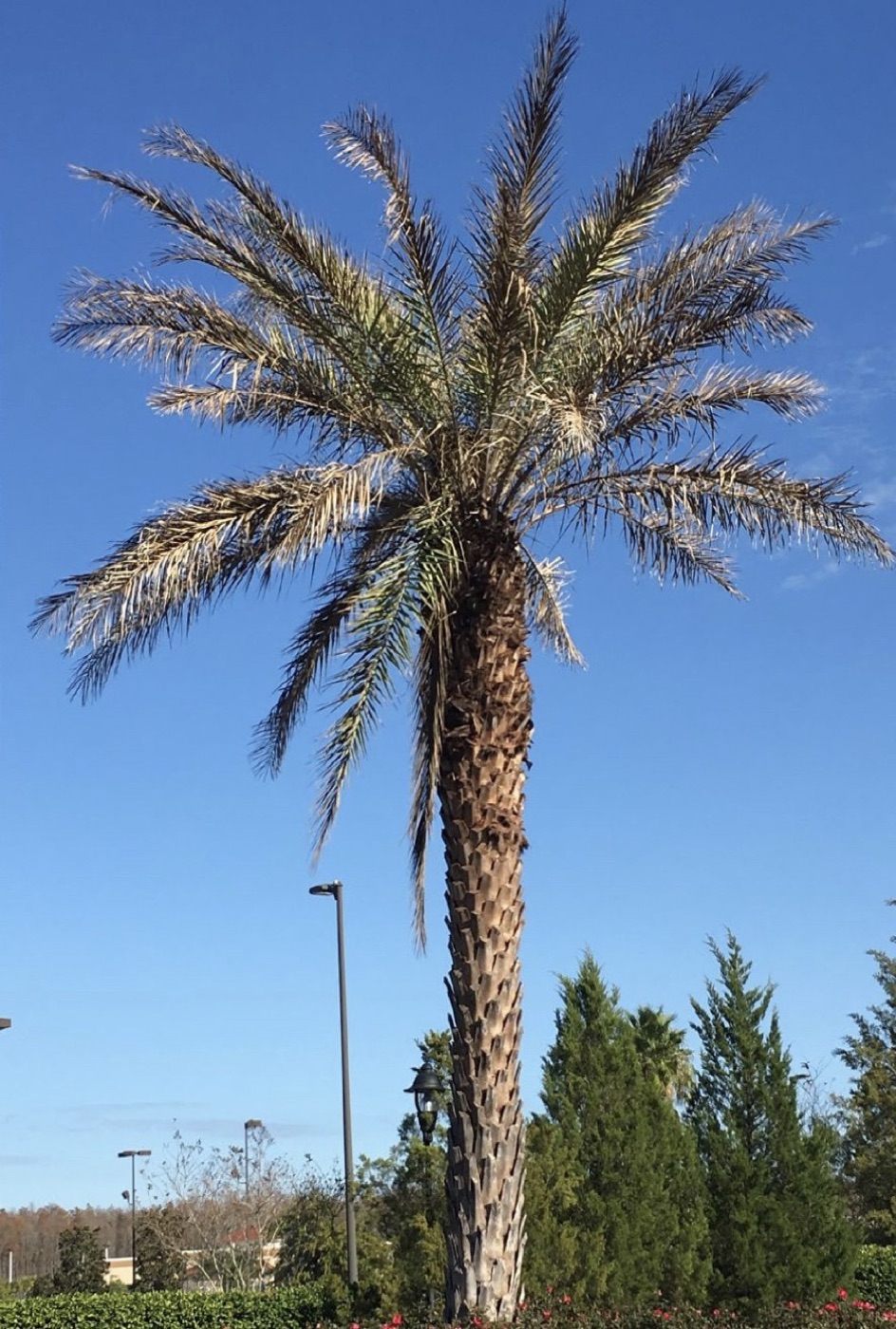
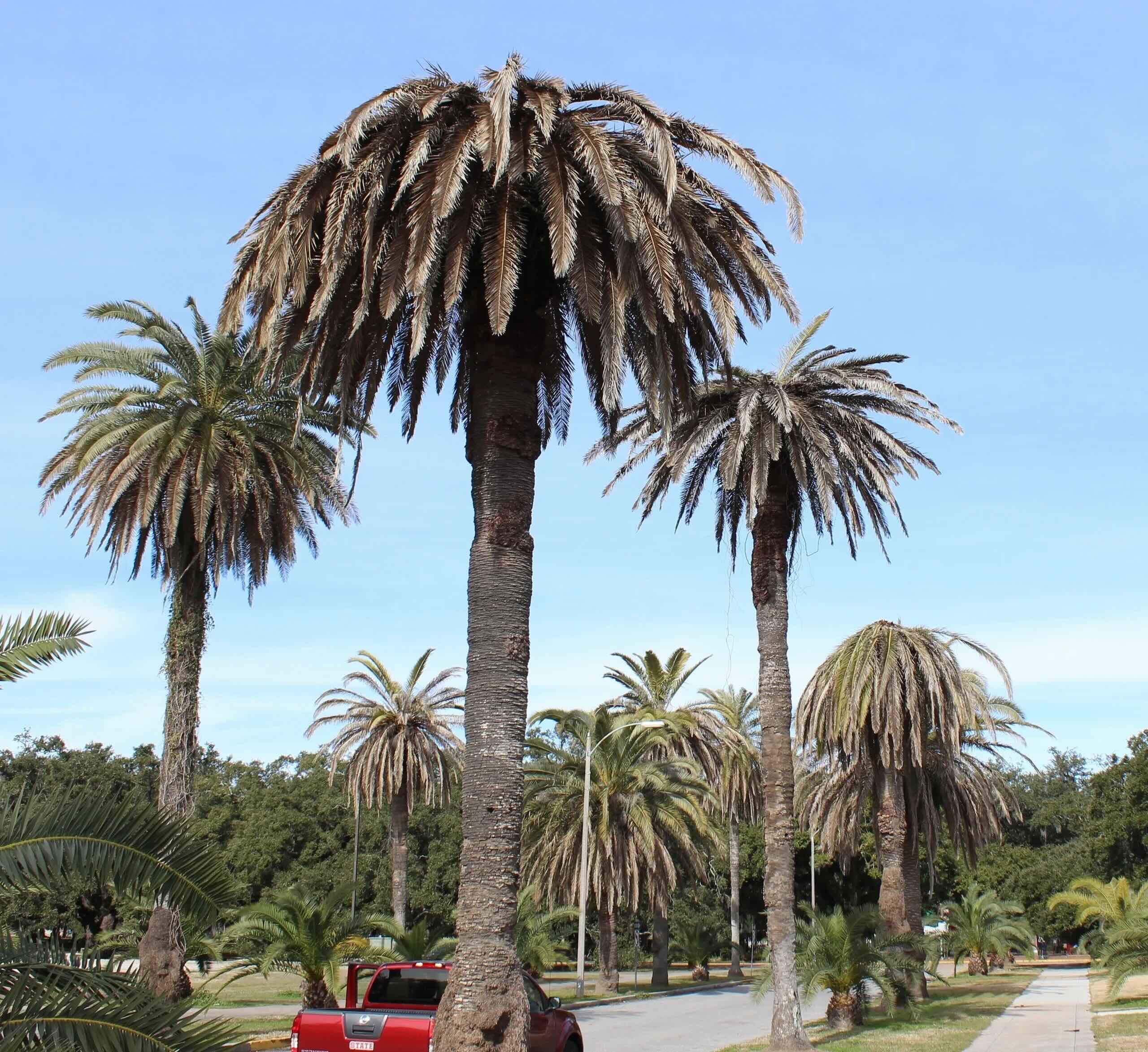
A date palm with late-stage lethal bronzing: bronzed, drooping fronds
Late-stage symptoms on a date palm: bronzed, drooping fronds.
Canary Island date palms in late-stage lethal bronzing decline with collapsed brown canopies
Canary Island date palms in late-stage decline.

Which palms are most at risk?

Across Southwest Florida landscapes, the most lethal bronzing deaths show up on Sabal (cabbage) palm and coconut palm, then the Phoenix group: Sylvester, Canary Island date, and true date palm. Queen, pindo, Mexican fan, foxtail, and Christmas palm are documented hosts with fewer field cases here. Bismarck palm is on the host list, but we have seen almost no confirmed cases on our properties, so we treat it as low risk. A Bismarck with symptoms still goes to the lab before any lethal bronzing step. No palm is confirmed resistant.

One Canary Island date palm we were called to sat at a community entrance. Its lower fronds were browning, and the crew caring for it, with the best intentions, thought it needed water. A sample went to a UF/IFAS lab. It tested positive for lethal bronzing.

That is the risk when nobody is watching palms with this disease in mind. Water would not have changed the outcome, and every week the palm stood, it fed the insect that spreads it.
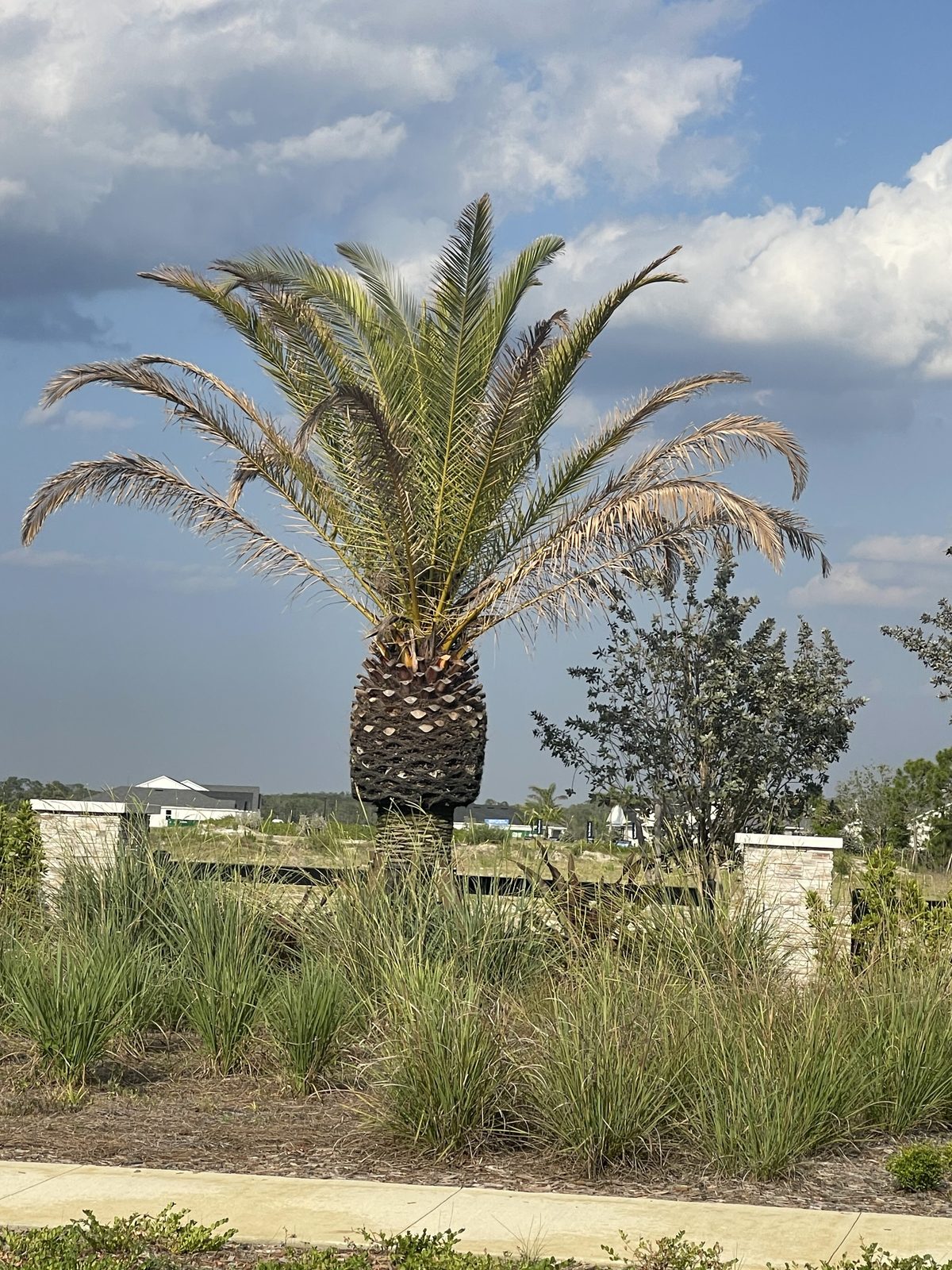
A Canary Island date palm with browning lower fronds at a community entrance. The landscaper read it as underwatering. Palms like this are often misdiagnosed.
A Canary Island date palm that tested positive for lethal bronzing at the lab. The landscaper read it as underwatering. Palms like this are often misdiagnosed.

Why speed matters

An infected palm does two things at once: it dies, and it feeds the insect that spreads the disease. Every day a confirmed-positive palm stands, planthoppers can carry the phytoplasma to the next palm on the property. That is why a confirmed positive should be tested and removed promptly. The removal decision is a licensed call that a Ptolemy arborist makes.

The one mistake to avoid

The common pitch is to inject every palm with an antibiotic every few months as standing prevention. Ptolemy does not run blanket quarterly injection across a property. Palms are monocots and cannot wall off a drill hole the way a tree does, so every injection is a permanent wound that adds up over years. Worse, an antibiotic can slow the symptoms of an already-infected palm, which leaves it standing and feeding the insect longer. That keeps the infection source on site, which is the opposite of control.

What you should do

You are the early-warning layer. Notice the early signs, photograph the whole palm and the symptom area, note the location, and report it. Do not let a suspected palm sit for weeks. Confirmation comes from a trunk core tissue test run by the UF/IFAS lab, not from a visual call. A symptom that looks like lethal bronzing is worth testing. It is not a diagnosis until the lab says so.
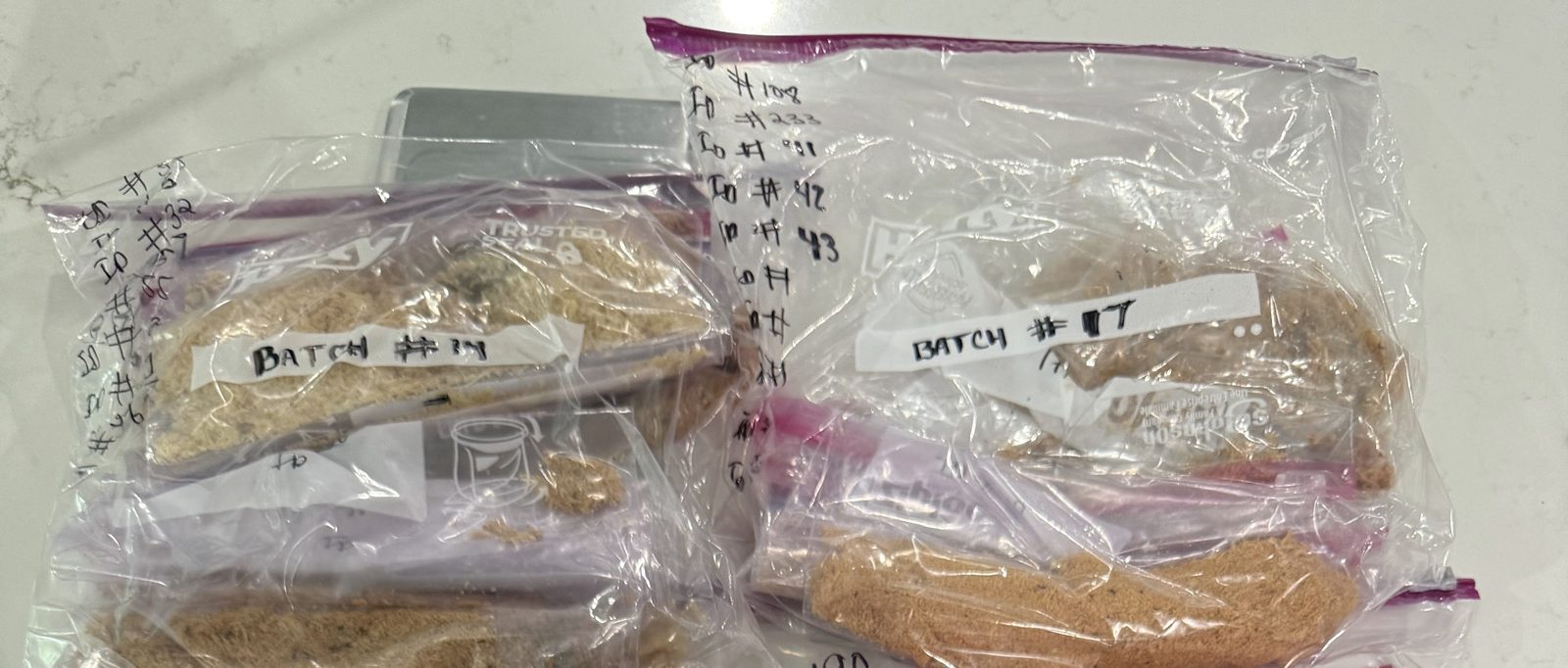
Bagged trunk samples labeled by batch and tree number, ready to ship to the lab
Lethal bronzing samples, bagged and labeled by batch and tree, ready to ship to the lab.
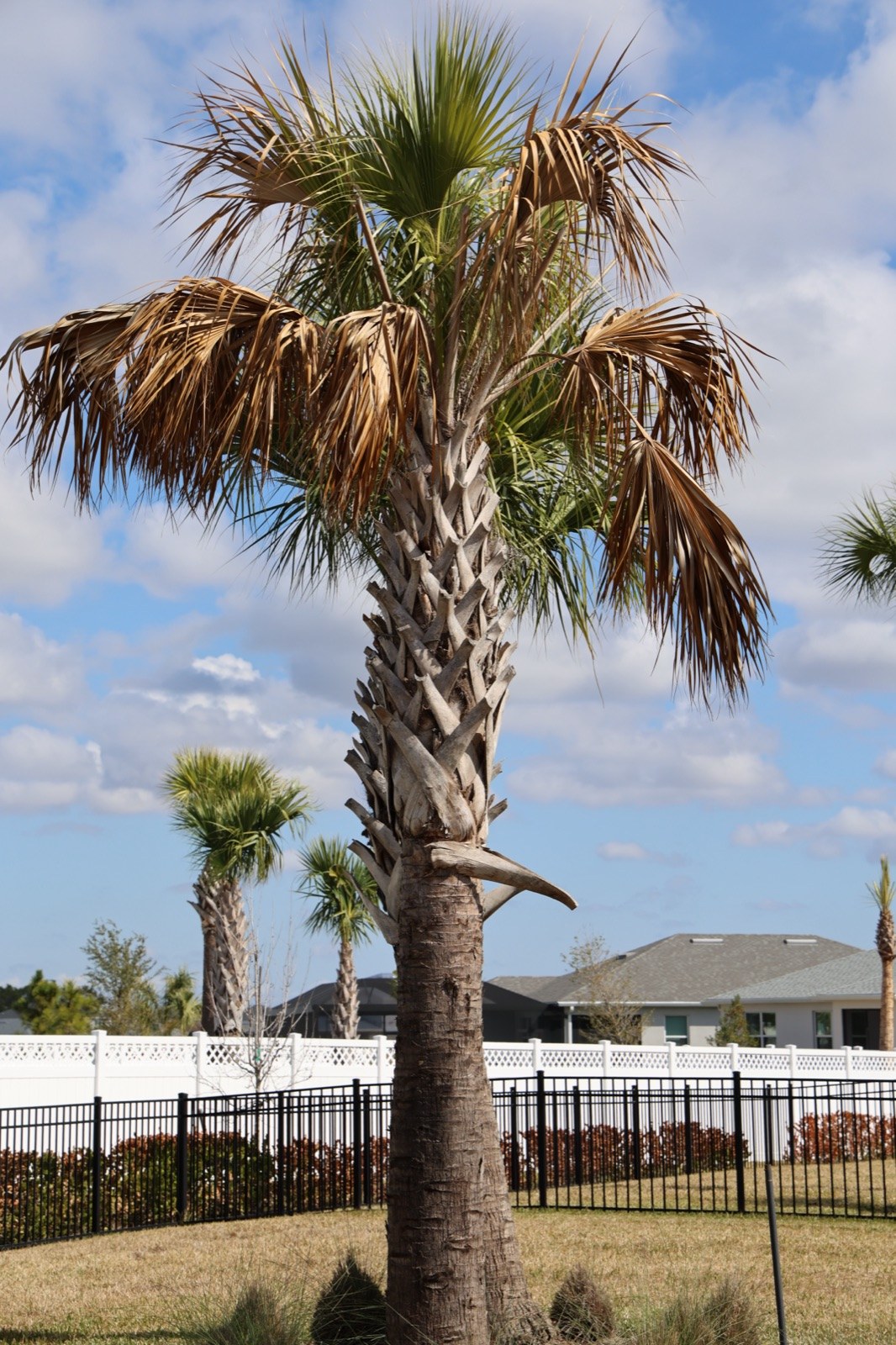
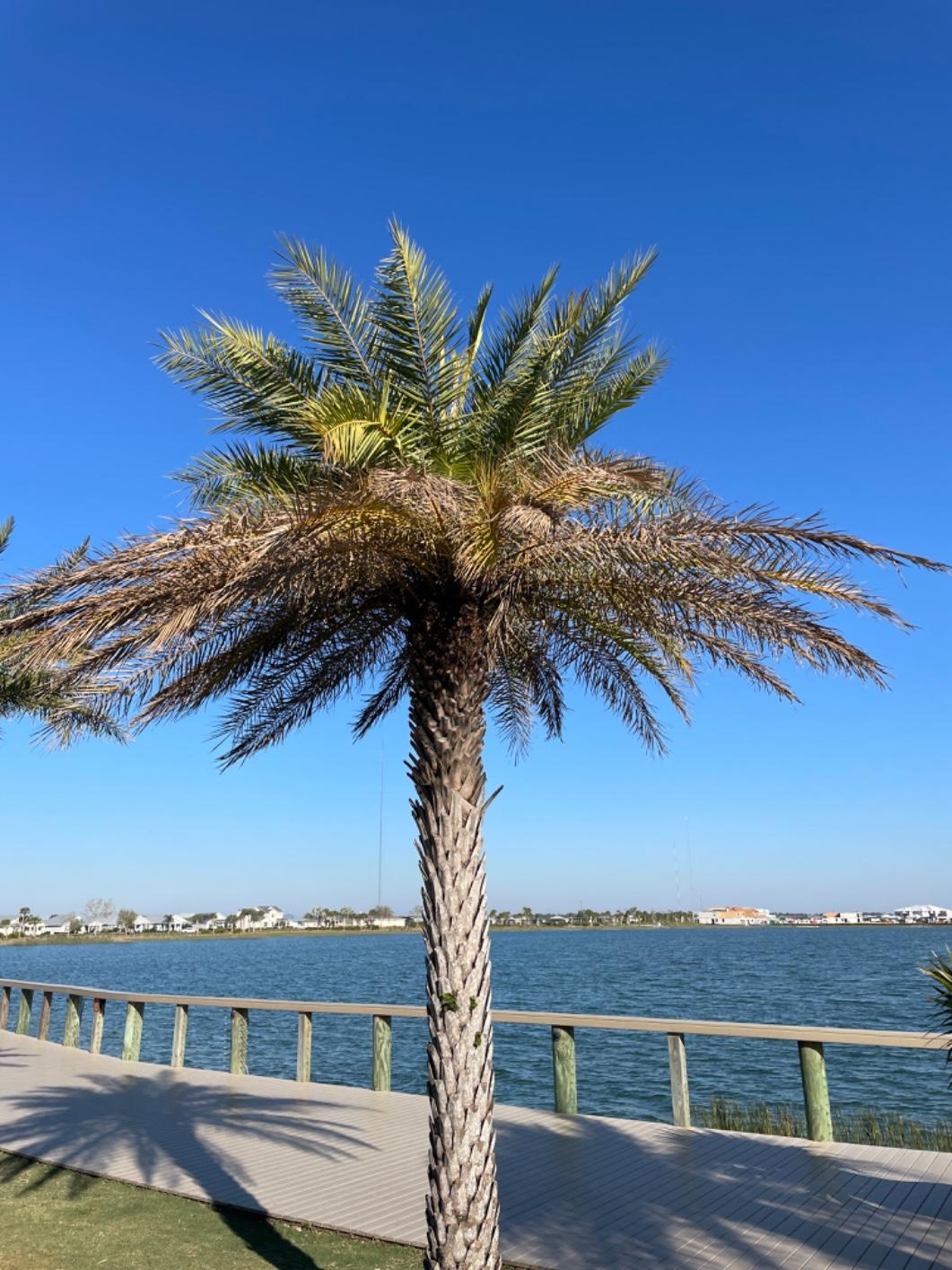
A Sylvester palm with browning lower fronds that looked like lethal bronzing. It tested Not Detected and went on a program.
Suspected · Poor
The same Sylvester palm six months into the program, with a fuller green canopy, rated Fair. Test before you remove.
6 months later · Fair
Looks can deceive: a tested mimic

Two arborists independently suspected lethal bronzing on this Sylvester. The lab result came back Not Detected. It was kept on the Advanced tier and fed, and its canopy recovered from Poor to Fair in six months. Without the test, it would likely have been removed as a lethal bronzing loss. This is why we confirm before we act.

What makes us different

Our lethal bronzing protocol

Lethal bronzing has no cure, so our protocol is built around catching it early, confirming it, and limiting its spread, not around standing antibiotic injection. It is a protocol we are building to help clients as best we can. It is not a proven cure, and no outcome is guaranteed.

A yellow sticky trap installed in a palm canopy to monitor for the planthopper vector
Monitor: canopy sticky traps track the planthopper.
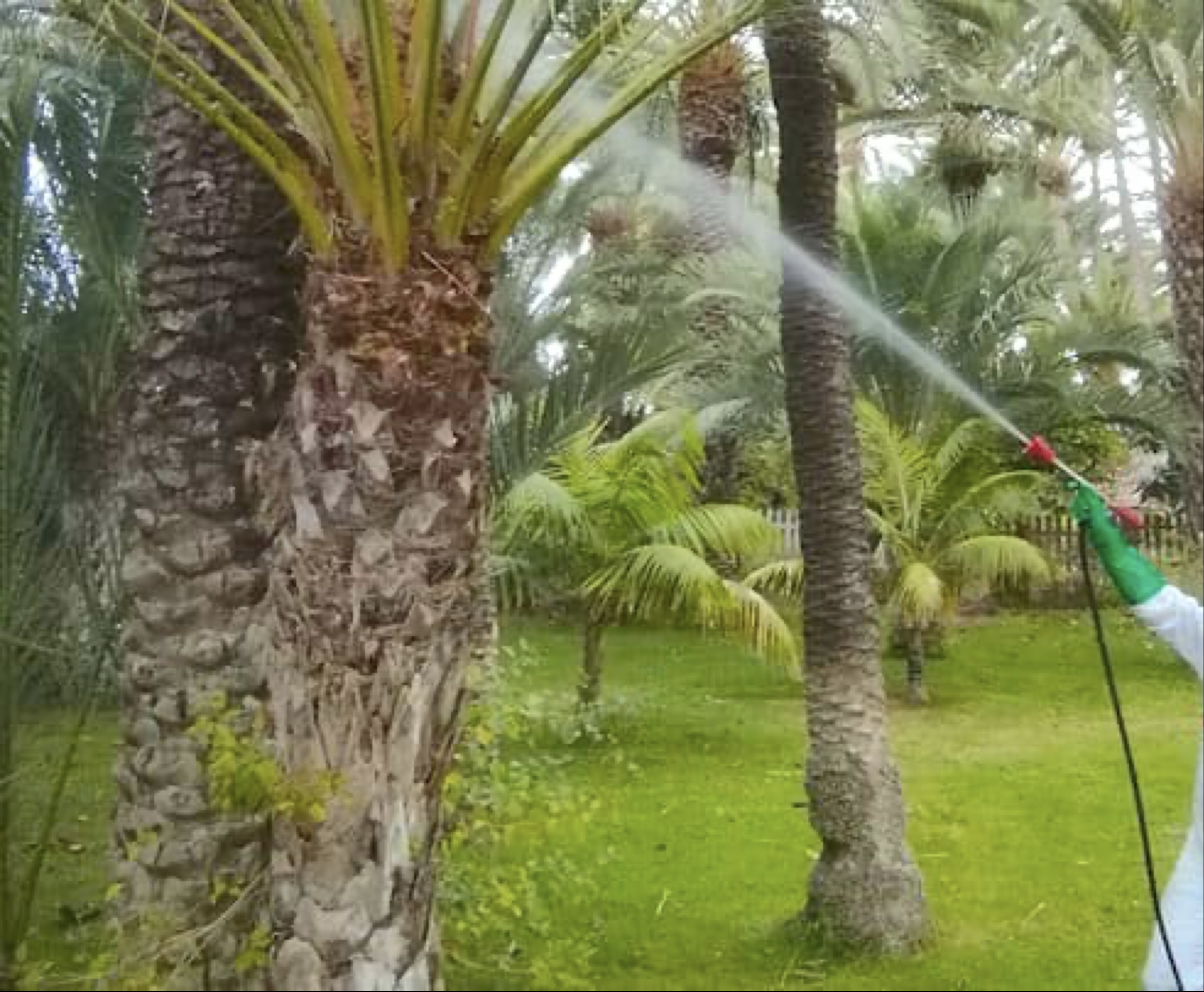
A technician applying a canopy spray to control the planthopper that spreads lethal bronzing
Control: we manage the vector, not blanket-inject.
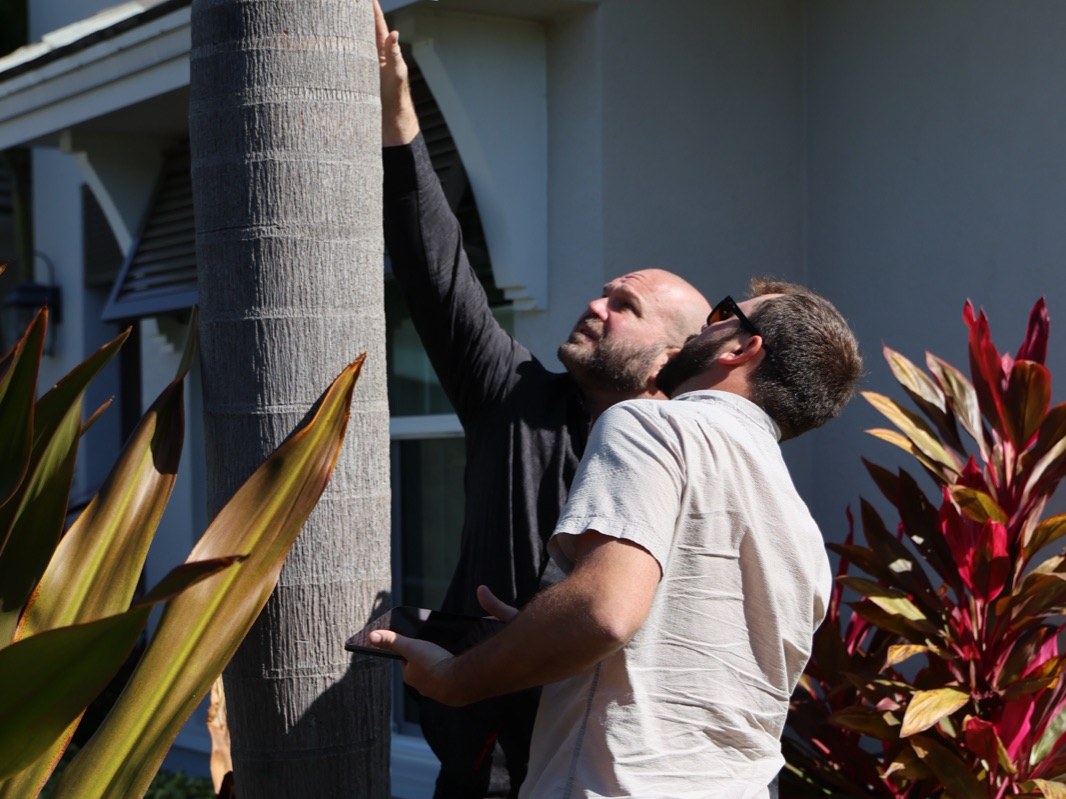
Checking a palm trunk up close in the field
Verify: body-cam confirms the right work was done.
1
Monitor, then test what looks wrong

Trained eyes at every visit and canopy sticky traps for the planthopper that carries the disease. A symptom is a reason to test, not a diagnosis: we confirm with a lab test on a core from the living trunk, and an Undetermined result is cored again.

2
Set the zone

Only a lab-confirmed positive opens a zone. Our arborist draws one of three sizes around the palm, 300, 600 or 1,000 feet, adds susceptible palms reachable through connected untreated turf, and keeps the work on your property.

3
Test the zone and remove positives

We recommend testing every susceptible palm in the zone, and our certified arborist makes the call for each property. Every zone we have tested has turned up more infected palms. Confirmed positives come out promptly, early green-canopy positives first, with the insect knocked down before the cut so it does not scatter onto neighbors.

4
Suppress the insect

Turf and shrubs first, where young insects live, then canopy knockdown per the label, for about three months. No blanket community drench: the soil drench is the Advanced tier's shield for enrolled palms.

5
Clear the zone with three trap sets

Three trap sets after the spray, at about day 7, 30 and 55, each hung about 7 to 10 days. All clean, the zone clears, then about 12 months of quarterly traps and symptom tracking. Any new positive reopens the zone.

6
Protect the rest on our program

Instead of antibiotic (OTC) injections, at-risk palms go on our Palm Health Program, where the Advanced tier adds a protective soil drench against the insect and the palmetto weevil. We do not recommend OTC. It is a last resort: a palm does not wall off a wound, so every hole is permanent. Every treatment is on body camera.

Your options, highest first. You sign the one you choose.
  1. Full zone. Test every susceptible palm in the zone our arborist sets (300, 600 or 1,000 feet), remove confirmed positives, suppress the insect in turf and canopy, then three trap sets at about day 7, 30 and 55; when all three are clean, the zone clears. Then about 12 months of watch.
  2. Suppress and monitor. Treat all canopies and turf in the zone. No testing sweep. Then monitor.
  3. Monitor, identify and remove. Test suspicious palms and remove confirmed positives. No suppression.
  4. No action. Recorded as advised and declined.
Frequently asked
Can lethal bronzing be cured?

No. There is no cure. Once a palm is infected it will die, which is why early detection and prompt testing of suspected palms is the priority.

Can you tell it is lethal bronzing just by looking?

No. Potassium, magnesium, and manganese deficiencies, transplant stress, and other diseases all produce decline that can look like it. A trunk core tissue test at the UF/IFAS lab confirms it.

Should I inject my palms to prevent it?

Routine quarterly antibiotic injection across a whole property is not something Ptolemy recommends. Every injection permanently wounds the palm, and most injected palms do not have the disease. A certified arborist decides when injection fits a specific situation.

SourcesDr. Brian Bahder, UF/IFAS (lethal bronzing and planthopper-vector research). UF/IFAS EDIS. Confirmation is a UF/IFAS trunk-core tissue test; the removal call is a licensed arborist's. Full references
Related guides

Think you have seen these signs?

Do not let a suspected palm sit. An ISA-certified arborist can assess it and test it. The free master plan puts every palm around it in one written plan, 10 years.

Request the free master plan