
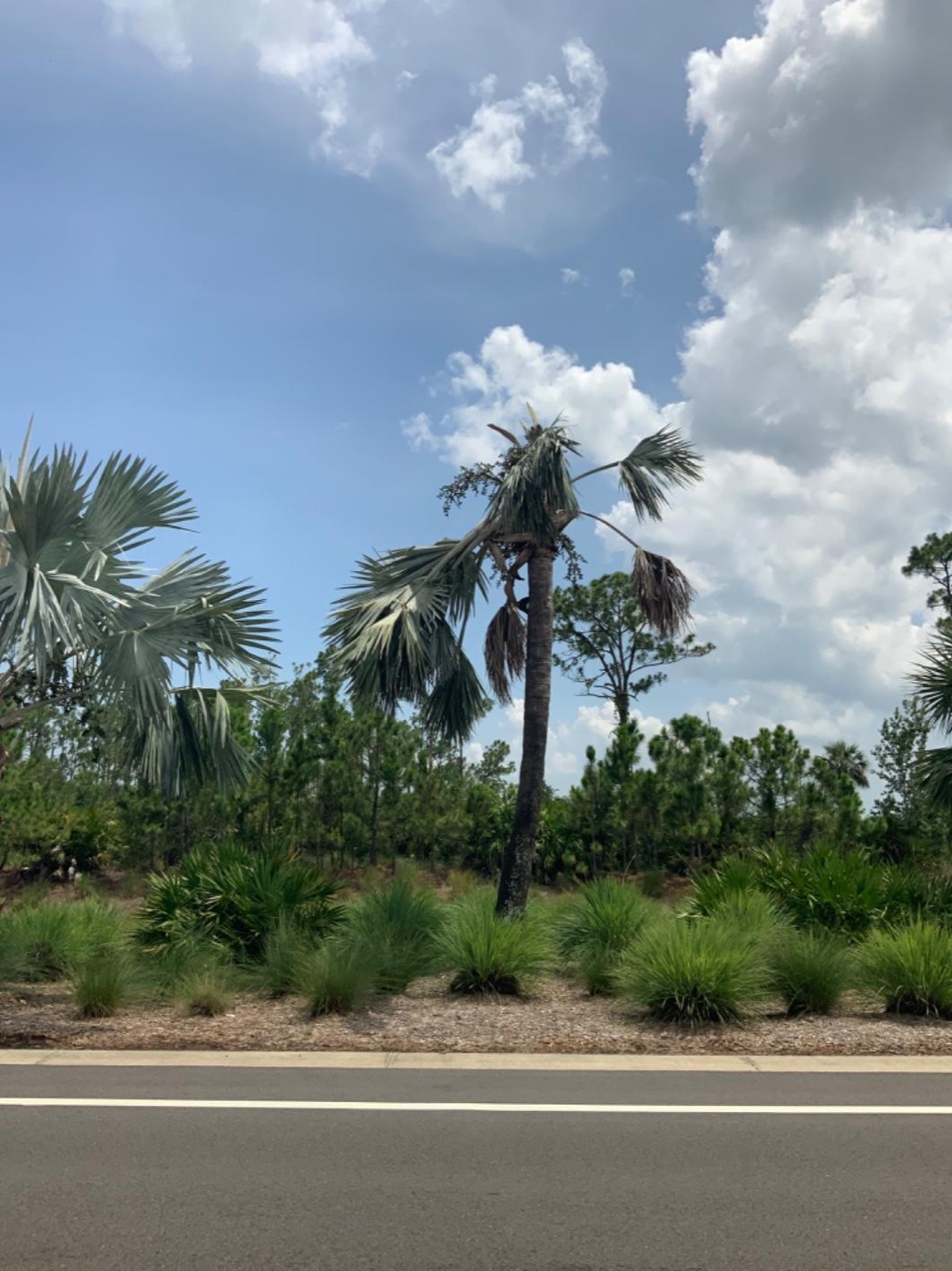
Palm and Tree Library
Palm Pests
The insects and mites that feed on palms here. One of them kills. Most of the rest are cosmetic on a healthy, well-fed palm, and calendar spraying makes several of them worse.
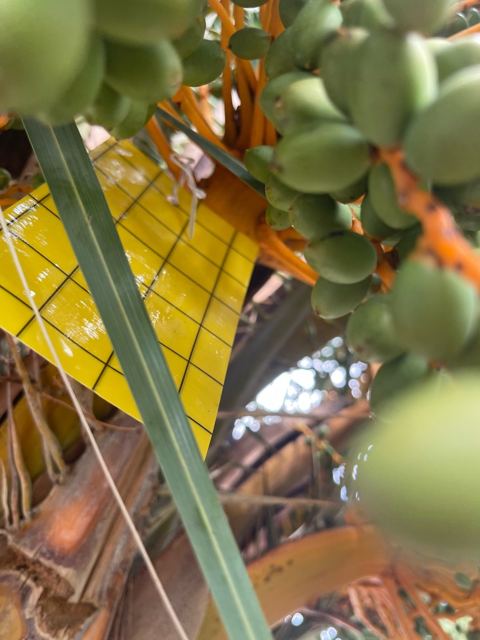
Ranked from the killers to the mostly cosmetic. We confirm live insects before any treatment, because old wax, frass and sooty mold look the same as an active outbreak.
- Killer
- Kills the palm or tree. No cure once it takes hold.
- Serious
- Can kill or badly disfigure if left alone. Needs action.
- Manageable
- Kept in check when it is caught early and treated.
- Mostly cosmetic
- Looks bad, rarely harms. At scale we do not typically treat it.
Every page is ranked on this scale. Anything Manageable or Mostly cosmetic can become Serious, but caught early, it stays manageable. Mostly cosmetic problems are ones we do not typically treat on palms and trees at scale. On a home, or a palm or tree that matters most to the property, treating one can be a level of care you choose.
Serious2 pages
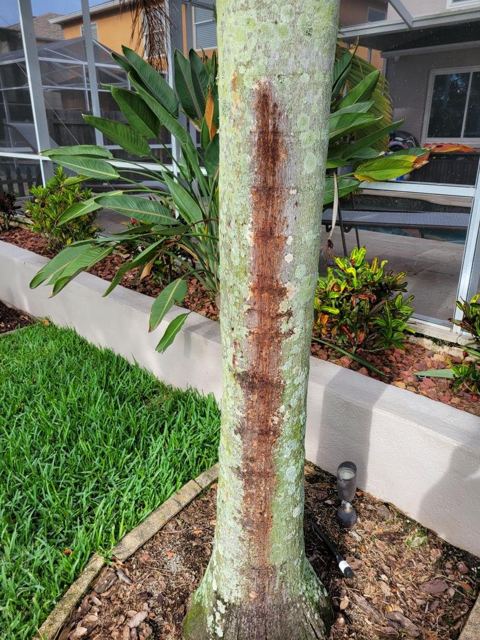 Serious
Tiny wood-boring beetles that attack palms and trees already under stress.
Signs and what we do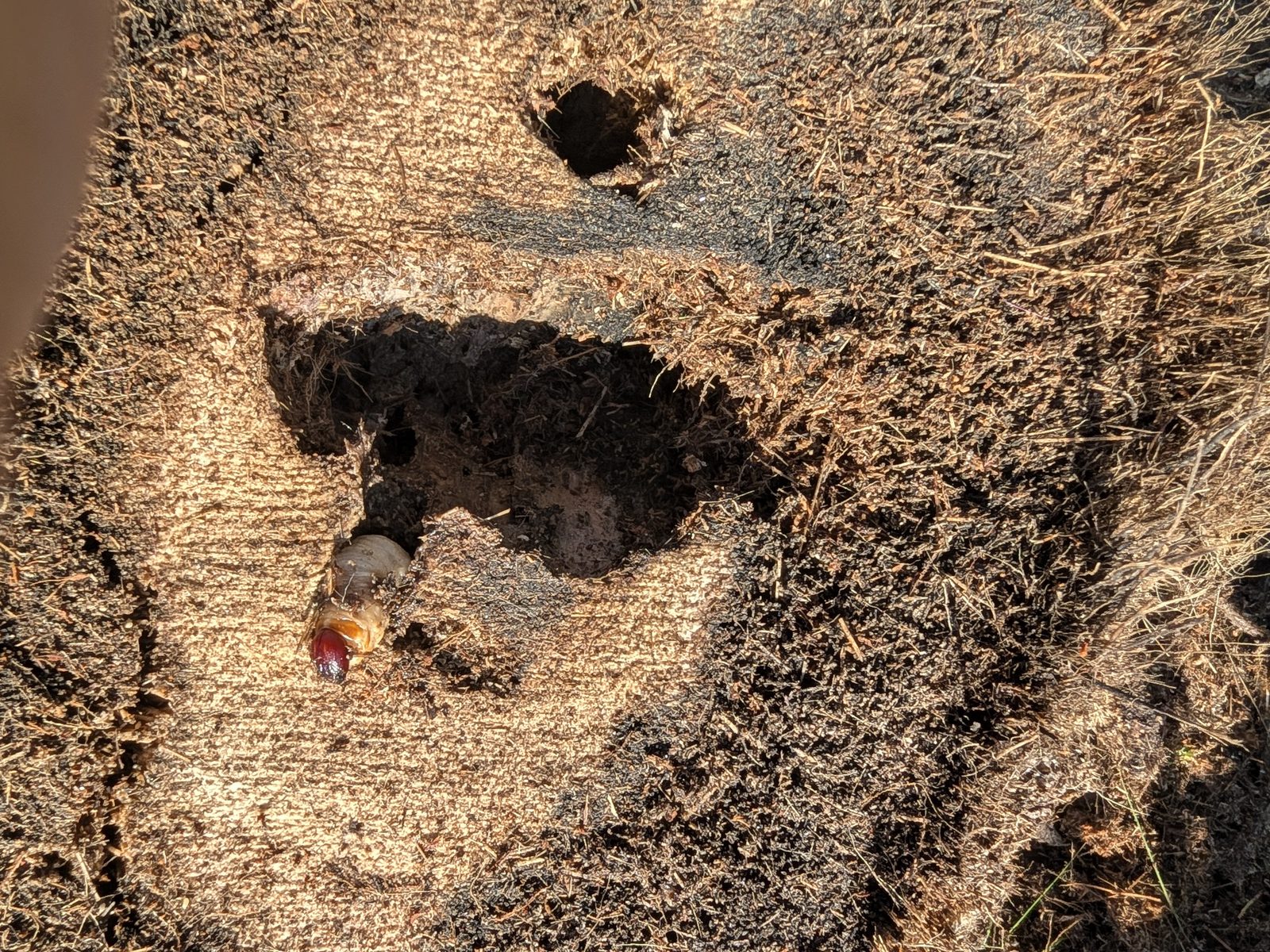 Serious
North America's largest weevil and the most lethal insect pest of palms in Florida.
Signs and what we doManageable4 pages
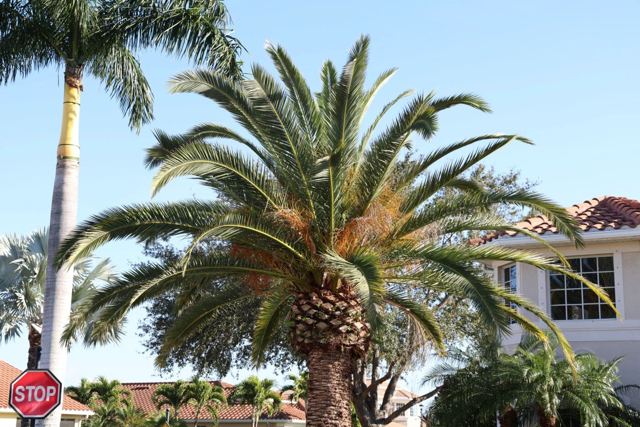 Manageable
Sap-feeding insects that sit still under a waxy cover.
Signs and what we do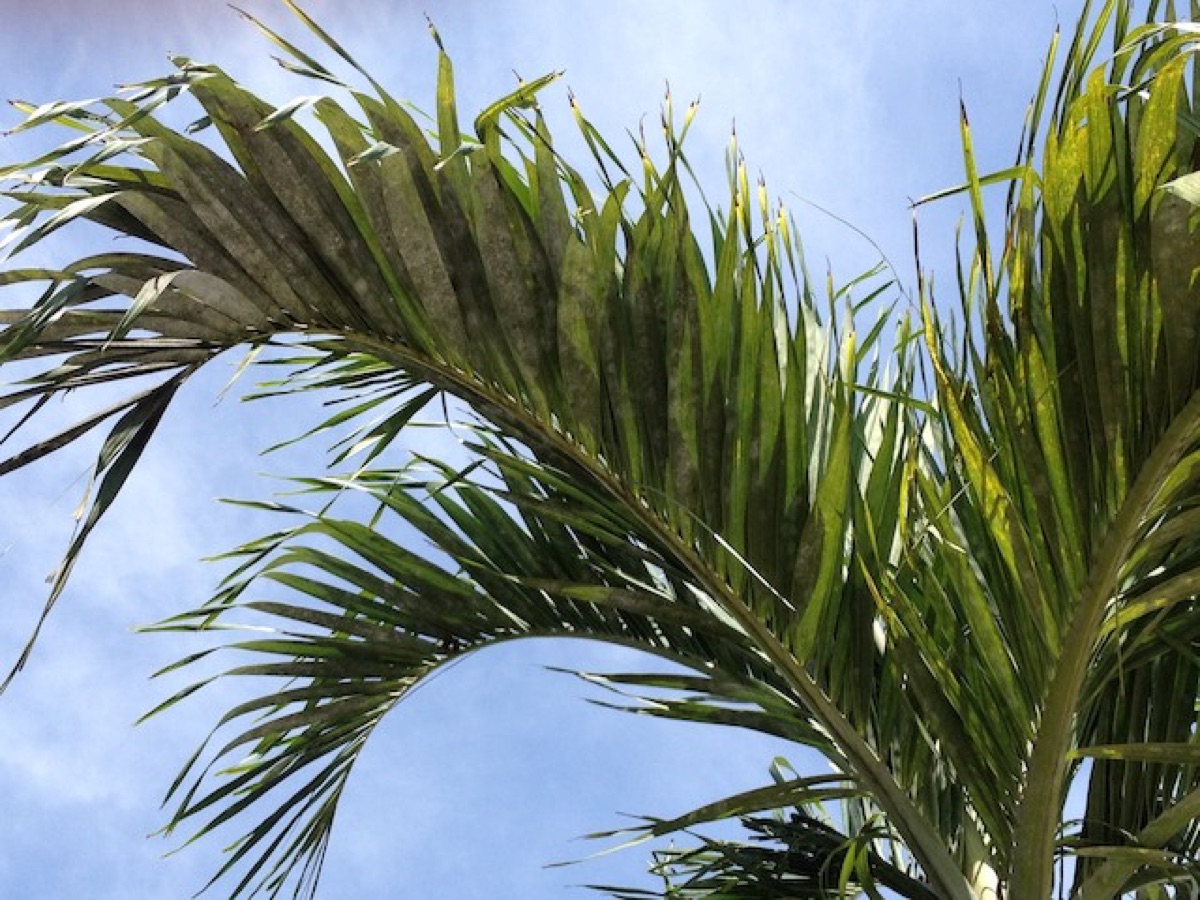 Manageable
Rugose spiraling whitefly is mostly a cosmetic problem on palms: sticky honeydew and black sooty mold.
Signs and what we doScales, mealybugs and the palm aphid all feed on palm sap.
Signs and what we doA smaller weevil that follows stress.
Signs and what we doMostly cosmetic4 pages
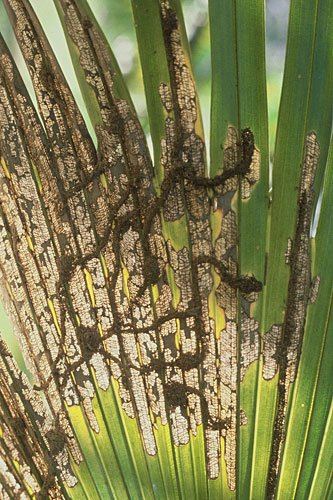 Mostly cosmetic
A small caterpillar that feeds under a mat of silk and droppings on the underside of fronds.
Signs and what we do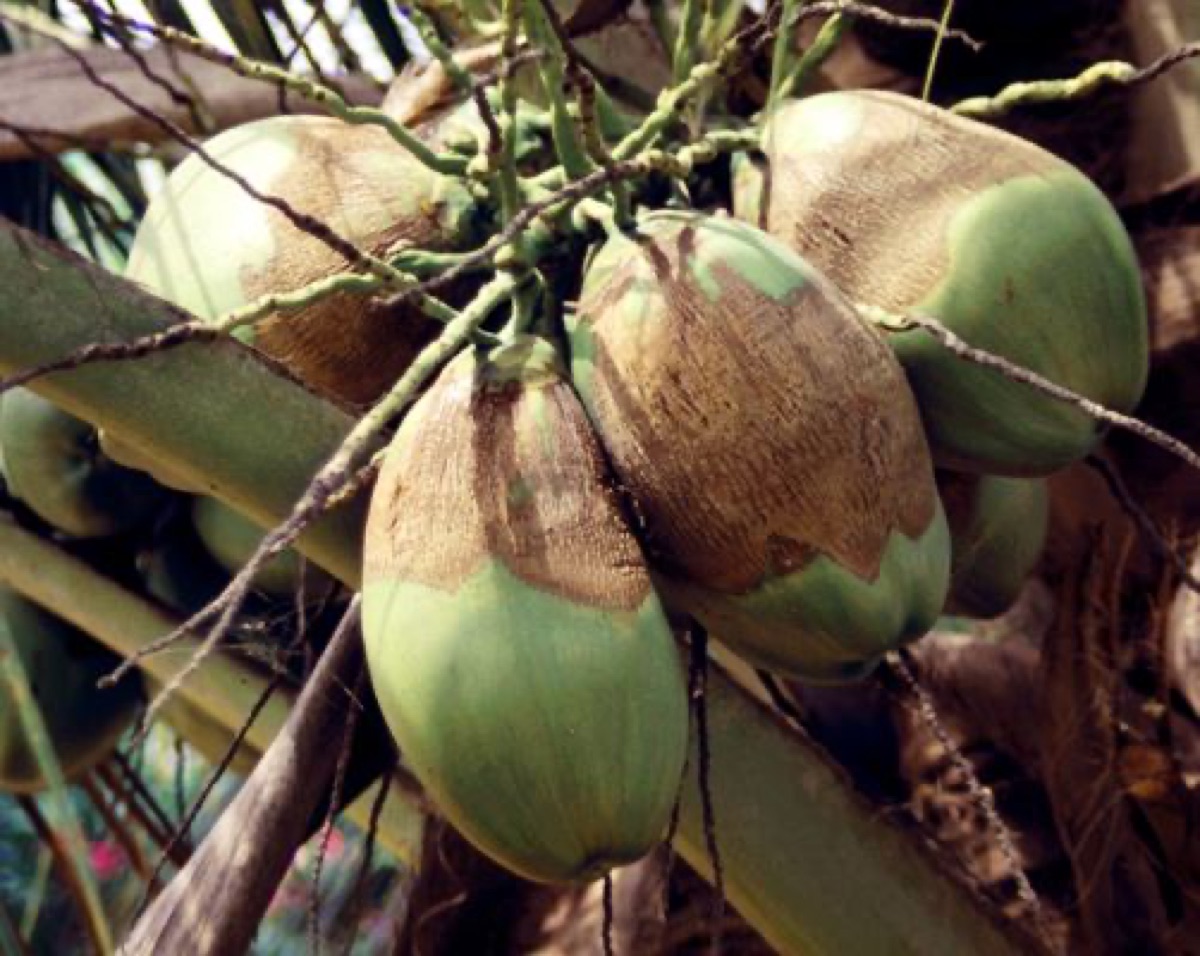 Mostly cosmetic
Three kinds of mites feed on palms in Southwest Florida: spider mites, red palm mite and coconut mite.
Signs and what we do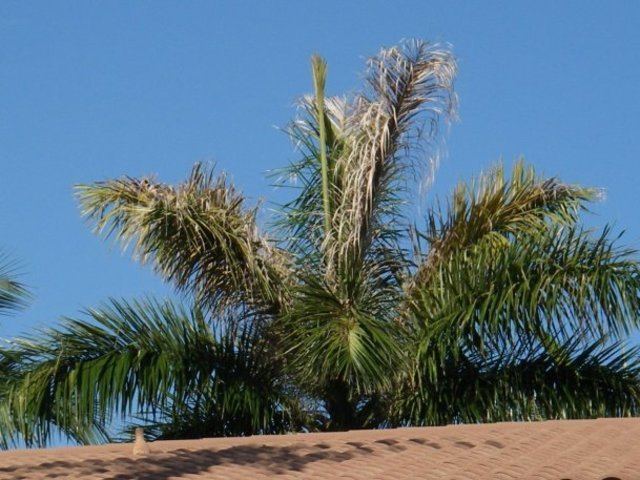 Mostly cosmetic
A tiny bug that feeds only on royal palms.
Signs and what we doMoth larvae that feed on palms.
Signs and what we doWhere to next
Keep working through it.
FAQ
Questions boards and managers ask
Which palm pest should we worry about most?
The palmetto weevil. Its larvae destroy the bud, and once the bud is gone the palm cannot be saved. Canary Island date, Bismarck and latan palms, fresh transplants and recently pruned palms are most at risk.
Do you spray for pests on a schedule?
No. Calendar sprays kill the natural enemies that keep most palm pests in check. We treat targeted palms when live insects and real damage are confirmed.
Why does a pest show up on one palm and not the next?
Stress. Weevils and beetles are drawn to wounded, transplanted and poorly fed palms. Keeping palms fed and unwounded is the first line of defense.
Next step