
Palm pest
Aphids, Scales and Sooty Mold
Scales, mealybugs and the palm aphid all feed on palm sap. Some leave sticky honeydew and black sooty mold behind and some leave none, and that difference decides how they are managed.
Palms it affects: Canary Island date palm, Pygmy date palm, Sylvester palm, Date palm (Medjool), Cabbage palm (Sabal), Washingtonia, Coconut palm, Queen palm, Alexander palm, Chinese fan palm
- Affects
- Canary Island date palm, Pygmy date palm, Sylvester palm, Date palm (Medjool) and more
- When it shows
- Year-round here.
- What we do first
- Look for honeydew to tell soft from armored.
What you see
Signs in the field
- Irregular yellow blotches on fronds that spread as feeding builds
- Tiny hard covers, or a pale gray-white waxy crust along the stems and leaf bases, often found at pruning
- Orange-brown, waxy mealybugs with a fringe of wax filaments
- Small dark, glossy, flat bodies with a white waxy fringe on the newest fronds, often tended by ants (palm aphid)
- Sticky honeydew and black sooty mold on lower fronds and surfaces below
Armored or soft: why it matters
Armored scales hide under a hard shield and feed cell by cell. They make no honeydew, so there is no sooty mold, and systemic insecticides reach them poorly. Timing treatment to the crawler stage matters most.
Soft scales, mealybugs and the palm aphid feed in the sap stream. They drip honeydew that grows black sooty mold, and systemic treatments work well on them.
What sooty mold is
Sooty mold is a fungus growing on the honeydew. It does not infect the palm. It blocks light and is often the most visible symptom. It wipes off with a damp cloth, and it means a sap-feeding insect is or was active above.
How serious is it
Armored scales range from cosmetic to serious, and heavy, sustained loads can kill a palm. Mealybugs are moderate, though heavily infested young palms can die. The palm aphid is minor to moderate on mature palms and significant on young stock.
Phantasma scale was first found in the continental United States in 2018, on Canary Island date palms. It spread on nursery stock and has no known established natural enemies in Florida.
How they spread
Crawlers move on wind, on ants, on infested plants and between neighboring palms. Ants farm aphids and mealybugs for honeydew and defend them. Stressed palms carry heavier infestations.
What we do
How Ptolemy handles it
Field condition first, then the recommendation. Treatment, removal and diagnosis calls are made by an ISA Certified Arborist, and the serious ones are confirmed in a lab.
- Inspect frond undersides and leaf bases at each visit, with extra attention on date palms. We do not wait for pruning to find scale.
- Treat on load and trend, not on sight alone. Low numbers on a healthy palm are documented and rechecked.
- Time horticultural oil and soap to crawler emergence, and keep pyrethroids as a last resort to protect natural enemies.
- A systemic soil drench for the sap feeders where our certified arborist calls for it, timed away from bloom to protect bees.
- A confirmed invasive such as phantasma scale goes in the client's written assessment every time and is reported to the state.
Next step
Seeing aphids, scales and sooty mold on your property?
Keep reading
More palm pests
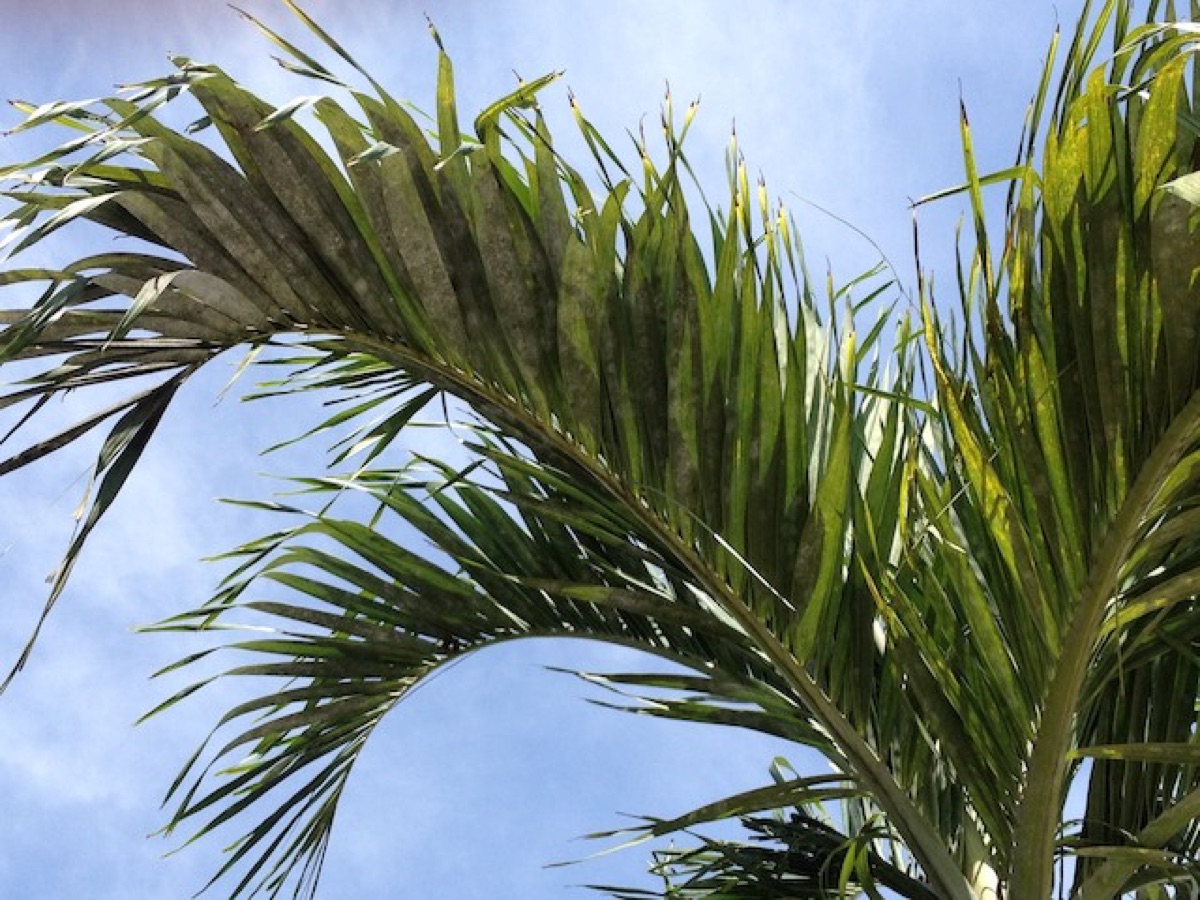 Manageable
Rugose spiraling whitefly is mostly a cosmetic problem on palms: sticky honeydew and black sooty mold.
Signs and what we do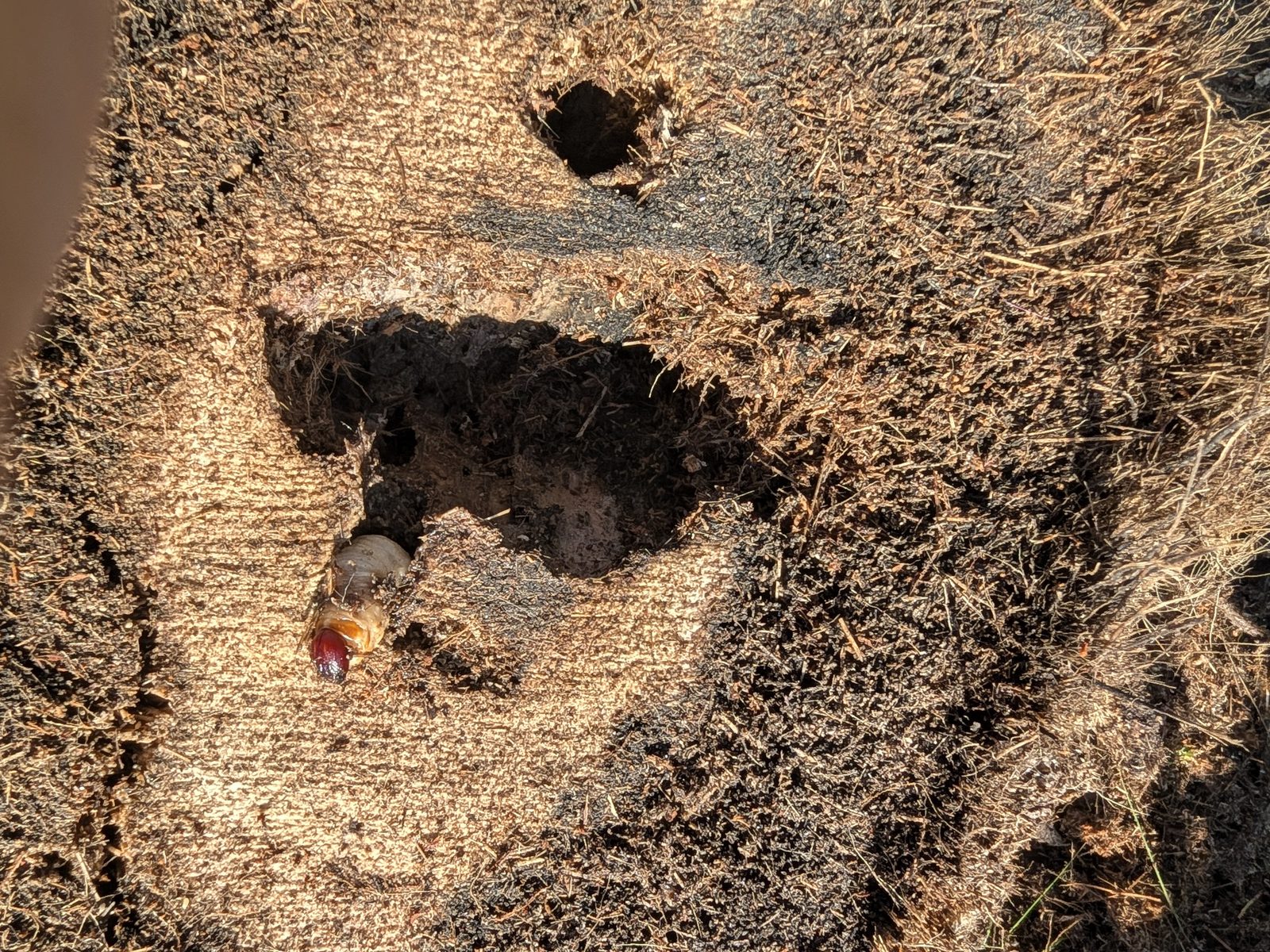 Serious
North America's largest weevil and the most lethal insect pest of palms in Florida.
Signs and what we do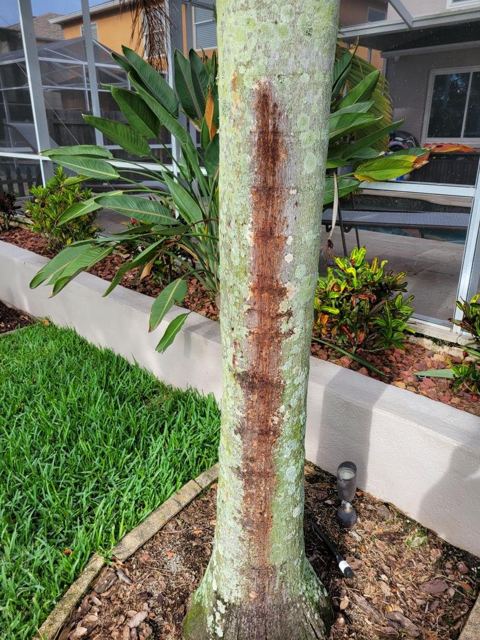 Serious
Tiny wood-boring beetles that attack palms and trees already under stress.
Signs and what we do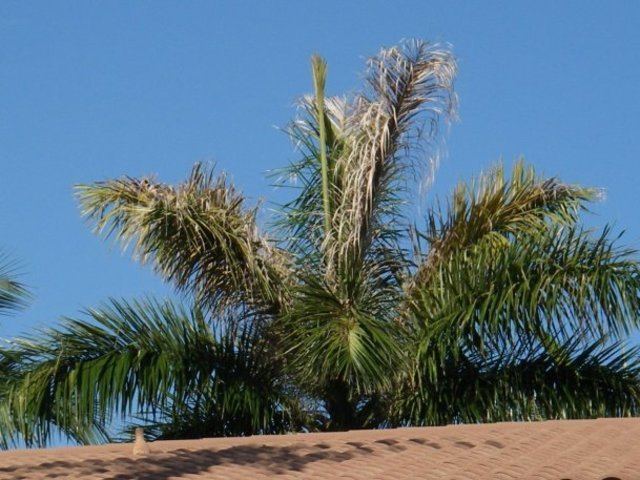 Mostly cosmetic
A tiny bug that feeds only on royal palms.
Signs and what we do