
Palm pest
Royal Palm Bug
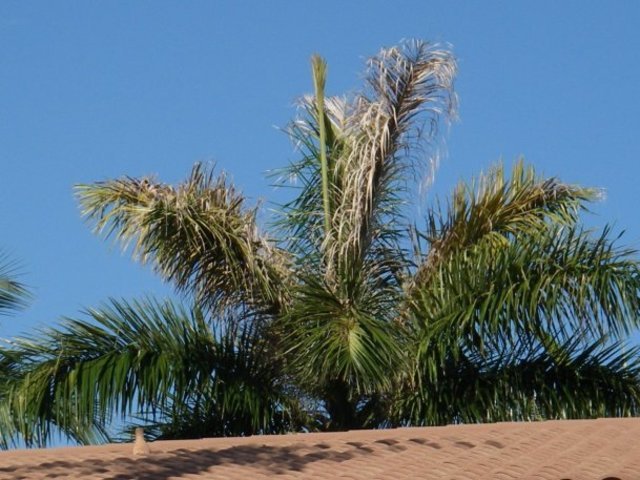
A tiny bug that feeds only on royal palms. It rarely kills a palm, but heavy spring infestations leave the new fronds gray and frizzled.
Palms it affects: Royal palm (Cuban royal)
- Affects
- Royal palm (Cuban royal)
- When it shows
- Damage peaks with the spring flush of new leaves, March through May.
- What we do first
- Inspect the new and mid-canopy fronds of mature royals in spring.
What you see
Signs in the field
- Scattered yellow spots on the underside of newly opened leaves
- Brownish streaks and wilting leaflets
- Gray, tattered fronds frizzled along their whole length, in the new and mid-canopy
- Tiny pale yellow-green bugs with red eyes on unfolding leaflets, about 0.1 inch (2.5 mm), best seen with a hand lens
Where and when
The bug lives only where royal palms grow, which in Florida means the southern third of the state. It mostly affects royals taller than about 12 feet (3.7 m).
It is present year-round. Damage peaks with the spring flush of new leaves, and the frizzled fronds are most obvious by midsummer. Cold weather knocks populations down.
How serious is it
It is seldom fatal. A vigorous, well-fed royal tolerates light feeding and grows past it. Heavy infestations disfigure the crown and weaken the palm, which matters on high-value royals.
Whether to treat is a judgment about the palm's value and appearance, made by the arborist property by property.
The key confusion
A gray, frizzled royal crown can also be a nutrient problem. The tell is which leaves. Royal palm bug damages the new and mid-canopy fronds, and the bugs are there. Potassium deficiency starts on the oldest, lowest fronds. Manganese deficiency shows on the newest leaves as they emerge, with no insect present.
What we do
How Ptolemy handles it
Field condition first, then the recommendation. Treatment, removal and diagnosis calls are made by an ISA Certified Arborist, and the serious ones are confirmed in a lab.
- Keep royals well fed on the Palm Health Program so the spring flush recovers. Good nutrition also takes deficiency out of the picture.
- Inspect the new and mid-canopy fronds of mature royals in spring.
- Confirm the bug itself with a hand lens before calling it. Frizzled fronds alone are not proof.
- When treatment is warranted, the preferred route is a systemic soil drench at the first symptoms, chosen and signed by our certified arborist.
Next step
Seeing royal palm bug on your property?
Keep reading
More palm pests
 Serious
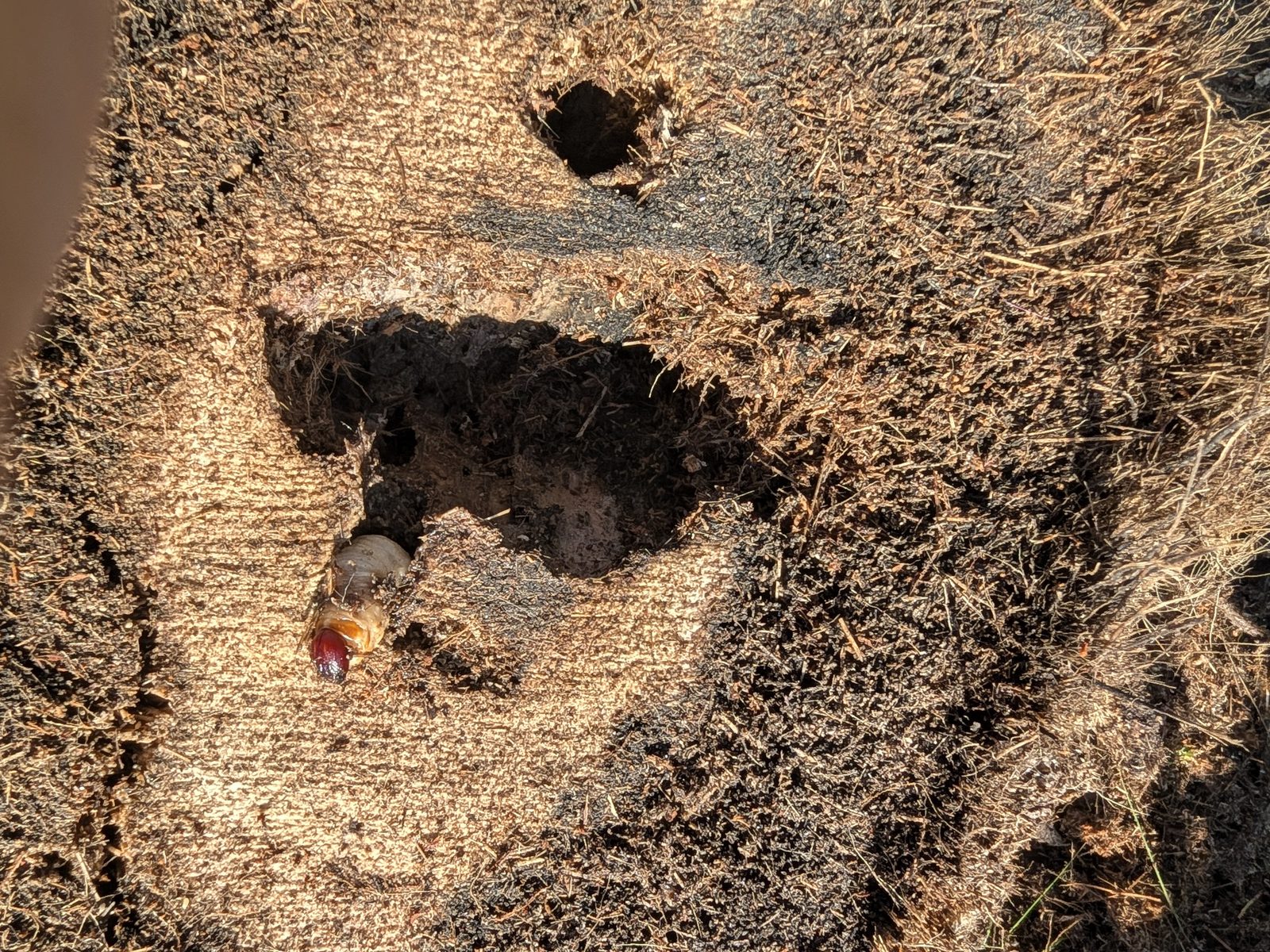
North America's largest weevil and the most lethal insect pest of palms in Florida.
Signs and what we do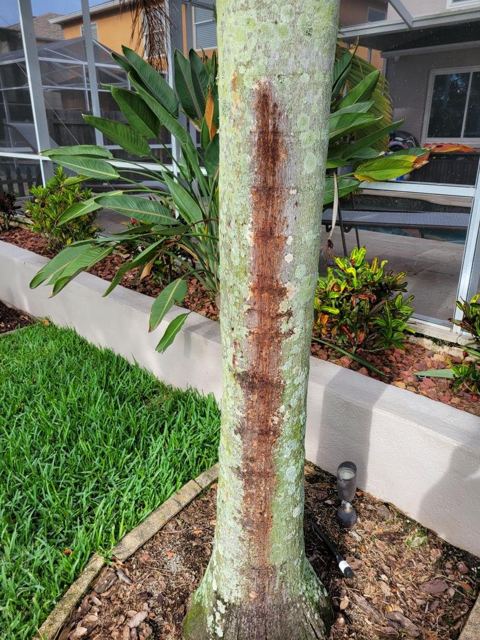 Serious
Tiny wood-boring beetles that attack palms and trees already under stress.
Signs and what we do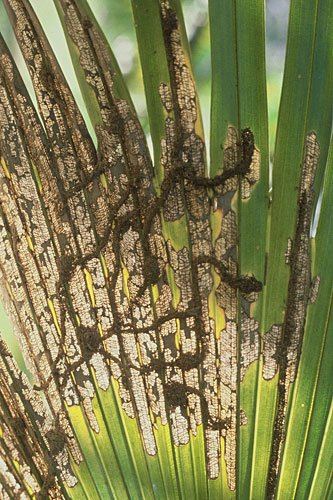 Mostly cosmetic
A small caterpillar that feeds under a mat of silk and droppings on the underside of fronds.
Signs and what we do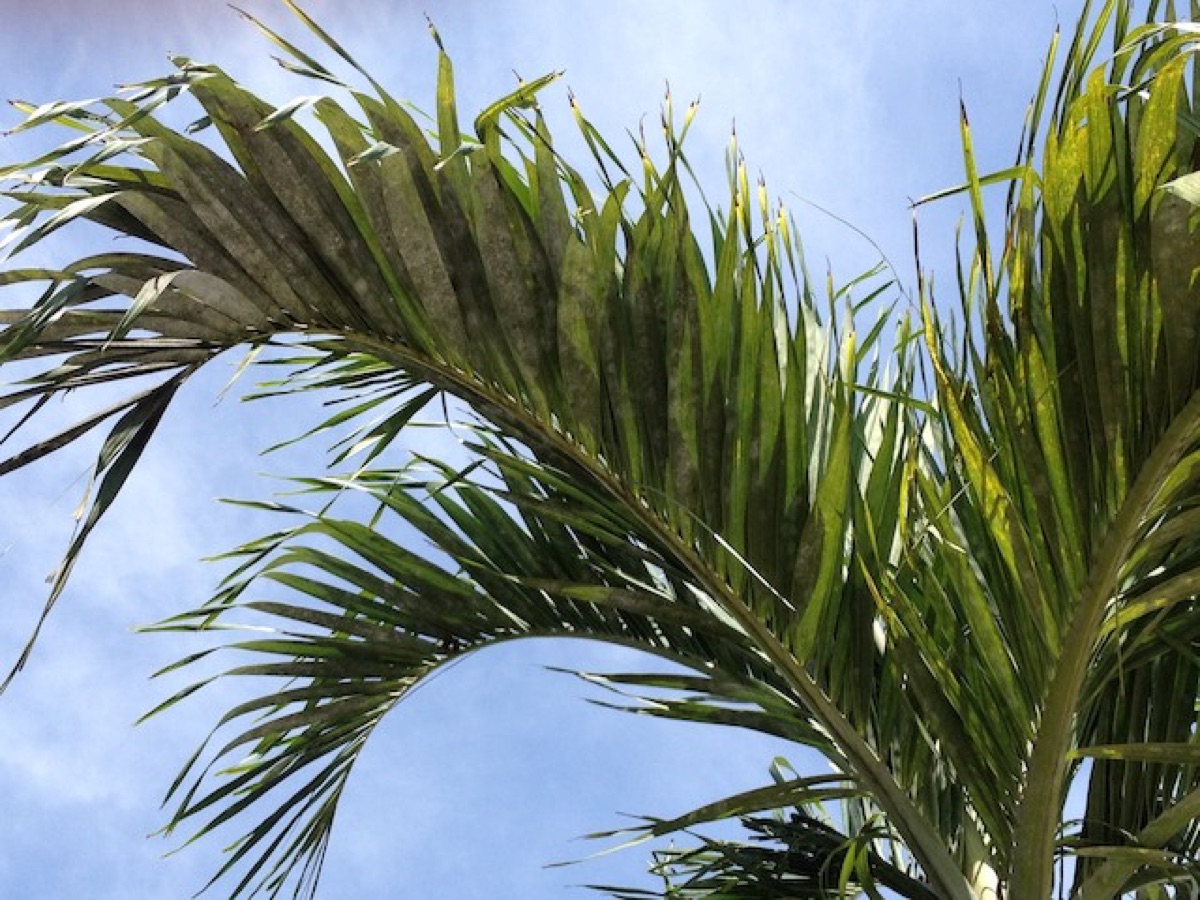 Manageable
Rugose spiraling whitefly is mostly a cosmetic problem on palms: sticky honeydew and black sooty mold.
Signs and what we do