

Tree risk assessmentMonitor
A tree risk rating you can defend.
When a tree is called high risk, or a removal is recommended, the call follows one industry method. Jeff Kaulbars holds the ISA Tree Risk Assessment Qualification (TRAQ).
- Method
- ISA TRAQ
- Ratings
- Low, Moderate, High, Extreme
- Levels
- 1 limited, 2 basic, 3 advanced
- Standard
- ANSI A300 Part 9
What we see in the field
A dead limb over a parking stall is not the same problem as one over a pond.
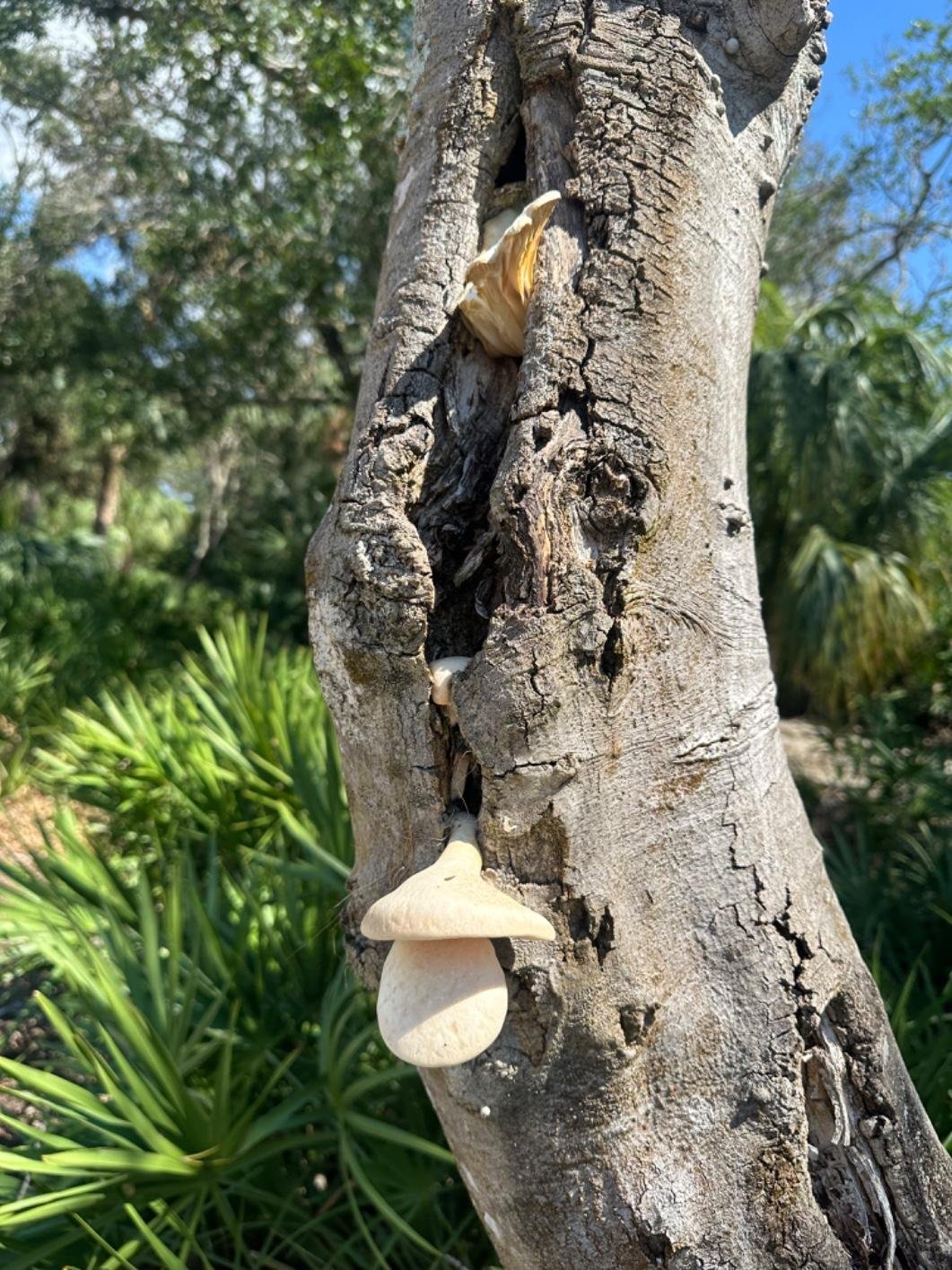
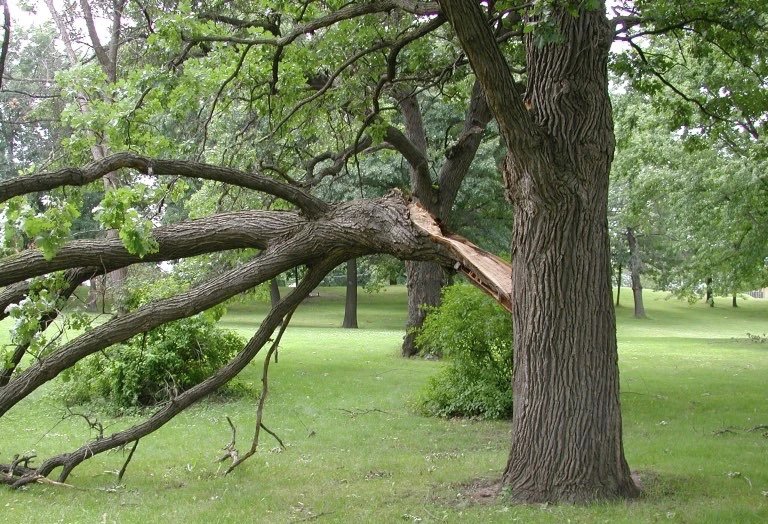
Risk is not the defect alone. It is the chance the part fails, the chance it hits something, and what happens if it does. The defects we rate: codominant stems and included bark, decay, cracks, lean, root-plate trouble, deadwood and weak attachments.
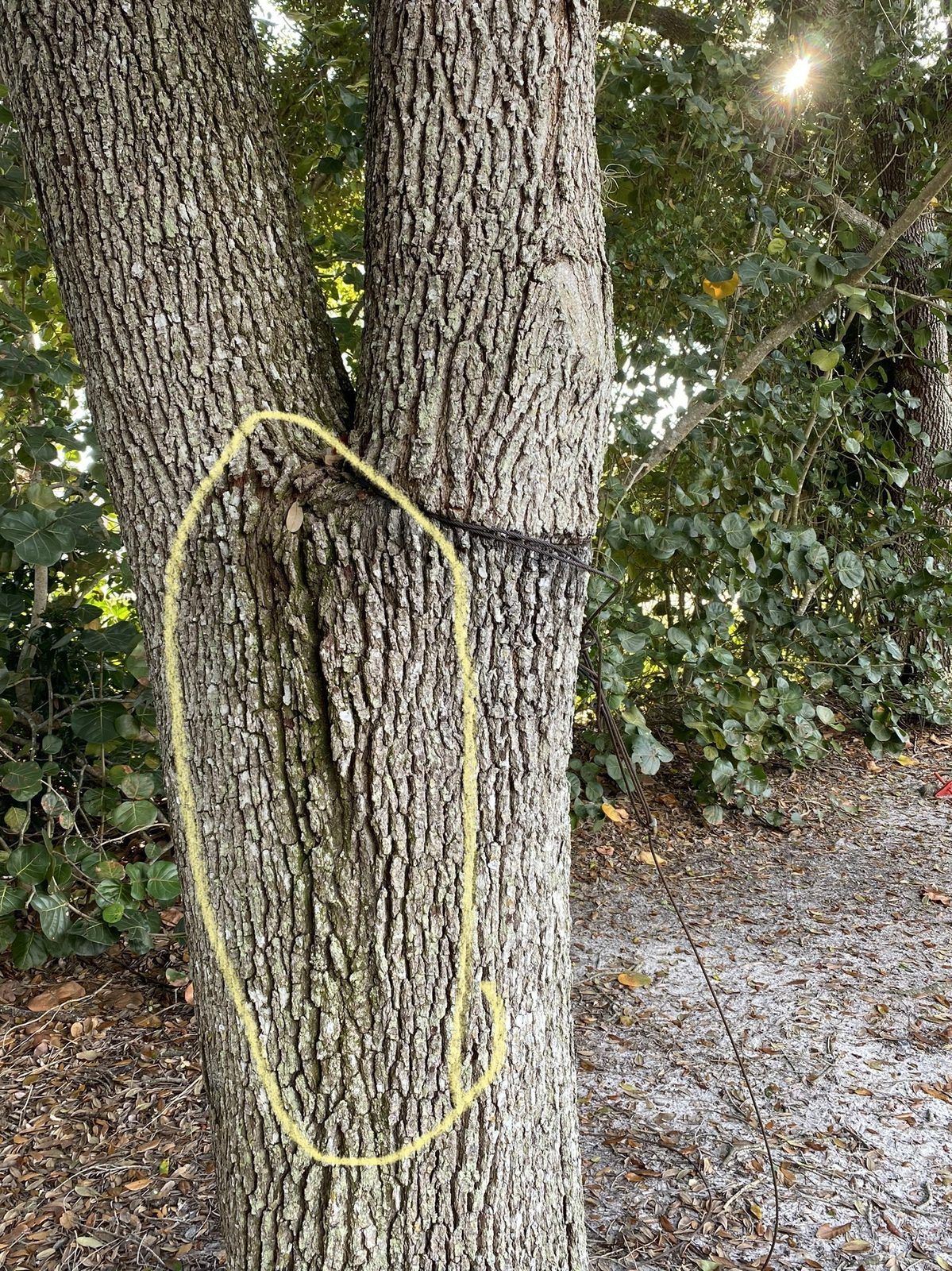
Included bark at a major fork is flagged as elevated wind-load risk. A recent or progressive lean with soil heave is a high-priority finding. Condition and risk are recorded separately, so a tree can be in poor health and low risk, or healthy and high risk.
How we do it
Find it, rate it, write it down.
- Level 1, limited
A walk-by or drive-by of many trees, to find the ones that need a closer look.
- Level 2, basic
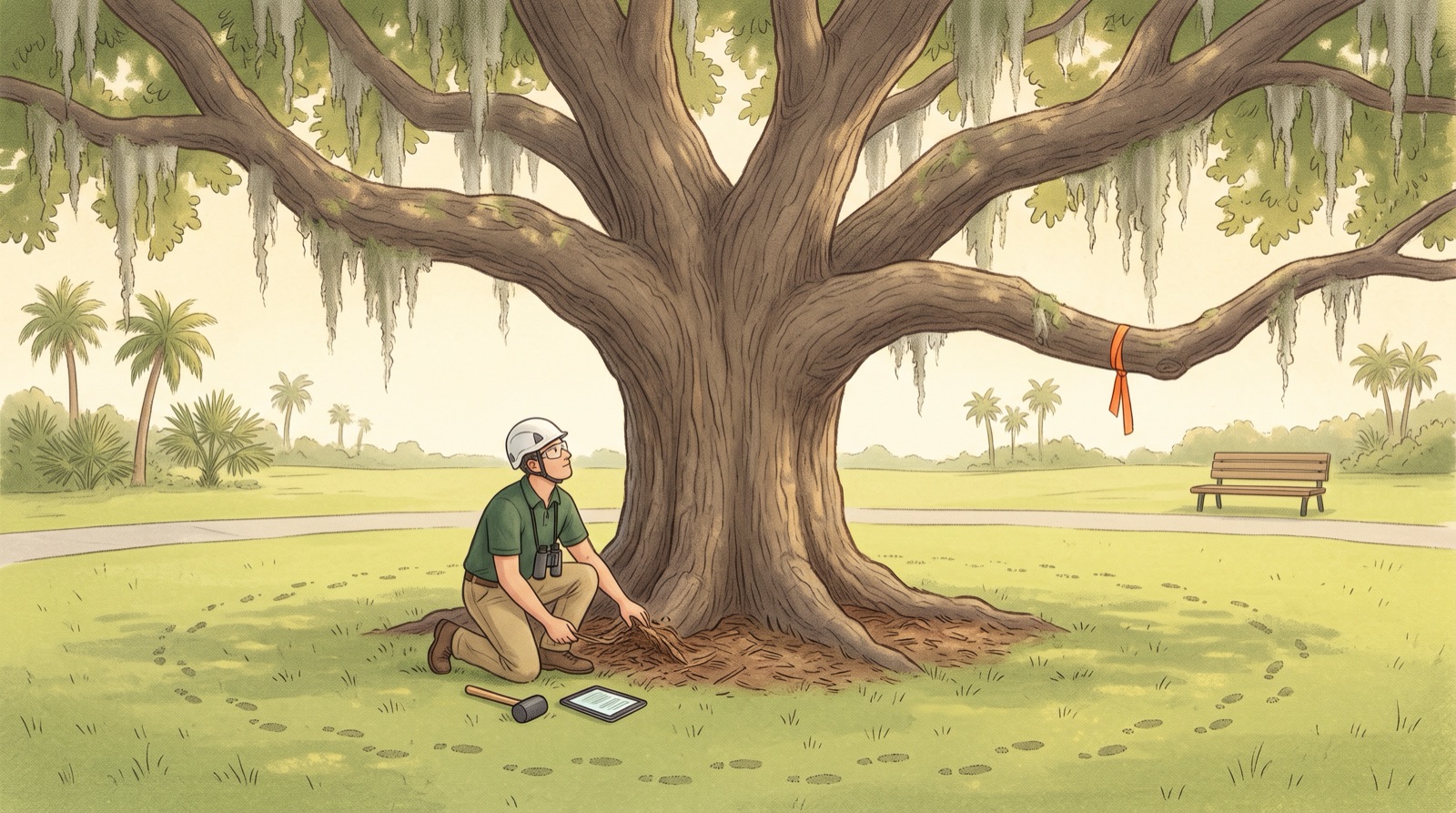
A 360-degree ground inspection of each tree flagged: flare, trunk, unions, limbs, crown.
- Level 3, advanced
When a Level 2 finding warrants it: decay detection tools, an aerial inspection or a root investigation.
- Rate it
Likelihood of failure, likelihood of impact and consequences combine into one rating.
- Recommend and schedule
Mitigation and a time frame, in writing. You decide, with the reason on paper.
What is included
What a risk assessment covers.
The level, stated
Every record says which level of inspection was done, so nobody reads a drive-by as a full assessment.
A walk of the whole tree
Root flare and root plate, trunk, unions and forks, scaffold limbs and crown, 360 degrees.
Targets and occupancy
What sits under the tree and how often people are there: a road, a playground, a parking stall, a pond.
Each defect with photos
Documented with the likelihood of failure, the likelihood of impact and the consequences.
The rating and the fix
Low, Moderate, High or Extreme, with mitigation options and a time frame: prune, support, reduce or remove.
A signed written opinion
The rating is assigned by an ISA Certified Arborist. A formal assessment carries the signed opinion block.
Request a risk assessmentbuild it into a 10-year Master Plan
Standards we work to
One method, recognized across the industry.
Our lines
- Condition and risk are recorded separately.
- Trees are read against species and season. A bare deciduous canopy in winter is recorded as seasonal, not dead.
- A formal assessment is done when ordered, or when a Level 2 finding warrants it.
- The final risk rating and any prune, cable, brace or removal recommendation are signed by an ISA Certified Arborist.
Two days of instruction and a written and field exam. Holders retrain and retest to keep it.
The first national standard for tree risk assessment.
The method behind the rating: failure, impact, consequences.
Sources: Ptolemy Tree Assessment spec; Tree Risk Assessment and Tree Condition subject files; ISA TRAQ; ANSI A300 Part 9; ISA BMP Tree Risk Assessment.
On the job
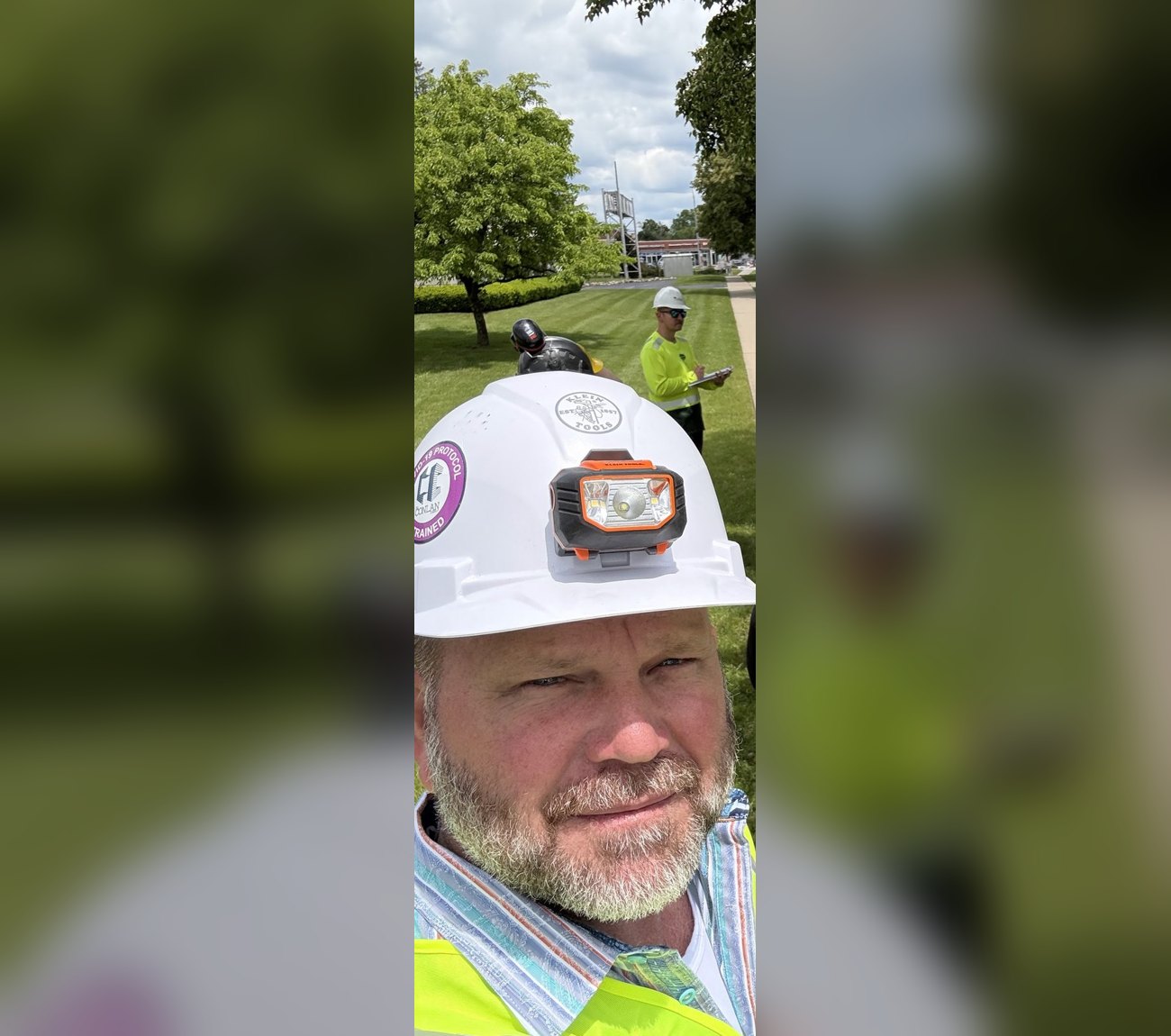
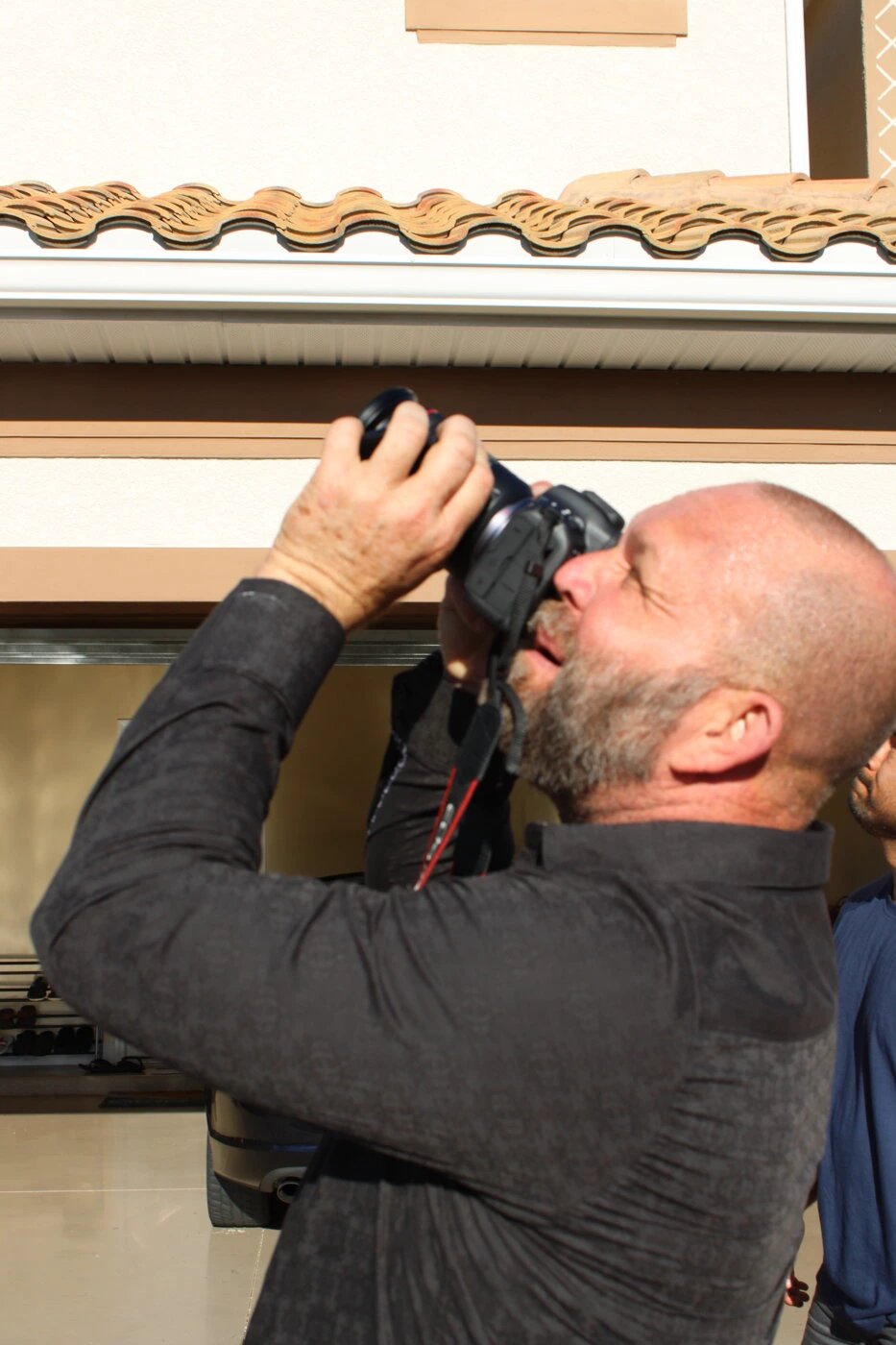
Tree risk assessment, in the field.
Illustrations
The busiest places first.
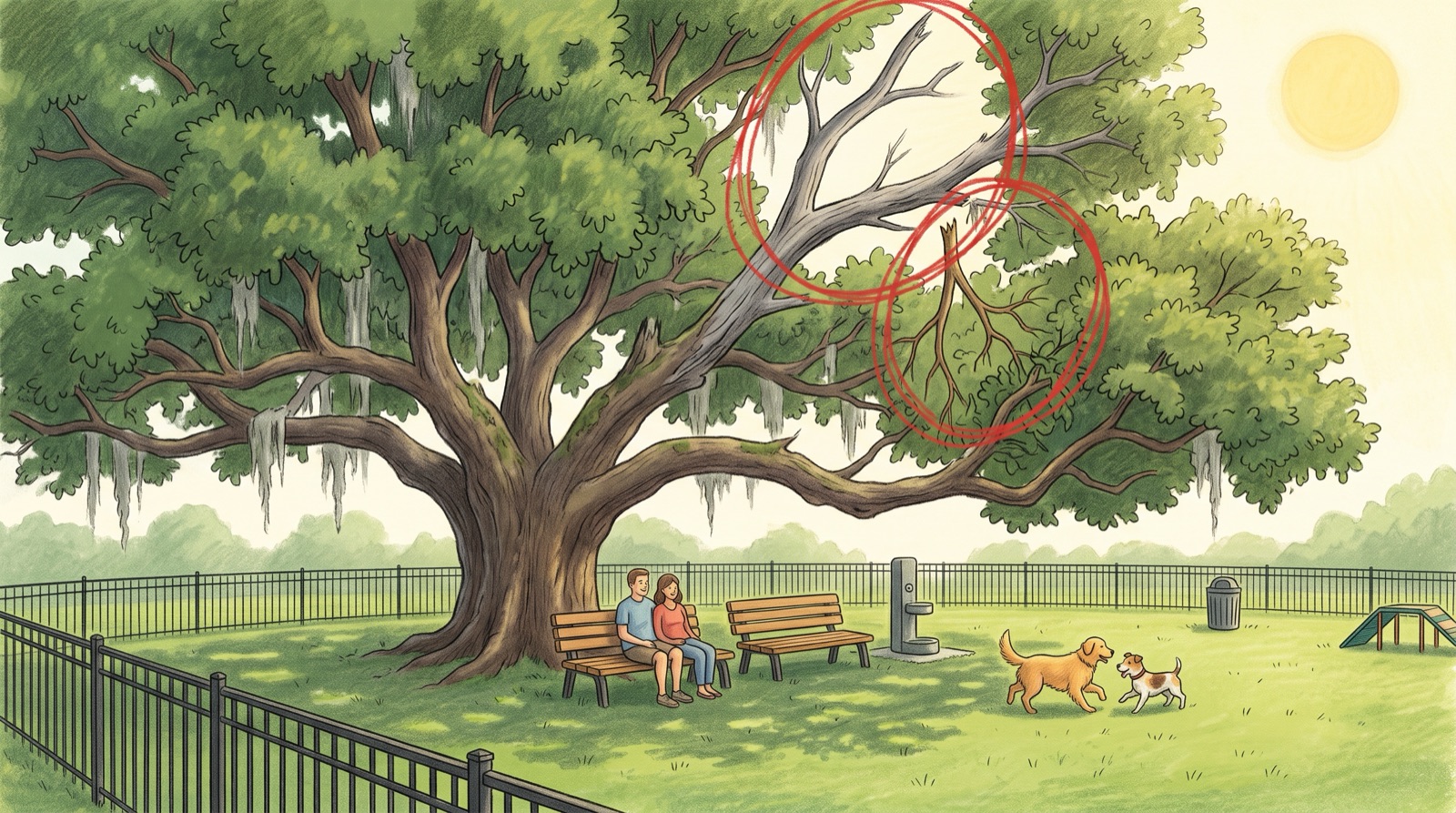
A risk rating weighs the defect and what sits under it. A dead limb over a bench in a dog park outranks the same limb over a pond.
Who it is for
Written for the people who answer for the trees.
- HOA and POA boardsA written reason for every high-risk call, so the board can answer residents and insurers.
- CDD and ISD boardsA consistent method across public land, with records that hold up in a public meeting.
- Community association managersA prioritized list of what to fix first, with time frames.
- Golf course superintendentsTrees over cart paths, tees and the clubhouse, rated against how often players are there.
Inside a plan
Tree assessment sits under Monitor.
Trees on a program get a look at every program visit (4 a year for commercial and HOA properties, 6 for homes), tree risk included. A formal risk assessment is added when it is ordered or when a Level 2 finding warrants it.
On a Palm and Tree Master Plan, by level. The floor: a look at every tree each visit, and anything seen gets a full ground assessment, priced as it comes. Protect what matters: a full ground assessment every year of the trees where people gather: the entrance, clubhouse and pool, parks, dog parks and schools. Full program: every tree assessed, on a cycle written into the plan.
Questions
Questions managers and boards ask.
Still have a question? Call (239) 467-0142 or send a request.
What is the difference between condition and risk?
Do we need a Level 3 assessment?
Will this support a removal permit?
What does TRAQ mean for us?
How often should trees be assessed?
Next step
A tree someone is worried about?
Get the rating in writing, with the reason and the fix, before anyone reaches for a saw.