
For commercial property managers and owners
The entrance is the first impression.
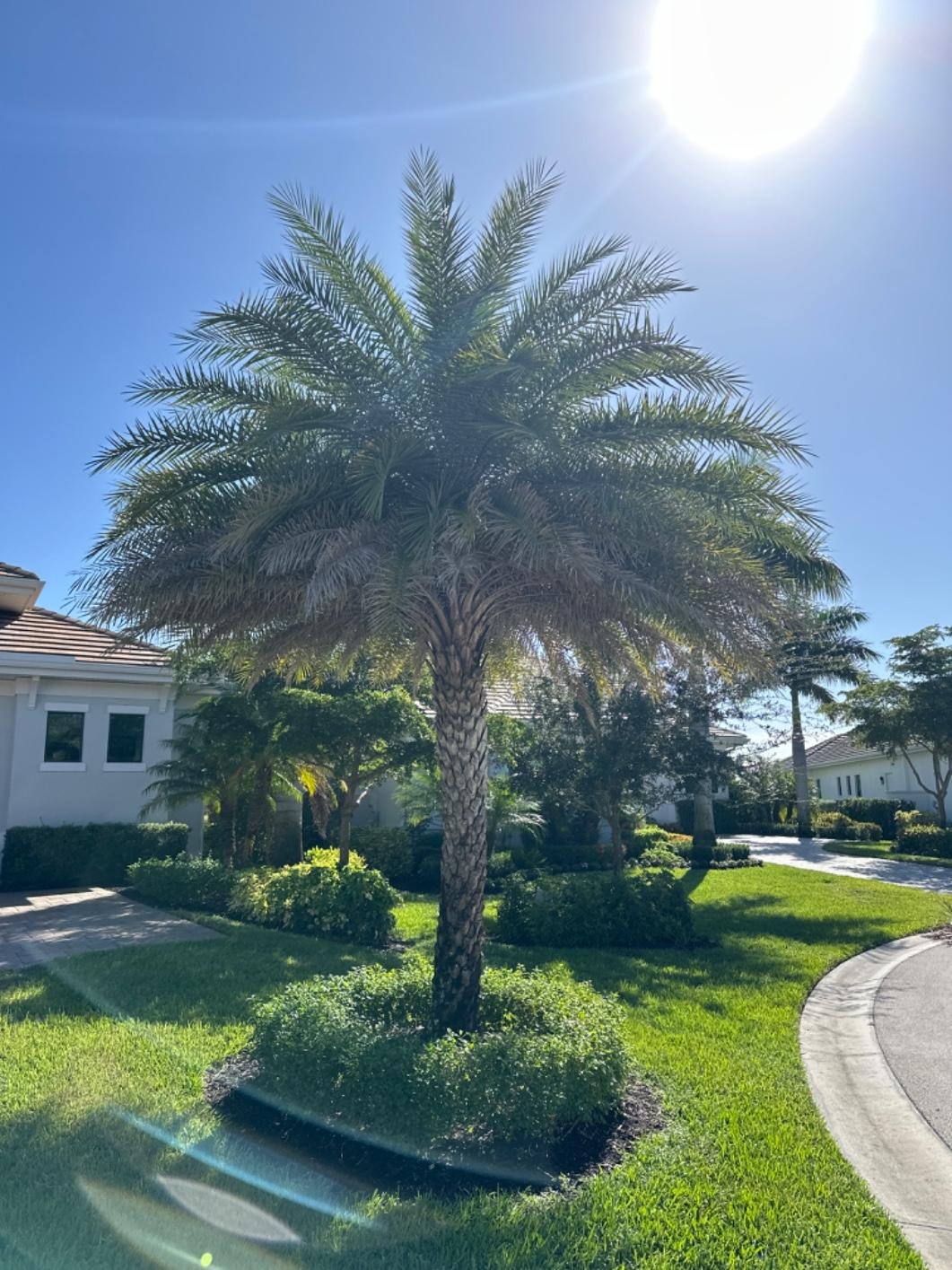
We keep the specimen palms and trees healthy, documented and safe, on one plan across every site.
“Can you send the [lab] Test Results directly to me so I can document?”


What commercial sites deal with
Curb appeal, liability and a file your owner can audit.
Documentation, not descriptions.
Owners want lab results and reports on file, not a phone call.
Whose palm is it?
On mixed-use sites, some palms belong to a residential association.
A new manager, no records.
The history of every palm should stay with the property, not leave with the last vendor.
The Palm and Tree Master Plan
One written plan, 10 years.
Every palm and tree is mapped and counted. Each kind of work has a written standard. You pick a level for each program. The budget is built from the counts, an estimate for each year, and safety comes first.
It starts with a two-year Palm and Tree Care Program: health care, pruning, the storm plan and new tree establishment, from one team.
The floor
Where most start- Safety, clearance, inspection, and the work that prevents losses.
- Every palm on Monitor, with a canopy look 4 visits a year. A look at every tree.
- Every palm pruned once a year, November to March.
- Anything seen is escalated. A lab test before any disease call.
Protect what matters
What we recommend for most- Everything in the floor.
- Preventive care on the high-value and high-visibility palms and trees.
- 4 visits a year, with a target of 80% Normal.
- Each palm pruned in its best months.
- Every new tree gets 2 years on the establishment schedule.
Full program
Protect what matters, backed by PPQ- Everything in Protect what matters.
- 6 visits a year, with a target of 90% Normal.
- The arborist writes every tree’s prescription and checks the work.
- Sterilized handsaws on every palm.
Each level keeps everything below it. Normal targets are management targets, not a guarantee. The budget is an estimate for each year, built from the counts.
What a commercial site is judged on
The first impression, and what hangs over the parking lot.
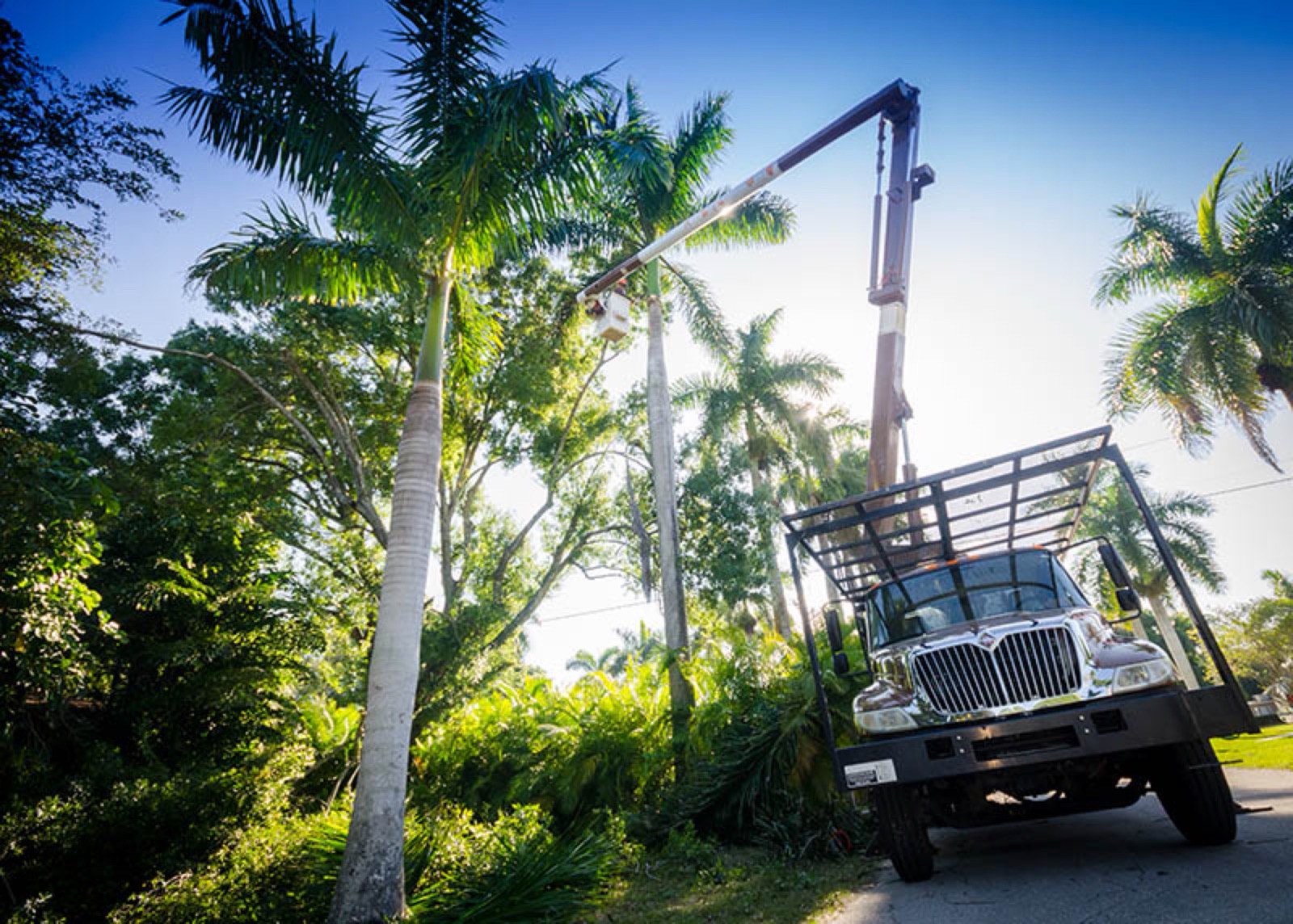
It is the first thing a tenant or a guest sees.
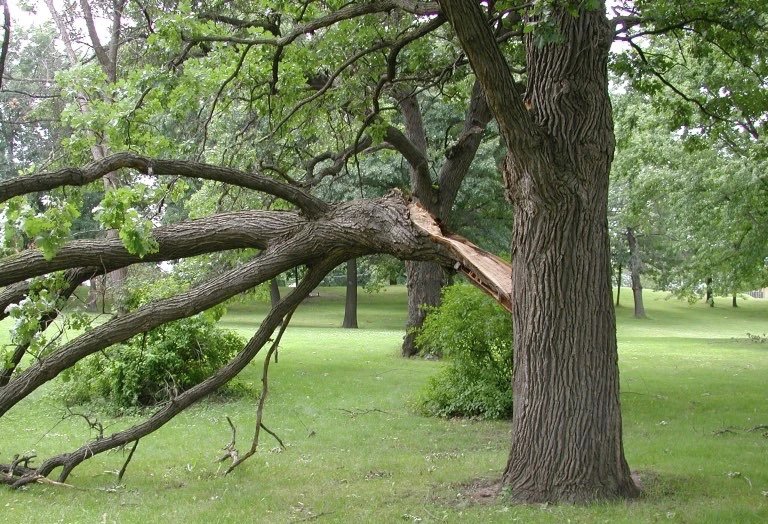
A written TRAQ risk assessment is the answer you want on file.
Evidence first
The lab result comes before the recommendation.
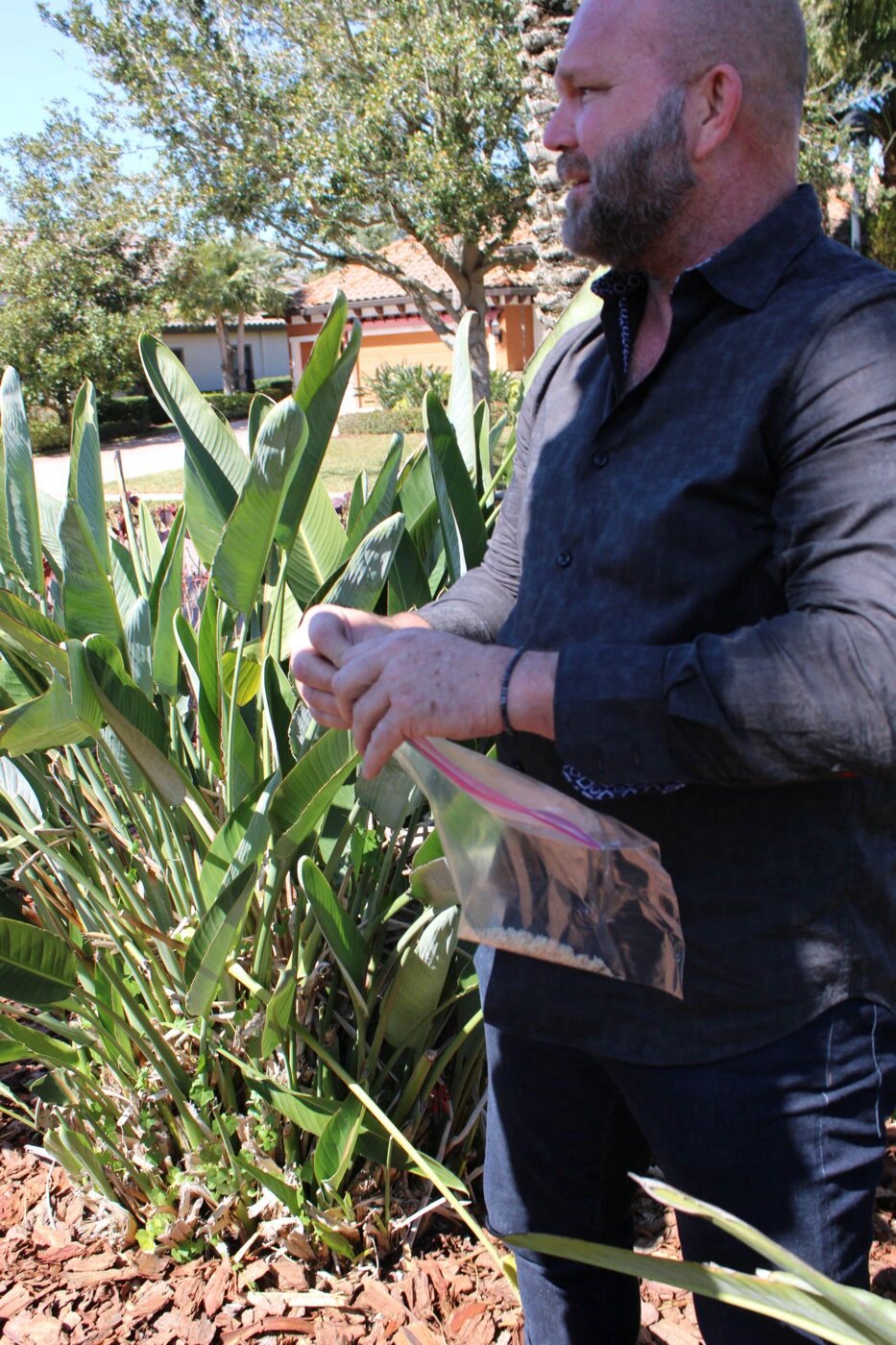
Every disease call starts with the evidence: the lab result, the photos and the palms around it.
- 1Sample
Matched to the palm’s record before it leaves the property.
- 2Lab result
A positive palm left standing keeps feeding the insect that spreads it.
- 3Recommendation in writing
A certified arborist puts the call in writing, with the lab result attached.
In your words
What people in your seat write to us, and what we do about it.
“Can you send the [lab] Test Results directly to me so I can document?”
What we do about itLab results sent directly to you. Lab fees at cost, no markup.
“This is an expensive tree and I want to give [the installing landscaper] the opportunity to review”
What we do about itAn initial assessment of every new tree, findings reported before or after you accept it, then tracked for decline and loss.
From emails our clients and prospects have sent us, word for word. Names, companies and places are removed.
What the plan covers
Health care, pruning and removals. One plan, one team.
Health care
Monitor, Manage, Protect- Every palm and tree mapped in our GIS inventory. Size, condition grades and photos are added by service.
- Scheduled inspections: 4 a year for communities and commercial sites, 6 for homes.
Pruning
Palms and trees, to a written standard- Palm pruning to the 9-and-3 standard, timed by species.
- Seed pods and fruit taken before they drop, on a named schedule.
Removals
Planned, documented, permitted- No removal without a certified arborist’s written determination.
- Removals planned by size class, so they sit in the budget, not in an emergency.
See all 15 items in the plan
Health care
- Every palm and tree mapped in our GIS inventory. Size, condition grades and photos are added by service.
- Scheduled inspections: 4 a year for communities and commercial sites, 6 for homes.
- Nutrition and protection by tier (Monitor, Standard, Advanced), palm by palm.
- Watching for more than twenty pests, diseases and disorders at every visit.
- A lab test before any disease call. Lab fees pass through at cost.
Pruning
- Palm pruning to the 9-and-3 standard, timed by species.
- Seed pods and fruit taken before they drop, on a named schedule.
- Sterilized handsaws where Fusarium wilt is a risk.
- Tree pruning by written prescription to ANSI A300. No canopy lifted where nothing needs clearance.
- Structural training on young trees, so storms do less damage later.
Removals
- No removal without a certified arborist’s written determination.
- Removals planned by size class, so they sit in the budget, not in an emergency.
- Stump grinding, with a Sunshine 811 ticket placed before any digging.
- A tree risk assessment (TRAQ) behind any risk call, ready for a county permit.
- Storm response with every tree assessed by number.
“These kinds of visits are not free, but they’re included in your management plan.” Jeff Kaulbars, ISA Certified Arborist
A tenant reports a leaning palm over the parking lot. Without a plan, that is a billed field visit: the trip, the look and the write-up.
On a plan, the palm is already in the record, with its grade from the last visit. The answer starts from the record, not from a new site visit, and if a visit is needed, it is already covered.
How it fits your budget
One plan across every site.
Each property on its own line, so an owner with several sites sees each one.
- One annual program, broken out by property.
- Lab results sent directly to you. Lab fees at cost, no markup.
- TRAQ risk assessments for trees over parking, walks and storefronts.
- Records that stay with the property when management changes.
Questions
Questions commercial managers ask
Do you work across several properties?
Yes. Each site has its own inventory and its own line, with one point of contact for all of them.
Who decides if a tree is a risk?
An arborist trained in the ISA tree risk assessment method (TRAQ), in writing you can keep on file or use for a permit.
Which palms are ours and which are the residential association’s?
The inventory maps every palm and tree, so the line is drawn on the map and written into the agreement.
We just took over this property. What records exist?
If it is on a plan, every palm and tree has a record and a report history. We share it with a new manager on request.
Do you do pruning and removals too?
Yes. Health care, pruning and removals, in one plan with one point of contact.

Before budget season