
New planting assessmentMonitor
An initial assessment of every new palm and tree.
Species, size, grade, planting depth, root ball, staking and irrigation, checked against the plan and Florida Grades and Standards. The findings go to you, before or after you accept. Acceptance is between you and your installer.
- Grade
- Florida No. 1 when the plan names none
- Window
- Within 30 days of planting
- Outcome
- Pass, fix and recheck, or reject
- Then
- Tracked for decline and loss
What we see in the field
The cheapest time to refuse a bad palm is on the truck.
Refusing a defective plant at the gate costs a delivery slot. Accepting it costs the planting, years of care, and the removal and replacement when the defect shows up.
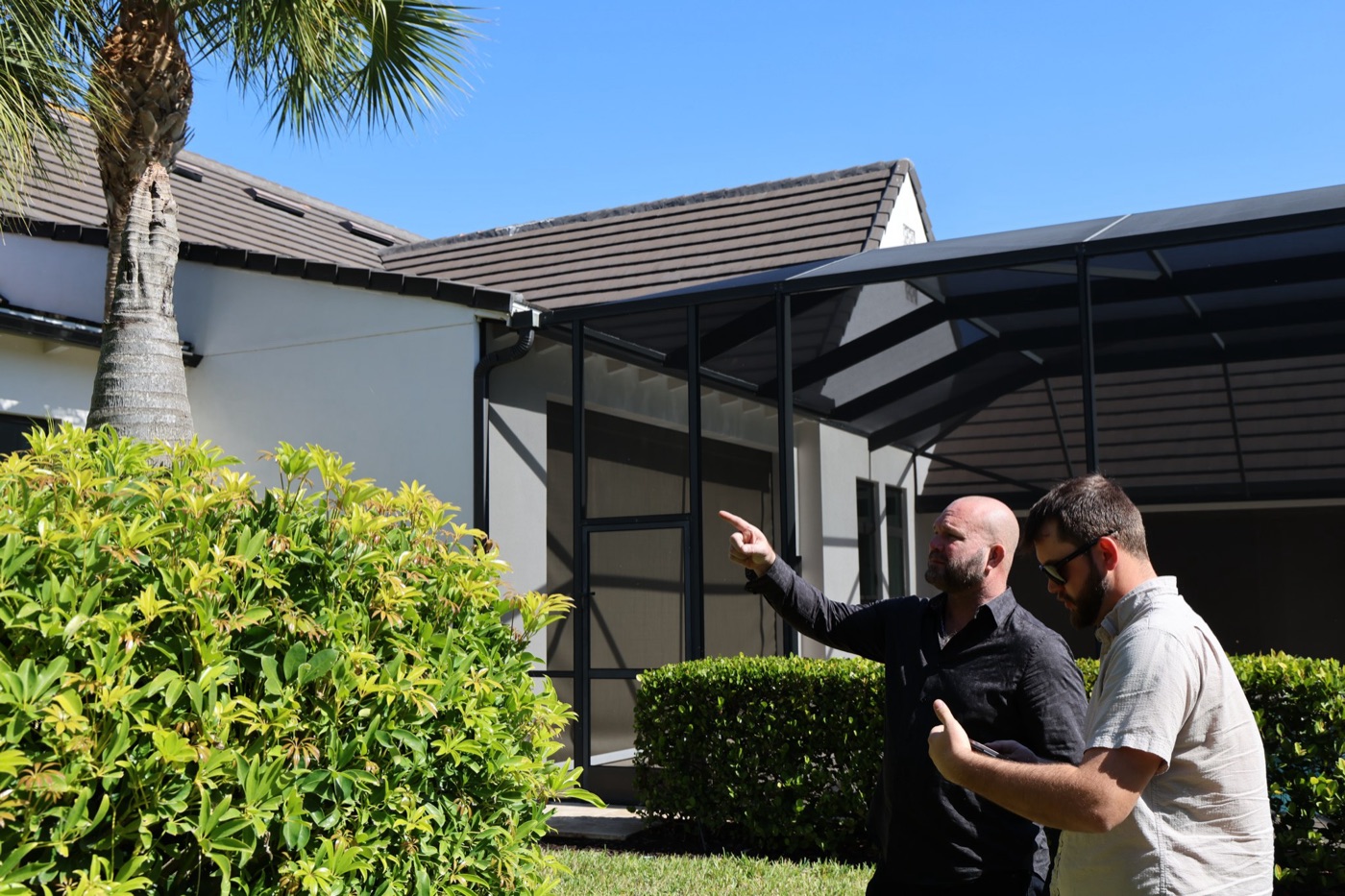
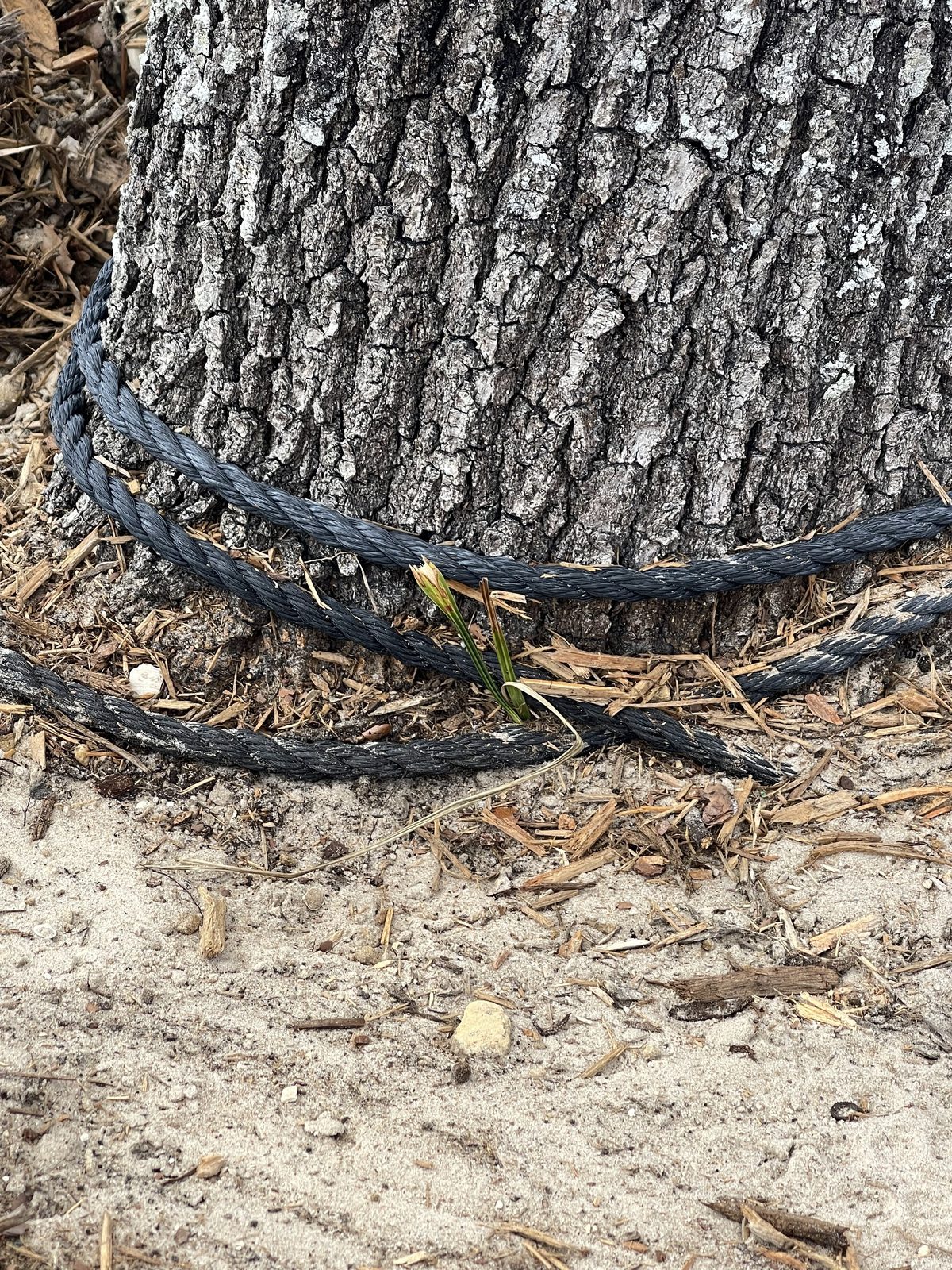
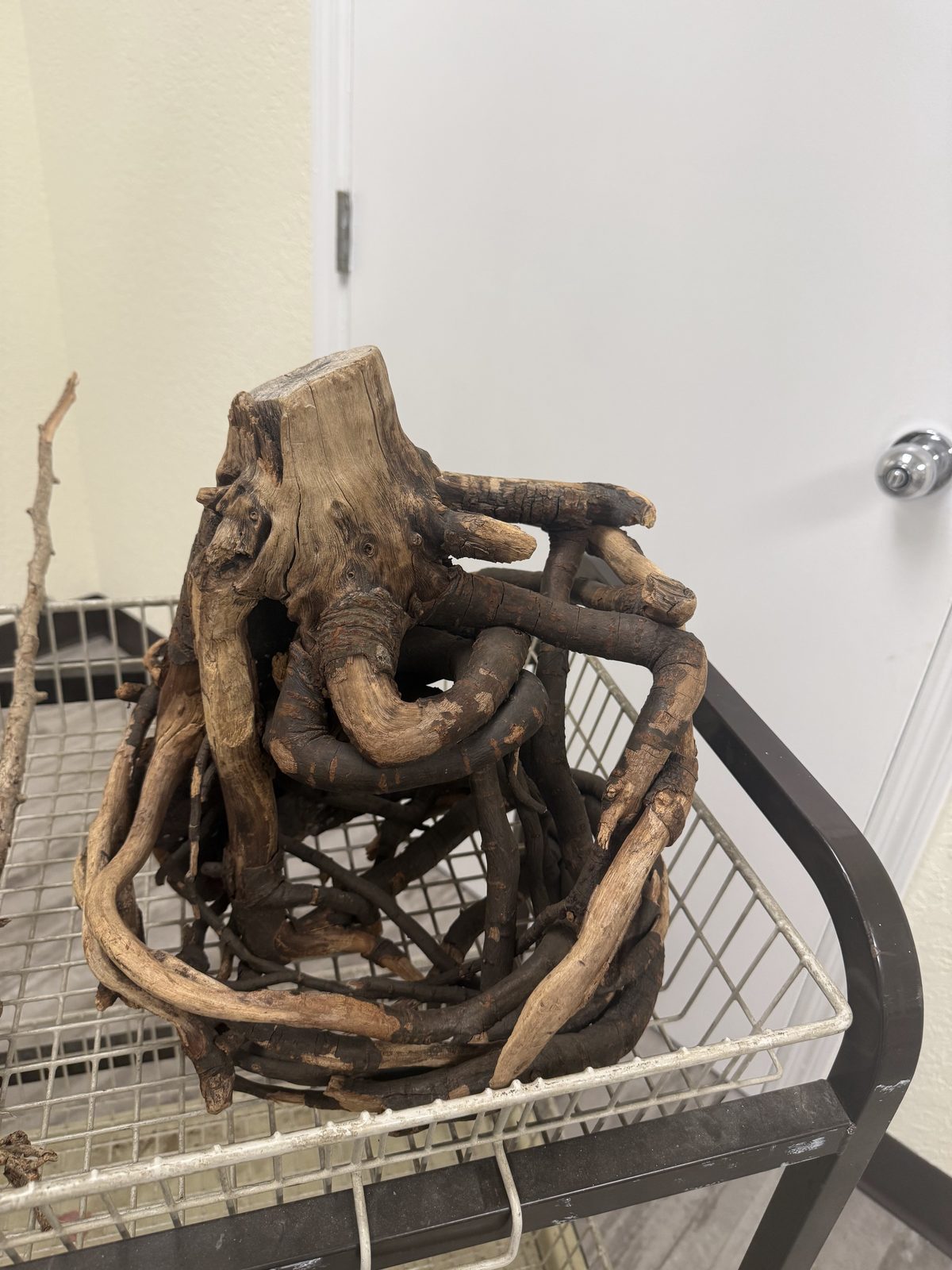
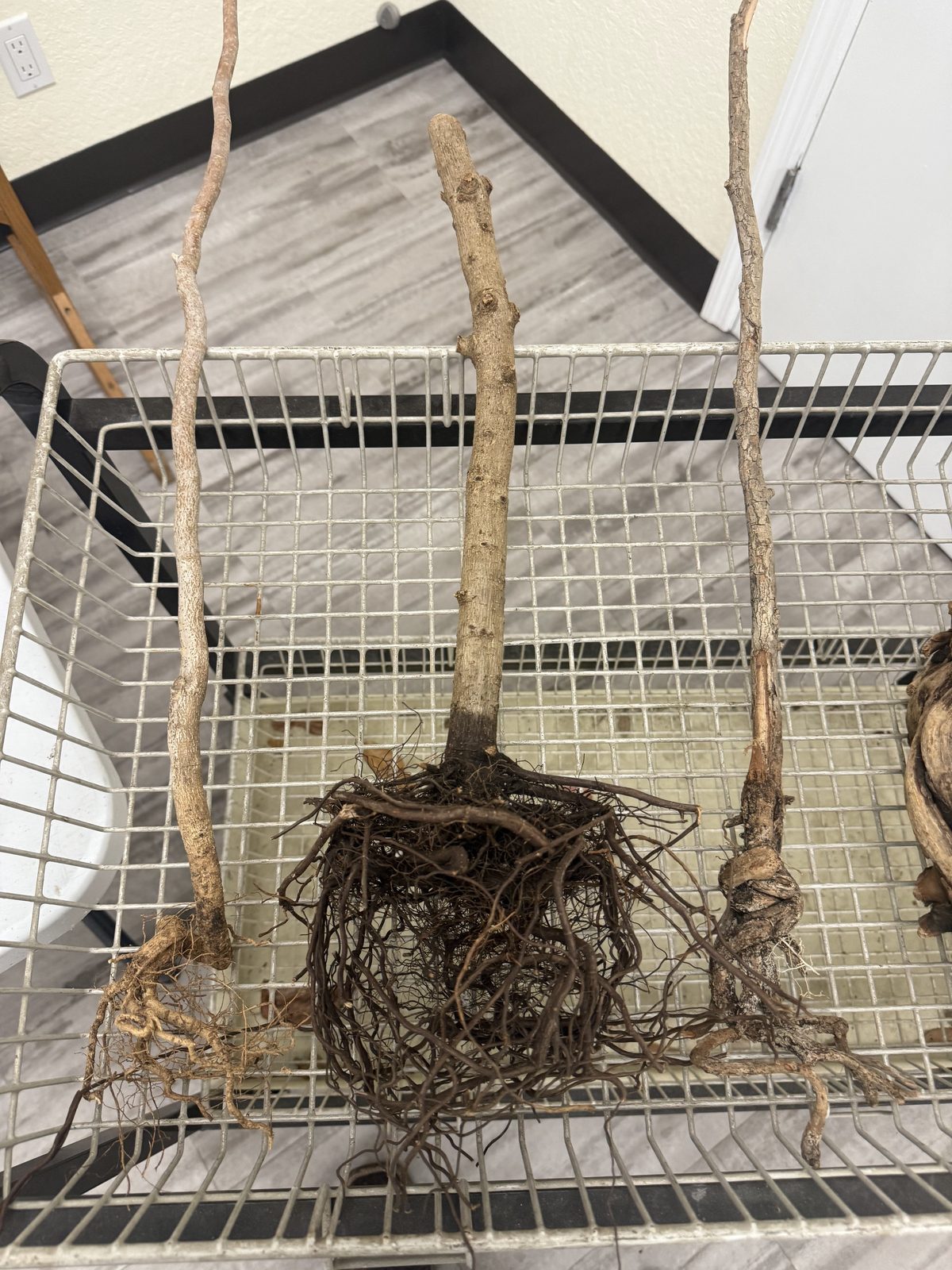
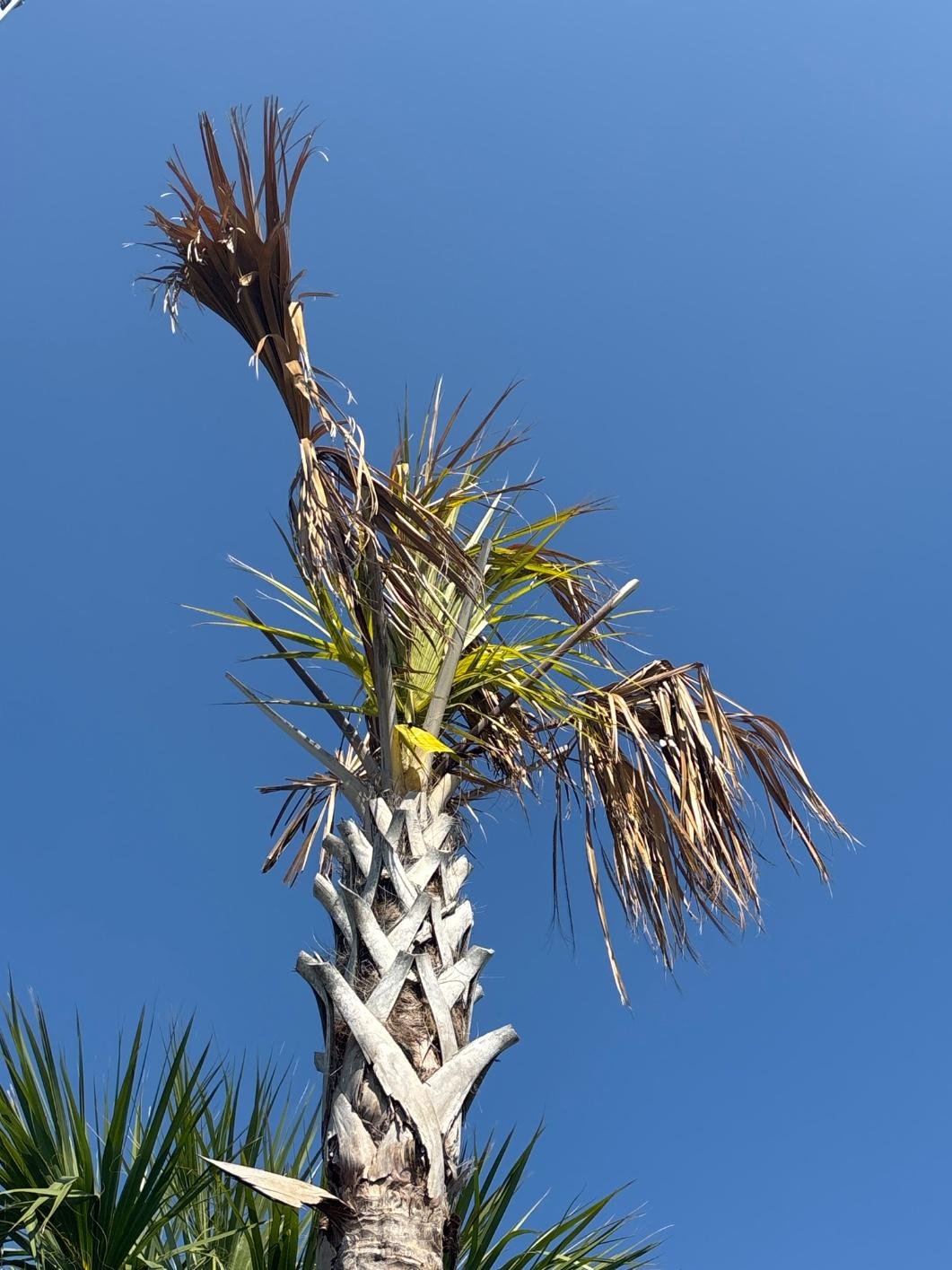
The faults we look for: palms set too deep, buried flares, a collapsed spear, frass at the crown, a root ball that crumbles, stakes nailed into a trunk, bubblers on one side of the ball. Jeff Kaulbars is a certified Landscape Inspector through the Landscape Inspectors Association of Florida (LIAF), trained to grade plant material to the state standard and inspect against the landscape plan.
A newly planted tree is the most expensive tree to lose twice: once to buy, once to replace.
How we do it
From the truck to established.
- Delivery inspection
On the day, before planting. Grades are verified at delivery.
- Installed inspection
After planting and within 30 days, inside the state's 30-day regrading window.
- Outcome per plant
Pass, fix and recheck, or reject. You accept or refuse. The installer fixes or replaces.
- Recheck and map
Failed items rechecked. Every plant mapped, with the date we first assessed it.
- Track decline and loss
Graded at each visit. A written notice the day we find one declining or dead. A closing report at the end.
What is included
What a new planting assessment covers.
Delivery inspection
Stock checked on the truck before it is planted: species, size and grade against the plan, defects, disease and pest signs. Canary Island date palm crowns are checked before any frond is trimmed.
Installed inspection
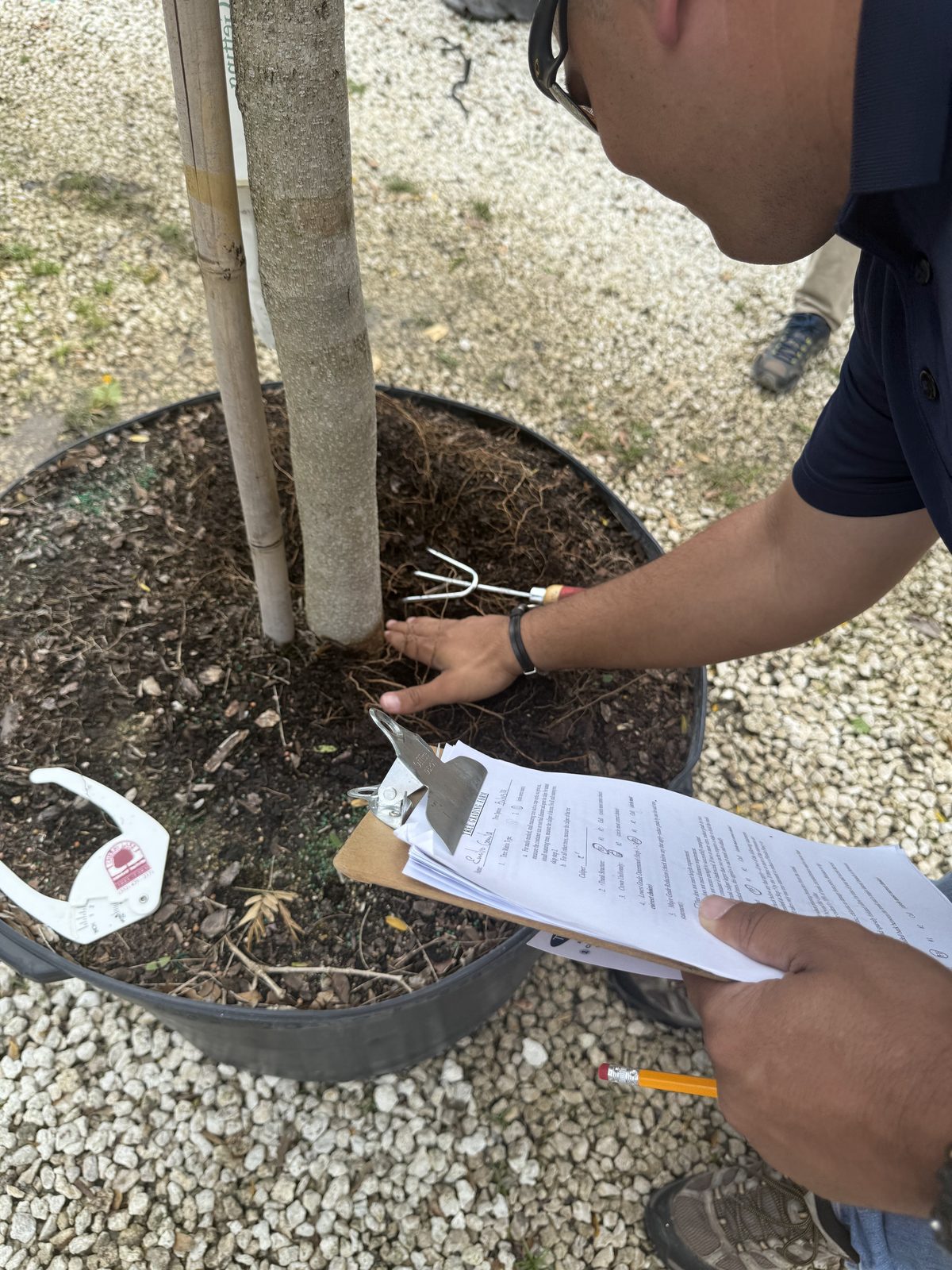
After planting, before or after you accept: planting depth, flare, root ball, staking, irrigation and mulch, plus a second look at the stock.
Graded to the state standard
Florida Fancy, Florida No. 1, Florida No. 2 or Cull, verified on the plant's condition that day. On a Cull, we recommend refusing it.
A finding per plant
Pass, fix and recheck, or reject, as our finding and recommendation, reviewed by an ISA Certified Arborist, in a report that lists every plant. No sign-off unless you ask for one in writing.
Recheck
After the installer fixes a failed item, we recheck that item. Rechecks are dated records, never overwrites.
Mapped and dated
Each assessed palm and tree goes into our GIS inventory with its ID and photo. The date we first assess it opens its record.
Priced on its own lineSupplying, planting, staking, watering or replacing plants (the installer's), lab fees, and establishment care.
Request a new planting assessmentbuild it into a 10-year Master Plan
Dead and declining tracking
Then we watch every install for decline and loss.
We record the date we first assess each new palm and tree. Every tracked palm and tree is graded and photographed from the same points at each visit.
When we find one declining or dead, it goes to you in writing with its ID, status, likely cause and how sure we are, the photos, the date we first assessed it and the date we found it. The notice says: "This tree died. It might be under your warranty."
We do not know or track the installer's warranty terms or dates, and we make no claims. The warranty and acceptance are between you and your installer. A replacement gets its own initial assessment.
Install faults we rule out before any disease call
- Planting depth
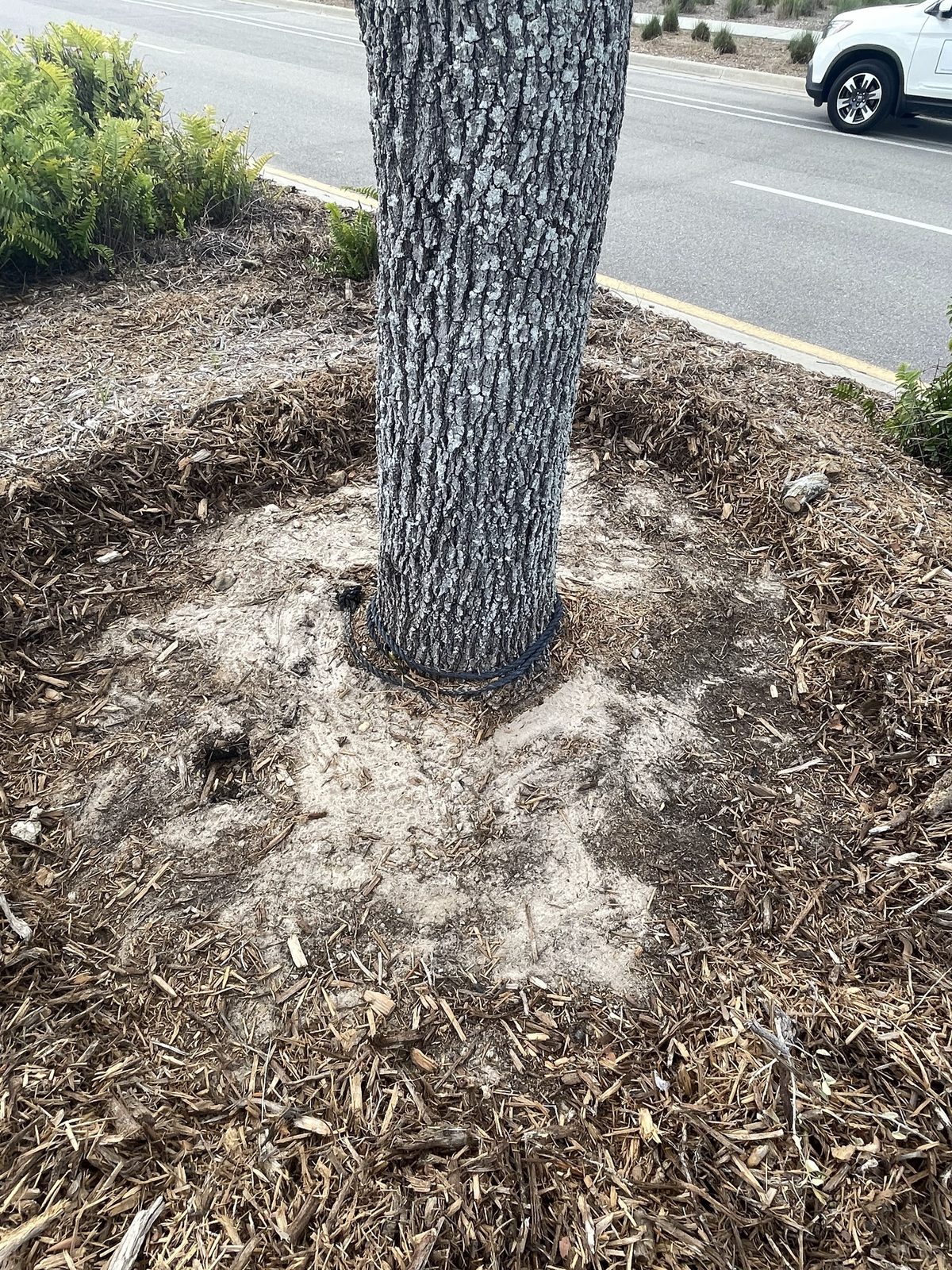
- A buried flare or a mulch volcano
- Staking damage
- Irrigation that is off, short or not reaching the ball
- Compacted soil
What an inspection finds
Small install faults turn into dead trees later.
Each of these is cheap to fix on install day and costly to find years later. They are what we look for in the initial assessment.
Standards we work to
The standards the installer signed up for.
Our lines
- Culls: we recommend refusing them.
- A palm buried more than 6 in: reject.
- Active lethal bronzing zone on the property: no new palms in or next to it until it is cleared.
- Confirmed Fusarium wilt site: no Phoenix or queen palm as the replacement.
- Substitutes are your call and the landscape architect's. We do not approve them.
- We promise the inspection, not the plant's survival.
Four grades: Florida Fancy, Florida No. 1, Florida No. 2 and Cull. Where Collier code applies, code-required landscaping must be Florida No. 1 or better.
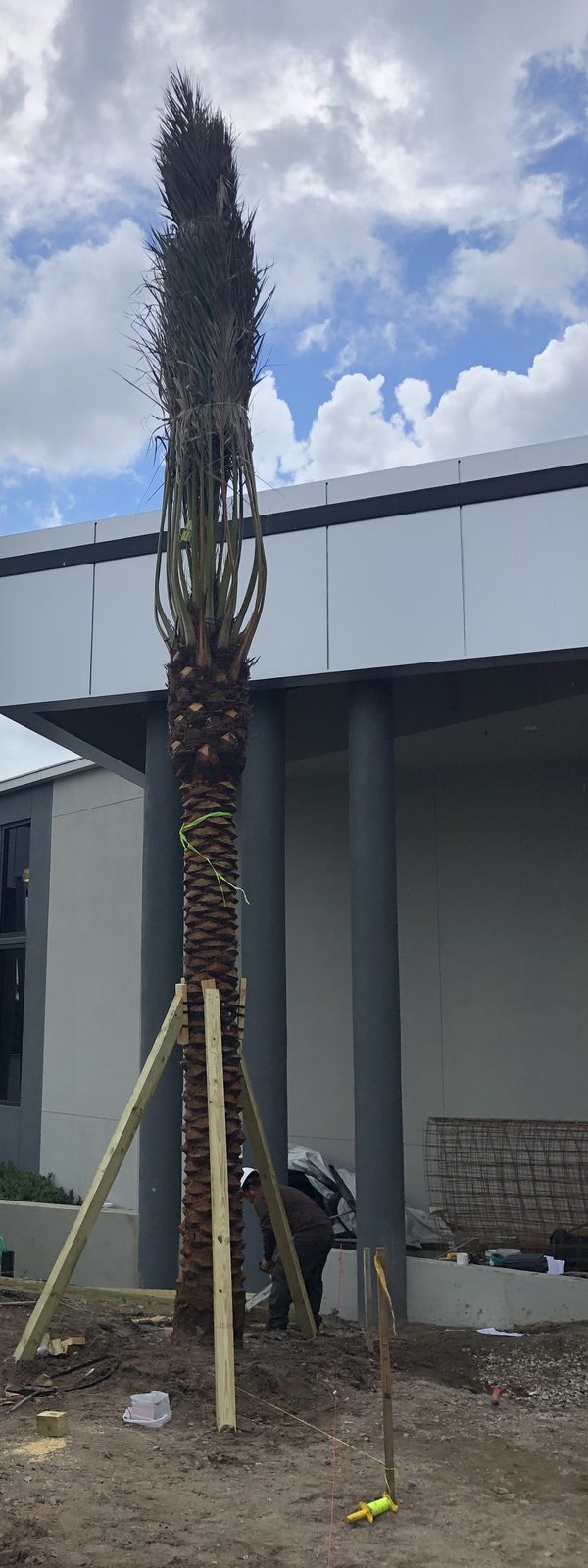
Flare at or above finished grade. An easily corrected defect may be fixed before the plant is accepted.
Tree root ball size matched to trunk caliper.
Training in plan review, installation, plant identification and grading of plant material.
Sources: Ptolemy New Planting Assessment and Dead and Declining Palm and Tree Tracking specs; Florida Grades and Standards for Nursery Plants, FDACS; ANSI A300 Part 6; ANSI Z60.1; Collier County General Landscape Requirements.
Palm planting depth
How deep a palm sits decides its root grade.
Measured at the root-initiation zone, the point where roots start on the trunk.
| Depth below grade | Root grade | What happens |
|---|---|---|
| At grade to about 1 in | Normal | Pass |
| 1 to 2 in | Fair | Fix and recheck |
| 2 to 4 in | Poor | Fix and recheck |
| 4 to 6 in | Poor, correct urgently | Fix and recheck |
| More than 6 in | Critical | Reject |
On the job
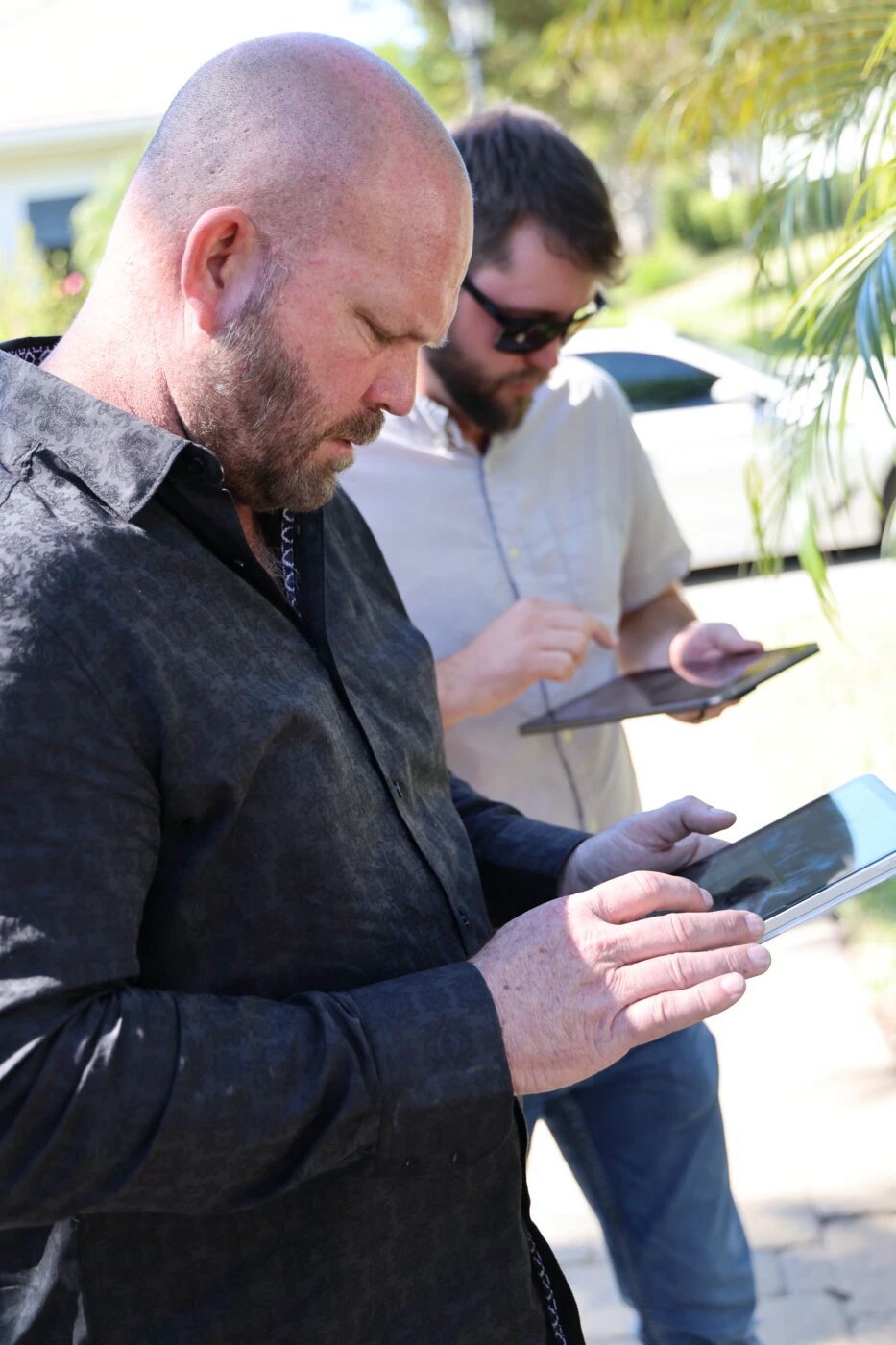
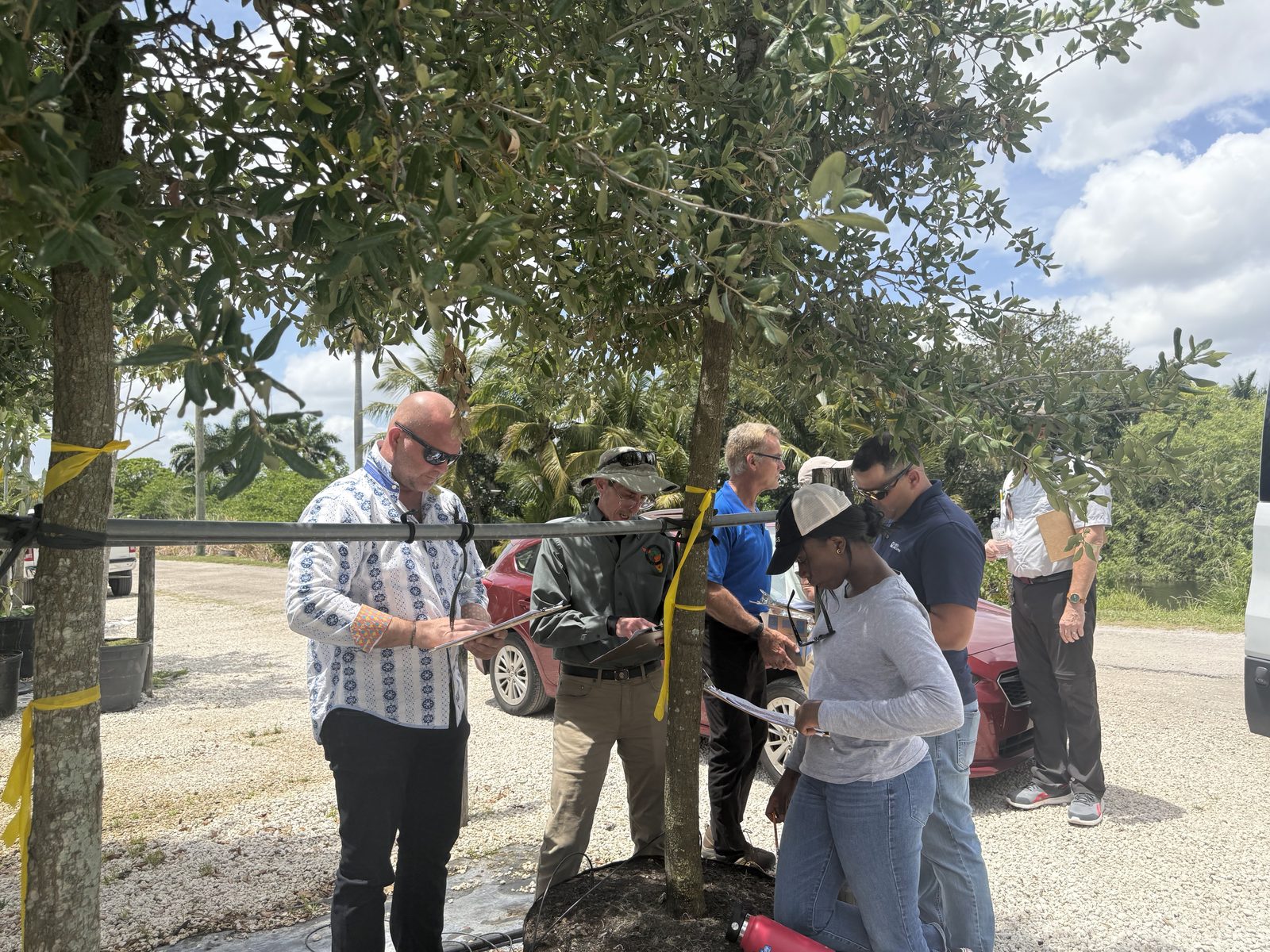
New planting assessment, in the field.
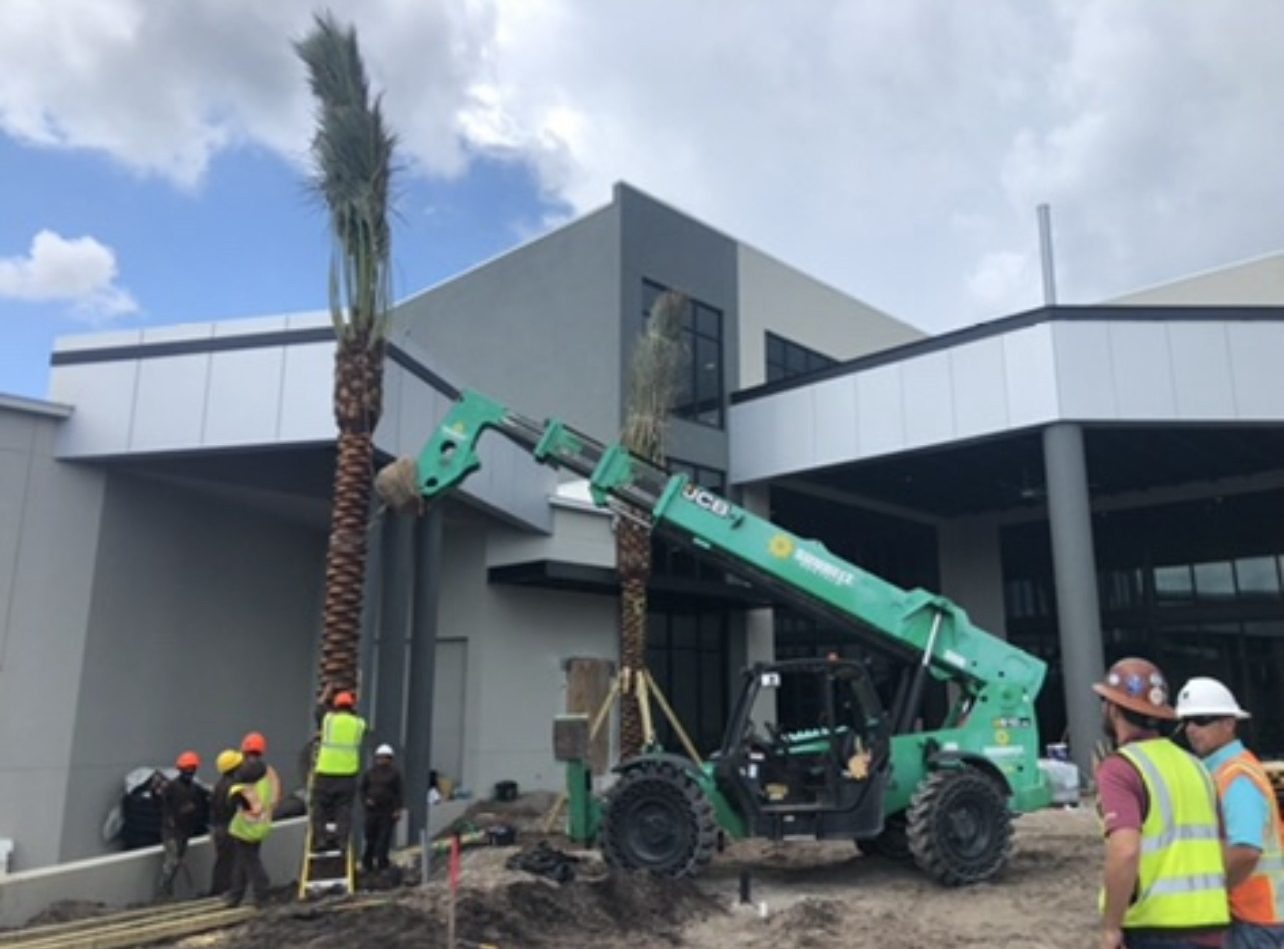
On install day
Big palms, tight sites, heavy machines.
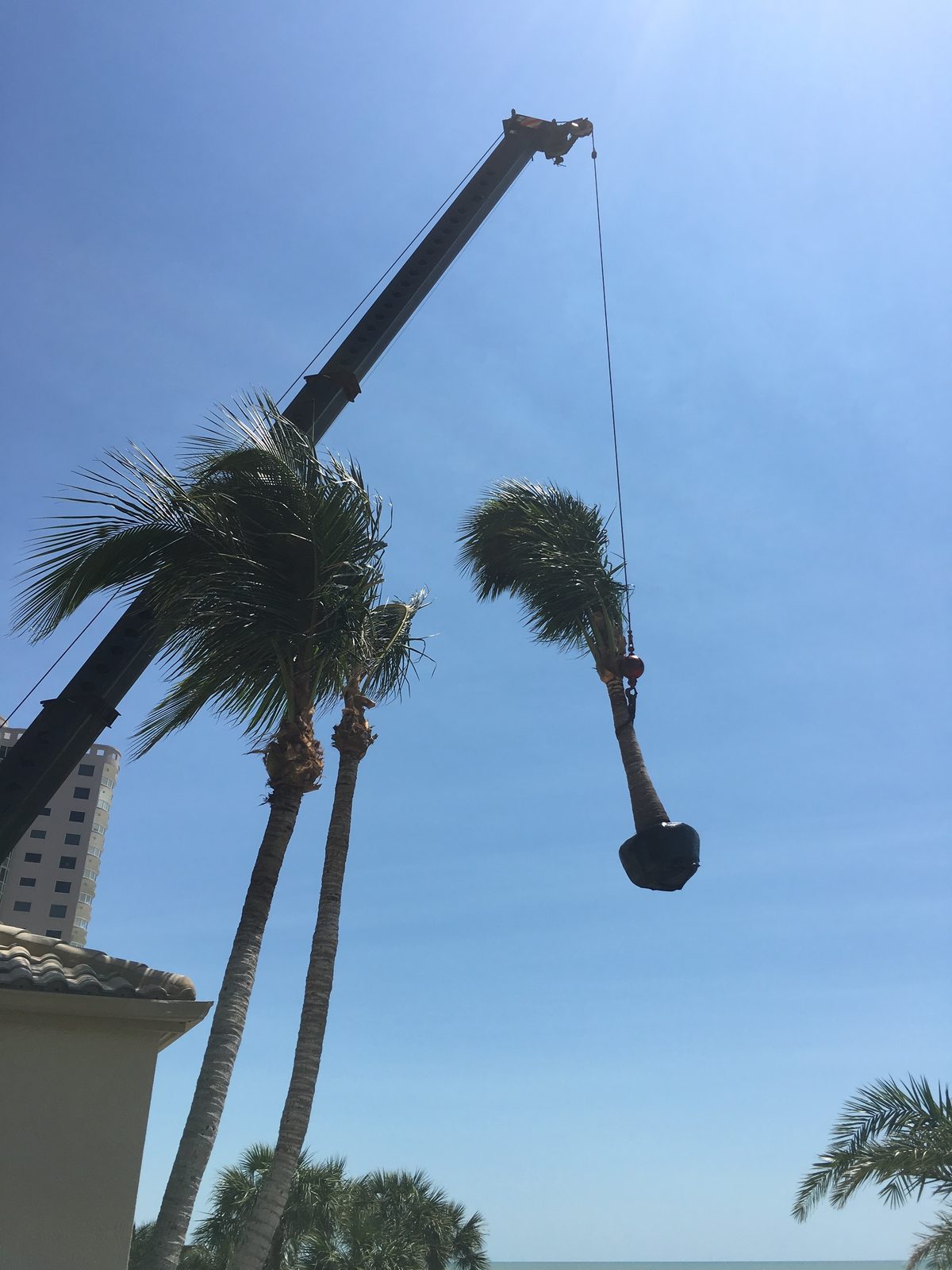
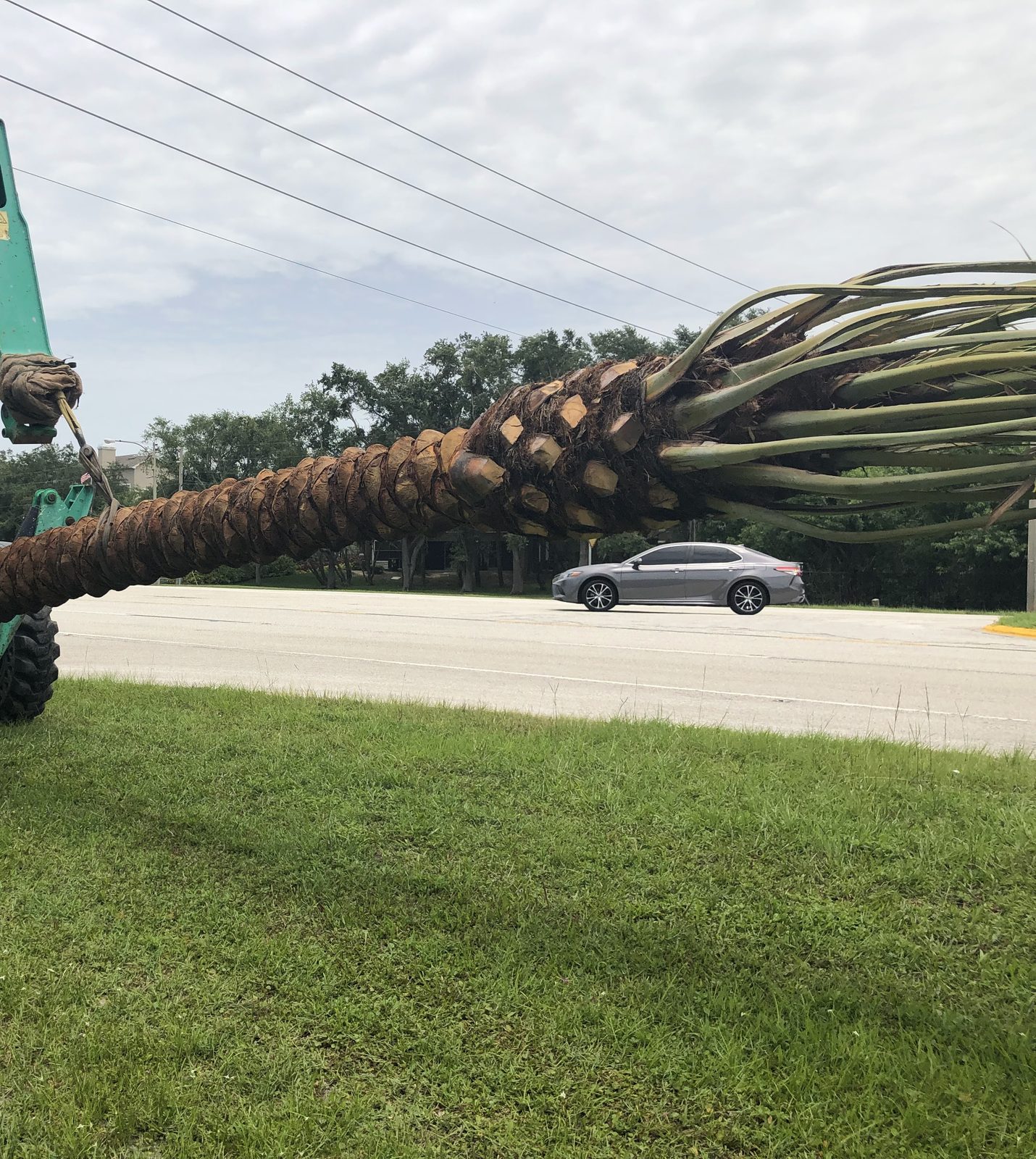
Lifting and moving is where trunks get scarred and root balls break. Every install like these is worth an initial assessment.
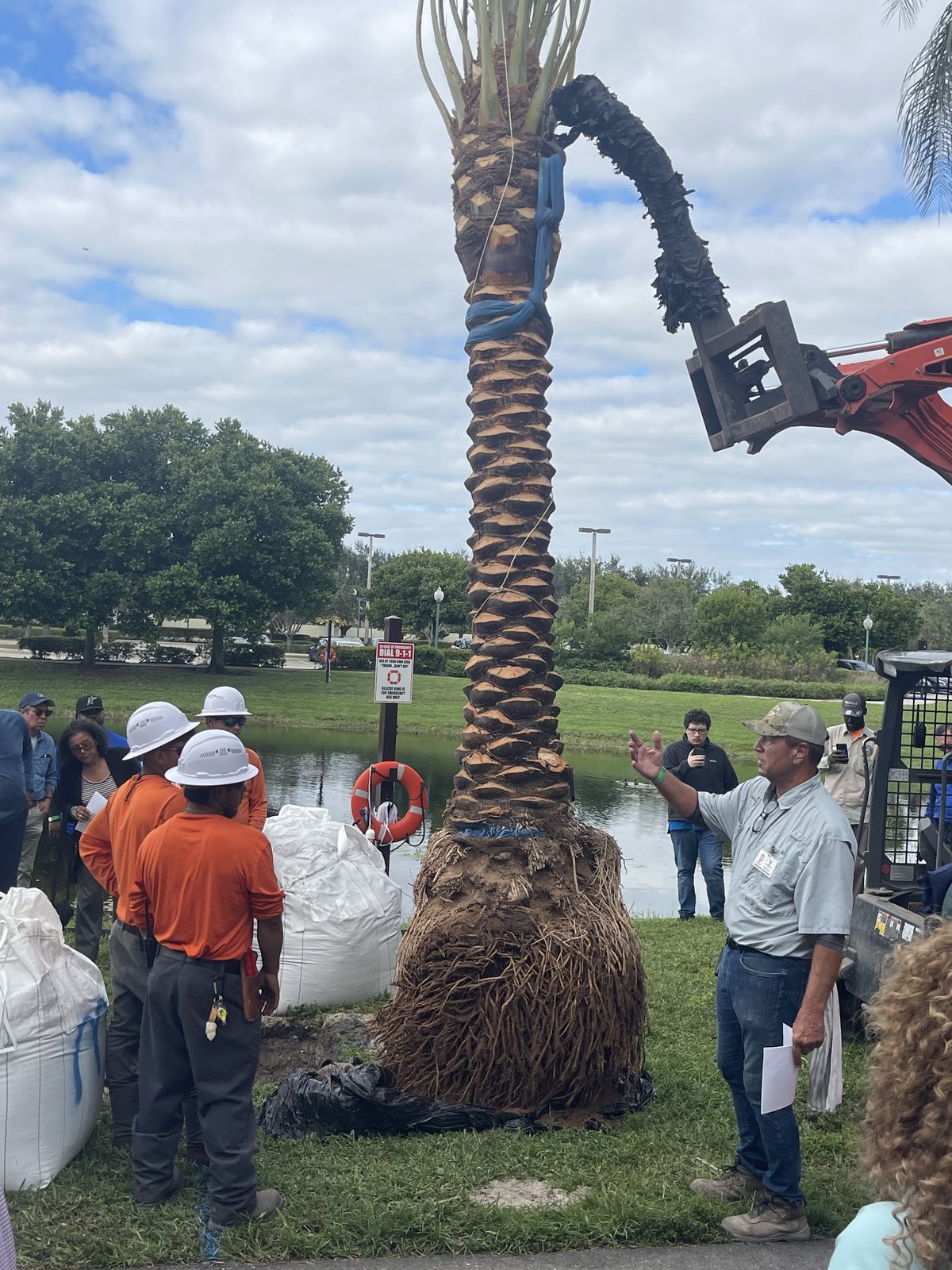
Trained to the standard
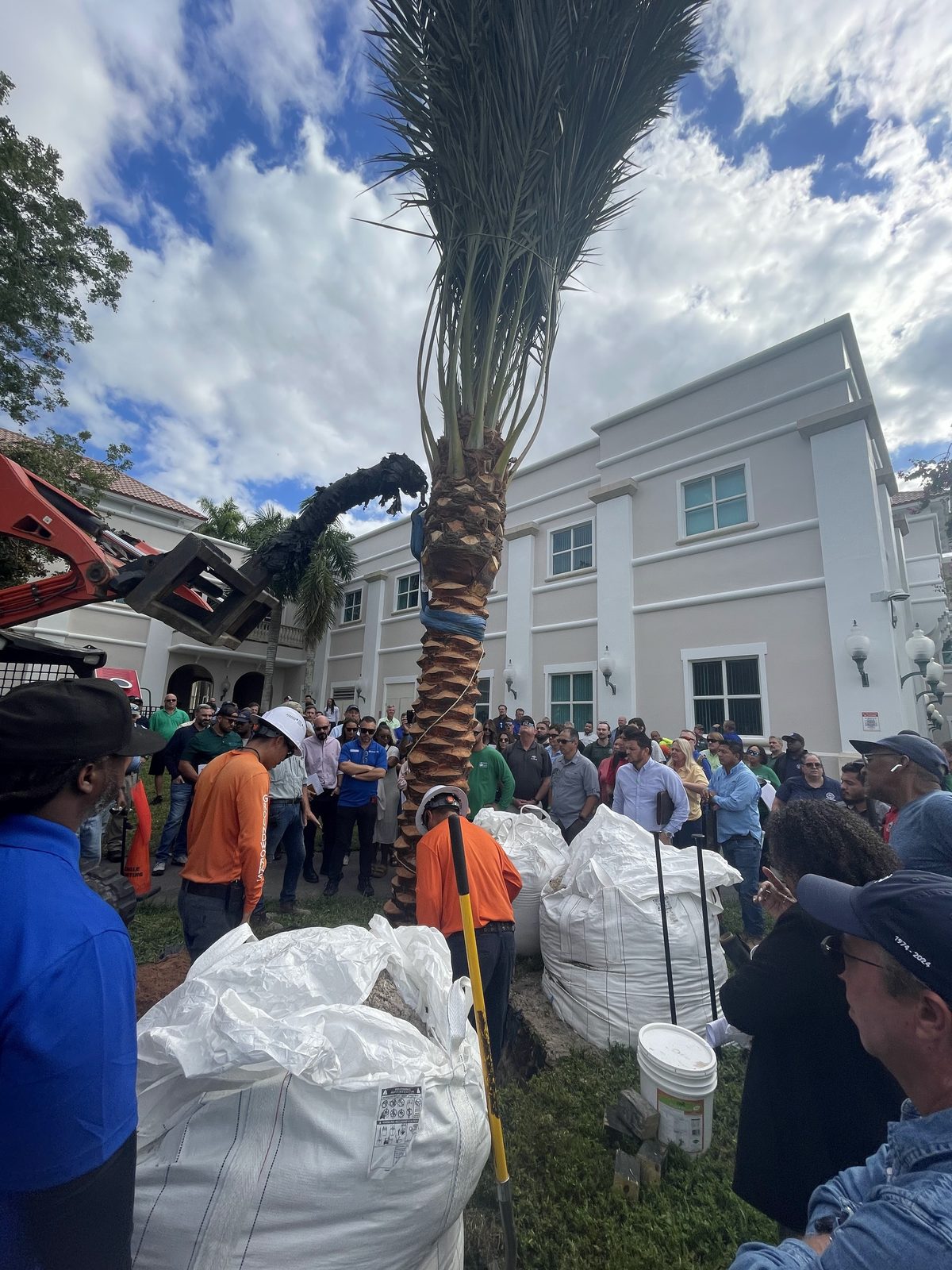
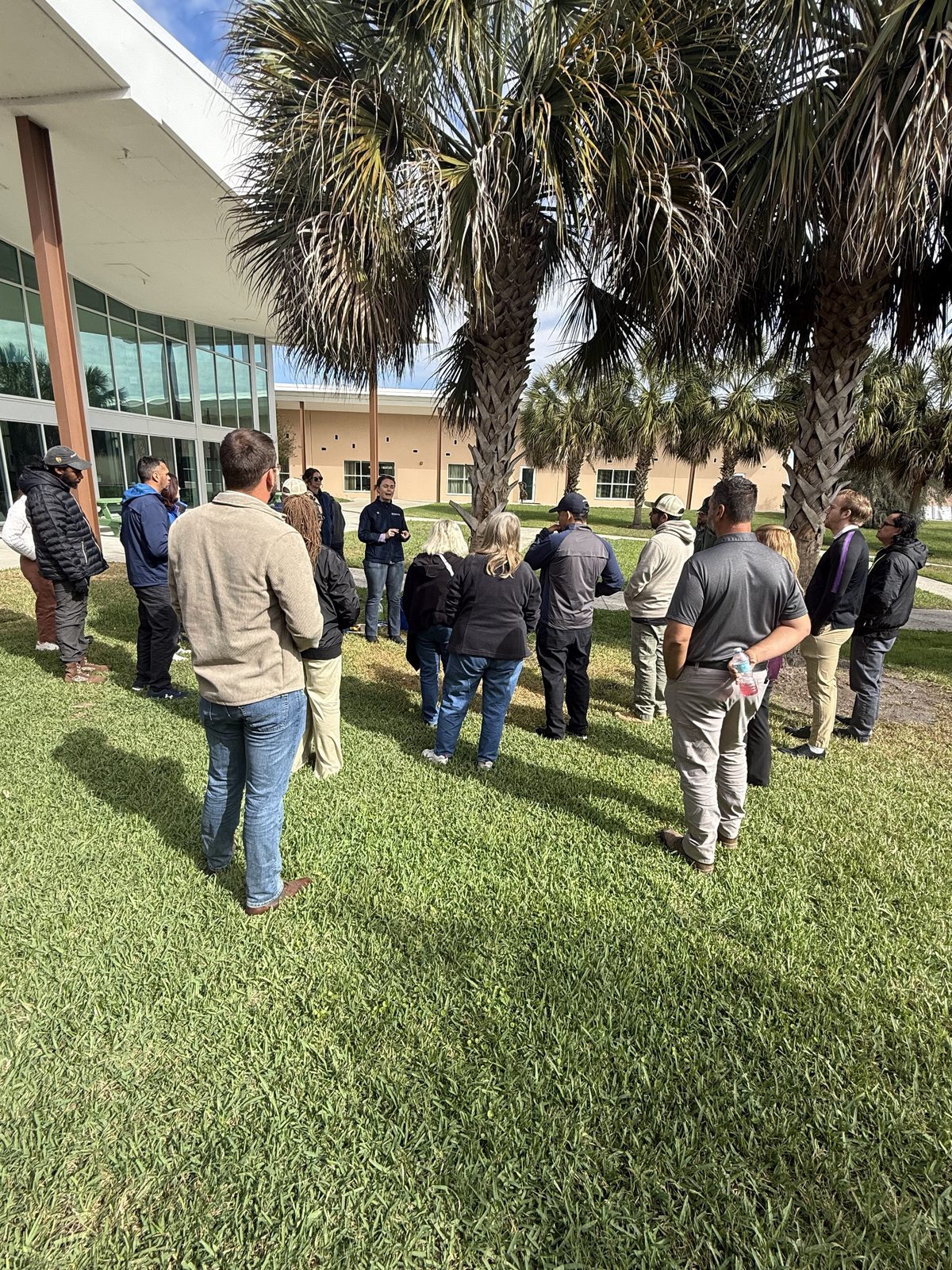
Grading plant material is a learned skill.
Our inspector holds the Landscape Inspector certification from the Landscape Inspectors Association of Florida (LIAF), and we keep going back to class.
Who it is for
Written for the people who answer for the trees.
- CDD and ISD boardsThousands of new installs, each assessed to the state standard and reported to the district.
- Master-planned communitiesBuilder phases turning over common areas, with every plant on record.
- Community association managersA report that shows the board exactly which plants passed and which go back.
- Commercial property managersNew landscape on a renovation, checked before the final payment.
Inside a plan
New planting assessment sits under Monitor.
On a Palm and Tree Master Plan, every new install gets an initial assessment and the findings are reported to you, at every level of the plan. Each one is then tracked for decline and loss, with the date we first assessed it and the date we find it dead or declining.
Questions
Questions managers and boards ask.
Still have a question? Call (239) 467-0142 or send a request.
Isn't this the landscape architect's job?
What grade should our plants be?
What if the installer disagrees with a grade?
How deep should a palm be planted?
Do you install or replace plants?
Do you track the installer's warranty?
Next step
New plants arriving soon?
Call before the trucks do. We assess at delivery and again after planting, before or after you accept.