What We Check When New Trees and Palms Go In
We assess every new planting against the plan and report what we find, before or after the community accepts it. What happens next is up to the community and its installer.
 Jeff Kaulbars
In this note 5 sections
When an installer finishes a planting, the community decides whether to accept it. That process is between the community and the installer. Our part is the assessment: what we find on each palm and tree, in writing, so the community decides with the facts in hand.
Why an inspection credential matters
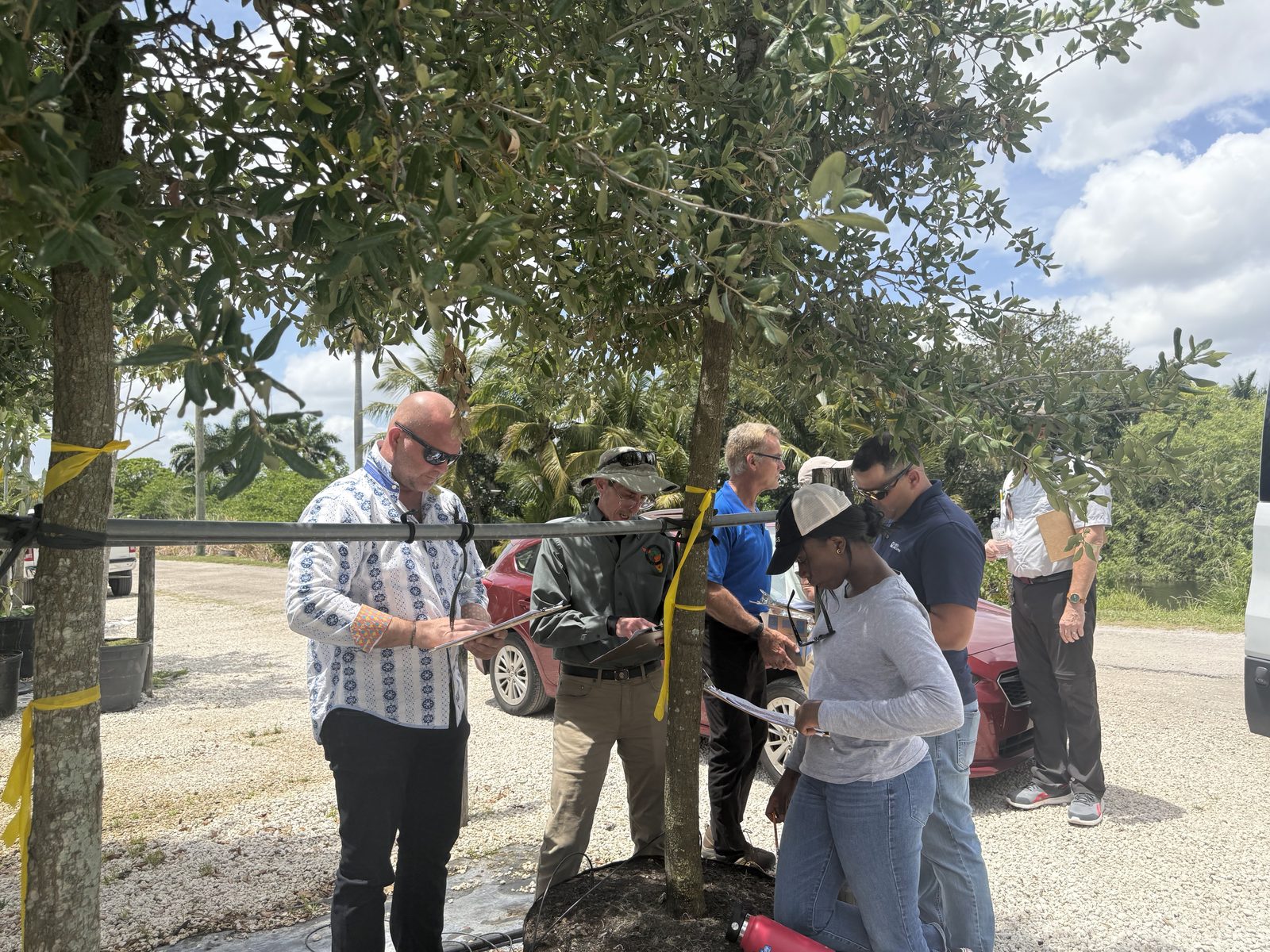
Jeff Kaulbars, our owner and an ISA Certified Arborist, holds Certified Landscape Inspector credentials (LIAF). Our new planting assessment checks each install against the approved plan, the nursery grade, county code where it applies, and our planting standard. Ptolemy does not install, so we are never inspecting our own work.
Our assessment sits alongside the county's inspection and any certificate from the landscape architect of record. It replaces neither.
What we check
Every palm and tree is inspected all the way around, photographed, and tied to its ID in our GIS inventory. The delivery inspection happens on the truck, before planting. The installed inspection happens after planting, before or after the community accepts.
- Species and size against the approved plan. A substitute is the client's and the landscape architect's call, not ours.
- Grade under Florida Grades and Standards, verified at delivery. Where Collier County code applies, code-required plants must be Florida No. 1 or better. Where the plan names no grade, we hold to Florida No. 1. On a Cull, we recommend refusing it.
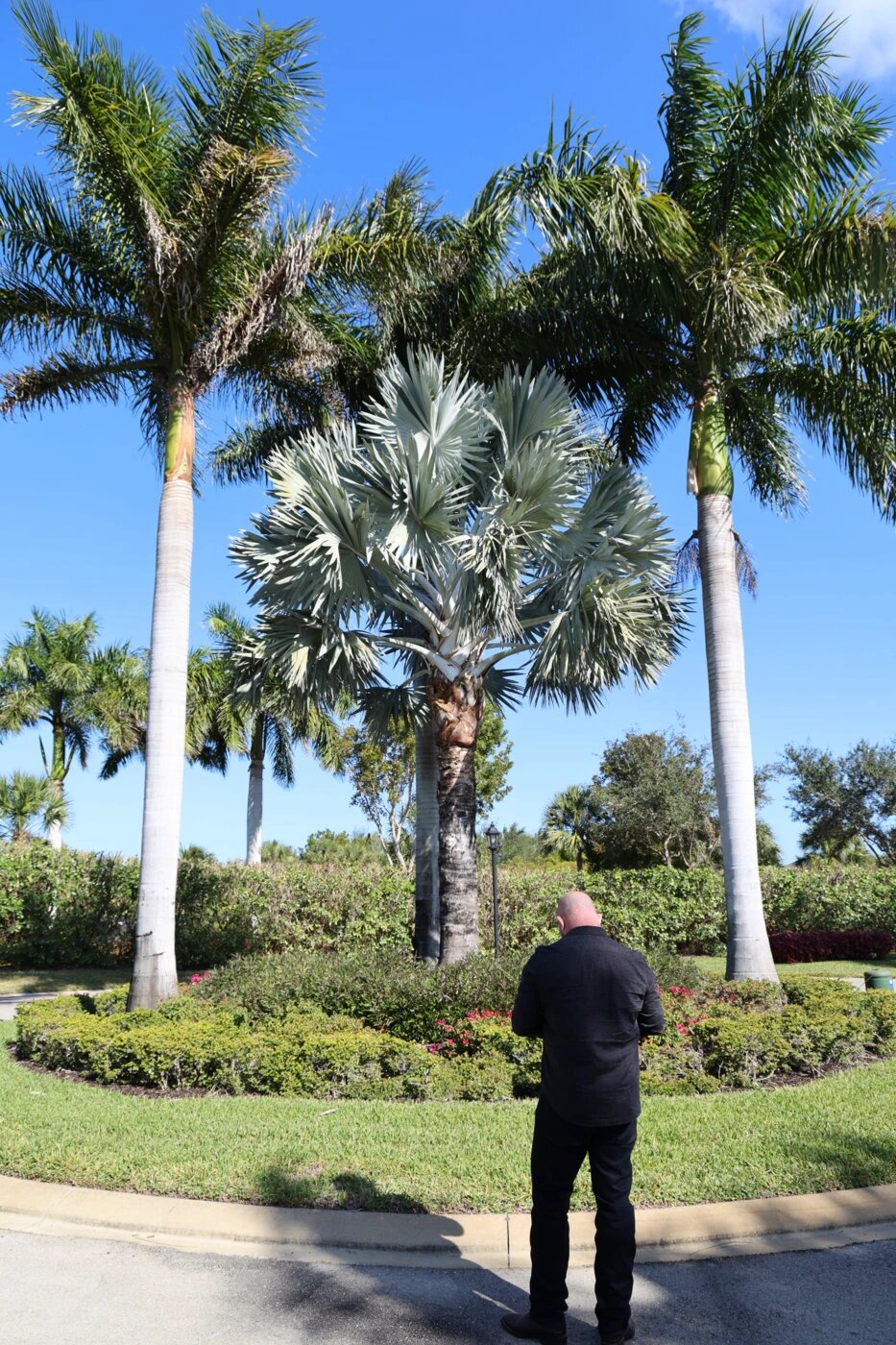
- Palm stock: a loose or collapsed spear, boring holes at the leaf bases, soft spots or conks at the base, a crumbling or undersized root ball, or chain, cable, or impact wounds on the trunk.
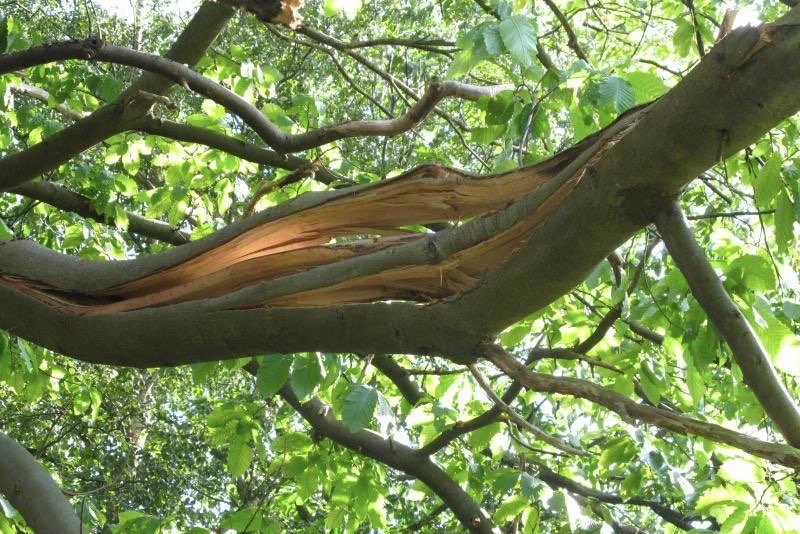
- Tree stock: one dominant leader, no included bark, flare visible at the top of the ball, no circling or kinked roots.
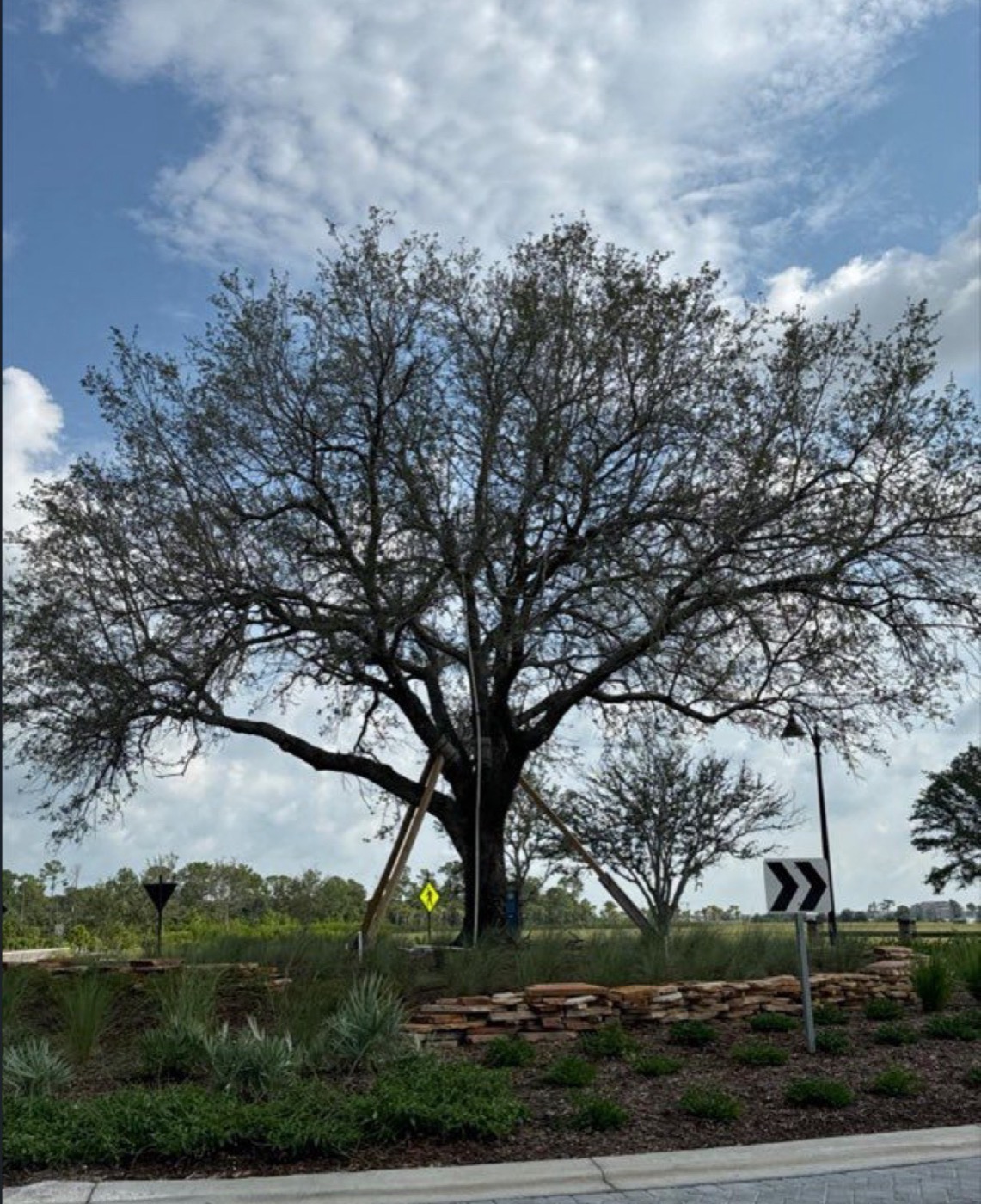
- Staking, irrigation, and mulch. Nothing nailed, cabled, or chained into a palm.
Planting depth
A palm's root zone should sit at grade to about 1 inch below. We grade over-planting by the inch:
- At grade to about 1 inch deep: Normal.
- 1 to 2 inches: Fair. Fix and recheck.
- 2 to 6 inches: Poor. Fix and recheck, urgently past 4 inches.
- More than 6 inches: Critical. Reject.
Past about 6 inches, a palm cannot grow new roots up to the new level, and the buried roots suffocate. A too-deep palm reads as a flareless telephone pole. On a tree, the bottom of the trunk flare belongs at or above finished grade. A buried flare is reported to the installer the same day.
Outcomes and timing
Each plant gets a finding: pass, fix and recheck, or reject. The community decides what to do with it. The installed inspection is best done within 30 days of planting, inside the state's 30-day window for requesting a regrading by the Division of Plant Industry. We record the date we first assess each plant, and the date we find one dead or declining. We promise the assessment, not the plant's survival.
After the first assessment, new plantings on our Health Program go into the Establishment Program at the level the plan sets: the water delivered, the rain at each planting and the root ball moisture recorded every visit. Every new tree gets 2 years on the establishment schedule, then regular monitoring on the Health Program.
Site history changes what can go in. On a property with an active lethal bronzing zone, no new palms or sod go in or next to the zone until it clears, and if an install must go ahead, high-value palms are tested first and positives are rejected. At a confirmed Fusarium wilt site, no Phoenix or queen palm goes in.
What to do
If your community has a planting or replacement job coming, ask us for the free master plan before the installer finishes. A new planting assessment puts what we find on each palm and tree in writing, and the community takes it from there.