Florida Grades and Standards: What "Florida No. 1" Means for Your New Palms
The state grades every nursery palm and tree, and the grade is checked the day it arrives, while a defect is still the installer's.
 Jeff Kaulbars
A new community can take delivery of thousands of palms and trees in a single phase. Once they are accepted, the community pays to maintain them and, if they fail, to replace them. The cheapest moment to catch a bad plant is the day it arrives.
The four grades
Florida's Department of Agriculture and Consumer Services, through its Division of Plant Industry, publishes Grades and Standards for Nursery Plants. Every nursery plant, palms included, falls into one of four grades:
- Florida Fancy: the top grade.
- Florida No. 1: the grade most plans and contracts call for.
- Florida No. 2: plants with flaws. University guidance notes a No. 2 plant may be misshapen but can sometimes outgrow it.
- Cull: plants that will not outgrow their defects.
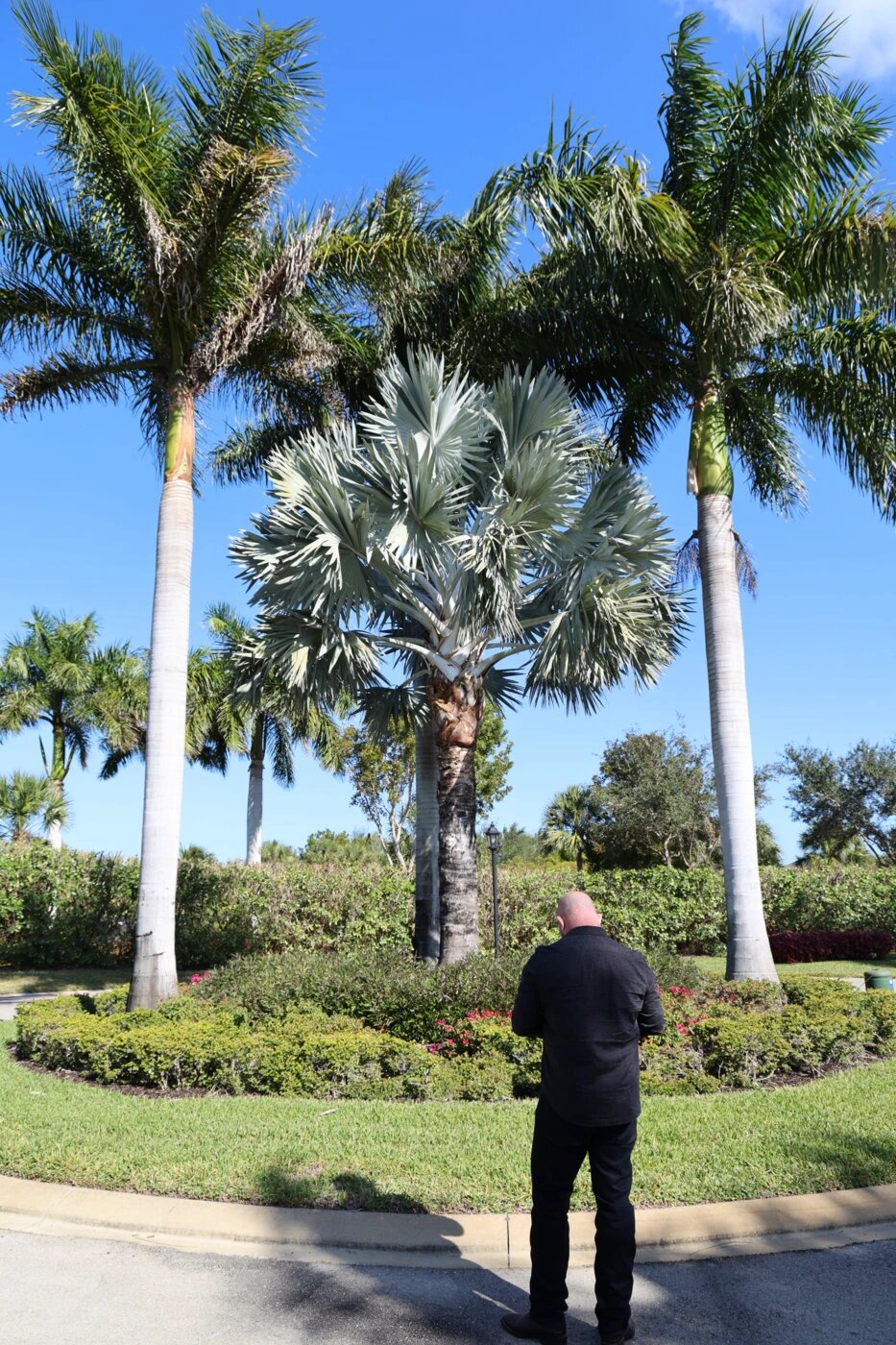
Palms are graded on their leaves (canopy and leaf count), their trunk and their root ball.
Graded the day it arrives
The grade is checked at delivery, on the plant's condition that day, not on how it looked in the field or how it might grow. Our approved acceptance standard works like this:
- The required grade is whatever the plan or contract says.
- When the plan names no grade, we hold to Florida No. 1.
- Where Collier County code applies, code-required landscaping must be Florida No. 1 or better. Code canopy trees there start at a 25-gallon container, 10 feet tall, 1 3/4 inch caliper measured at 12 inches, and a 4-foot spread.
- On a Cull, we recommend refusing it.
- Within 30 days after delivery, a party to the installation contract can ask the Division of Plant Industry for a regrading inspection.
Why an inspection credential matters
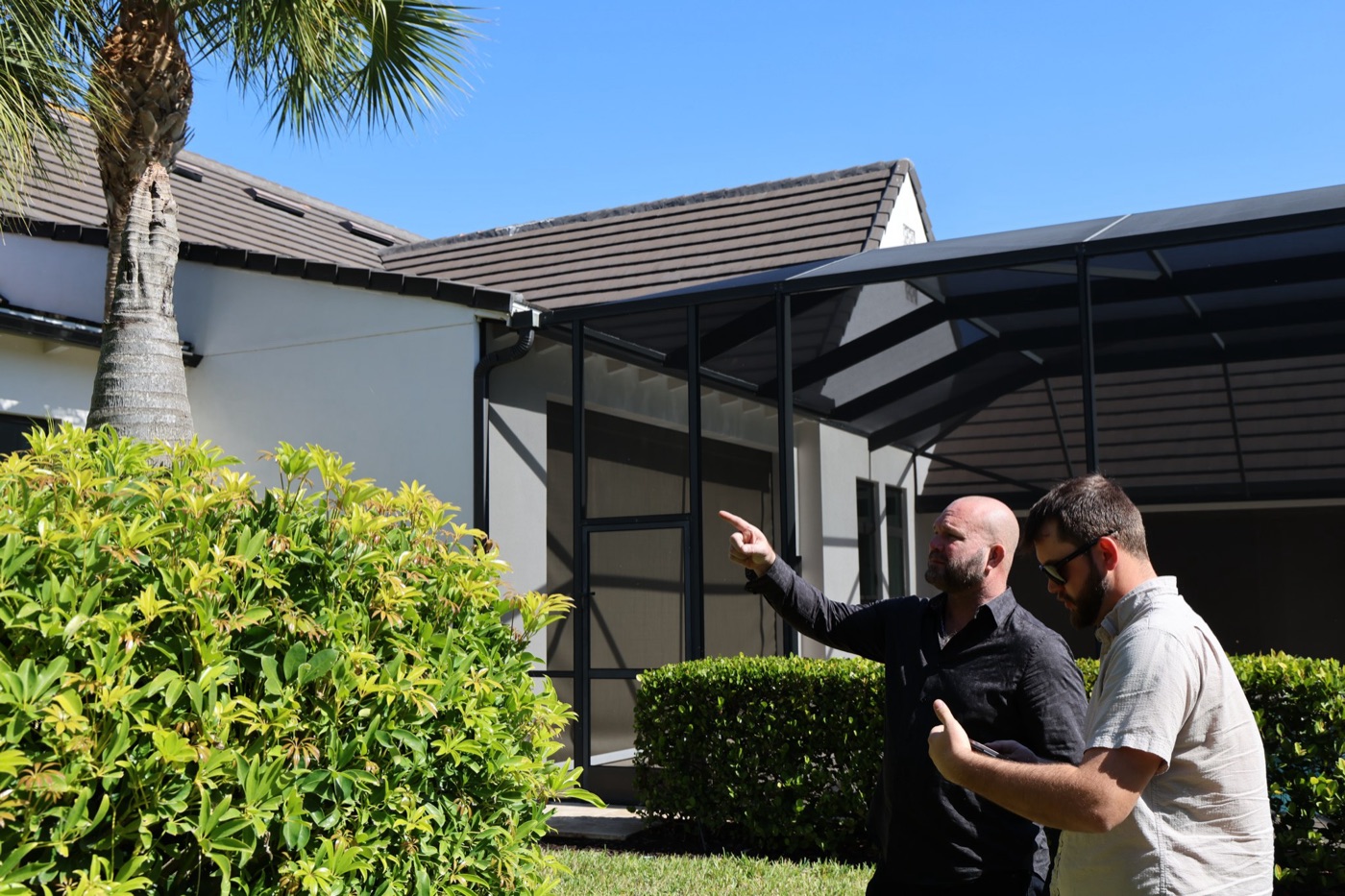
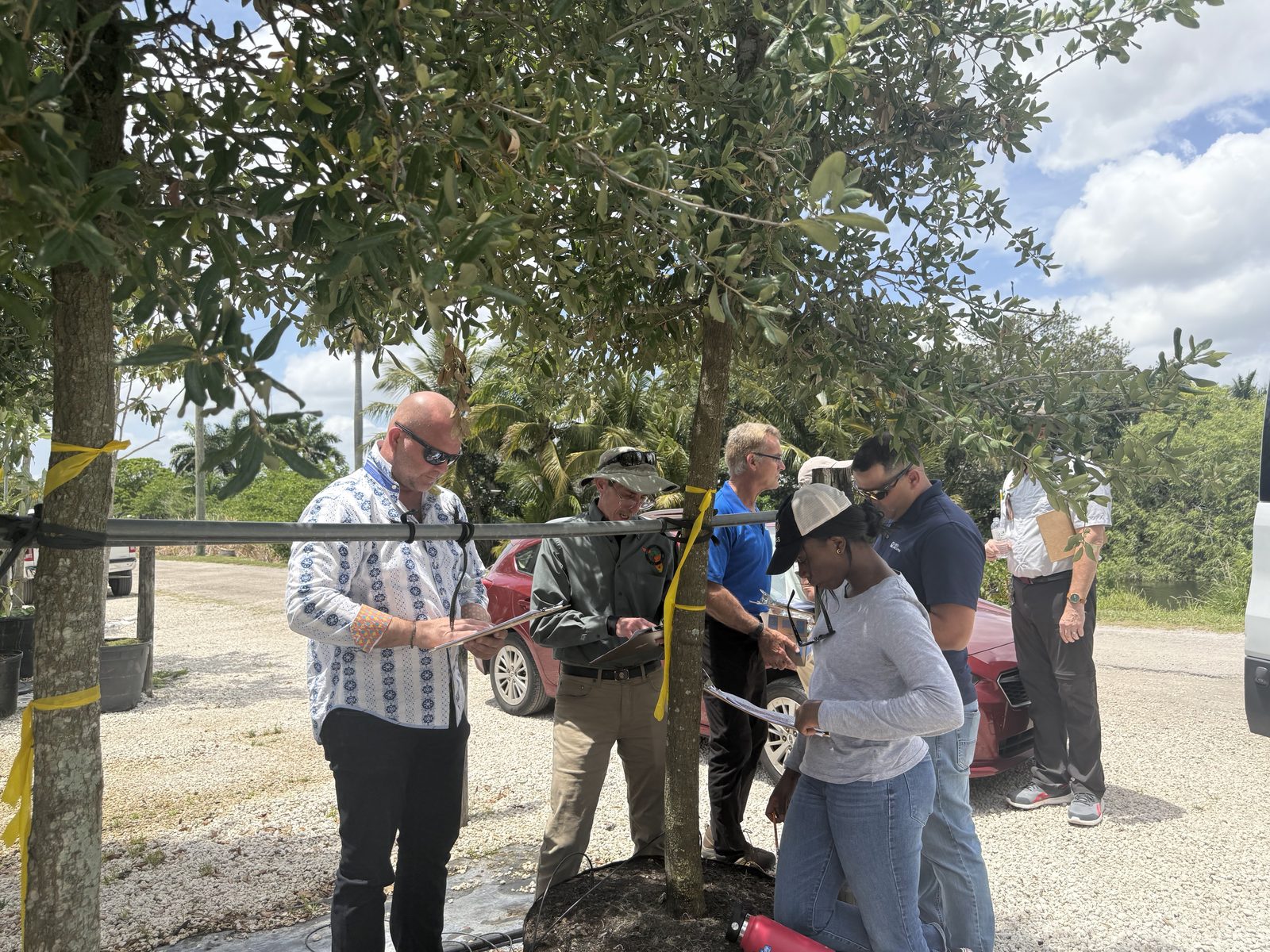
Jeff Kaulbars is a certified Landscape Inspector through the Landscape Inspectors Association of Florida (LIAF). LIAF was founded in 1983 to train and certify the people who inspect landscapes against plans, codes and Florida's grading standards. Certification takes related education and experience, a review course and a proctored exam. Many cities require it for their own landscape inspectors.
Jeff's view after years of walking new developments is that a good share of what goes into the ground "would not make the grade." Ptolemy does not install, so we are never inspecting our own work.
What we look for on a palm
- A loose or collapsed spear.
- Boring holes at the leaf bases.
- Soft spots or conks at the base of the trunk.
- A crumbling or undersized root ball.
- Chain, cable or impact wounds on the trunk. A palm cannot wall off a wound, so every one of those is permanent.
- Planting depth. A palm set more than 6 inches too deep is graded Critical and rejected.
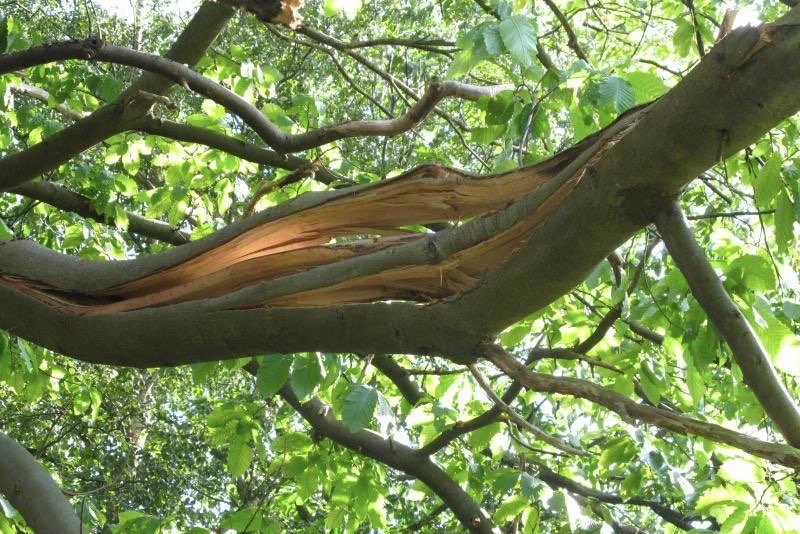
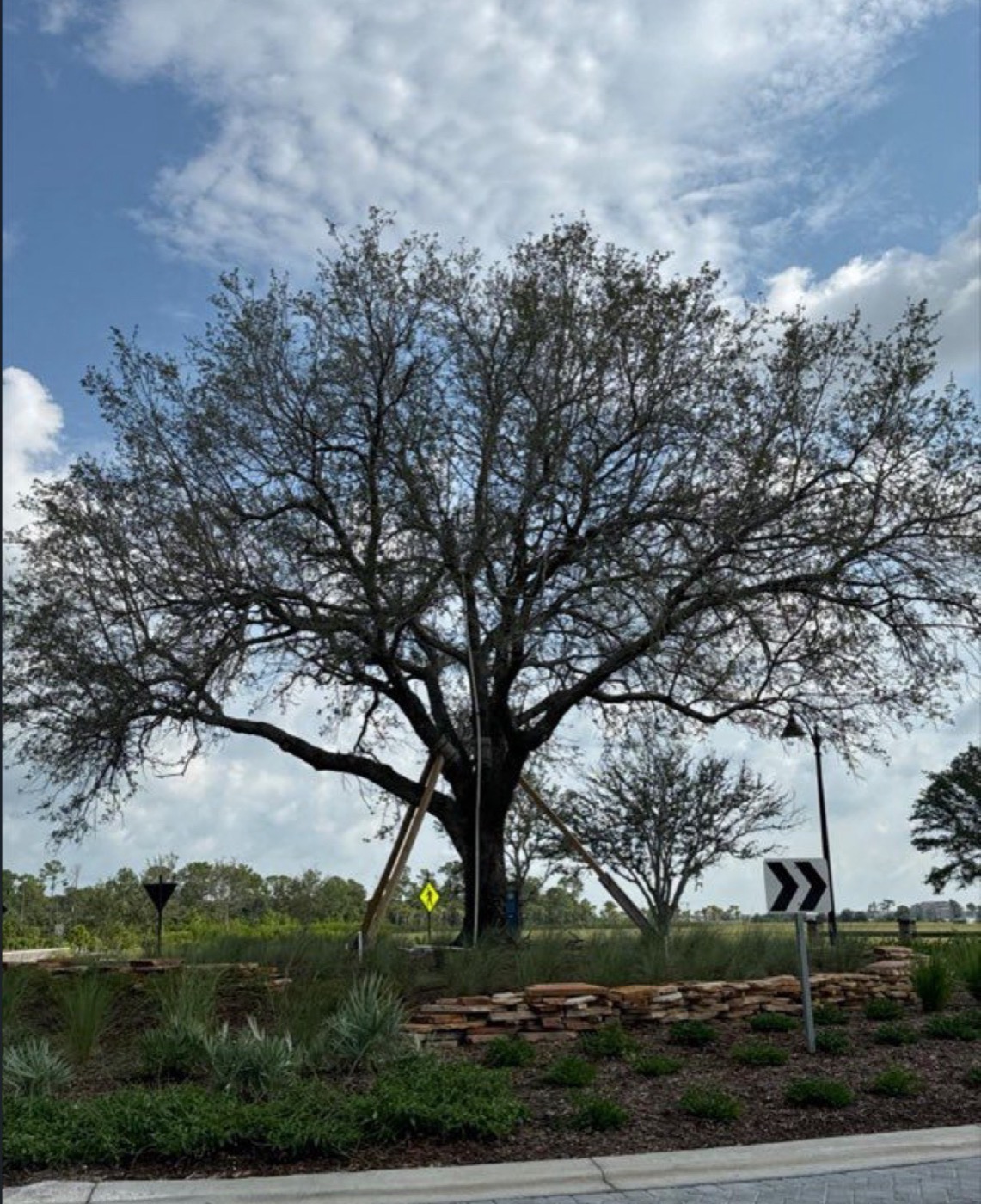
On trees we look for one dominant leader, no bark trapped in the forks, a trunk flare visible at the top of the ball, and no circling or kinked roots.
Inside the 30-day window
Our installed inspection is best done within 30 days of planting, inside the window for asking the state to regrade. Every plant we assess opens a record with the date we first assessed it. If something fails later, the record shows how it graded that day.
Pass, fix or reject
Each plant gets one of three outcomes: pass, fix and recheck, or reject. Every one is photographed all the way around and tied to its ID in our GIS inventory. The community decides what to accept. We promise the inspection. Nobody can promise that a living plant survives.
What to do
If your community has a planting phase coming, ask us for the free master plan before the trucks arrive. The plan and an initial assessment of every install put each defect in front of you while it is still the installer's to fix.