Prescription Pruning: Why Every Cut Should Have a Reason
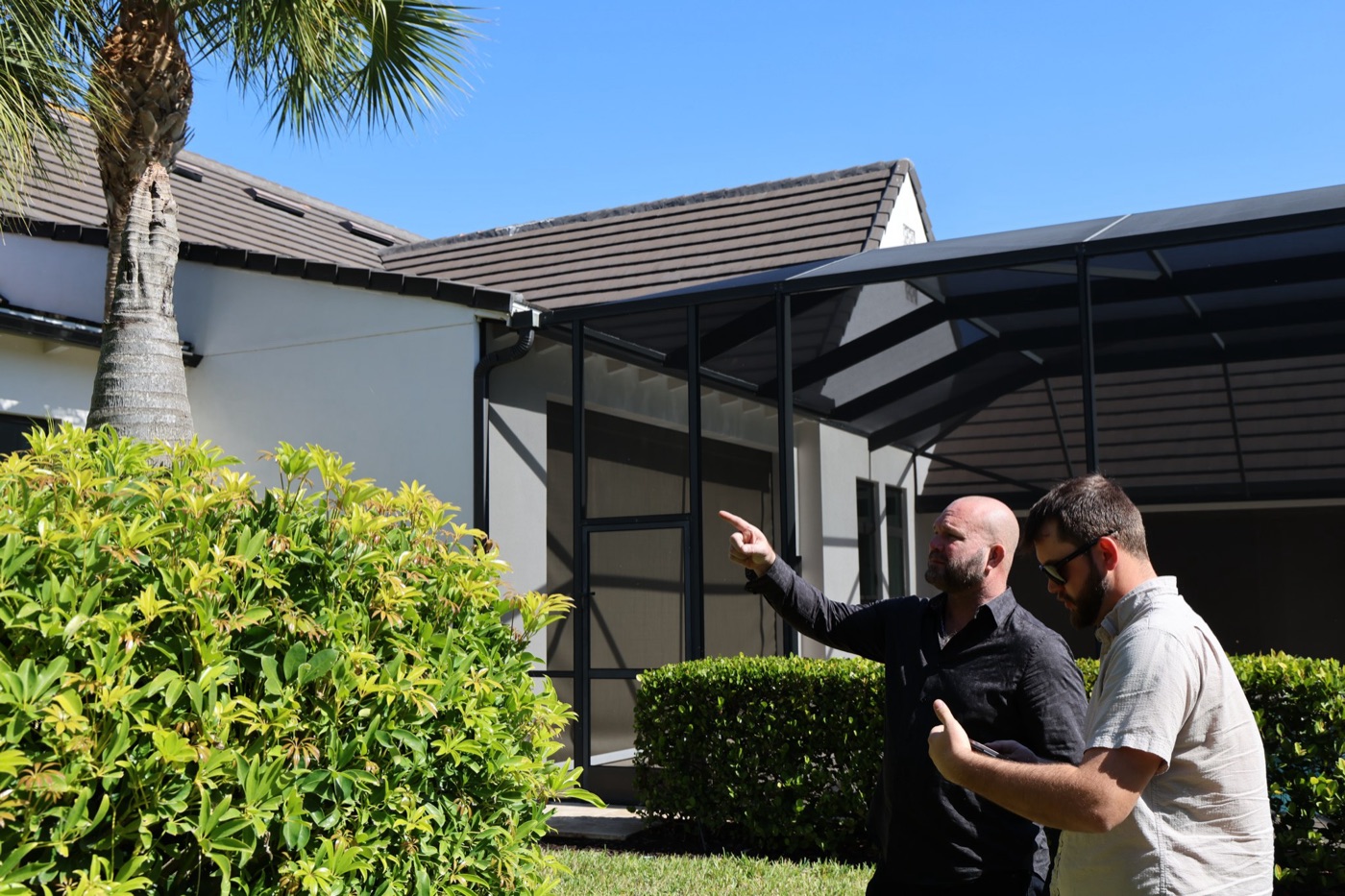
Jeff Kaulbars holds the Florida Chapter ISA Prescription Pruning Qualification, and every tree we prune gets a written prescription before the first cut.
 Jeff Kaulbars
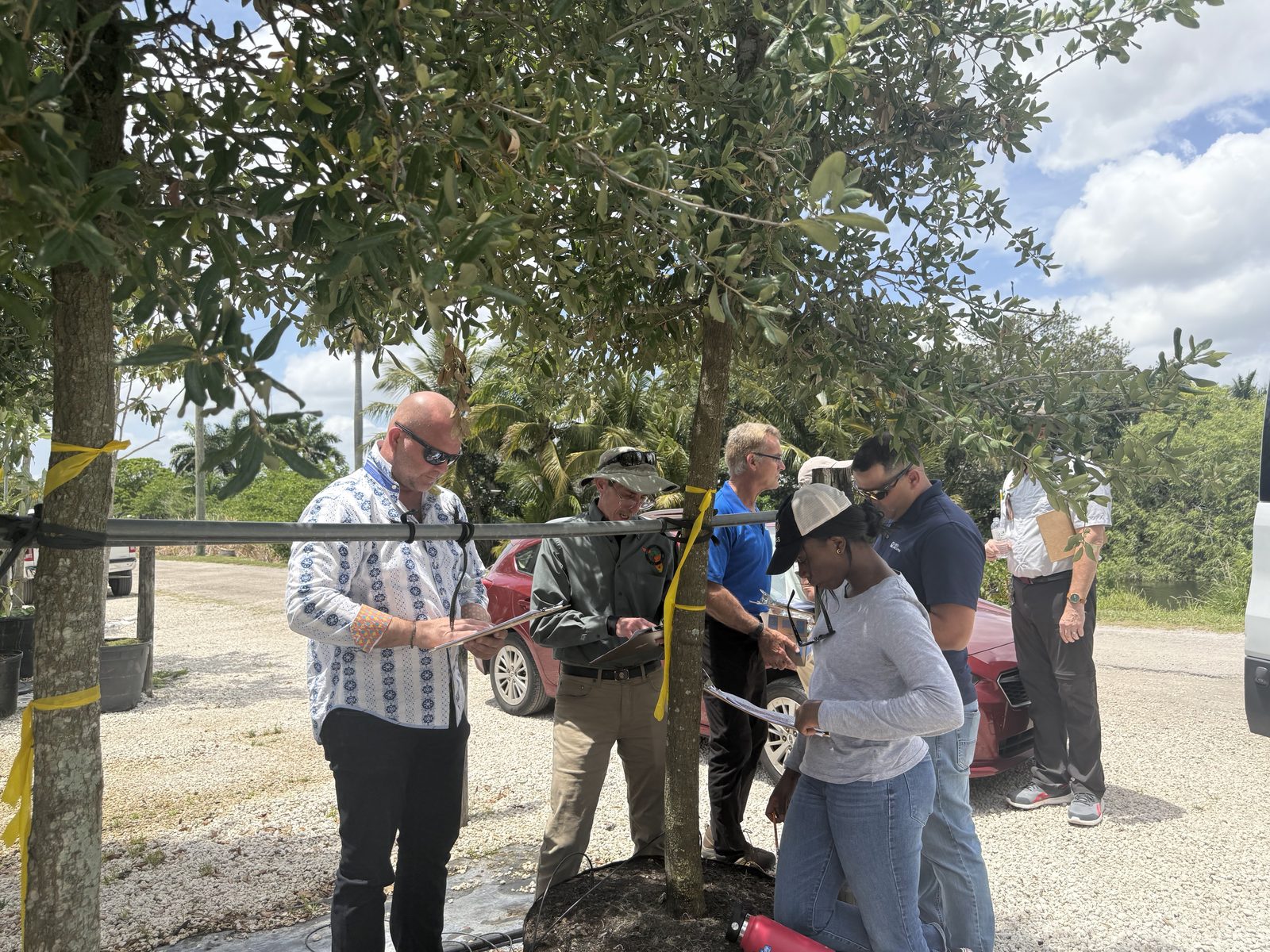
On our jobs, no tree or group of trees is pruned without a written prescription. That is the standard of the Prescription Pruning Qualification (PPQ) from the Florida Chapter of the International Society of Arboriculture (ISA). Jeff Kaulbars, our owner and an ISA Certified Arborist, holds it.
What PPQ is
PPQ is written in the language of ANSI A300 Part 1, the national pruning standard, and the ISA pruning best management practices. ANSI stays the standard underneath. PPQ adds the discipline of writing the work down first. The prescription goes on the PPQ Pruning Prescription Form before any cut, and it states:
- The pruning interval.
- The pruning system.
- Conditions of concern.
- Objectives: structure, clearance, appearance, risk reduction, or restoration.
- Which branches to prune, and any additional cuts.
- Limitations, such as "remove no live branches from the leader" or "no lion-tailing."
The prescriber decides which branches come off. The crew prunes to the prescription.
Every cut has a reason
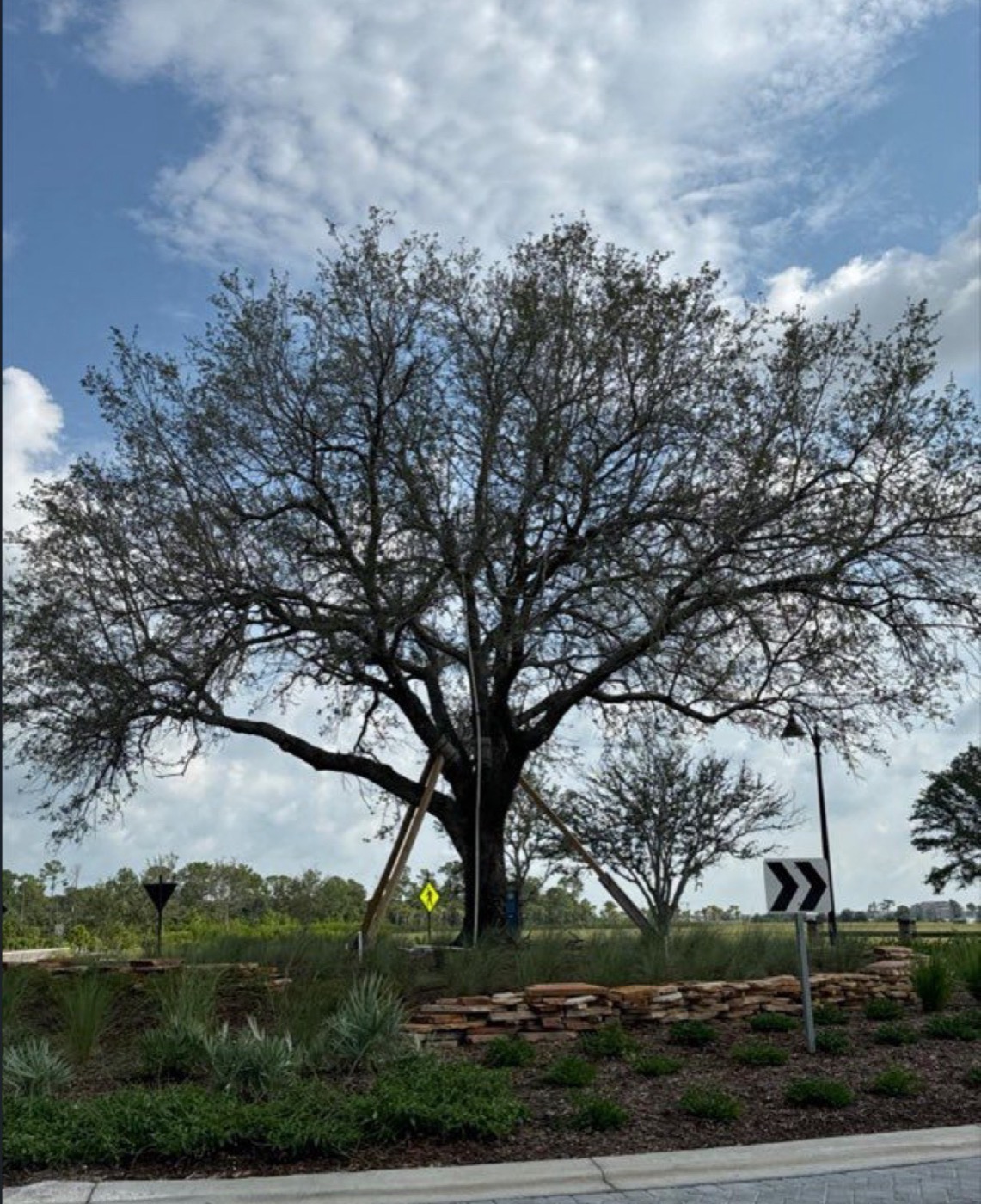
The dose is written as cuts: how many, what size, what type, and where. For example, 20 to 25 reduction cuts of 2.5 inches at the ends of the three largest first-order live branches. Each cut is the smallest that meets the objective, made just outside the branch collar, never flush and never a stub.
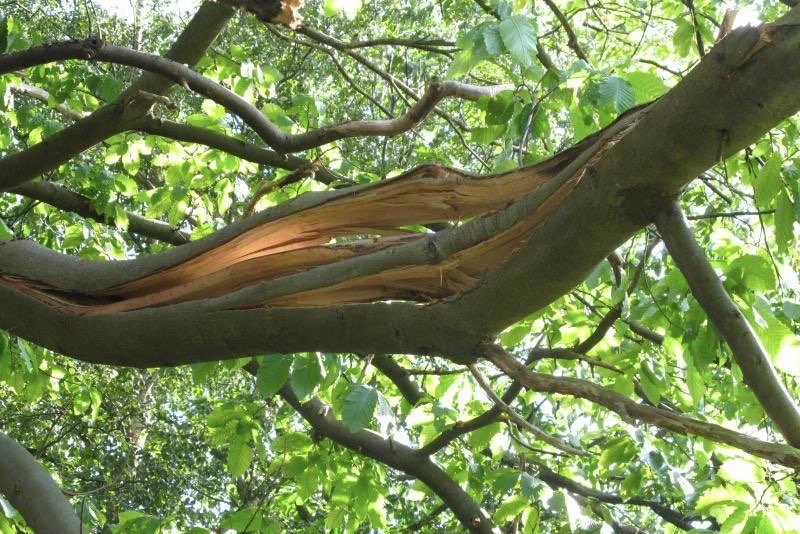
Conditions of concern get a larger dose: codominant stems with included bark, clustered branches, cracks, open cavities, and very long branches. On large trees most live pruning is reduction at the crown edge, because less end weight means less mechanical stress. For a group of trees, the prescriber surveys about 10% of them (at least five), counts the cuts each needs, and writes one prescription for the group.
Limits that protect the tree
- No more than about 25% of the live crown removed in one cycle.
- We do not recommend topping, stripping the inside of the limbs, or routine thinning.
- The no-lift rule: where there is no clearance target beneath or near a tree, the canopy is not raised. The lower limbs stay for trunk taper, caliper, and health.
- Clearance only where there is a target: 14 feet over roads and drive aisles, 10 feet over parking stalls, 8 feet over sidewalks and paths, 3 feet from buildings. A client or county code may set it higher.
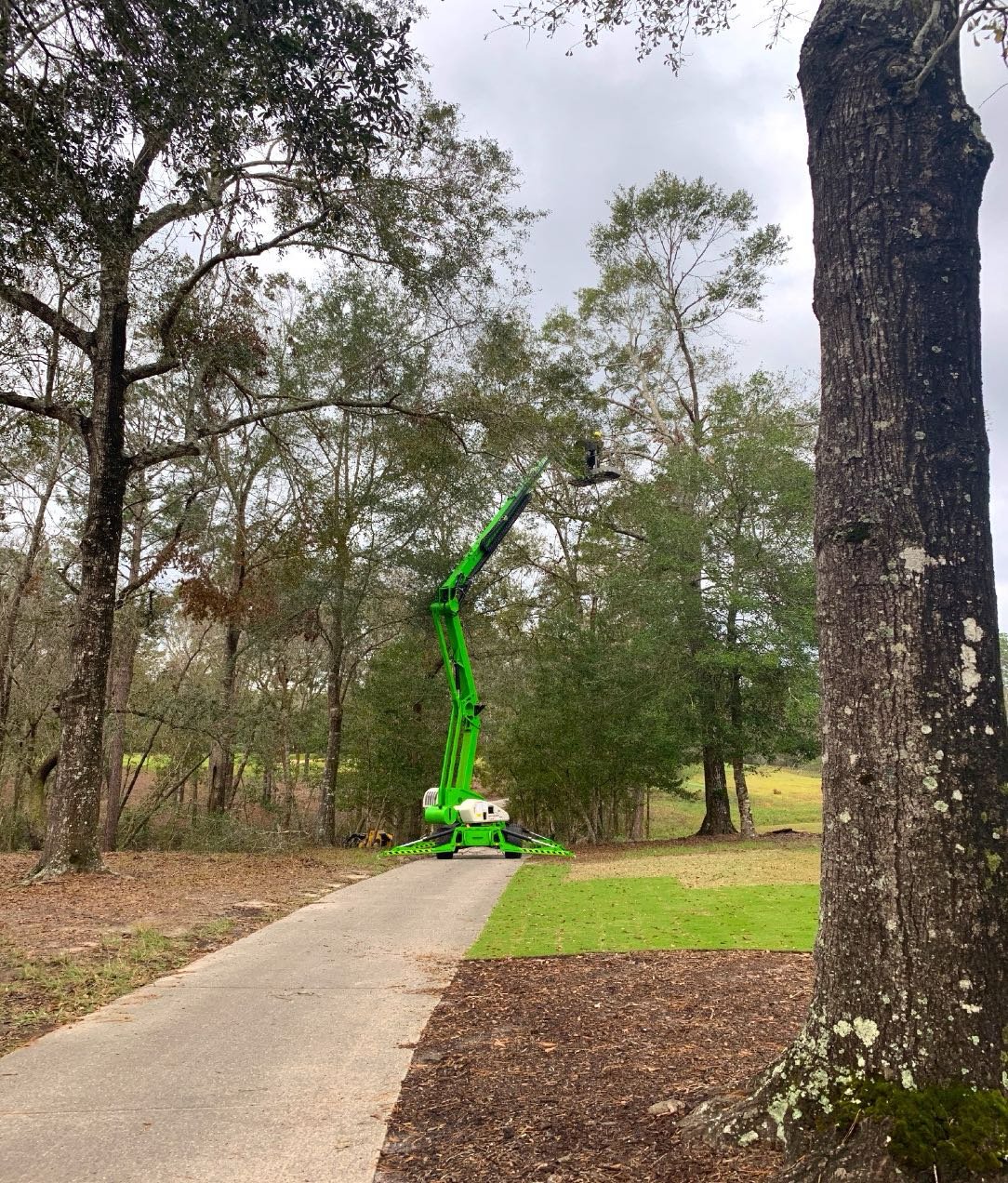
- No climbing spikes in a tree that is staying.
Why a board should want it in writing
A written prescription turns pruning into a scope the board can read before the work and check after it. It names the objective for each tree or group, what comes off, and what stays. Work outside ANSI A300, such as heading cuts or rounding over, needs the client's written sign-off before it starts. The prescription goes into the record.
Standards like A300 and PPQ set how the work is done. They do not promise how a living tree responds, and we say so plainly.
What to do
Ask us for the free master plan. We survey your trees, set objectives by age and location, and write the prescription before a single cut is made.