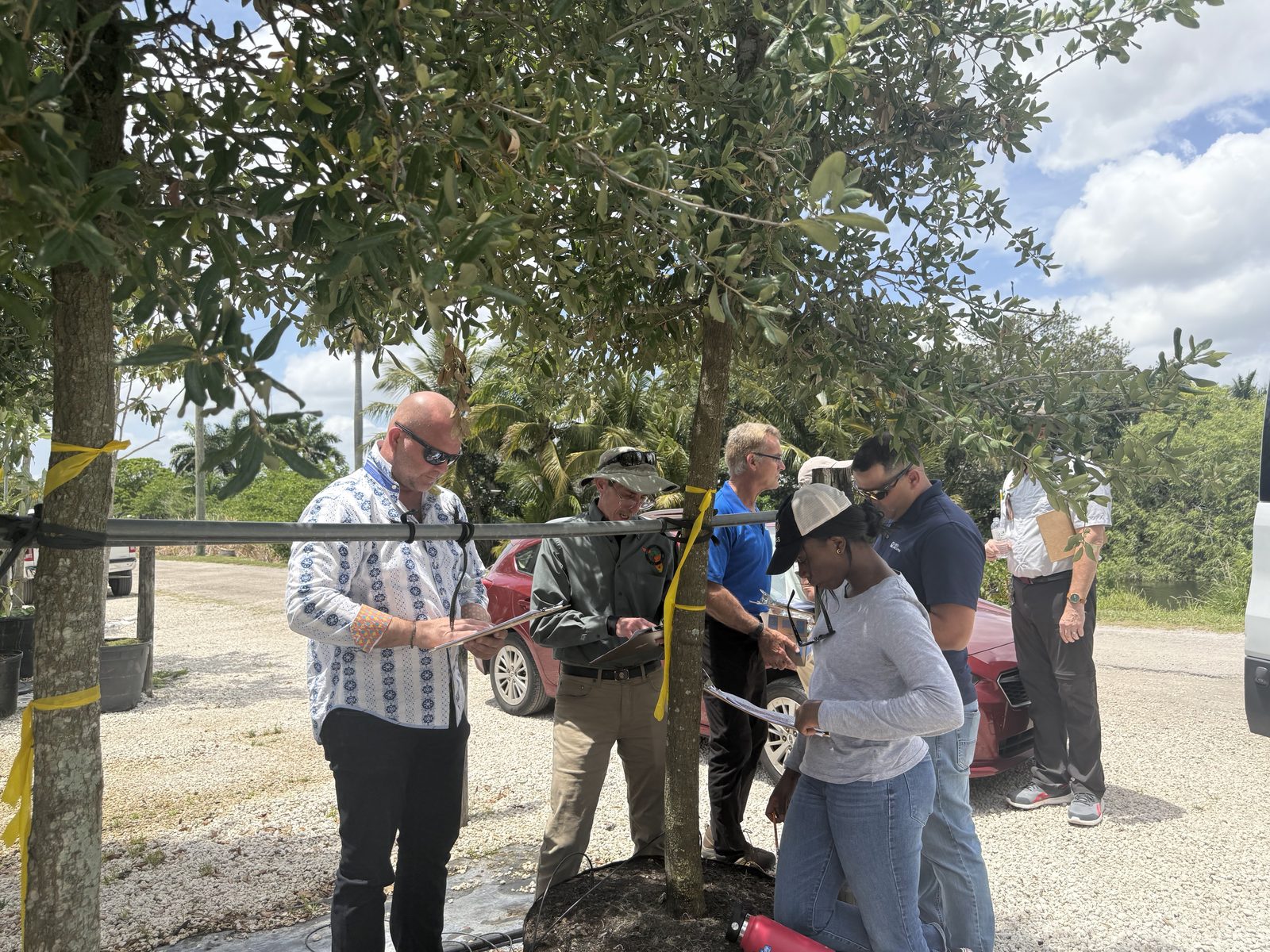
ANSI A300: The Questions a Board Should Ask Any Tree Crew
The national tree care standard gives a board a yardstick for every bid and every invoice, if the board knows what to ask.
 Jeff Kaulbars
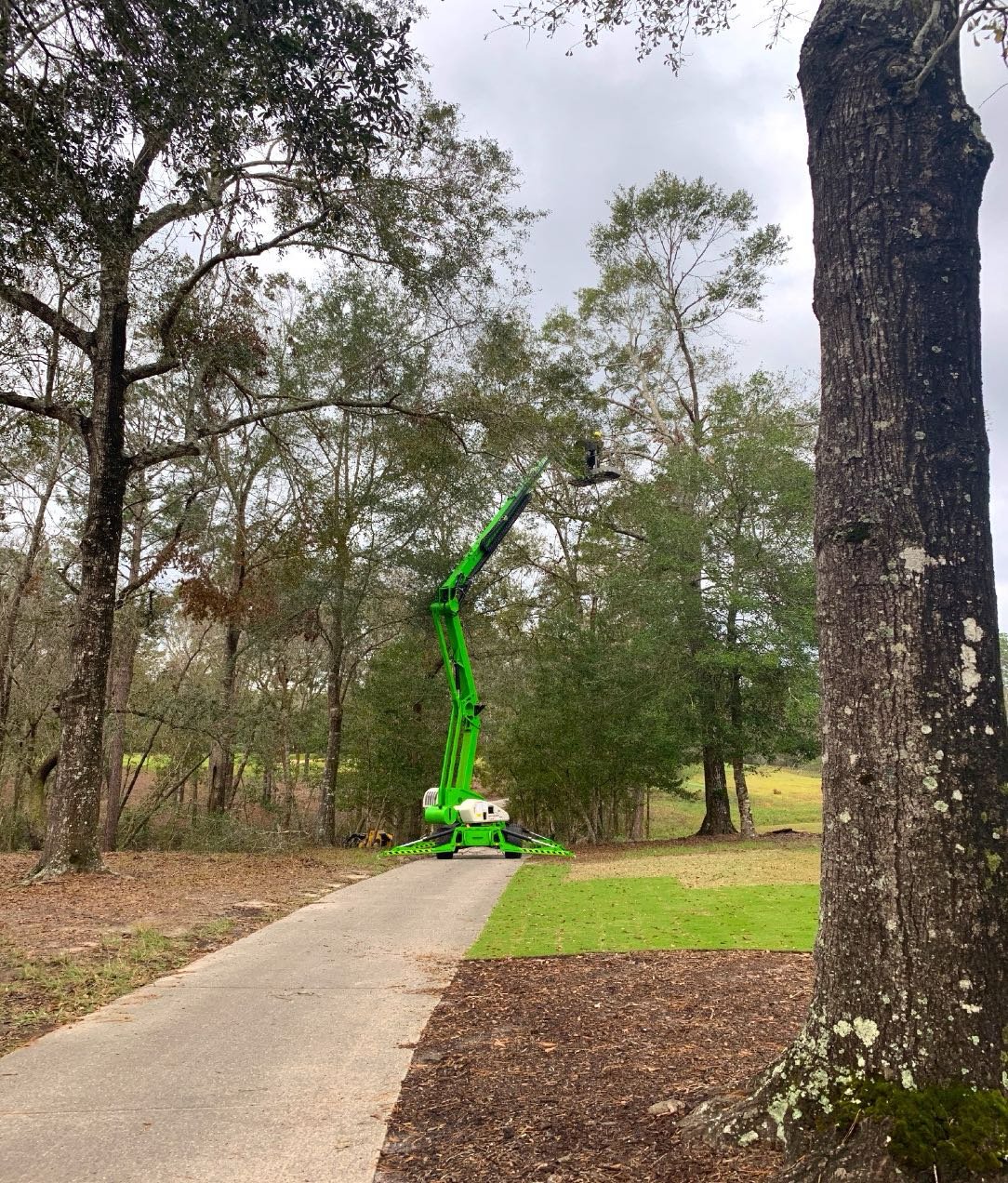
Three tree bids come in for the same community. One is much lower. Is it the same work? Without a standard to compare against, a board has no way to know until after the saws leave.
What ANSI A300 is
ANSI A300 is the American national standard for tree care. It is a voluntary consensus standard, written by an accredited committee formed in 1991, with the Tree Care Industry Association as the developer.
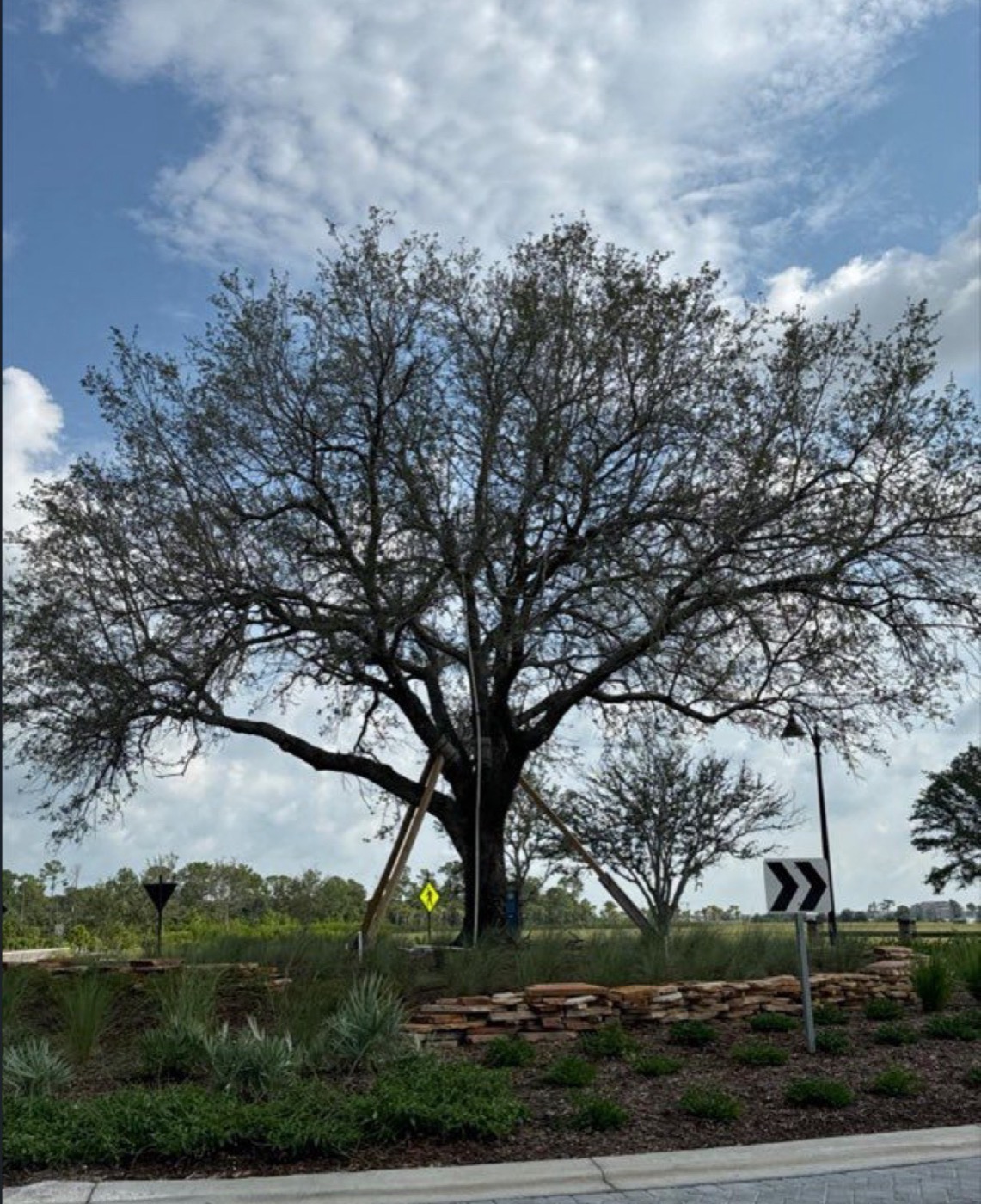
It comes in parts: pruning (Part 1), soil management (Part 2), supplemental support such as cabling (Part 3), lightning protection (Part 4), planting and transplanting (Part 6), and tree risk assessment (Part 9), among others. Cities often write it into their tree specs. It is the yardstick for "was the work done right."
Its partner is ANSI Z133, the national safety standard for tree work: pruning, removal, climbing, equipment and electrical hazards. It protects crews, residents and the community from liability while the work is going on.
Questions to ask every bidder
- Which standard will you work to? The answer should be ANSI A300 for the work and Z133 for safety, written into the scope.
- Will each tree, or group of trees, have a written pruning objective before the first cut? Structure, clearance, appearance, risk reduction or restoration.
- What clearances will you prune to? Ours are 14 feet over roads and drive aisles, 10 feet over parking stalls, 8 feet over sidewalks and paths, and 3 feet from buildings, unless the county or the board sets more.
- Will you lift canopies where nothing needs clearance? We do not. Lower limbs stay where there is no target, for trunk taper and health.
- How much live canopy will come off in one cycle? We hold to no more than about 25 percent.
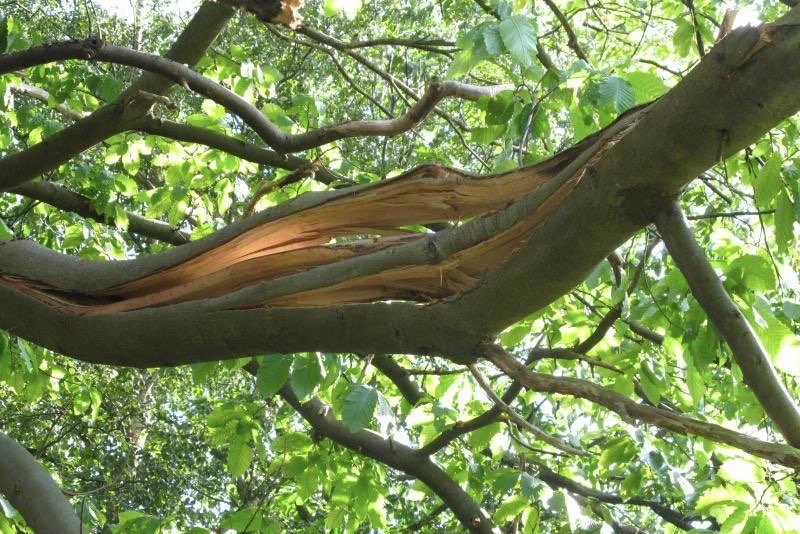
- Where will cuts be made? Just outside the branch collar. Never flush, never a stub.
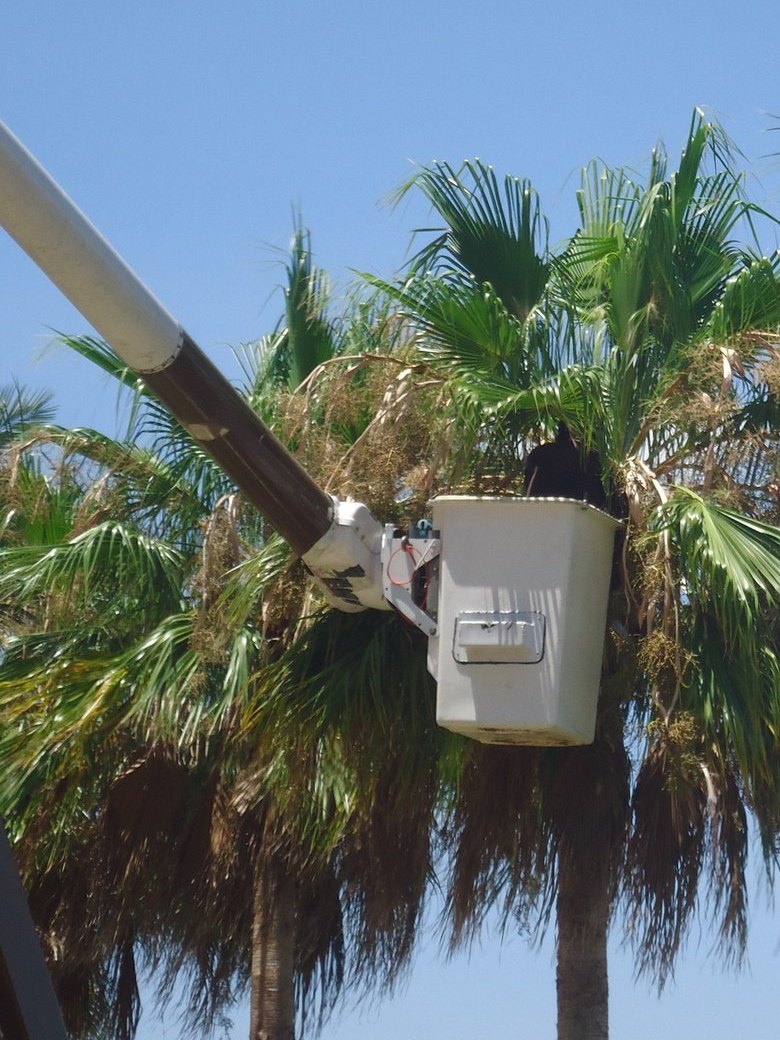
- Will anyone climb on spikes in a tree or palm that is staying? Spike holes are permanent wounds. They should not.
- On palms, what is the standard? Ours is the 9-and-3 line: everything below it off, nothing above it cut.
- On date palms, will you use sterilized handsaws, and is that priced as an option?
- Who is the certified arborist responsible, and will they put removal decisions in writing?
- Who places the Sunshine 811 ticket before stump grinding or root work? It should be the company doing the digging.
- If you apply any treatment, are you a licensed Florida pest control business? Treatments for pay need a state license.
Work outside the standard
Some requests fall outside A300: heading cuts, rounding over a canopy, topping. Clients sometimes ask for them for appearance or clearance. Our rule is that any work outside the standard needs the client's written sign-off before it starts, with the tradeoffs stated. That keeps the decision with the board and keeps it on paper.
Why written specs help the budget
When every bidder prices the same written scope, the low bid has to be low for a reason the board can see. And when the work is done, every invoice can be checked against the spec. That is the point of our written standards on a Palm and Tree Master Plan: any crew, ours, a partner crew or another vendor, works to the same page.
What a standard does not do
A300 sets how the work is done. It does not set how a living tree responds. No standard promises a tree's health, and we will not either. What it gives a board is a fair comparison before the work and a fair check after it.
What to do
Before your next tree bid, ask every bidder these questions in writing. If you would like a scope written to the standard for your property, ask us for the free master plan.