
The hidden crisis
Why palms fail in communities
Palms fail in communities because no one is responsible for them above twelve feet. Landscapers manage turf, shrubs, and irrigation. Tree services trim and remove.
The tall, valuable palms fall in the gap between them, and by the time a problem is obvious, the palm is often past saving.
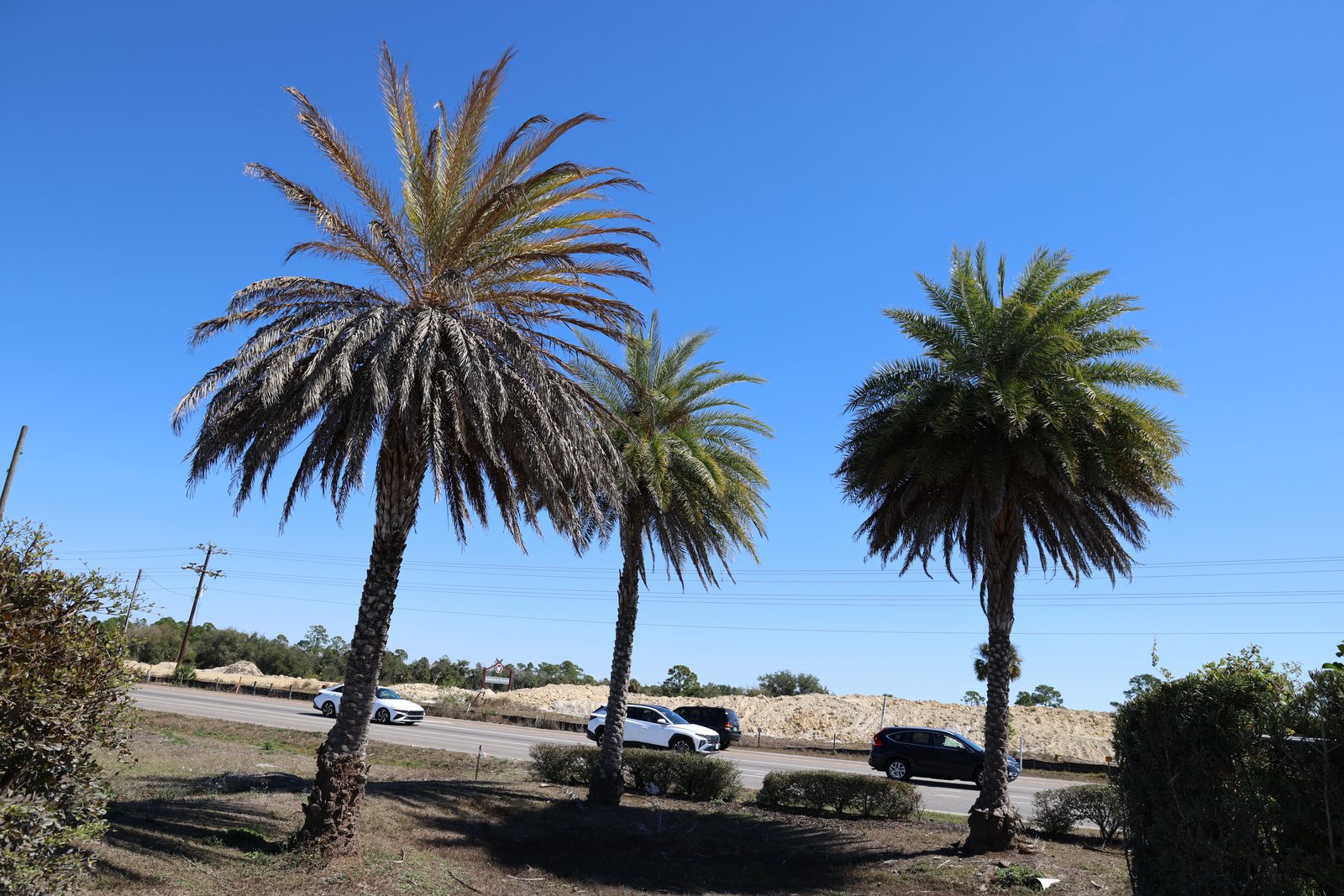
- Close to $300,000
- In palms one property lost over about two years. No single event.
- 12 feet
- About where most landscape crews stop managing palms.
- Within a year
- When many newly planted palms show the first signs of nutrient decline.
- 3 layers
- Vitality, threats and monitoring. Miss any one and the palm still declines.
01
The gap nobody owns
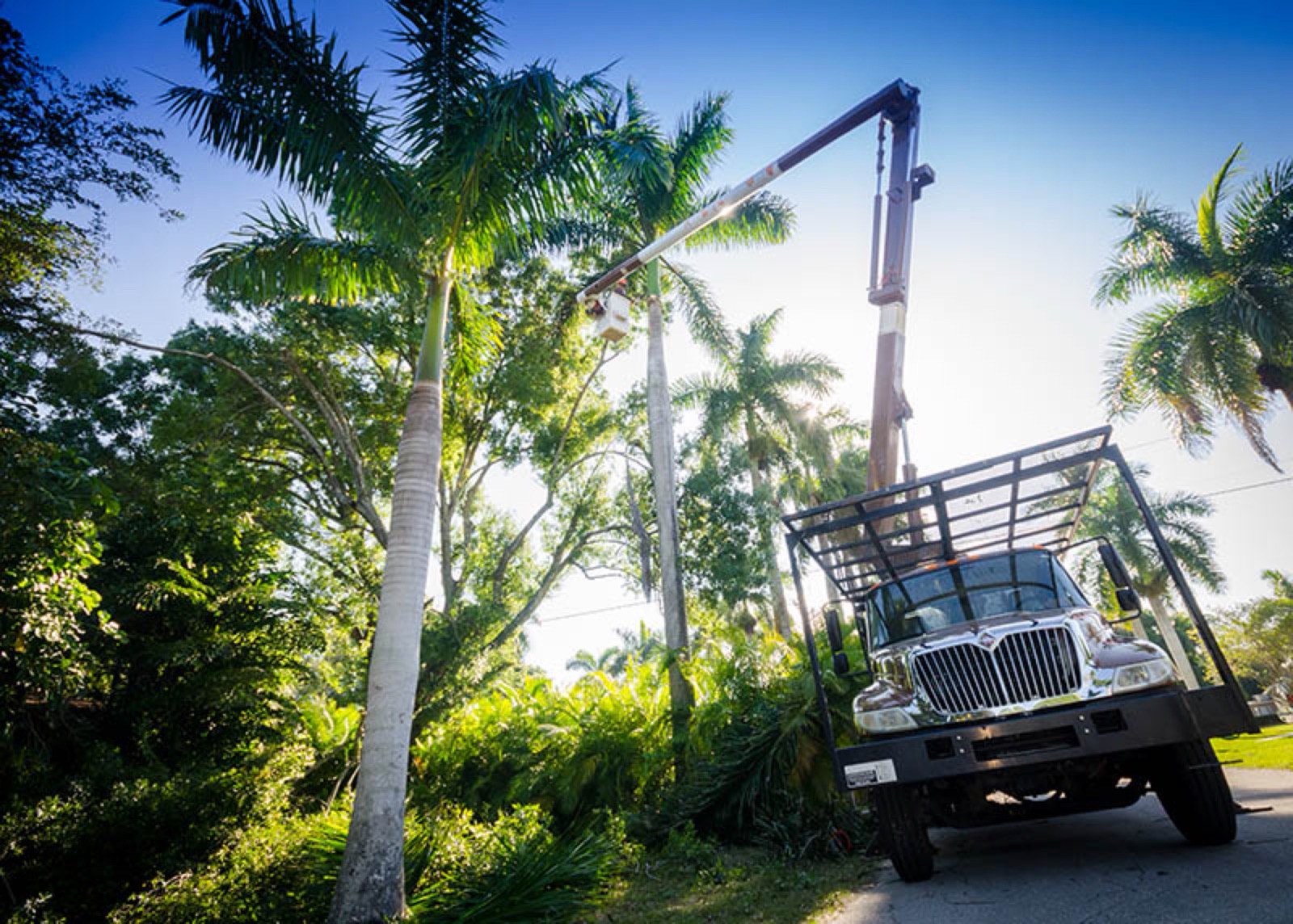
It is not the landscaper. Their focus is turf, shrubs, and irrigation, and most crews manage palms only up to about twelve feet.
It is not the tree service either. HOA budgets are built around trimming and removal, so that is where a tree service spends its time.
The result is a real gap: the larger, more valuable palms get trimmed once in a while and otherwise go unwatched. The problem is not blame. It is that the system was never designed to keep those palms healthy.
02
What a palm goes through
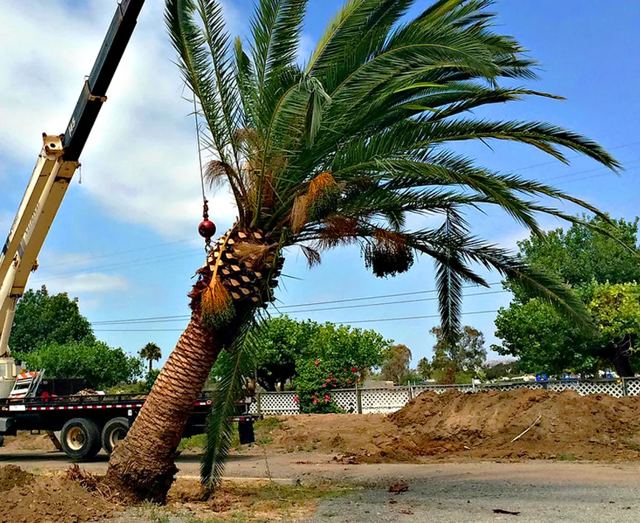
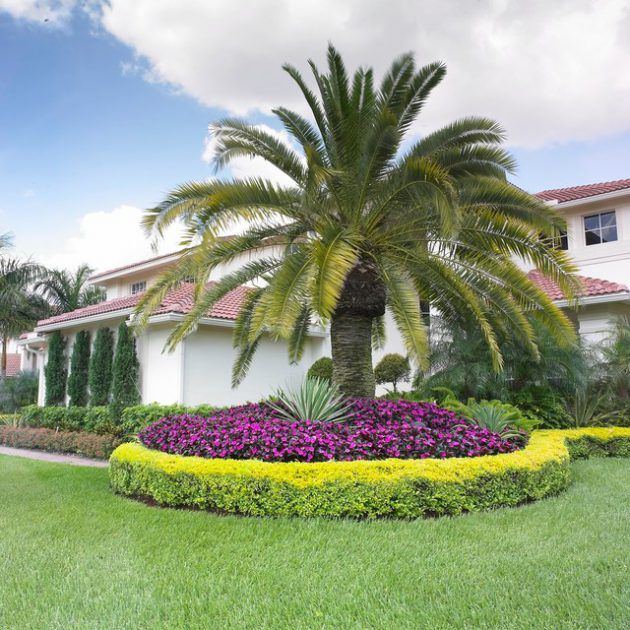
A palm arrives healthy. It spent years in a nursery with good soil, steady water, and attention. Then it gets planted into a community, and everything changes.
It hits compacted subsoil with little nutrition. It gets ringed in pavers, dropped into a planter box, or set into a shrub bed where it competes for nutrients. It is often over-irrigated. Within a year, many palms start showing the first signs of nutrient decline.
03
Then the threats move in
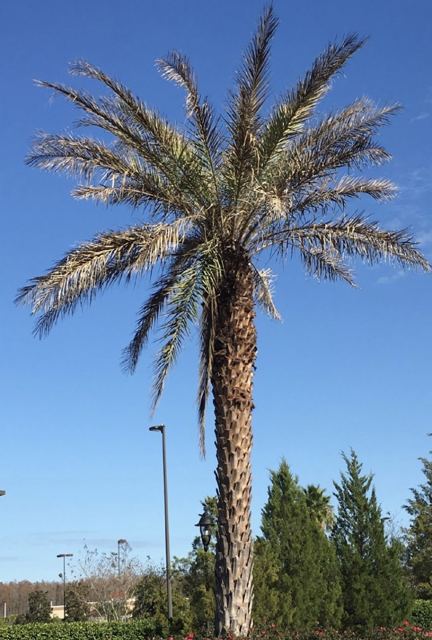
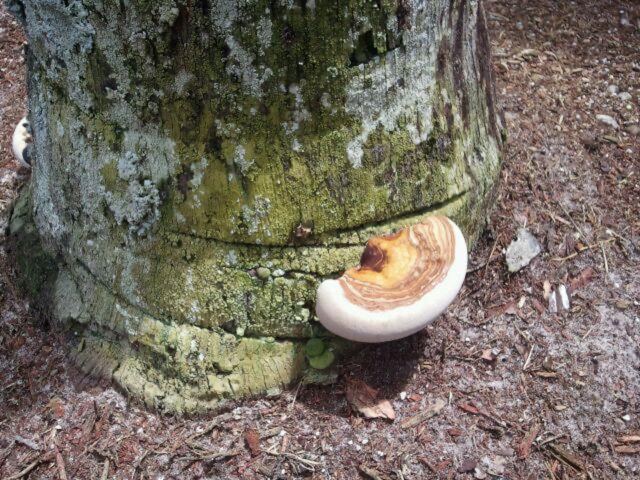
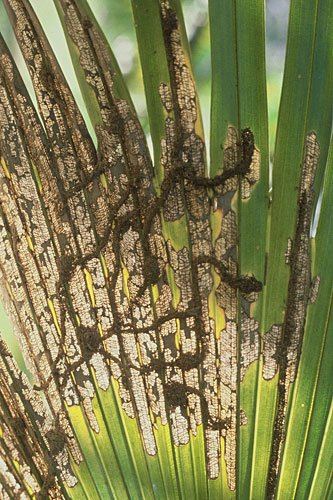
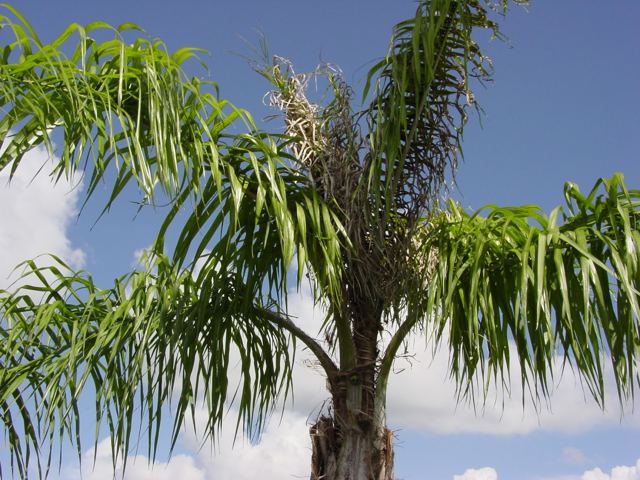
Weak palms attract trouble. Lethal bronzing, Ganoderma, Thielaviopsis, and palmetto weevil all press hardest on palms that are already stressed.
And palm symptoms overlap. A nutrient deficiency, transplant shock, a lack of water, and a disease can all look alike from the ground. That is how a treatable problem gets missed, and how a fatal one gets mistaken for something minor.
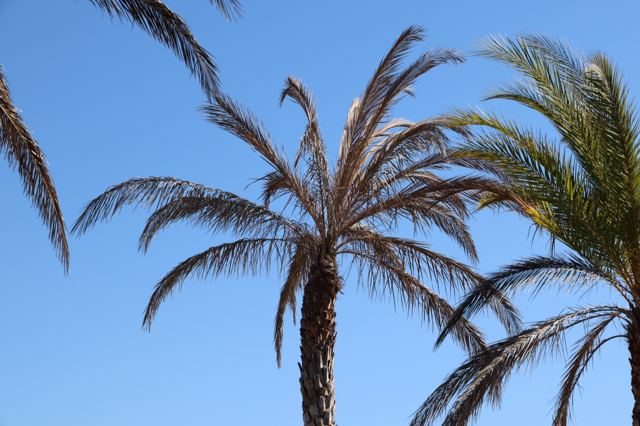 Killer
Fatal and incurable, spread by one insect.
Signs and what we do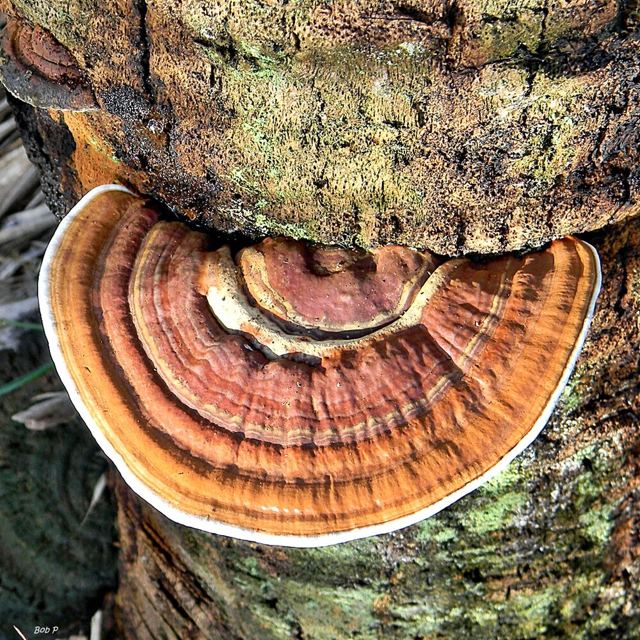 Killer
Fatal, shows as a conk at the base.
Signs and what we do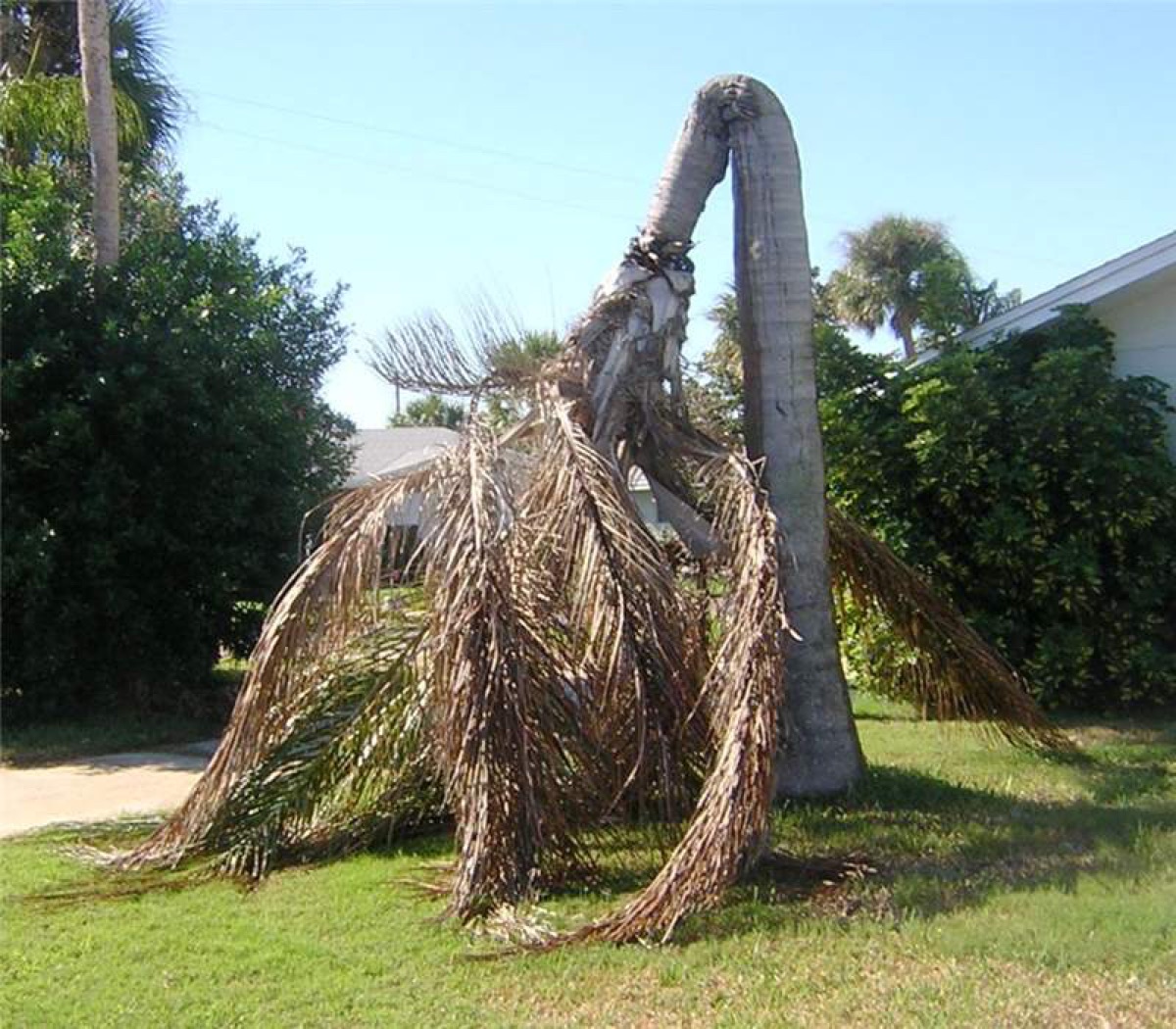 Killer
Can cause sudden failure.
Signs and what we do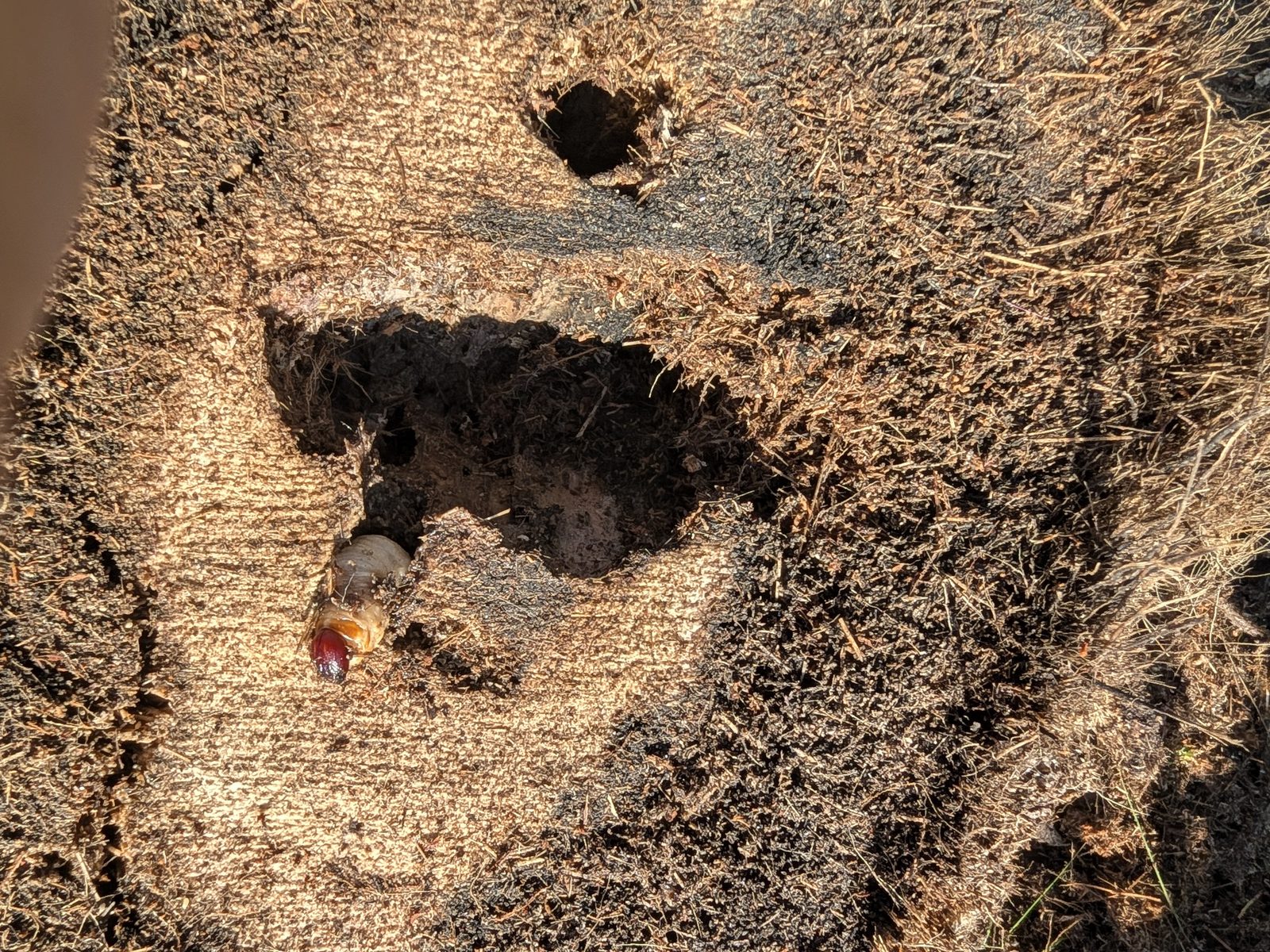 Serious
Hunts stressed and over-pruned palms.
Signs and what we doLearn the signs in the Palm Diseases and Pests guides.
The silent threat
Lethal bronzing is the one most communities miss
We find lethal bronzing on properties that had no idea it was present. It is fatal, it has no cure, and it spreads palm to palm through a single insect.
By the time the symptoms are unmistakable, that palm is usually lost, and it has been feeding the insect that carries the disease for months. Spotting it early on the palms nearby is the only thing that changes the outcome.
04
What actually works
To keep palms healthy you have to manage three things at once. Miss any one and the palm still declines.
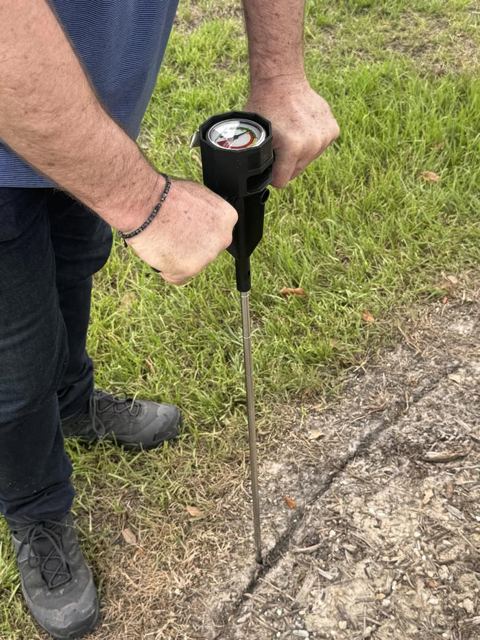
- VitalityThe vitality of the palm.
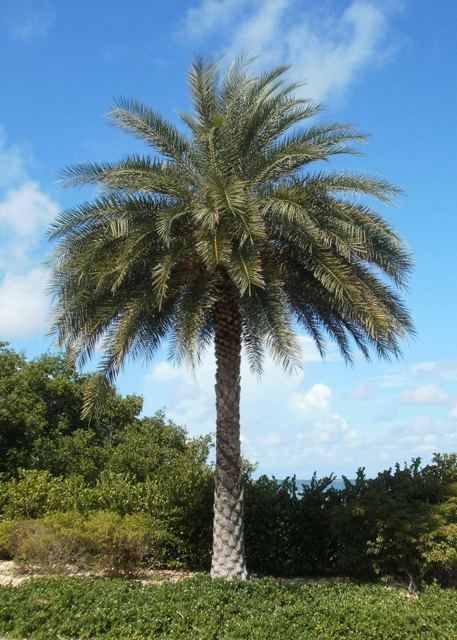
- ThreatsThe pest and disease pressure on it.
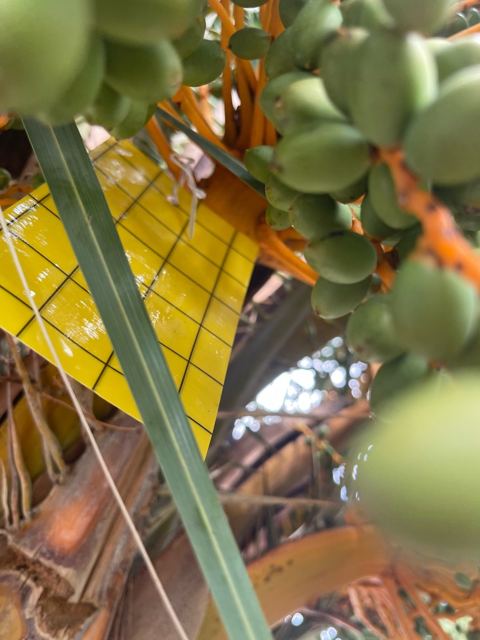
- MonitoringThe monitoring that catches both early.
Vitality, threats, and monitoring are not separate services. We run all three on a schedule built for your property.
Doing this across a community with thousands of palms is the hard part, and it is the part we built the company around. Ideally you treat and manage each palm according to its own needs. The way to do that at scale is to inventory every palm, rate its condition, and put the right level of care on the right palm. That is our program.
Start with the free master plan
Find out what is happening on your property
Our trained field team walks your community and rates the palms that matter. An ISA Certified Arborist reviews the findings and shows you what we see. Then we write one plan for every palm and tree, 10 years.
Request the free master plan