
Palm disease
Thielaviopsis Trunk Rot
A fungus that enters through fresh trunk wounds and rots the trunk from one side inward. The canopy can drop or the trunk can buckle without warning, even when the palm looks healthy.
Palms it affects: Bismarck palm, Coconut palm, Mexican fan palm (Washingtonia), California fan palm, Canary Island date palm, Date palm, Queen palm
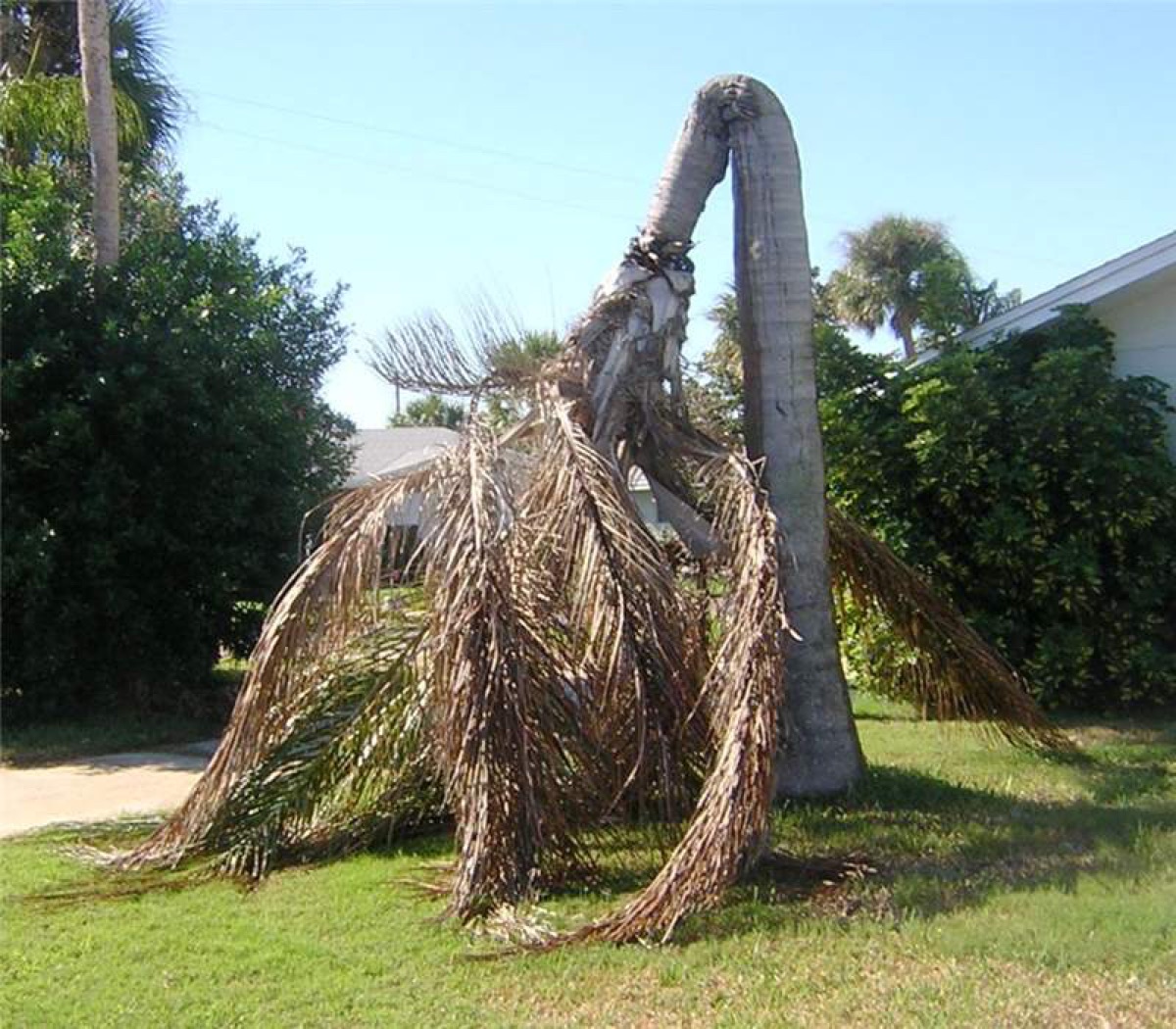
- Affects
- Bismarck palm, Coconut palm, Mexican fan palm (Washingtonia), California fan palm and more
- When it shows
- Any time a fresh trunk wound is present.
- What we do first
- Prevent wounds; on Bismarcks, hand saws under the sterilization spec.
What you see
Signs in the field
- Reddish-brown to black bleeding down the trunk from a wound, mostly on coconut palms
- Soft pseudobark near a wound on smooth-trunked palms
- The lowest fronds dying early and hanging down
- A fermented-fruit odor from the rotting tissue (not always present)
- Black, stringy fibers left inside the trunk where the soft tissue is gone
- Sudden canopy drop or trunk buckling, often with no earlier warning
From the field
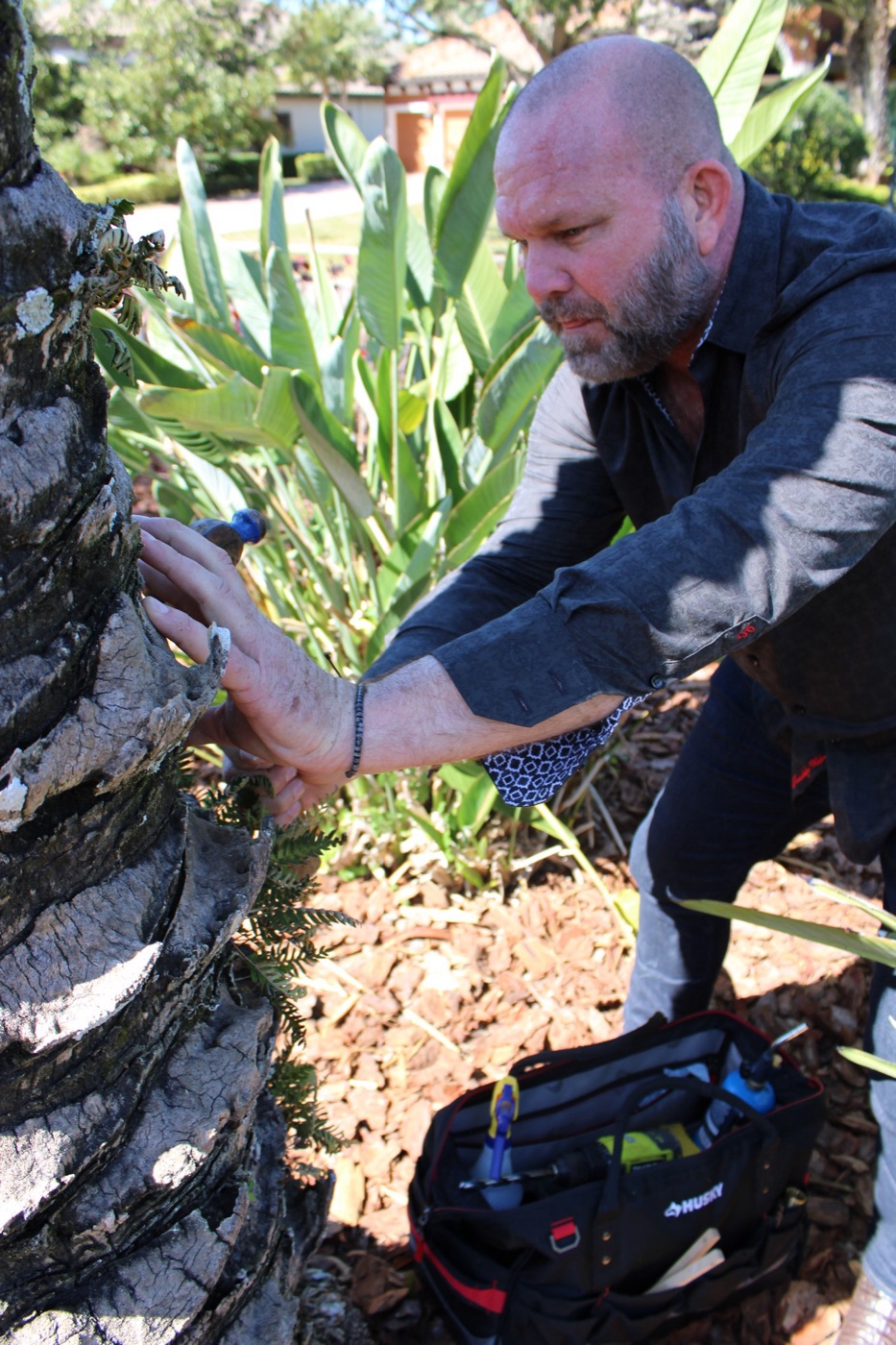
The detail
What else to know
How it gets in
The fungus needs a fresh wound. Climbing spikes, cutting fronds that still have green tissue, nails, transplant injury and construction damage are the usual human causes. Trunk cracks, insect boring and bird pecking open the door too.
A palm does not wall off a wound, so every cut stays an entry point for life. The upper third of the trunk is the most common site.
Why it matters
Most cases show no early sign. Rot at the base of the canopy makes the canopy fall off. Rot lower down makes the trunk buckle. Both are sudden failures and a real safety concern.
There is no treatment, and rotted tissue does not regrow.
Bud rot
The same fungus can also rot the bud. Once the bud is dead the palm cannot recover, because the bud is its only growing point. The canopy can stay green for months on stored energy, which is not a sign of recovery.
On the properties we manage
The palm we most often find Thielaviopsis on in the field is the Bismarck palm.
What we do
How Ptolemy handles it
Field condition first, then the recommendation. Treatment, removal and diagnosis calls are made by an ISA Certified Arborist, and the serious ones are confirmed in a lab.
Written down before it is neededThis is covered by our sterilized handsaws protocol.
- Prune to the 9-and-3 line, cut nothing above it or into the trunk, and never use climbing spikes, so no extra wounds are opened.
- On every Bismarck we recommend handsaw pruning, with the blade cleaned and sterilized between palms. It is an add-on the client elects or declines.
- Note fresh wounds, soft spots and trunk bleeding at every visit, and flag wounded palms for follow-up.
- A collapsing base gets a written removal recommendation now, signed by our certified arborist. A sound base is confirmed by lab first. No ladders go against a flagged palm.
- Diseased trunk wood goes to a landfill or incinerator, never chipped back onto the property.
Next step
Seeing thielaviopsis trunk rot on your property?
Keep reading
More palm diseases
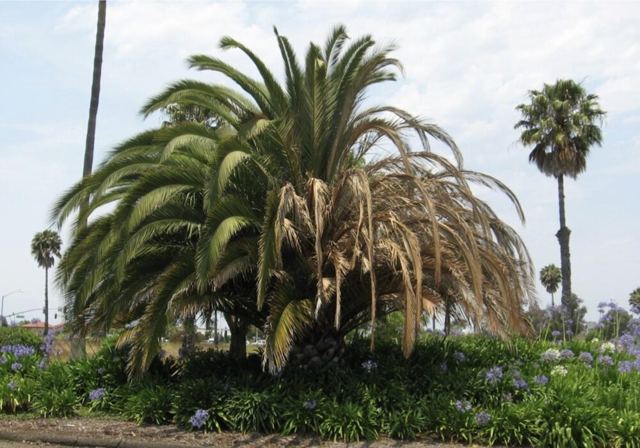 Killer
A fatal fungal wilt that plugs a palm's water-conducting tissue.
Signs and what we do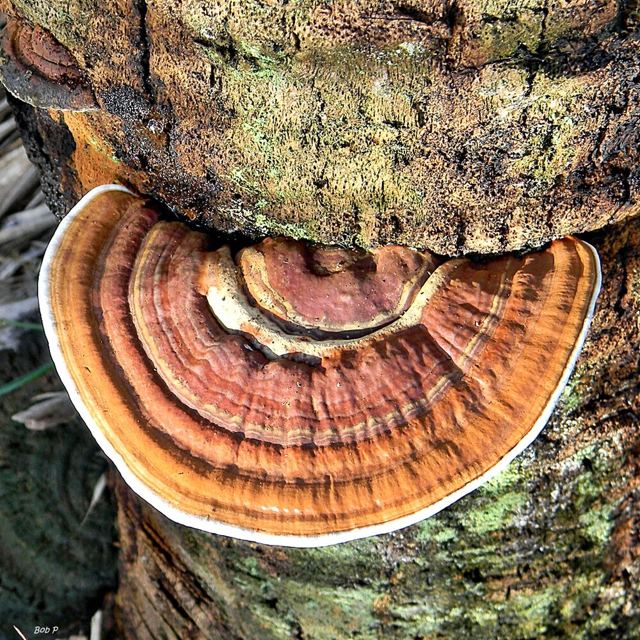 Killer
A wood-decay fungus that rots the base of the trunk and the roots.
Signs and what we do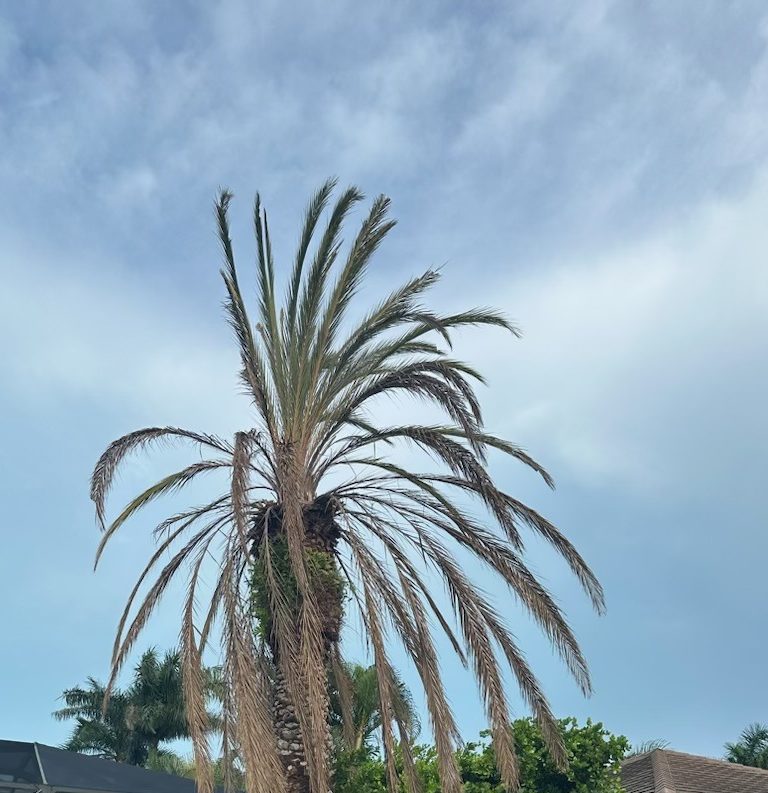 Manageable
An opportunistic fungus that gets into palms through wounds and tissue weakened by cold or drought.
Signs and what we do Mostly cosmetic
A group of fungal diseases that spot and blight palm fronds.
Signs and what we do