
Palm disease
Fusarium Wilt
A fatal fungal wilt that plugs a palm's water-conducting tissue. In Southwest Florida it hits Canary Island date palms most, it spreads on contaminated pruning saws, and every infected palm dies.
Palms it affects: Canary Island date palm, Medjool date palm, Sylvester palm, Senegal date palm, Queen palm, Mexican fan palm (Washingtonia)
- Affects
- Canary Island date palm, Medjool date palm, Sylvester palm, Senegal date palm and more
- When it shows
- Year-round. It travels on pruning tools.
- What we do first
- Lab test before any action on a date palm, queen or Washingtonia.
What you see
Signs in the field
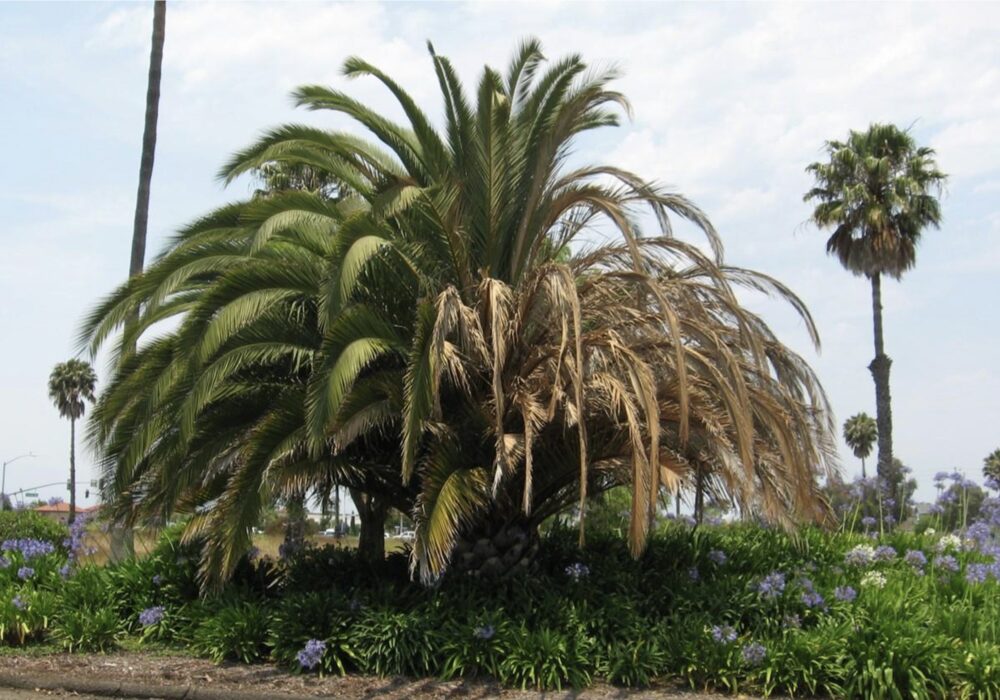
- Leaflets dying on one side of a frond while the other side stays green
- A reddish-brown stripe along the leaf stem on the same side as the dead leaflets
- Dying that starts on the oldest, lowest fronds and moves up the canopy
- Brown internal streaking when an affected leaf stem is cut
- Several date palms declining near each other
From the field · 1 of 3
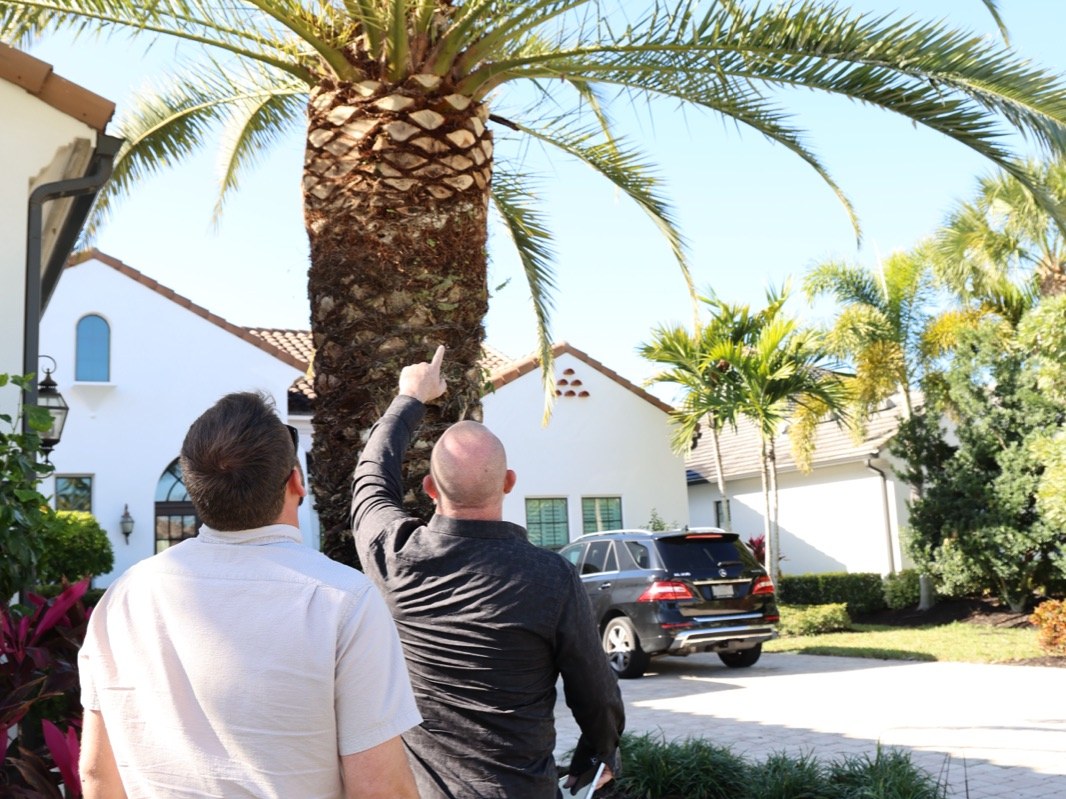
The detail
What else to know
How it spreads
Mostly on pruning tools. Sap and sawdust on a chainsaw, handsaw or loppers carry the fungus from an infected palm to a healthy one with each cut. One shared chainsaw run down a row of Canary Island date palms can expose every palm in the row.
Infected palms can look healthy for 6 to 18 months, and tools spread the disease the whole time. Infected nursery stock and seed carry it over longer distances.
Why it matters
There is no treatment. Fungicides have been tested and none has worked. Once symptoms show, the palm dies. Some go in a few months; others linger up to a year.
The fungus also survives in soil and old roots for years. There is no known safe waiting period before a susceptible palm can go back in the same spot.
Why we test first
Petiole and rachis blight looks almost the same on date palms, queens and Washingtonias, and it is not fatal. Potassium and magnesium deficiency can look similar too. A lab is the only way to tell Fusarium from rachis blight, so we confirm before any removal recommendation.
What we do
How Ptolemy handles it
Field condition first, then the recommendation. Treatment, removal and diagnosis calls are made by an ISA Certified Arborist, and the serious ones are confirmed in a lab.
Written down before it is neededThis is covered by our sterilized handsaws protocol.
- Check every date palm at every service visit, and send a sample to the lab when the one-sided pattern shows up. No removal recommendation goes out before lab confirmation.
- Stop shared-tool pruning on a suspect palm until the result is back.
- Offer handsaw sterilization between palms: wire brush, disinfectant and a quick torch pass. Chainsaws cannot be verified clean in the field. It is an add-on the client elects or declines, highly recommended on Canary Island date, Medjool and Sylvester palms.
- Prune to the 9-and-3 line: dead fronds, spent flower and fruit stalks, and every frond below the line come off. Nothing above the line is cut.
- After a confirmed case: a removal recommendation signed by our certified arborist, no chipping back onto the property, and no date palm or queen palm replanted in that spot.
Next step
Seeing fusarium wilt on your property?
Keep reading
More palm diseases
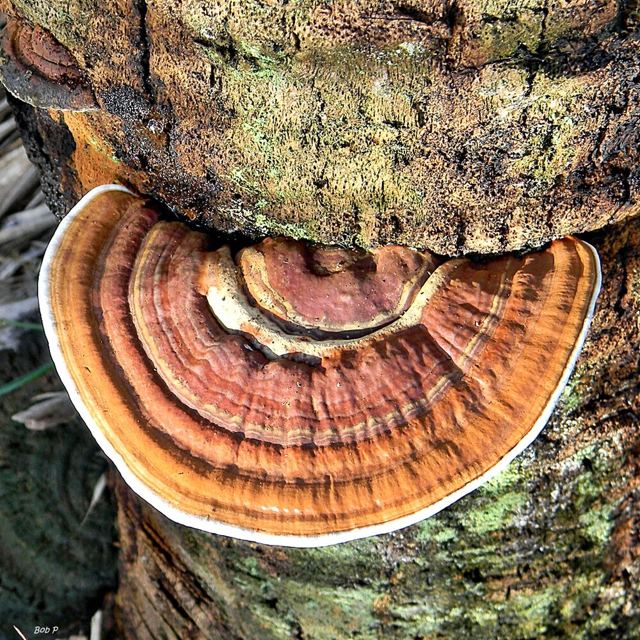 Killer
A wood-decay fungus that rots the base of the trunk and the roots.
Signs and what we do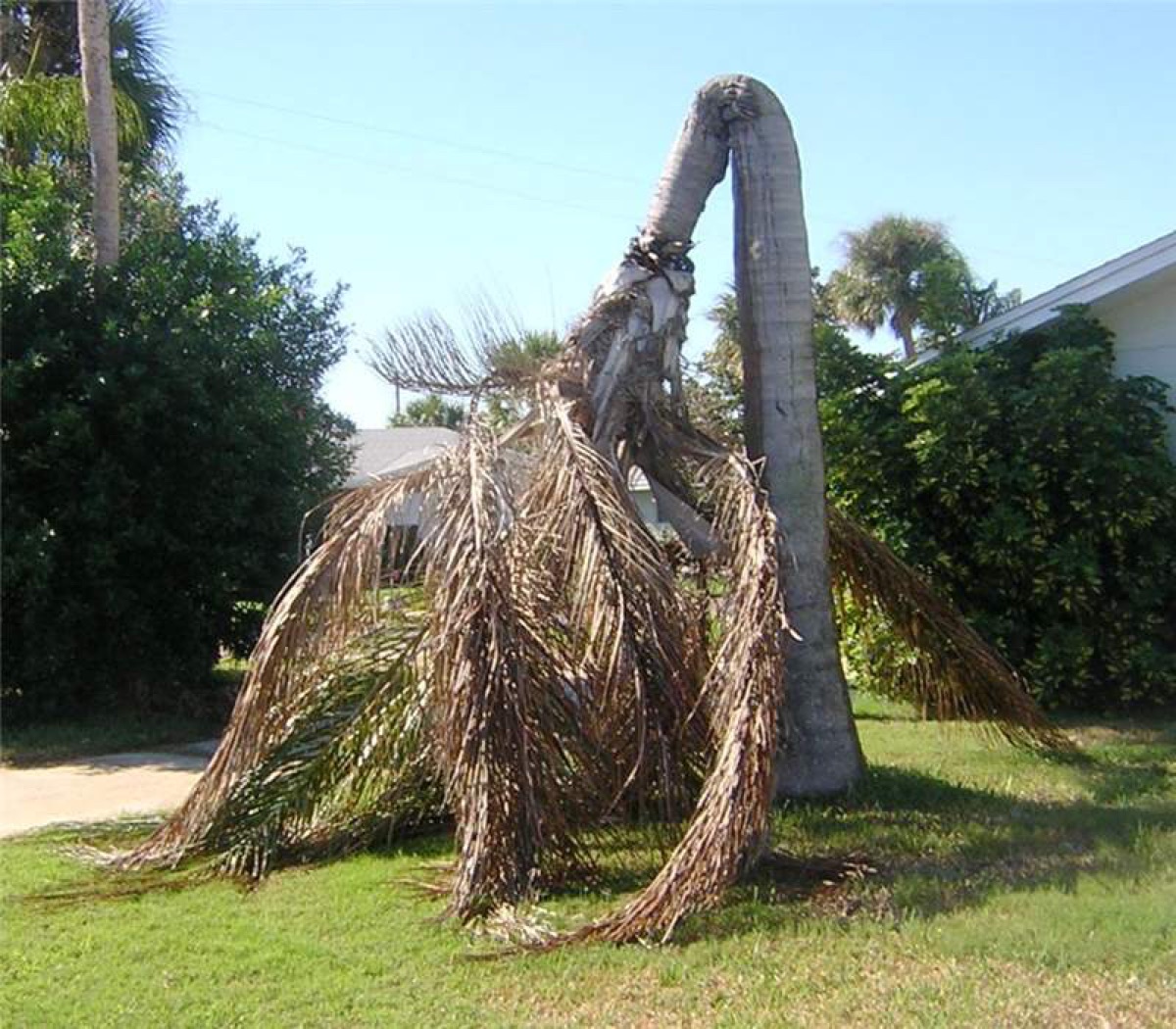 Killer
A fungus that enters through fresh trunk wounds and rots the trunk from one side inward.
Signs and what we do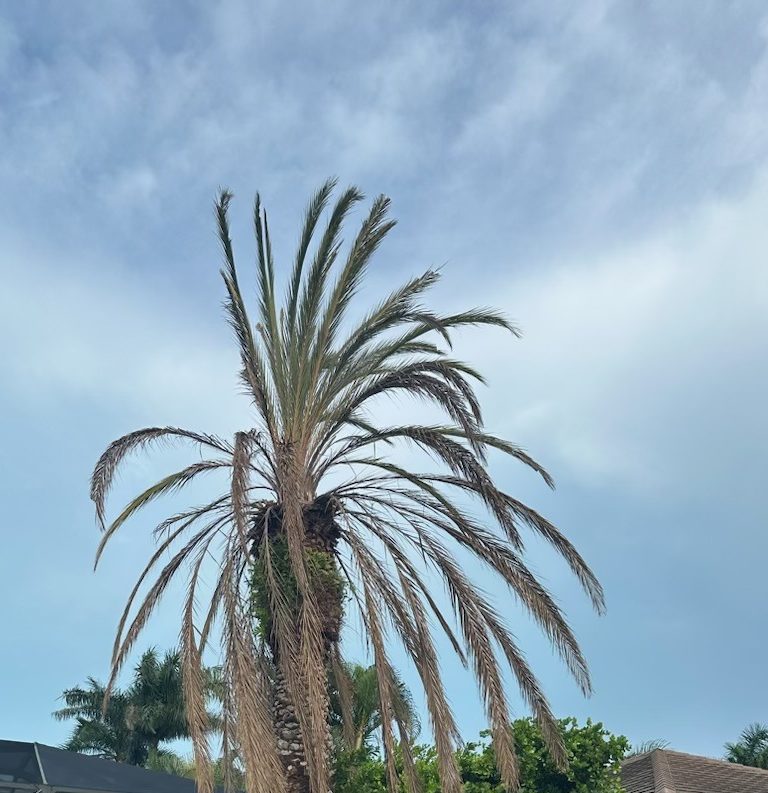 Manageable
An opportunistic fungus that gets into palms through wounds and tissue weakened by cold or drought.
Signs and what we do Mostly cosmetic
A group of fungal diseases that spot and blight palm fronds.
Signs and what we do