
Palm disease
Leaf Spots and Blights
A group of fungal diseases that spot and blight palm fronds. On established palms they are mostly cosmetic, and water on the canopy drives nearly all of them.
Palms it affects: Canary Island date palm, Date palm, Pygmy date palm, Washingtonia, Queen palm, Areca palm, Majesty palm, Chamaedorea, Foxtail palm, Cabbage palm (Sabal)
- Affects
- Canary Island date palm, Date palm, Pygmy date palm, Washingtonia and more
- When it shows
- Worst in the wet season, June through October.
- What we do first
- Keep irrigation off the canopy; lab test one-sided frond death.
What you see
Signs in the field
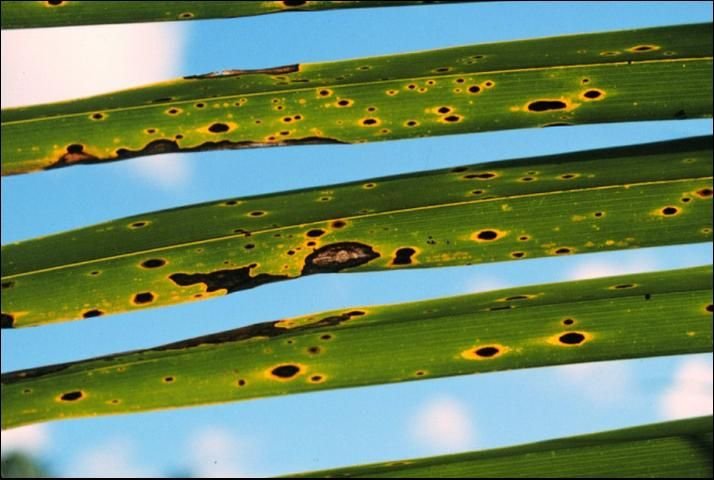
- Small water-soaked spots that turn yellow, gray, reddish-brown, brown or black, often with a halo
- Spots that merge into larger dead patches, which is a blight
- Tiny black, cup-shaped bumps you can feel on both sides of date palm leaflets (Graphiola false smut)
- Gray lesions with a black outline on leaflets and leaf stems (Pestalotiopsis)
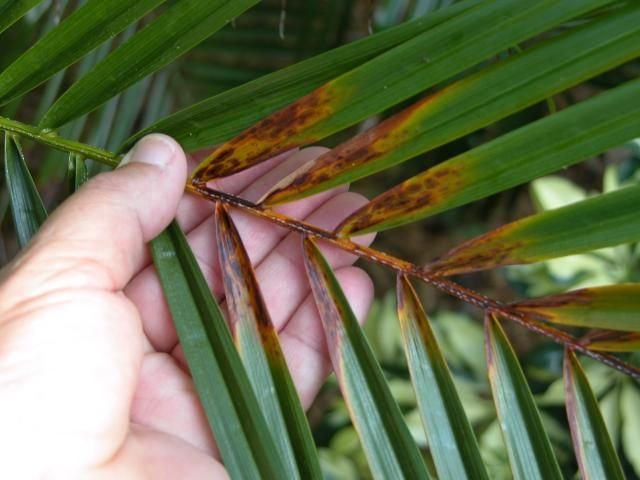
- Brown streaks along the leaf stem of the lowest fronds, with leaflets dying on one side (petiole and rachis blight)
- Symptoms starting on the oldest, lowest fronds and moving upward
From the field · 1 of 9
The detail
What else to know
What drives it
Water on the canopy. Overhead irrigation, crowding and poor airflow drive nearly all of these diseases. Spores spread in rain and irrigation splash, on wind and on pruning tools. The wet season, June through October, is the worst stretch here.
Nutrient-stressed palms are more vulnerable, because deficiency lesions give the fungi a way in.
How serious is it
Mostly cosmetic on mature palms. Seedlings, young palms and nursery stock face more risk. The exception is Pestalotiopsis on pygmy date palms, which can move into the bud and kill the palm.
Spots already on a frond stay for the life of that frond. Clean new fronds are the sign that conditions have improved. On date palms, the potassium deficiency that often shows on the same old fronds is usually the bigger threat to the palm.
The one we always test
On date palms, queen palms and Washingtonias, petiole and rachis blight looks almost identical to Fusarium wilt, which is fatal. Only a lab can tell them apart, so we test before any action on those palms.
What we do
How Ptolemy handles it
Field condition first, then the recommendation. Treatment, removal and diagnosis calls are made by an ISA Certified Arborist, and the serious ones are confirmed in a lab.
- Fix the cause: keep irrigation off the canopy, improve airflow, and keep palms on complete nutrition through the Palm Health Program. On community and golf properties we flag irrigation changes in the report for the client and their irrigation contractor.
- No fungicide program for leaf spots. Fungicide is an exception only, for a high-value palm in rapid decline after the cultural fixes are in place, and it is an arborist call.
- Lab test before action when one-sided frond death shows on date palms, queens or Washingtonias.
- Above the 9-and-3 line, leave diseased but green fronds on the palm. Removing them speeds up any deficiency and does more harm than the spots.
- Escalate to our certified arborist when disease reaches the top third of the canopy or the spear, or when Pestalotiopsis shows at the bud of a pygmy date palm.
Next step
Seeing leaf spots and blights on your property?
Keep reading
More palm diseases
 Killer
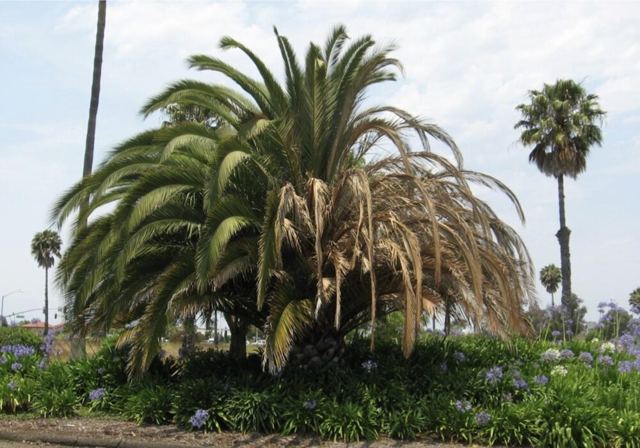
A fatal fungal wilt that plugs a palm's water-conducting tissue.
Signs and what we do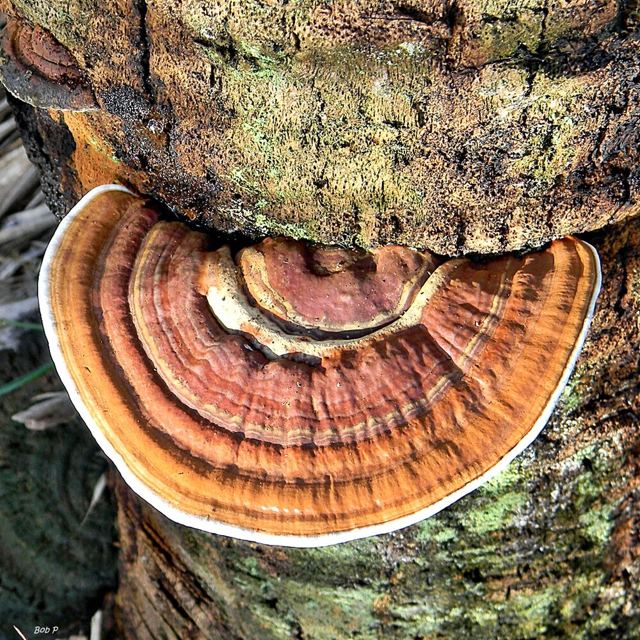 Killer
A wood-decay fungus that rots the base of the trunk and the roots.
Signs and what we do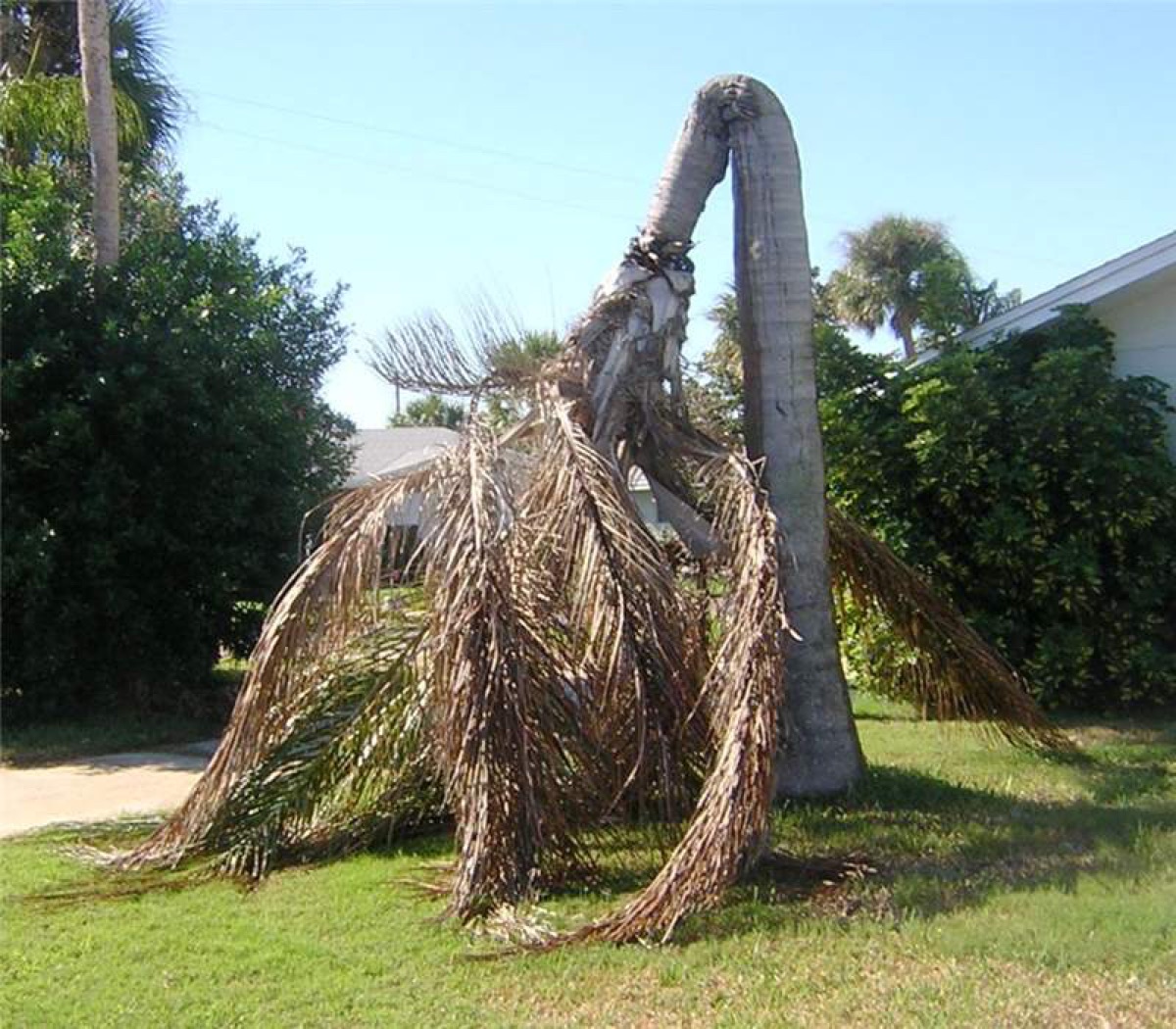 Killer
A fungus that enters through fresh trunk wounds and rots the trunk from one side inward.
Signs and what we do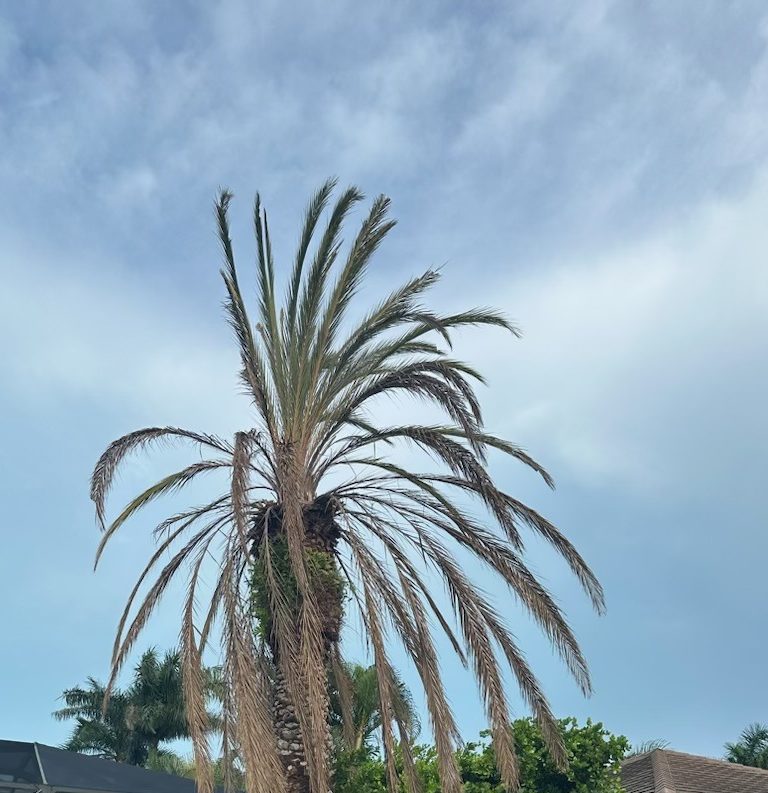 Manageable
An opportunistic fungus that gets into palms through wounds and tissue weakened by cold or drought.
Signs and what we do