
Palm disease
Ganoderma Butt Rot
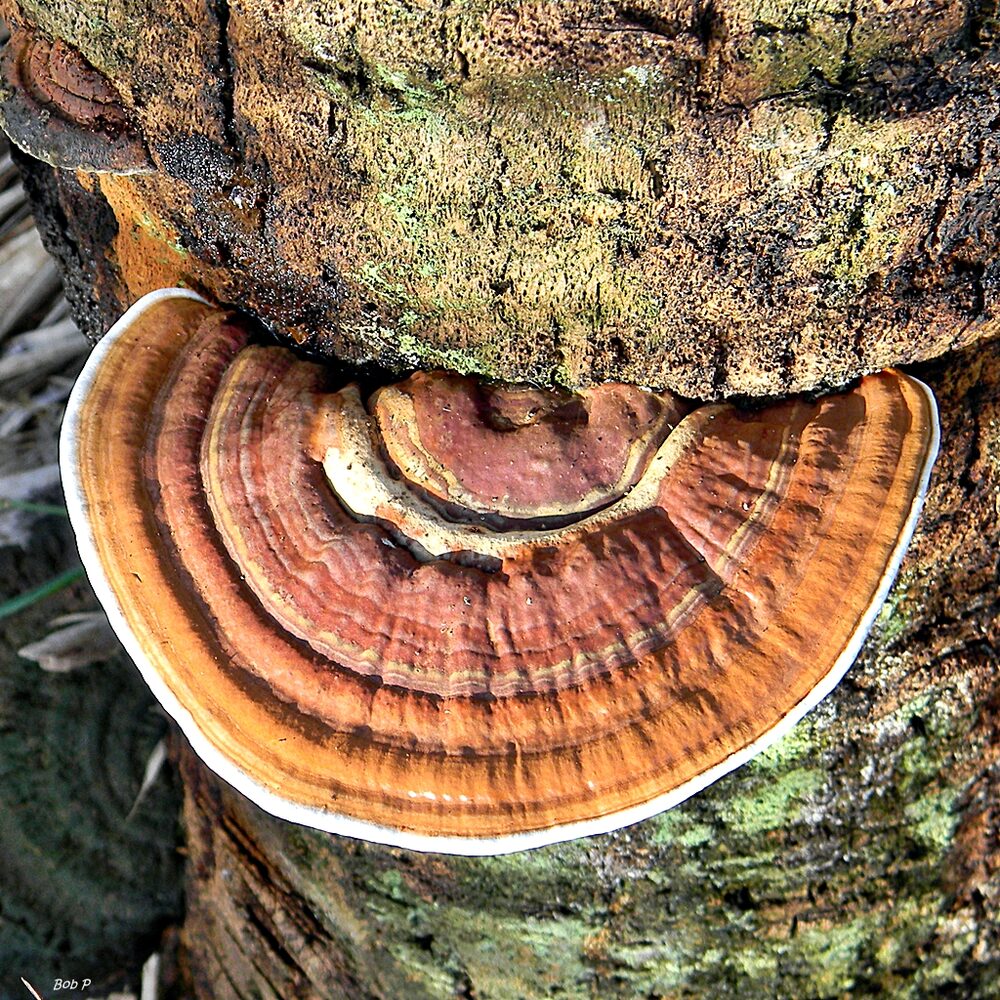
A wood-decay fungus that rots the base of the trunk and the roots. Every palm species can get it, and once the shelf-like conk appears the palm is terminal.
Palms it affects: All palm species, Queen palm, Canary Island date palm, Cabbage palm (Sabal), Sylvester palm, Royal palm, Foxtail palm, Coconut palm
- Affects
- All palm species, Queen palm, Canary Island date palm, Cabbage palm (Sabal) and more
- When it shows
- Conks appear any time. Fungal activity peaks June through September.
- What we do first
- Inspect the lower trunk and root boss; a conk is a terminal sign.
What you see
Signs in the field
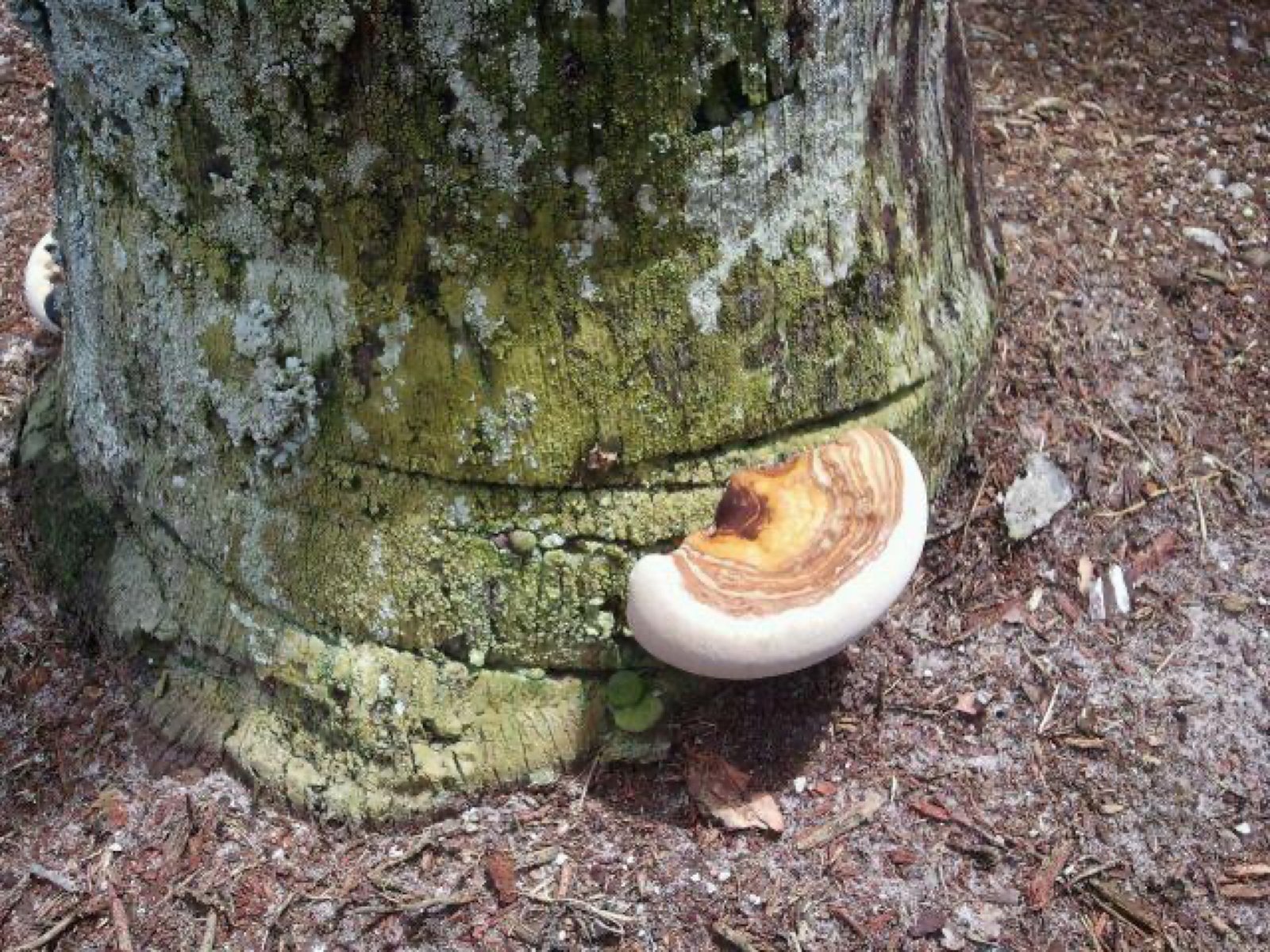
- A shelf-like conk at the base of the trunk, usually within 3 feet of the soil, glossy reddish-brown on top and white to cream underneath
- An early conk that starts as a soft, whitish knob
- Rusty brown spore dust on nearby surfaces
- Lower fronds drying and browning, moving up the canopy
- A trunk base that sounds hollow when knocked
From the field · 1 of 2
The detail
What else to know
A green canopy can fool you
A palm can still carry a full, green canopy when the first conk appears. The rot is in the base, not the fronds. The conk is proof of fatal decay inside, whatever the canopy looks like.
How it spreads
Through soil and roots, and by spores released from conks. It gets in through root and trunk wounds: construction, grade changes, irrigation trenching, edging and mower damage. Pruning tools do not spread it.
Removing a conk stops spore release from that conk. It does not stop the disease in the palm or the soil.
Safety
Butt rot can fail without warning, so a palm near a building, pool or walkway is a higher priority. We treat any palm flagged for Ganoderma as a collapse risk and put no ladder against it. If the client keeps it, we prune from the ground with a pole pruner or from a bucket truck.
Replanting
UF/IFAS recommends against replanting a palm in the same spot. Our position is that replanting is a risk decision made with the client, not an absolute rule. We disclose the risk and weigh it against the value of the location.
What we do
How Ptolemy handles it
Field condition first, then the recommendation. Treatment, removal and diagnosis calls are made by an ISA Certified Arborist, and the serious ones are confirmed in a lab.
Written down before it is neededThis is covered by our ganoderma protocol.
- Inspect the root collar and lower trunk, including between the boots on Sabal, Washingtonia and date palms. A canopy-only check misses Ganoderma.
- Confirm before we act: a conk or internal rot in the field, or a lab test of trunk sawdust when there is no conk. Drill bits are cleaned and sterilized between every palm.
- A confirmed palm gets a written removal recommendation, signed by our certified arborist, on every report for as long as it stands. Keeping it is the client's call, and it stays on our watchlist.
- Conks are bagged and taken off site. At removal we take the stump and root ball, or grind and remove all the grindings. No infected chips go back as mulch.
- No fungicide, injection or biological product. None works on established Ganoderma, so we do not offer one.
Next step
Seeing ganoderma butt rot on your property?
Keep reading
More palm diseases
 Killer
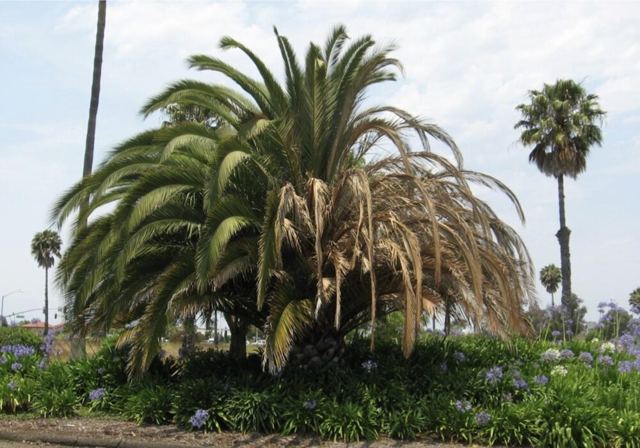
A fatal fungal wilt that plugs a palm's water-conducting tissue.
Signs and what we do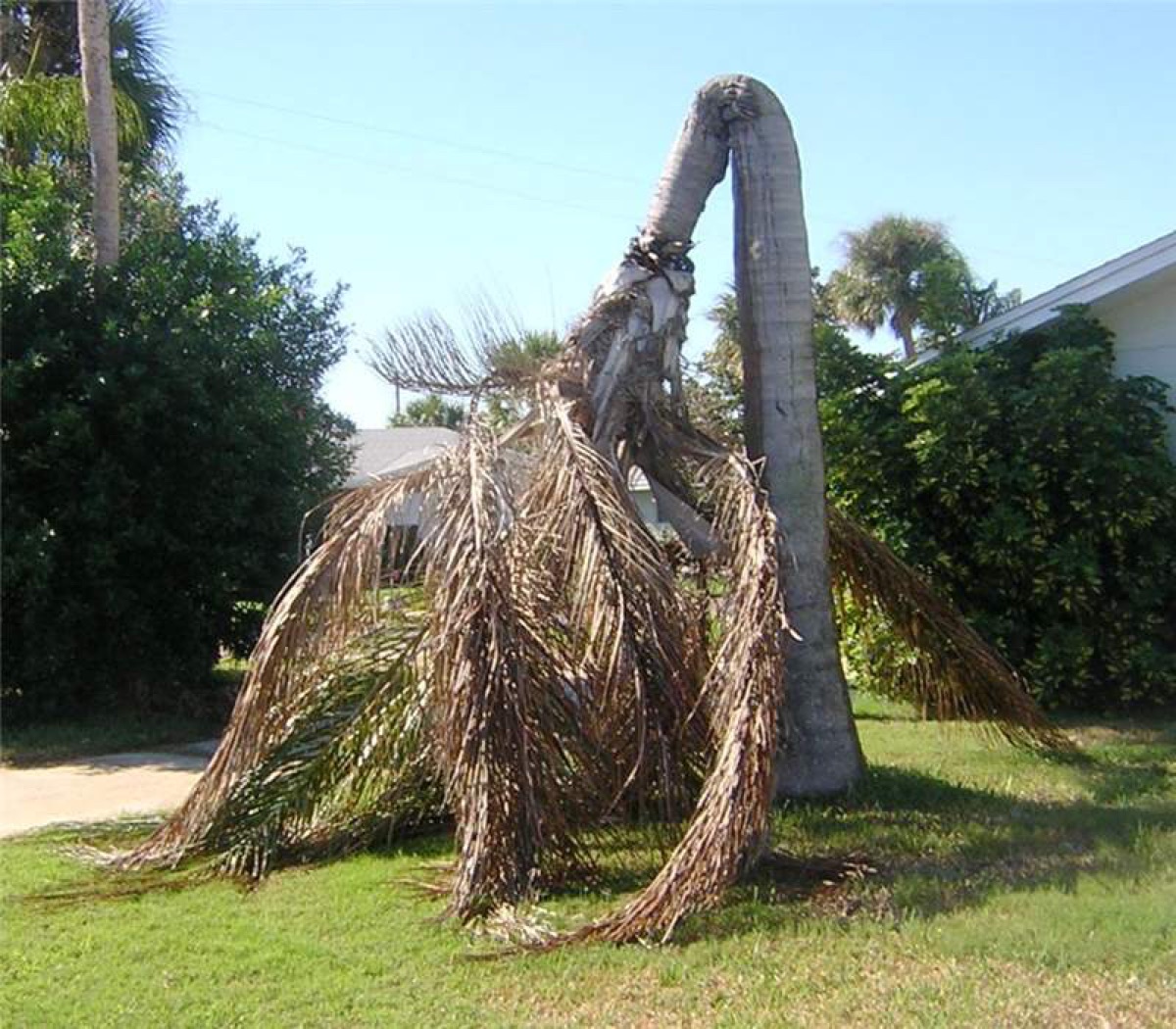 Killer
A fungus that enters through fresh trunk wounds and rots the trunk from one side inward.
Signs and what we do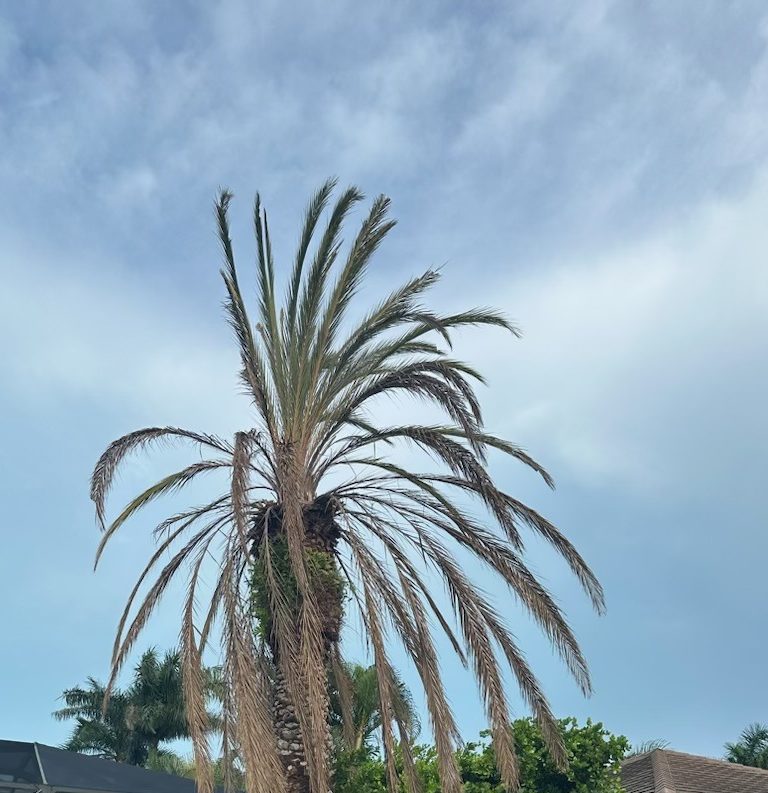 Manageable
An opportunistic fungus that gets into palms through wounds and tissue weakened by cold or drought.
Signs and what we do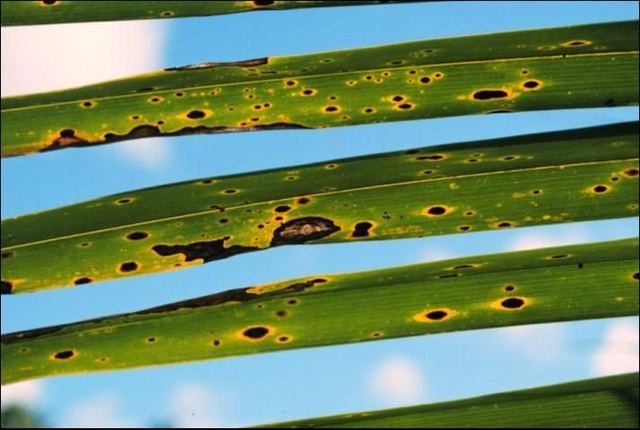 Mostly cosmetic
A group of fungal diseases that spot and blight palm fronds.
Signs and what we do