
Tree disease
Wood Decay and Conks
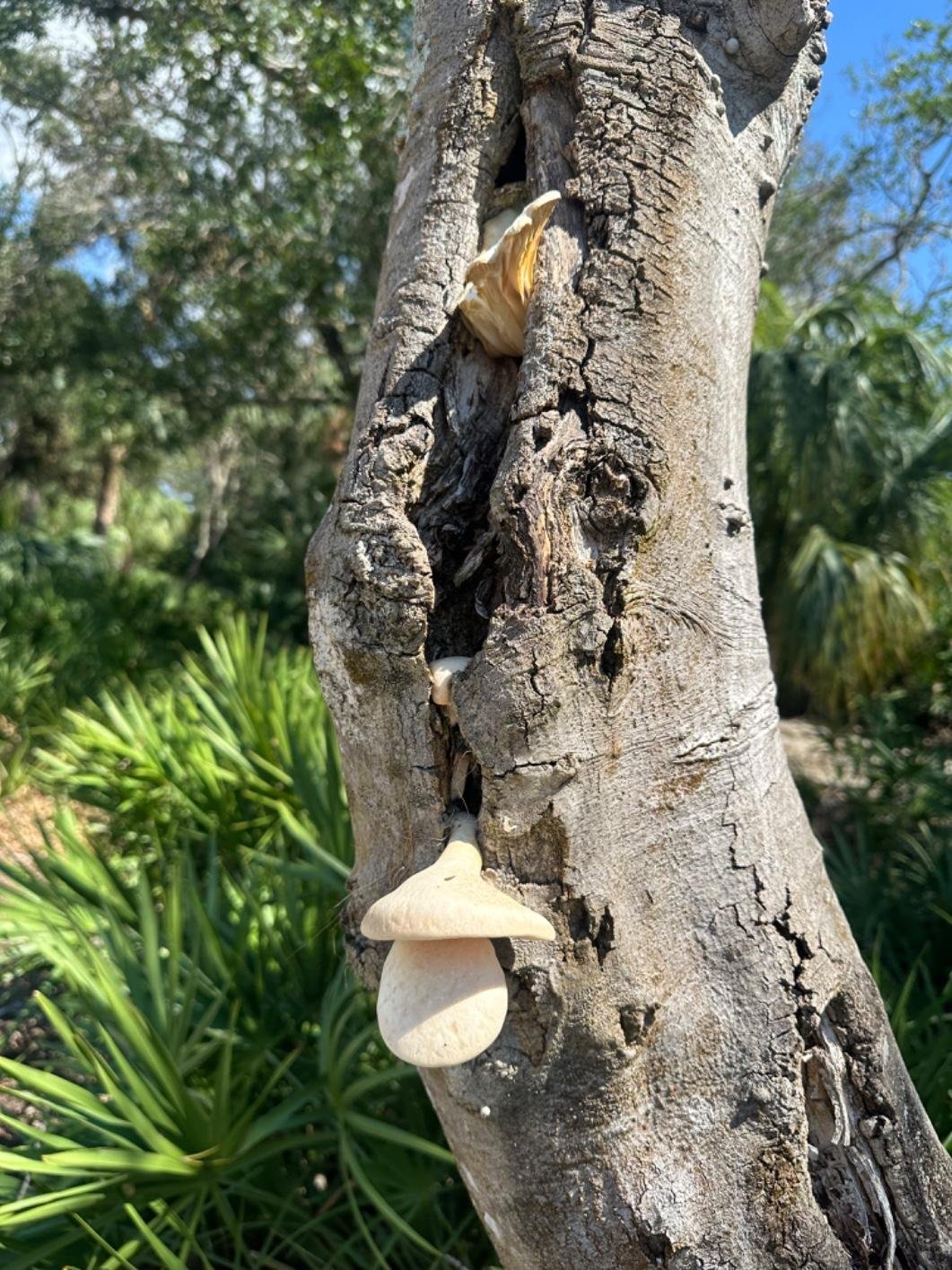
A conk on a trunk means a decay column is already inside. Decay cannot be reversed. The job is to measure how much sound wood is left and manage the tree: monitor it, lighten the load, move the target, or remove it.
Trees it affects: Oaks, Maples, Most hardwoods
- Affects
- Oaks, Maples, Most hardwoods
- When it shows
- Conks can appear any time of year.
- What we do first
- A tree risk assessment: where the decay is, how much sound wood is left, and what sits underneath.
What you see
Signs in the field
- A conk, bracket or mushroom on the trunk, root flare or roots
- Cavities, soft wood or oozing
- A thin gray-white crust, or a brittle black crust like charcoal, at the base (Kretzschmaria, easy to miss)
- Bright orange-to-yellow shelf conks in overlapping clusters (Laetiporus, a brown rot)
- Shiny, varnished red-brown conks at the base (Ganoderma on hardwoods)
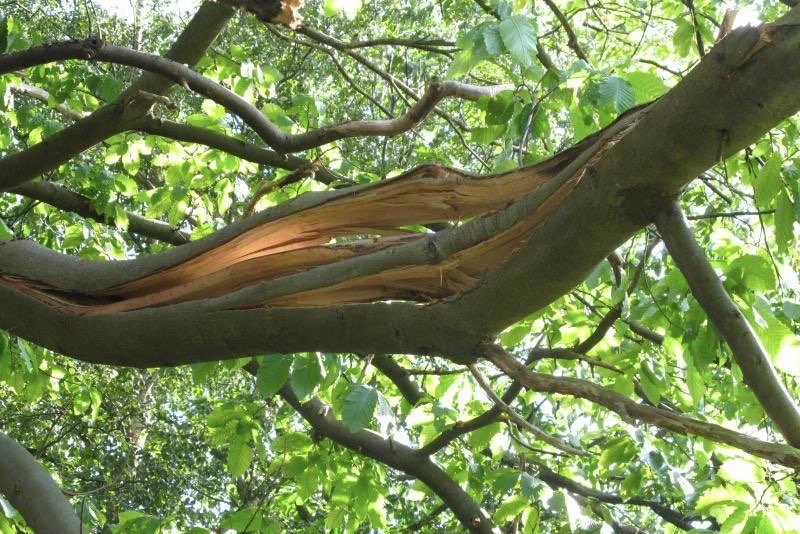
From the field · 1 of 2
The detail
What else to know
What a conk means
The conk is the fungus fruiting. By the time it appears, the fungus has been at work inside for a while. A single conk can release more than a billion spores a day, which is why decay fungi find every wound.
Three kinds of rot
White rot breaks down both lignin and cellulose. The wood turns pale, spongy or stringy and loses stiffness. Brown rot leaves brown, cubed, brittle wood. Soft rot weakens wood, often near the base. The type changes how the tree fails.
Where it is matters most
Decay at the base or root crown threatens the whole tree. Decay in a limb threatens that limb. What sits under it, a patio, a road or a playground, sets the risk.
Not the palm Ganoderma
The Ganoderma on hardwoods is a different organism from the one that kills palms. Host first, then the call.
What we do
How Ptolemy handles it
Field condition first, then the recommendation. Treatment, removal and diagnosis calls are made by an ISA Certified Arborist, and the serious ones are confirmed in a lab.
- A tree risk assessment by our TRAQ-qualified arborist when a significant conk is found, with a closer look at the decay where the call needs it.
- A recommendation to monitor, reduce the load by pruning, move the target, or remove the tree, as the structure warrants.
- We do not sell a treatment for the fungus. None restores decayed wood.
- Prevention: correct pruning cuts at the branch collar, no mower or trimmer damage at the base, and the root flare kept exposed.
- The base and root crown inspected at every visit for low conks and crusts.
Next step
Seeing wood decay and conks on your property?
FAQ
Questions about wood decay and conks
Can the decay be treated?
No. No spray or injection restores decayed wood or removes a decay column. We assess how much sound wood is left and manage the risk.
Does a conk mean the tree has to come out?
Not always. It depends on where the decay is, how much sound wood remains, and what is underneath. A conk at the base over a walkway is a different call from one on a limb over open ground.
Should we knock the conk off?
Removing it does not stop the decay inside. The conk is evidence, so leave it until the tree has been assessed.
Built on
Our own field records, our written specs, and these public references:
- UF/IFAS EDIS PP333, The Laccate Ganoderma of the Southeastern United States
- ISA Tree Risk Assessment Qualification (TRAQ)
Keep reading
More tree problems
 Serious
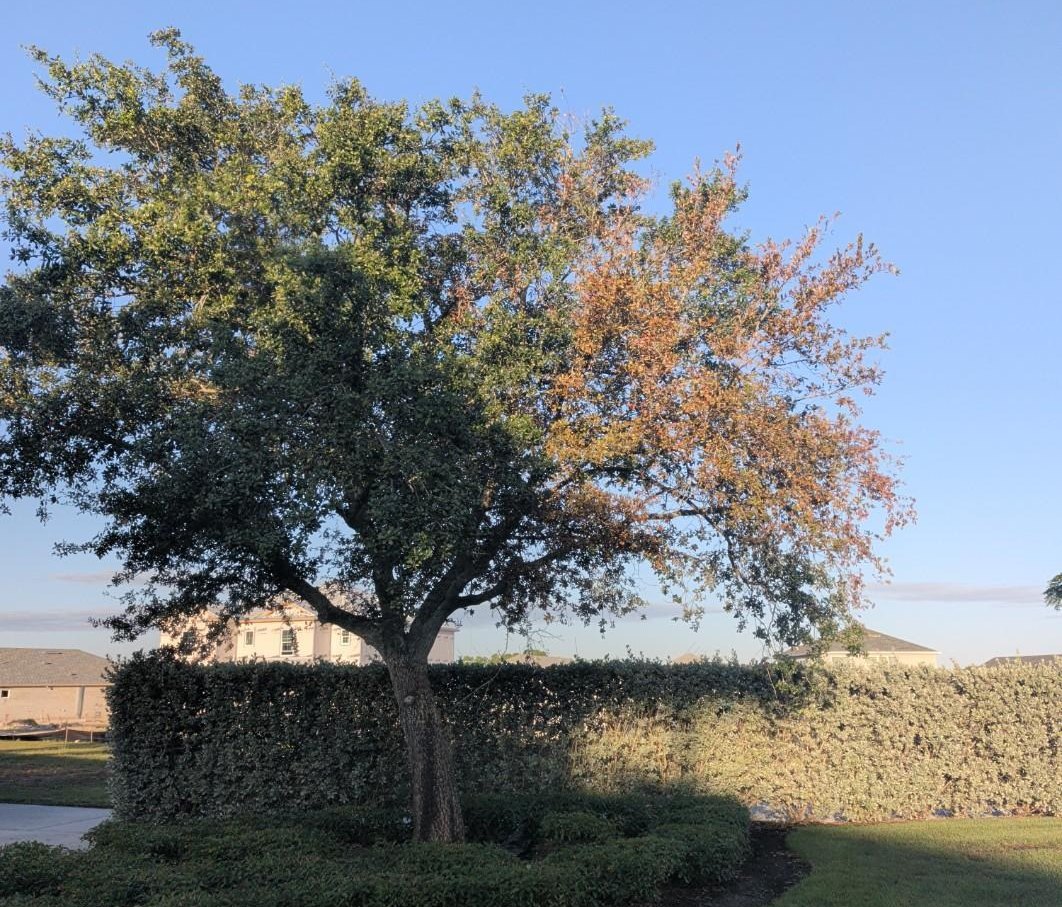
Canker fungi that live inside healthy wood and turn on a tree when it is stressed.
Signs and what we do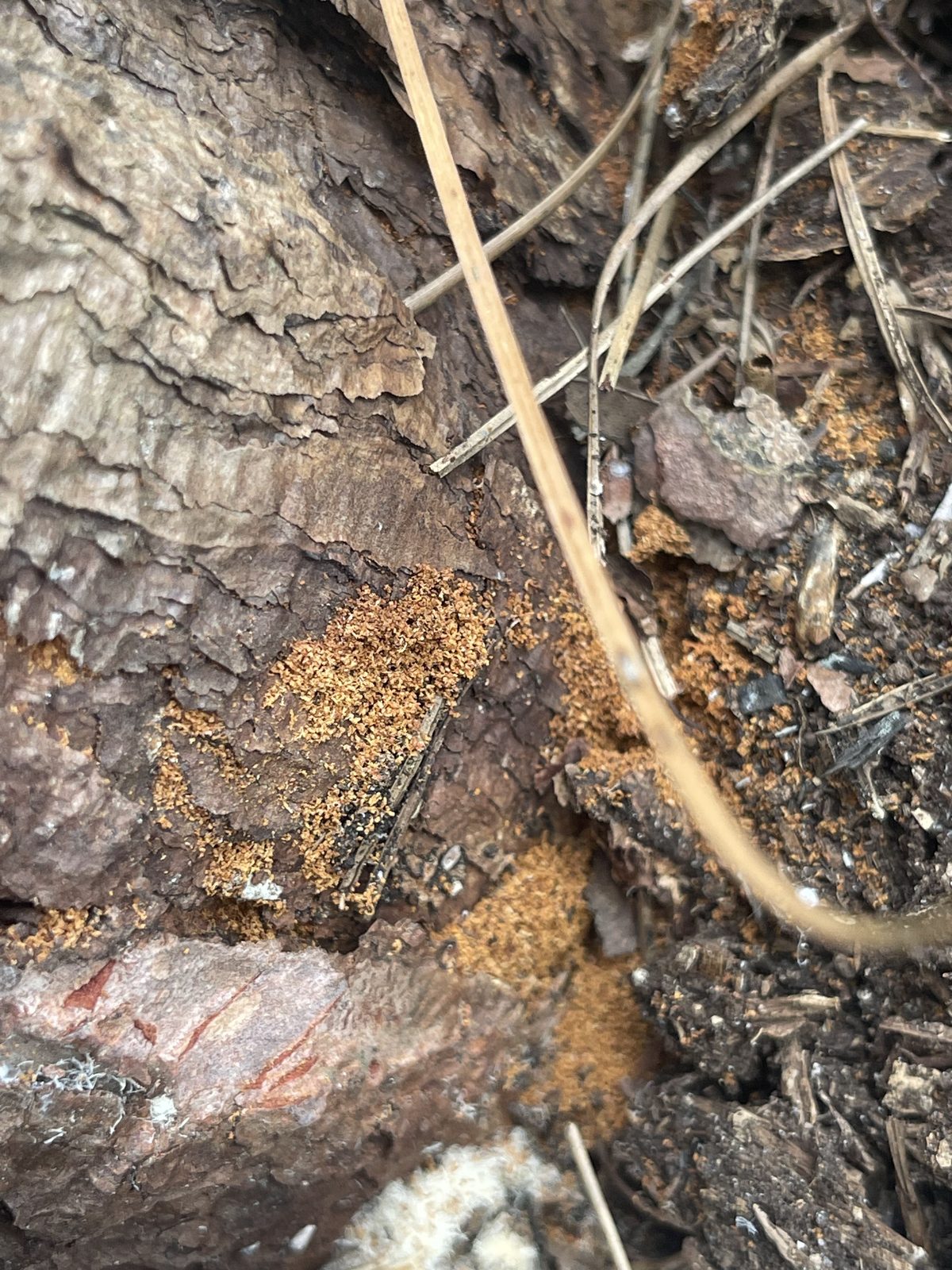 Killer
Small bark beetles that move into stressed, storm-damaged, lightning-struck or drought-stressed pines.
Signs and what we doA fungus that lives quietly inside many healthy oaks and takes over when drought, root damage or construction weakens the tree.
Signs and what we doA fatal wilt of trees in the laurel family, carried into the wood by a tiny ambrosia beetle.
Signs and what we do