
Palm disease
Bud Rot (Phytophthora)
A water mold that rots the bud, the one growing point a palm has. Cases spike in the days and weeks after tropical storms. Once the bud is dead the palm cannot recover, even while its older fronds stay green for months.
Palms it affects: All landscape palms, Coconut palm, Mexican fan palm (Washingtonia), Canary Island date palm, Date palm, Queen palm, Young palms with the bud near the ground
- Affects
- All landscape palms, Coconut palm, Mexican fan palm (Washingtonia), Canary Island date palm and more
- When it shows
- Rainy season, June through September, and the days and weeks after a tropical storm.
- What we do first
- A spear check on every palm at the first visit after a storm.
What you see
Signs in the field
- The spear leaf, the youngest unopened leaf, turns light green or yellow and wilts
- The next youngest leaves discolor the same way
- Brown, dead zones at the base of the young leaves
- The spear pulls out with little resistance and smells rotten at the base
- No new leaves, and an open-topped crown with green older fronds below
Why it matters
The bud is the palm’s only growing point, and it does not grow back. Once it is dead, nothing restores it.
A palm can look normal from below while the bud is already dead. The green canopy is living on stored energy. It is not a sign of recovery.
What drives it
Free water. The spores swim through water to reach the spear and the youngest leaves. Rain, flooding, standing water in the crown and overhead irrigation that wets the bud all set it up.
Storms add the other half. Torn fronds and cracked crowns give it a way in, which is why cases climb after a named storm.
Two organisms, one look
Phytophthora and Thielaviopsis both rot the bud, and they look the same in the field. A lab culture tells them apart. It matters when nearby palms are being protected, because the products that work on one do not work on the other.
What we do
How Ptolemy handles it
Field condition first, then the recommendation. Treatment, removal and diagnosis calls are made by an ISA Certified Arborist, and the serious ones are confirmed in a lab.
Written down before it is neededThis is covered by our storm response plan.
- After any tropical storm, we check the spear and youngest fronds on every palm at the next visit, and flag any missing or collapsed spear.
- Keep irrigation off the crown. Where overhead spray cannot be moved, water early so the foliage dries by midday. We flag it in the report for the client and their irrigation contractor.
- A protective bud drench after a storm is billed separately on every tier, by proposal. Either way it is our certified arborist’s call. It protects healthy tissue. It does not bring back a dead bud.
- A dead bud means removal. A palm with a dead bud has no landscape value and is a source of spores for the palms around it.
- Diseased material is hauled off, never chipped and spread as mulch.
Next step
Seeing bud rot on your property?
FAQ
Questions about bud rot
The canopy is still green. Why are you recommending removal?
Because the bud is dead. A palm grows only from its bud, and the green fronds are living on what the palm stored. No new leaves will come. Leaving it standing keeps a spore source next to healthy palms.
Can a fungicide help a palm with bud rot?
Only on a young palm caught very early, before the bud is fully destroyed, and only after a lab names the organism. On a mature palm with a dead bud, no product helps. The value of treatment is protecting the palms next to it.
Why does bud rot show up after hurricanes?
Storms tear fronds, crack crowns and leave water standing in the crown. The organism needs free water and a way in, and a storm provides both. Cases climb in the days and weeks after.
Built on
Our own field records, our written specs, and these public references:
- UF/IFAS EDIS PP144, Bud Rot of Palm
- UF/IFAS EDIS PP143, Thielaviopsis Trunk Rot of Palm
Keep reading
More palm diseases
 Killer
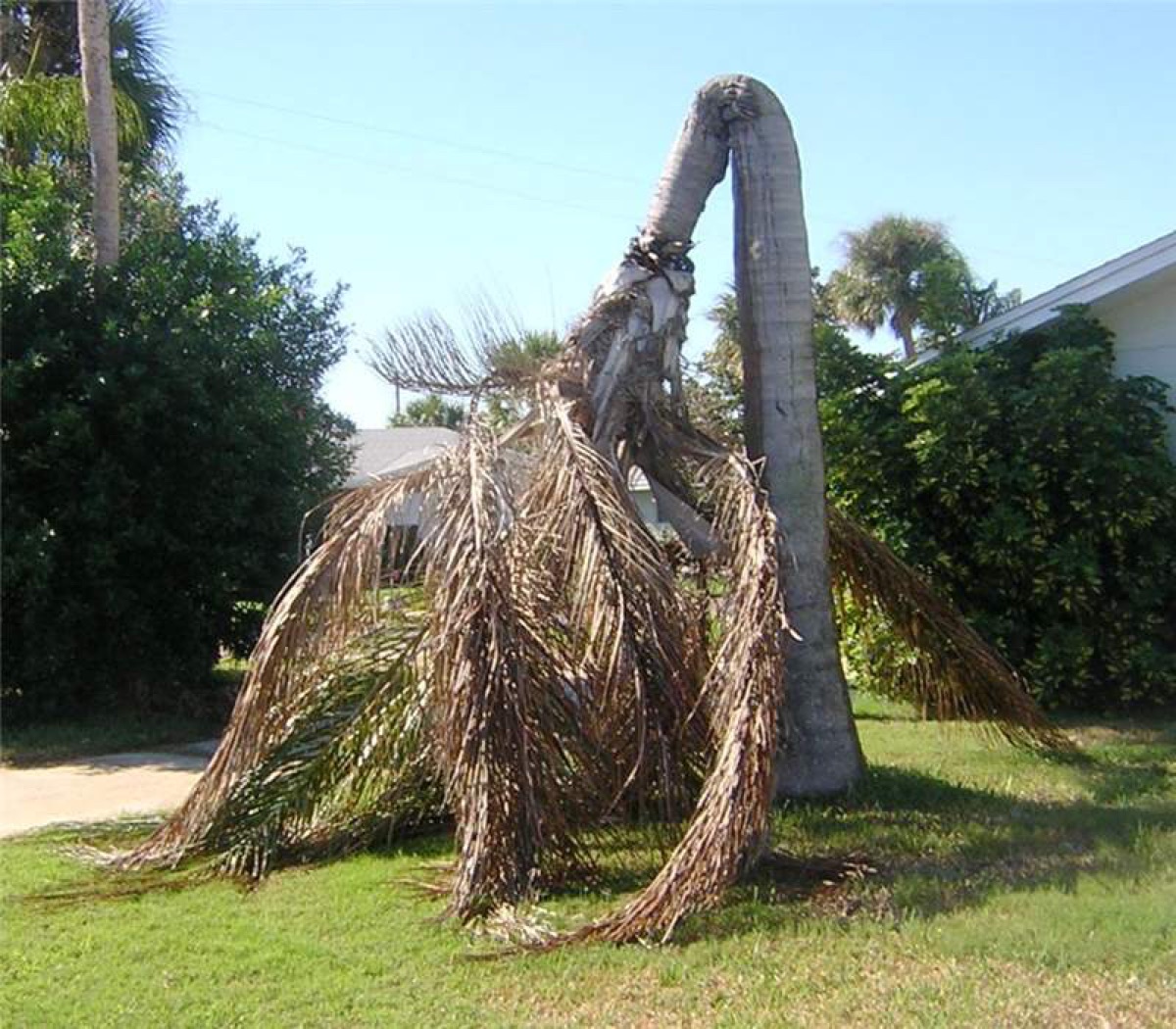
A fungus that enters through fresh trunk wounds and rots the trunk from one side inward.
Signs and what we do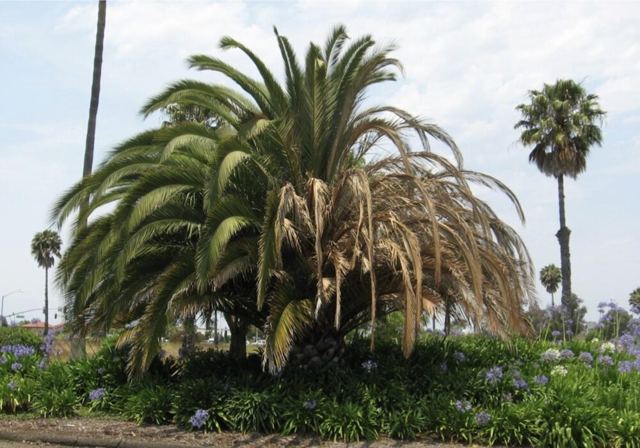 Killer
A fatal fungal wilt that plugs a palm's water-conducting tissue.
Signs and what we do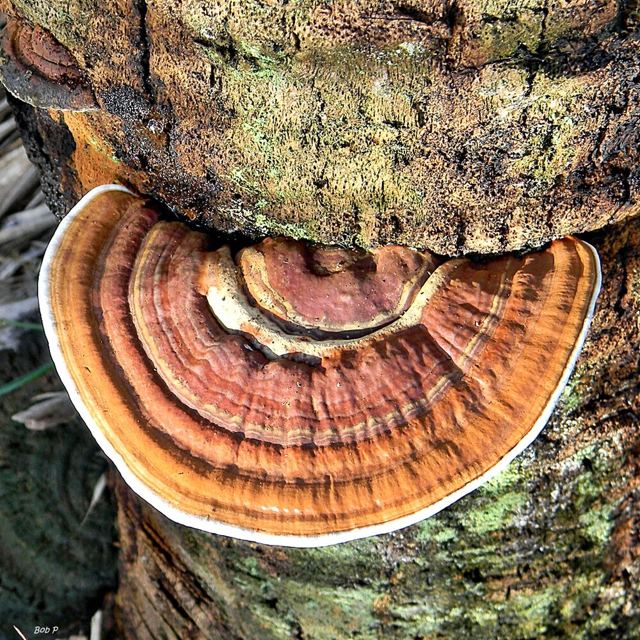 Killer
A wood-decay fungus that rots the base of the trunk and the roots.
Signs and what we do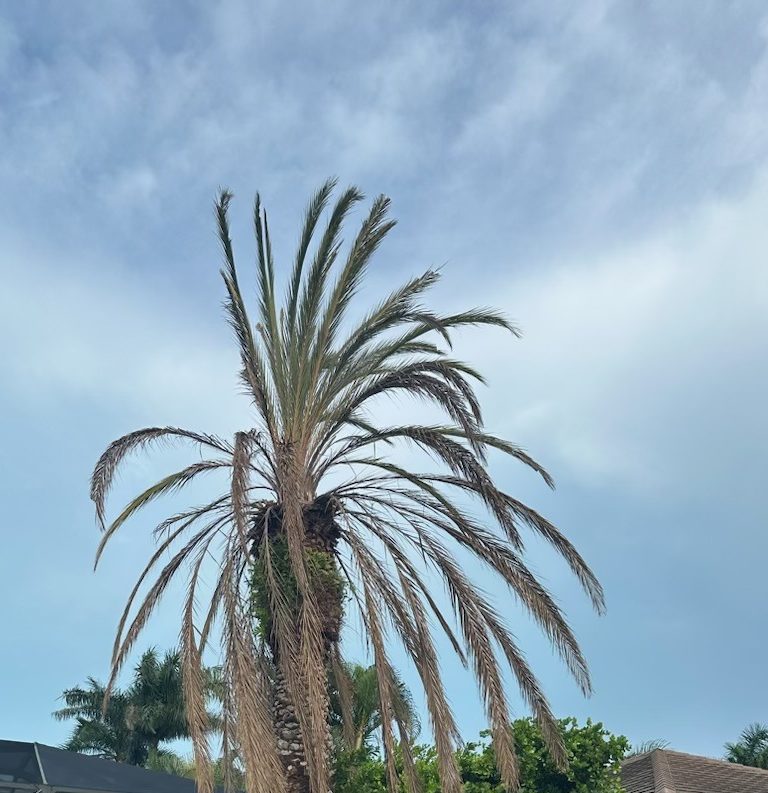 Manageable
An opportunistic fungus that gets into palms through wounds and tissue weakened by cold or drought.
Signs and what we do