
Palm disorder
Manganese Deficiency (Frizzle Top)
New fronds come out yellow, streaked and frizzled, curled tight around the stem. It is urgent: left alone, growth stops and the palm dies. In Southwest Florida the usual cause is alkaline soil locking up manganese that is already there.
Palms most affected: Queen palm, Royal palm, Paurotis palm, Pygmy date palm, Coconut palm (often in winter)
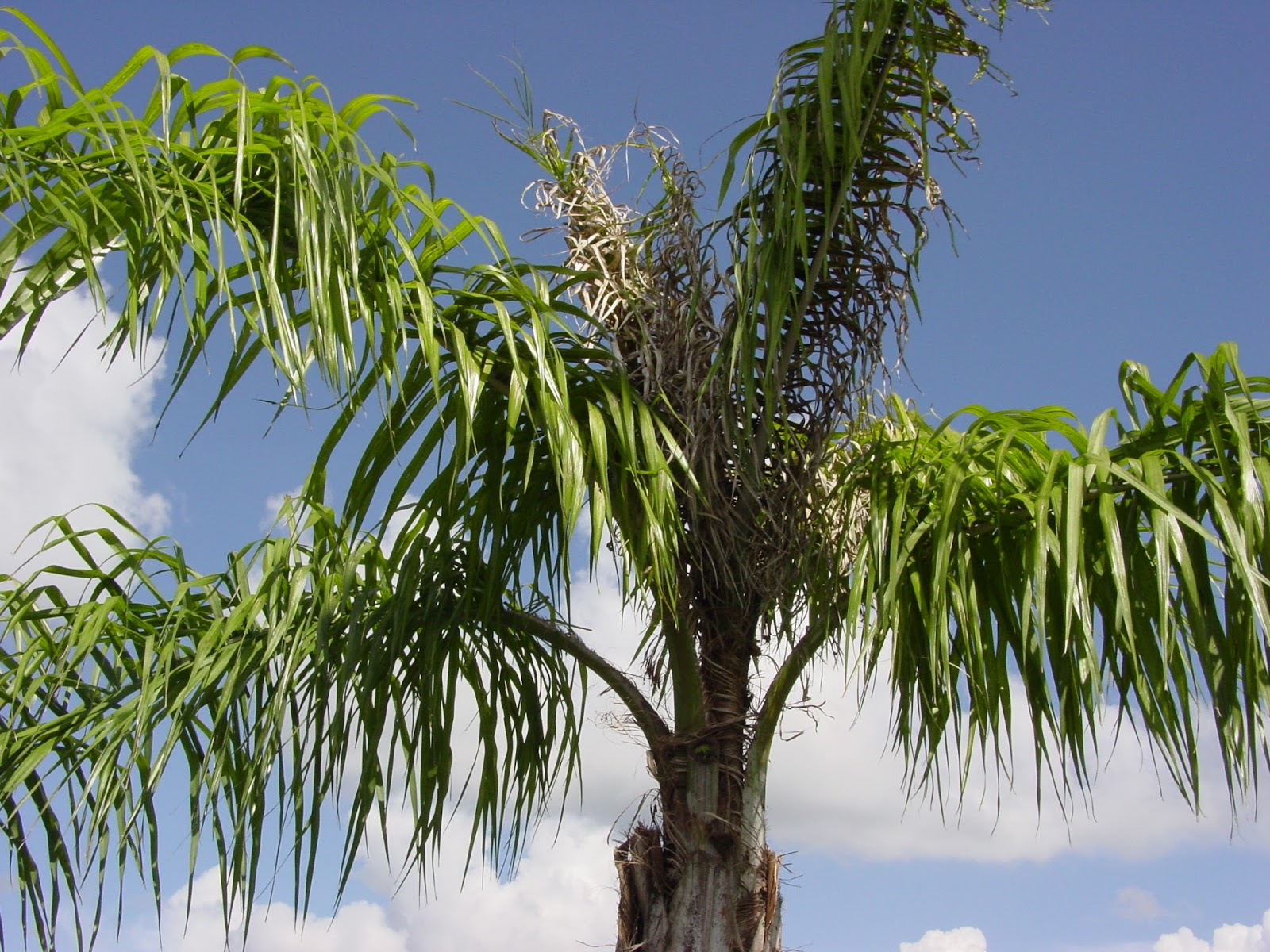
- Affects
- Queen palm, Royal palm, Paurotis palm, Pygmy date palm and more
- When it shows
- Year-round. Coconuts often show it in winter, when cool soil slows the roots.
- What we do first
- Look at the newest fronds, then check soil pH and recent amendments.
What you see
Signs in the field
- Symptoms on the newest fronds first, with older fronds normal if it is recent
- New leaves emerging yellow, with long dead streaks running the length of the leaflets
- New leaflets withered and curled tight around the stem: frizzle top
- Damage worst at the base of each frond, easing toward the tip
- On coconuts, dead leaflet tips breaking off for a singed look
- Severe cases: new leaves that are only dead stubs, then no growth at all
From the field
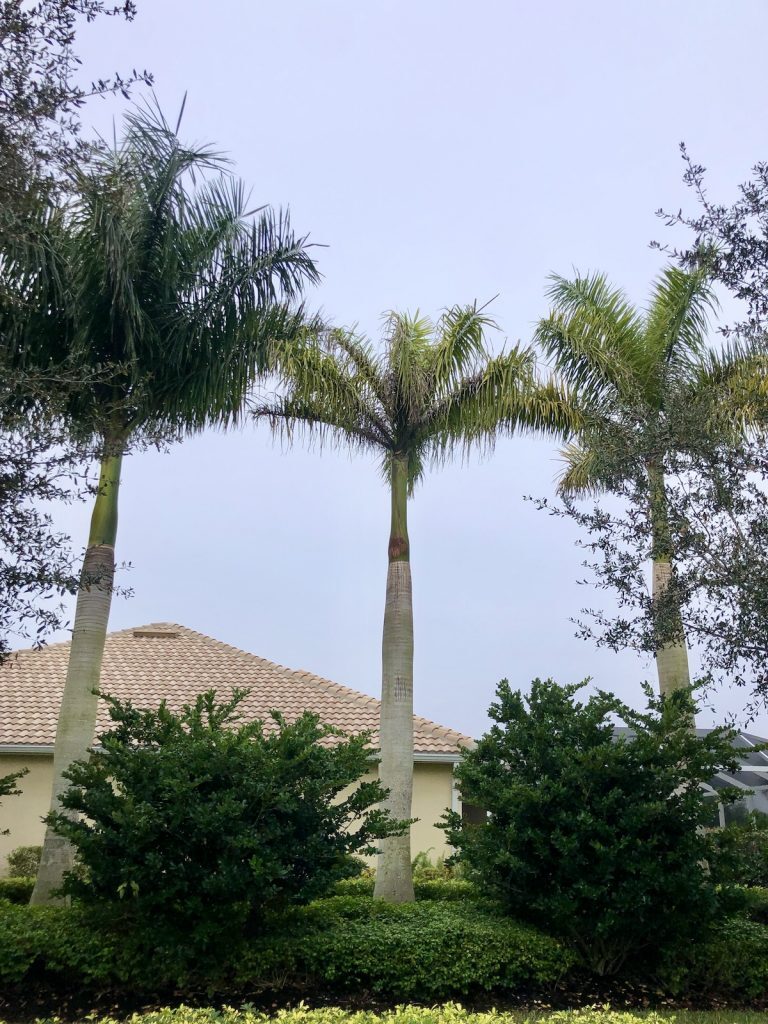
The detail
What else to know
Why it is urgent
Manganese does not move inside a palm, so the newest tissue starves first. Severe cases stop growing and die. It is one of the deficiencies that kills.
Present, but locked up
The manganese is often in the soil already. Above a soil pH of about 7.5 it becomes unavailable. Concrete debris from construction, high-bicarbonate or reclaimed irrigation water and some amendments push the pH up. Sewage sludge and manure products also bind manganese.
Telling it from potassium
Both can frizzle fronds. Manganese hits the newest fronds and is worst at the base of each frond. Potassium hits the oldest fronds and is worst toward the tip.
What we do
How Ptolemy handles it
Field condition first, then the recommendation. Treatment, removal and diagnosis calls are made by an ISA Certified Arborist, and the serious ones are confirmed in a lab.
- Complete palm fertilizer with manganese on the program schedule for maintenance.
- For acute frizzle top, supplemental manganese sulfate to the soil, with a foliar spray as a short-term boost on alkaline ground, at rates our certified arborist sets.
- We work within the soil pH. We do not try to correct it.
- Any frizzled new growth goes on the watchlist at the visit it is found.
- Patience: the response can take 3 to 6 months to show.
Next step
Seeing manganese deficiency on your property?
FAQ
Questions about manganese deficiency
Is frizzle top serious?
Yes. It is one of the deficiencies that can kill a palm, because it starves the newest growth. Catch it early.
We fertilize. Why is this happening?
The manganese may be there but locked up. High soil pH from construction debris, irrigation water or certain amendments makes it unavailable to the roots.
How fast will it improve?
Expect 3 to 6 months before new fronds come in clean. Damaged fronds stay damaged.
Built on
Our own field records, our written specs, and these public references:
- UF/IFAS EDIS EP267, Manganese Deficiency in Palms
Keep reading
More palm disorders
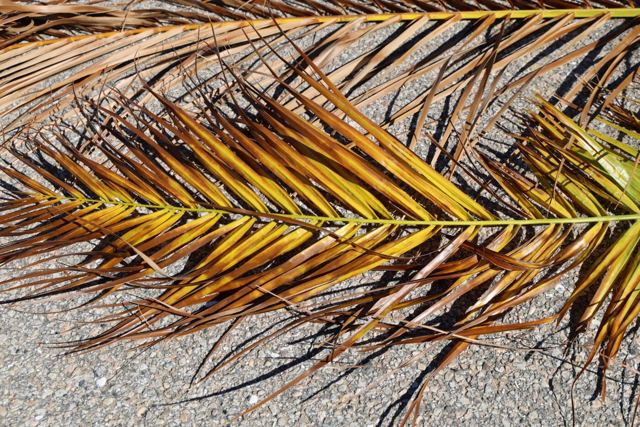 Serious
Chilling, frost and hard freezes burn fronds and can kill the bud.
Signs and what we do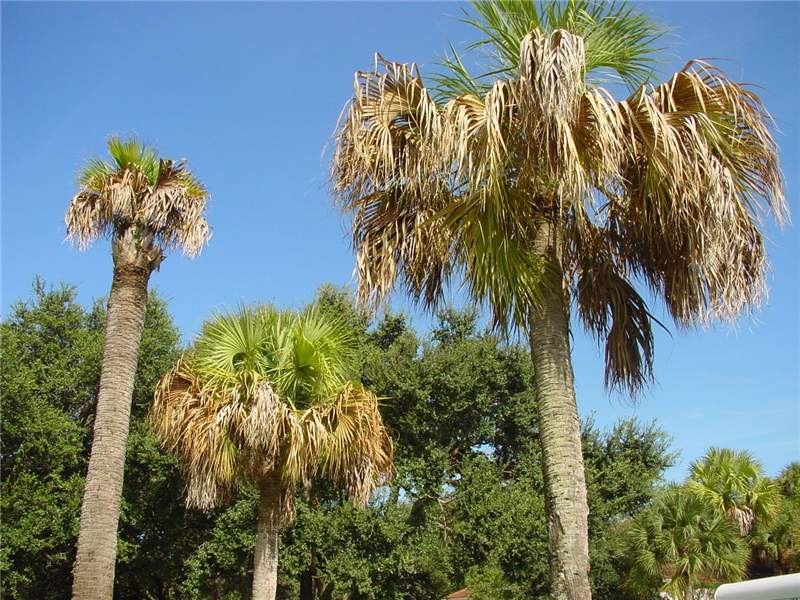 Manageable
The most common nutrient problem in Southwest Florida palms, and the one with the highest stakes.
Signs and what we do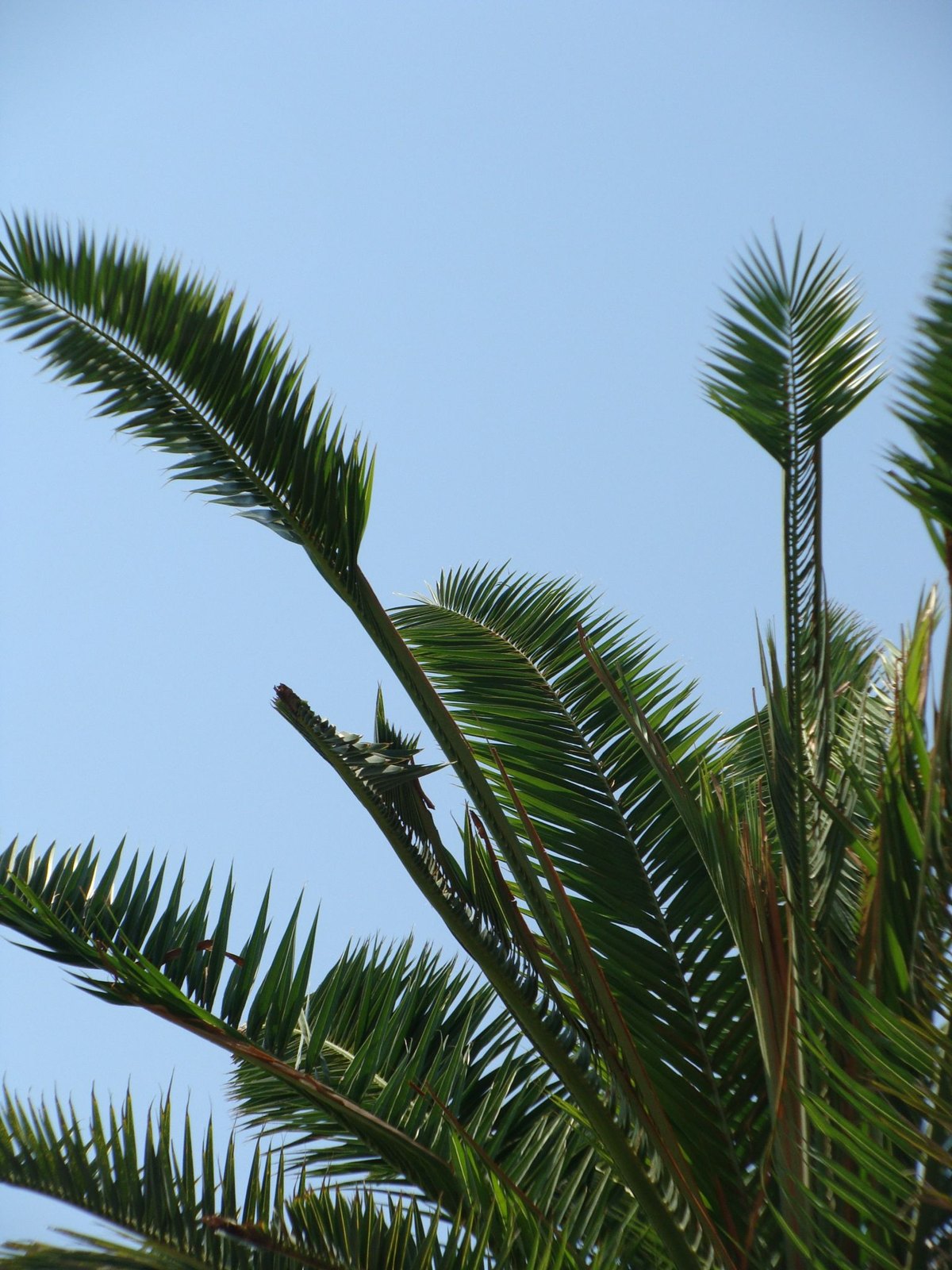 Manageable
Deformed new growth: bent leaflet tips, spears that will not open, crumpled accordion leaves, crowns that bend to one side.
Signs and what we do Manageable
Broad yellow bands on the oldest fronds, with a green stripe left down the center.
Signs and what we do