
Palm disorder
Boron Deficiency
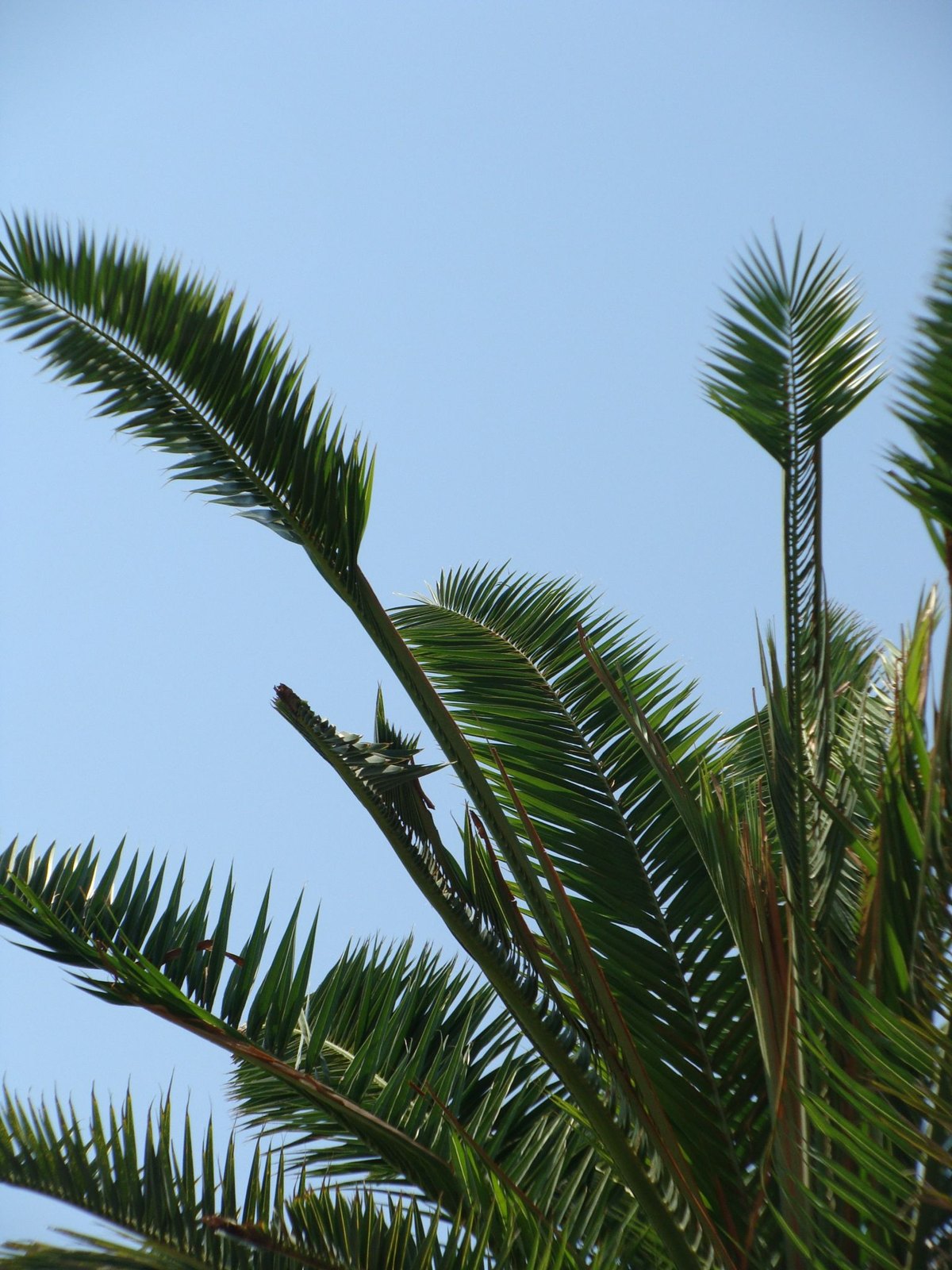
Deformed new growth: bent leaflet tips, spears that will not open, crumpled accordion leaves, crowns that bend to one side. Heavy rain washes boron out of our soils, and the line between too little and too much is narrow.
Palms most affected: Coconut palm, Queen palm, Areca palm, Christmas palm, African oil palm
- Affects
- Coconut palm, Queen palm, Areca palm, Christmas palm and more
- When it shows
- Often after heavy rain, which leaches boron from the soil.
- What we do first
- Read it by eye. Leaf and soil tests are not reliable for boron.
What you see
Signs in the field
- Hook leaf: leaflet tips bent sharply, tearing if you try to straighten them
- Blunt, triangular dead tips in bands across the leaflets, left by brief shortages while the leaf formed
- Several fused spear leaves at the top that fail to open
- Small, crumpled leaves folded like an accordion
- The crown bending to one side, or leaves twisting and growing down along the trunk
- On coconuts, early nut drop and blackened flower spikes
Why it is hard to test
Boron does not move inside the palm, and rain leaches it fast. A leaf sample reflects the boron the palm had four to five months ago, not what is reaching the bud today. Soil tests are not recommended either. A trained eye on the new growth is the practical test.
A narrow margin
The difference between a corrective dose and a toxic one is small. Dry boron spread on the soil can also injure the groundcover and turf around the palm. This one has to be done right, not overdone.
When it is serious
A brief shortage leaves a scar the palm grows past. A chronic one can kill the bud.
What we do
How Ptolemy handles it
Field condition first, then the recommendation. Treatment, removal and diagnosis calls are made by an ISA Certified Arborist, and the serious ones are confirmed in a lab.
- A maintenance palm fertilizer with a small, controlled amount of boron on the program schedule.
- For a confirmed shortage, a dissolved boron drench under a single palm’s canopy, not repeated for at least five months, as our certified arborist directs.
- No dry boron spread on the soil.
- On coconuts, rule out bud rot and lethal yellowing, which can look similar.
Next step
Seeing boron deficiency on your property?
FAQ
Questions about boron deficiency
Can a lab test confirm boron deficiency?
Not reliably. A leaf sample shows the boron the palm had months ago, and soil tests are not recommended. We read the new growth.
Can we add extra boron to be safe?
No. The line between enough and toxic is narrow, and too much can injure the palm and the turf around it.
Will the deformed fronds straighten out?
No. Once the shortage is corrected, the new fronds that follow come in normal.
Built on
Our own field records, our written specs, and these public references:
- UF/IFAS EDIS EP264, Boron Deficiency in Palms
Keep reading
More palm disorders
 Serious
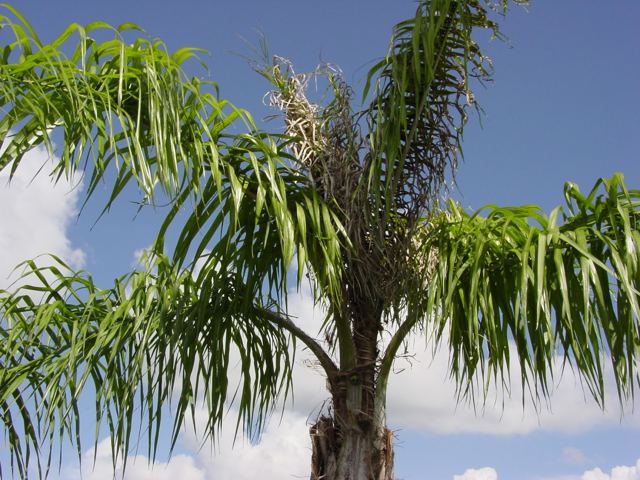
New fronds come out yellow, streaked and frizzled, curled tight around the stem.
Signs and what we do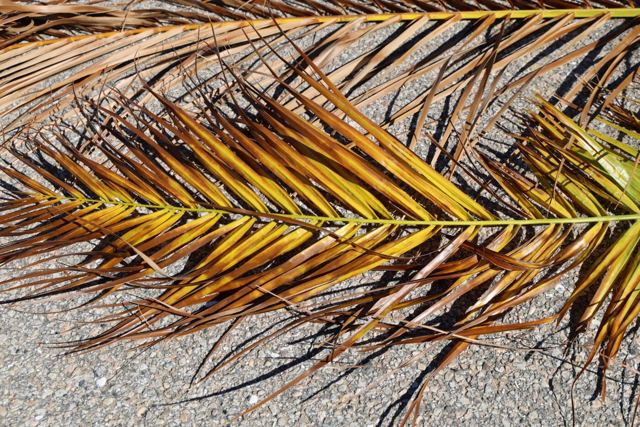 Serious
Chilling, frost and hard freezes burn fronds and can kill the bud.
Signs and what we do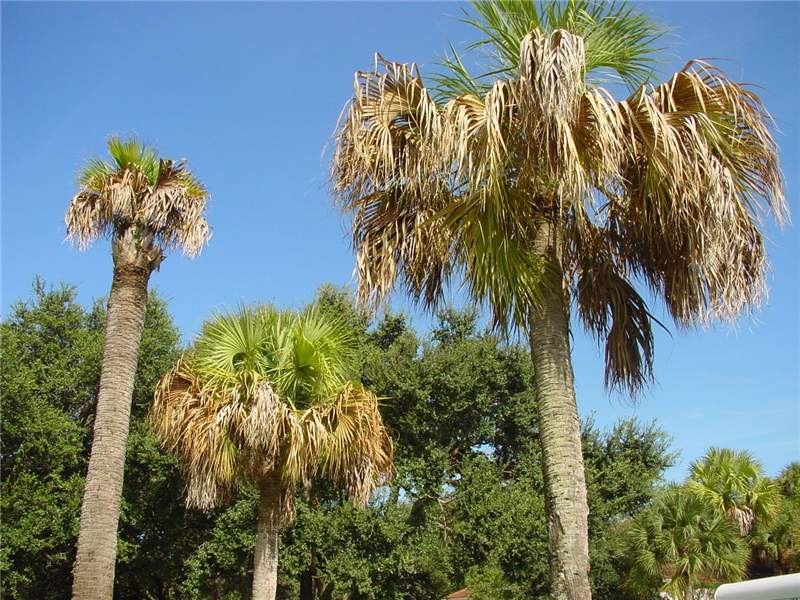 Manageable
The most common nutrient problem in Southwest Florida palms, and the one with the highest stakes.
Signs and what we do Manageable
Broad yellow bands on the oldest fronds, with a green stripe left down the center.
Signs and what we do