
Palm pest
Whitefly
Rugose spiraling whitefly is mostly a cosmetic problem on palms: sticky honeydew and black sooty mold. Ficus whitefly on ficus hedges and trees is different, because it can defoliate and kill them.
Palms it affects: Coconut palm, Areca palm, Pygmy date palm, Cabbage palm (Sabal), Veitchia, Washingtonia, Hurricane palm, Spindle palm
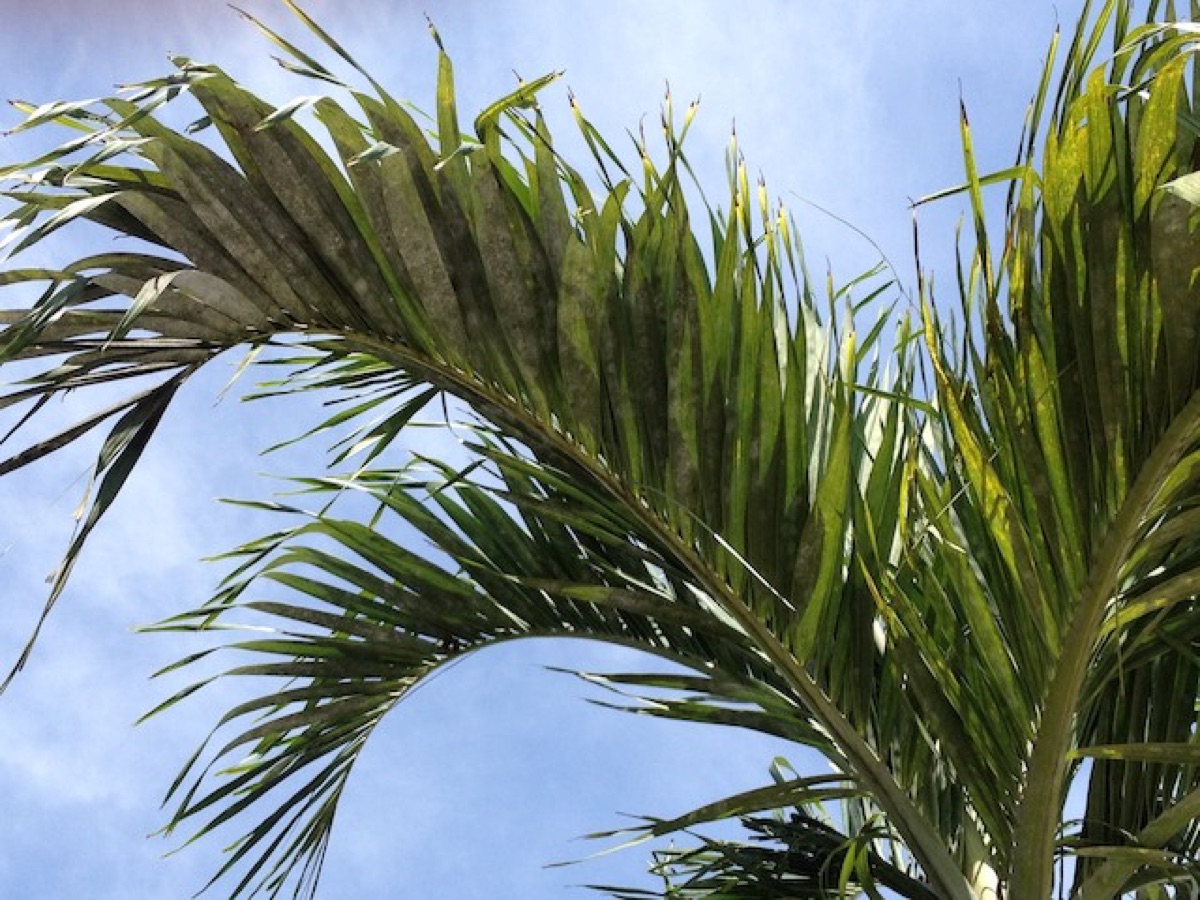
- Affects
- Coconut palm, Areca palm, Pygmy date palm, Cabbage palm (Sabal) and more
- When it shows
- Year-round, building fastest in warm, dry spells. We watch March through June most closely.
- What we do first
- Flip the fronds and confirm live insects.
What you see
Signs in the field
- White spiral patterns of eggs and wax on the underside of fronds and leaves
- White, cottony or powdery wax on frond undersides
- Sticky honeydew dripping on cars, pool decks and furniture below
- Black sooty mold coating the fronds
- Small white-winged adults that drift off when disturbed
From the field
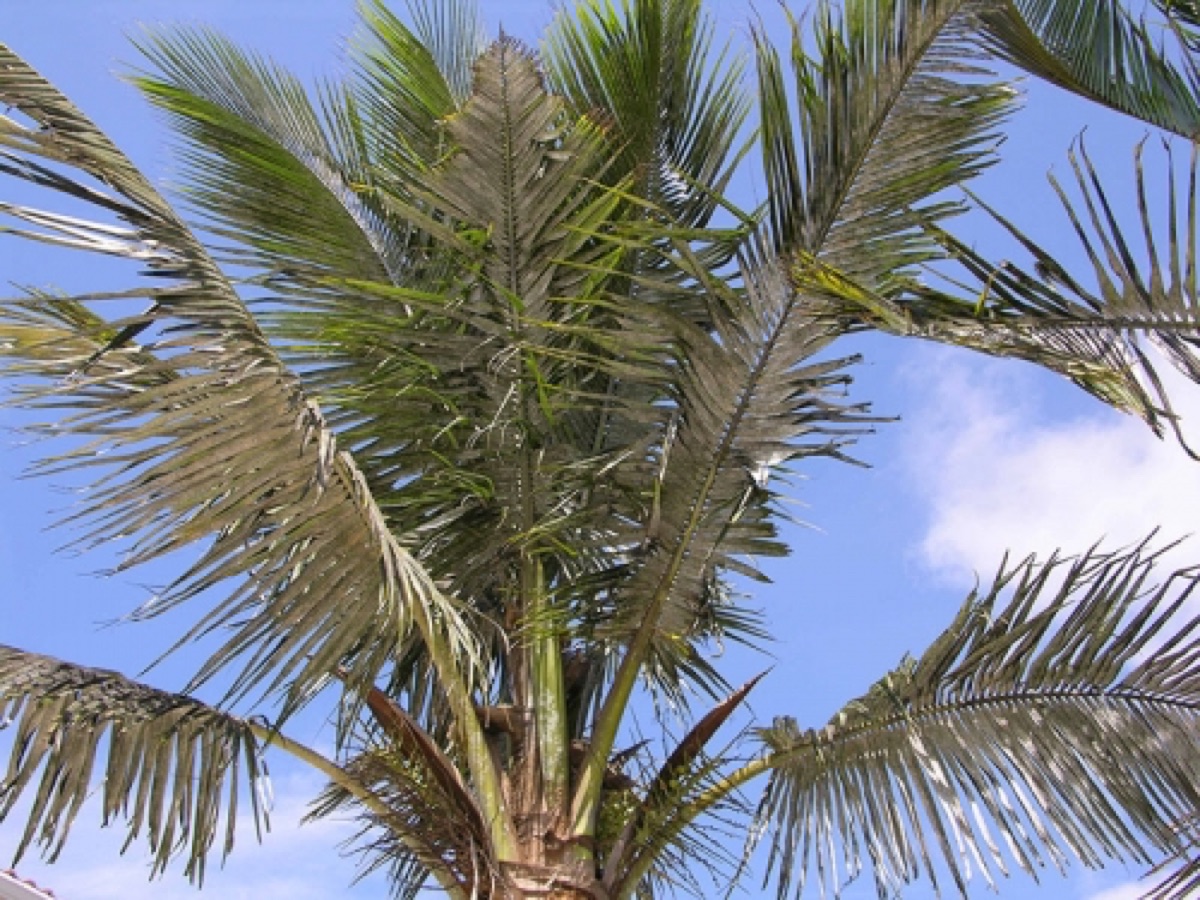
The detail
What else to know
Two different problems
Rugose spiraling whitefly feeds on more than 100 plants, including coconut and areca palms and gumbo limbo. On established palms it is mostly a nuisance. Dense, long-lasting sooty mold cuts light and can add to frond drop, but it rarely kills an established palm.
Ficus whitefly feeds only on ficus. It causes leaf drop and branch dieback and can kill hedges and specimen trees. That calls for an active treatment plan, not a wait-and-see approach.
Why we protect the beneficials
Parasitic wasps and predatory beetles are established in Florida and hold whitefly down over time. A broad-spectrum spray knocks whitefly back briefly, but it kills those natural enemies too. That sets up a faster, harder comeback.
What to expect after treatment
Sooty mold and wax do not vanish when the whitefly does. They weather off with rain and sun, and new fronds come in clean. Full cosmetic recovery can take 3 to 6 months. Pressure washing is not needed.
When we see it
Year-round, building fastest in warm, dry spells. Rain knocks populations back. We watch most closely from March through June and after dry periods.
What we do
How Ptolemy handles it
Field condition first, then the recommendation. Treatment, removal and diagnosis calls are made by an ISA Certified Arborist, and the serious ones are confirmed in a lab.
- Flip and check fronds on coconut and areca palms from March through June, and confirm live insects before any treatment. Old mold and wax look the same as an active outbreak.
- On palms, treat only at our threshold: more than 10 live nymphs or pupae per frond on more than 25 percent of the fronds checked, with active honeydew.
- On palms, the treatment is a systemic soil drench, not a trunk injection. Injection is kept for trees such as ficus.
- Confirmed ficus whitefly on ficus gets an active treatment cycle, confirmed with our certified arborist.
- A confirmed rugose spiraling whitefly find goes in the client's written assessment as an established invasive, however light the load.
Next step
Seeing whitefly on your property?
Keep reading
More palm pests
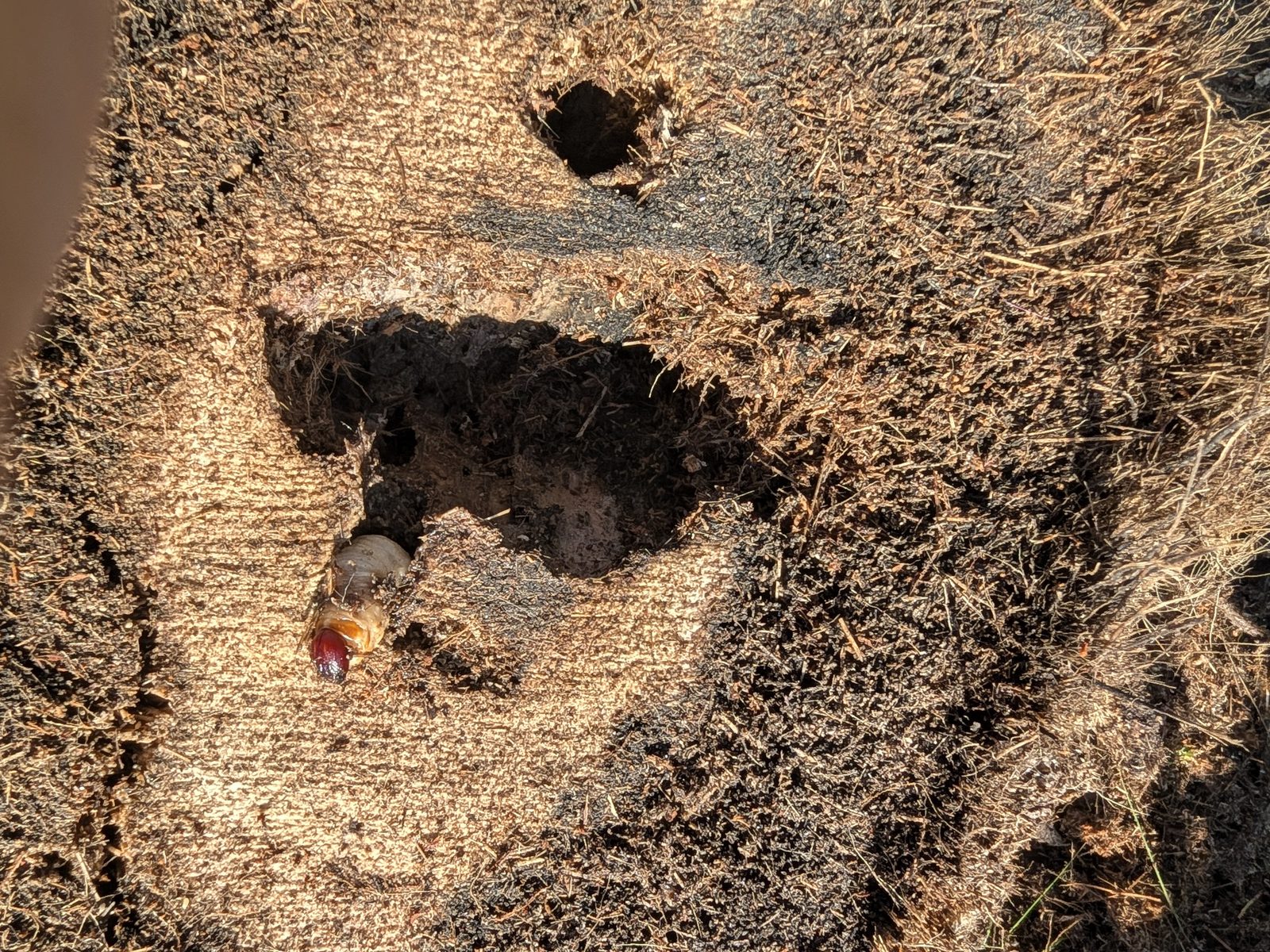 Serious
North America's largest weevil and the most lethal insect pest of palms in Florida.
Signs and what we do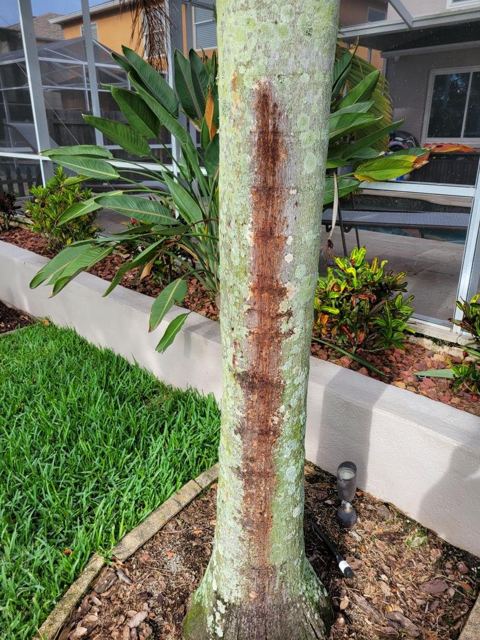 Serious
Tiny wood-boring beetles that attack palms and trees already under stress.
Signs and what we do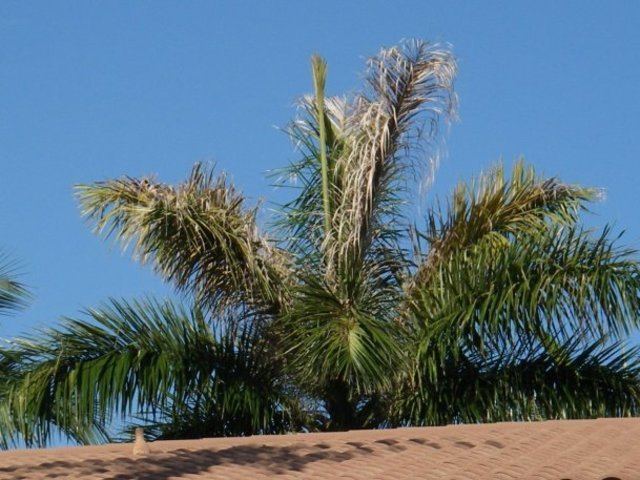 Mostly cosmetic
A tiny bug that feeds only on royal palms.
Signs and what we do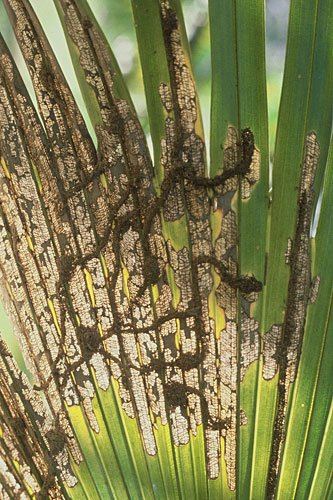 Mostly cosmetic
A small caterpillar that feeds under a mat of silk and droppings on the underside of fronds.
Signs and what we do