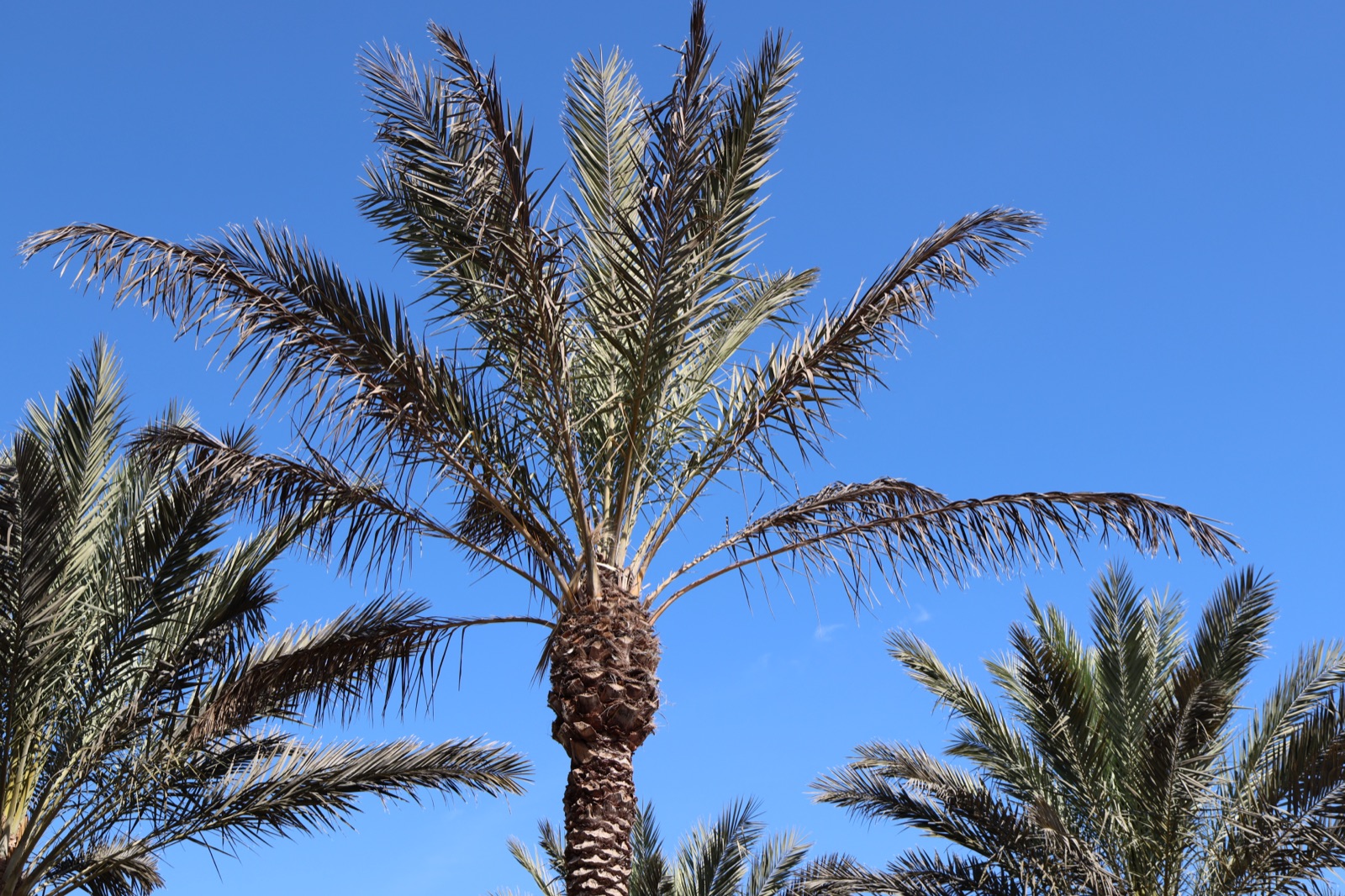
Lethal Bronzing Has a Season, and the Damage Shows Up Months Later
The insect that spreads lethal bronzing peaks in August and September, and a palm infected now may look fine until spring.
 Jeff Kaulbars
Lethal bronzing is active year-round in Florida. But the insect that spreads it is not. Its numbers peak in August and September. The palms it infects now usually do not show it until the following spring.
One insect, one season
Lethal bronzing is caused by a phytoplasma, a bacterium-like organism that lives in the tissue a palm uses to move food. Every infected palm dies. It does not travel through soil, water or pruning tools. It rides one insect, a small planthopper about the size of a grain of rice.
The young insects live in the turf and thatch, feeding on grass roots. The adults fly up and feed in the palm canopy. An adult has to feed on an infected palm for about two days to pick up the organism. After that it can carry it to every host palm it feeds on next. Adults can travel roughly 1,000 feet.
Why August matters in April
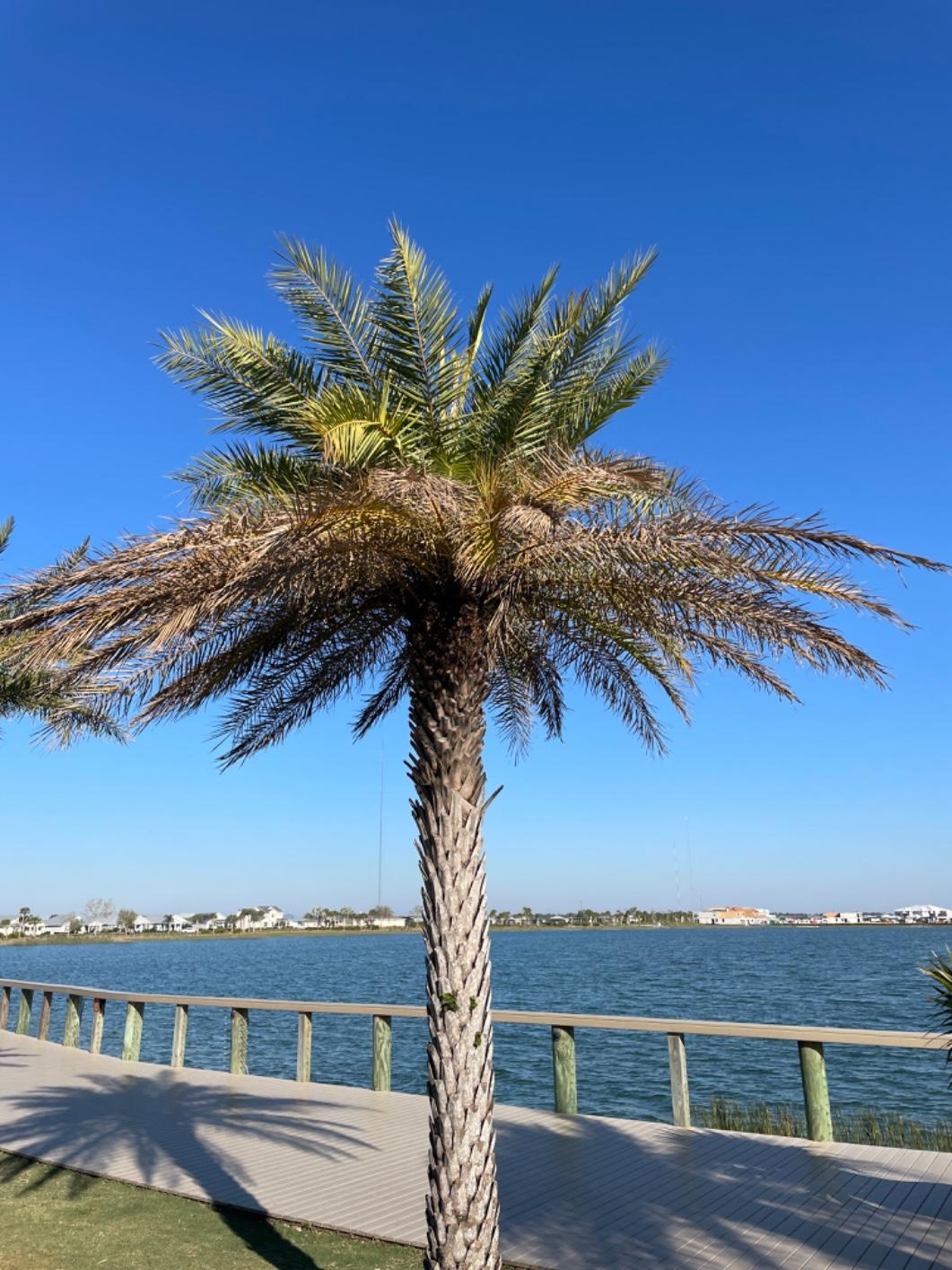
Most infected palms show nothing for 3 to 5 months. We have seen one confirmed palm go 9 months before the first symptom. So the late summer peak sets up the spring losses. A palm that starts bronzing in March or April was often infected the summer before.
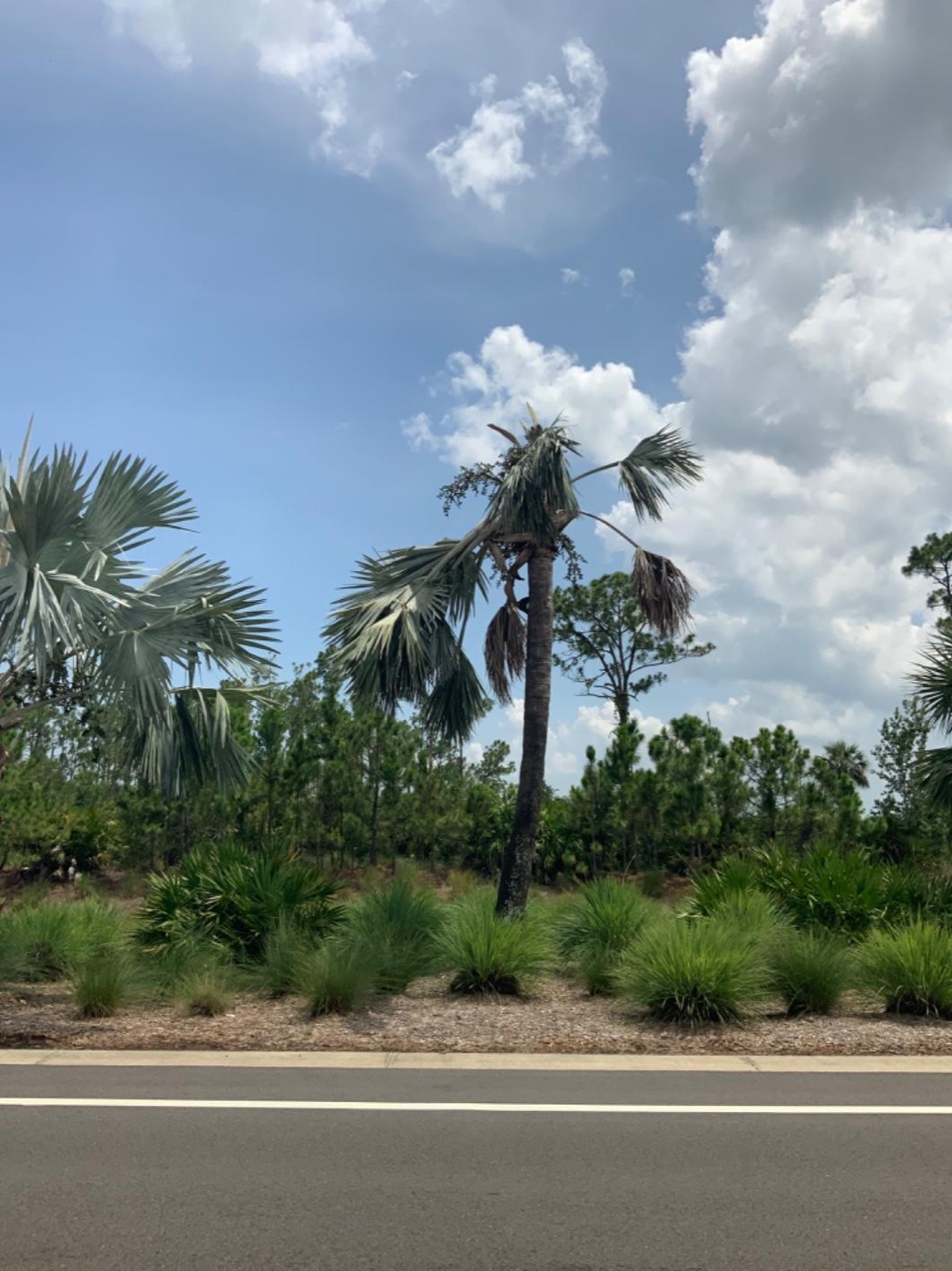
Once symptoms start, the time to death varies a lot: under a month in fast cases, 8 to 9 months in slow ones, about 3 months on average. Fruit and flower stalks die early. The oldest fronds turn a coppery bronze, and the death climbs the crown. Last, the spear collapses.
How the calendar shapes our work
- May to July: the first protective soil drench goes on enrolled Advanced-tier palms, before the peak, then repeated through the July to September peak within the label.
- April to May: Sylvester, Medjool and Bismarck palms on the drench are pruned, so the flowers and seed stalks are off before drench season and bees stay off a treated palm.
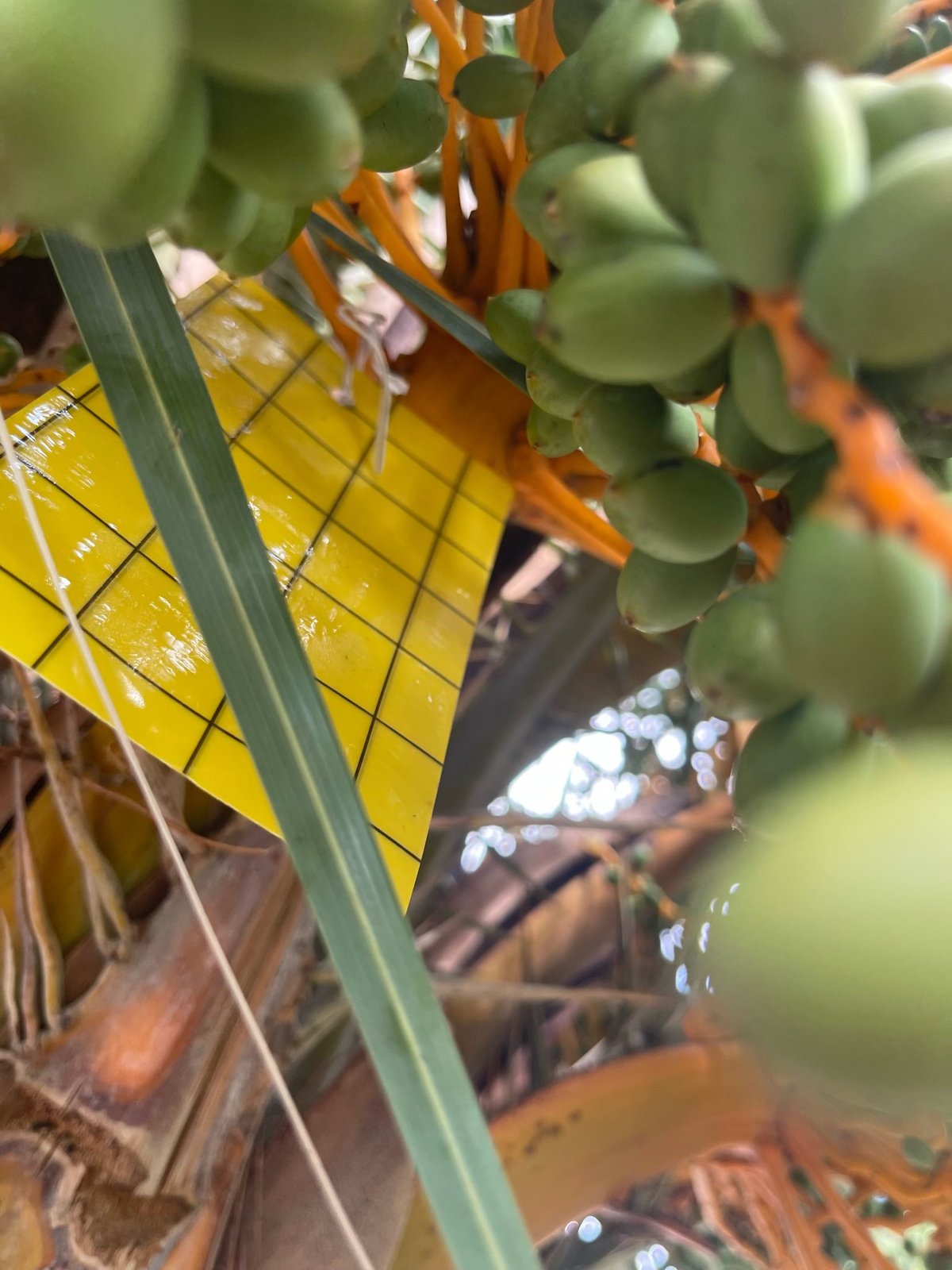
- All year: sticky traps in the canopy tell us whether the insect is present and active on a property.
- November to February: the lowest-risk window for new palm and sod installs on a property with a history of lethal bronzing.
- Spring: every bronzing palm gets a hard look, and a lab test before anyone treats or removes it.
Which palms we worry about
The university lists 21 confirmed host species. In our area the cabbage palm (Sabal) and coconut show the most deaths, and Sylvester palms are hit hardest in communities. Canary Island date and other date palms are high risk too.
Sabals are a special case. They are the most common palm on most properties and a leading host. Our default is to monitor every Sabal and not put them on routine prevention, because they hold up well without a push and the budget does more elsewhere. Small inventories and high-value specimen Sabals are the exception.
Test before you act
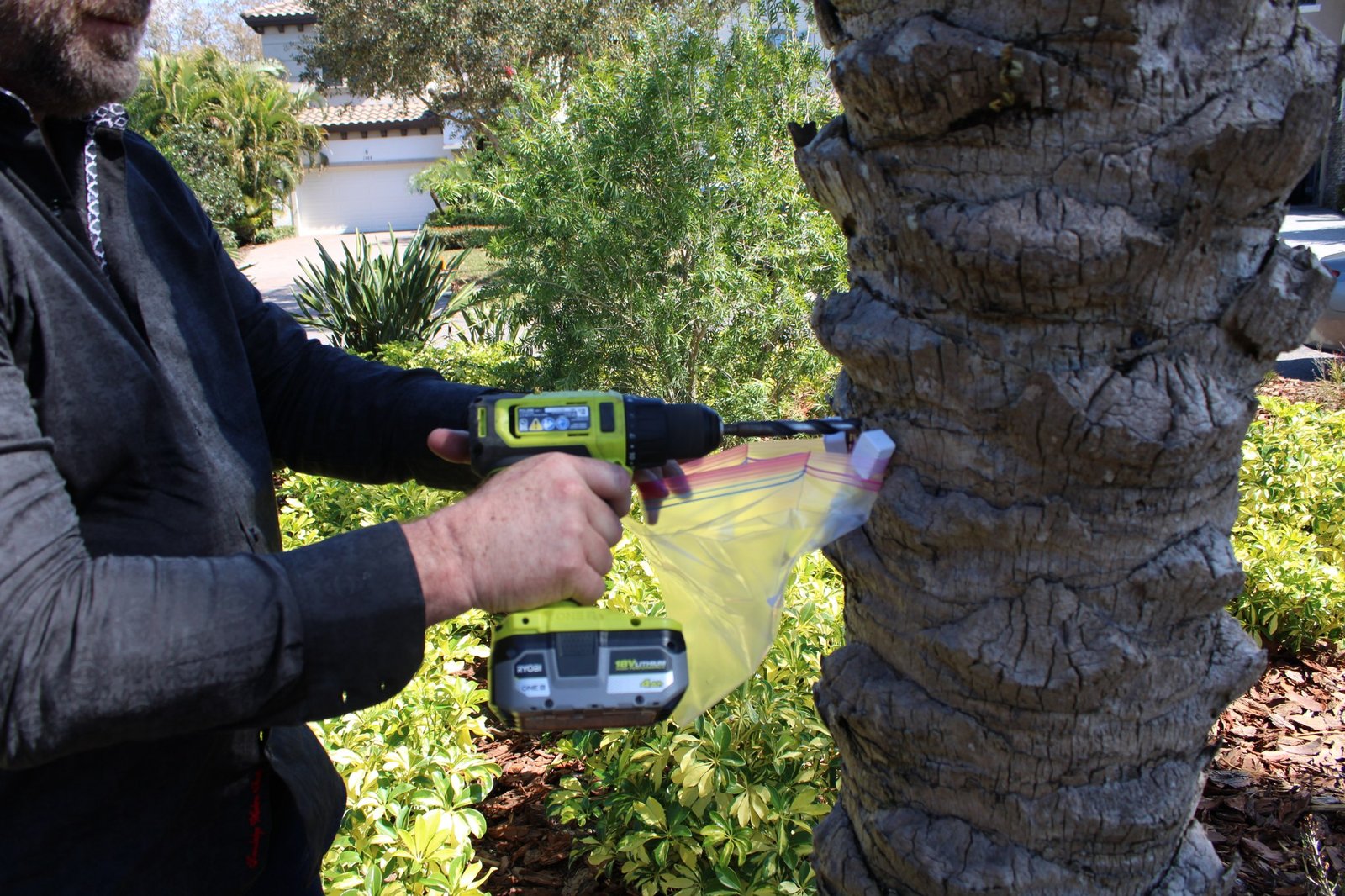
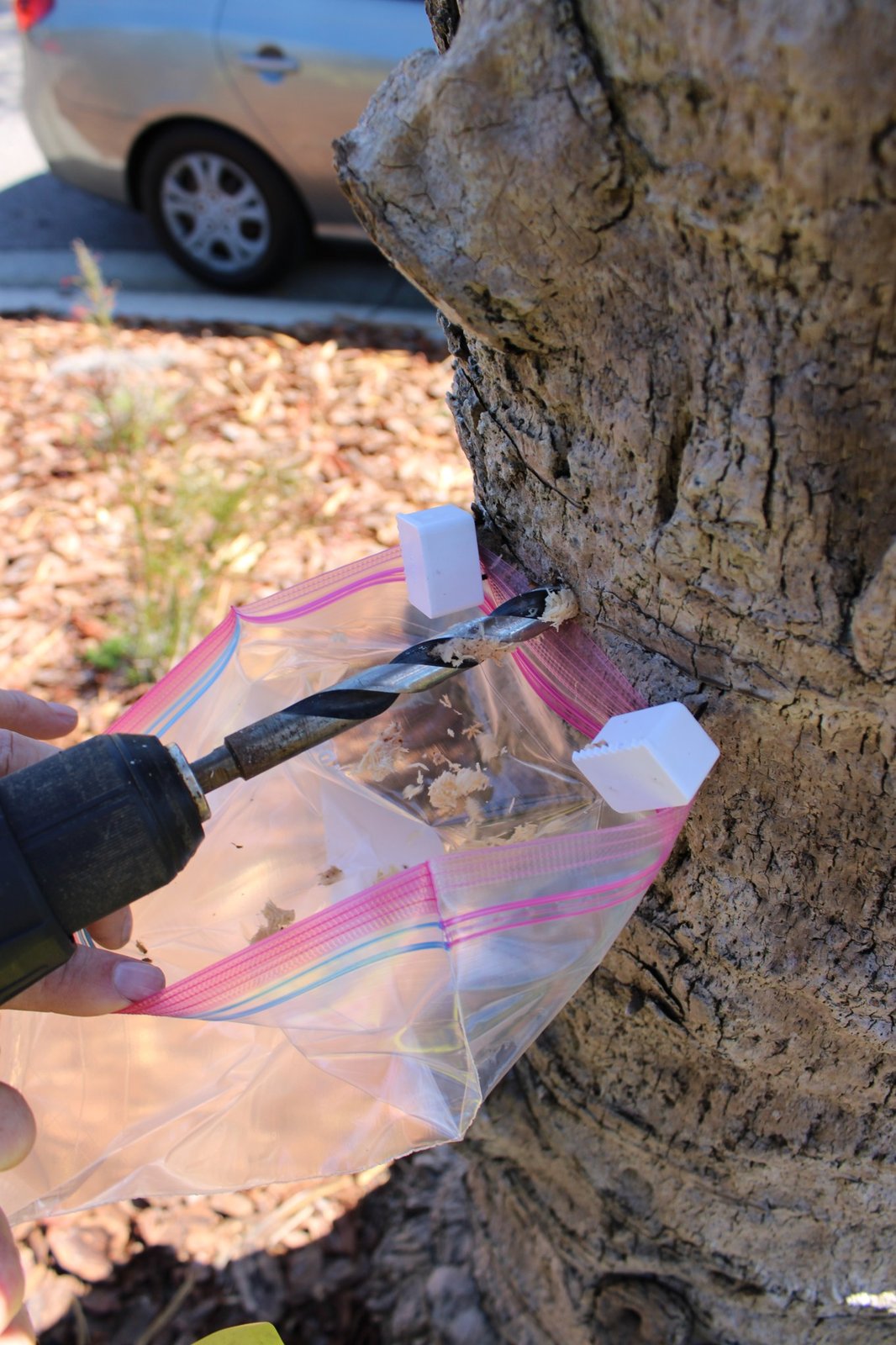
Potassium deficiency, normal frond aging and transplant stress can all look like lethal bronzing. There is no field test. The only way to know is a lab test on a core drilled from the living trunk, and our certified arborist picks the lab and the test for each sample. A clean result reads "Not Detected." It means the organism was not found in that sample on that day.
Testing first protects the budget in both directions. It keeps a community from removing a palm that would have recovered, and it keeps a real positive from standing for months while the insect feeds on it.
What to do
If a palm on your property starts to bronze this fall or next spring, have it tested before anyone touches it. If your community has Sylvester, Canary Island date or coconut palms near turf, ask us for the free master plan before next summer's peak.