Lethal Bronzing: What Boards Should Know Before Acting
Lethal bronzing is fatal, rides one insect, and cannot be called by eye, so we test a palm before anyone treats or removes it.
 Jeff Kaulbars
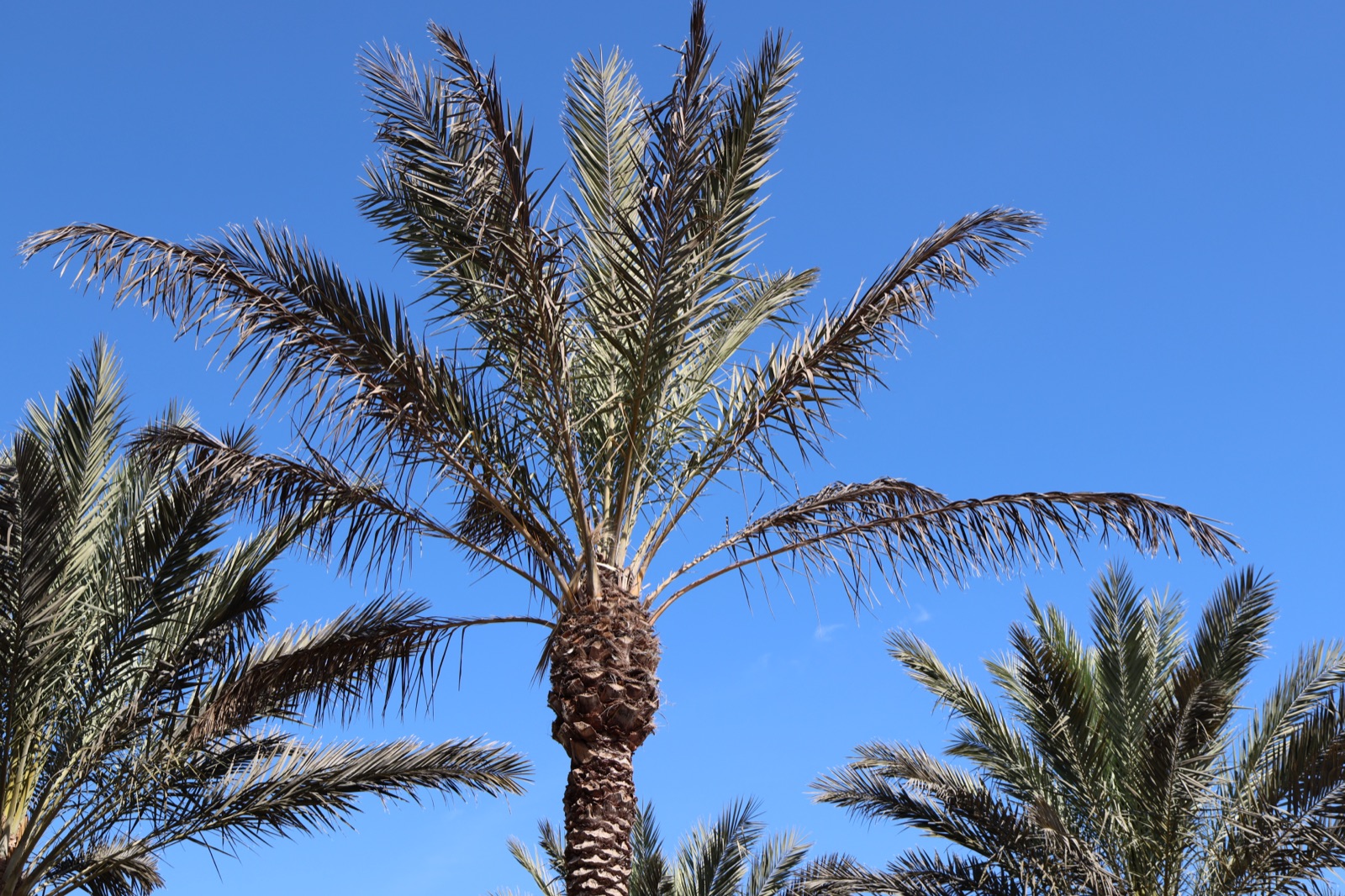
Lethal bronzing is a palm disease caused by a phytoplasma, a bacterium-like organism that lives in the tissue a palm uses to move food. It clogs that tissue, and the palm starves from the inside. There is no cure. Every confirmed palm dies.
How it spreads
It does not move through soil, water, or pruning tools. It moves on one insect, a small planthopper (Haplaxius crudus) about the size of a grain of rice. The young insects live in the turf and feed on grass roots. Only the adults fly up and feed in the canopy. After about two days feeding on an infected palm, an adult carries the pathogen to the next palm.
The adult can travel roughly 1,000 feet, so one infected palm puts every host palm within about that radius at risk. People move it too. An infected nursery palm can look healthy for months, and fresh sod can carry young insects onto a property.
The hard part is the hidden period. An infected palm can feed the disease for three to five months, sometimes a year or more before it shows a symptom.
Which palms are hosts
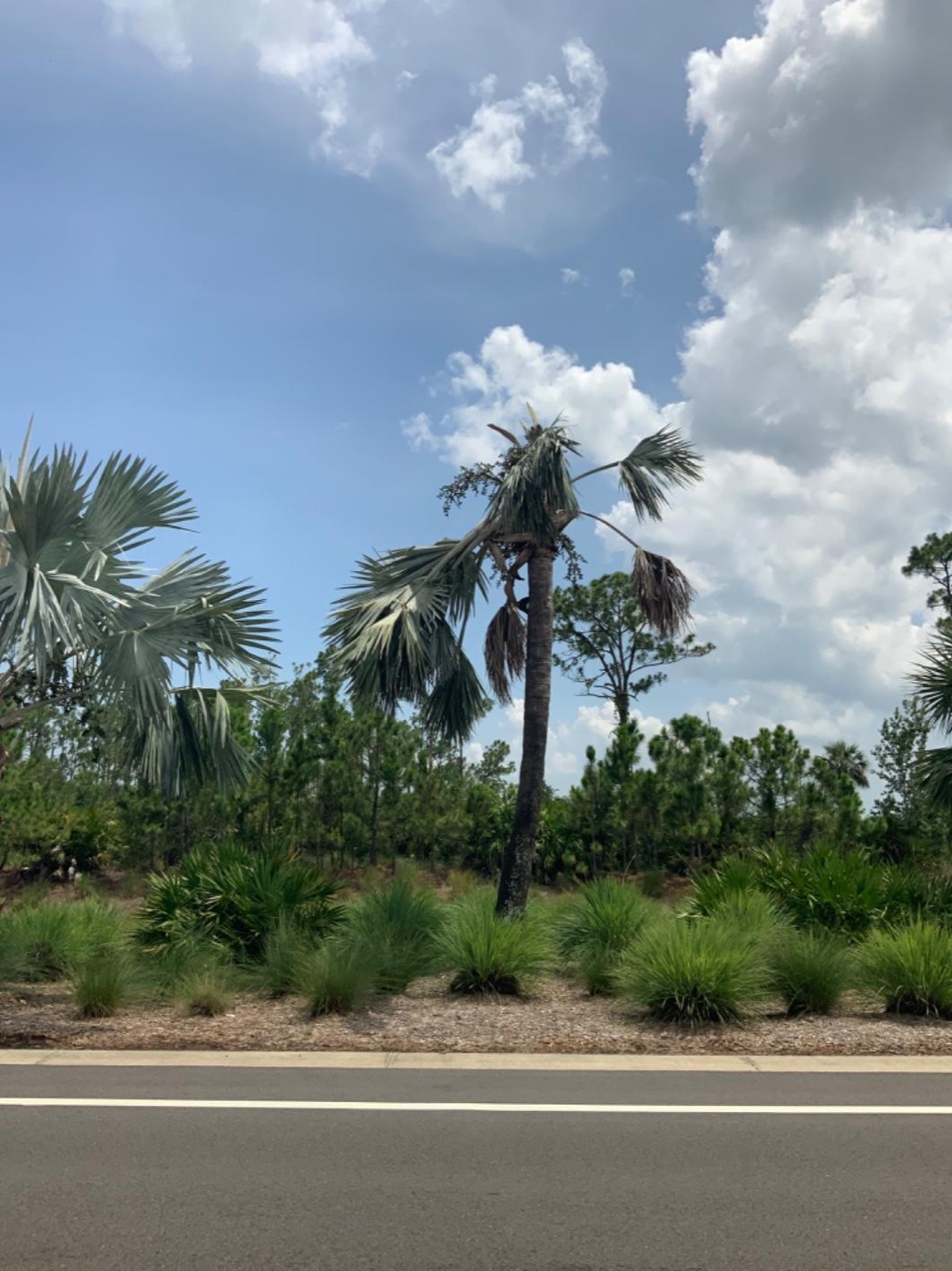
UF/IFAS lists 21 confirmed host species. Here the hardest hit are Sabal (cabbage) palm, Sylvester and Canary Island date palms, other date palms, and coconut. The Sabal is a leading host and the palm we see this kill most often. It is also the most common palm on most properties, so it is often left off a care plan. We do not treat every Sabal, but we watch every one.
Two palms are often lumped in by mistake. Ribbon fan palm and footstool palm are not lethal bronzing hosts. That is our own determination, logged with a name and a date, not a UF/IFAS listing. Chinese fan palm, which can be confused with both, is a host. A ribbon fan or footstool palm showing symptoms still goes to a lab.
Why we test before acting
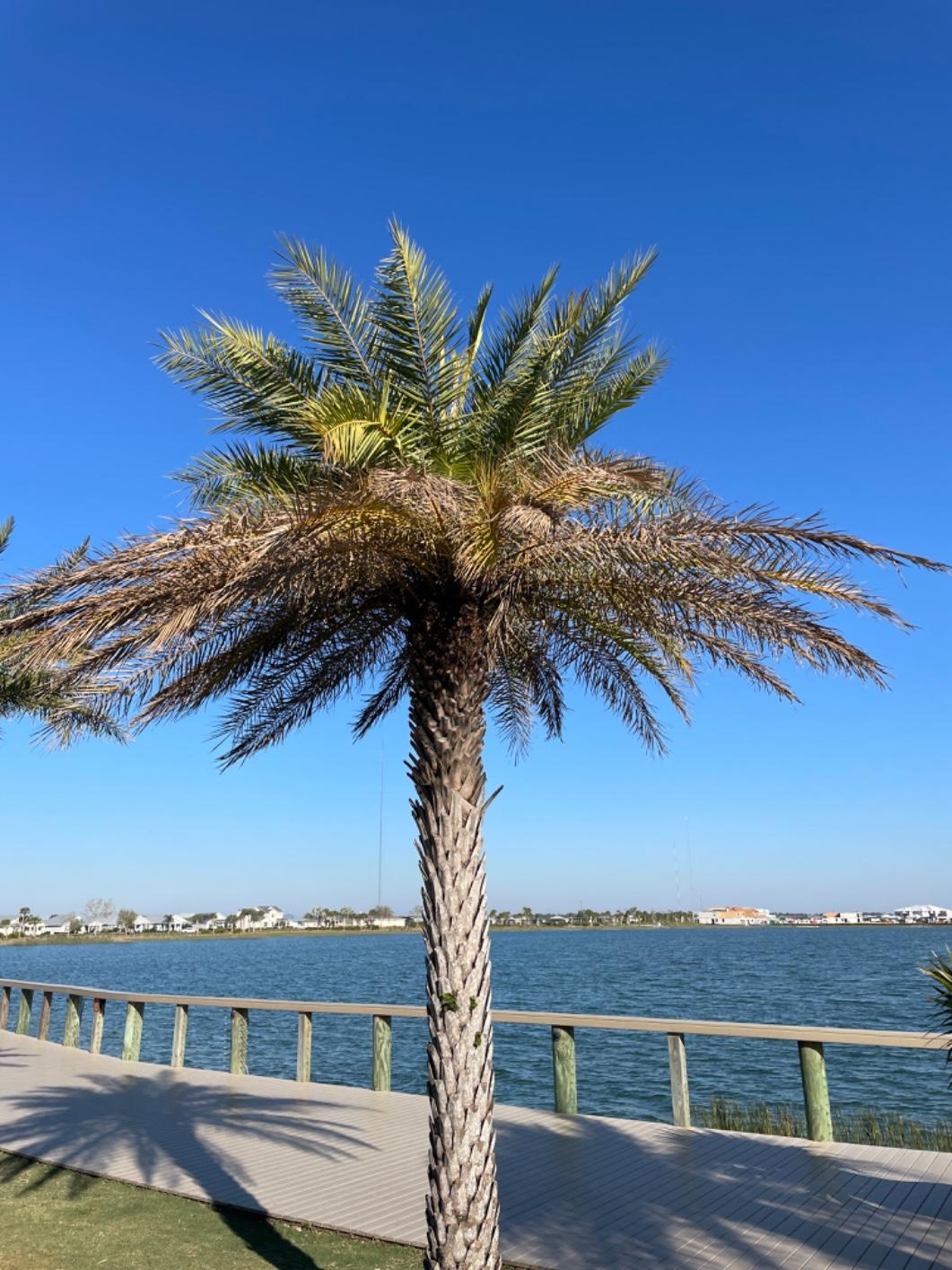
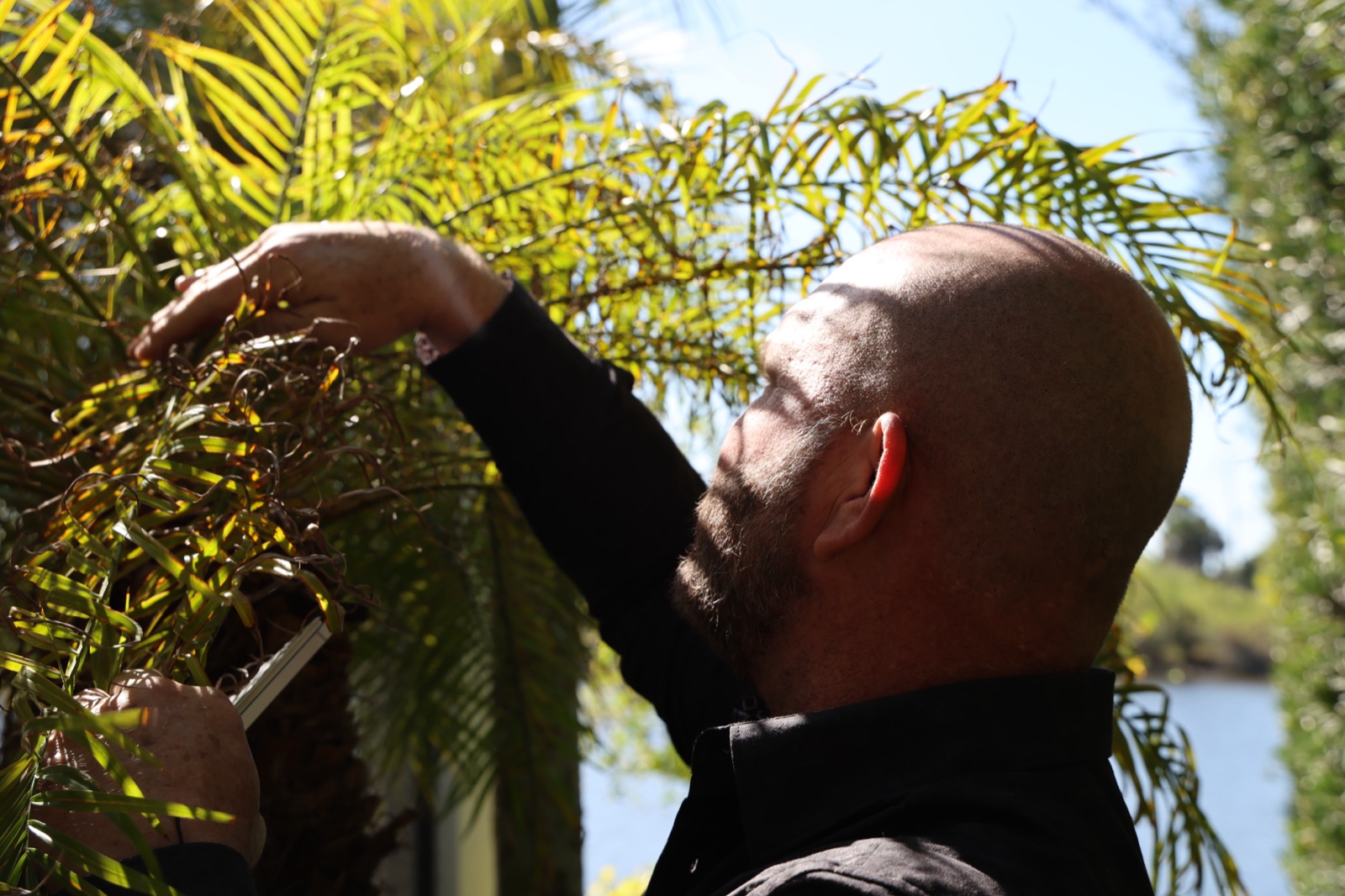
Symptoms follow a rough sequence. Fruit and flower stalks die early. The lowest fronds turn a coppery bronze, and the death climbs the crown. Last, the spear collapses. Potassium deficiency, normal frond aging, and transplant stress can look almost the same.
Bronze fronds are a reason to test, never a diagnosis on their own.
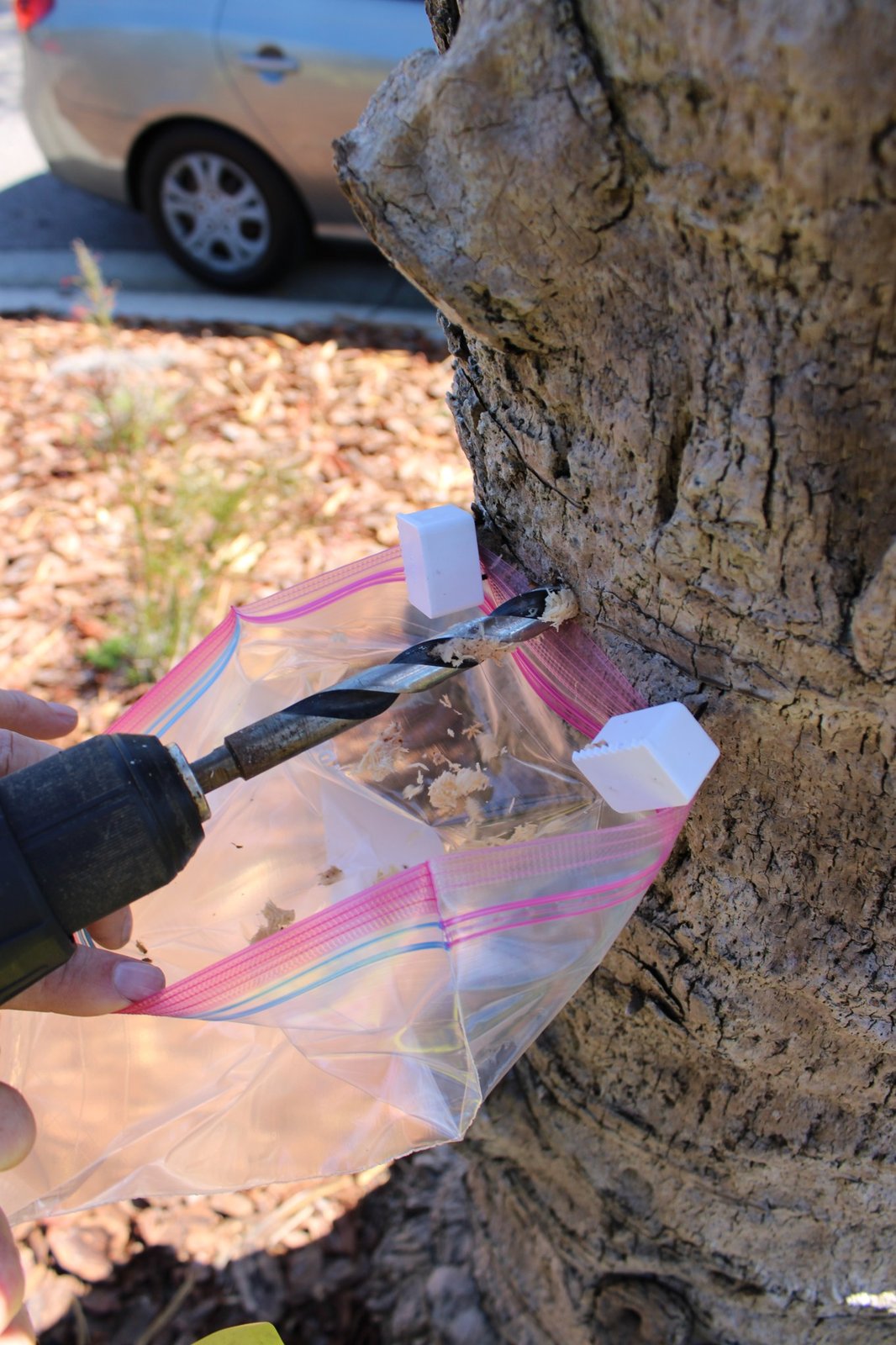
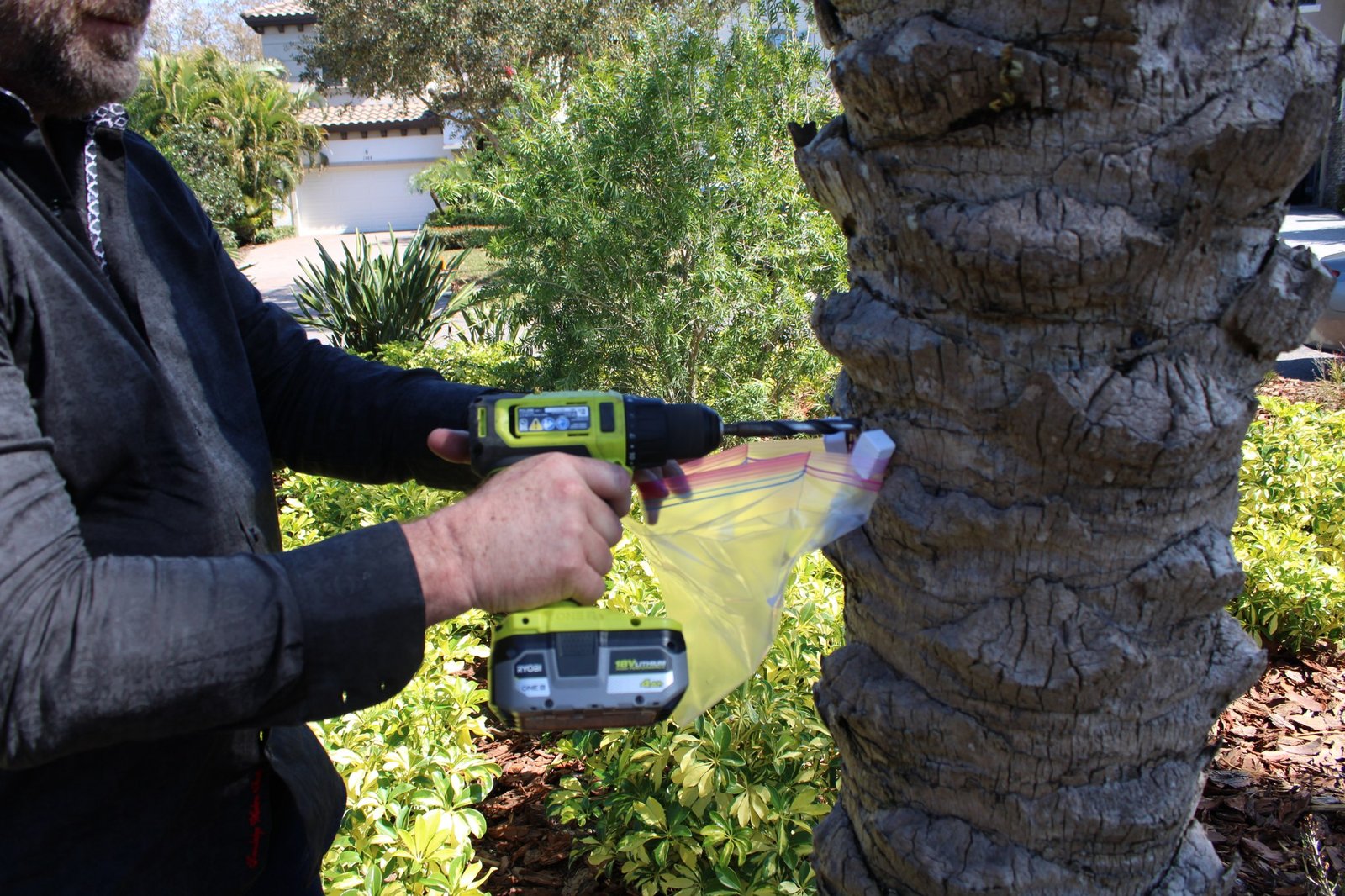
The test is a molecular lab test on a core drilled from the living trunk. There is no field test. Our arborist picks the lab and the test for each sample. A clean result reads "Not Detected." It means the organism was not found in that sample on that day.
Vector control, not blanket injections
Our zone protocol opens only on a lab-confirmed positive. The arborist sets a zone of 300, 600 or 1,000 feet around the palm, and every susceptible palm inside it is tested.
Confirmed palms come out promptly, with the insect knocked down first so the cut does not scatter it onto neighbors. The turf, where young insects live, and the canopy are treated, and a systemic soil drench protects enrolled palms.
Three trap sets after the spray, at about day 7, 30 and 55, show whether the zone has gone quiet.
- About day 7First trap set after the spray
- About day 30Second trap set
- About day 55Third trap set
- All cleanThe zone clears, followed by about a year of watching
We do not run quarterly, property-wide antibiotic (OTC) injection programs. The injection slows the phytoplasma but does not clear it. Every injection is a permanent wound, because a palm does not wall off a wound.
Quarterly plug injections come to about 40 holes in 10 years, and most palms in a blanket program do not have the disease. We do not recommend OTC; at-risk palms go on our Palm Health Program instead. OTC stays a last resort for a high-value, hard-to-replace palm whose core came back Not Detected. Our full position is on our injections page.
What to do
If a palm on your property is bronzing, have it tested before anyone treats or removes it. Call us to arrange a trunk-core sample. A certified arborist reviews the result before it reaches you. For the rest of the property, ask for the free master plan.