Palm Pests in Southwest Florida: Which Ones Actually Matter
The pest that blackens a frond rarely kills the palm, and the one that kills it is usually hidden until it is too late.
 Jeff Kaulbars
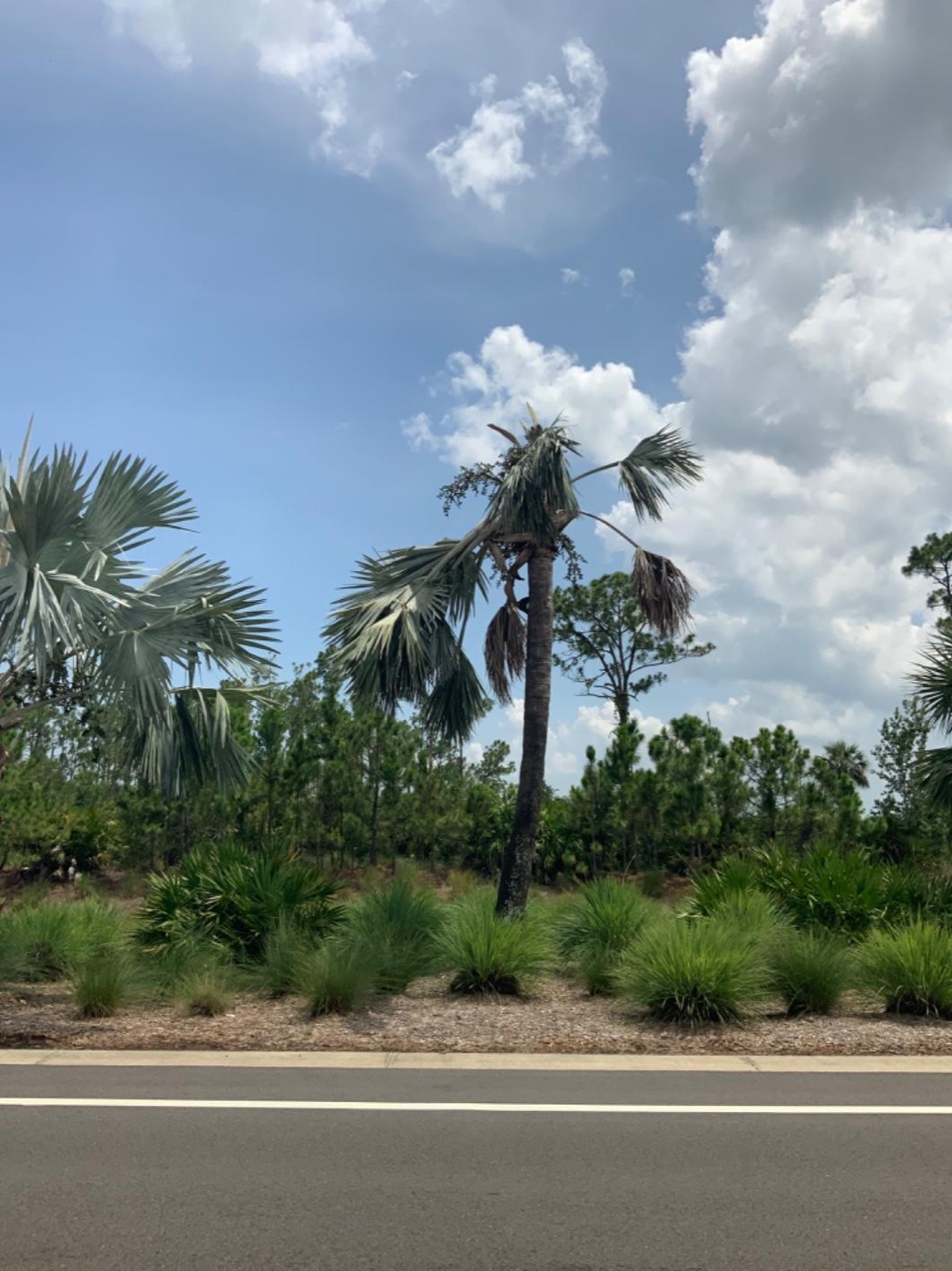
Black, sticky fronds get a phone call. A crown that has just tipped over usually does not, because by then nothing is left to save. Judge a pest by what it does to the palm, not by how the damage looks.
Palmetto weevil: the one that kills
The palmetto weevil is native to Florida, the largest weevil in North America, and the most lethal insect pest of palms in the state. Its larvae bore into the crown and destroy the bud, the palm's single growing point. Once the bud is gone, the palm cannot be saved.
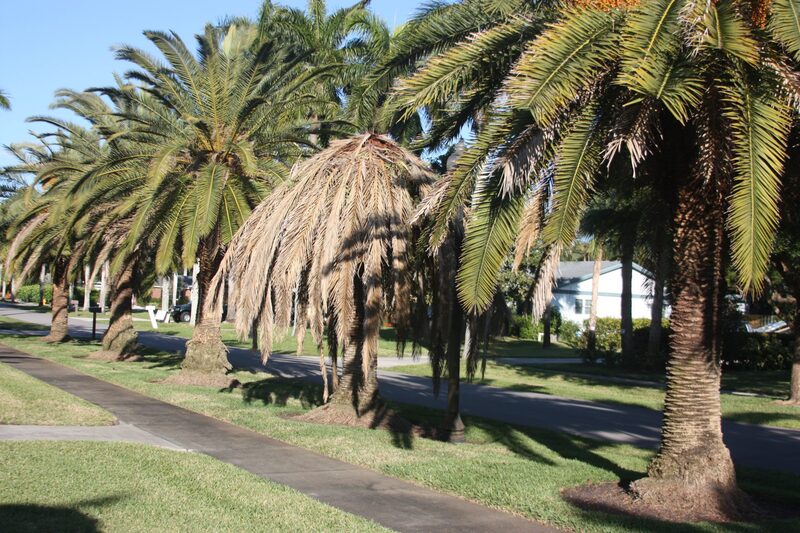
The damage is hidden, then sudden. For weeks the palm looks normal from the ground. The only signs are small holes near the crown, wet chewed fiber at the spear base, and a fermenting smell. Weeks later the fronds droop and the spear pulls free. Last, the crown collapses or topples, a condition called "popped neck." That is usually the first sign anyone sees from a distance, and by then there is nothing to treat.
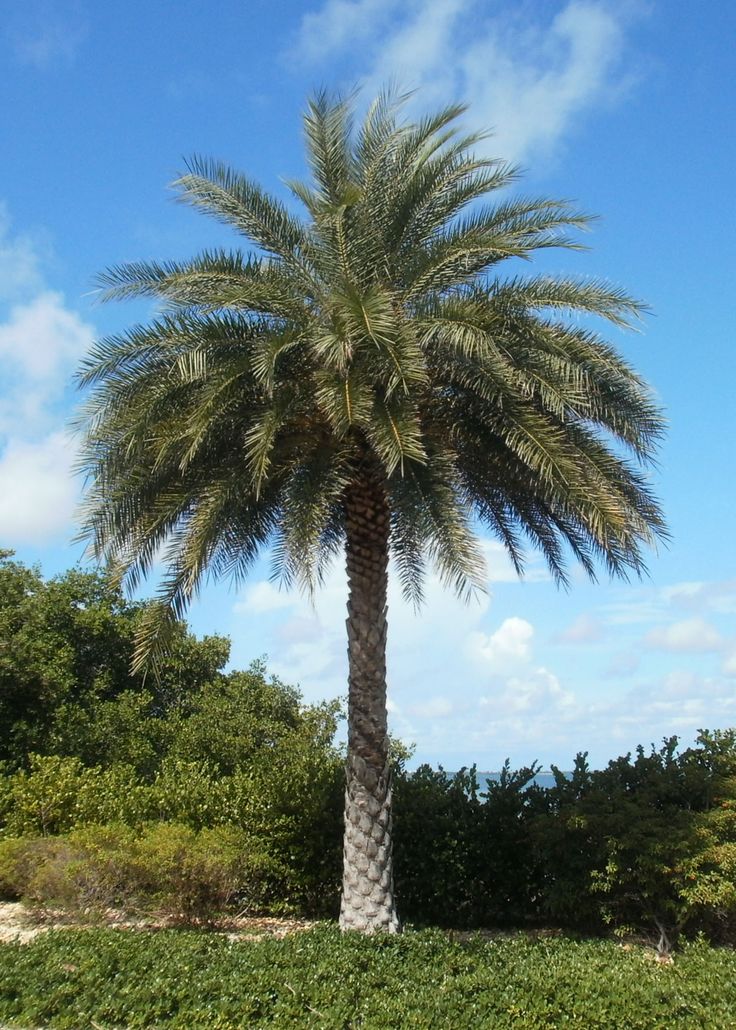
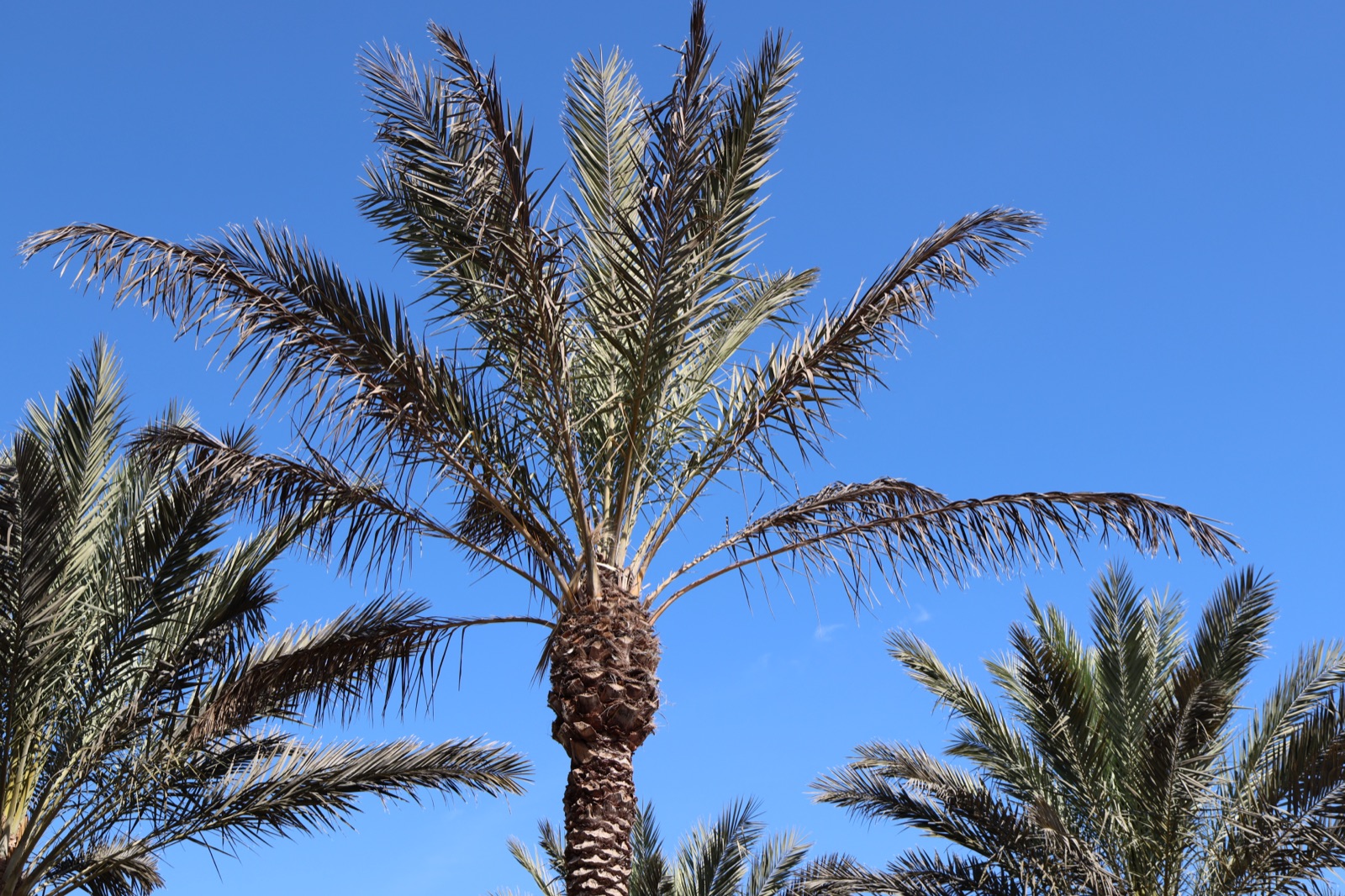
The weevil goes after stress: transplanting, over-pruning, lightning, trunk wounds, chronic nutrient deficiency. Sabal (cabbage) palm is its main host. Canary Island date, Bismarck, and latan palms seem to draw it even when healthy.
Palms transplanted in the last 6 months, pruned in the last 60 days, every Canary Island date and Bismarck, and palms near lightning or construction go on our high-risk list and get a crown check every visit. We do not cut green fronds in flight season, roughly March through June or July.
Preventive treatment is a certified arborist's call, palm by palm; UF/IFAS calls the soil drench "limited protection, no guarantees." A palm with a destroyed bud comes out before the next generation emerges, about 84 days from egg to adult.
Ambrosia beetles: a sign of trouble already there
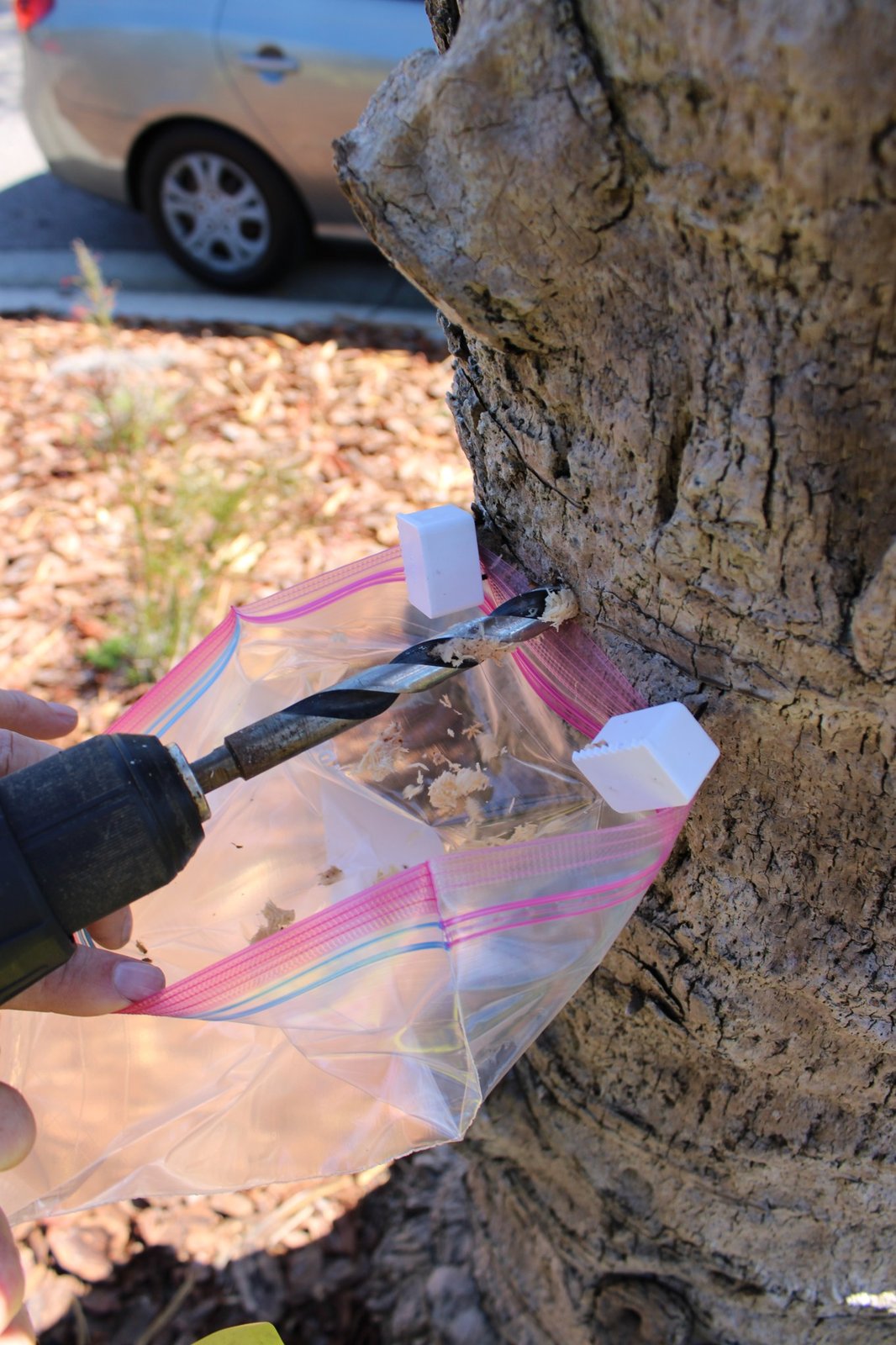
These small wood borers attack stressed, declining, or newly transplanted palms. Single-trunk palms such as coconut, royal, and queen are most at risk. Look for fine pinholes and toothpick-like strands of boring dust on the trunk. Heavy galleries are usually fatal, and the holes can let in Thielaviopsis trunk rot. The real question is what stressed the palm first.
Alarming, but mostly cosmetic
- Rugose spiraling whitefly: white spiral egg rings and wax on frond undersides, sticky honeydew on cars and pool decks, then black sooty mold. Coconut and areca palms show it most. The mold grows on the honeydew, not in the palm, and rarely kills an established palm. Beneficial insects bring it down; a broad-spectrum spray kills them.
- Palm aphid: honeydew and sooty mold again. Minor to moderate on mature palms, more serious on young stock.
- Royal palm bug: a 2.5 mm bug that feeds only on royal palm. New fronds turn gray and frizzled, worst by midsummer. Disfiguring on a high-value royal, but rarely if ever fatal.
- Palm leaf skeletonizer: dark silk and frass tubes on frond undersides, leaflets eaten down to the veins. Cosmetic on a healthy palm. Repeated heavy feeding adds stress. Old frass stays for months, so look for live larvae before calling it active.
- Coconut mite: damages coconut fruit only, leaving corky, cracked husks. Mostly cosmetic on an ornamental coconut.
We treat whitefly on palms only past a threshold: more than 10 live nymphs or puparia per frond on over 25 percent of monitored fronds, with active honeydew. Wax or mold alone does not count. On a palm the treatment is a soil drench, never an injection, because a palm does not wall off a wound.
Vitality is the defense
The weevil and the ambrosia beetles both go to palms that are already stressed. A healthy palm is its own best defense: complete nutrition, correct water, correct planting depth, and restraint with the saw. No feeding program makes a palm pest proof. It is still why we look for the stress before we reach for a spray.
What to do
Frass or a fermenting smell at the crown means call us now. Black sooty mold means count live insects before spending money. The free master plan sorts the palms at real risk from the ones that only look bad, and a certified arborist makes every treatment call.