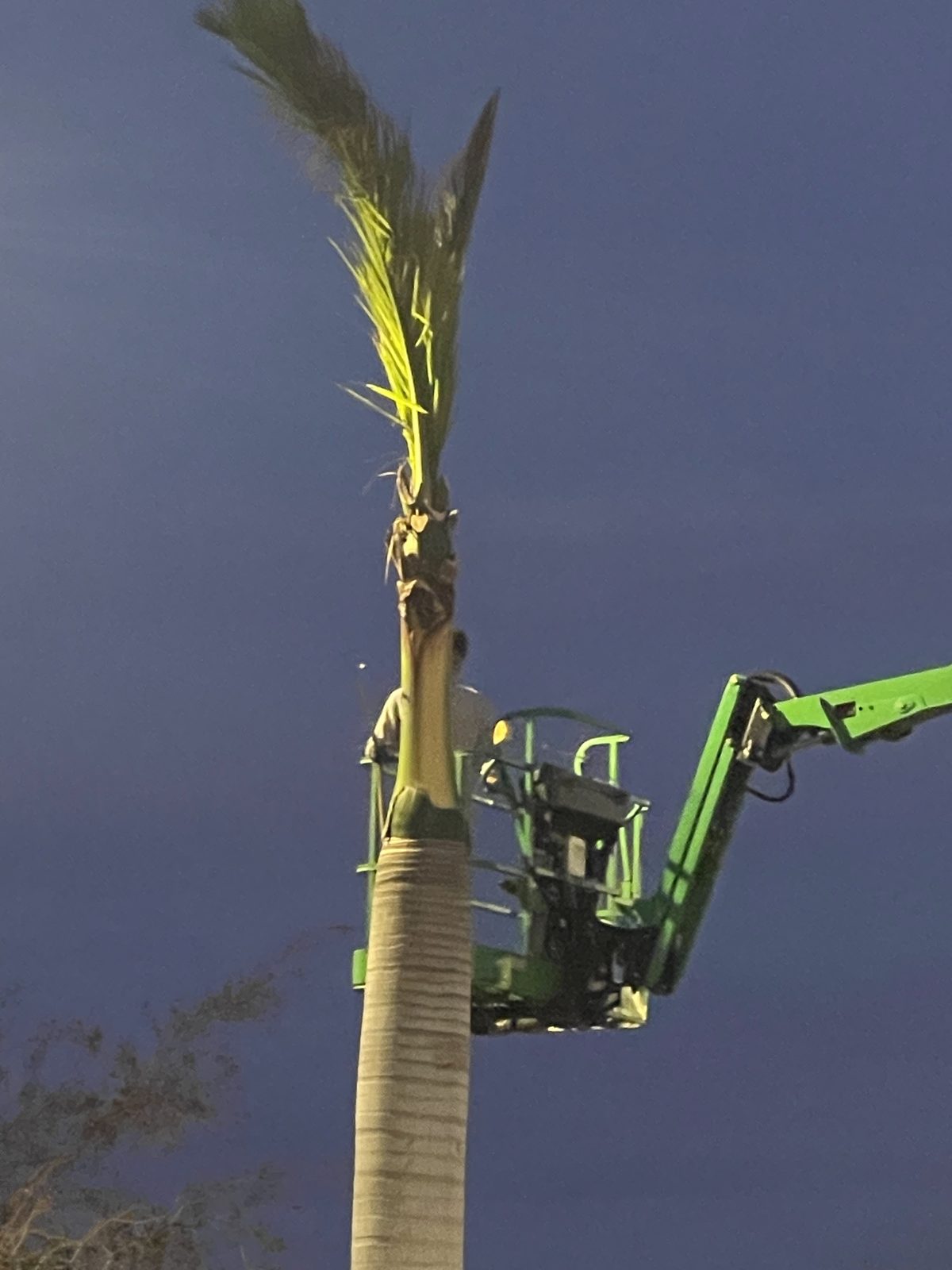
After a Hurricane, Give a Damaged Palm Six Months
A palm that lost its canopy in a storm often grows it back, so we write no removal on storm damage alone for six months.
 Jeff Kaulbars
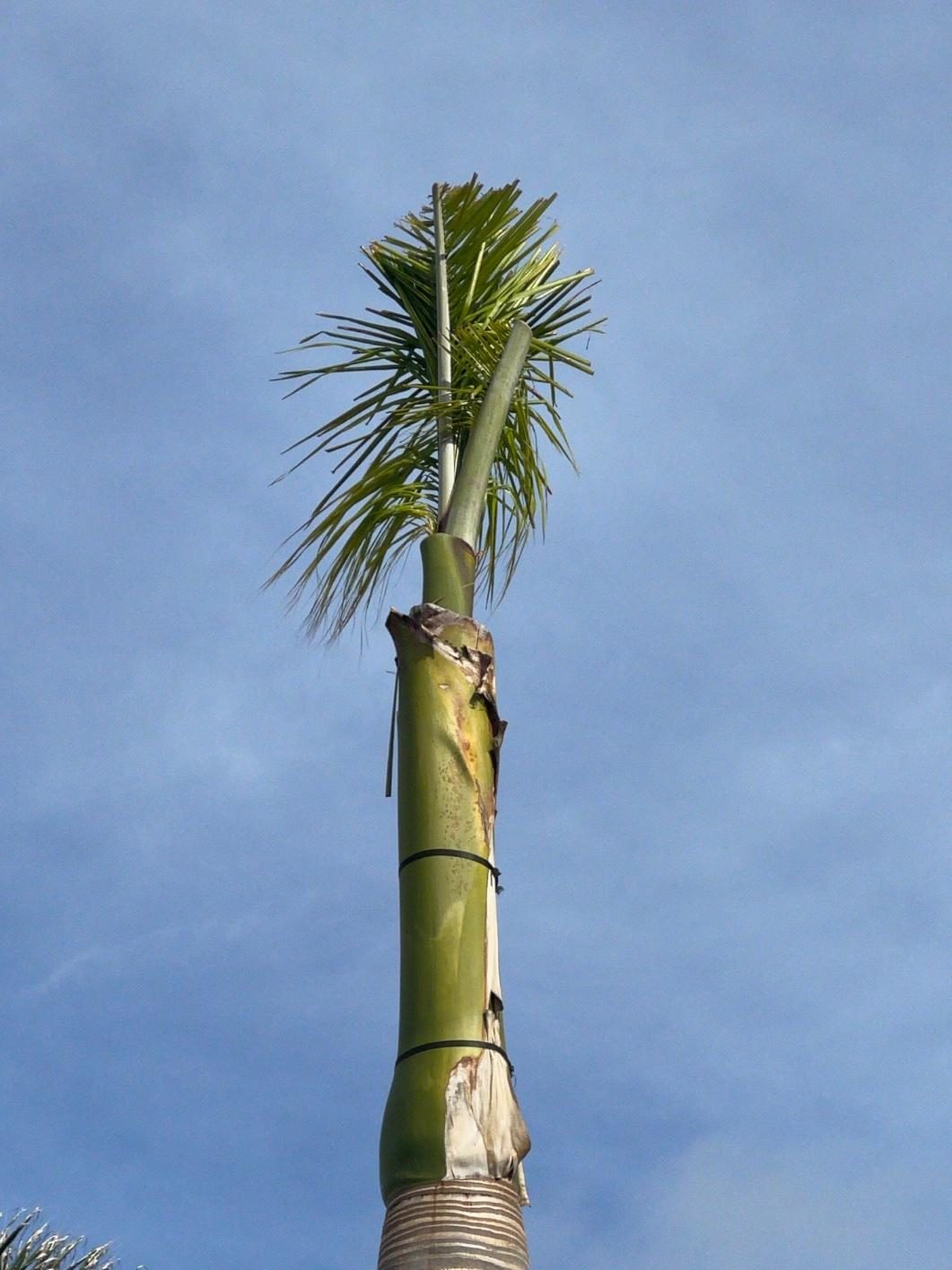
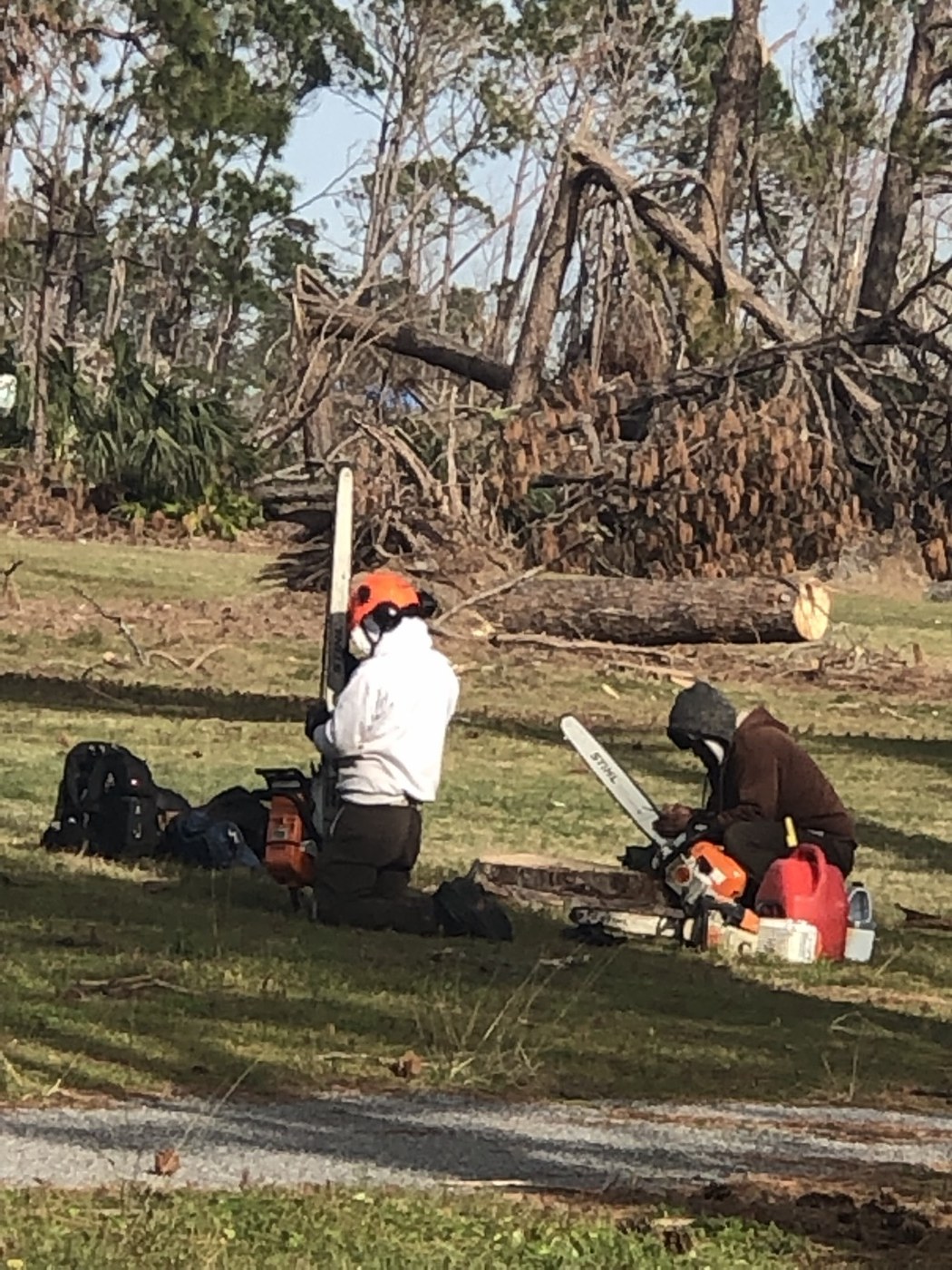
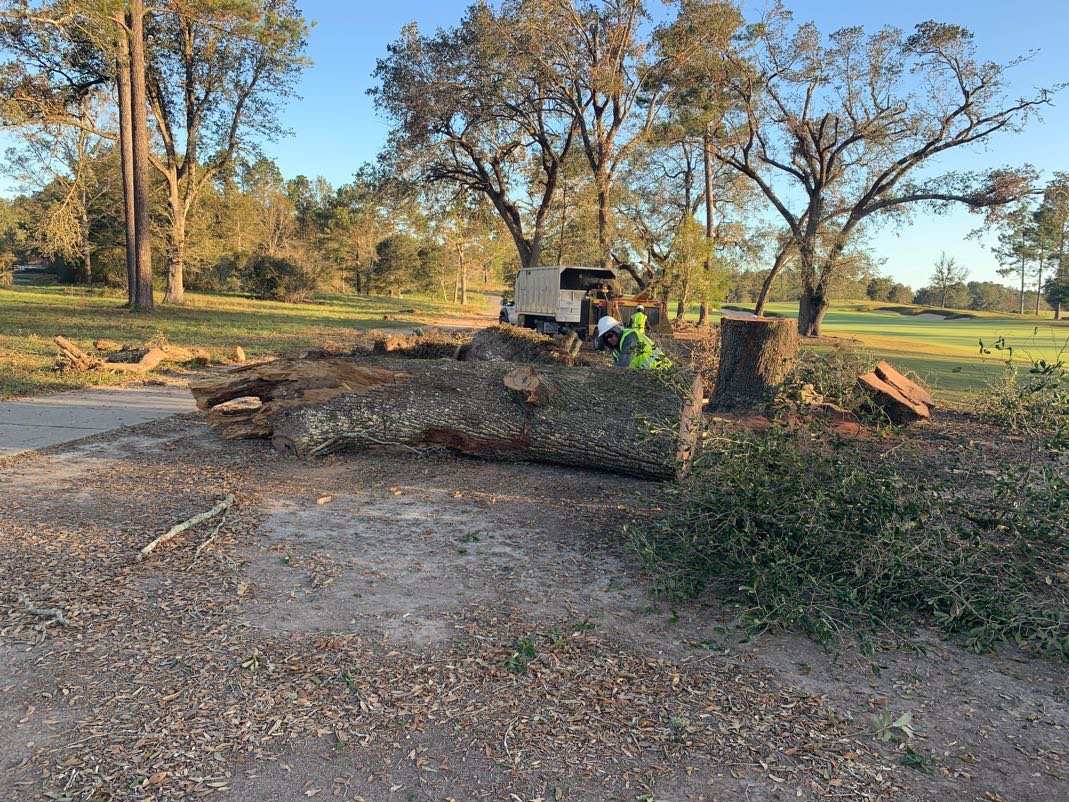
The week after a hurricane, the pressure is to clean up. Brown, shredded, half-bare palms look dead, and the fastest way to make a property look normal is to take them out. Many of those palms would have been fine.
Our position
We do not condemn a palm, or give it a terminal grade, on storm damage alone. The assessment window is at least 6 months after landfall. We write no removal recommendation for a hurricane-damaged palm before then unless there is irreversible structural failure.
This follows the University of Florida guidance, which sets a 6-month minimum before writing off a hurricane-damaged palm. Research on storm damage found 80 percent canopy damage at sustained winds of about 78 mph, the start of Category 1. Heavy canopy loss is normal in a hurricane. It is not a death sentence.
Why palms can come back
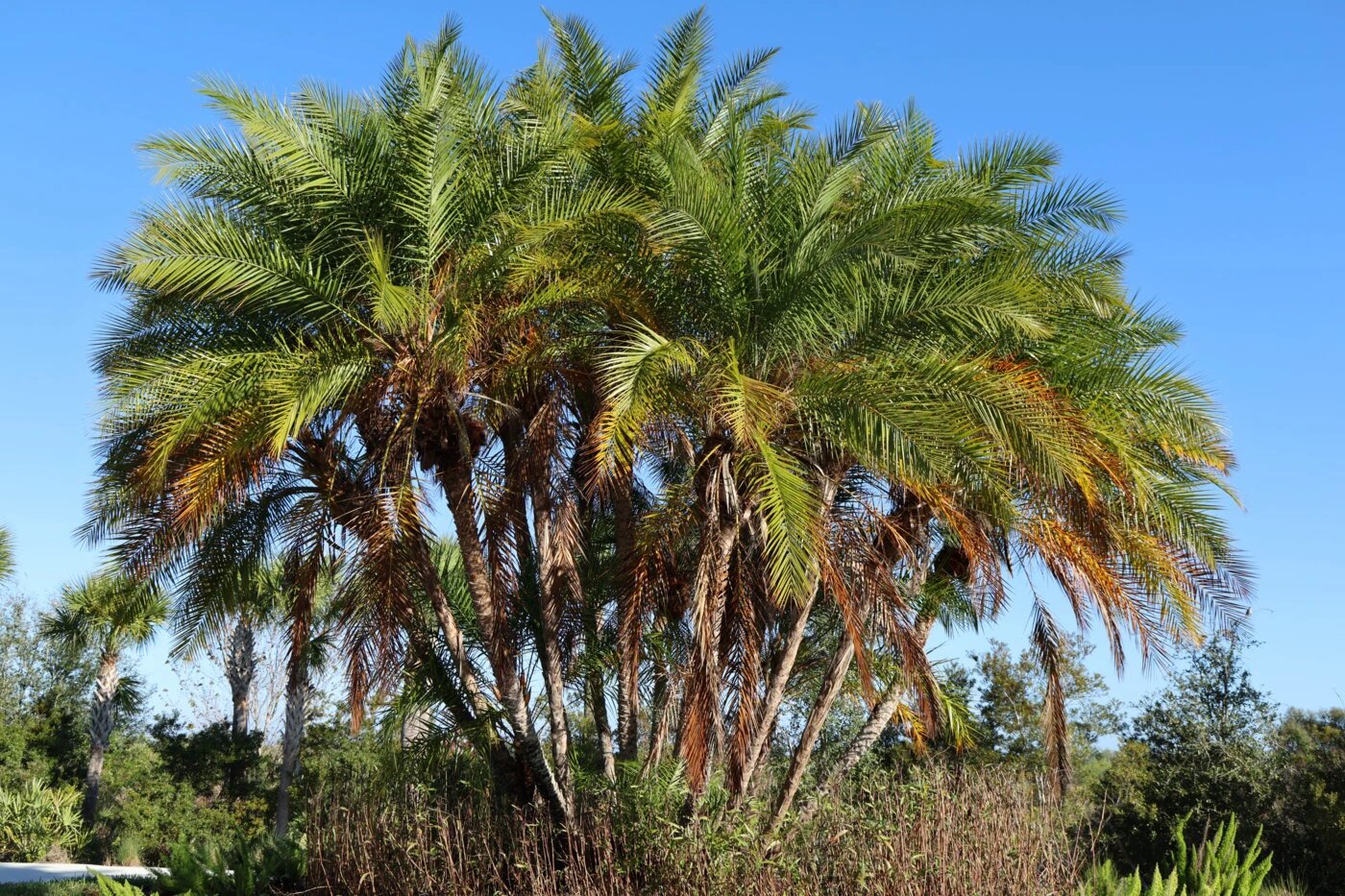
A palm grows from one bud at the top of the trunk. As long as that bud is alive, the palm can push out new fronds and rebuild its canopy. The damaged fronds will not turn green again. A palm cannot repair tissue the way a tree does. But new growth replaces them, one frond at a time.
So the question after a storm is not how bad the canopy looks. It is whether the bud survived.
Our condition scale helps here. A storm-damaged palm may grade Poor or Critical for a while. A grade is a snapshot, not a verdict. The action comes from the cause and the trend across visits, which is why the grades and photos at 30, 90 and 180 days matter more than the first walk after the storm.
What does justify early removal
- A broken or snapped trunk.
- A crown that has broken off or collapsed.
- A palm that is down and cannot be stood back up.
- A spear that pulls free with rot at its base, which means the bud is gone.
- Anything that is an immediate hazard to people or property. That gets made safe first, and the written determination follows within 2 business days.
No palm or tree is removed without an ISA Certified Arborist's written determination naming the inventory ID, the reason and the date.
Trees are different
A defoliated tree is usually not dead either. If it has no new leaves by the next spring or early summer, it is not likely to recover. Pines are the trap: they can stay green and still die over 6 months to 2 years, so we flag them and watch.
What happens during the six months
- Light storm pruning only: broken fronds, no green fronds, boots left alone.
- Savable palms stood up and braced, with 2x4 blocks strapped to the trunk and nothing nailed into the palm.
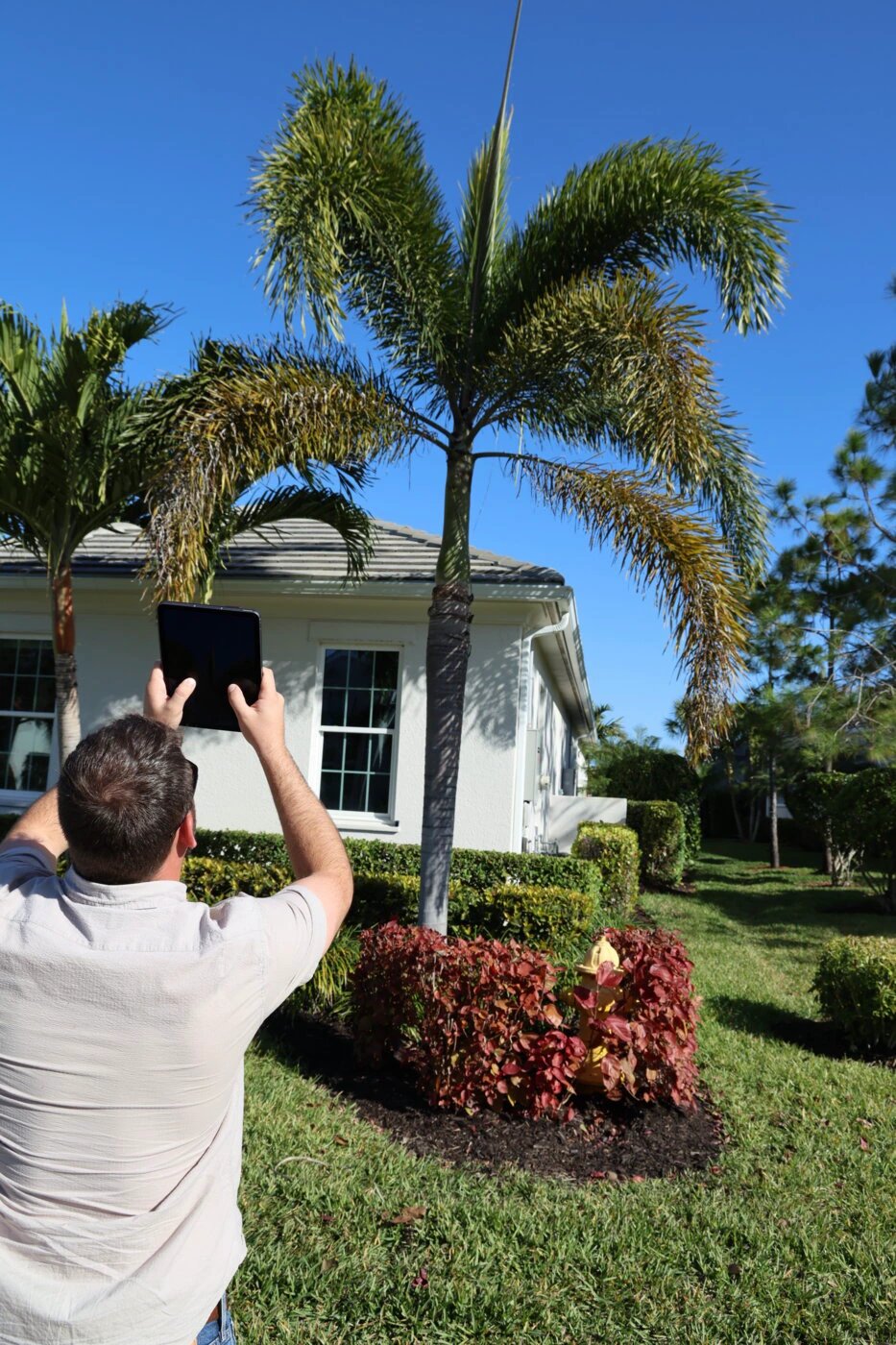
- Checks at 30, 90 and 180 days for bud rot, salt and flood stress, palmetto weevil and pine bark beetles.
- Photos at each check, tied to the palm's inventory ID, so the board sees the trend.
After Hurricanes Helene and Milton hit two weeks apart in 2024, close to 800 trees at one large district we manage were staked or restaked. Patience was cheaper than replacement.
Honest limits
Waiting is not a promise. Some palms that look recoverable in month one will still decline. We promise how we do the work and the order we do it in. We do not promise that a living palm survives. What waiting does is keep a community from paying to remove and replace palms that would have grown back.
What to do
After a storm, clear the hazards and stand up what can be saved. For everything else, ask us for an assessment by inventory ID, and give the palms their six months. Before the next season, ask for the free master plan.