Tree Loss Reports: Know What You Lost Before You File or Replant
After a hurricane, a written count and value of every storm-damaged tree gives the board, the insurer and the replanting budget one number.
 Jeff Kaulbars
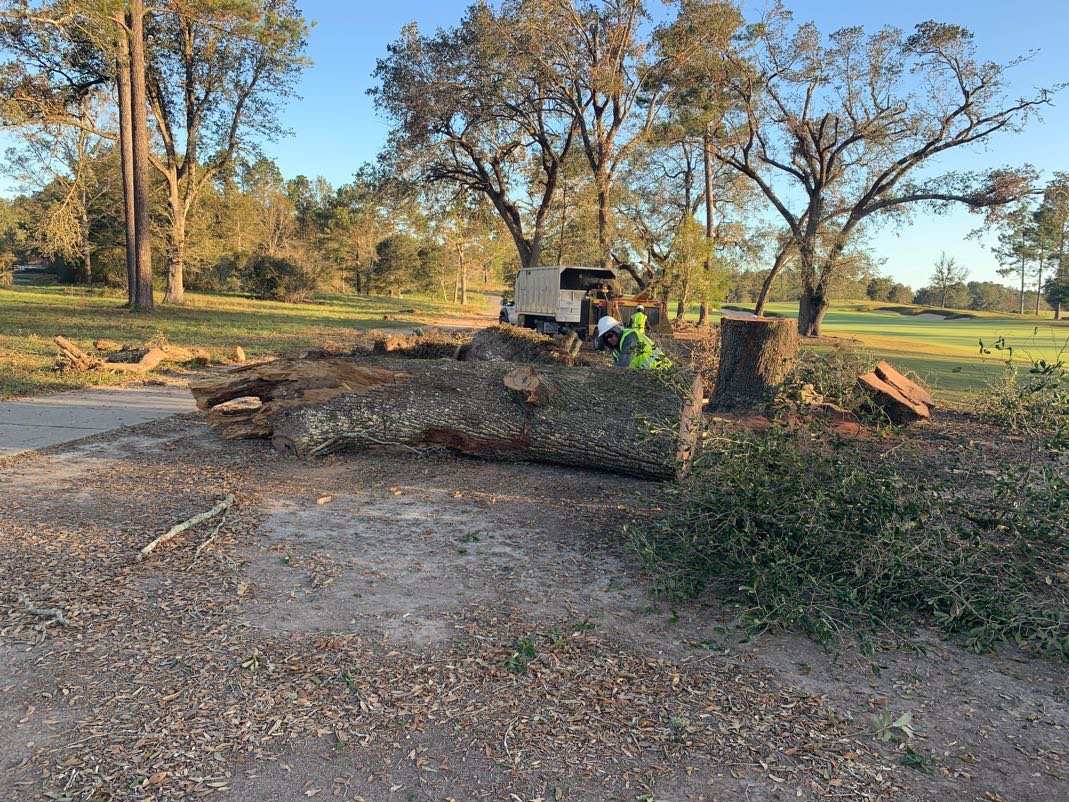
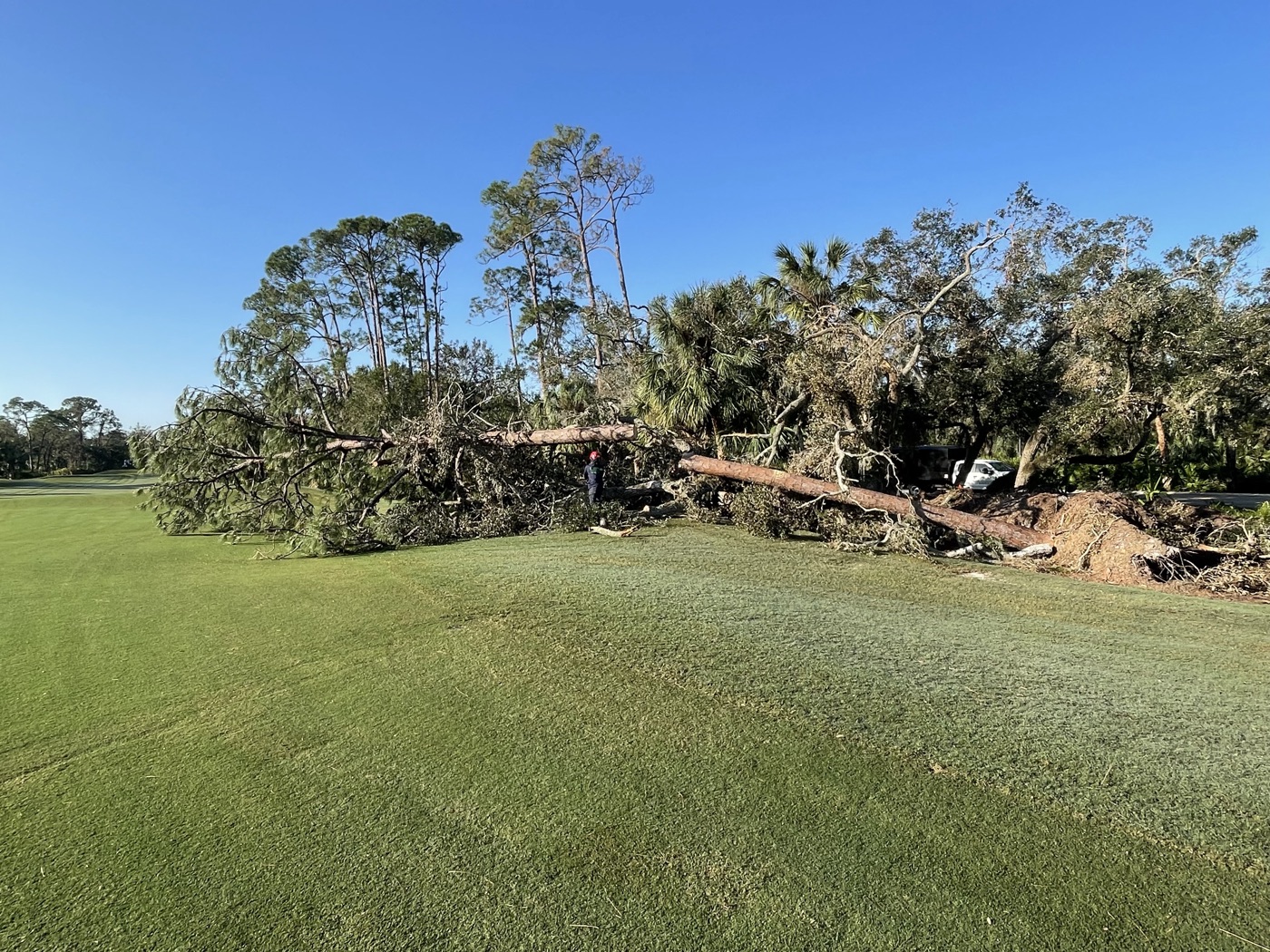
After a hurricane, three conversations start at once. The board wants to know what was lost. The insurer wants a number. The landscape committee wants to know what to replant and what it will cost. Without a written count, each of those conversations starts from a different guess.
What a tree loss report is
A tree loss report is a record, not a proposal. It tells you what was lost and what it costs to replace, so decisions about claims, budgets and replanting rest on numbers. After one hurricane, Jeff Kaulbars led a 24-page tree loss and replacement evaluation for a golf community: nearly 1,000 storm-damaged trees on 18 holes, the practice areas and the entry, counted by species and size, with a map for each area.
Six parts
- Scope: which trees are included (storm damage only, with damage that was there before excluded), the level of assessment, and the market date the values are tied to.
- The count: every storm-damaged tree by species and size class, area by area. Trunk diameter for trees, overall height for shrubs.
- Material value: a per-tree value for each species and size class at current market prices, totaled by class and by area.
- Replacement value: the same trees valued with installation included, so the number reflects what it costs to put a comparable tree back in the ground.
- Area maps: one aerial map per area, with every tree pinned by GPS and color coded by species and size.
- Supporting surveys as the property needs them: hazard trees within reach of a target, leaning trees, distressed trees that may still decline, and corrective structural pruning.
How it gets built
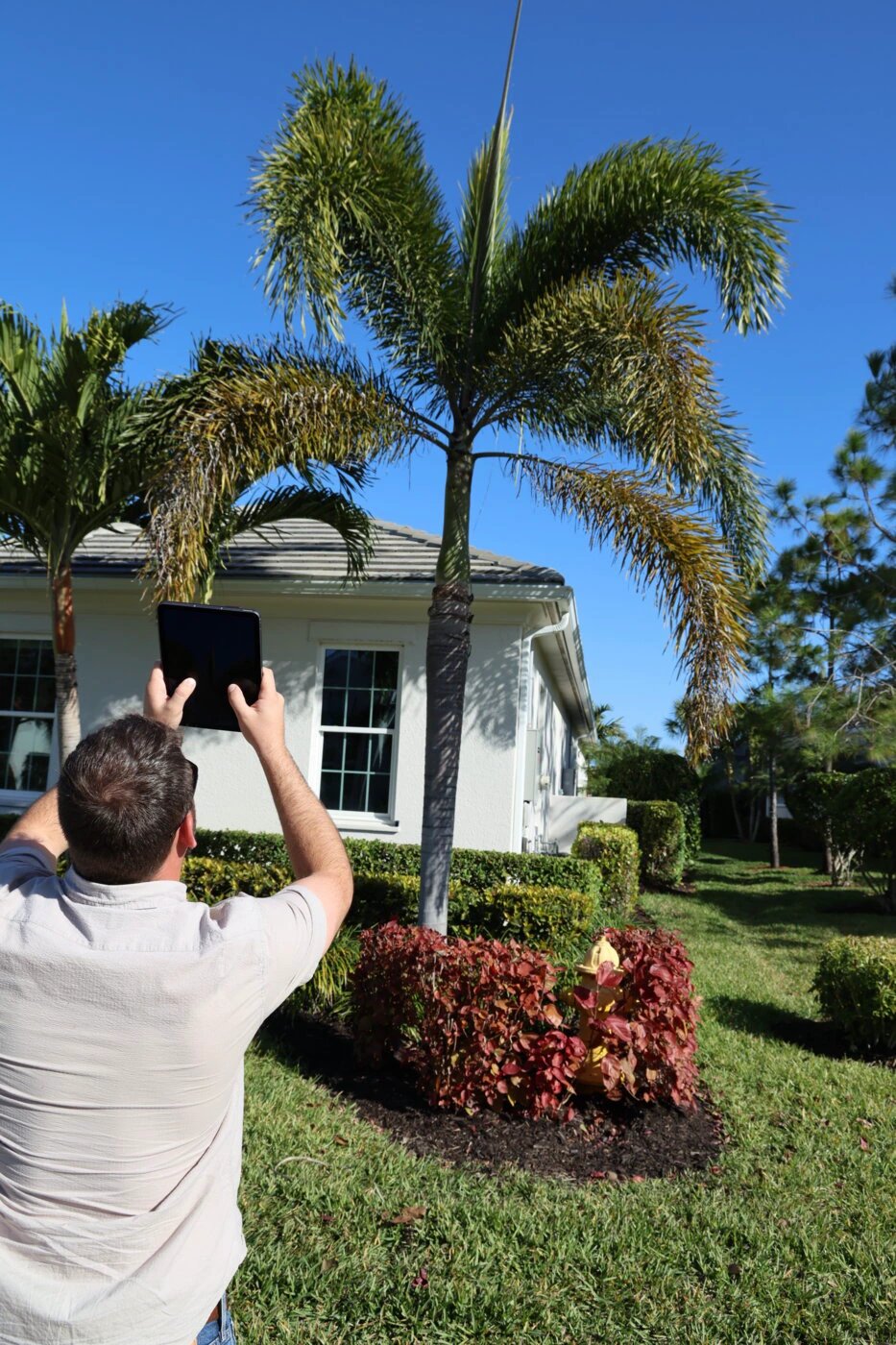
- A certified arborist walks the property and identifies the storm-damaged trees.
- Each tree is recorded with its GPS point, species, size and area.
- Trees are grouped into species and size classes and counted area by area.
- Each class is valued at the current market date, as material and as replacement with installation.
- Totals roll up by class, by area and for the property.
- An aerial map is drawn for each area, and recounts are reconciled before the report is final.
Damaged is not the same as lost
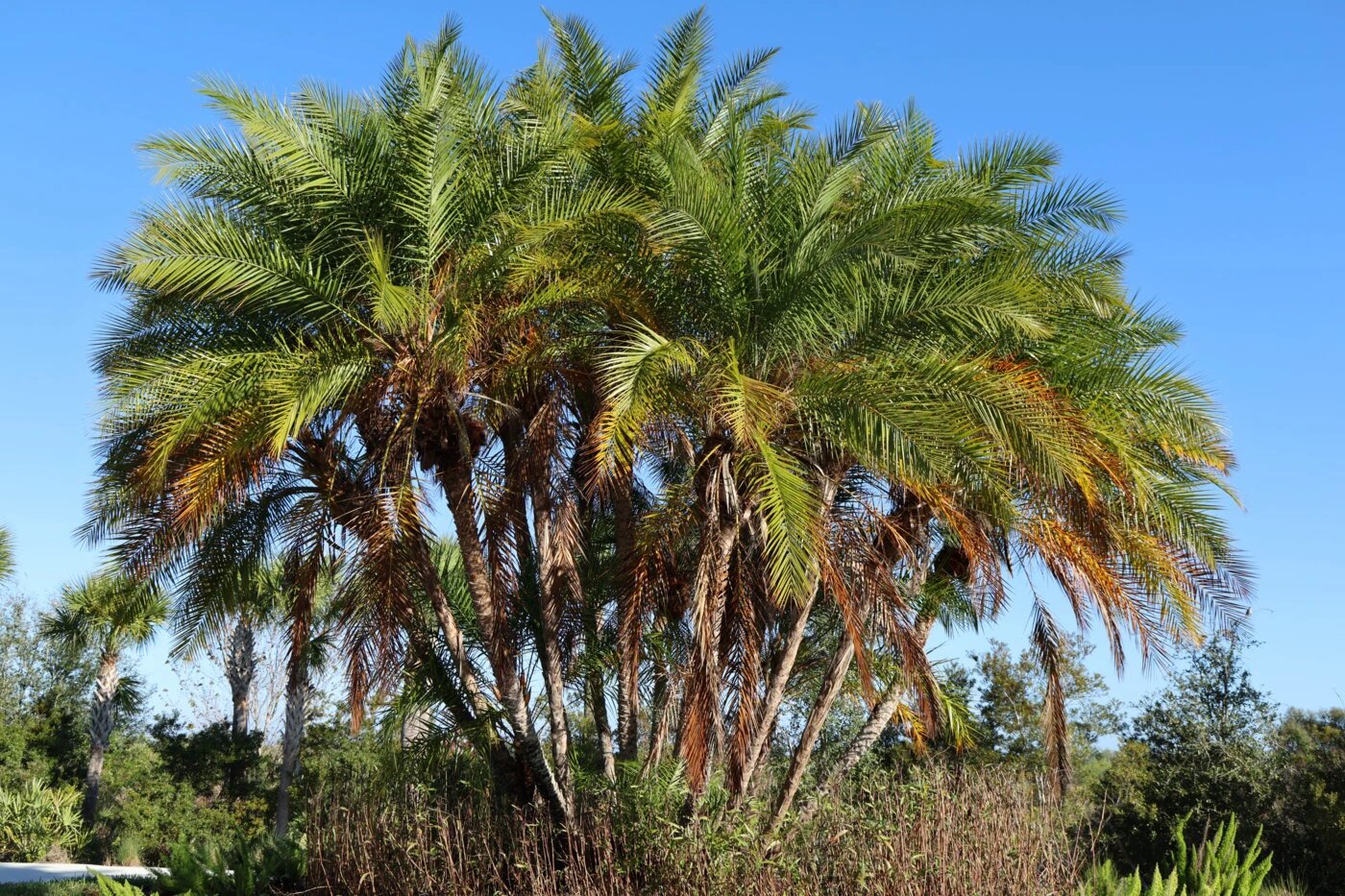
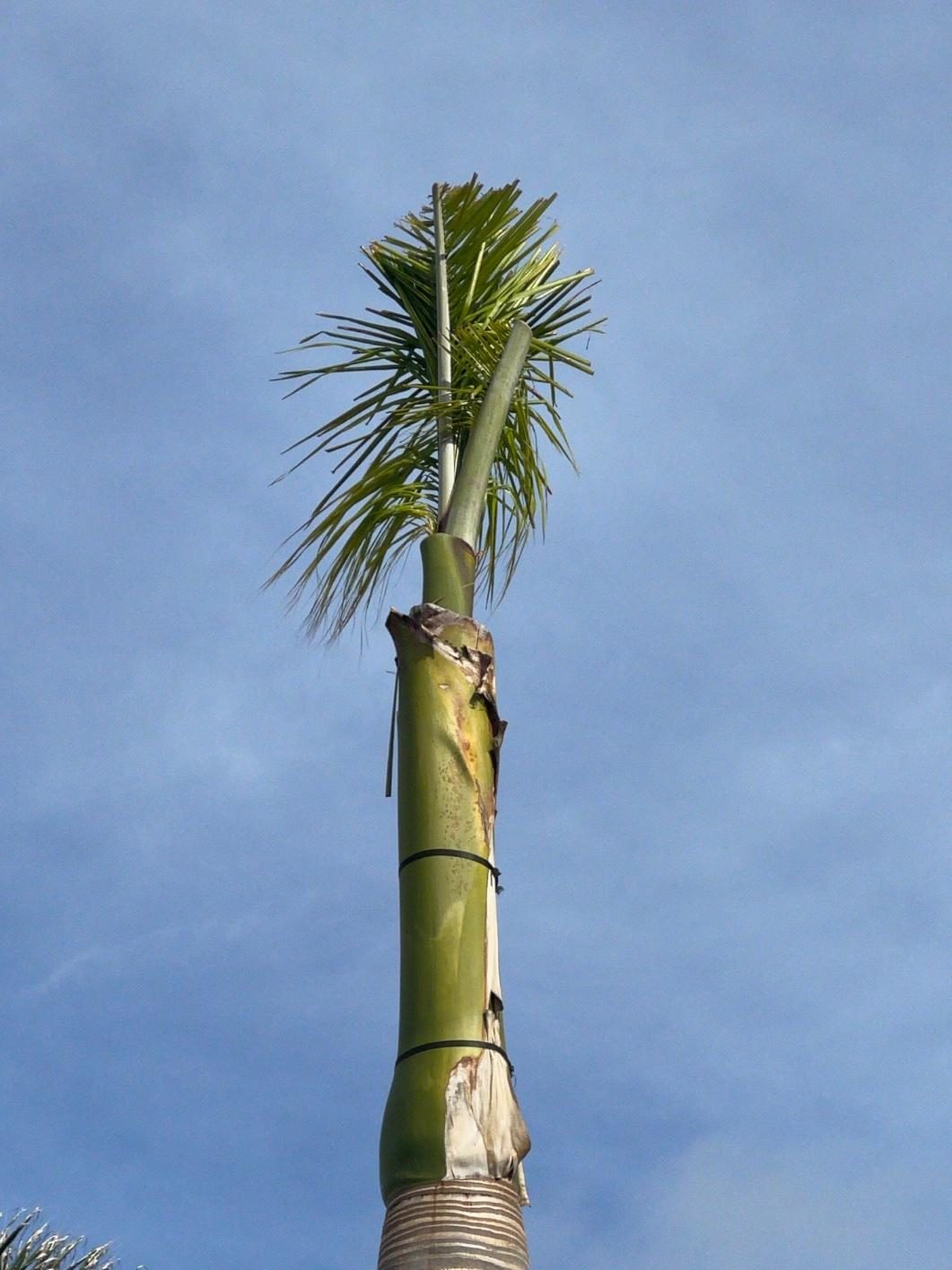
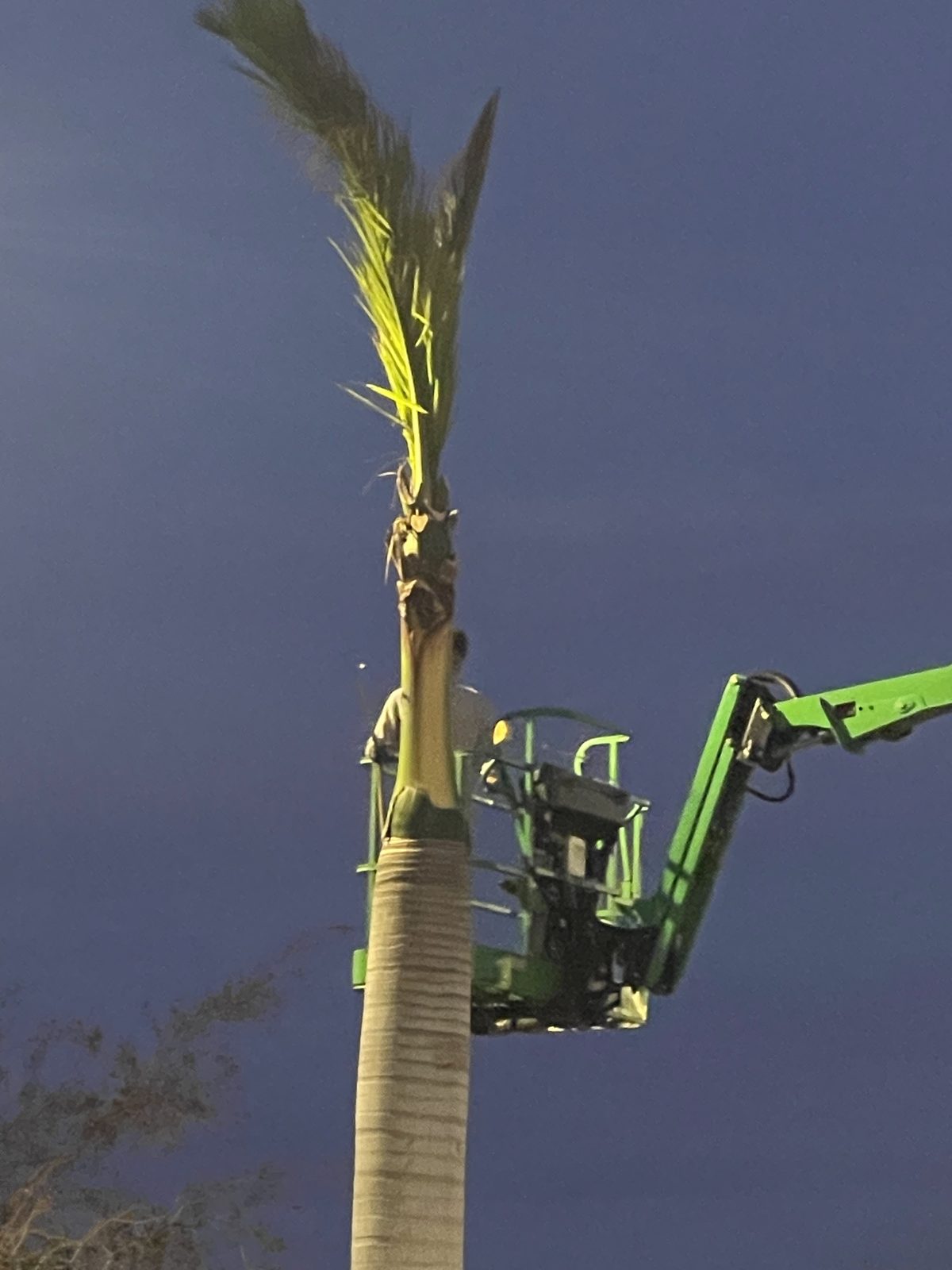
A tree loss report counts storm damage. It does not condemn palms early. We give a storm-damaged palm at least 6 months before writing it off, unless it has failed structurally, because many palms that look dead after a storm grow back from a living bud.
Distressed trees that may still decline are listed separately, so the board can see what is certain and what is still in question. No tree or palm is removed without an ISA Certified Arborist's written determination.
The report also keeps old problems out of the storm number. Damage that was there before the storm is excluded by scope. That keeps a claim honest and keeps the board from paying storm prices for trees that were already on their way out. For a public district, the same tree-by-tree records support debris documentation where FEMA reimbursement may apply. Confirm eligibility with district staff before the season.
Why it helps the budget
Replanting after a storm is one of the biggest unplanned costs a community or club faces. A count by species, size and area lets the board phase replanting over budget years, choose species that fit each spot, and avoid paying twice for trees that were already in decline. If your property already has an inventory in our GIS records, the report starts from that baseline, which makes the before and after much easier to show.
What to do
Hurricane season is here. If your property has no inventory of its trees, ask for the free master plan before the first storm, not after. It maps every palm and tree. After a storm, ask us for a tree loss report before anyone files, budgets or replants.