Hurricane Season Starts June 1: A Palm and Tree Checklist for Managers
The work that protects a community in a storm happens in May: a priority map, a walk of the risky trees, and stakes that hold.
 Jeff Kaulbars
The first named storm of the season is a bad time to write a plan. Crews are booked, roads are blocked, and every call gets made under pressure. Our storm plan runs June 1 through November 30. Most of the work that matters is done before June 1.
Before June 1
- Agree on a priority map. Entrances, main roads and emergency routes first, then public access, then neighborhoods. When a storm hits, crews clear in that order without waiting for a phone call.
- Name a contact and a backup on your side. We name a response manager and an ISA Certified Arborist on ours.
- Pick a staging area and a disposal site, and put both in writing with the contact and equipment lists.
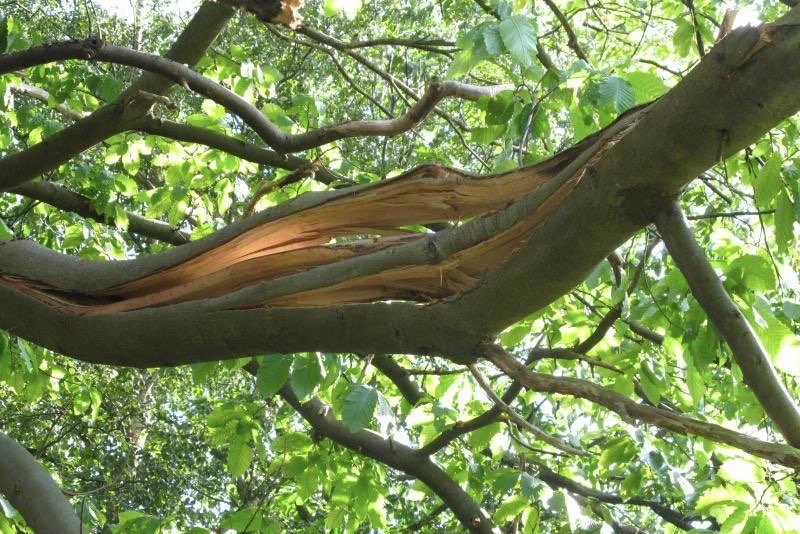
- Walk the high-risk trees: mature oaks, recent transplants, and trees with known defects. Broken limbs hanging over a walk, a road or a roof (hangers) come out ahead of the season.
- Check the stakes on new trees and palms. Failed stakes, and stakes and ties girdling a young trunk, get corrected now.
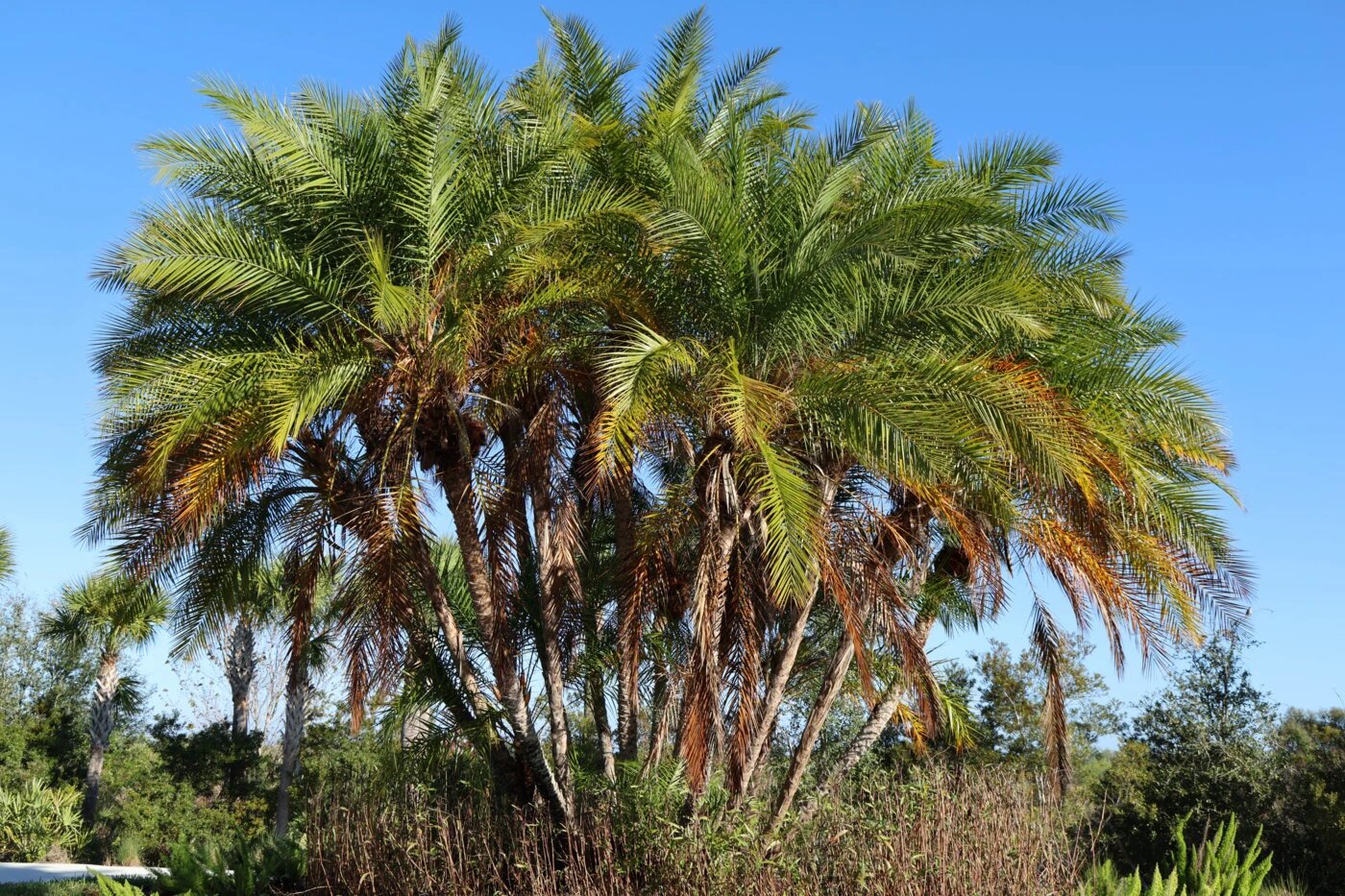
- Take dead fronds off the palms before June 1. That cuts storm debris. Nothing above the 9-and-3 line is cut.
The one step we leave out
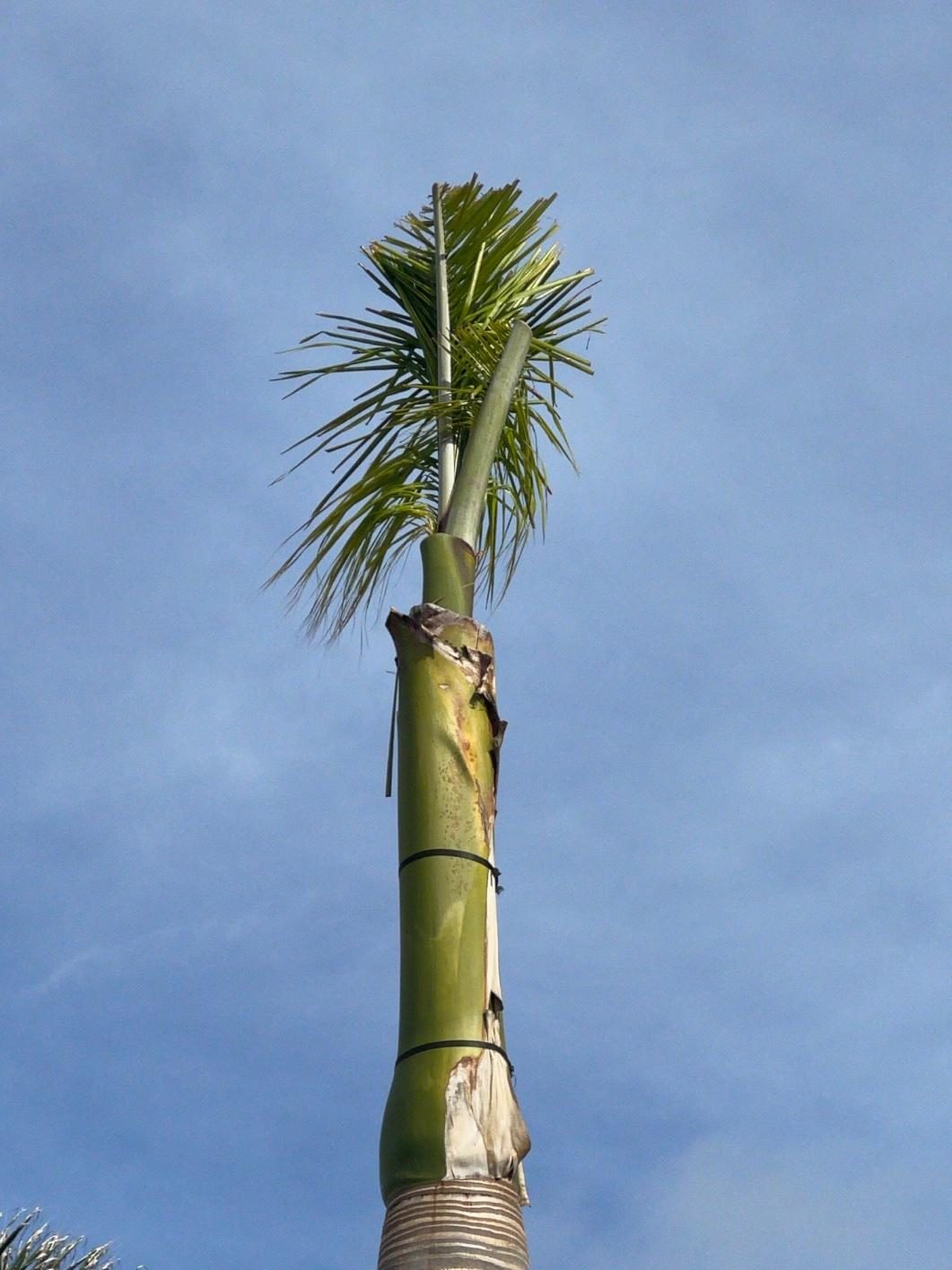
Many properties strip palms down to a few upright fronds before the season. People call it a hurricane cut. We do not recommend it. Green fronds store the potassium and magnesium a palm lives on, and taking them speeds deficiency.
Every cut is also a fresh wound on a plant that cannot wall a wound off. Fresh wounds are how Thielaviopsis trunk rot gets in, and stressed, wounded palms are what the palmetto weevil looks for. A storm plan should not leave the palms weaker than the storm would.
After the storm, in this order
Our approved storm spec sets the order of work, so nobody argues about it on the day.
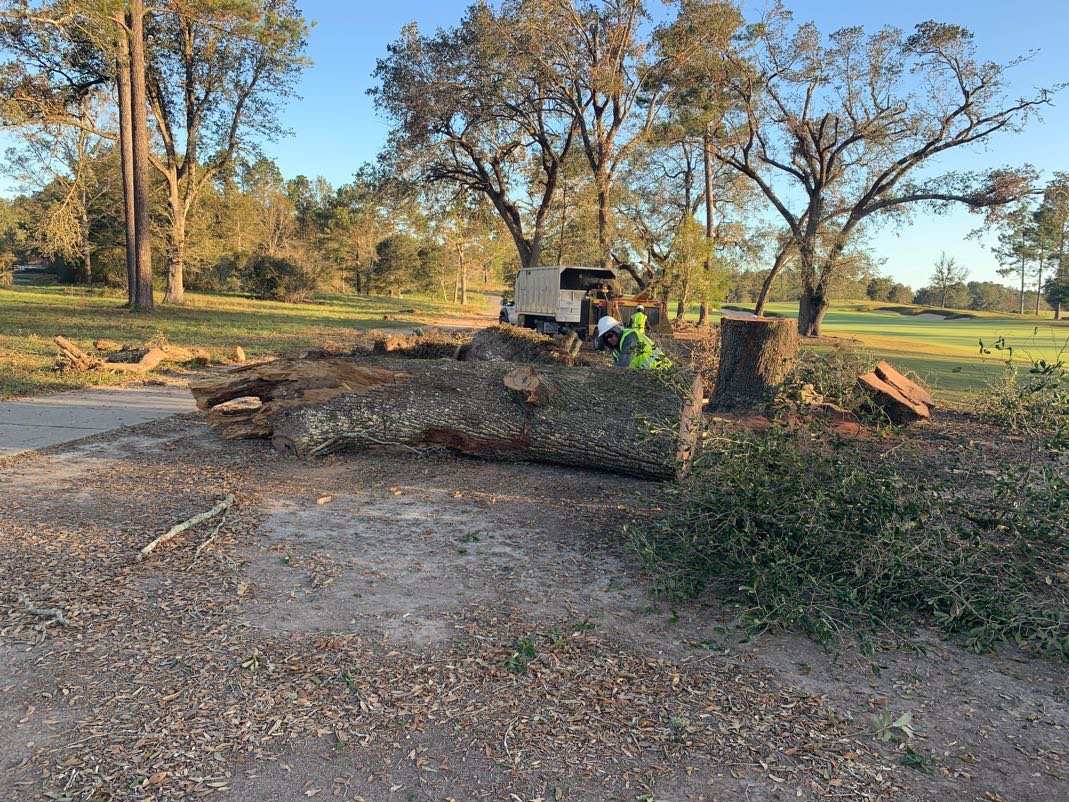
- Clearance. Fallen palms and trees pushed off roads, entrances, walks and building access as soon as it is safe. Not hauled yet.
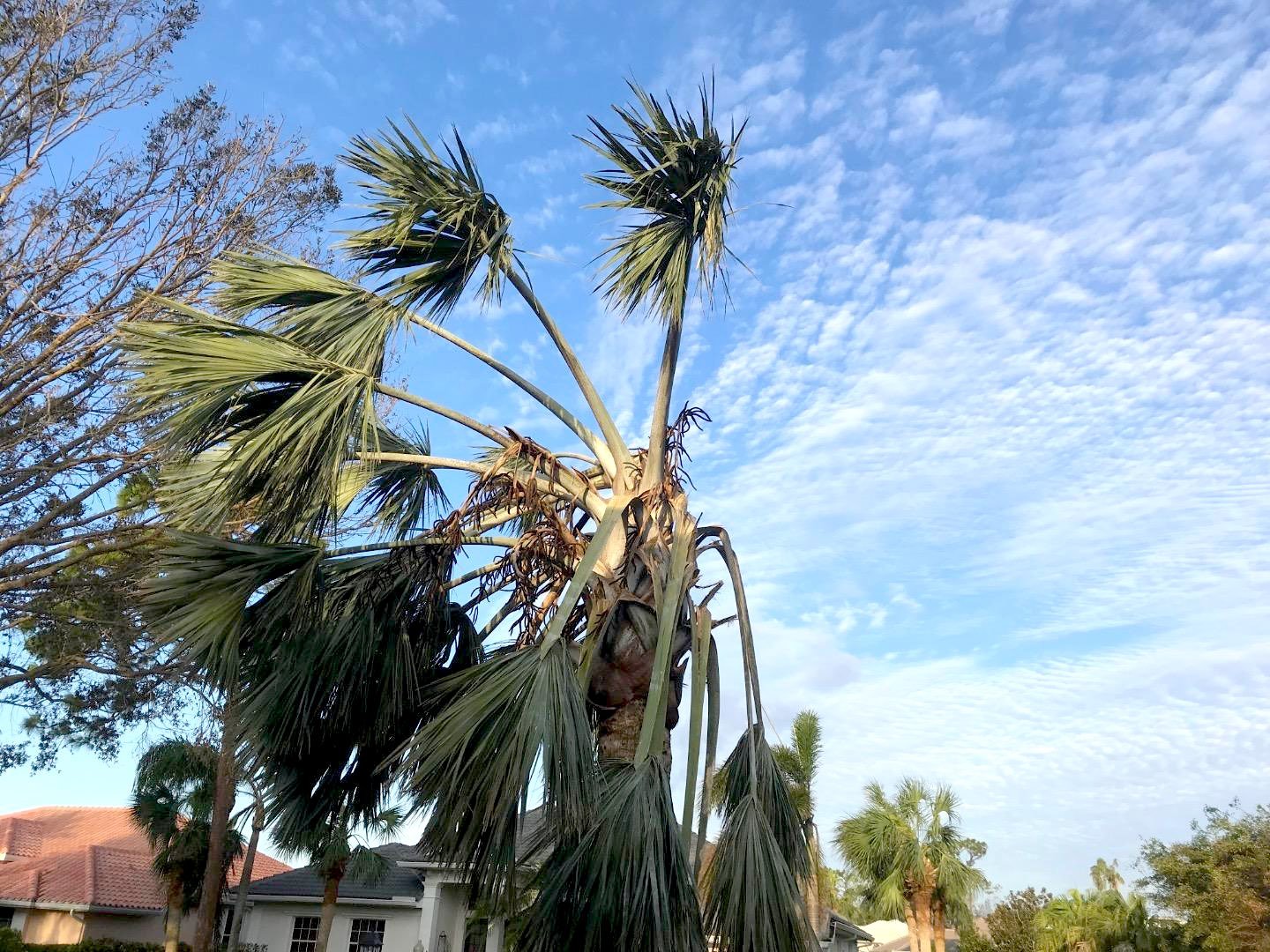
- Assessment. An arborist-led walk within 72 hours of clearance. Every damaged palm and tree gets a work order by its inventory ID, flag tape and a photo: down, leaning, bowing, hanger, broken top, damaged palm or hazard.
- Restanding. Savable palms and trees are stood back up and staked before exposed roots dry out, small trees first. We start within 48 hours of the assessment and aim to finish within 7 days.
- Storm pruning. Hazards first. On trees, cuts go to a branch collar or a lateral, never a stub. On palms, broken fronds only.
- Removals. Only after an ISA Certified Arborist writes a determination. A palm that is intact gets 6 months before anyone writes it off.
- Debris. Chipped or grappled and hauled to the approved site.
- Recovery checks at 30, 90 and 180 days.
Records a board can use
After a storm, a board needs to know what was done, where, and what it cost. Daily reports list the crews, equipment, hours and the inventory IDs staked, pruned or removed. Every palm and tree is closed out in our GIS inventory with before and after photos, in one tracker for the whole site, so nothing is done or billed twice. Debris goes by load ticket.
Managers ask for one thing above the rest during a response. One town manager put it simply:
“If there are any further delays or issues, please keep us informed.”
For a public district, records matter even more. A district may qualify for FEMA reimbursement on storm debris work, and if it does, the records have to meet that standard. Confirm eligibility with your district manager before the season, not after.
The weeks after
The storm is not the last risk. Bud rot rises on palms with crown damage or standing water. Pines can stay green and still die over 6 months to 2 years. The palmetto weevil goes after stressed palms. A defoliated tree is usually not dead, and the honest answer often waits until it leafs out the next spring. That is why the 30, 90 and 180 day checks exist.
What to do
If your community has no written storm plan for its palms and trees, May is the month to write one. Ask us for the free master plan. We map what you have, mark the high-risk trees, and put the priority map on paper before June 1.