The Ganoderma Question: What a Plan Covers That a One-Off Visit Does Not
A second opinion on a sick palm is a paid trip for a community without a plan. On a plan, the answer is already on file.
 Jeff Kaulbars
Here is a real email, with the identifying words taken out, from a community manager whose property is not on our program:
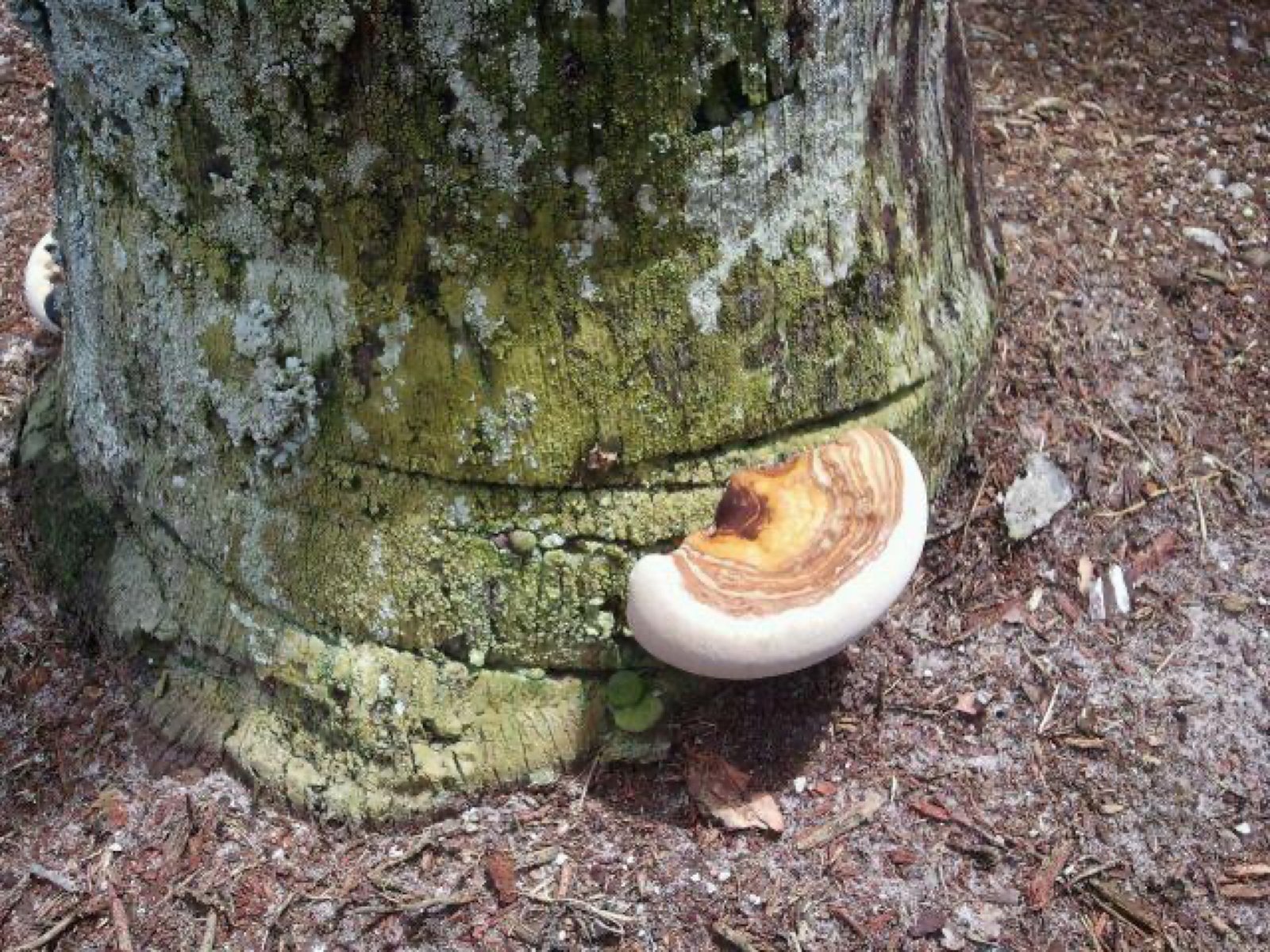
“We have several palm trees at the [community] that have been diagnosed with Ganoderma by our landscaper. Before the board will allow me to have them removed, they want a second opinion since the owner is being told that they can not have a palm tree put back in the same location.”
It is a fair request. Ganoderma butt rot has no treatment, a confirmed palm is a collapse risk, and the replanting question is a real one. The board is right to want someone who is not selling the replacement to look first.
Two communities, the same question
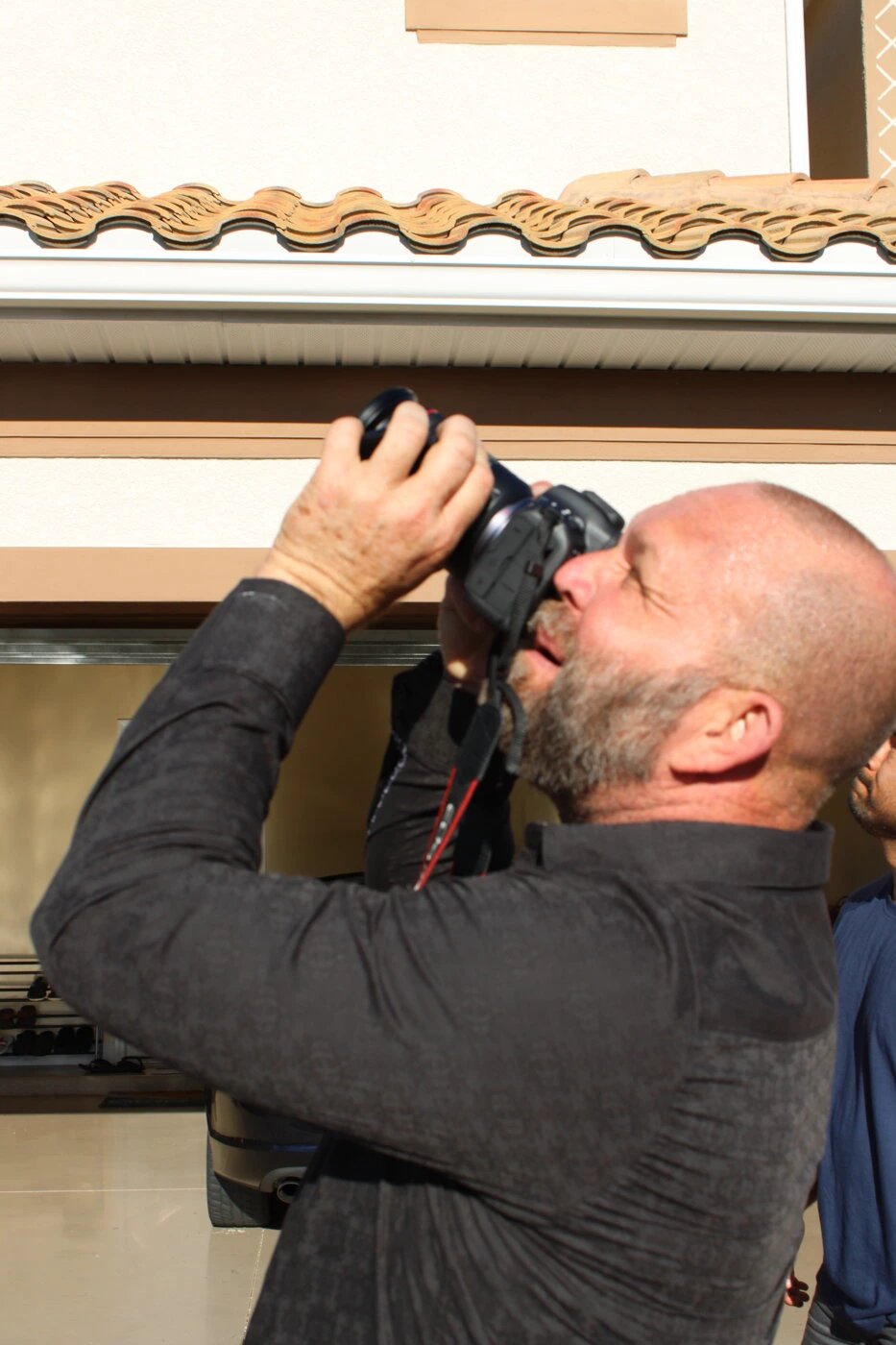
For that community, the answer is a site visit: an arborist drives out, inspects each palm, and writes it up. That is a paid assessment visit. It has to be. The work is the same whoever asks.
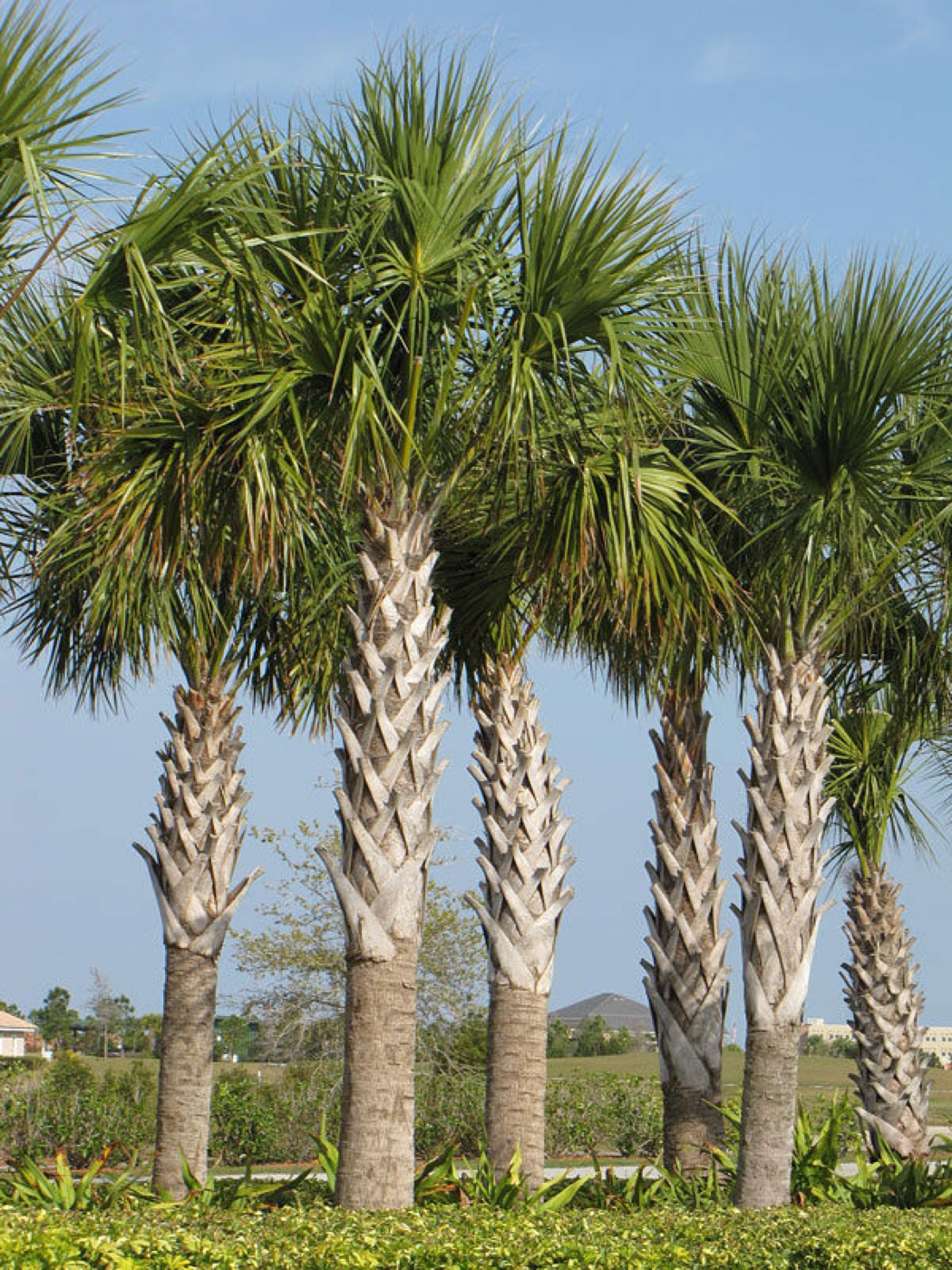
Around the same time, a manager at a community on our program sent us the same kind of note about a palm in a roundabout. The answer went back the same day. That palm had already been flagged on their report, with removal recommended in writing. No trip fee, no wait, because someone had already been looking.
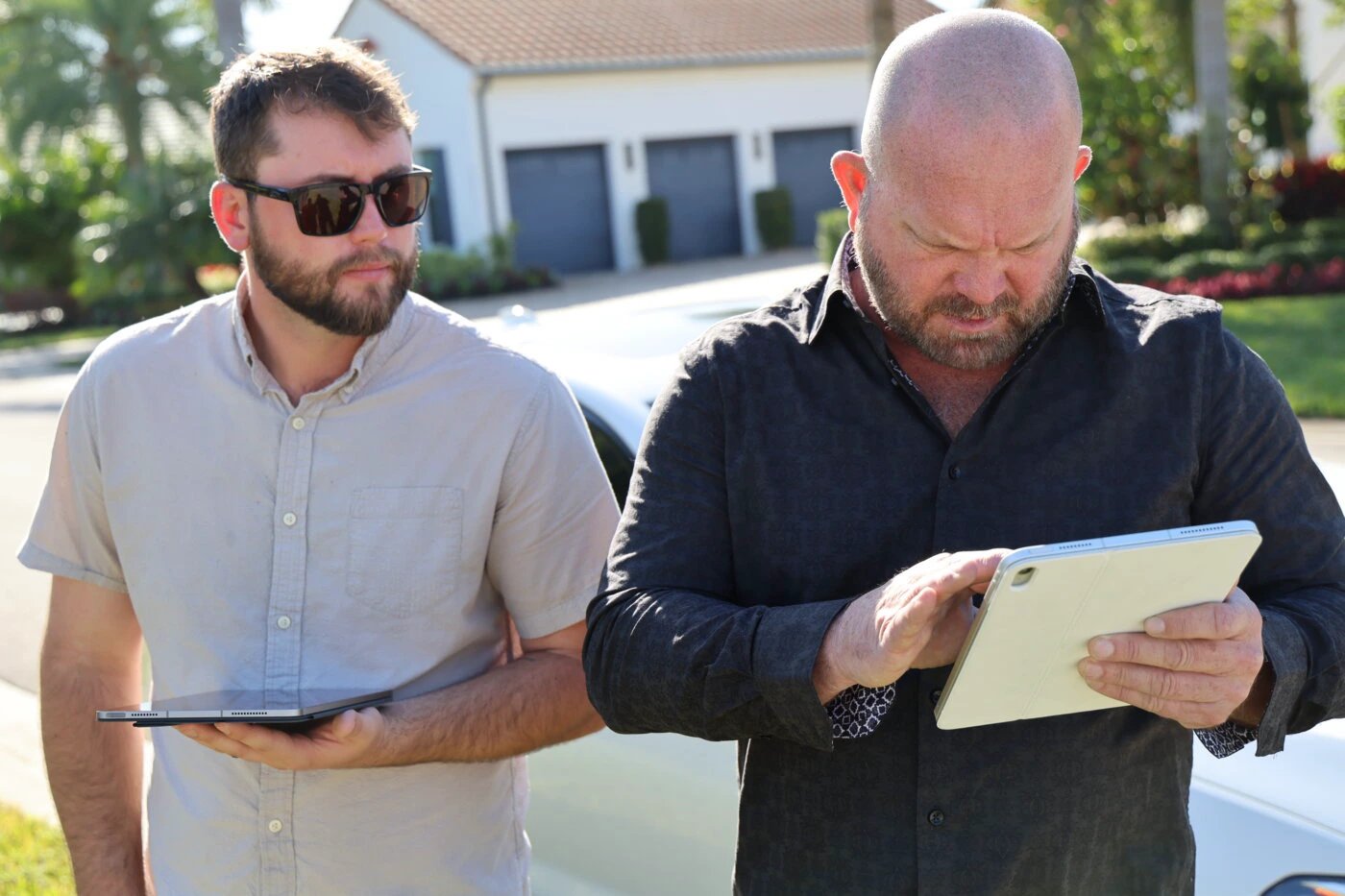
Jeff Kaulbars put it this way:
“These kinds of visits are not free, but they're included in your management plan.”
What comes with a plan
For communities on a plan at Protect what matters or the Full program, these are part of the program, not extra invoices:
- Assessment and field visit trips, including a look at any extra palm or tree you ask about.
- When a palm under care declines, we notice it, investigate it in the field, work through the likely causes, and give you a written recommendation.
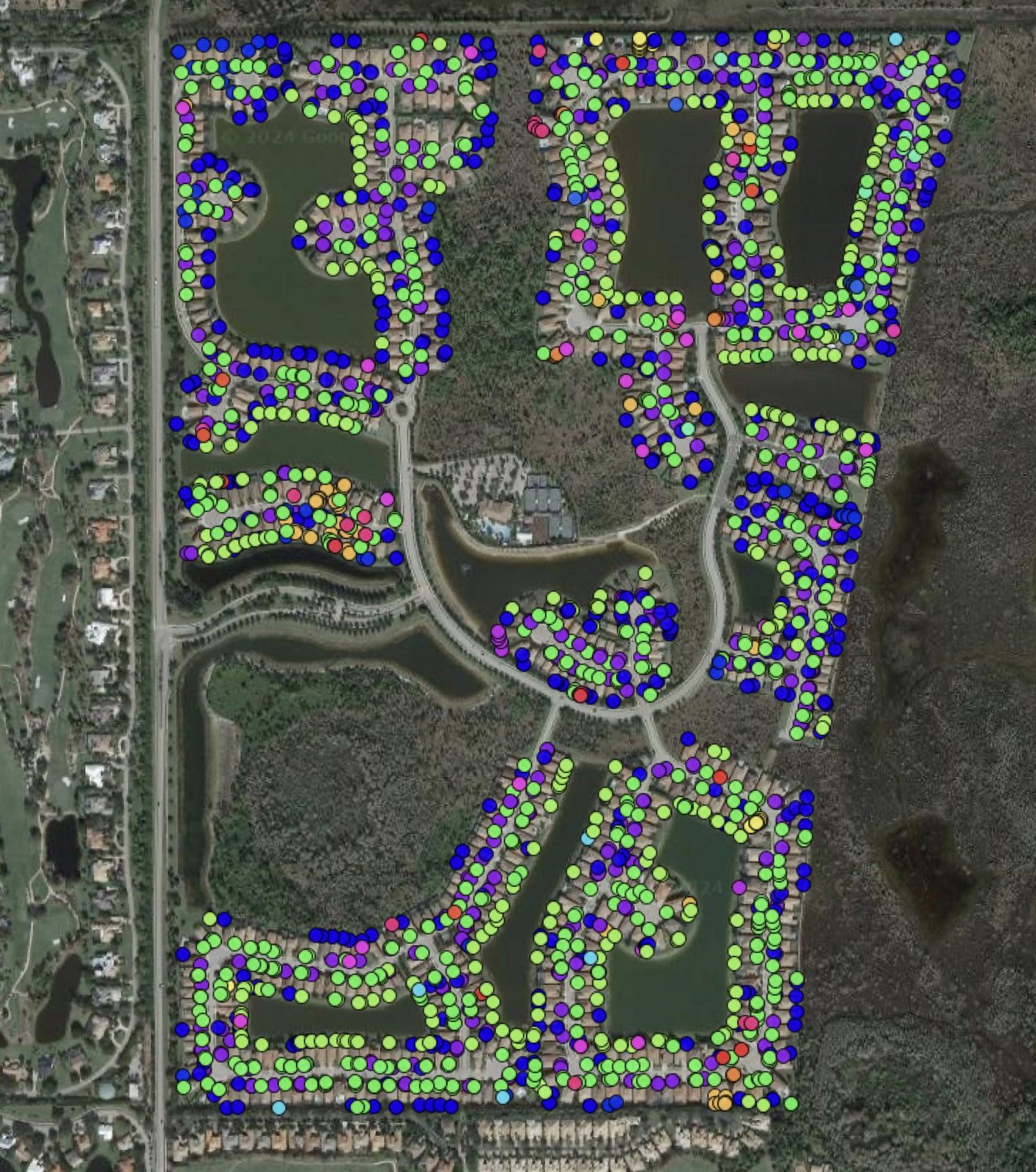
- Mapping of every palm and tree in our GIS inventory, with species, location, condition and history.
- A report after every visit, written for the manager and the board.
- The palmetto weevil protocol, and the Ganoderma inspection and removal call.
- New palms added to the inventory as they are planted.
Lab fees are passed through at cost, with no markup, for everyone. No palm is tested without your authorization. Larger events, such as an outbreak where many palms are sampled at once, and the disease protocols themselves, are scoped by proposal.
Is this palm covered?
The most common question managers send us is some version of this one:
“Can you please advise if the palms pictures below and mentioned in the email are covered by your semi-annual program.”
On a plan, that is a lookup. Every palm has a record, so we can answer yes, no, or not yet, and offer to add it. Without a plan, the first time anyone hears about a problem palm is often an invoice. One manager wrote:
“I just got an invoice to replace a Royal at the amenity... Do you know if this one had any issues in the past?”
A plan answers that question before the invoice arrives: when the palm was planted, how it graded at each visit, what we saw, and what we recommended.
Back to the replant question
University guidance says not to replant a palm where Ganoderma was. Our position is that it is a risk decision made with the client, not an absolute rule.
Communities have replaced Canary Island date palms with Canary Island date palms in Ganoderma spots, and the new palm did not get it. How long the fungus lasts in soil is still not fully understood. If you want to replant, we disclose the risk and weigh it against the value of the spot.
What to do
If your landscaper has called Ganoderma on a palm, keep ladders off it and ask us for an assessment. If you would rather the next question start from a record instead of a new site visit, ask for the free master plan.