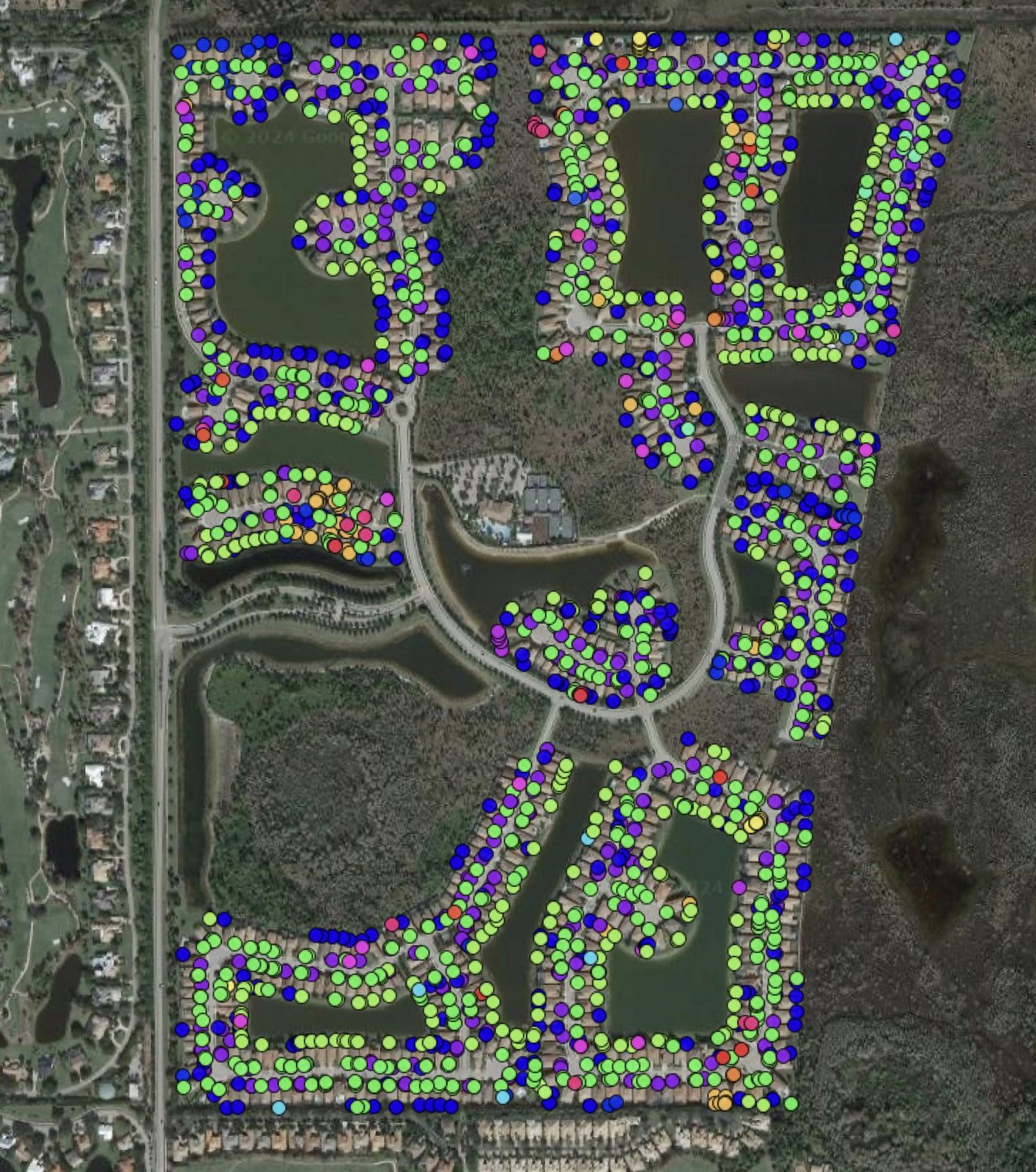
HOA Budget Season: When to Put Palm and Tree Care on the Table
Most boards decide next year between June and mid-September, and a plan that arrives after the budget meeting waits a full year.
 Jeff Kaulbars
The number one worry we hear from HOA boards is not palms. It is assessments: raising them, or having to add a special one. A palm that dies without warning, or a removal nobody budgeted for, lands right on that worry.
The calendar we see in the mail
Across our emails with managers and boards, the budget season runs on a fairly steady clock:
- Builder-managed communities start next year's budgets in June.
- Golf courses are working on their budgets by July.
- Managers start budget prep in early September.
- Many HOA boards hold their budget discussion around mid-September.
Put together, a plan needs to be in the manager's hands between May and September. One board member told us plainly when that was:
“Our Board is not having any 2025 budget discussions until mid-September so the timing of our discussion is appropriate.”
Miss the window and the answer is usually the same:
“The Board decided against the palm health as they were not able to work it into the 2025 budget.”
One line the board can defend
What managers ask for is simple. A separate line for palm and tree care, a number that does not jump, and a layout the board can follow. One community management director asked for exactly that:
“As we are now starting the 2026 Budgets yes please work with [our regional landscape director] who will work the [management] team to get this added as a separate line on the budgets.”
Our plans are organized by section and by program year, the way a community governs itself. The schedule names the months. And any change to our pricing is noticed by August 1 and takes effect January 1, so the board knows next year's number before it adopts the budget.
Small changes do not move the number
Palm counts change. A palm dies, a replacement goes in. Our inventory clause handles that: minor variance found in the field does not change the price in either direction. Normal attrition and replacement are absorbed both ways. A big change, like a new phase or a storm loss, goes through a signed change order. The inventory is re-checked at renewal at no charge.
Start at the floor
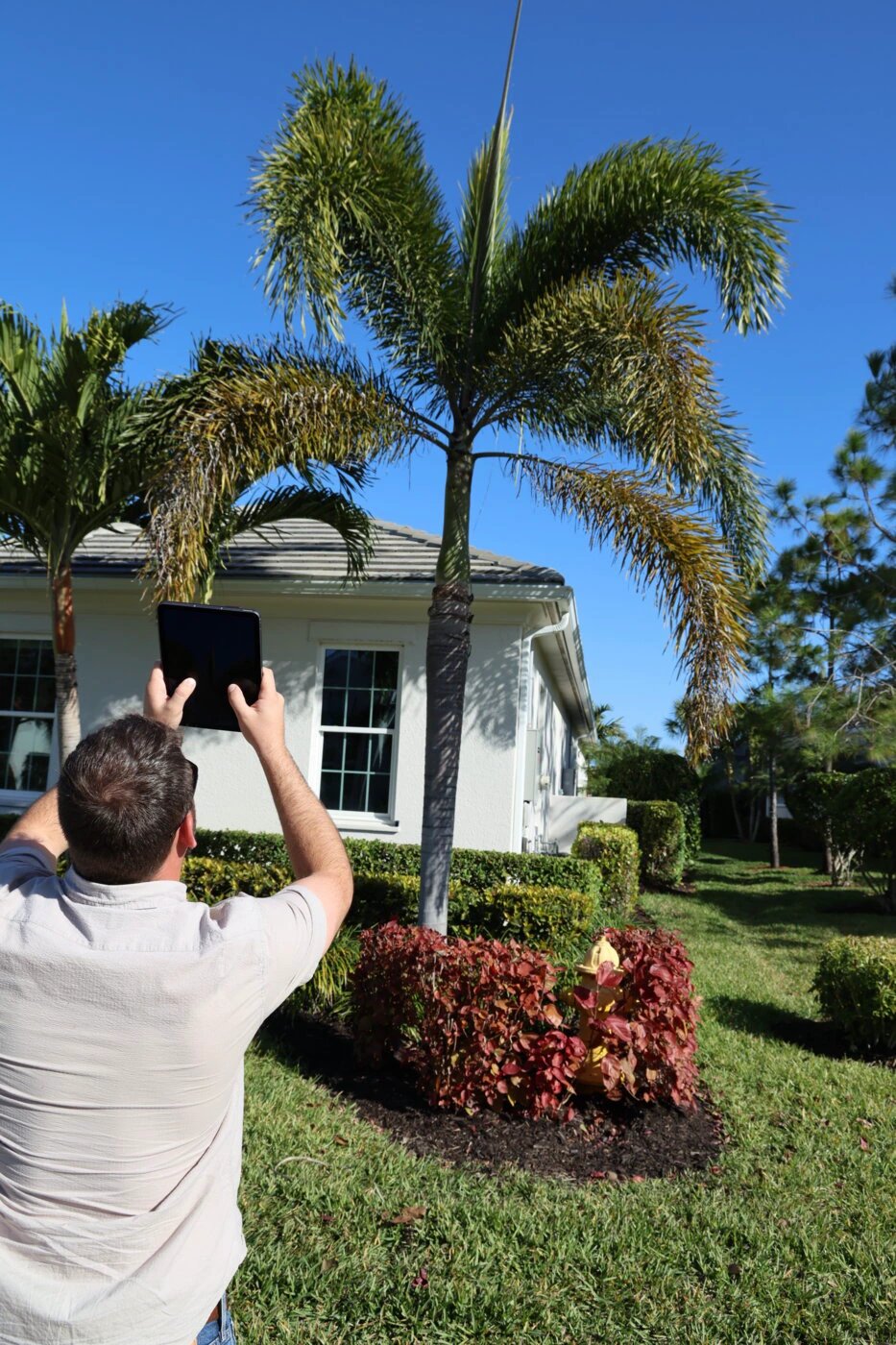
A board does not have to buy everything at once. Every palm on a program enters at Monitor, our floor: a scheduled visual inspection of every palm, with records and a report. Our arborist then recommends which palms need more, palm by palm. You decide how much of it to enroll. A board can say yes to the floor this year and add care in the years after.
Jeff Kaulbars, who has built these budgets for master-planned communities, golf courses and districts, says it this way: "By having the plan in place, we can typically fall into their budgets."
The champion is not always the decider
Often one board member pushes for palm care and another holds the checkbook.
“Unfortunately I don't make the final decision I just push for what I want.”
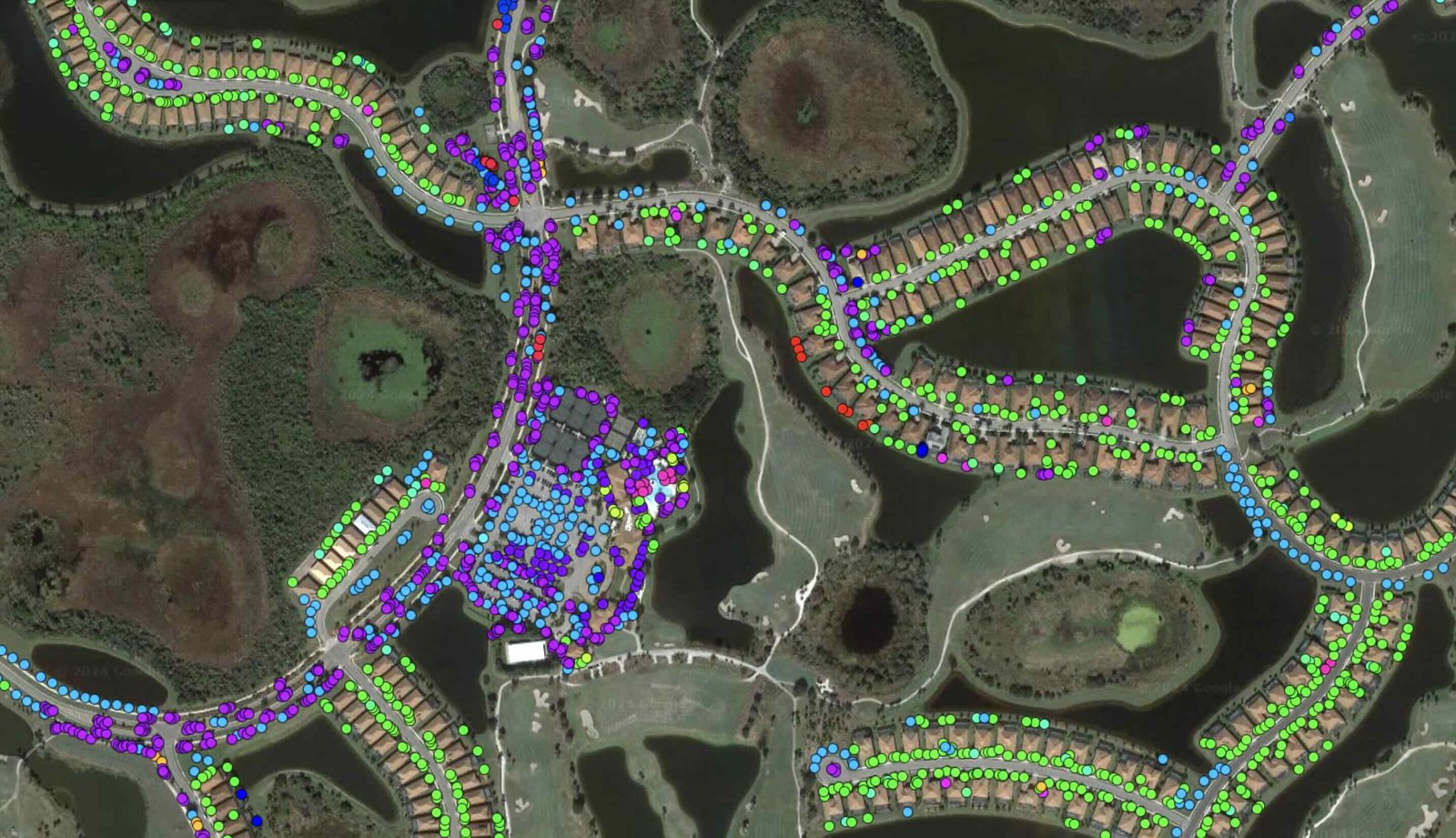
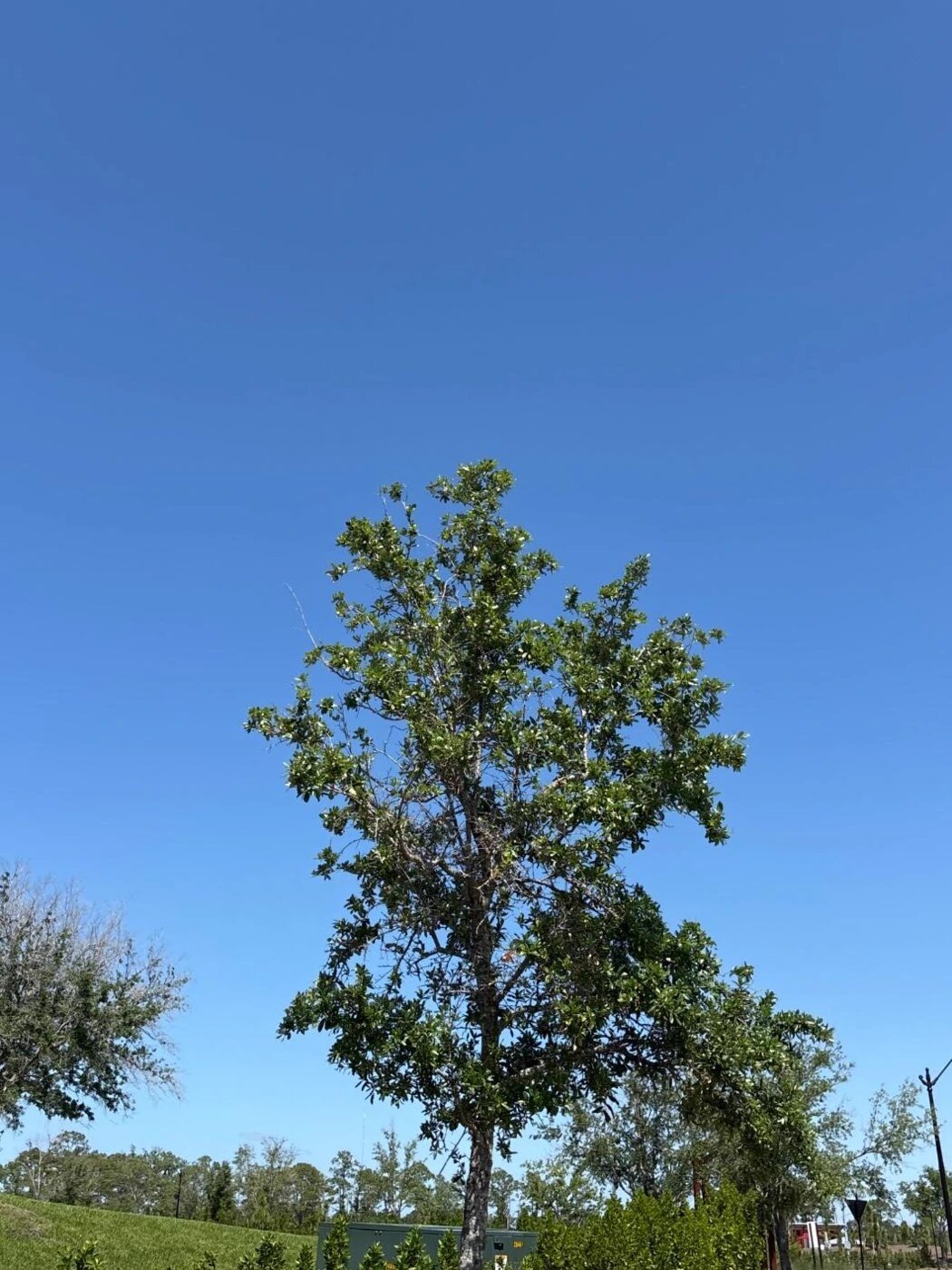
That is why we write for the treasurer too. The report shows condition on a five-step scale, Normal through Dead, with Normal (80 percent canopy health or better) as the goal. It shows what changed since the last visit and what next year should hold. When it helps, we present the plan to the board ourselves.
If it is already too late this year
“Currently we do not have any room in our landscaping budget to add new services. However, we would like to plan to have [it] our next fiscal year.”
That is a fine answer. We can date the agreement to the start of your next fiscal year and give you the number now.
What to do
If your board meets on the budget this fall, ask us for the free master plan now. We count what you have and give the manager a one-page estimated number by section, in time for the meeting.