Planning for a District That Doubles: A Multi-Year Palm and Tree Budget
When the inventory doubles in three years, last year's budget is the wrong starting point, and next year's costs are already in the ground.
 Jeff Kaulbars
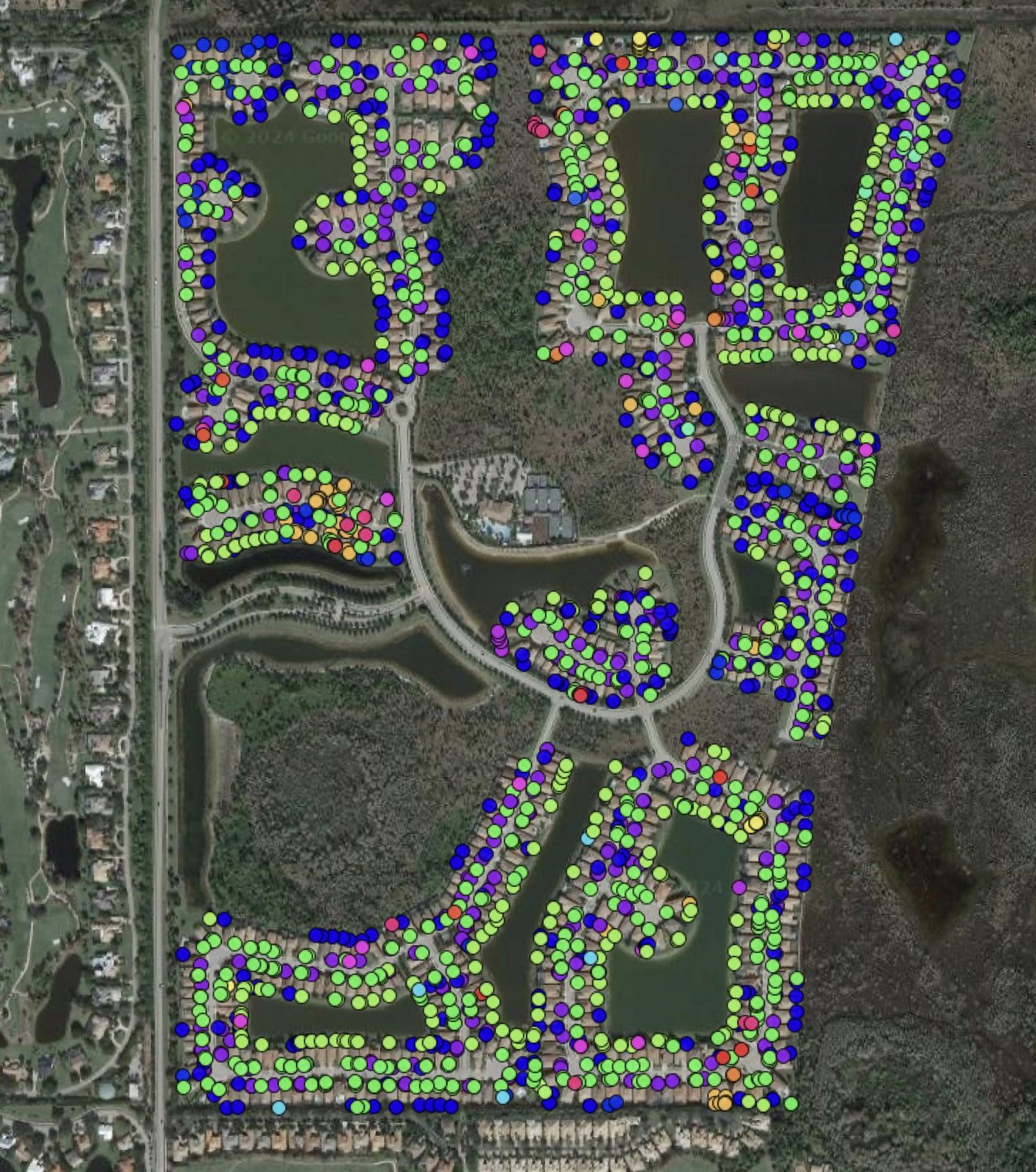
At a large independent special district we manage, the palm and tree inventory roughly doubled in three years. New neighborhoods, new roads, new parks. Every one of those plantings is a future line in the budget, and most of them are still young enough that their costs have not shown up yet.
What the district asked
The questions from district staff are the right ones:
“Do you know you went over budget for the contracted Items?”
“I would like to do the tip die back but not to the degree it has been needed in the past. Proposals will also help us determine the cost of expansion for maintenance.”
Both point at the same problem. When the inventory grows faster than the plan, every year's budget is built on last year's count, and it is short before the year starts.
Start from the count, not last year
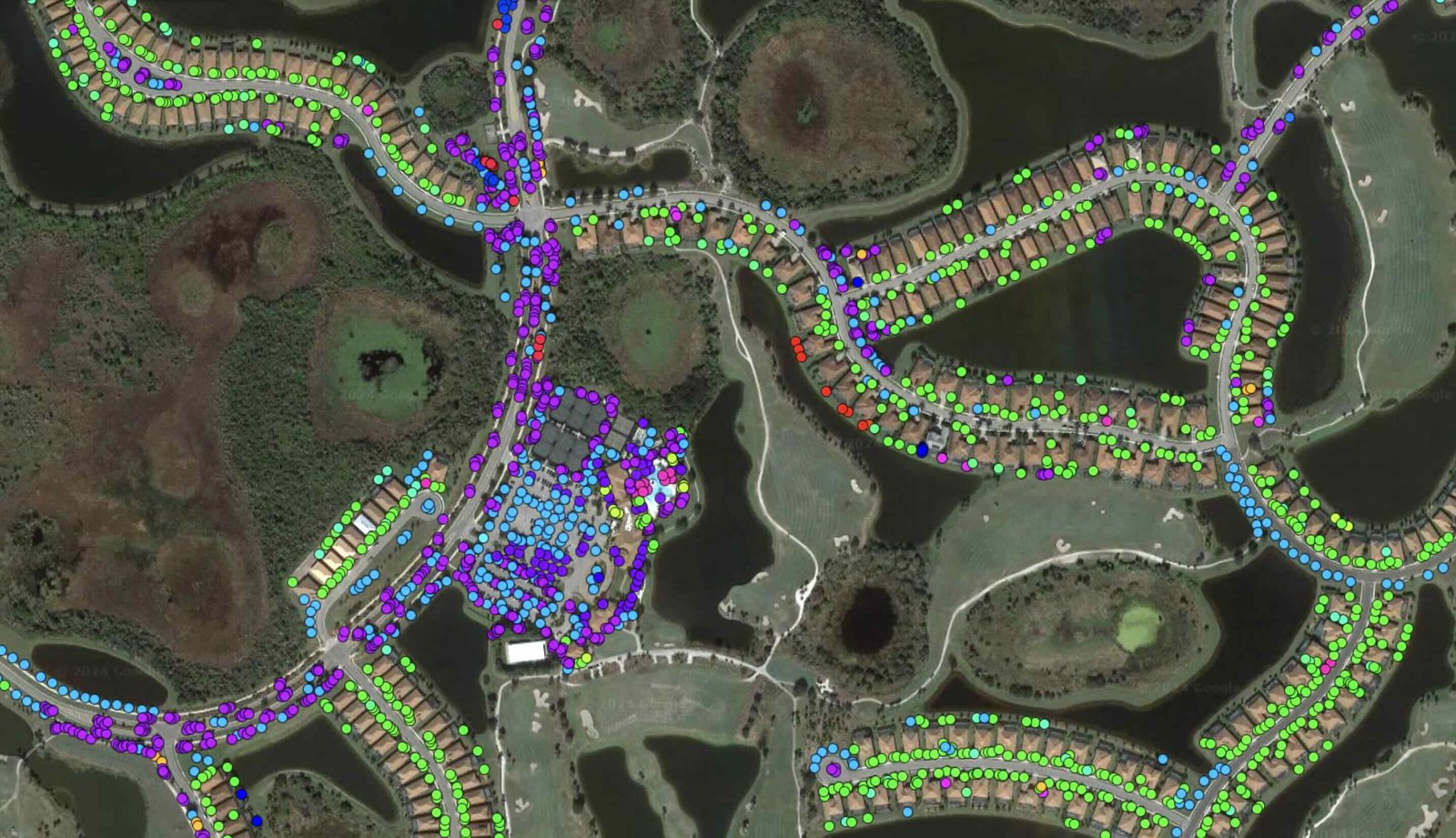
Our plan for a growing district starts with the inventory: every palm and tree mapped in our GIS inventory with its species, size and condition. The budget is rebuilt from that count every year, tier by tier. New trees go onto the 2-year establishment schedule as they go in.
The Sabal line that is coming
Here is a cost most growing communities do not see coming. Most of the cabbage palms (Sabals) in a growing district were planted in the last few years. A newly planted Sabal needs little or no trimming. After about three years in the ground, it needs a full trim every year. So a district that planted thousands of Sabals three years ago is about to see that line arrive all at once.
The plan gives the board ways to manage it:
- Trim where people are. Roads, walks, entrances and buildings every year. Natural areas on a longer cycle.
- Split by age. Price established palms and new installs separately, since new ones need little or no trimming.
- Count every year, so the line grows with the inventory instead of surprising the board.
Phasing the tree work
Young trees are where pruning money goes furthest. A little structural pruning while a tree is young prevents big, expensive problems later. So heavy structural work is spread across the first three years, about a third of the young trees each year. After that setup pass, young trees move to a regular rotation and the property settles into maintenance cycles. The board sees what each year holds, and why, by species.
Budgets are shown year by year, not as one big multi-year total, with the commons and any golf course allocated separately.
Establishment pays back
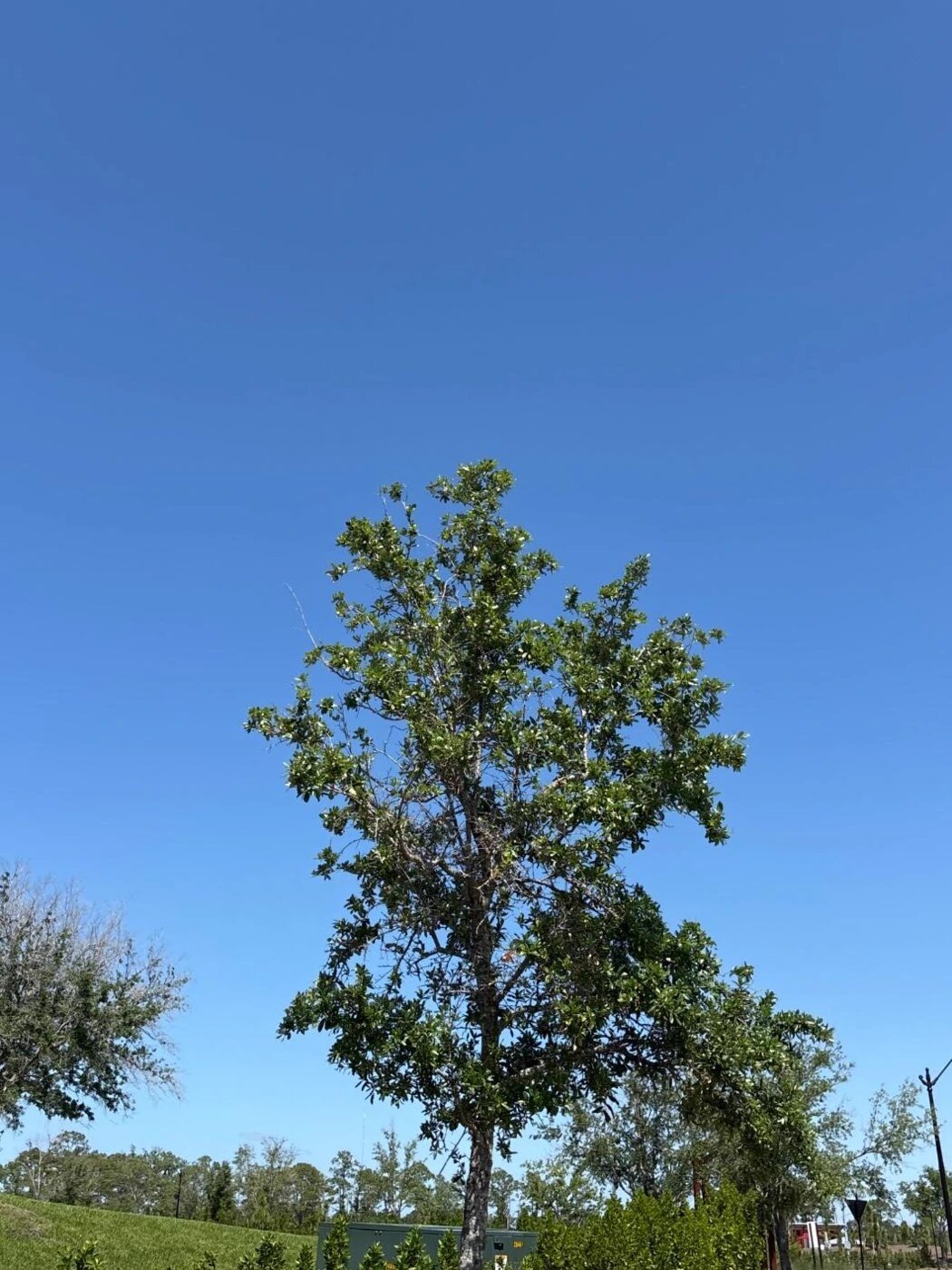
Young trees are also where losses are most expensive. At the same district, trees with tip dieback fell from 1,094 in April 2024 to an estimated 80 to 100 by June 2026, while the oak inventory grew from 827 to 1,493.
That was through two hurricanes and a drought. The drop came from root collar work, biostimulants and irrigation fixes together. We do not credit any one treatment for it, and we do not promise it will repeat. It shows what attention during establishment can do.
Levels the board chooses
Each program in the plan comes in three levels: the floor (safety, clearance, inspection and the work that prevents losses), Protect what matters, which adds preventive care on high-value and high-visibility palms and trees, and the Full program.
Each keeps everything below it. Most communities start at the floor, and we recommend Protect what matters for most. Removals are the same at every level: by size class, after a certified arborist's written determination.
Variances, forecast
One of the most useful things a district manager told us was this:
“If you're able to forecast variances and include them in your reports, it will help offset the impact.”
Our quarterly reports carry the counts and the condition trend. Because the budget is rebuilt from the count every year, growth shows up in the plan before it shows up as a variance.
What to do
If your district is still planting, last year's palm and tree budget is already out of date. Ask us for the free master plan before your spring budget draft. We build the 10-year plan, with an estimated budget each year, from the count you actually have.