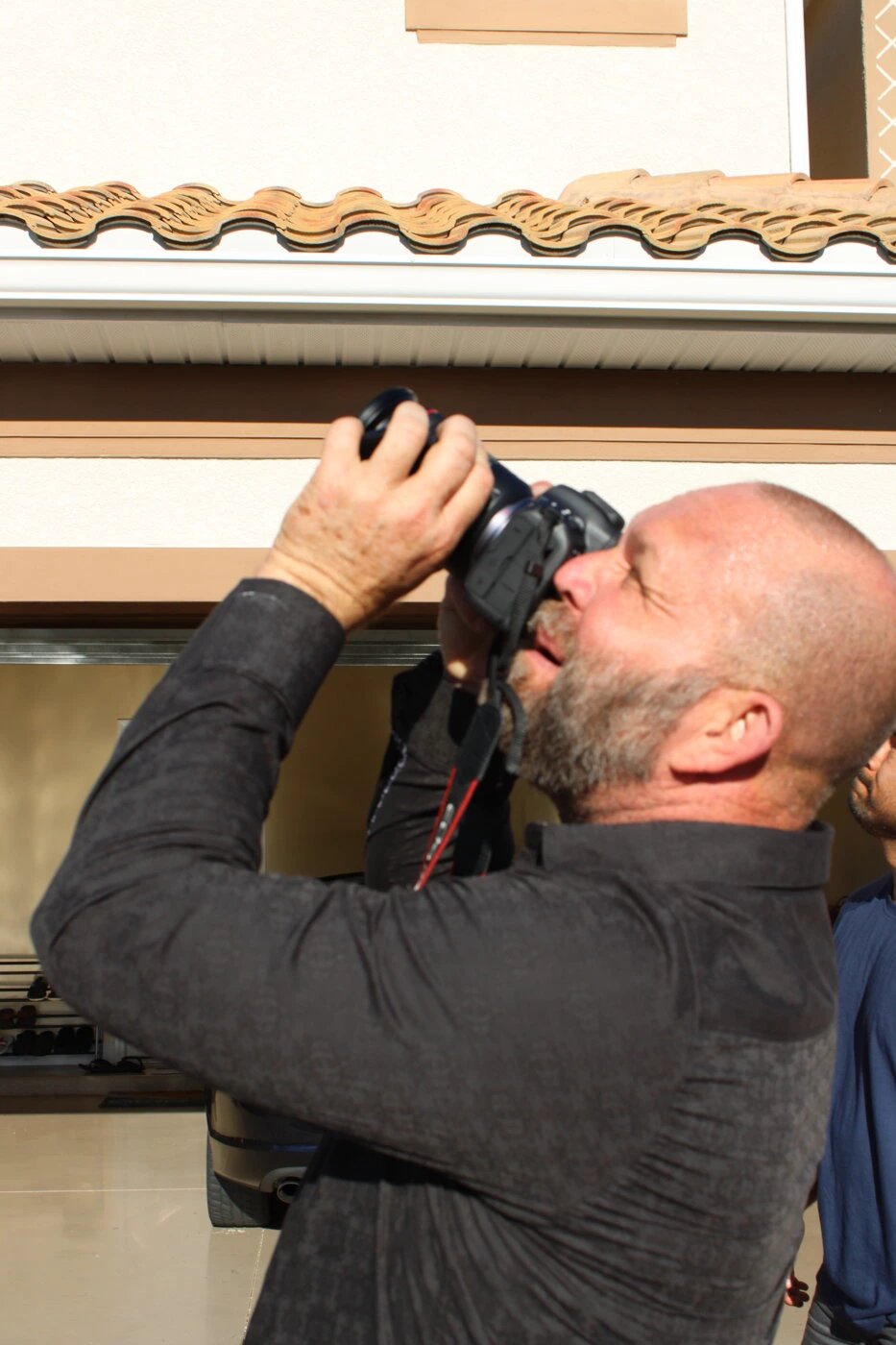
CDD and ISD Boards: Put Palm and Tree Care in the Budget Before June
A district fiscal year starts October 1, but the proposed budget goes to the board by June 15, so the plan has to arrive in spring.
 Jeff Kaulbars
Community development districts and independent special districts spend public money on a public calendar. Under Florida law their fiscal year runs October 1 to September 30. The district manager puts a proposed budget in front of the board by June 15. The board holds a public hearing and adopts the budget by September 30.
- Before June 1Storm debris record expectations confirmed with district staff
- By June 15The district manager puts a proposed budget in front of the board
- By September 30The board holds a public hearing and adopts the budget
- October 1The fiscal year starts
That calendar decides when palm and tree care can change. A plan that reaches the district in August is late for the coming year. It is a plan for the year after.
What district staff ask us for
The district staff we work with do not ask for a lower number first. They ask for a number that holds. Two lines from one district landscape manager say it well:
“If you're able to forecast variances and include them in your reports, it will help offset the impact.”
“Moving forward they have agreed to send proposals before any contracted work is performed so we are able to make adjustments with respect to the budget.”
Variance is the enemy. In a growing district it comes from three places: new planting that nobody counted, work done before a proposal, and disease response that was never planned for.
A count the board can trust
A budget built on a guess is a budget that moves. Palms and trees go in every month in a growing district, and some come out without anyone being told. The same manager wrote:
“[The landscaper] has been removing sabals on a monthly basis and I'm sure they have not been notifying you.”
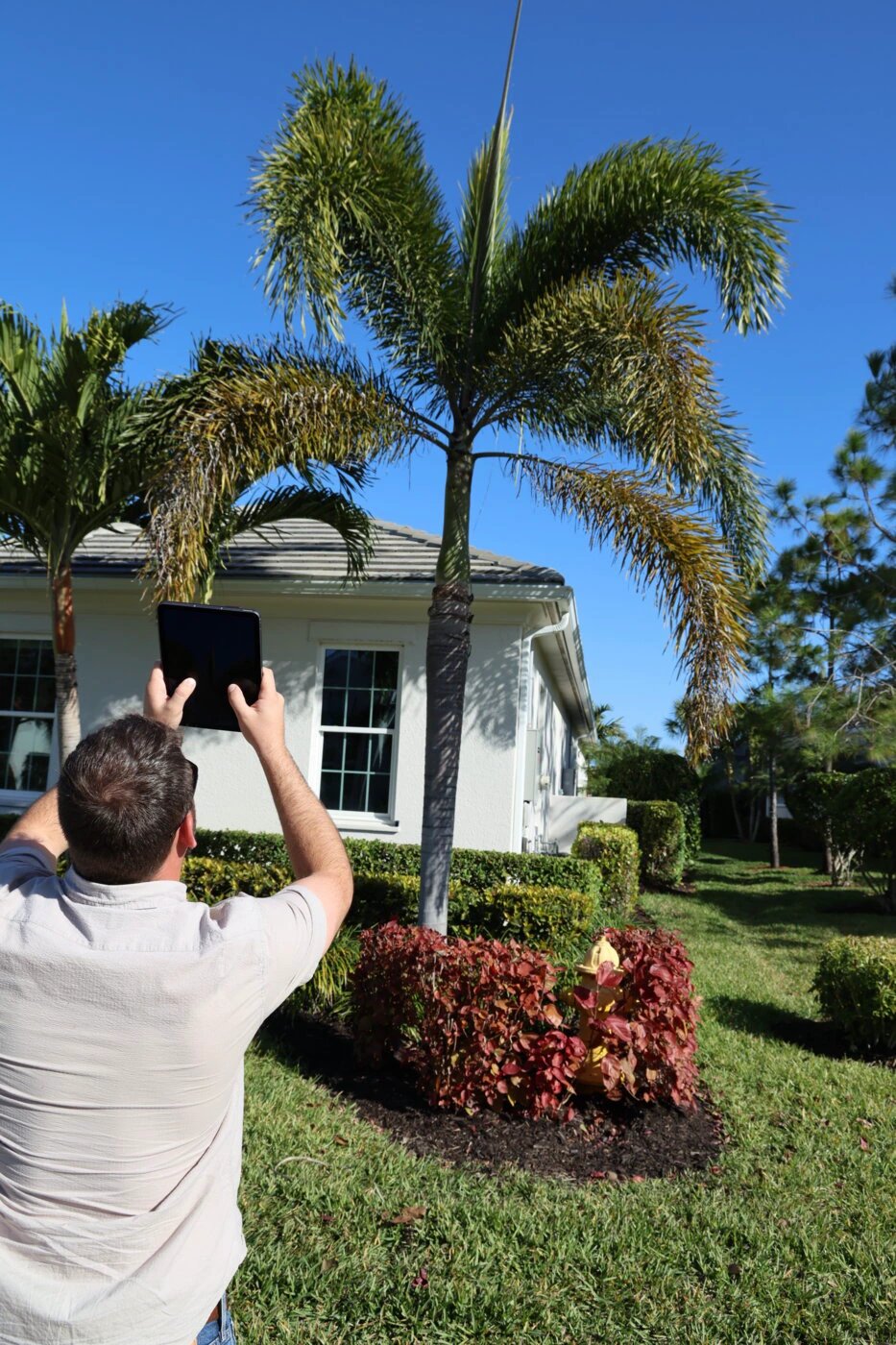
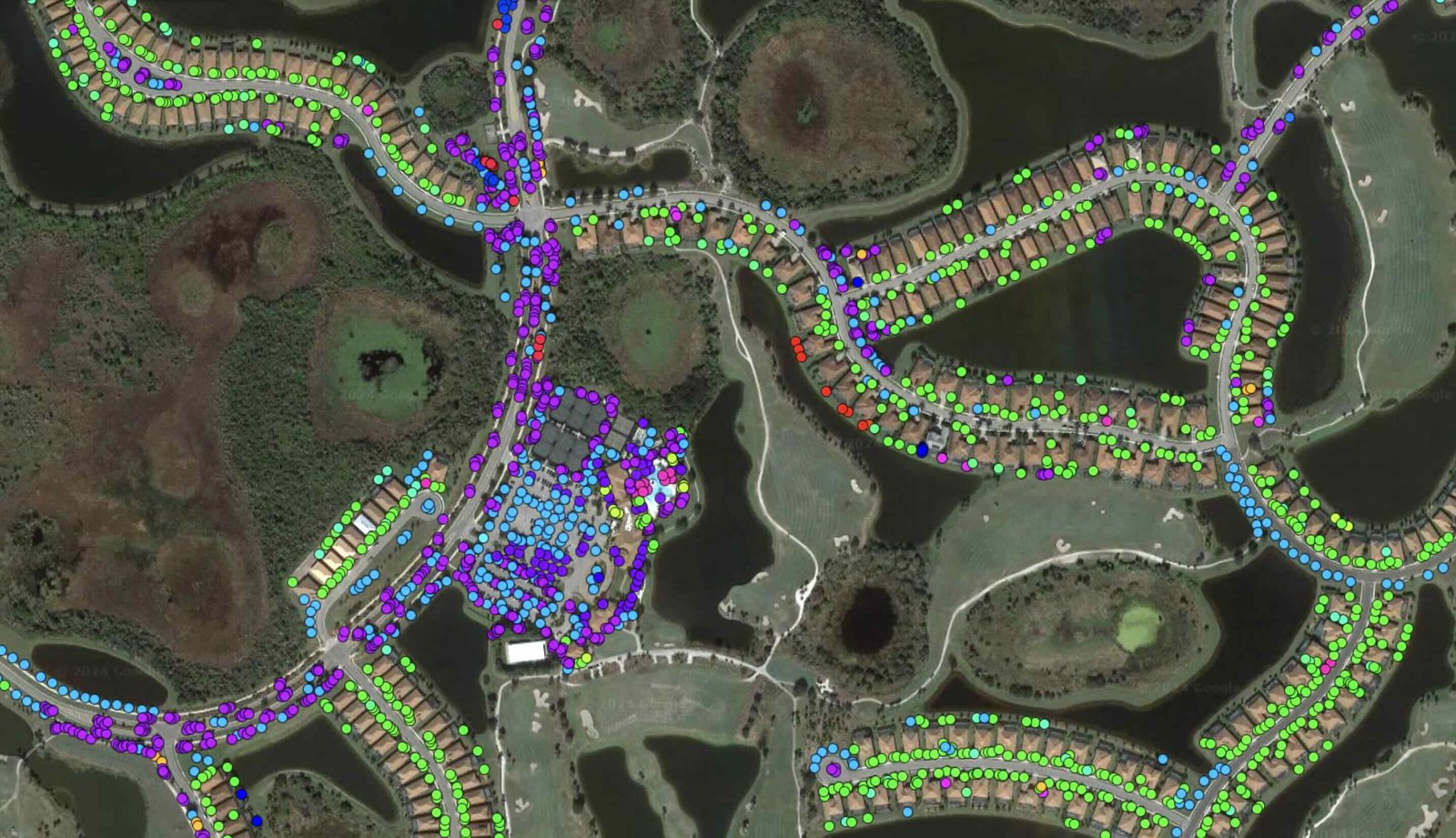
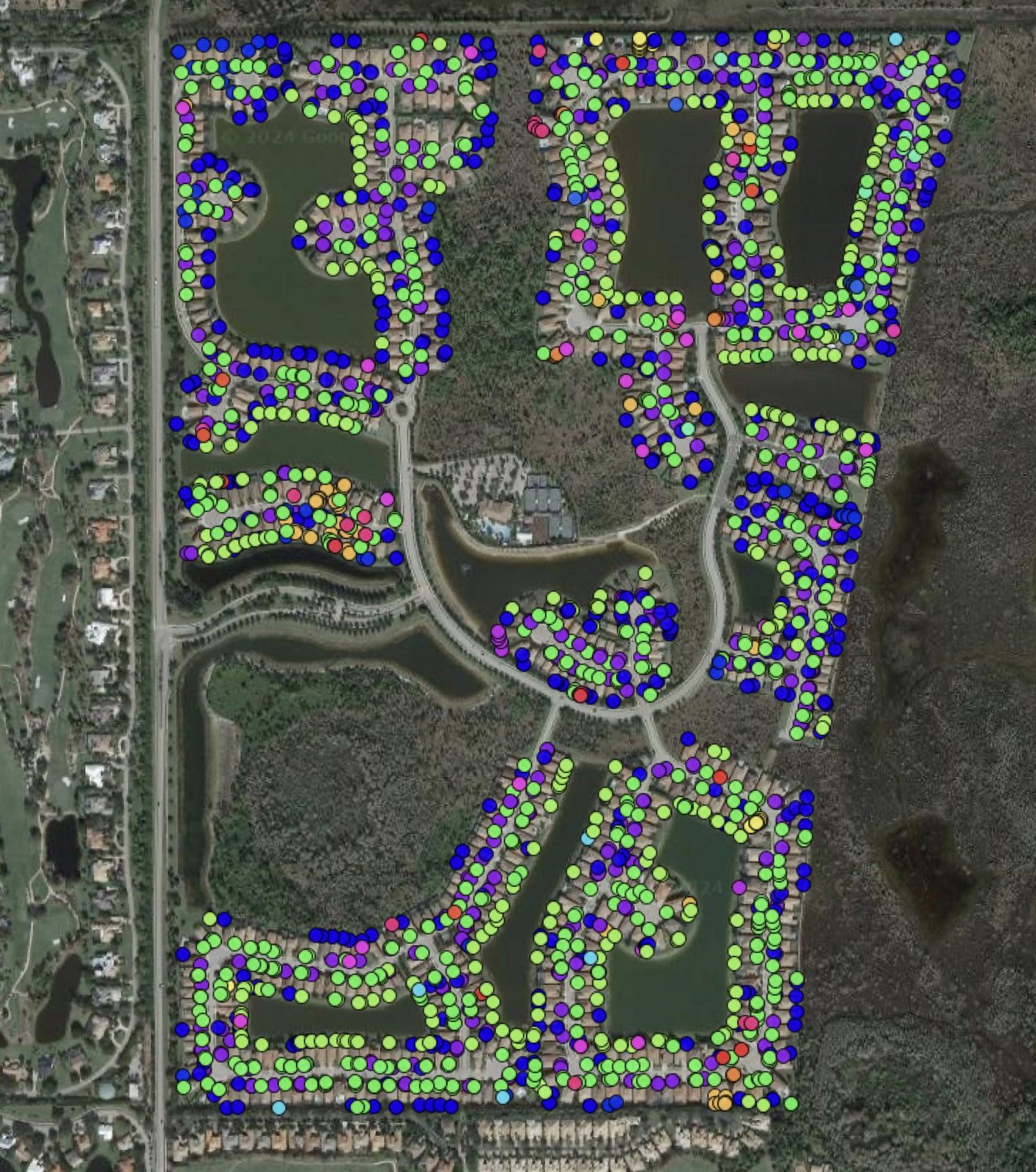
Every palm and tree we care for has its own record in our GIS inventory: species, location, condition and history, updated at every visit. That is the count the budget starts from, and it is re-verified at renewal.
How the number gets built
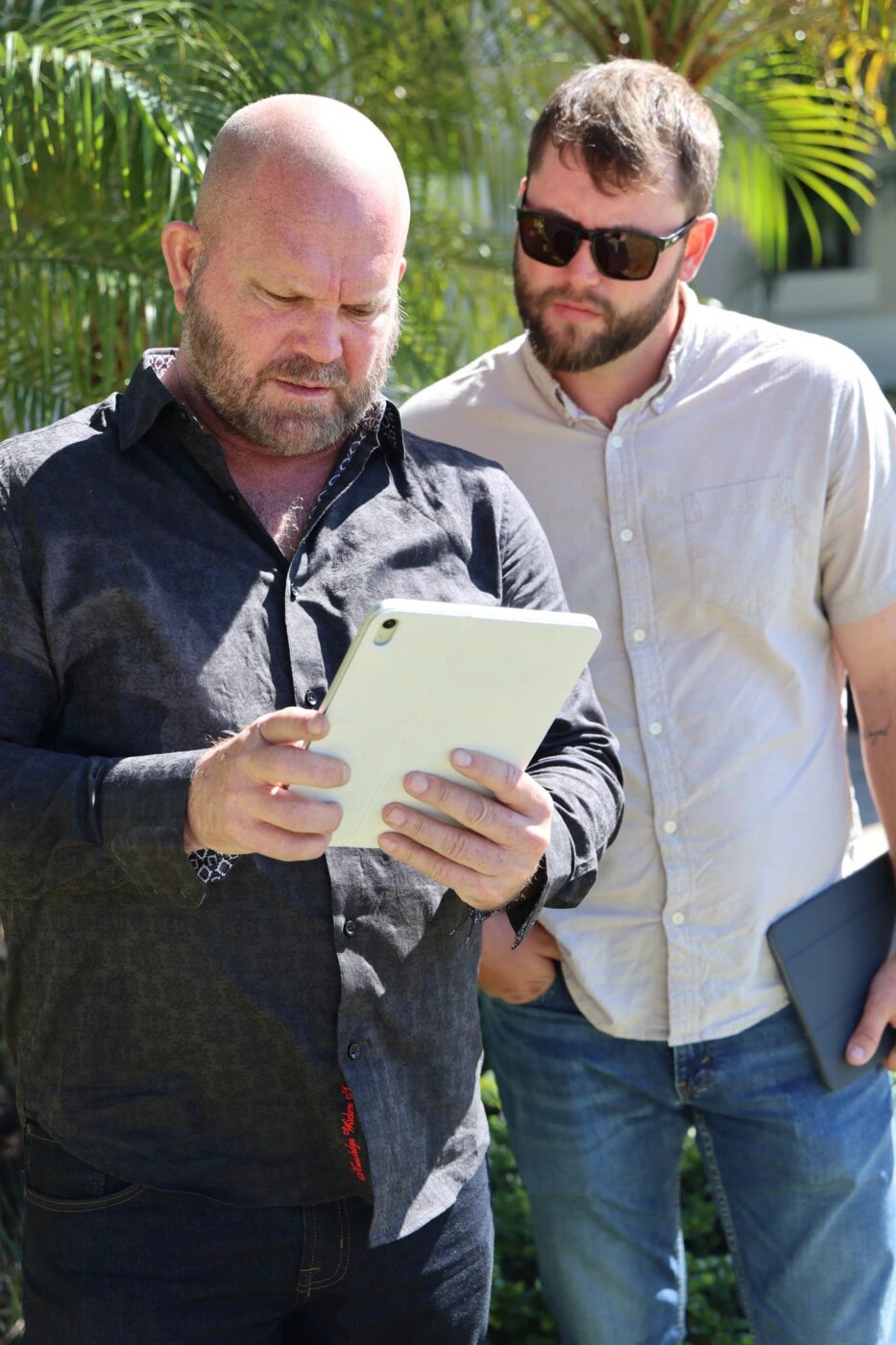
For a district we build a Palm and Tree Master Plan in four steps:
- 01
Assess and map every palm and tree: species, size and condition.
- 02
Write the standard for each kind of work: what gets done, how often, to what standard, and how it is counted. Any crew can bid and work to it, so every bid covers the same work.
- 03
Choose a level for each part of the plan, from the floor (safety, clearance and inspection) up to full preventive care. Most properties start at the floor and add where it matters most.
- 04
Build an estimated budget from the specs and the counts, year by year, for 10 years, as palms and trees grow and change size.
The floor is modeled on how Florida and California cities fund tree care: safety and clearance first, the rest as the budget allows. A board can approve the floor this year and add layers in later years without rewriting the plan.
Written for a public meeting
District board meetings are public, and district records are public records. Lab reports from the university diagnostic labs can be subject to public records requests too.
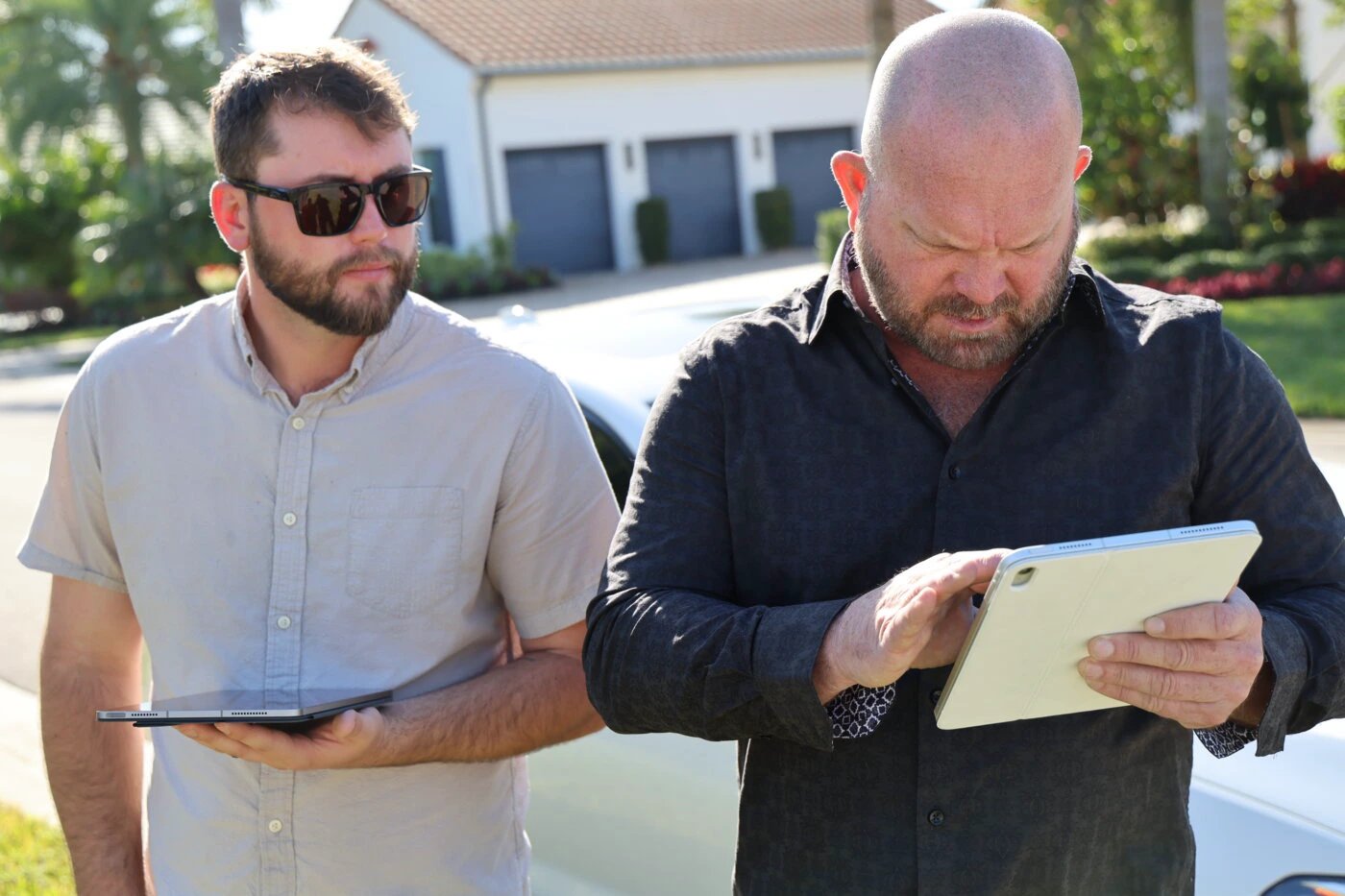
So our plans, specs and reports are written in plain English, short enough to sit in a meeting packet and clear enough to read aloud. When it helps, we walk the plan through with the board ourselves, so the district manager does not have to translate a technical program.
Storm records
A public district may qualify for FEMA reimbursement on storm debris work. If it does, the debris records need to meet that standard. We confirm the expectation with district staff before June 1 and keep records tree by tree, by inventory ID, from the first day of a response.
What to do
If your district's budget workshop is in late spring, the time to ask for a plan is now. Ask us for the free master plan. We count what you have, write the standard, and give staff an estimated year-by-year number they can carry into the June 15 draft.