New Palms and the Palmetto Weevil: The First Six Months Matter Most
A freshly moved palm gives off the signal this beetle looks for, so new installs go on the watch list from day one.
 Jeff Kaulbars
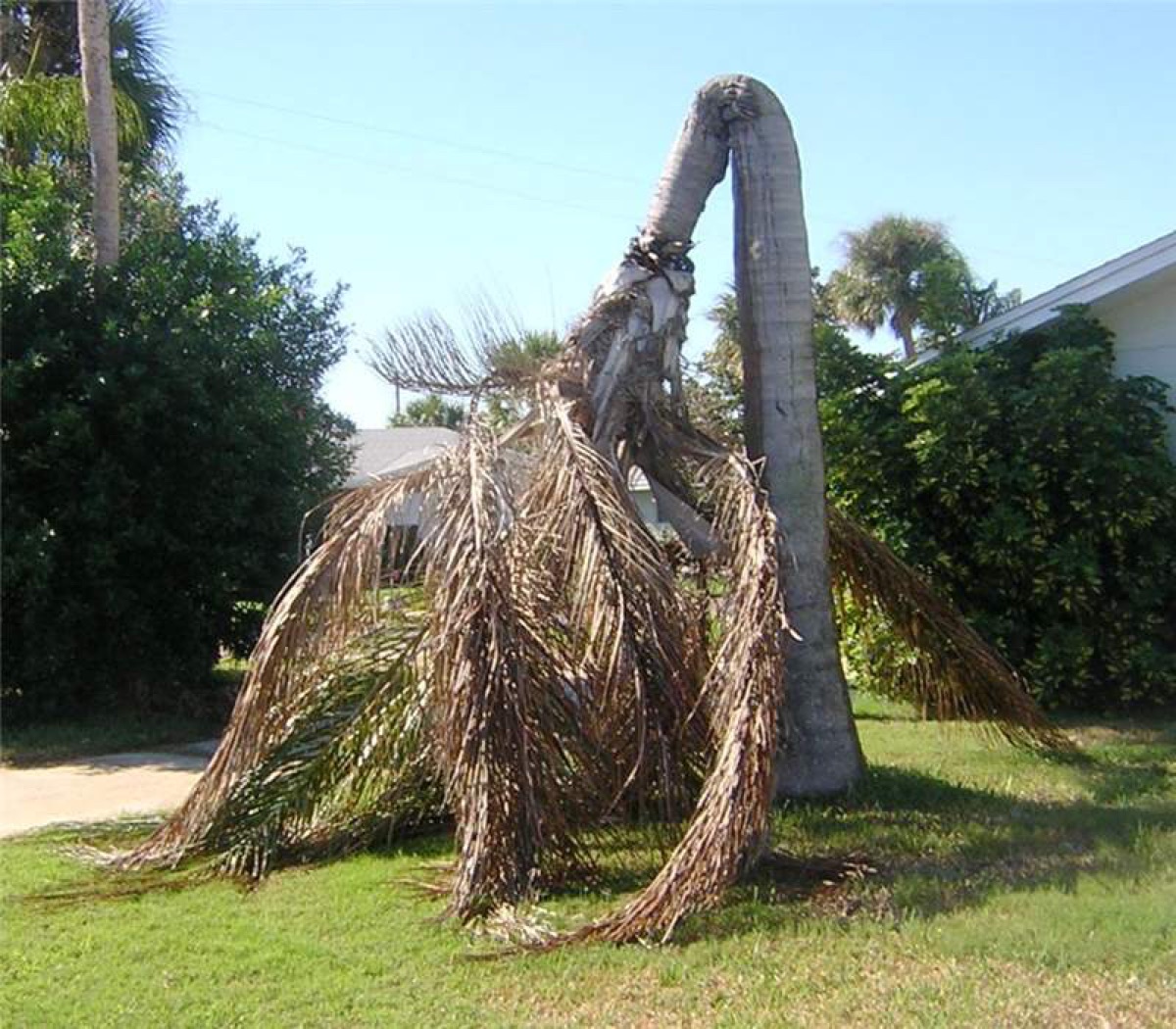
A palm can come off the truck looking perfect, settle in for a few weeks, and then lose its crown in a month. When that happens on a new install, the palmetto weevil is one of the first things we look for.
What the weevil does
The palmetto weevil is native to Florida and the largest weevil in North America. Its larvae bore into the crown and destroy the bud, the palm's single growing point. A palm has no second bud. Once the larvae reach it, the palm cannot be saved.
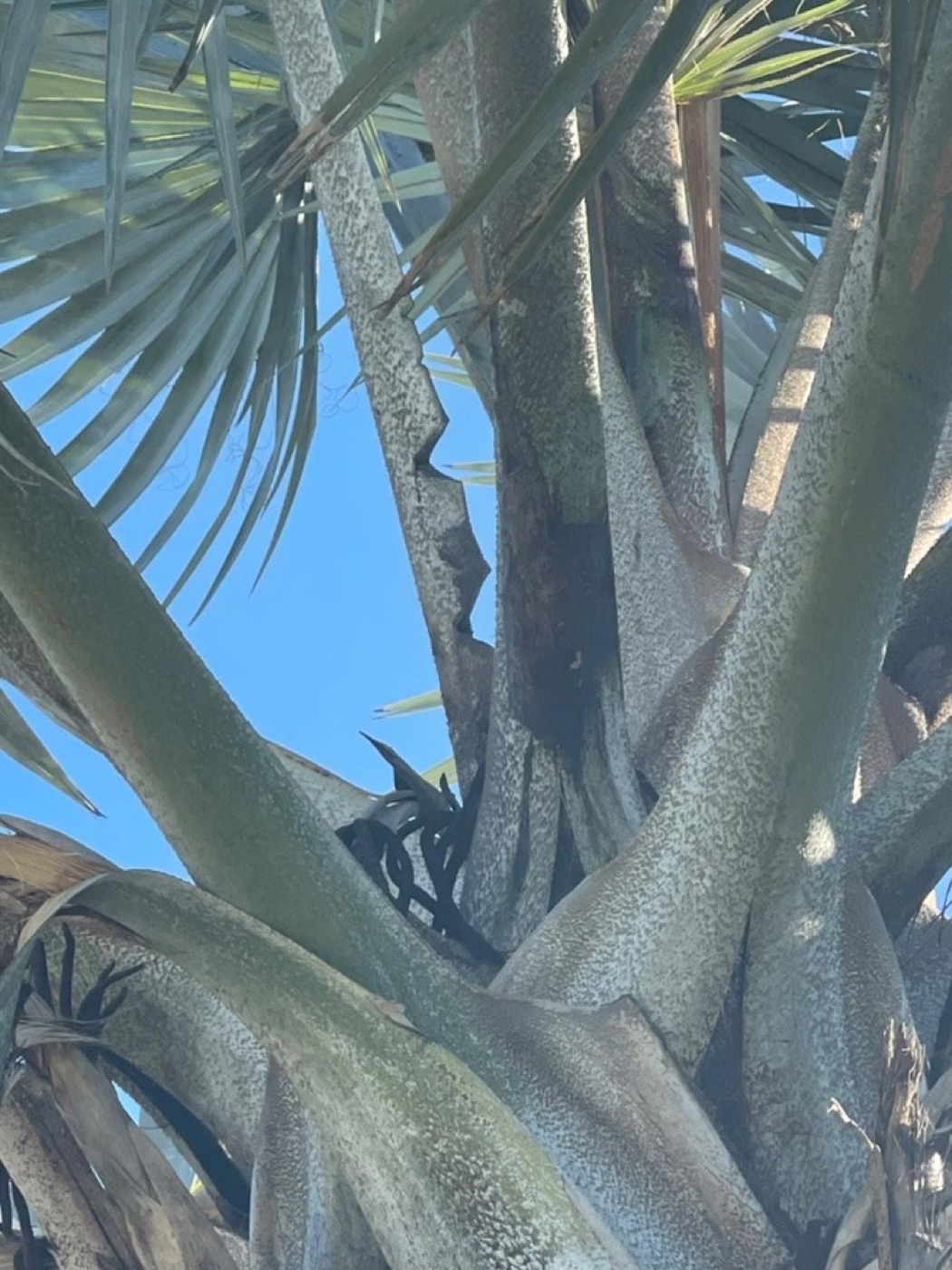
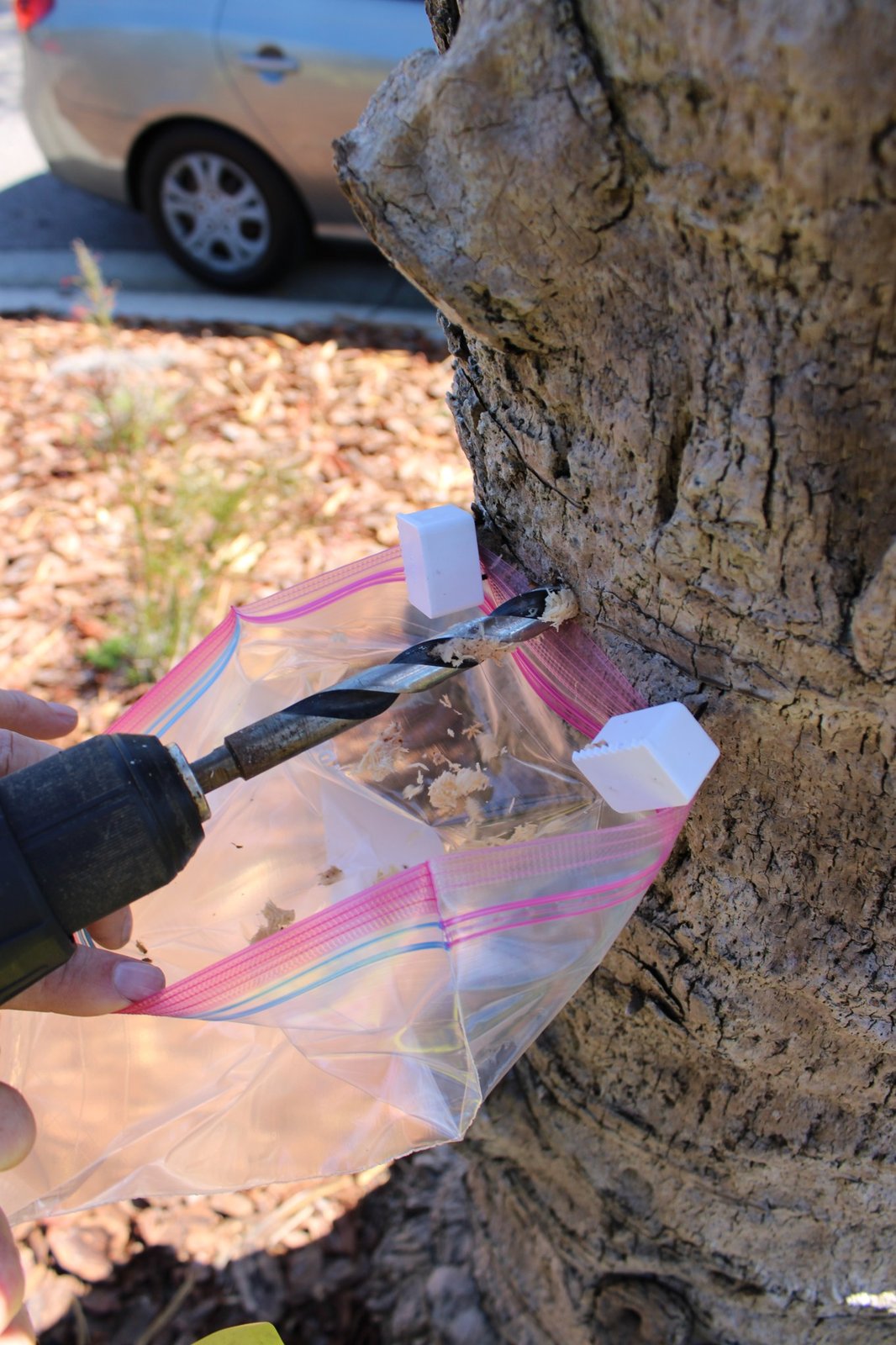
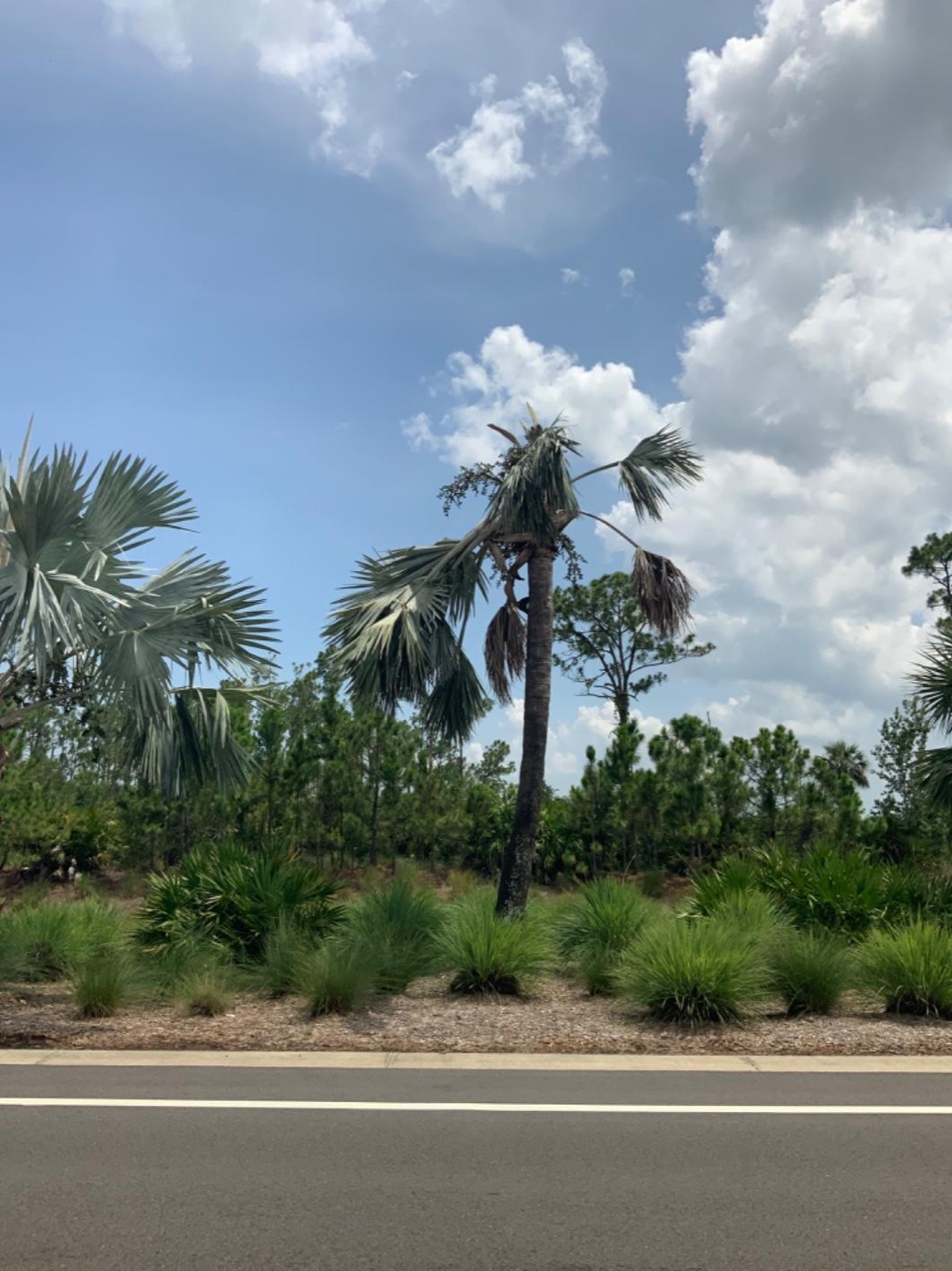
The damage hides for weeks. From the ground the palm looks normal. The early signs are small: holes near the crown, wet chewed fiber at the base of the spear, and a sour, fermenting smell. Then the fronds droop, the spear pulls free, and the crown collapses or tips over. By the time anyone sees it from the road, it is too late for that palm.
Why new palms draw it
In undisturbed settings palms are rarely attacked. Stress changes that. A transplanted palm, an over-pruned palm, a palm hit by lightning or wounded by equipment, or a palm starved for nutrients gives off the chemical signals that pull adult weevils in. Transplant attacks can happen any time of year. Adult activity peaks from late spring into early summer, which is also when many communities are finishing new trees and palms.
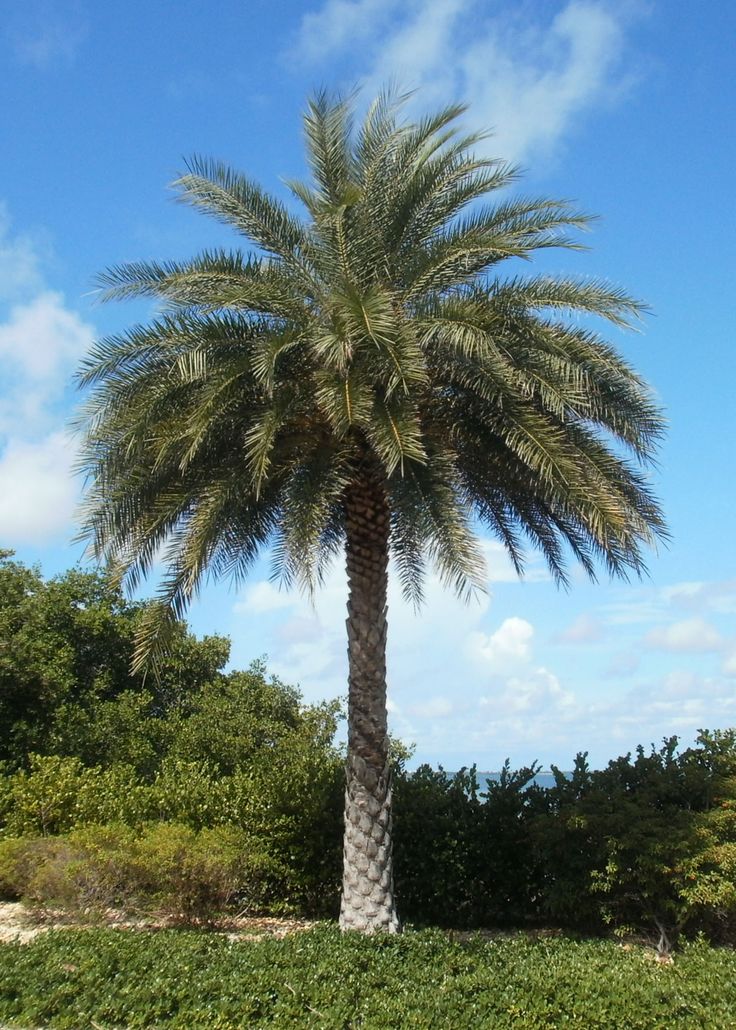
Species matters. The cabbage palm (Sabal) is the weevil's main host and the most common palm on most properties. Canary Island date, Bismarck and latan palms seem to draw it even when they look healthy.
Our high-risk list
These palms get a crown check at every visit:
- Palms transplanted in the last 6 months.
- Palms pruned in the last 60 days.
- Every Canary Island date and Bismarck palm.
- Palms near a lightning strike or active construction.
We do not cut green fronds during the weevil's flight season, roughly March through June or July. A fresh pruning wound is one more signal.
Give the new palm a fair start
The best defense against a stress pest is less stress. For new palms that means the planting basics the university research supports:
- Plant at the depth the palm grew. All of a palm's roots come from one zone at the base of the trunk, and a palm set too deep suffocates them.
- Untie the fronds at installation. Tied fronds hold water around the bud.
- Water the soil, never the crown. Keep the root ball evenly moist, never saturated, for the first 4 to 6 months.
- Expect the wait. Container palms take about 6 to 8 months to establish. Large field-grown palms take 12 months or more.
- Prune to the 9-and-3 line and cut nothing above it. A new palm needs every working leaf it has.
Timing helps too. Planting in the rainy season, June through November, improves survival. April and May are the riskiest months to plant.
Treatment is a palm-by-palm call
On the Advanced tier, the program includes a protective insecticide soil drench aimed at the lethal bronzing insect and the palmetto weevil. It is the best-supported tool we have.
The university research is honest that it gives limited protection against the weevil, and we say the same. Which palms get it is our certified arborist's call, palm by palm, based on species, stress and value. Every palm on a program still enters at Monitor and gets looked at.
Nothing we apply makes a palm weevil proof. A healthy, well-planted, well-watered palm is still its own best defense. That is why we look for the stress first.
What to do
If your community has a planting job this year, add the new palms to the inventory the week they go in. Frass at the crown or a fermenting smell means call us the same day. Ask us for the free master plan and we will set up the crown checks before the first palm is in the ground.