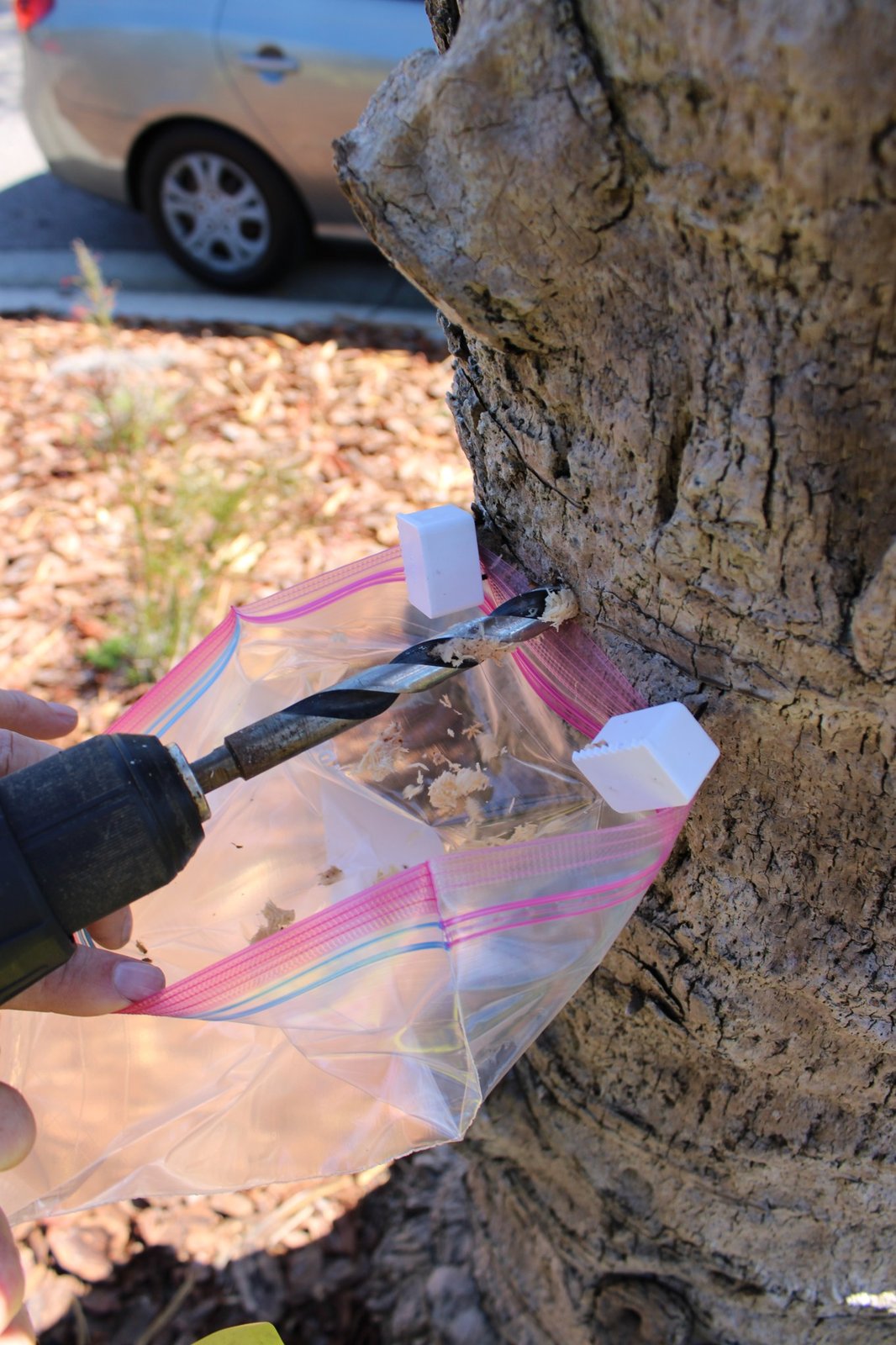
Prune Date Palms in April and May: Seed Pods, Bees and the Drench
Thorny date palms are pruned once the pods mature, before the protective drench season, so bees stay off a treated palm.
 Jeff Kaulbars
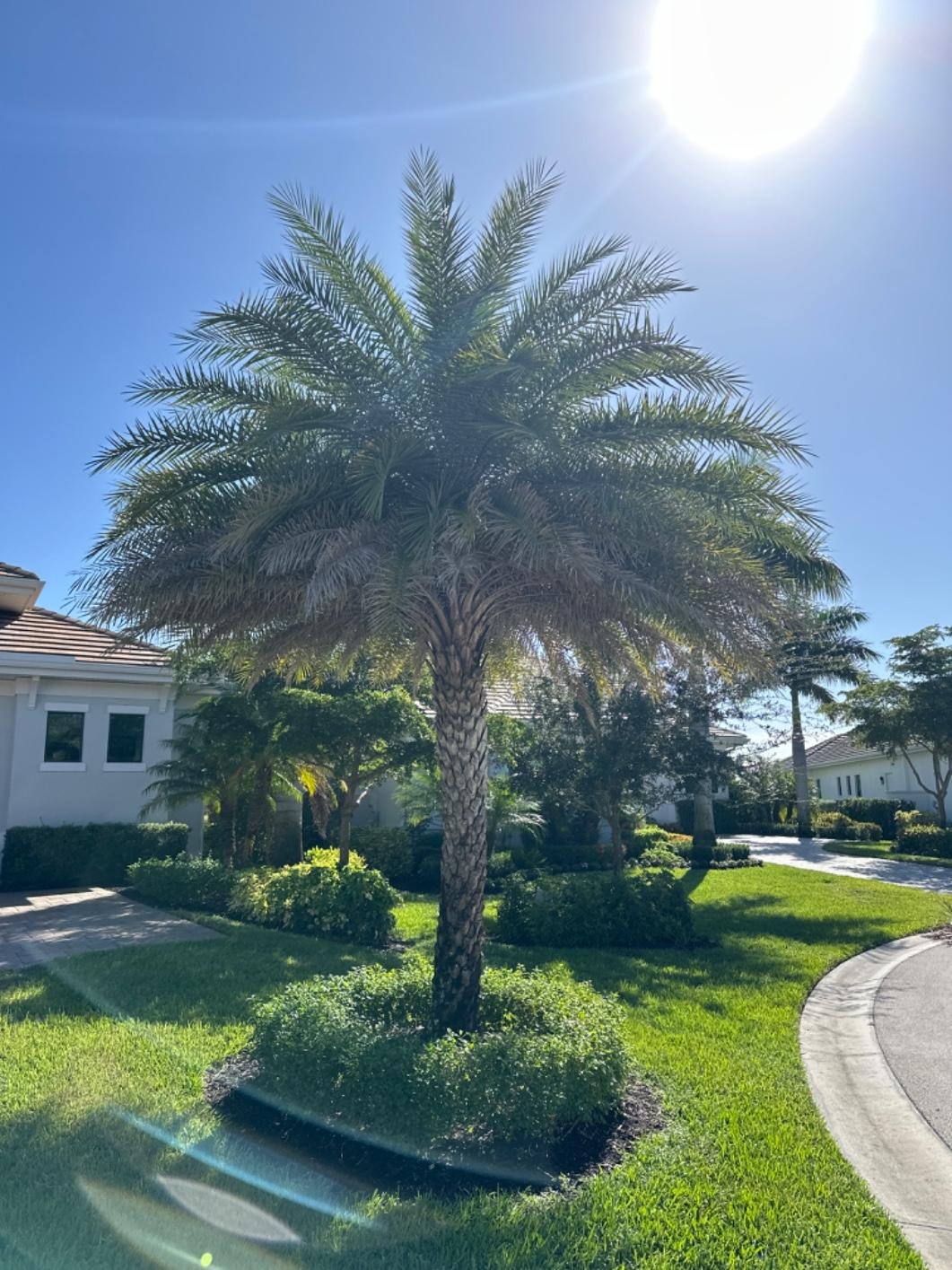
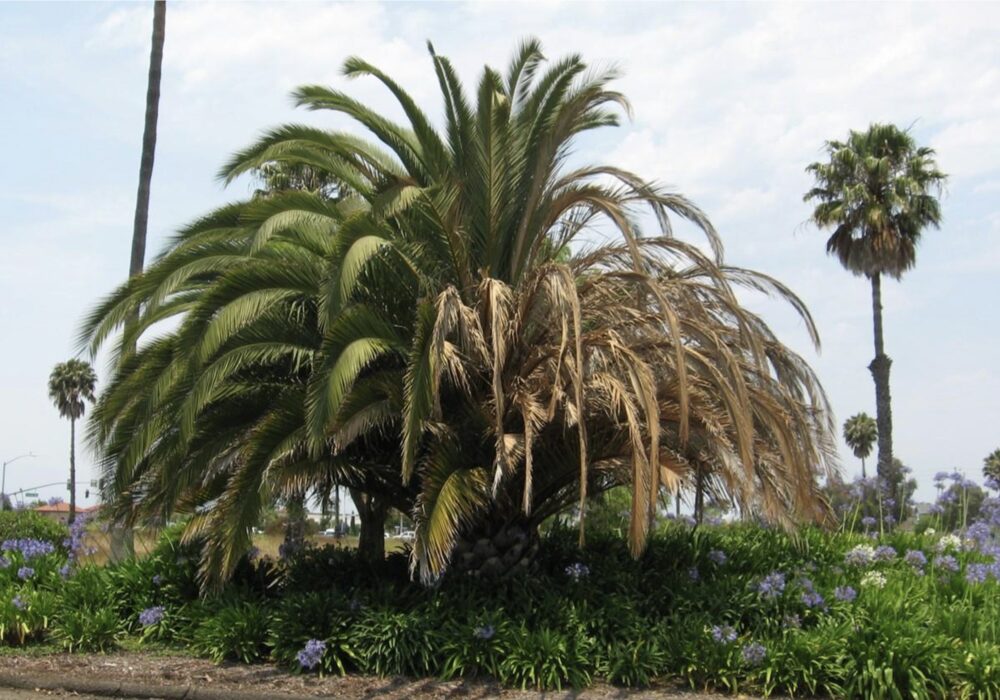
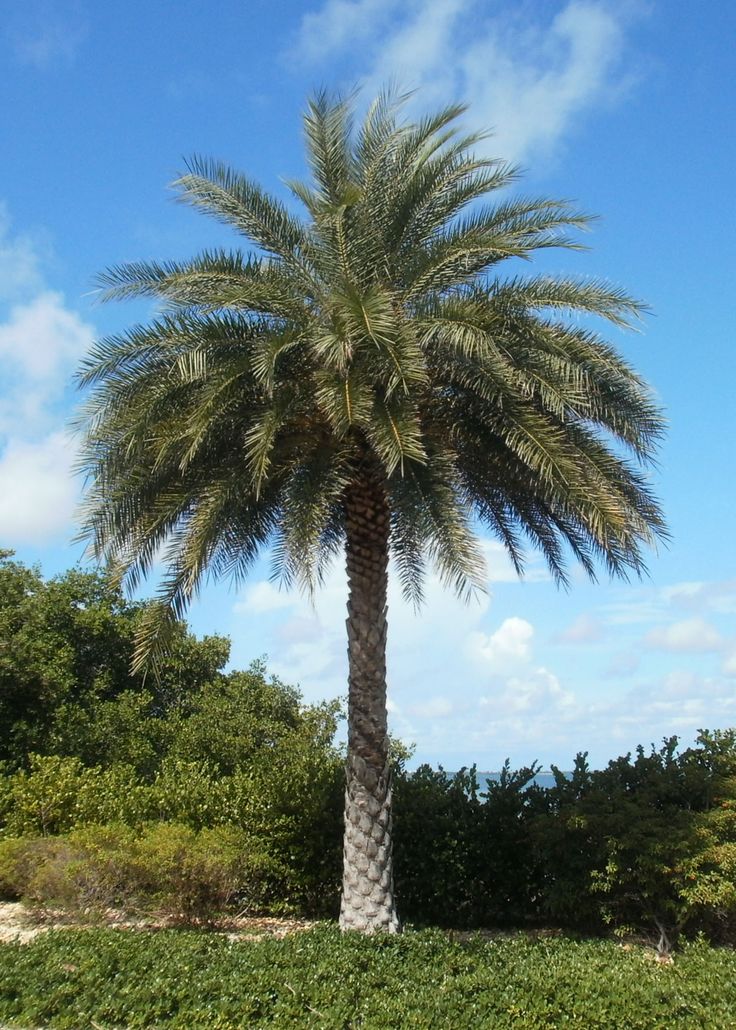
Sylvester, Medjool, Canary Island date and Senegal date palms are some of the most valuable palms in any community. They are also thorny, they drop fruit on walks and pool decks, and several of them are hosts for the diseases we worry about most. When you prune them matters as much as how.
Wait for the pods
In Southwest Florida the seed pods on thorny date palms mature in April and May. That is when we prune them. Waiting until the pods have matured means one visit takes care of them.
Managers feel the fruit drop more than anyone. One regional landscape director wrote:
“We probably need to put this on an annual schedule so we get ahead of all the fruit drop.”
That is the right instinct. On a plan, the months are named in writing and repeat every year, so the crew shows up before the mess, not after it.
Pods by palm sex
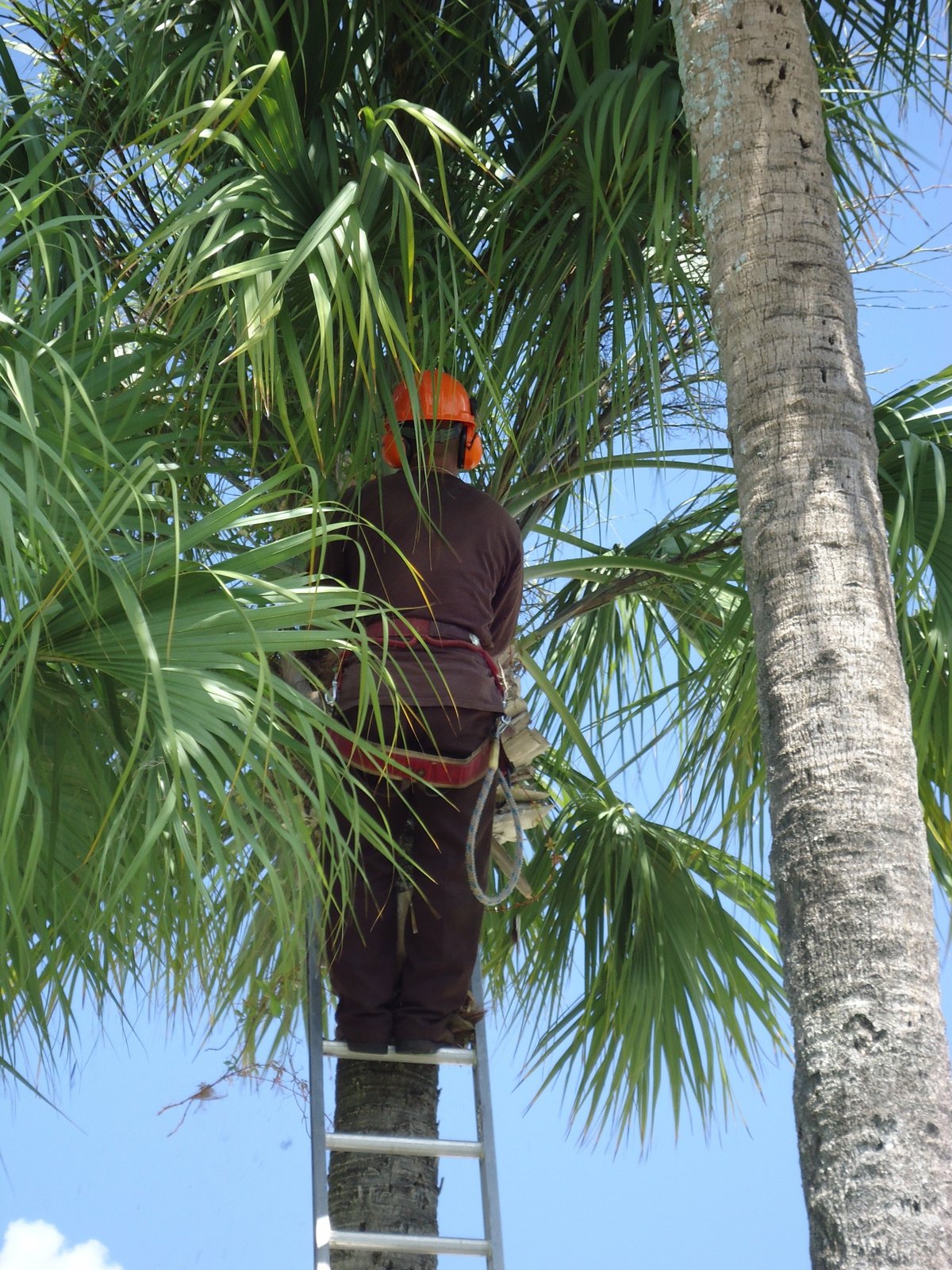
Only female palms set pods. On females we remove every pod we can reach. On males we take only the flower stalks that are easy to reach. We never cut into the thorny leaf bases to chase the last few pods. A pod is not worth a permanent wound. Where thorns block a pod, they are cleared with sterilized hand snips, not a saw.
Why bees come into it
On our Advanced tier, at-risk date palms get a protective soil drench against the insect that spreads lethal bronzing and against the palmetto weevil. The drench is a systemic insecticide, and its label guards pollinators at bloom.
So Sylvester, Medjool and Bismarck palms on the drench are pruned in April and May, with the flowers and seed stalks off before drench season begins. On a treated thorny date palm we remove as many pods and flower stalks as we can, males included, so bees stay off it. There is also a bloom check before any application.
It is a target, not a ban. A palm can still be pruned at other times when it needs to be.
Clean tools on the Phoenix palms
Fusarium wilt kills every palm it infects, and it moves almost entirely on pruning tools. A chainsaw cannot be verified clean in the field, because residue hides in the bar groove, clutch housing and chain. A handsaw can. Between palms, a sterilized handsaw is:
- Wire-brushed clean of sap and sawdust.
- Sprayed with disinfectant.
- Given a quick torch pass.
- Let to cool before the next cut.
Sterilization is an add-on the client elects species by species. We highly recommend it on Canary Island date, Medjool and Sylvester palms. On a large community with hundreds of palms in the rotation, we usually do not push it unless Fusarium has been lab confirmed on or next to the property. No torch goes on in a burn ban.
Sterilized handsaws are also recommended on queen, Washingtonia and Senegal date palms, and at a lower strength on Sabal (cabbage) palms, the other Fusarium tool hosts on our list. Bismarck palms get handsaws too, for a different reason: Thielaviopsis trunk rot. A Bismarck is pruned to the same 9-and-3 line as every other palm.
The rest of the standard
- The 9-and-3 line: everything below it comes off, nothing above it is cut.
- Boots trimmed cleanly, never skinned to the trunk.
- No climbing spikes on a palm that is staying.
- Dead fronds off before June 1 to cut storm debris.
What to do
It is March. If your date palms are not on the calendar for April or May, ask us now for the free master plan. It lists your date palms by species and sex where we can tell, sets the month, and puts the sterilization choice on paper before the saws arrive.