A Controller Schedule Is Not Proof of Water
New trees decline when roots dry out between waterings, and the only way to know is to measure what reached the root ball.
 Jeff Kaulbars
Ask who is watering the new trees and you will get an answer. Ask how many gallons each tree got last week and you usually will not. On most properties the water a new tree receives is assumed, not known.
What we found on one walk
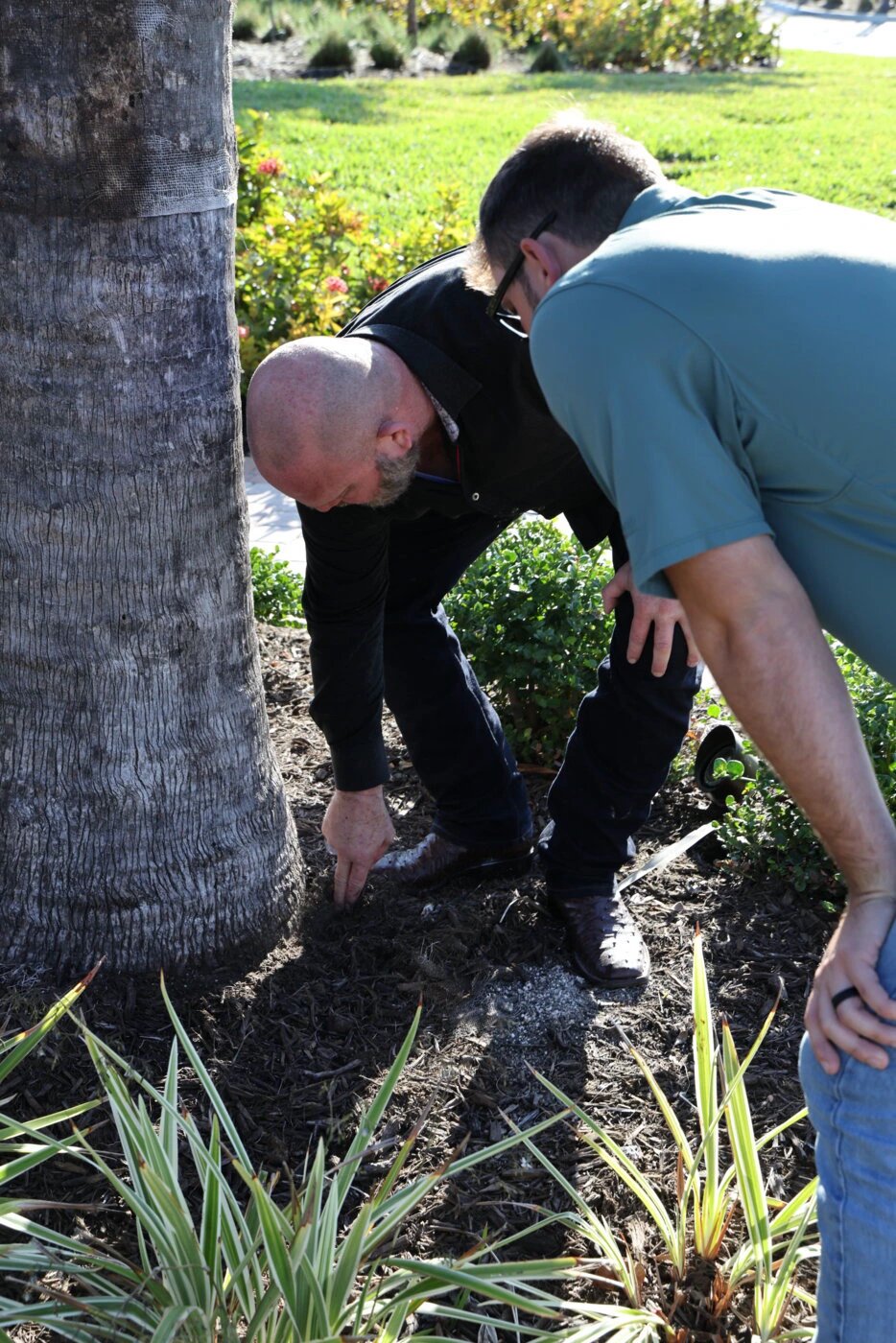
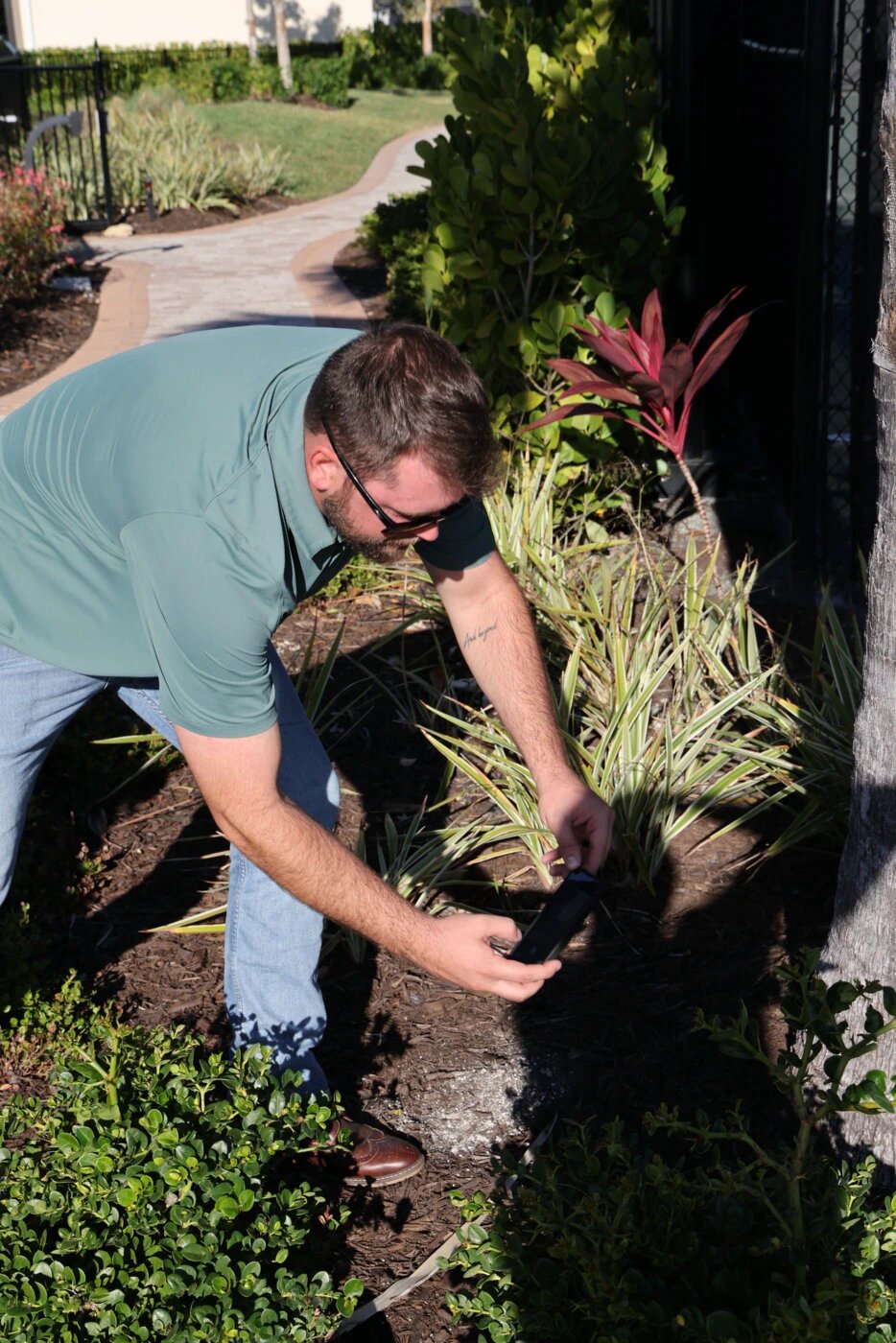
At a large special district we manage, we walked ten transplanted oaks that were showing stress. Here is what we found:
- 10 of 10 were watered by just two bubblers.
- 6 had both bubblers on the same side of the root ball.
- 6 had no tree ring, or a berm too low to hold water.
- 0 had anyone measuring the water delivered.
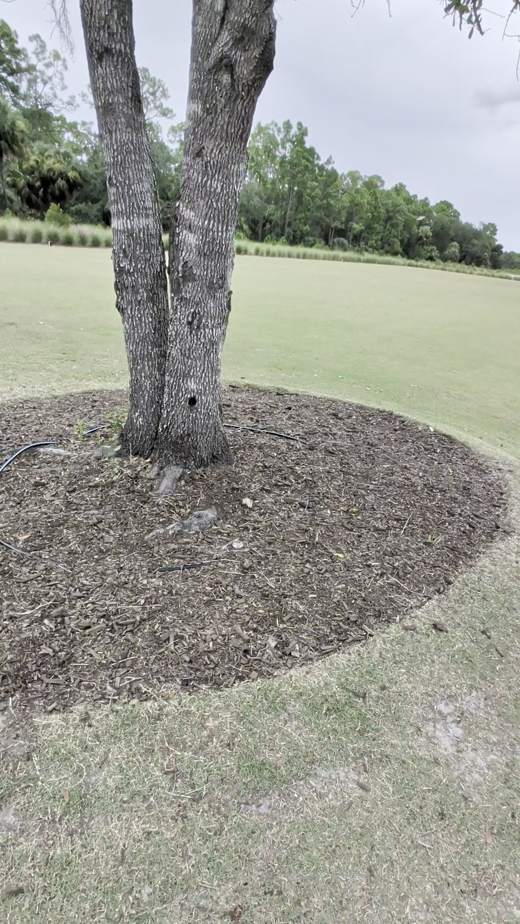
Every one of those trees was on a schedule. The controller ran. The water did not reach where the roots were.
Why water comes first
A large tree loses about 90 percent of its root system when it is dug and moved. Its canopy grew to match a root system ten times the size of the one it has now. Until the roots grow back, the tree lives on whatever water reaches the root ball.
The research is blunt about it. In a University of Florida live oak trial, trees watered for 6 weeks after planting lost 43 percent. Trees watered all summer all lived. A long-term study of moved oaks found 20 of 31 dead or declining at 5 years, while undisturbed oaks beside them were fine. Water is usually the lever we can actually move. The soil takes decades to change. The weather does not change at all.
The district staff saw it too. One landscape director wrote:
“Consistent irrigation remains the single most important factor in successful tree establishment, and interruptions during this critical period can have lasting impacts on tree health.”
How we measure it
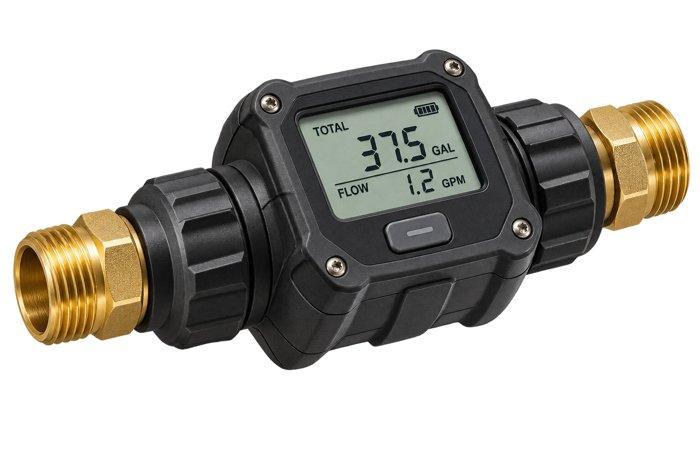
- Flow meters on the bubblers, where our arborist sets them, read at every visit: gallons since the last visit.
- The rainfall record for each tree's own GPS point, every day since the last visit, plus a rain gauge on site.
- Water from our 800-gallon water trailer, logged by date and gallons, plus any installer water they log.
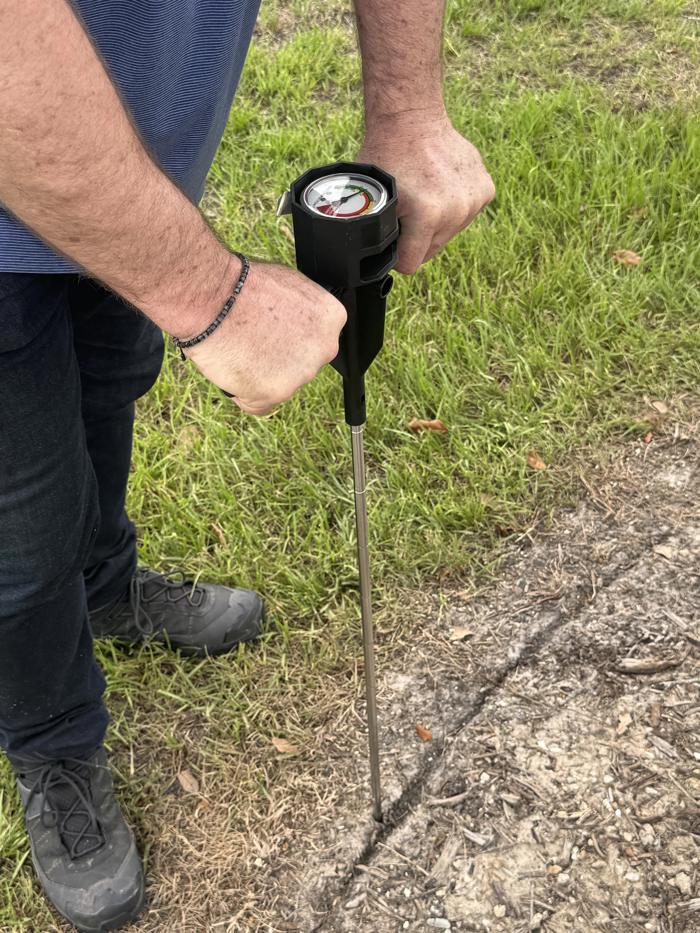
- A moisture probe at three spots: the top of the root ball, its edge, and a foot out into the backfill.
- The total compared against each tree's target for its size and phase.
Any gap gets reported within 24 hours. When a tree falls short, the flush and rescue watering comes from our 800-gallon water trailer. The program records the water each tree actually gets and reports it to the people responsible for watering, so the gap gets fixed while it still matters.
The targets
The university guidance for trees over 4 inches in trunk caliper is 2 to 3 gallons per inch of caliper, on the root ball, at each watering. Our approved schedule:
- Daily for the first 6 to 8 weeks. The full 8 weeks for dry season plantings, November to May.
- Three days a week through the rest of the first year.
- Weekly after that until the tree is established.
- Never down to rain alone in the dry season.
Large, infrequent waterings cannot make up for missed ones. A tree takes about 3 to 4 months per inch of trunk caliper to establish, so a big transplanted oak is a multi-year commitment.
What the crew can check
Managers do not need a meter to spot trouble. Soggy ground that never dries, algae, a flush of dollarweed or mushrooms point to too much water. Wilting, a blue-gray cast, or footprints that stay in the turf point to too little, and new installs show it first. When plants decline together in one area, suspect the irrigation zone before you suspect a disease.
The best district teams build the habit themselves. One wrote back after a dry spell:
“We are checking the timers daily to prevent any water cycles from being missed.”
What to do
If your property has new trees, ask us for the free master plan. Every new tree gets 2 years on the establishment schedule, with the water measured at the tree, not at the controller. The plan shows which trees are getting what they need and which ones are living on hope.