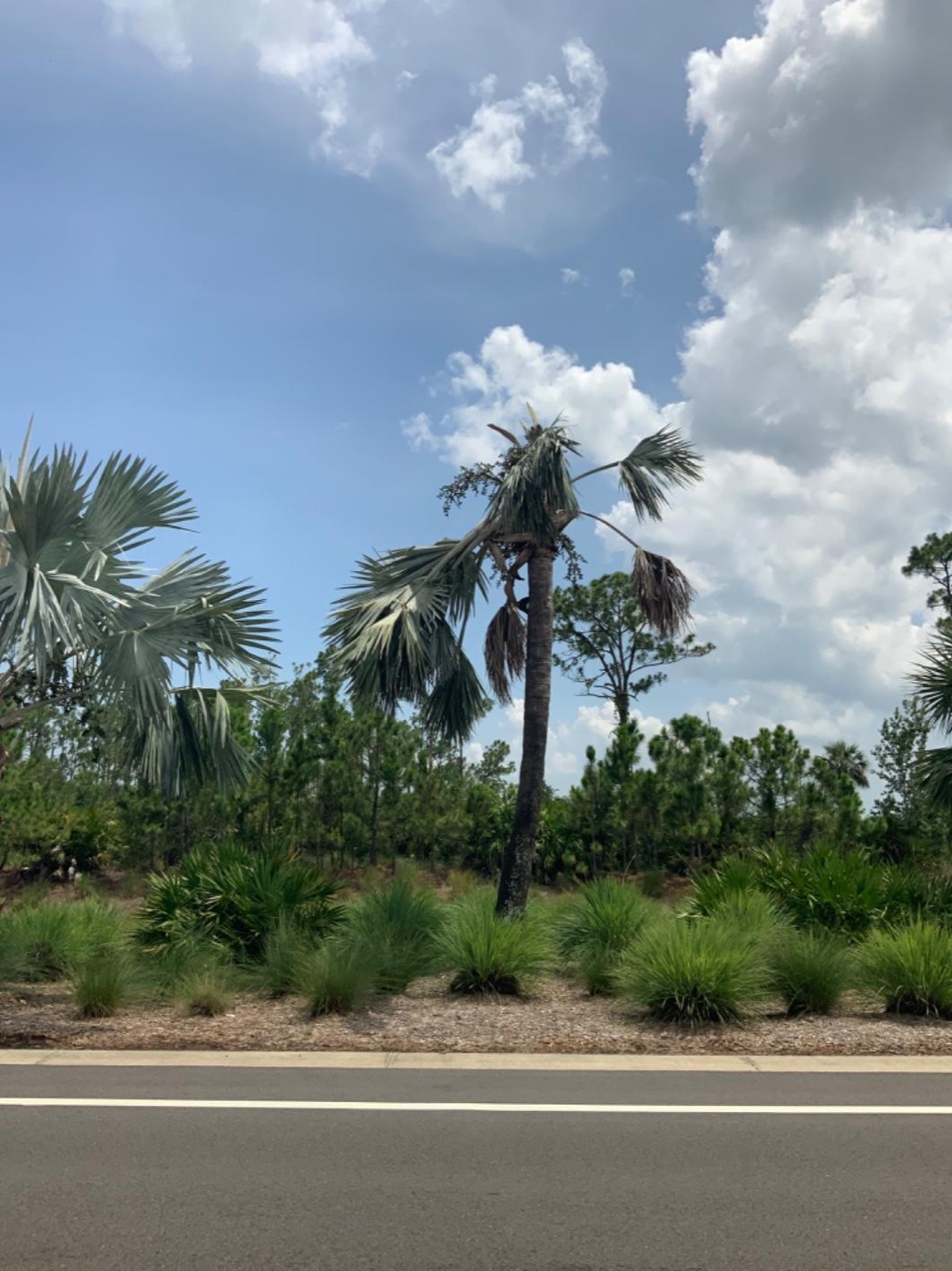
Record New Trees and Palms From Day One
A new palm or tree that dies may be under the installer's warranty, but only if someone notices and has the dates.
 Jeff Kaulbars
In this note 6 sections
A new install is the most expensive palm or tree a community can lose. It was paid for once on the way in. If it dies and nobody notices, it can get paid for again.
Where it goes wrong
Nobody is watching. The installer moves on to the next phase. The landscape crew mows around a declining tree. By the time someone asks about it, months have gone by. Here is a builder's side of the conversation, about a tree that did go back to the installer:
“This is an expensive tree and I want to give [the installing landscaper] the opportunity to review”
That is how it should work. The installer gets a fair look, and the community gets an answer.
How we track
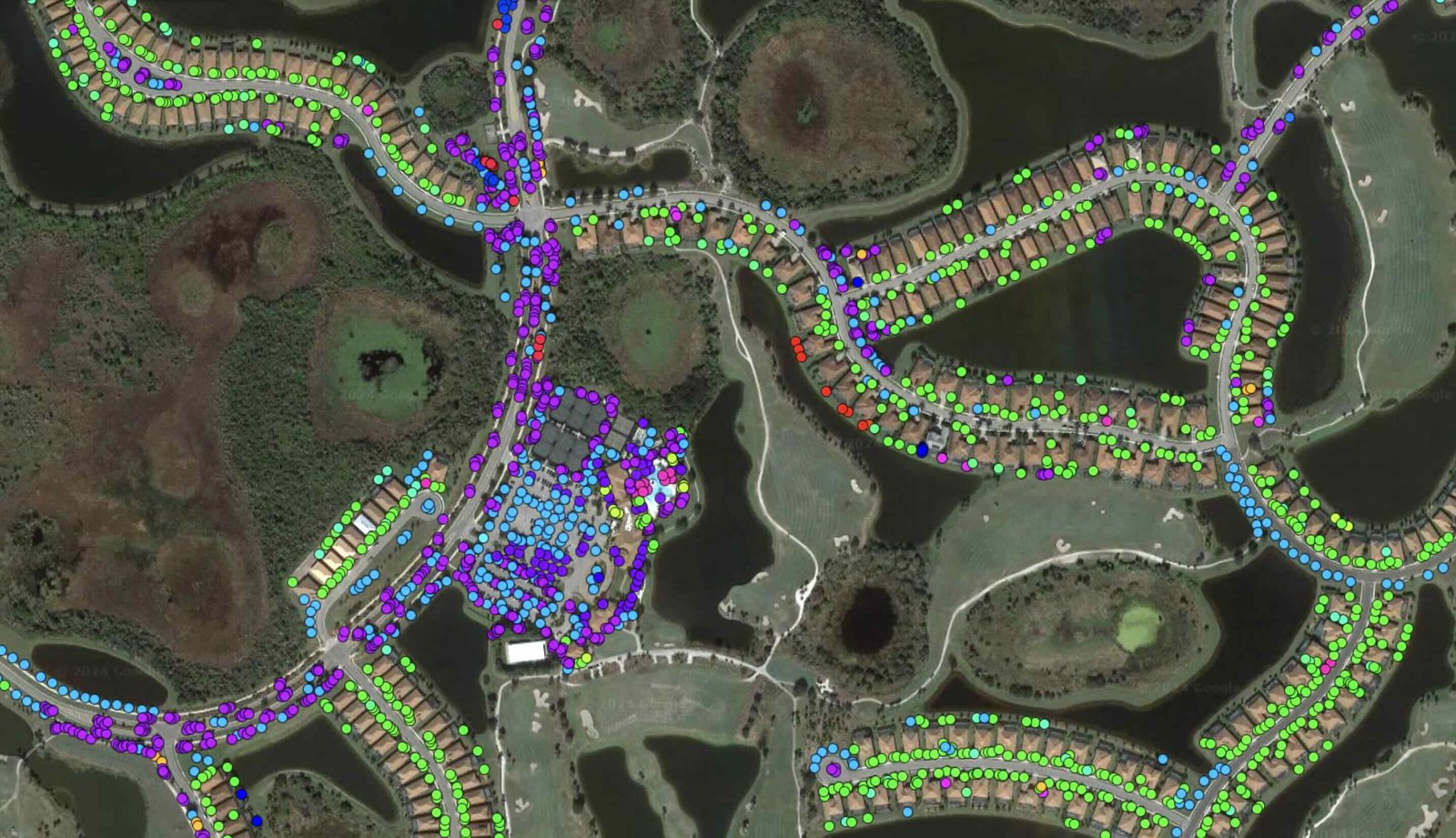
Each palm and tree gets a record in our GIS inventory the day we first assess it: ID, species, size, location, the installer and delivery date if known, and the date of that first assessment. Baseline photos are taken from fixed points. We do not track the installer's warranty terms or dates. Those are between the community and the installer.
At each visit every tracked plant gets a status:
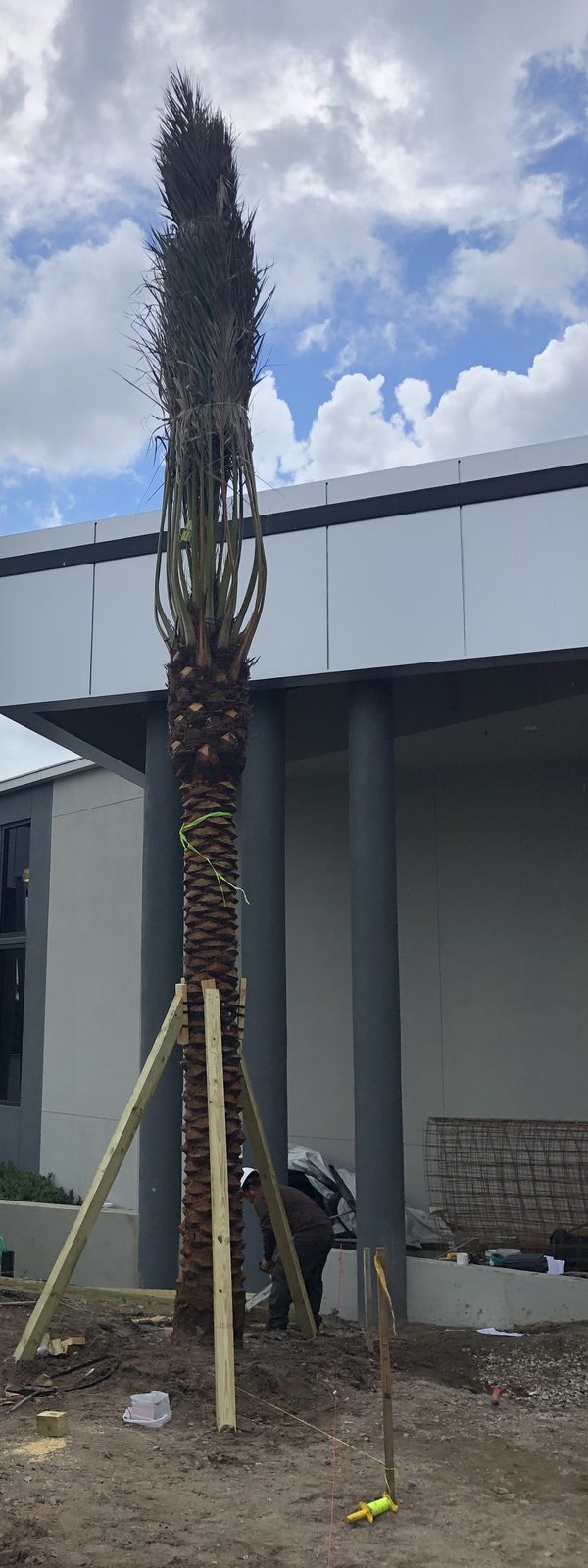
- On track: graded with no decline beyond what a new install is expected to show. A new palm reads below Normal on purpose, because of transport trim. A large tree commonly dips to Fair or Poor in its first year.
- Declining: the grade is falling visit over visit beyond that dip, or a pest or disease has appeared. Flagged to the client.
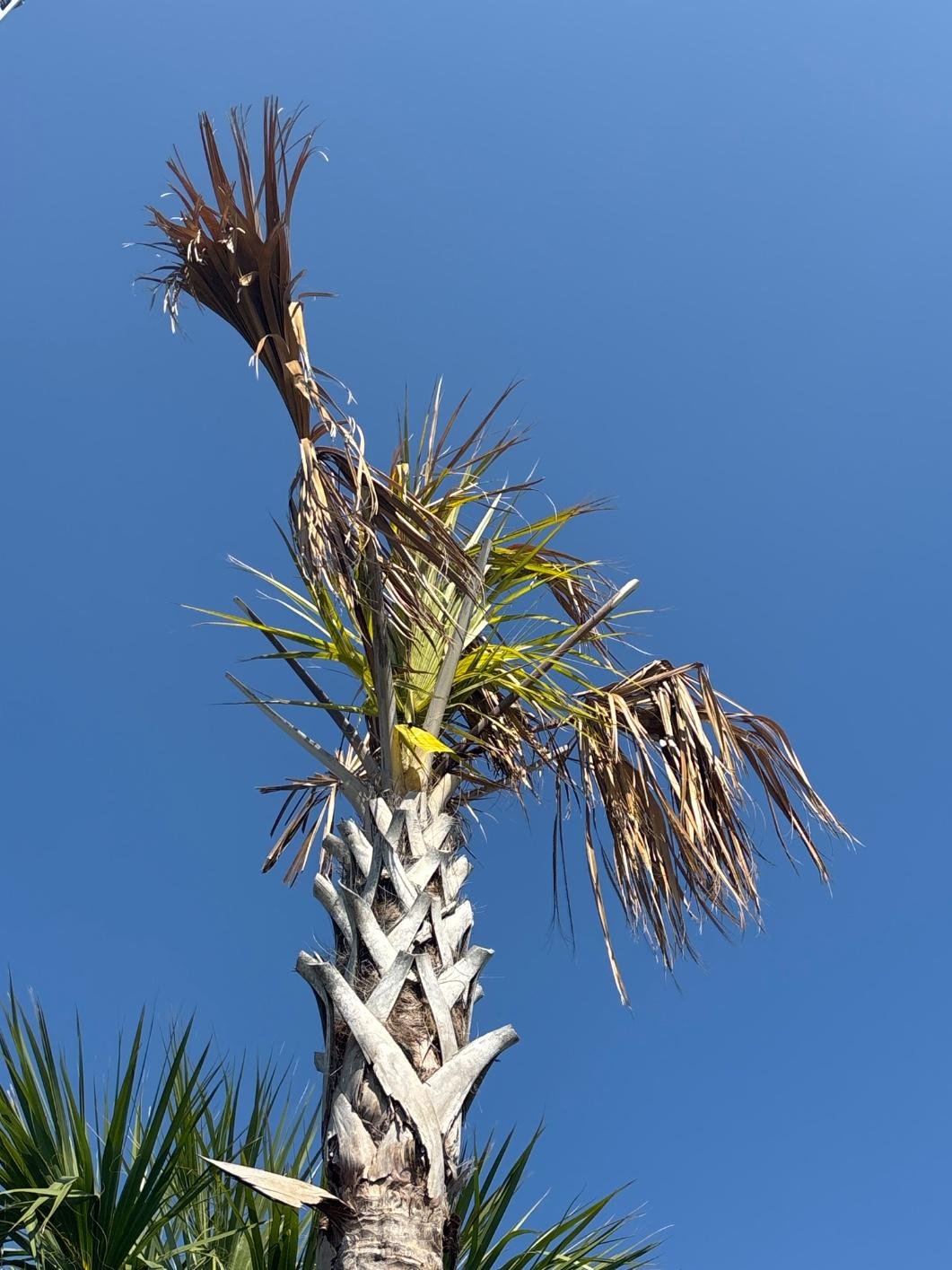
- Dead: no living canopy and no active growth. On a palm, a dead spear is terminal whatever the rest of the canopy shows. Flagged to the client.
- Replaced: the installer replaced it. The replacement gets its own initial assessment and its own record.
- Closed: the planting is established and moves to its program, or the client ends tracking. The final status is recorded.
The notice
When we find a dead or declining plant, it goes to the client in writing, with its ID, status, likely cause and photos, the date we first assessed it and the date we found it. The notice says it plainly: "This tree died. It might be under your warranty." Whether it is covered is for the community and the installer to settle. Jobs that are tracking only get a quarterly visit.
Install faults first
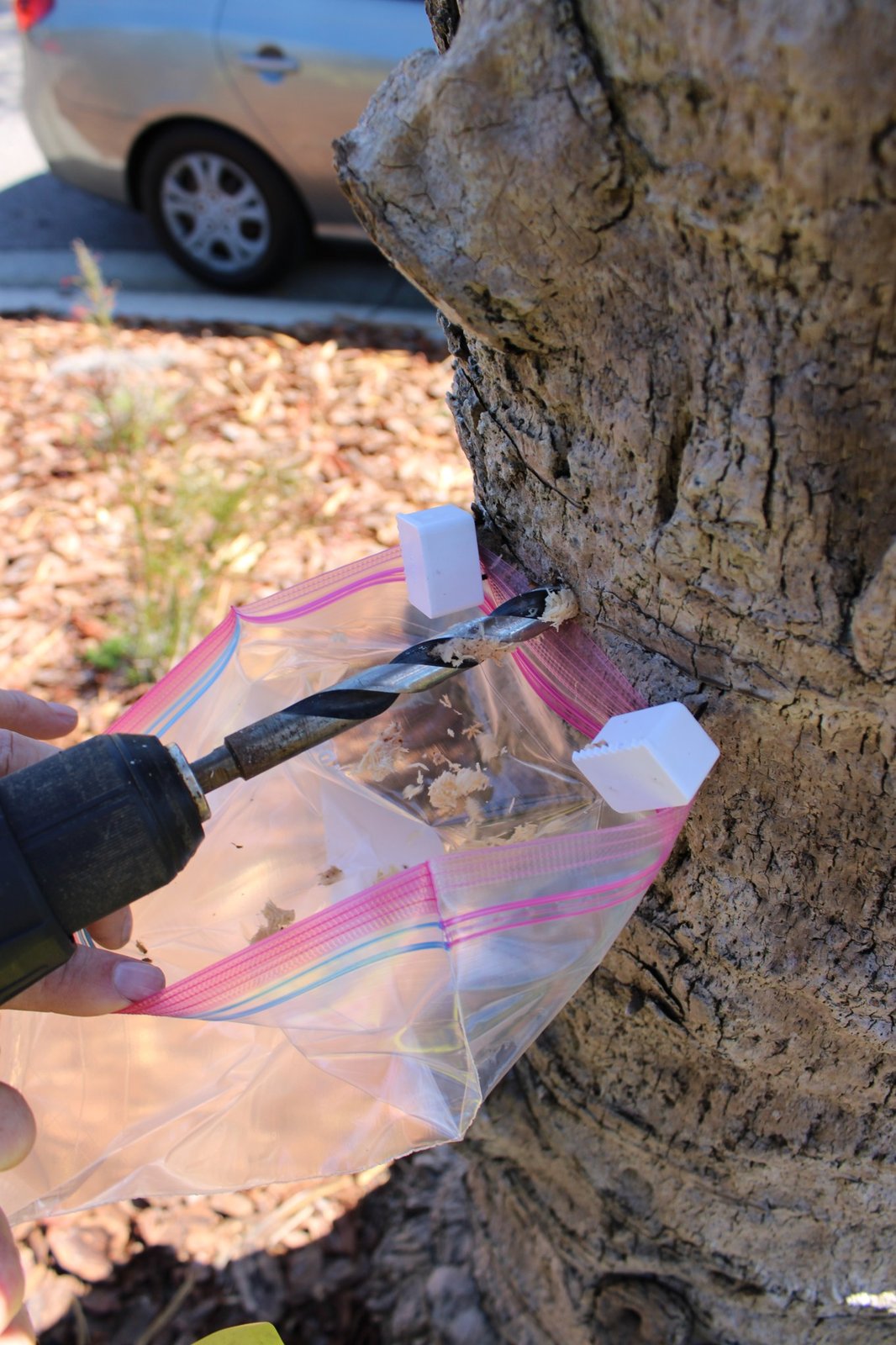
Before anyone names a disease, we rule out the install: planting depth, a buried root flare, a mulch volcano against the trunk, staking damage, irrigation that is off or short or not reaching the ball, and compacted soil. When a disease does need a lab, we sample before naming it. Testing helps everyone, as one installer wrote on a builder site:
“Everyone would feel better knowing if we have a contagious disease on our hands, or not.”
What we do not do
We do not know or track the installer's warranty terms, and we do not make claims. The installer's contract decides what the warranty covers. We state the field findings. We do not rule on coverage. Ptolemy also offers no warranty of its own against decline. A deciduous tree that is bare in winter is recorded as seasonal, not dead.
Replacements get their own initial assessment, before or after the community accepts them, and the site rules still hold: no susceptible palm at a confirmed Fusarium site, and no new palm in or next to an active lethal bronzing zone.
What to do
If your community has new plantings from the last year, ask us for the free master plan. We open a record for every install and put the dates where the board can see them.