Specimen Palms on a Golf Course: Protect the Ones Members Notice
Signature palms on a course are expensive to replace and visible to every member, so they get their own plan, timed around play.
 Jeff Kaulbars
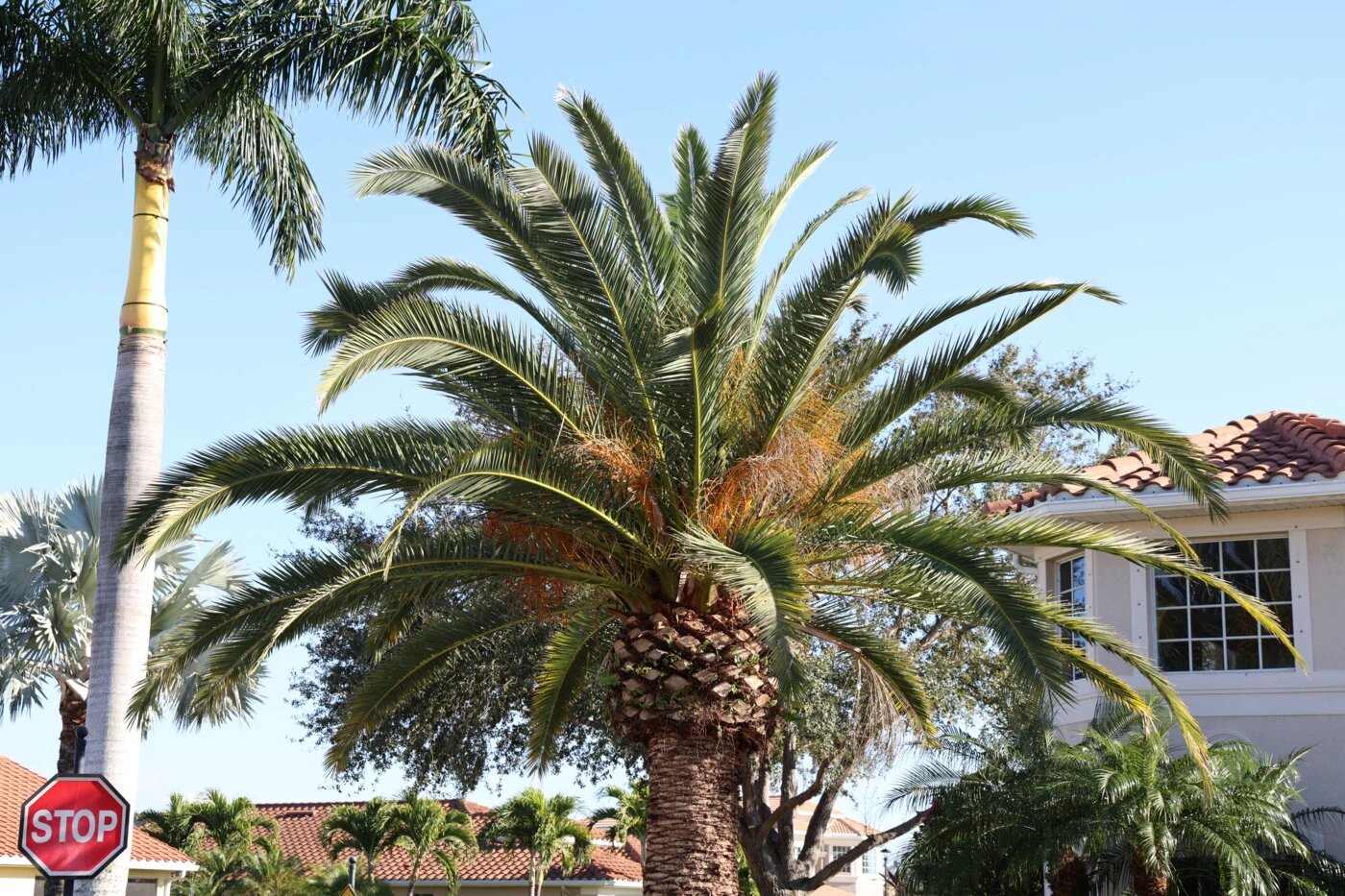
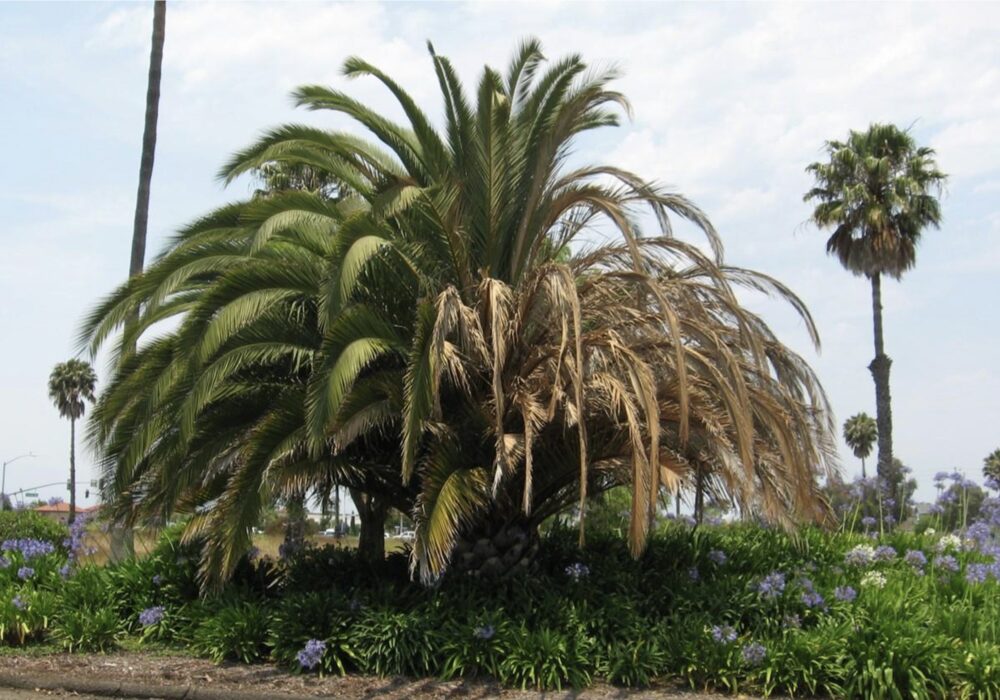
A golf course carries some of the most valuable palms in any community: Canary Island date palms framing a green, royal palms lining an entry, a row of Sylvesters along a lake. Members notice them every round. When one goes, everybody sees the gap.
What superintendents ask us
Superintendents speak agronomy, and their questions are practical. One sent this before a member event:
“What do you think about our Pigmy's? Also, the banding on the Royal Palms, are these going to be cut in order to remove all of the dead debris?”
Another, after reviewing a program, explained where the decision really sits:
“I did review the program and it looks put together well. I am in the budgeting process at the moment. I am waiting for some direction on where they want me bottom line, and will let you know when this process is complete.”
So the plan has to be clear enough for the superintendent and sized for the number the club sets.
Which palms get the most care
Every palm we care for enters at Monitor and gets inspected on a schedule. Our arborist then recommends more care palm by palm. On courses, the palms most often moved up to the Advanced tier are Canary Island date, Sylvester, Medjool and Bismarck. They share slow growth, a high replacement cost, and several threats at once.
- Canary Island date palm: the main host for Fusarium wilt, which travels on pruning tools. It is also a lethal bronzing host, and it seems to draw the palmetto weevil even when healthy.
- Sylvester and Medjool: lethal bronzing hosts, often in high-visibility spots near turf, where the insect that spreads it breeds.
- Royal palm: a heavy feeder and a strong self-cleaner. It drops its own large fronds, so where it sits matters.
Royal palm banding
Royal palms shed huge fronds. In high-traffic areas we recommend banding: a band holds the shedding fronds until the crew drops them safely on the next visit. The standard cycle is every 3 months, done with the palm's pruning, and never less than twice a year. Pruning on a royal is cleanup and hangers, not cutting green fronds.
Clean tools on the Phoenix palms
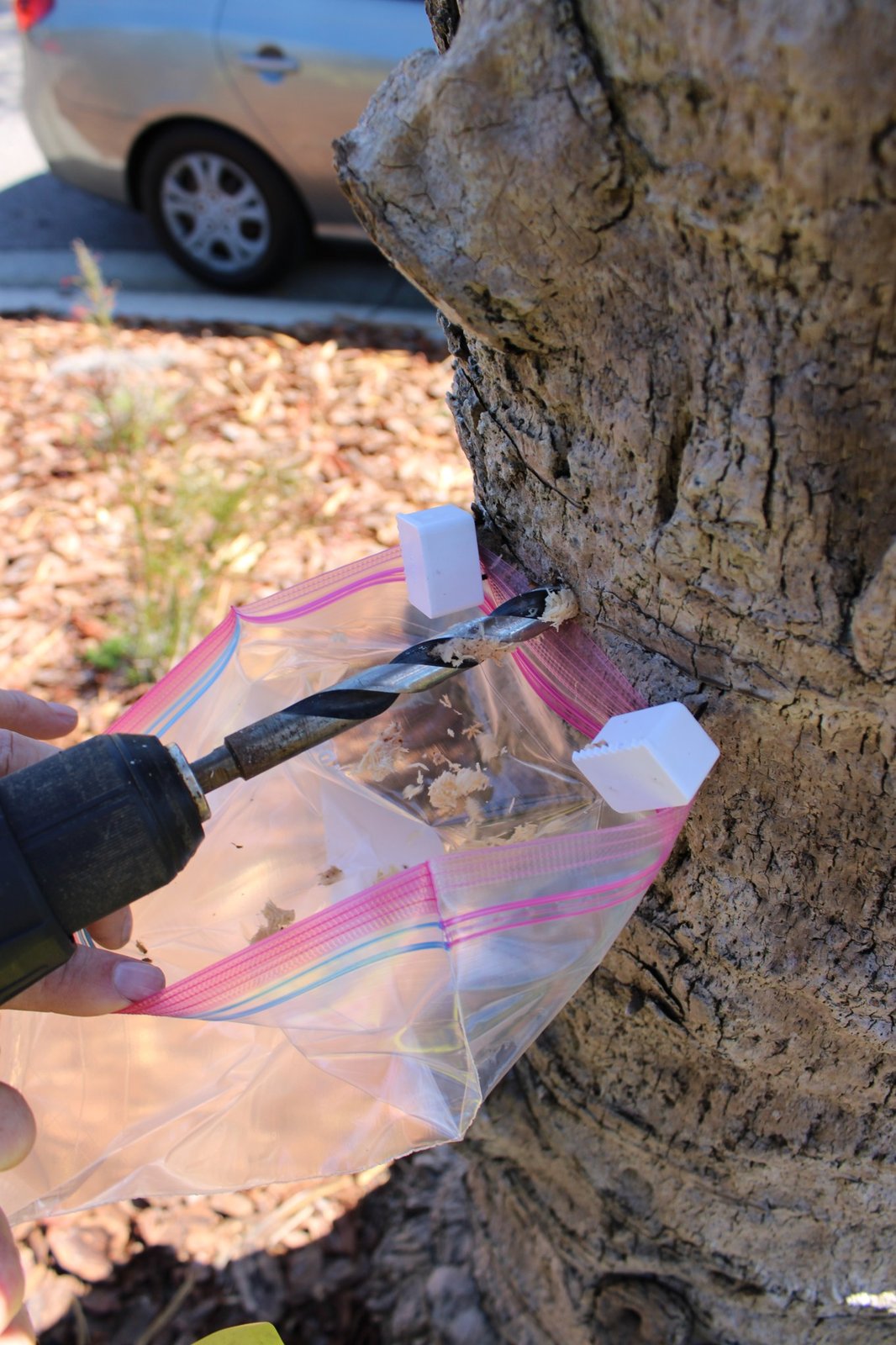
A chainsaw cannot be verified clean in the field. Residue hides in the bar groove and housing. On Canary Island date, Medjool and Sylvester palms we highly recommend sterilized handsaws: brushed, disinfected and given a quick torch pass between palms. It is an option the club chooses species by species, and it costs more. On a course with a few dozen signature date palms, it is usually worth it.
Water the course already knows
Superintendents know their irrigation water better than anyone. Some Naples courses on the same aquifer run 700 to 1,000 ppm bicarbonate. That water slowly raises soil pH and locks up manganese and iron. When a palm on a full program is not responding, we check the soil and water before adding fertilizer.
We do not add gypsum to palm programs unless a soil and water test confirms a sodium problem, so we stay out of the turf program's way. We also space our palm applications about 45 days from any other palm feeding on the course.
Working around play
Golf work gets its own agreement, separate from the community commons. Crews use small side-by-side vehicles on the course and debris trailers, and water for applications comes in by side-by-side or pickup tank. Isolated trees on open ground are lightning candidates, so we flag them for protection where it makes sense.
Counts and a replanting plan
“Do you have a count of trees being trimmed and or treated. The club has had a few years of removing trees for whatever reason and we want to begin the process of adding trees back over the next few years.”
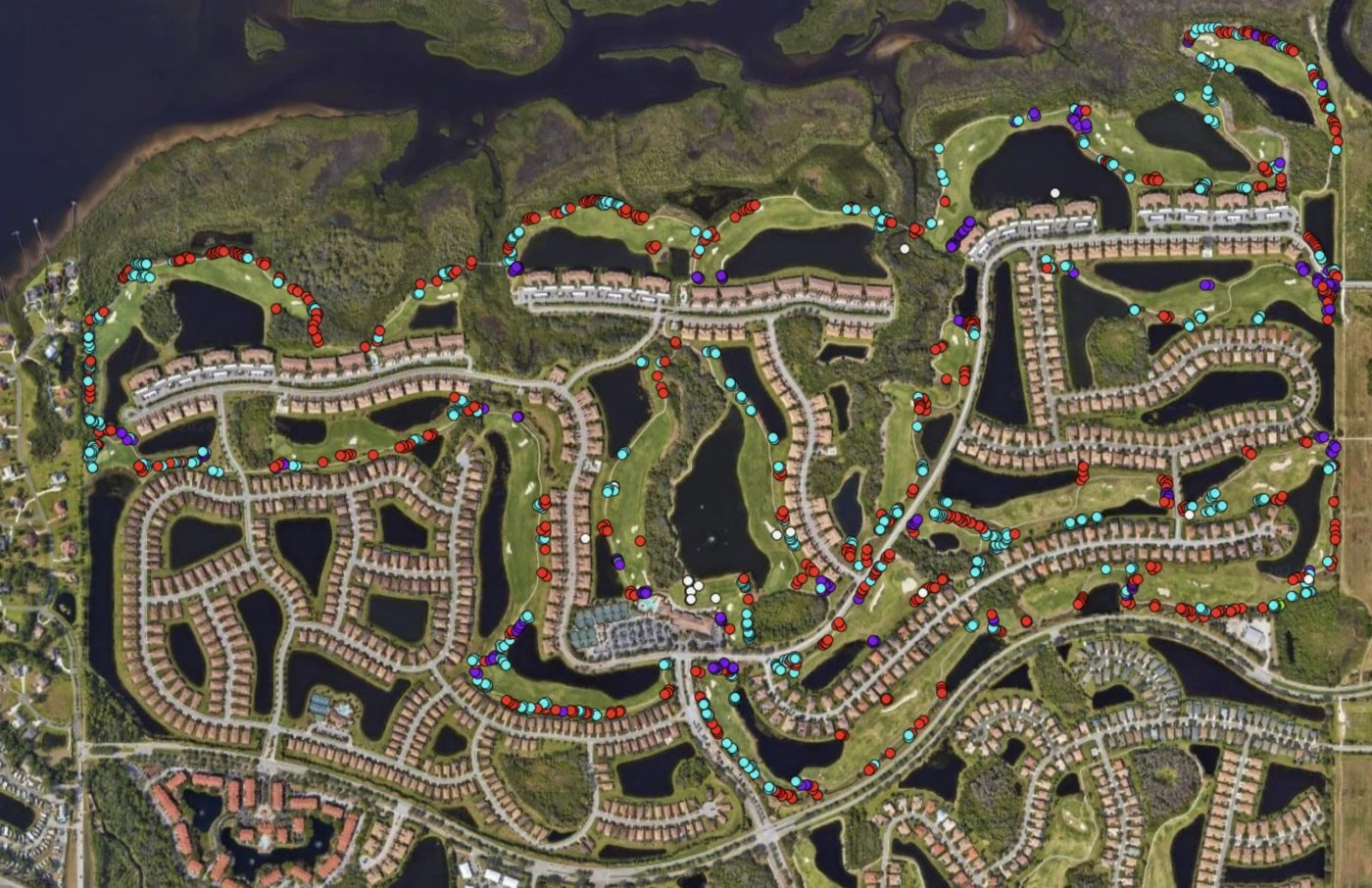
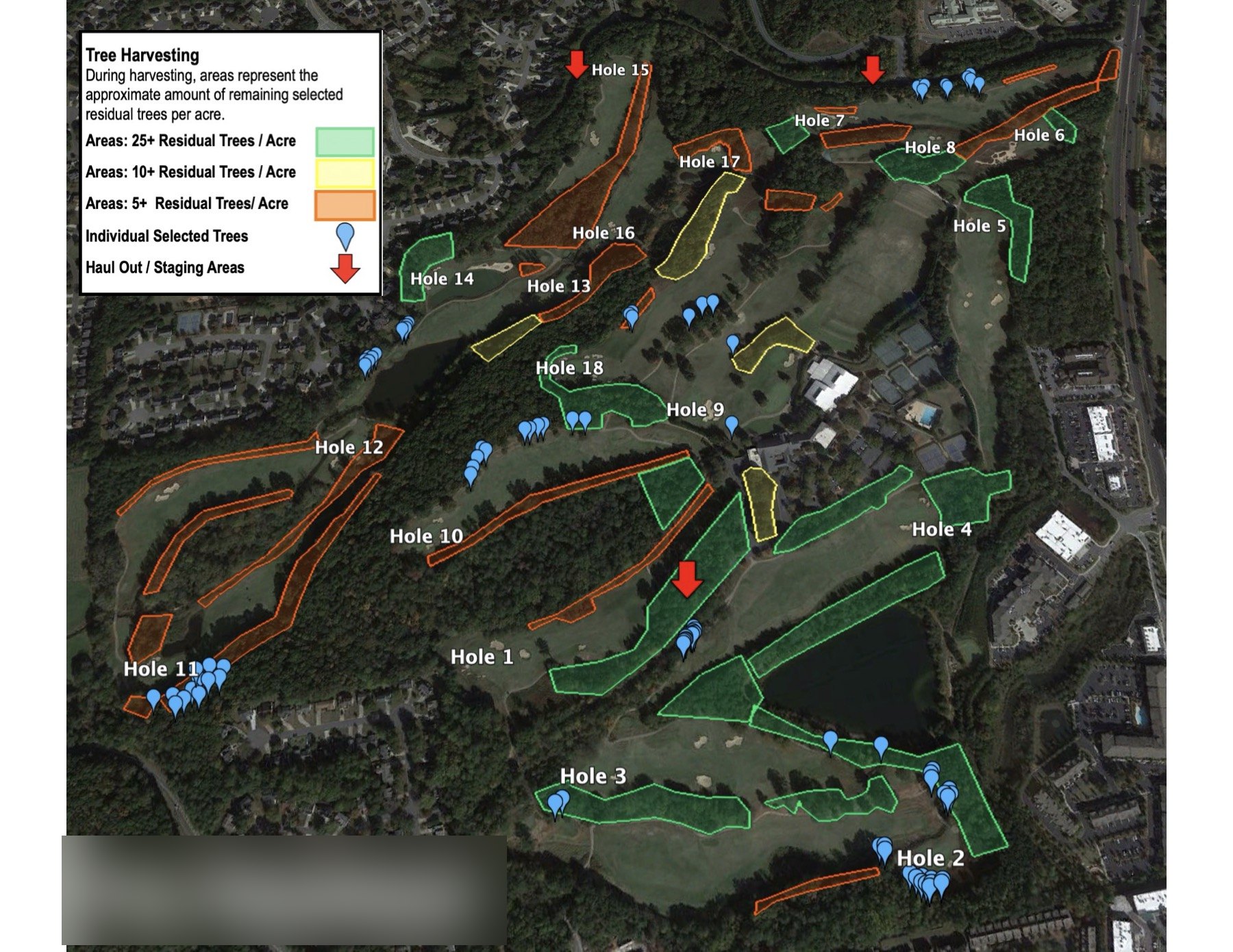
Our GIS inventory gives that count by hole. It also gives the replanting plan its starting line.
What to do
Ask us for the free master plan, and we will walk the course with your superintendent. We map every palm and tree by hole, mark the signature palms, and size the plan to the number the club sets.