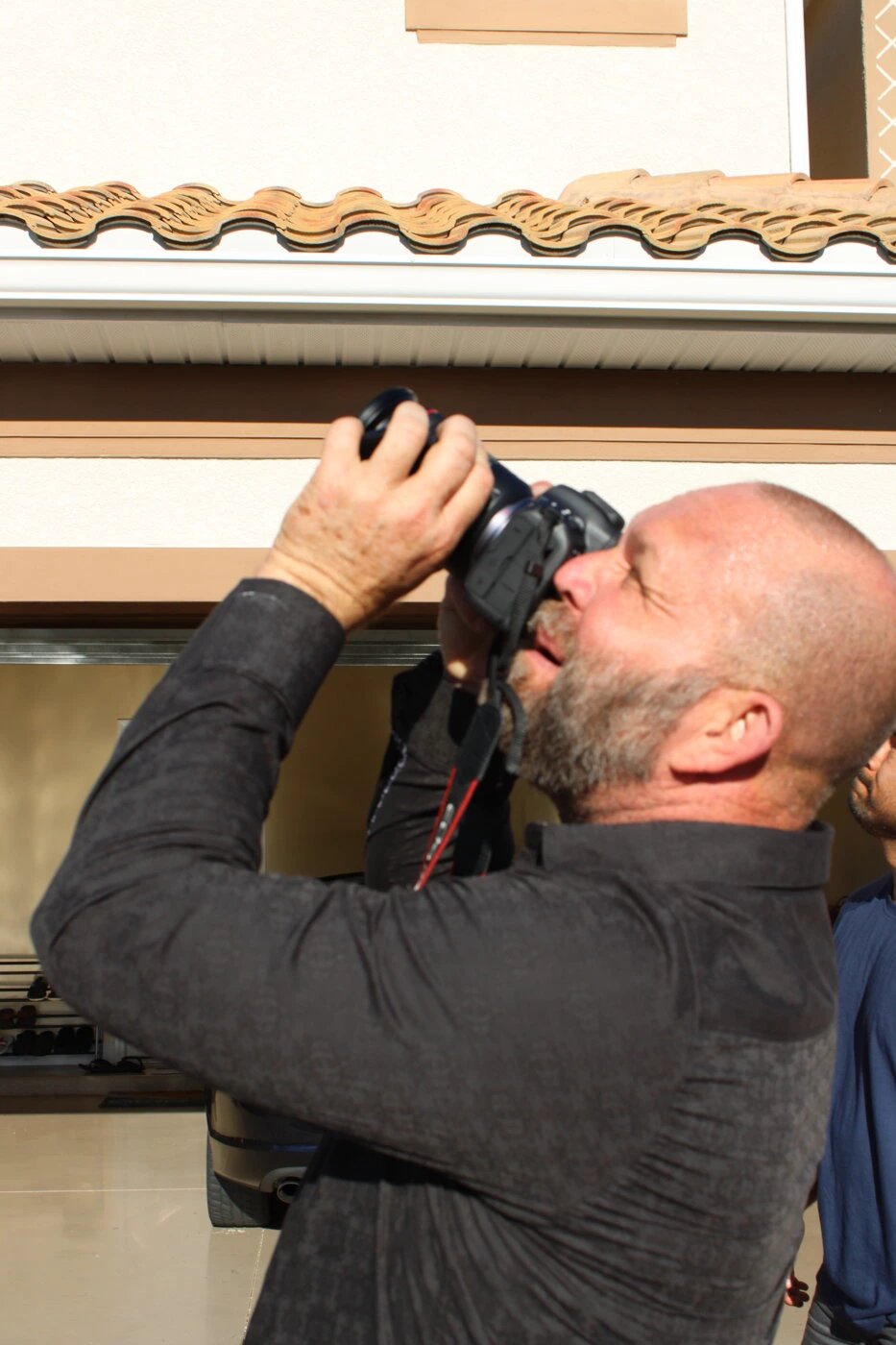
Why Health Care, Pruning and Removals Belong in One Plan
Every pruning cut and every removal is a health decision, so splitting them across vendors costs a community more palms and more money.
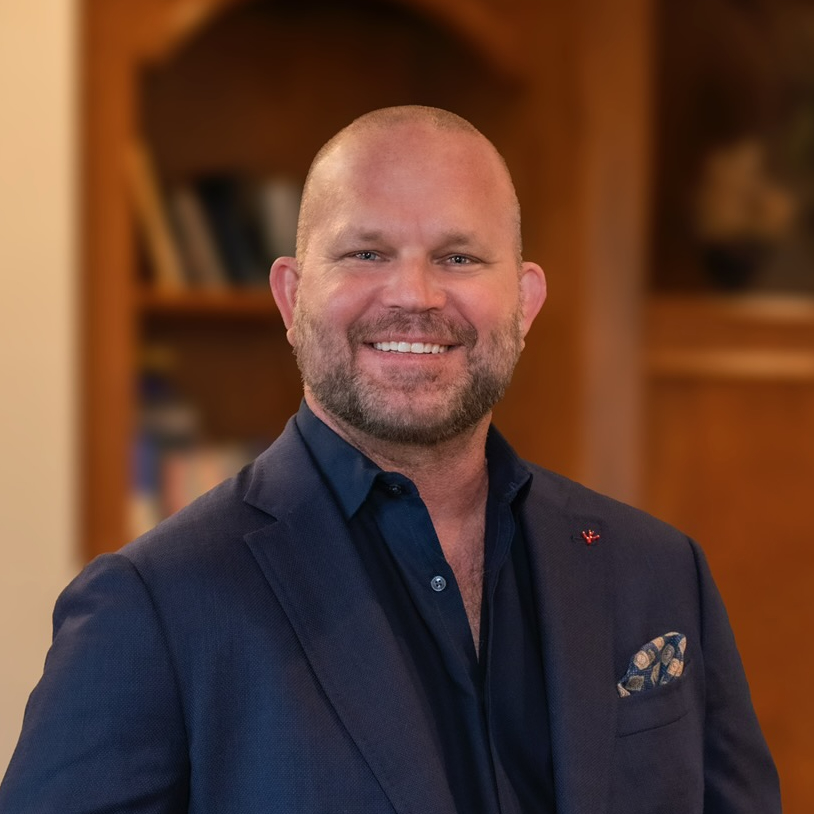 Jeff Kaulbars
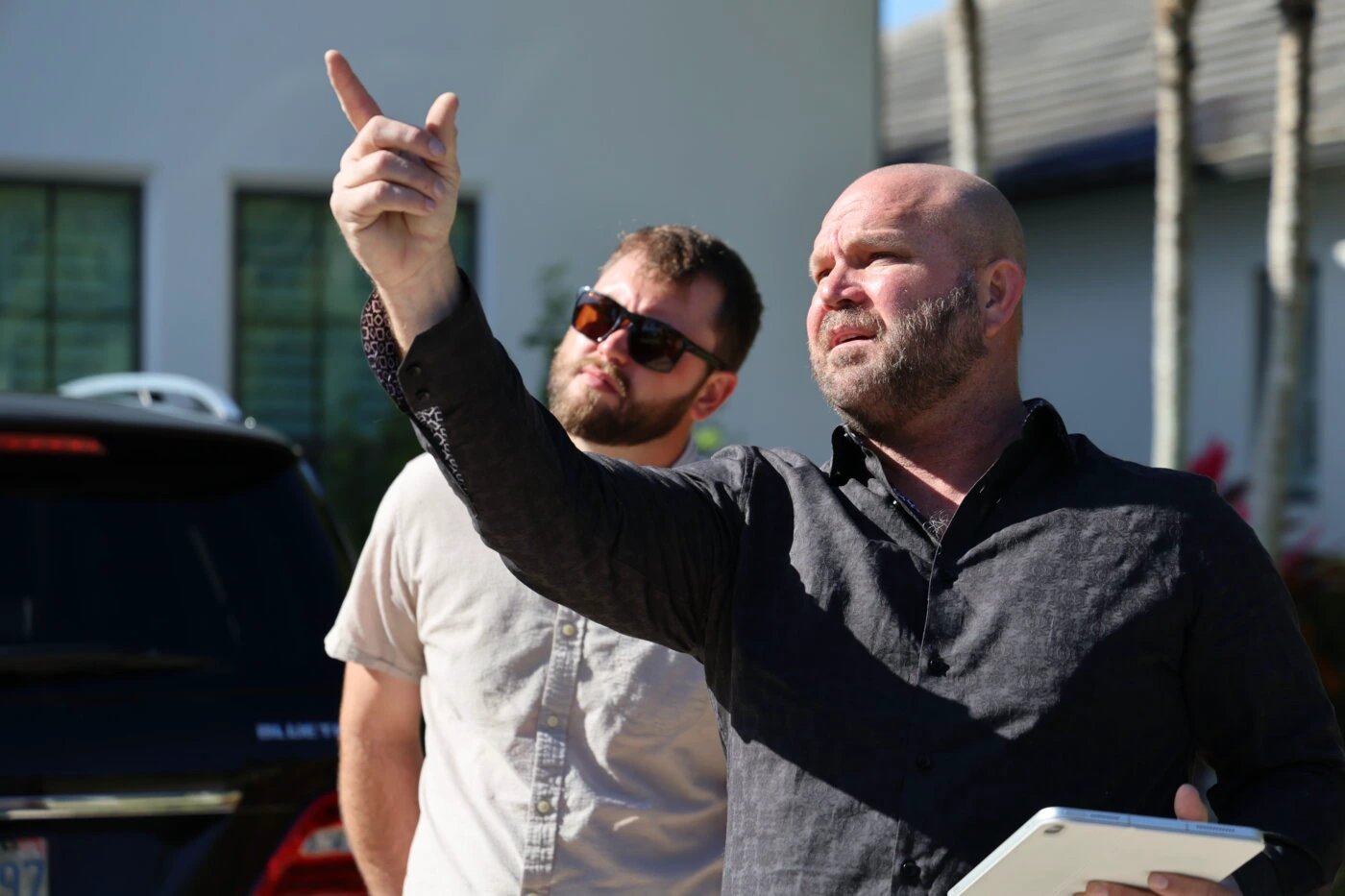
Most communities already pay for two contracts that touch their palms and trees. The landscape contract covers everything up to about 12 feet: turf, shrubs, irrigation and ground-level fertilizing. The tree service prunes and removes. Neither one watches palm health. It is nobody's fault. The system was never built to include it.
Every cut is a health decision
Split pruning from health care and the decisions that matter most fall between the two.
- Over-pruning strips the fronds that store potassium and magnesium, and speeds deficiency.
- Fresh pruning wounds let in Thielaviopsis trunk rot and draw the palmetto weevil.
- Fusarium wilt travels on pruning saws. Whether to sterilize handsaws on date palms is a health call made on a pruning ticket.
- Date palms on a protective drench should be pruned in April and May, so the flowers are off before the drench and bees stay off a treated palm.
- Removing a lethal bronzing positive palm should follow an insect knockdown on its neighbors, or the cut can scatter the insect onto them.
When the pruning crew and the health program answer to different people, nobody owns those calls. Managers feel it. One wrote:
“Do we call [the tree crew] to take the tree down? When is everyone available for a call?”
One provider, one record
Large clients reach the same conclusion from the other side. A district operations director told another vendor:
“They are the overall tree care provider, and I want to ensure we are not over treating the trees.”
And a district landscape director wrote:
“It is generally not advisable to have two separate treatment programs being applied simultaneously to the same plant material without coordination, as one program can unintentionally interfere with the other.”
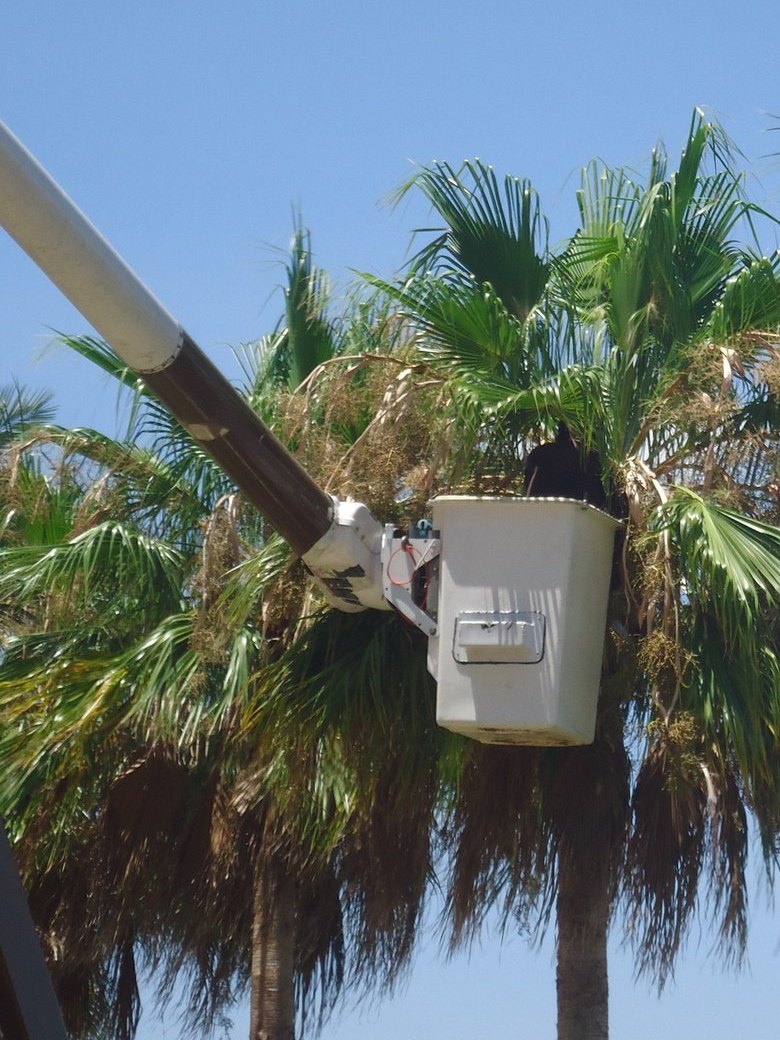
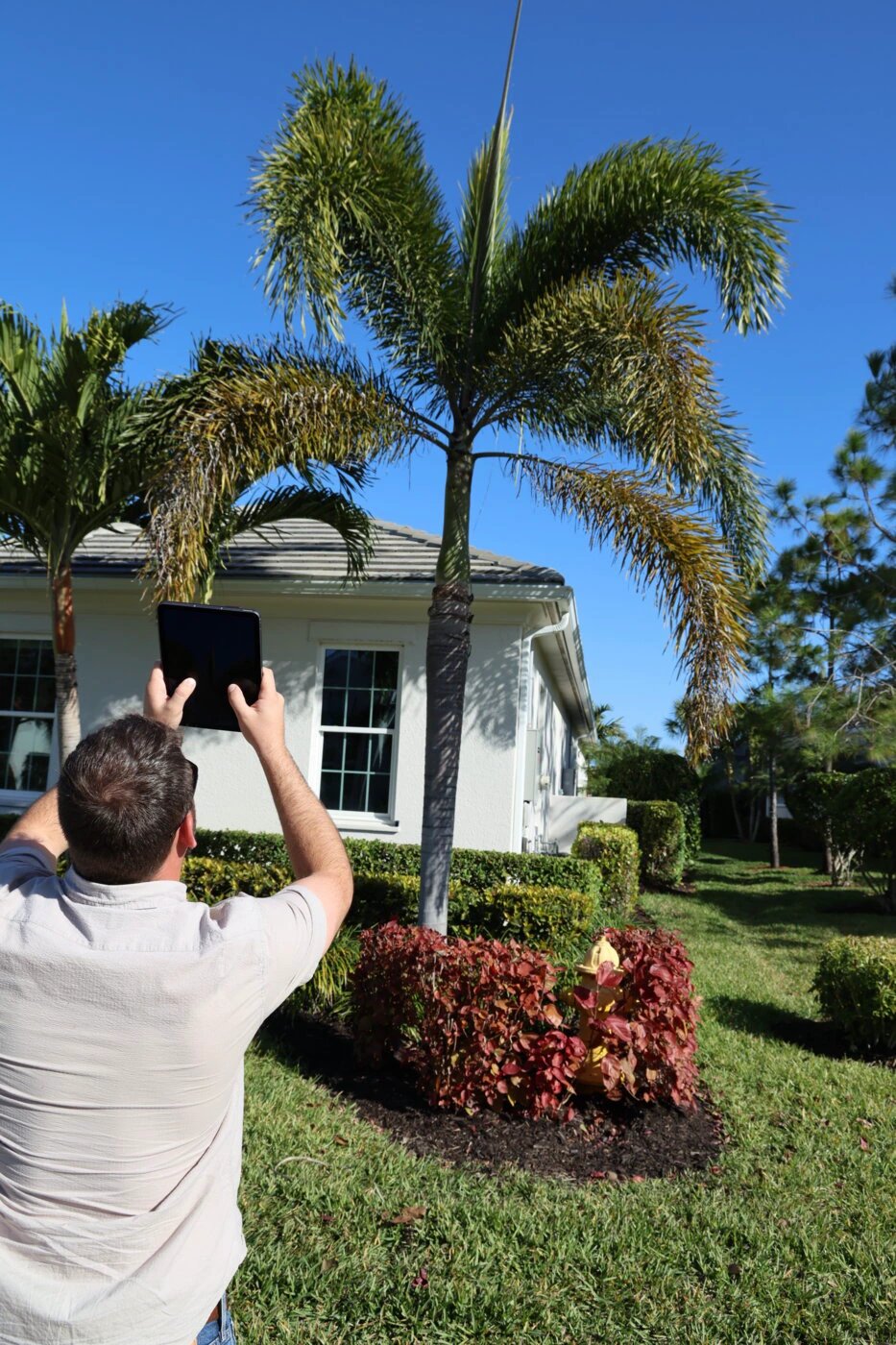
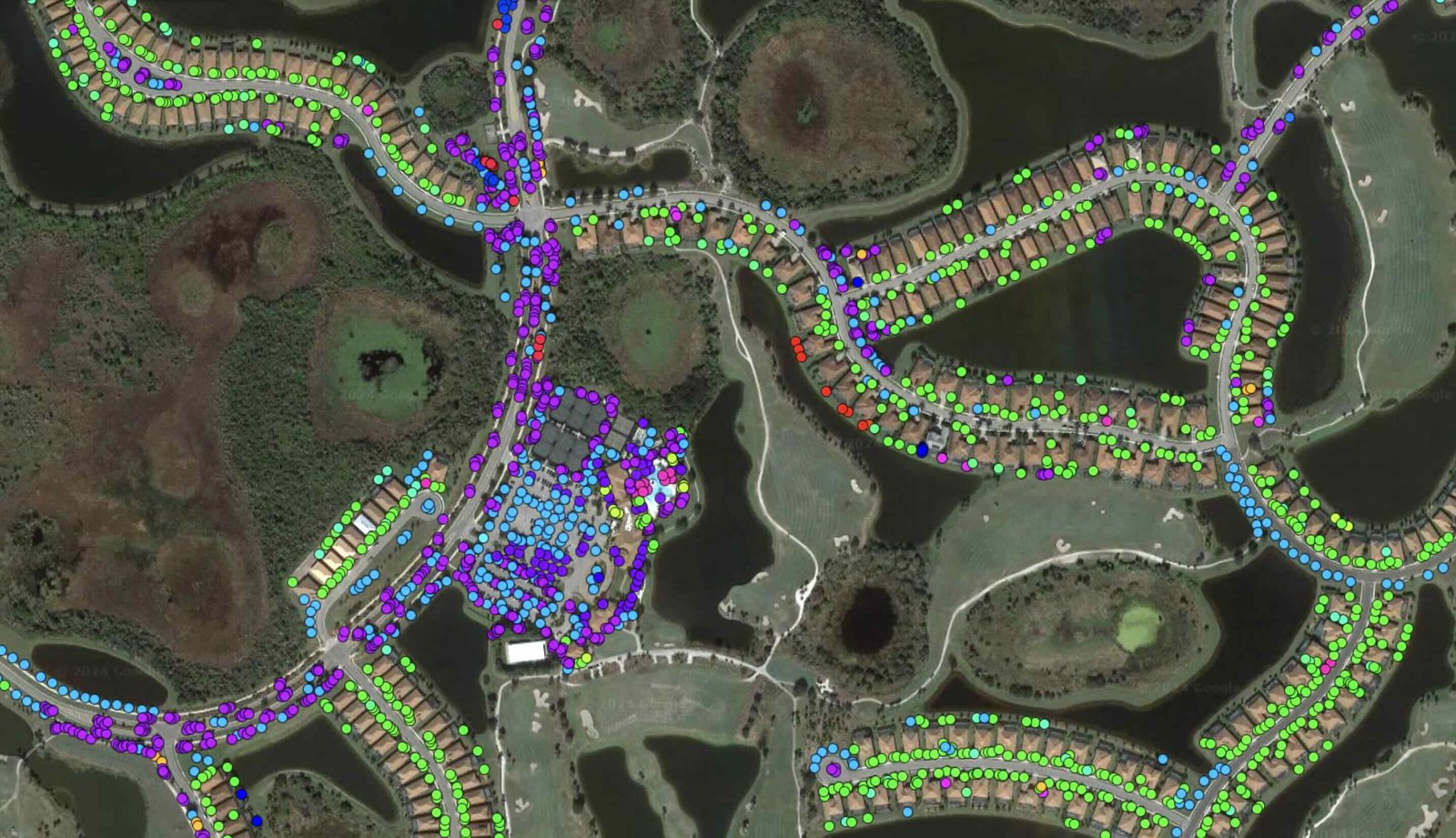
Our philosophy is Monitor, Manage and Protect. Pruning and removals sit under Manage, beside fertilization and root work, because they are routine care that keeps a healthy palm or tree healthy. One record in our GIS inventory carries every inspection, every cut, every treatment and every removal for each palm and tree.
Care at scale is a different job
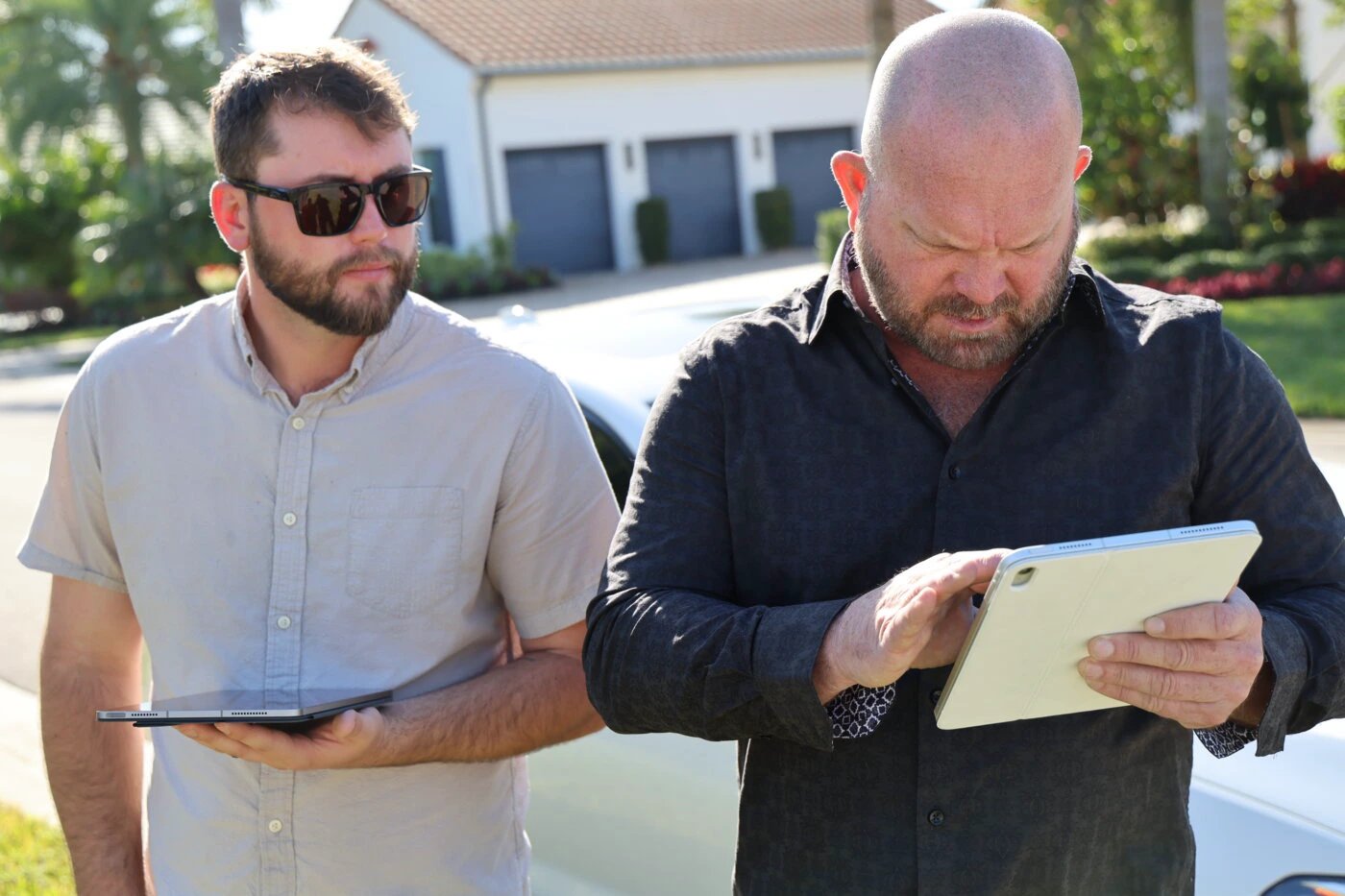
Jeff Kaulbars has spent his career on this problem. In his words: "There's a difference between working for a homeowner and working for a community, an ISD, or a CDD. The budget's tighter. The scope of work is much larger, and there's just a different mentality in working at a large scale versus a small scale."
He is honest about the limits too. A community cannot buy the attention a single homeowner can give one specimen palm. "The amount of care that it takes for a palm or a tree is not cheap. These are living things." So we set a target a community budget can hold: 80 percent canopy health or better, which we call Normal, across the inventory. It is a management target, not a guarantee.
We grade on five steps, Normal, Fair, Poor, Critical and Dead, and a program is working when palms reach Normal and stay there.
And he is plain about why it took so long to put together:
This has taken me 30 years to figure out how to incorporate healthcare, tree pruning, and removal all in the same package. The key is planning.
What the plan looks like
Our Palm and Tree Master Plan rolls the Health Program, palm and tree pruning, removals and the disease protocols into one written 10-year plan:
- Every palm and tree assessed and mapped.
- A written standard for each kind of work, so any crew can bid the same scope, and every bid covers the same work.
- A level chosen for each part, from the floor (safety, clearance and inspection) up to full preventive care.
- An estimated budget built from the specs and the counts, year by year.
- Removals only after an ISA Certified Arborist's written determination.
- Protocols written once, ready before they are needed.
Why it costs less
Large community work tends to slide toward production work and the lowest bidder. That is how a community ends up paying for a hurricane cut that sets up a deficiency, then a treatment for the deficiency, then a removal.
On a plan, the work is ordered by what has the most return for the community: the palms at highest risk, the trees over the busiest walks, the young trees where a little structural pruning now saves a lot later. In a typical treatment program, it takes about 20 to 30 years before the cost of treatment equals the cost of replacing a single tree.
What to do
If your community buys palm and tree care one proposal at a time, ask us for the free master plan. It starts with a two-year Palm and Tree Care Program. Then the next decision about a saw gets made by someone who is watching the palm.