Ganoderma Butt Rot: When a Conk Means the Palm Is Lost
Ganoderma butt rot has no treatment, rots the base while the canopy still looks fine, and turns a palm into a collapse risk.
 Jeff Kaulbars
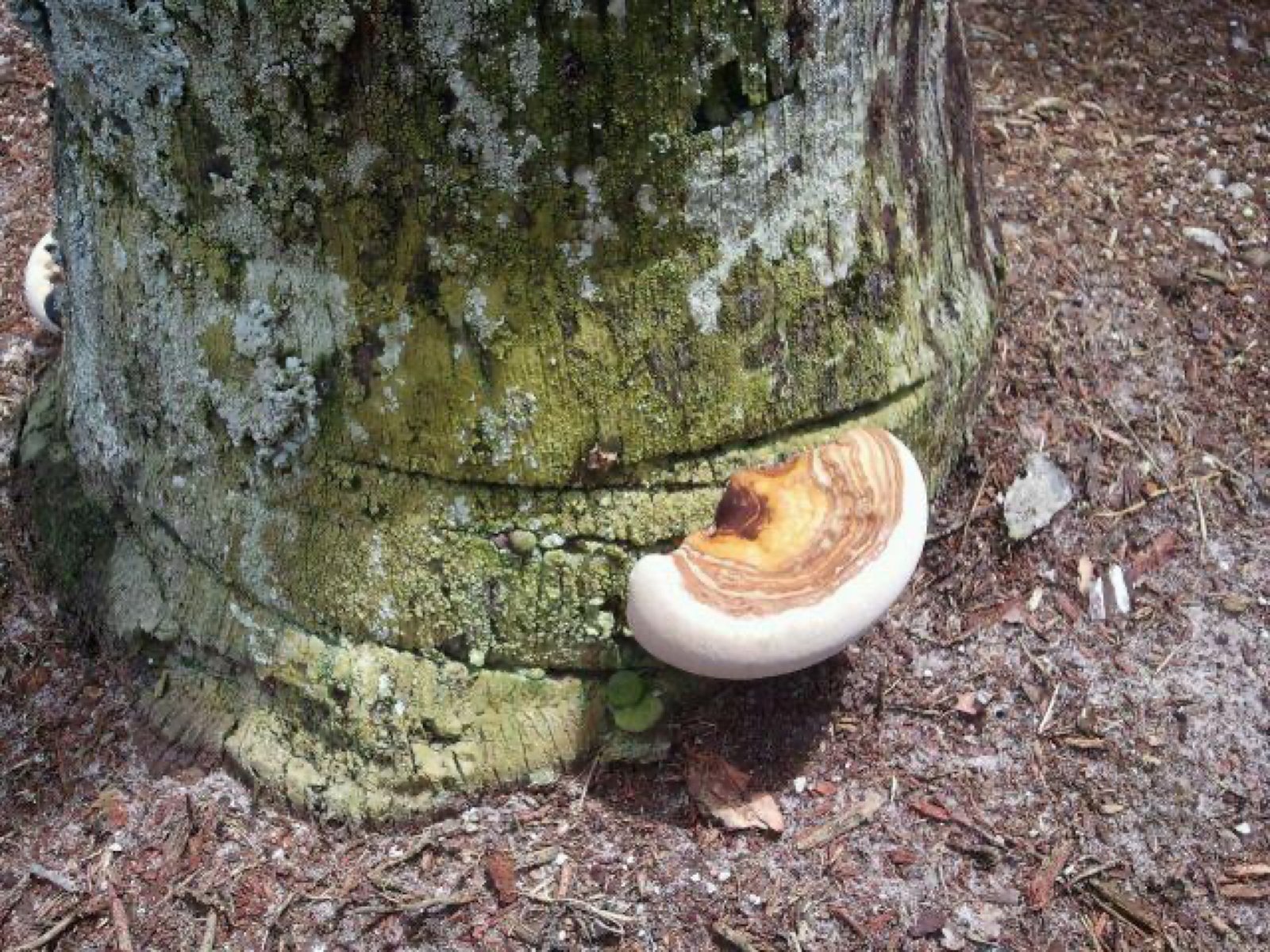
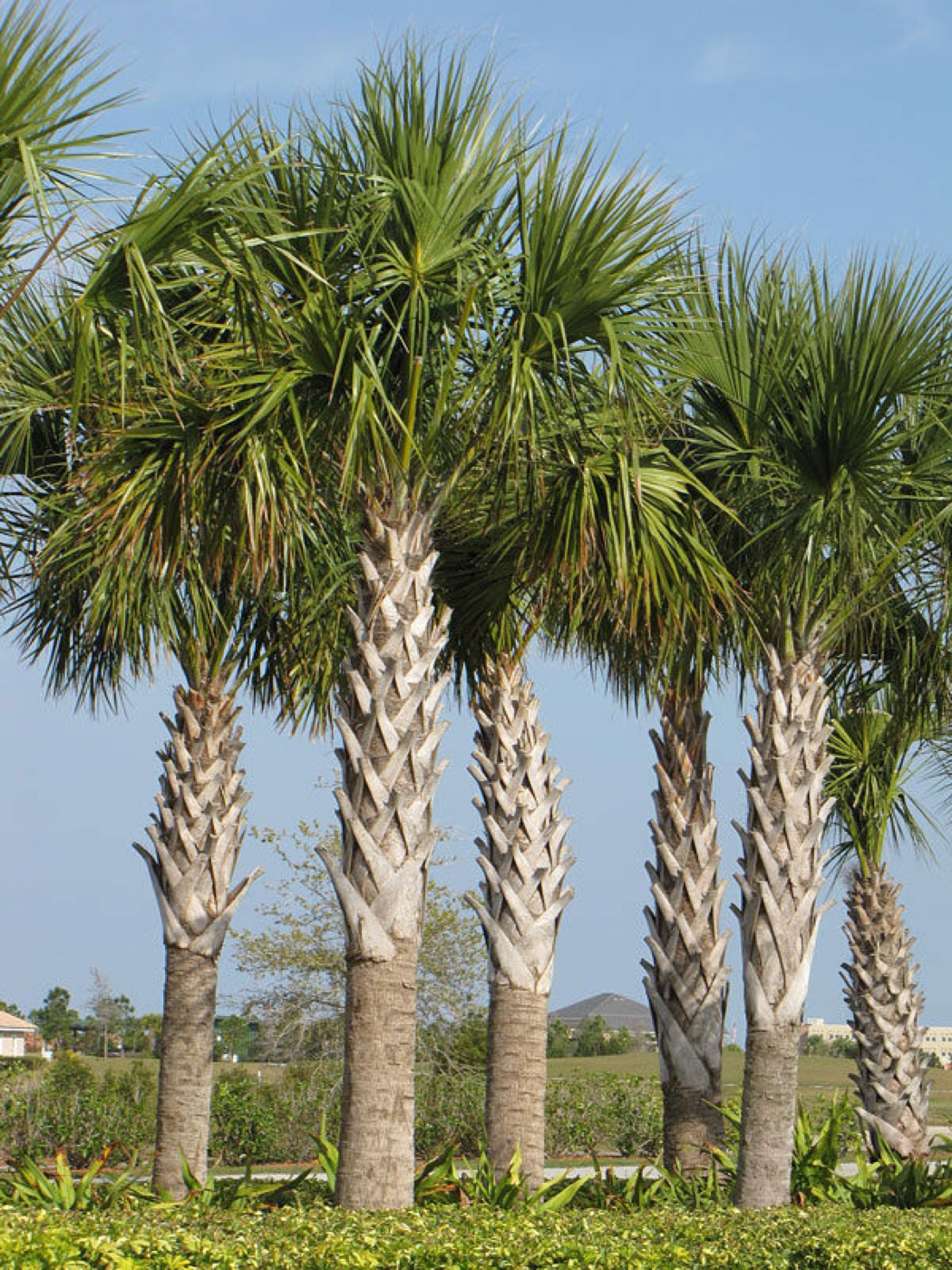
Ganoderma butt rot is caused by Ganoderma zonatum, a fungus that rots the lower 4 to 5 feet of a palm's trunk. It breaks down the wood that gives the trunk its strength, and the trunk can still feel solid while it is being hollowed out. Every palm species is susceptible, and the fungus is present statewide.
What the conk tells you
The conk starts as a soft white button on the lower trunk. It matures into a hard, half-moon shelf with a glazed reddish-brown top and a white underside, attached flat to the trunk. By the time a conk shows on a living palm, much of the lower trunk is already decayed. Death follows within 6 months to a year once the conk develops.
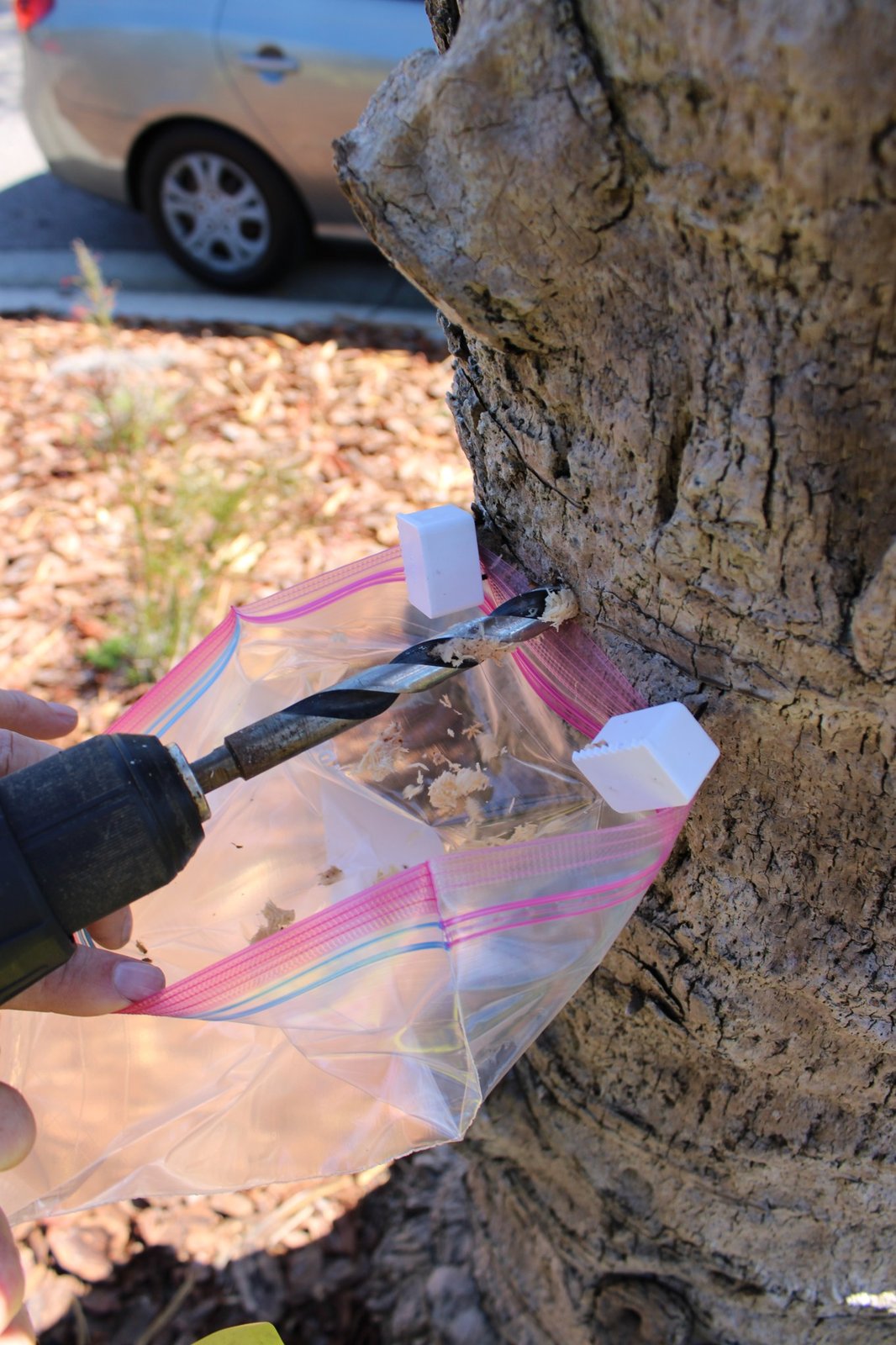
Many infected palms die before a conk ever forms. Where a palm is declining and has no conk, a lab test on sawdust drilled near the soil line can confirm it. A quarterly look at the canopy will not find this disease. Someone has to look at the base. Once a property has a confirmed case, every visit includes a whole-palm inspection: canopy, trunk, and root collar.
No treatment, and a written recommendation
No fungicide, injection, or biological control works on established Ganoderma. Knocking the conk off is sanitation to reduce spore release. It does not stop the disease. On a confirmed palm we recommend removal in writing, on every report, for as long as the palm stands.
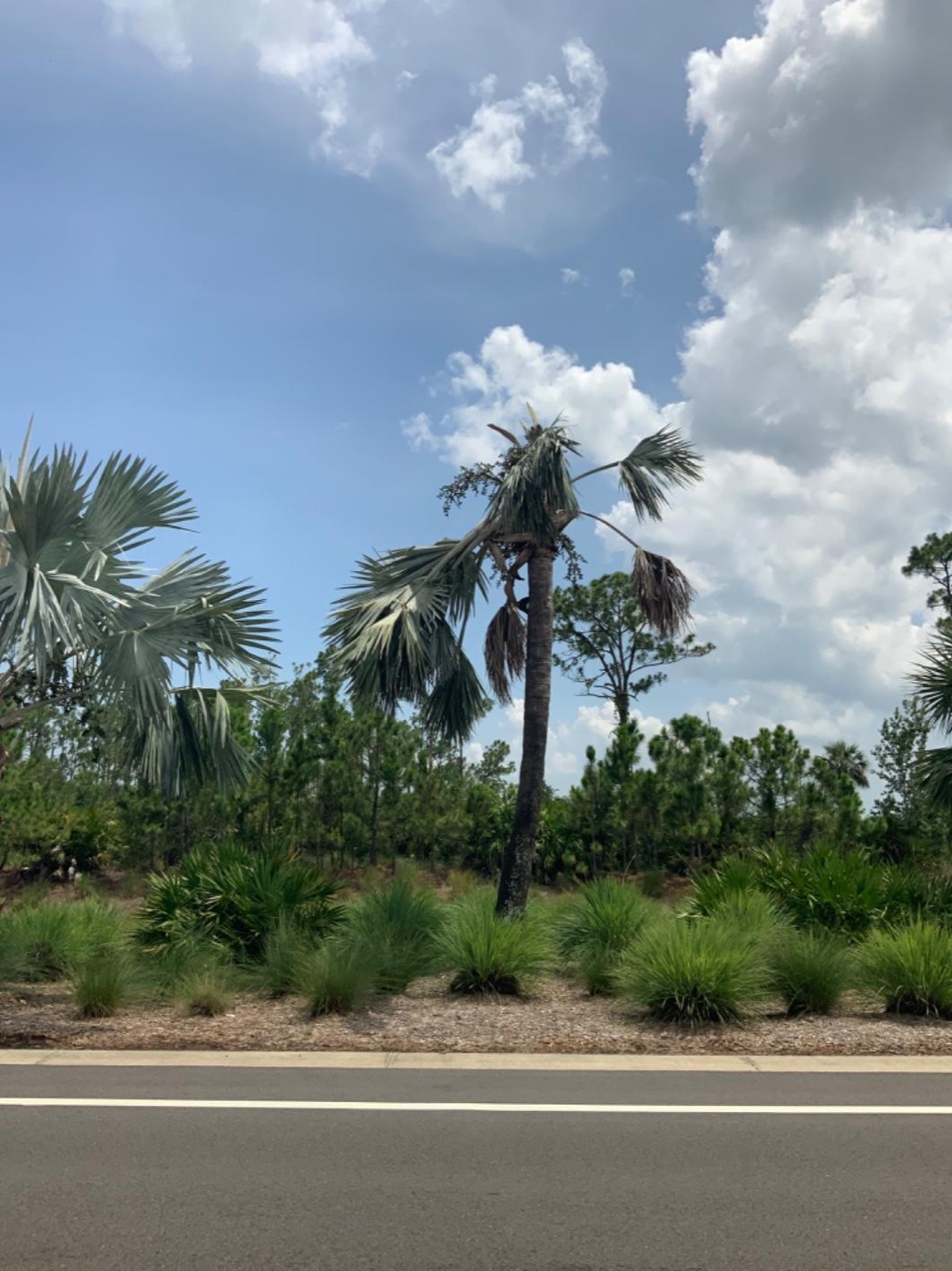
A green canopy does not change that, because the rot is in the base, not the fronds. Whether the palm comes out is the client's decision. A kept palm stays on our watchlist and is checked and photographed each visit.
How it spreads, and the collapse risk
It spreads mainly through the soil, root to root. Spores released from the conk are a second route. It does not travel on pruning tools. Fungal activity peaks June through September.
A palm with butt rot can fail without warning, and these palms are among the first to come down in heavy wind. No ladder goes against a palm flagged for Ganoderma. If the client keeps one, we prune it from the ground with a pole pruner or from a bucket truck, never by climbing. That can cost more than a normal trim. A flagged palm near a building, pool, or walkway moves up the priority list.
Removal and replanting
On removal we take the stump and root ball, or grind the stump and haul away all the grindings and the soil mix. Infected chips are never used as mulch. We do not dig out soil to decontaminate it, because no one can map how far the fungus reaches, and no soil treatment removes it.
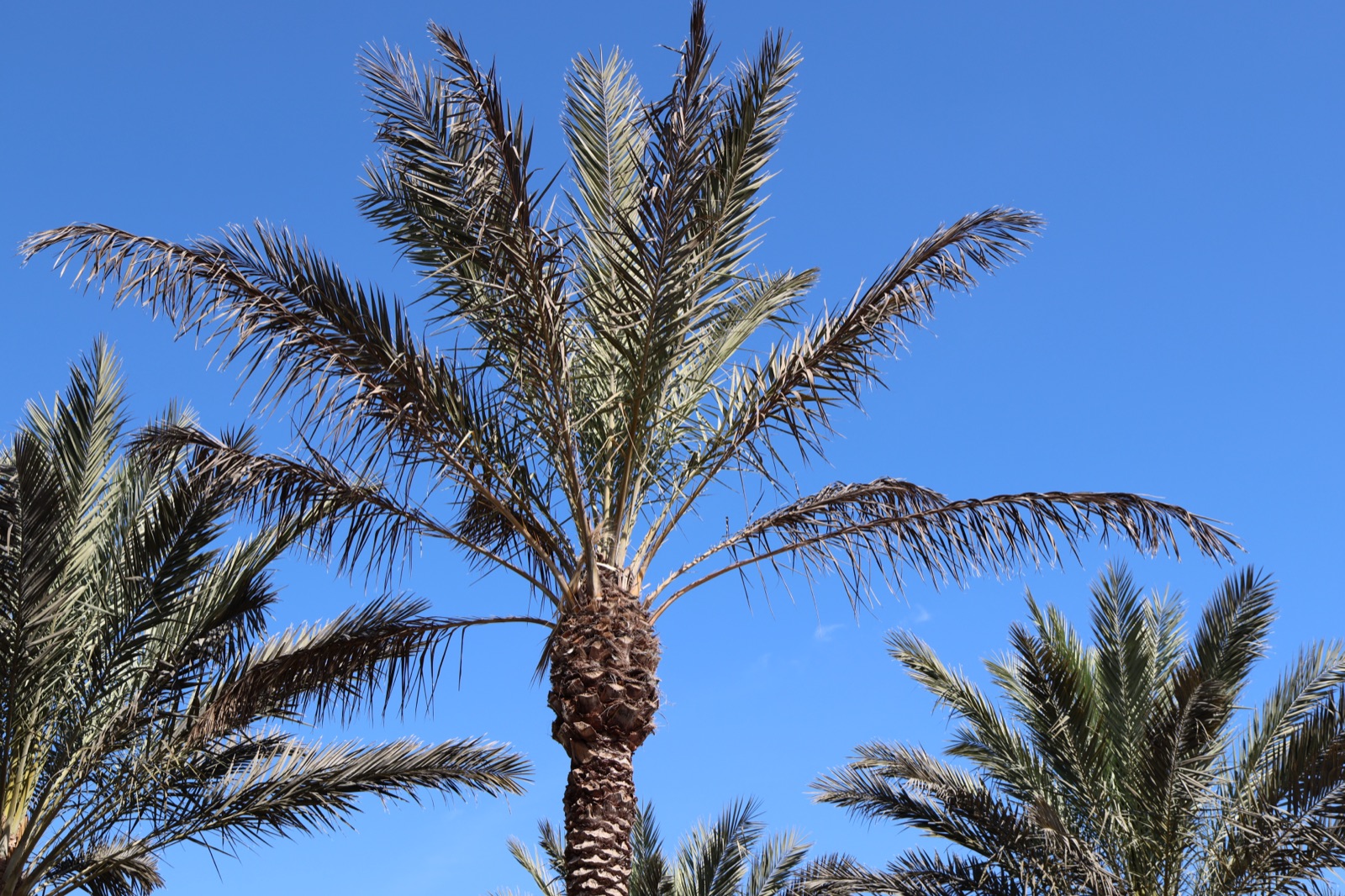
UF/IFAS advises against replanting a palm in the same spot. Our position is that it is a risk decision made with the client, not an absolute rule. Communities have replaced Canary Island date palms with Canary Island date palms in Ganoderma spots, and the new palm did not get Ganoderma.
How long the fungus lasts in soil is still not fully understood. If you want to replant, we disclose the risk in writing and weigh it against the value of the location.
What to do
If you see a shelf-like growth at the base of a palm, keep ladders off it and call us. A certified arborist confirms what it is and puts the recommendation in writing. For every other palm on the property, ask for the free master plan.