OTC Injections: Why We Keep Them as a Last Resort
Quarterly antibiotic injections leave dozens of permanent holes and slow lethal bronzing without stopping it, so the Palm Health Program comes first.
 Jeff Kaulbars
Every few months a manager forwards us a news story or a sales pitch about injecting palms. One regional landscape director sent this, word for word:
“My boss shared the attached link with me this morning. Root injection???”
The pitch is usually the same: inject every at-risk palm with an antibiotic (oxytetracycline, or OTC) every 3 to 4 months to protect it from lethal bronzing. It is the common recommendation, and it reflects university extension literature on OTC. We do not run blanket OTC programs, and we do not recommend them. Here is why.
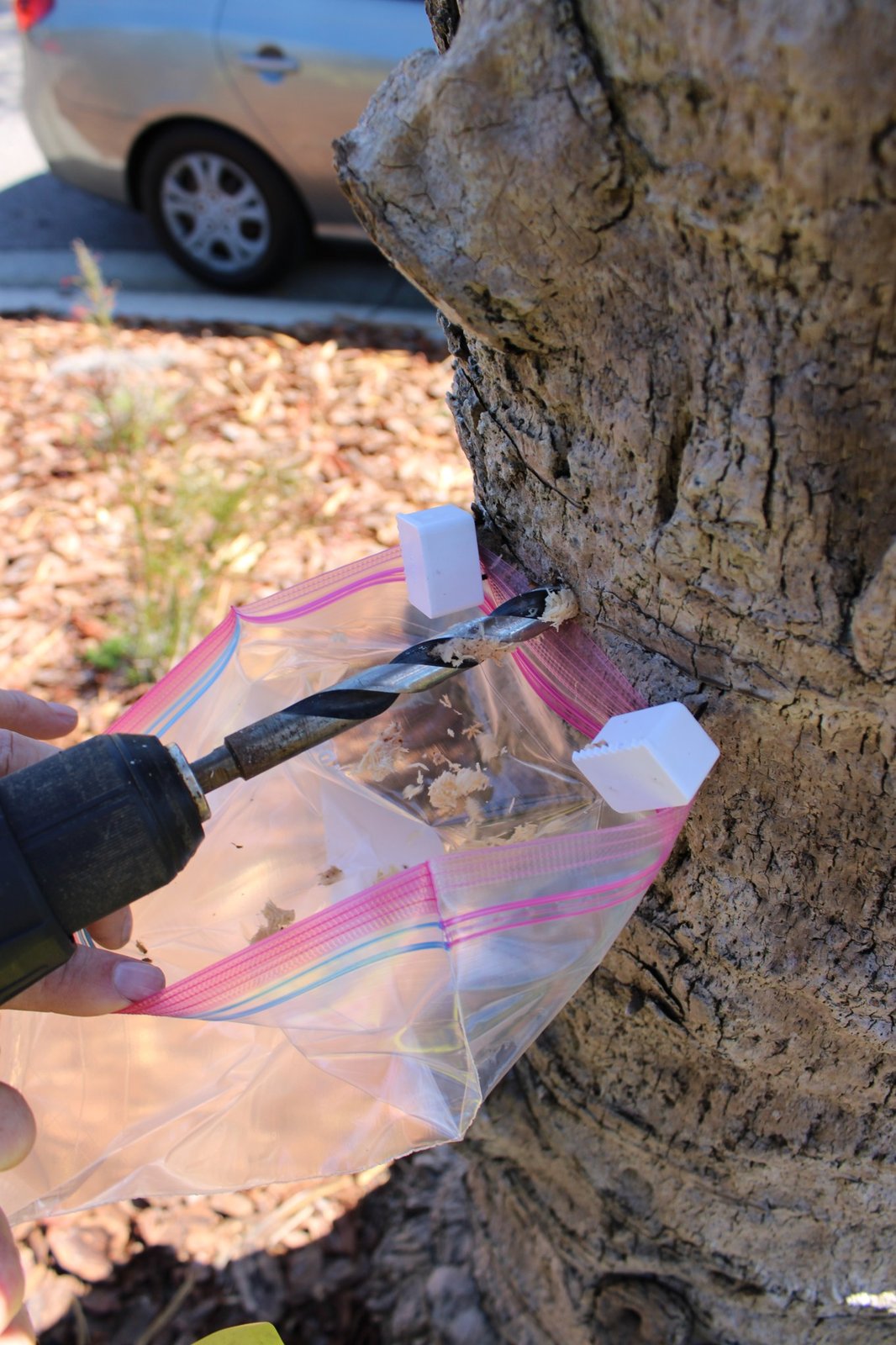
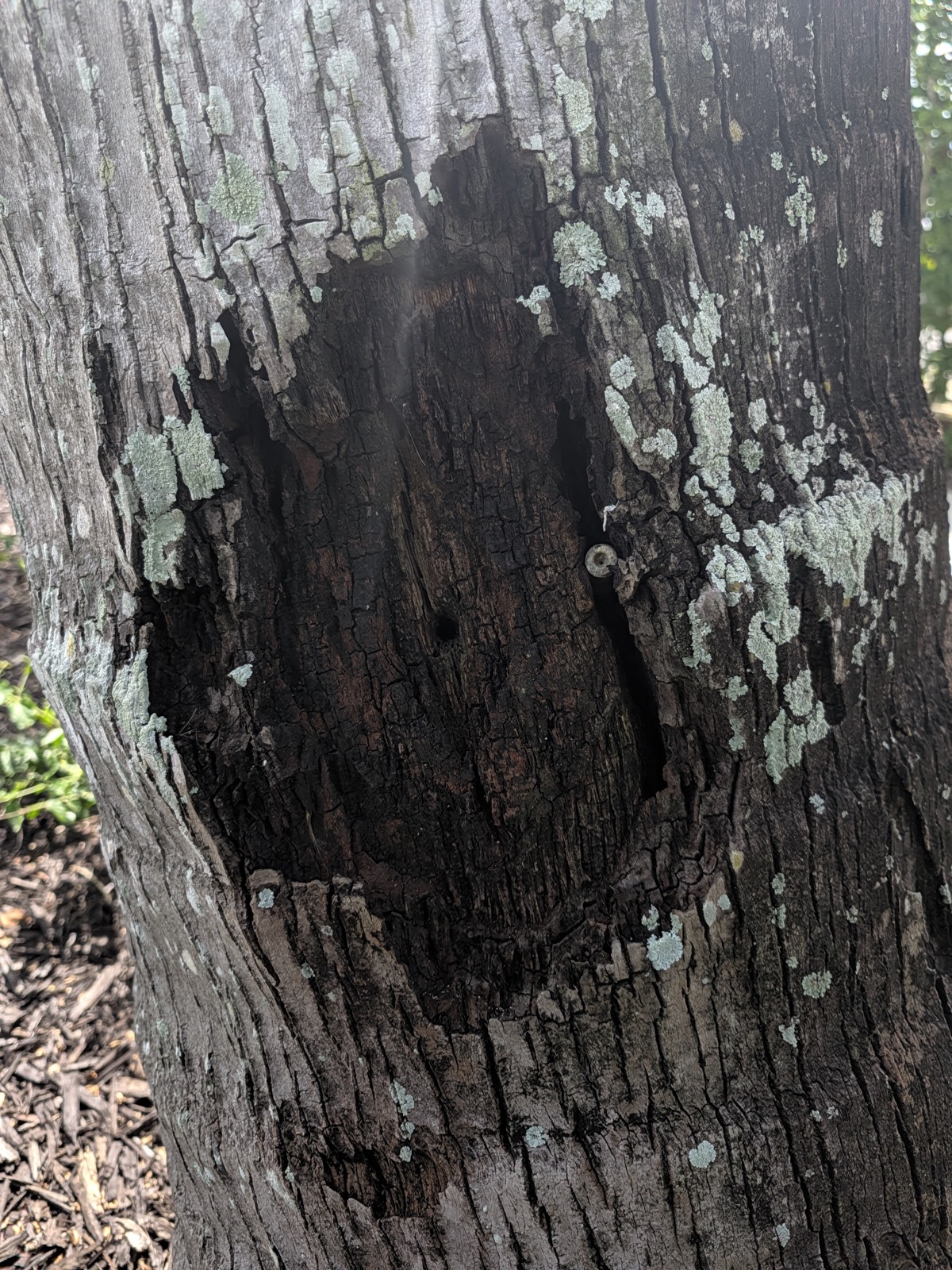
Every hole is permanent
A tree can wall off a wound and grow over it. A palm cannot. The surface of an injection site hardens, but the damage inside stays for life. Quarterly plug injections come to about 40 holes in 10 years. Keep going for a decade or two and a palm can carry 40 to 80 injection sites.
It slows the disease, it does not stop it
OTC suppresses the organism that causes lethal bronzing. Published research shows it does not clear it. An injected palm that is already infected is still infected.
Most injected palms never had it
Lethal bronzing cannot be called by eye. Potassium deficiency, normal frond aging and transplant stress look like it. Blanket programs treat palms on a schedule, whether they carry the disease or not, so most palms in those programs are being drilled for a disease they do not have.
Even experienced eyes get it wrong. Jeff Kaulbars tells this one on himself:
“I called lethal bronzing on a palm, and so did a second palm professional with three decades in the field. The laboratory did not detect the organism. That palm is alive and grading Normal today.”
Plans that are not carried out
There is another problem we see often. A plan is in place, but the treatment is not done as written. A plan that calls for 9 to 12 injection sites and gets 3 is a failed treatment, even when the work order is closed. That is why our crews wear body cameras during treatments, and why we check the delivery itself, beyond the paperwork.
What we do instead
The budget does more on the things that address the cause:
- Monitoring every palm on a schedule, so a bronzing palm is noticed early.
- Lab testing before any palm is treated or removed for lethal bronzing.
- Controlling the insect that spreads it. On our Advanced tier that means a protective soil drench on the high-risk palms, our best-supported tool, with turf, canopy and cultural work around it.
- Real palm nutrition, so the palm is in the best shape to defend itself.
- Prompt removal of a lab-confirmed positive palm, after an insect knockdown on its neighbors.
When OTC makes sense
OTC stays on the table as a last resort, a choice we disclose and the client makes, for a narrow case: a palm that is extremely valuable or very hard to replace, with no symptoms, in an active lethal bronzing zone, whose trunk core came back Not Detected.
Hard to replace means set into a pool deck or hardscape, up on a second story, or reachable only with a crane. Even then, it is port injection only, never blanket plugs. We are also evaluating a longer-lasting port system for exactly those sites. It is not our default until our own palms give us the data.
What to do
If someone has proposed injecting every palm on your property, ask two questions: how many of these palms have been tested, and how many holes will each one carry in ten years? Then ask us for the free master plan. The Palm Health Program comes first.